How Mold Exposure May Contribute to Nasal Polyps: Symptoms, Risks, and Prevention
Key Takeaways
- Mold spores can irritate the nose and sinuses and trigger allergic inflammation, which is a major driver of polyp growth.
- Some people with nasal polyps show higher sensitivity to certain fungi (including Candida); while Candida albicans is not a common airborne mold allergen, sensitization has been reported in select patients.
- Long-term improvement often comes from a combination of mold prevention at home, consistent anti-inflammatory treatment, and—when needed—ENT-directed procedures.
- Routine antifungal therapy is not widely recommended for nasal polyps except in specific fungal sinusitis subtypes such as allergic fungal rhinosinusitis (AFRS).
What Are Nasal Polyps (and Why Do They Matter)?
A simple definition
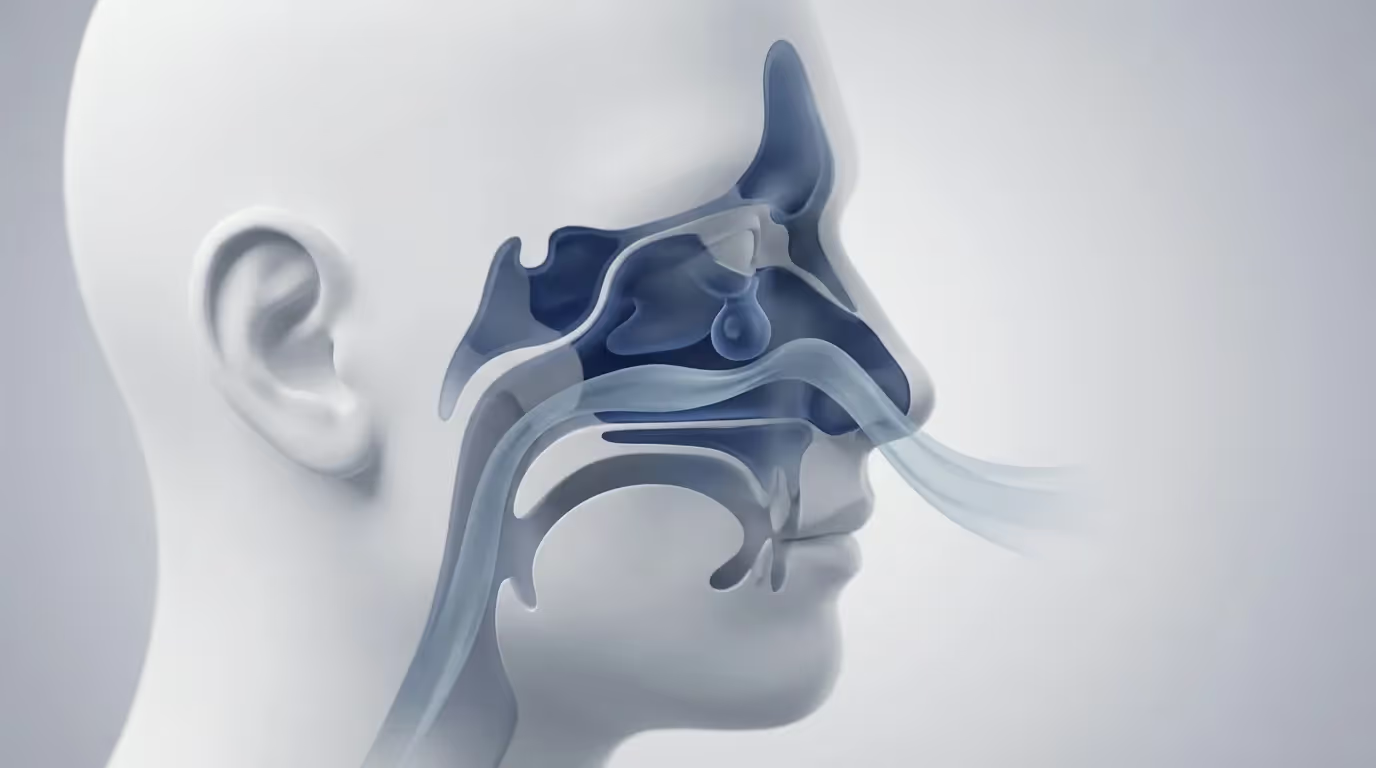
Nasal polyps are soft, painless, noncancerous growths that form in the lining of the nose or sinuses. They’re commonly associated with chronic sinus inflammation—meaning it’s usually not a one-time infection problem, but an ongoing inflammatory process that keeps the lining swollen.
A helpful analogy: if your nasal lining is like carpeting, chronic inflammation is repeated water exposure. Over time, the “carpet” stays puffy and distorted—and polyps can form like small, swollen folds in that tissue.
To learn more about how polyps form and why they can be persistent, see: What are nasal polyps? https://sleepandsinuscenters.com/blog/what-are-nasal-polyps
Common effects on daily life
Even though polyps are benign, they can significantly affect quality of life. Common issues include:
- Ongoing stuffiness or a “blocked” nose
- Mouth breathing and Snoring
- Reduced smell and taste
- Postnasal drip or frequent throat clearing
- Recurrent sinus infections or lingering sinus pressure
Many people describe it as “always breathing through a straw,” especially at night. Others notice food tasting bland because smell is reduced—often one of the most frustrating symptoms.
—
In short, nasal polyps reflect persistent inflammation and can meaningfully impact day-to-day breathing, sleep, and smell.

Can Mold Exposure Really Contribute to Nasal Polyps?
The short answer (patient-friendly)
For some people, mold exposure can contribute to the development or worsening of nasal polyps by triggering ongoing inflammation. Mold is not always the only factor, but it can be a meaningful trigger and worsening factor—especially for people who already have allergies, asthma, or chronic sinus disease.
In other words: in susceptible individuals, mold exposure can indirectly promote polyp growth by keeping the nasal tissues inflamed long enough for polyps to develop or regrow.
How inhaled mold affects the immune system
Mold releases tiny spores that can be inhaled. In the nose and sinuses, these particles may act as:
- Irritants (directly aggravating sensitive tissue)
- Allergens (triggering immune responses in people with mold allergy symptoms)
When the immune system reacts, it can activate inflammatory pathways involving eosinophils—immune cells involved in allergic inflammation and airway swelling. Over time, this “swollen lining” environment can promote polyp formation. [5]
A clinician-style way to think about it: inflammation is a signal to “protect and repair.” When that signal stays on for months, the tissue can remodel—creating the kind of persistent swelling where polyps thrive.
What research shows about fungi and nasal polyps
Scientific literature supports an association between fungal sensitivity and nasal polyps in certain patients:
- One study found higher rates of sensitivity to specific fungi in people with nasal polyposis compared with controls, including sensitivity to Candida albicans in some patients. While Candida albicans is not a common airborne mold allergen, some studies have reported sensitization in select patients with polyps. [1]
- Broader reviews of fungal sinonasal disease describe how fungi in the sinus environment can be associated with more frequent polyps and more challenging chronic disease patterns in some groups—particularly in allergic fungal conditions. [2]
A practical takeaway: mold and fungi aren’t the whole story for everyone with polyps—but for the right patient, they may be a key piece of the puzzle.
Why some people are more affected than others
Two people can live in the same environment and have very different symptoms. Differences may relate to:
- Genetic predisposition
- Underlying allergic tendencies (“type 2” inflammation patterns)
- Co-existing asthma or chronic rhinosinusitis
This helps explain why mold exposure contributes to nasal polyps for some, while others primarily experience mild congestion—or no symptoms at all. [5]
—
Bottom line: mold tends to be a contributor, not the sole cause—and individual susceptibility determines how much it matters.
Mold-Related Conditions That Commonly Overlap With Nasal Polyps
Allergic fungal rhinosinusitis (AFRS)
Allergic fungal rhinosinusitis (AFRS) is an inflammatory condition in which the body reacts strongly to inhaled fungi. AFRS is commonly associated with:
- Significant nasal/sinus inflammation
- Thick “allergic mucin”
- Nasal polyps
- Recurrent or persistent congestion and facial pressure
People with AFRS often report a “stuck” feeling—pressure that doesn’t clear with typical cold remedies. AFRS is a well-described subtype of fungal sinus disease that may require longer-term management. [2]
Chronic rhinosinusitis with nasal polyps (CRSwNP)
Many patients with polyps fall under chronic rhinosinusitis with nasal polyps (CRSwNP)—a condition driven by long-standing inflammation (sometimes with allergy involvement, sometimes without obvious triggers).
For a deeper look at how mold relates to sinus inflammation overall, read: how mold exposure can trigger sinusitis https://sleepandsinuscenters.com/blog/how-mold-exposure-can-trigger-sinusitis
—
If mold is a factor, it often appears within broader inflammatory sinus conditions such as AFRS or CRSwNP.
Symptoms: How to Tell if Mold Is Affecting Your Nose/Sinuses

Nasal polyps symptoms (common)
Nasal polyps symptoms often overlap with “allergy” or “sinus” complaints. Common signs include:
- Chronic nasal congestion or blockage
- Reduced or lost sense of smell (and taste)
- Postnasal drip and runny nose
- Snoring, poor sleep, and mouth breathing
- Facial pressure or a feeling of fullness
If you’re wondering, “Why do I keep waking up dry-mouthed?” persistent nasal obstruction from inflammation or polyps is a common culprit.
Symptoms that suggest mold allergy or fungal-driven inflammation
Some clues that point toward mold as a trigger include:
- Symptoms that worsen in damp places (basements, musty rooms, after water damage)
- Flare-ups related to humidity or certain seasons
- Classic mold allergy symptoms such as sneezing, itchy eyes, or an itchy nose
- Symptoms that persist well beyond a typical cold
Example patterns patients often notice: “I’m fine at work, but I get congested within an hour of being home,” or “My symptoms spike after heavy rain or when the bathroom fan isn’t working.”
When symptoms may be more urgent
Some symptoms should be evaluated promptly, especially if they’re new or severe:
- One-sided obstruction that doesn’t improve
- Frequent nosebleeds
- Severe facial swelling, vision changes, high fever, or intense headache
Seek prompt evaluation for symptoms such as eye swelling, vision changes, severe headache, high fever, confusion, or rapidly worsening facial swelling, which may indicate serious infection or other complications.
—
If symptoms persist, change with environment, or include red flags, timely medical evaluation is the safest next step.
Risk Factors: Who Is Most Likely to Develop Polyps From Chronic Mold-Triggered Inflammation?
Environmental risk factors
Environmental conditions that increase mold exposure include:
- Water-damaged homes or workplaces
- Frequent leaks (roof, plumbing, windows)
- High indoor humidity and poor ventilation
- Hidden growth in HVAC systems, crawl spaces, or behind walls
A “no visible mold” home can still have exposure if there’s moisture behind drywall, under flooring, or in ductwork—especially after repeated dampness.
Personal/medical risk factors
People more likely to develop persistent inflammation and polyps include those with:
- Known allergies (especially mold sensitivity)
- Asthma
- Aspirin sensitivity (AERD)
- A history of chronic sinus infections/inflammation
- Family history of inflammatory sinus disease patterns [5]
—
Reducing environmental moisture plus managing underlying allergy or asthma can help lower overall risk.
Causes Explained: The “Inflammation → Swelling → Polyp” Cycle

Step-by-step mechanism (easy-to-follow)
A simplified way to understand how mold exposure may contribute to nasal polyps in susceptible individuals:
1. Mold spores are inhaled
2. The immune system reacts (irritation and/or allergy)
3. Chronic sinus inflammation develops, leading to long-term tissue swelling
4. Prolonged swelling can contribute to polyp formation and recurrence over time [2][5]
Think of inflammation like a smoke alarm that won’t shut off. Even when there’s no active infection, the ongoing “alarm” can keep tissues swollen and reactive.
Why polyps can keep coming back
Polyps may recur because:
- Triggers (like ongoing mold exposure) keep the inflammatory cycle active
- Some chronic sinus conditions are relapse-prone due to underlying immune signaling patterns (“type 2 inflammation”) [5]
- Polyps can block airflow and drainage, which further fuels irritation and congestion
A brief real-world example: once drainage pathways narrow, mucus lingers longer, irritants stick around, and topical sprays may not reach the areas that need treatment most—so the cycle can reinforce itself.
—
At its core, the problem is chronic inflammation—so long-term control focuses on calming that cycle and keeping airways open.
Diagnosis: How an ENT Figures Out What’s Going On

Medical history that helps (what patients should track)
If you’re trying to connect symptoms to an environment, it may help to note:
- When symptoms started and whether they vary by location (home vs. work)
- Any known water leaks, flooding, musty odors, or visible mold
- What helps (antihistamines, steroid sprays, saline rinses) and what doesn’t
If you can, jot down a simple timeline. Even a few bullet points—“bathroom leak in November, congestion started in December”—can be surprisingly helpful.
In-office evaluation
An ENT evaluation may include:
- A nasal exam
- Nasal endoscopy (a small camera used to look deeper into the nasal passages), which can help confirm polyps and assess inflammation
Patients often worry endoscopy will be painful. In most offices it’s quick, and it provides a lot of information that can’t be seen from the front of the nose.
Testing that may be recommended
Depending on symptoms and exam findings, additional testing may include:
- Allergy testing to look for mold sensitivity and other triggers: https://sleepandsinuscenters.com/allergy-testing
- CT imaging to assess chronic sinus inflammation and anatomy
- In selected cases, evaluation for AFRS or other inflammatory patterns [2]
—
A targeted history, endoscopy, and selective testing help clarify what’s driving your symptoms—and how best to treat them.
Treatments: What Actually Helps (and What to Expect)
Treatment is usually about controlling inflammation, improving airflow, and reducing triggers.
Step 1 — Reduce inflammation (core strategy)
Common approaches include:
- Intranasal corticosteroid sprays and/or prescription rinses to reduce inflammation and shrink polyp tissue over time
- Saline irrigation to help clear mucus and irritants and support symptom relief
Consistency matters. Many anti-inflammatory therapies work gradually, and people often do best when they use them as directed—not just when symptoms flare.
Step 2 — Treat allergic triggers (especially if mold-sensitive)
If mold allergy symptoms are part of the picture, treatment plans may include:
- Non-sedating antihistamines (when appropriate)
- Other anti-allergy, anti-inflammatory options selected by a clinician
- Immunotherapy in select cases, depending on testing results and clinical pattern
A patient-friendly goal: reduce the “reactivity” of the lining so it doesn’t swell as intensely when exposed to triggers.
Step 3 — Treat suspected fungal-driven disease when appropriate
For AFRS, management is often multi-step. It may involve:
- Removing blockage and inflammatory material (sometimes surgically)
- Ongoing anti-inflammatory therapy afterward
- Routine antifungal treatment is not widely recommended for nasal polyps outside of specific fungal sinusitis subtypes like AFRS; any antifungal use should be clinician-guided. [2]
Step 4 — Procedures and surgery (when needed)
If medications aren’t enough—especially when polyps are obstructive—procedures may be considered to:
- Improve breathing and sinus drainage
- Restore access so topical medications can work better afterward
Even after surgery, long-term control usually focuses on inflammation and trigger management. [2]
Biologics (advanced therapy, select patients)
For severe CRSwNP that remains uncontrolled despite appropriate medical and/or surgical therapy, some patients may qualify for prescription-only biologic medications. Eligibility depends on diagnosis, severity, prior treatments, and insurance criteria.
—
Most patients do best with steady anti-inflammatory therapy, trigger control, and—when needed—procedures that help medications reach where they’re needed.
Prevention & Lifestyle Tips: Reducing Mold Exposure to Protect Your Sinuses

Home humidity targets
A common goal is keeping indoor humidity around 30–50% to discourage mold growth.
Fix moisture first (most important prevention step)
- Repair roof, plumbing, or window leaks promptly
- Dry water-damaged areas quickly (delays increase mold risk)
- Don’t ignore recurring dampness—repeated moisture often means repeated exposure
If you’re only treating visible mold without addressing the moisture source, it’s like mopping up water while the faucet is still running.
Improve ventilation and filtration
- Use bathroom and kitchen exhaust fans
- Maintain HVAC systems and change filters on schedule
- Consider HEPA filtration in areas where symptoms seem worse
Cleaning and safety reminders (patient-friendly)
- Avoid simply painting over mold
- Larger areas or recurring mold may require professional remediation
- For small surface spots, follow safety steps (gloves, ventilation) and never mix cleaning chemicals
—
Control moisture, ventilate well, and filter the air—these basics go a long way toward reducing mold-related sinus flares.
When to See a Doctor (and When to See an ENT)
Details matter—especially when symptoms are persistent or recurring. If you’re unsure about next steps, this guide can help: when to see an ENT https://sleepandsinuscenters.com/blog/when-should-i-see-an-ent
Signs you should book an evaluation
Consider scheduling an evaluation if you have:
- Nasal congestion lasting more than 10–12 weeks
- Reduced smell that doesn’t return
- Symptoms that keep coming back after treatment
- Suspected mold exposure with persistent sinus symptoms
Signs you may need more urgent care
Seek prompt evaluation for:
- Eye swelling, vision changes
- Severe headache, high fever, confusion
- Rapidly worsening facial swelling
—
If symptoms are chronic, recurrent, or severe, an ENT evaluation can help you get clarity and relief.
FAQs
Can mold exposure cause nasal polyps in everyone?
Not in everyone. The risk is higher in people with allergies, asthma, certain inflammatory immune patterns, and chronic sinus inflammation. Genetics and immune response differences likely play a role. [5]
What mold is most associated with nasal polyp problems?
Research suggests some patients with nasal polyps have increased sensitivity to certain fungi, including Candida albicans. This doesn’t mean one specific fungus is “the cause,” but it supports that fungal sensitivity can be relevant in select patients. [1]
How do I know if my polyps are from mold or something else?
Symptoms overlap heavily across allergies, chronic sinusitis, and inflammatory sinus disease. Usually, it takes a combination of history, an exam (often endoscopy), and sometimes allergy testing and imaging to clarify contributing factors.
Will nasal polyps go away if I remove mold from my home?
Reducing exposure may lower triggers and flare-ups, but polyps often reflect a longer-term inflammatory process and may still need medical treatment to improve symptoms and reduce recurrence.
Do I need surgery if mold is involved?
Not always. Many patients improve with environmental control and medication. Surgery is typically considered when polyps are severe, obstructive, or persistent despite appropriate treatment. [2]
—
Think “identify triggers, calm inflammation, and keep airways open”—and partner with an ENT if symptoms persist.
Conclusion: The Practical Next Step for Patients
Nasal polyps are common—and treatable—but they’re often a sign of ongoing inflammation. For susceptible individuals, mold exposure may contribute to polyp development or persistence by keeping the nasal and sinus lining inflamed. The most practical path forward is usually to: (1) reduce exposure and indoor moisture, (2) treat inflammation consistently, and (3) get evaluated when symptoms don’t improve.
If you suspect mold is worsening your sinus symptoms, an ENT evaluation and allergy testing can help clarify triggers and treatment options. To take the next step, you can book an appointment through https://www.sleepandsinuscenters.com/.
Citations
1. Journal of Allergy and Clinical Immunology: Mold sensitivity in nasal polyposis; includes Candida albicans sensitivity findings. https://www.jacionline.org/article/S0091-6749(00)90198-2/pdf
2. National Center for Biotechnology Information (PMC): Fungal rhinosinusitis and fungi-related sinonasal disease context (including AFRS and polyposis). https://pmc.ncbi.nlm.nih.gov/articles/PMC4112265/
5. Proceedings of the American Thoracic Society: Immunologic mechanisms (including eosinophils and allergic inflammation) relevant to chronic airway inflammation. https://www.atsjournals.org/doi/full/10.1513/pats.200909-098al
This article is for educational purposes only and is not medical advice. Please consult a qualified healthcare provider for diagnosis and treatment.
Don’t let allergies slow you down. Schedule a comprehensive ENT and allergy evaluation at Sleep and Sinus Centers of Georgia. We’re here to find your triggers and guide you toward lasting relief.