How Long Does Septoplasty Take? Surgery Duration and Recovery Timeline
If you’re planning a septoplasty, one of the first questions you’ll likely ask is: how long does septoplasty take—both in the operating room and in real-life recovery. The good news: the procedure itself is usually short, and many people with uncomplicated septoplasty begin easing back into typical routines within weeks (with gradual improvements continuing for months).
Below is a patient-friendly breakdown of septoplasty duration, a realistic septoplasty recovery timeline, and what affects your overall septoplasty healing time—so you can plan time off, set expectations, and feel more prepared.
Quick Answer: Septoplasty Time + Recovery at a Glance
Here’s the big picture for how long septoplasty takes from start to finish. These timeframes are general estimates based on published patient aftercare guidance and common recovery patterns:
• Surgery (procedure time): about 30–90 minutes, depending on case complexity and whether other procedures are added
• First 0–3 days: the most intense phase for swelling, congestion, pressure, and mild–moderate discomfort
• Week 1: transition period; congestion/crusting often continue; follow-ups may occur; some people may return to desk work depending on symptoms and surgeon guidance
• Weeks 2–3: early improvement; breathing can feel better, then worse, then better again as healing fluctuates
• Weeks 4–8 (1–2 months): many people feel close to normal for daily activities in this window, though some symptoms may persist longer
• Months 3–6: final settling; internal tissues and cartilage continue to stabilize, and subtle airflow changes can continue
Sources: Alberta Health aftercare; the American Society of Plastic Surgeons (ASPS) septoplasty recovery and results pages.

What Is Septoplasty (and What Problem Does It Fix)?
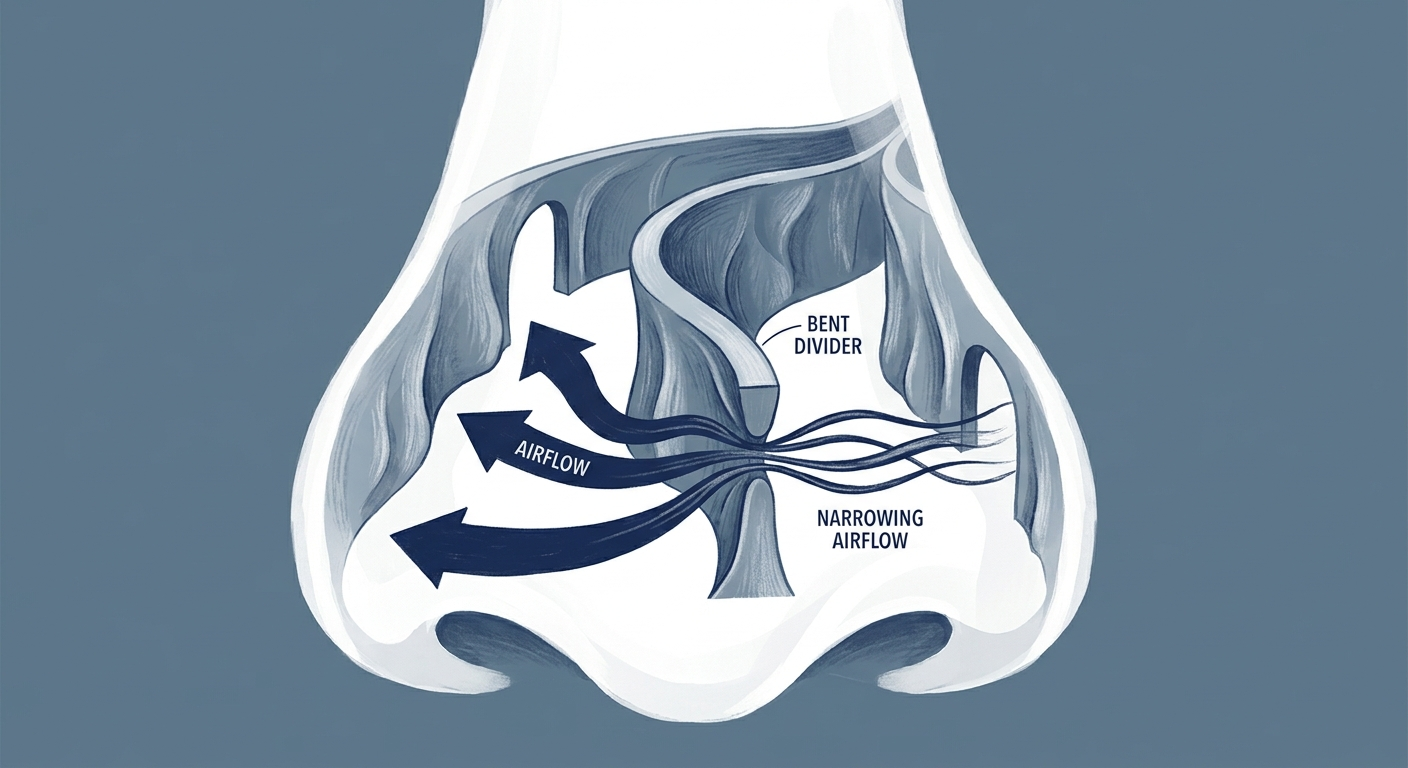
Septoplasty explained in plain language: Septoplasty is a procedure that straightens or repositions the nasal septum—the wall of cartilage and bone that divides your nostrils. When that wall is off-center, it’s called a deviated septum, and it can reduce airflow through one or both sides of the nose.
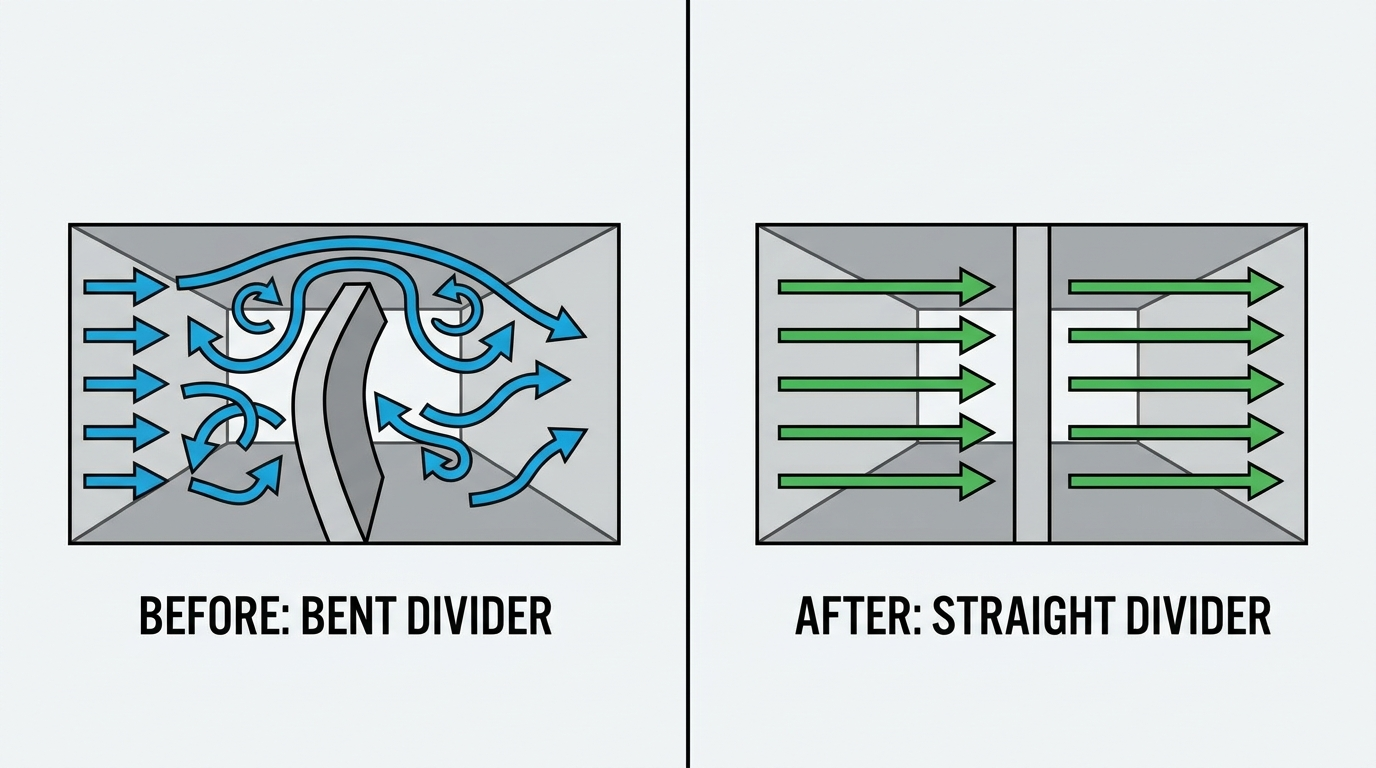
A helpful way to picture it: if the septum is like the divider in a two-lane tunnel, a deviation can partially block one lane—so air has a harder time getting through, especially when you’re sick, congested, or lying down.
Septoplasty is primarily done to improve breathing and reduce obstruction. It’s typically not intended to change the outward appearance of your nose (that’s usually a different procedure), though subtle outward changes can occasionally occur—especially if combined with other procedures.
If you’re exploring whether symptoms may be related to the septum, see our overview of deviated septum evaluation and options: https://sleepandsinuscenters.com/deviated-septum-relief
Common reasons patients choose septoplasty:
• Ongoing nasal blockage (one-sided or both sides)
• Congestion that doesn’t respond well to medication
• Irritation or nosebleeds in some cases
• Snoring or sleep disruption when nasal obstruction is a contributor (though snoring often has multiple causes)
Many patients describe the day-to-day impact in simple terms: “I can only breathe well out of one side,” or “I’m always stuffed up even when I’m not sick.” Those are exactly the kinds of concerns an ENT evaluation can clarify.
Summary: Septoplasty aims to improve airflow by straightening the internal divider of your nose, especially when medication alone hasn’t helped.
Symptoms & Causes of a Deviated Septum (When Surgery Might Be Considered)
Common symptoms:
• Difficulty breathing through the nose (sometimes worse at night)
• One nostril that consistently feels more blocked
• Mouth breathing and dry mouth on waking
• Sinus pressure or recurrent infections in some people (these have multiple causes, so an evaluation matters)
A key nuance: symptoms don’t always match what you’d expect. Someone can have a noticeable deviation but mild symptoms, while another person feels significantly obstructed. That’s why the decision is usually based on symptoms plus exam findings, not the septum shape alone.
Common causes:
• Natural growth and development (many people have some degree of asymmetry)
• Nasal injury/trauma
• Prior nasal surgery (occasionally)
Summary: Because symptoms vary widely, the choice to have septoplasty is based on both how you feel and what your exam shows.
How Long Does Septoplasty Take? (Procedure Duration)
Typical surgery time: In many cases, the septoplasty duration (the procedure itself) is about 30 to 90 minutes.
Why procedure time varies (what your surgeon is factoring in):
• How severe or complex the deviation is
• Whether there’s scar tissue from injury or prior surgery
• Whether septoplasty is combined with other procedures, such as inferior turbinate reduction (often done to improve airflow when turbinates are enlarged): https://sleepandsinuscenters.com/blog/everything-you-need-to-know-about-turbinate-reduction
• Sinus surgery (if needed) or septorhinoplasty (functional + cosmetic goals)
A simple, real-world example: a straightforward deviation correction may be quicker, while a septum with more complex bends (or prior trauma) can require additional careful shaping and stabilization—so it can take longer.
“Time in the operating room” vs. “time at the surgery center”:
Even if the procedure is 30–90 minutes, your total time at the surgery center is usually longer due to check-in and pre-op preparation, anesthesia start and wake-up time, recovery room monitoring, and discharge education and ride-home coordination. Many patients find it useful to plan for a half-day commitment overall, even when the surgical portion is relatively short.
Summary: The procedure itself is often under 90 minutes, but plan several hours at the surgery center for prep and recovery.

The Day of Surgery: What the Timeline Usually Looks Like
Before surgery (arrival → pre-op):
• Vitals and a brief medical review
• Consent and a plan for anesthesia
• Instructions about when to stop eating/drinking (these depend on anesthesia type and your care plan)
If you’re a planner, it can help to set out recovery basics the night before (pillows for elevation, easy meals, saline products if prescribed, and entertainment for a low-activity day).
During surgery (simple step-by-step overview):
• An incision inside the nose (so there’s usually no external scar)
• Lifting the lining over the septum
• Repositioning, reshaping, or removing small portions of cartilage/bone as needed
• Possible splints or packing, depending on surgeon preference and what’s required for stability
You’ll often hear clinicians frame it like this: “We’re improving the internal support and airflow, while keeping the nose’s normal structure stable.” Your surgeon will explain what applies in your case.
After surgery (recovery room → discharge):
Septoplasty is commonly an outpatient procedure, meaning many patients go home the same day after monitoring and discharge instructions. Plan ahead for a ride home and a quieter first evening. Even if you feel okay, the combination of anesthesia and congestion can make rest the best choice.
Summary: Expect a smooth, stepwise day—check-in, surgery, brief monitoring, then home with instructions.

Septoplasty Recovery Timeline (What to Expect Week by Week)
For a deeper dive, you can also read our week-by-week septoplasty recovery timeline here: https://sleepandsinuscenters.com/blog/septoplasty-recovery-week-by-week-complete-timeline
Below is a practical overview of what many patients experience.
0–3 days (immediate recovery)
• What you may feel: congestion, pressure, swelling, low energy; mild bleeding/oozing early on; stuffy breathing
• What often helps (education-only): rest, head elevation, and taking medications exactly as prescribed
• Note: Expect a “bad head cold” sensation due to swelling and limited airflow
Days 4–7 (end of week 1)
• What you may feel: ongoing congestion; sleep may be frustrating; crusting can occur
• What often happens: follow-up care and surgeon-directed nasal care; splint/packing removal timing varies
• Work/school: some people may return to desk work within this period, depending on symptoms and surgeon guidance
Weeks 2–3 (early improvement phase)
• What you may feel: turning points with some good days and bad days; fluctuating airflow as swelling changes
• Supportive steps: saline rinses or sprays if recommended; patience with the ups and downs of healing
Weeks 4–8 (1–2 months: “most people feel recovered”)
• What you may feel: more consistent breathing; improved daytime function; minor sensitivity may linger
• Milestones: easier breathing during activity; less nighttime mouth breathing; fewer moments of one-sided blockage
• Important note: many people feel close to normal for daily activities in this window, though some symptoms may persist longer
Months 3–6 (final settling)
• What you may feel: subtle, continued improvement in airflow as tissues stabilize
• Timing note: some patients continue to notice gradual improvement for 3–6 months, and occasionally longer
Summary: Recovery improves in stages—early congestion gives way to steadier breathing over weeks, with final subtle gains over months.
What Can Slow Down Recovery (or Make It Feel Longer)?
Procedure-related factors:
• Longer recovery when septoplasty is combined with other procedures (like inferior turbinate reduction or sinus surgery)
• More complex deviations requiring more extensive correction
Patient-related factors:
• Smoking or vaping exposure
• Poor sleep or dehydration
• Uncontrolled allergies/chronic rhinitis
• Returning to strenuous activity too soon
Simple principle: anything that increases inflammation, dryness, or bleeding risk can make the first weeks feel tougher—so closely follow your post-op plan.
Summary: Optimize sleep, hydration, and avoidance of irritants to keep healing on track.
Treatment Options (Before and After Surgery)
Non-surgical treatments (when appropriate):
• Saline sprays/rinses
• Nasal steroid sprays (when appropriate)
• Allergy evaluation/management if symptoms overlap
• Nasal strips/dilators for temporary relief
These can be especially helpful when symptoms are being driven by more than the septum alone (for example, seasonal allergies layered on top of structural narrowing).
Septoplasty (surgical treatment): Septoplasty may be recommended when nasal obstruction persists and significantly affects quality of life despite appropriate medical management. It’s useful to set expectations: septoplasty can improve airflow related to the septum, but it doesn’t treat every cause of congestion (like allergies).
Summary: Medical therapy can help many, but persistent, septum-related blockage may benefit from septoplasty.
Lifestyle & Aftercare Tips to Heal More Comfortably (Patient-Friendly)
Sleep and positioning: Many patients find it easier to rest with the head elevated early on. Some also notice one side feels more swollen depending on how they sleep. If you’re a side sleeper, you may find it more comfortable to rotate sides or use extra pillows to reduce pressure.
Keep the nose comfortable and clean: Your surgeon may recommend saline sprays or rinses to reduce crusting and improve comfort. Avoid improvised mixtures unless you’re specifically instructed.
Activity guidelines (general—confirm your surgeon’s plan): Early on, many people are asked to avoid heavy lifting/straining and anything that increases nasal pressure.
A very common question is about nose blowing. Here’s our detailed guidance: https://sleepandsinuscenters.com/blog/when-can-i-blow-my-nose-after-septoplasty-safe-tim-20260325041106
What to avoid: Your post-op instructions may include avoiding smoking/vaping and avoiding medications or supplements that can increase bleeding risk—always follow the plan you’re given.
Summary: Gentle care, elevation, and following your surgeon’s plan can make the first couple of weeks much more comfortable.

When to Call Your Surgeon (Red Flags)
Contact your surgical team urgently if you have:
• Heavy bleeding that doesn’t slow
• Fever, worsening pain, or foul-smelling drainage
• Vision changes, severe headache, or stiff neck (rare, but important)
• Shortness of breath or chest pain
This is educational information, not individualized medical advice—your instructions may differ based on your specific procedure.
Summary: If anything feels severe, unusual, or worrisome, call your surgeon right away.
FAQs: How Long Does Septoplasty Take and What About Recovery?
Q: How long will I be at the surgery center/hospital?
A: Even though the procedure time is often 30–90 minutes, the full visit frequently lasts several hours due to pre-op prep, anesthesia, and recovery monitoring.
Q: Is septoplasty outpatient?
A: Septoplasty is commonly performed as an outpatient procedure, meaning many patients go home the same day.
Q: When can I go back to work or school?
A: Some people return to desk work within about a week, if cleared by their surgeon. Physically demanding jobs may require longer restrictions. Your timeline depends on symptoms, job duties, and whether other procedures were performed.
Q: When will I breathe better?
A: Many people notice improvement as early swelling decreases, but breathing can fluctuate for a few weeks. Consistent improvement often becomes more noticeable between weeks 2–8.
Q: How long does swelling last after septoplasty?
A: Most noticeable swelling improves over weeks, while internal tissues may continue settling for months. Some patients continue to notice gradual improvement for 3–6 months, and occasionally longer.
Q: Does septoplasty hurt?
A: Many patients describe more pressure and congestion than severe pain, but experiences vary.
Q: Can septoplasty help snoring or sleep apnea?
A: Septoplasty may help if nasal obstruction is contributing to snoring, but snoring and sleep apnea often have multiple causes. An evaluation can clarify what’s driving symptoms.
Q: When can I exercise, fly, or wear glasses?
A: These vary based on healing and whether other procedures were performed. Many patients are asked to pause strenuous exercise early on and resume gradually with clearance. Flying and glasses may have additional considerations depending on swelling and surgical details—your surgeon’s plan is the safest guide.
Summary: Expect variability—your surgeon’s guidance is the best roadmap for safe timing on work, exercise, and travel.
Conclusion: Planning Your Septoplasty With Confidence
So, how long does septoplasty take? The procedure itself is often 30–90 minutes, but recovery is a process: the first 0–3 days are usually the toughest, many people feel mostly recovered for daily activities in 1–2 months, and internal healing can continue for 3–6 months.
If you’re considering septoplasty for a deviated septum, Sleep and Sinus Centers of Georgia can help you understand what’s causing your symptoms and whether septoplasty (or a combined approach) may be appropriate. Learn more here: https://sleepandsinuscenters.com/deviated-septum-relief
Ready to take the next step? Visit https://www.sleepandsinuscenters.com/ to book an appointment and get personalized guidance based on your exam and symptoms.
Summary: A short procedure, a steady recovery, and clear follow-up can help you breathe—and live—more comfortably.
Sources
Alberta Health. Septoplasty aftercare information: https://myhealth.alberta.ca/Health/aftercareinformation/pages/conditions.aspx?hwid=zc2269
American Society of Plastic Surgeons (PlasticSurgery.org). Septoplasty recovery: https://www.plasticsurgery.org/reconstructive-procedures/septoplasty/recovery
American Society of Plastic Surgeons (PlasticSurgery.org). Septoplasty results: https://www.plasticsurgery.org/reconstructive-procedures/septoplasty/results
FAQ Schema (JSON-LD)
{ "@context": "https://schema.org", "@type": "FAQPage", "mainEntity": [ { "@type": "Question", "name": "How long does septoplasty take?", "acceptedAnswer": { "@type": "Answer", "text": "Septoplasty procedure time is commonly about 30–90 minutes, though total time at the surgery center is longer due to check-in, anesthesia, and recovery monitoring." } }, { "@type": "Question", "name": "How long will I be at the surgery center for septoplasty?", "acceptedAnswer": { "@type": "Answer", "text": "Many patients spend several hours total at the surgery center, including pre-op preparation, the procedure, and post-anesthesia recovery monitoring." } }, { "@type": "Question", "name": "Is septoplasty outpatient?", "acceptedAnswer": { "@type": "Answer", "text": "Septoplasty is commonly performed as an outpatient procedure, so many patients go home the same day after monitoring and discharge instructions." } }, { "@type": "Question", "name": "When will I breathe better after septoplasty?", "acceptedAnswer": { "@type": "Answer", "text": "Breathing often improves as swelling decreases, but it can fluctuate for several weeks. Many people notice more consistent improvement between weeks 2–8." } }, { "@type": "Question", "name": "How long does swelling last after septoplasty?", "acceptedAnswer": { "@type": "Answer", "text": "Most noticeable swelling typically improves over weeks, while internal tissues may continue settling for months. Some patients continue to notice gradual improvement for 3–6 months, and occasionally longer." } }, { "@type": "Question", "name": "When can I return to work after septoplasty?", "acceptedAnswer": { "@type": "Answer", "text": "Return-to-work timing varies. Some people return to desk work within about a week, if cleared by their surgeon, while physically demanding jobs may require longer restrictions depending on symptoms and surgeon guidance." } } ] }
This article is for educational purposes only and is not medical advice. Please consult a qualified healthcare provider for diagnosis and treatment.
Don’t let allergies slow you down. Schedule a comprehensive ENT and allergy evaluation at Sleep and Sinus Centers of Georgia. We’re here to find your triggers and guide you toward lasting relief.