Head and Neck Cancer Survivors: Recovery, Support, and Long-Term Care
Understanding Life After Head and Neck Cancer Treatment
Advances in detection and treatment mean more people than ever become head and neck cancer survivors. Yet many live with lasting effects that shape everyday life long after treatment ends. Incidence has risen in recent decades, driven in part by an aging population, while five-year survival has improved only modestly. For head and neck cancer survivors, recovery is about more than cancer-free scans. It includes managing symptoms, restoring function, and supporting overall well-being through coordinated long-term care after HNC.
This new chapter often feels like finishing a marathon only to discover another course still lies ahead. People who expected a quick return to “normal” instead adapt to a new rhythm of self-care, rehabilitation, and watchful follow-up. The goal is not simply to survive, but to live as fully and comfortably as possible.
Living fully after treatment requires ongoing attention to both body and mind.
Common Long-Term Treatment Effects (Even 5+ Years Later)
A recent multinational study reported that 68% of people alive at least five years after diagnosis experienced at least one moderate-to-severe treatment-related symptom. These effects often persist because radiation, surgery, and chemotherapy can permanently change tissues in the mouth, throat, and neck. More than two-thirds of long-term survivors therefore face ongoing challenges that affect eating, speaking, moving, and connecting with others.

Dry Mouth (Xerostomia)
Dry mouth affects about 67% of long-term survivors. Radiation can damage salivary glands, reducing saliva that normally moistens the mouth, aids speech, and protects teeth. Daily impact includes difficulty chewing, speaking, or sleeping, plus higher risk of dental problems. The effect frequently continues years later because gland function does not always recover fully.
Imagine trying to eat a cracker or talk on the phone when your mouth feels packed with cotton. Many survivors keep a water bottle within reach at all times and describe meals as slower and less enjoyable. Dentists often see cavities form quickly without saliva’s natural cleansing action, making extra fluoride care often recommended.
Soft-Tissue Fibrosis
Soft-tissue fibrosis occurs in roughly 52% of cases. Scar-like tightening of muscles and connective tissue can limit neck and shoulder movement, cause tightness, and contribute to pain or reduced range of motion. It develops as a delayed response to radiation and can worsen gradually.
The sensation is sometimes compared to wearing a permanently tight collar or trying to turn your head while driving and meeting unexpected resistance. Simple actions such as looking over a shoulder or lifting an arm can become effortful. Consistent stretching helps keep the tissues from locking in place.
Swallowing Difficulties (Dysphagia)
Dysphagia affects about 51% of survivors. It can make eating slow or unsafe, lead to weight loss, and raise aspiration risk. Radiation and surgery alter the muscles and nerves that coordinate swallowing. Many people benefit from understanding these subtle or unnoticed swallowing disorders (https://www.sleepandsinuscenters.com/conditions/swallowing-disorders), their causes, symptoms, and treatment approaches. Ongoing evaluation helps address nutrition and safety.
Swallowing can feel like pouring thick soup through a narrow, irregular pipe—possible, but requiring extra attention and carrying the risk of going the wrong way. Fear of choking may cause people to avoid social meals. Regular checks with a speech-language pathologist keep eating both safer and more pleasurable.
Voice Changes
Voice alterations occur in about 39% of survivors. Hoarseness, reduced volume, or fatigue can make conversation tiring and affect work or social life. These changes often result from treatment effects on the larynx or surrounding tissues. Early recognition of warning signs of subtle or unnoticed voice changes (https://www.sleepandsinuscenters.com/conditions/voice-disorders) can guide timely support.
The voice may sound as if a lingering laryngitis never fully lifted, making long conversations exhausting. People sometimes withdraw from phone calls or meetings because they worry others cannot hear them clearly. Targeted voice exercises can still restore strength and endurance even years later.
Hearing Impairment
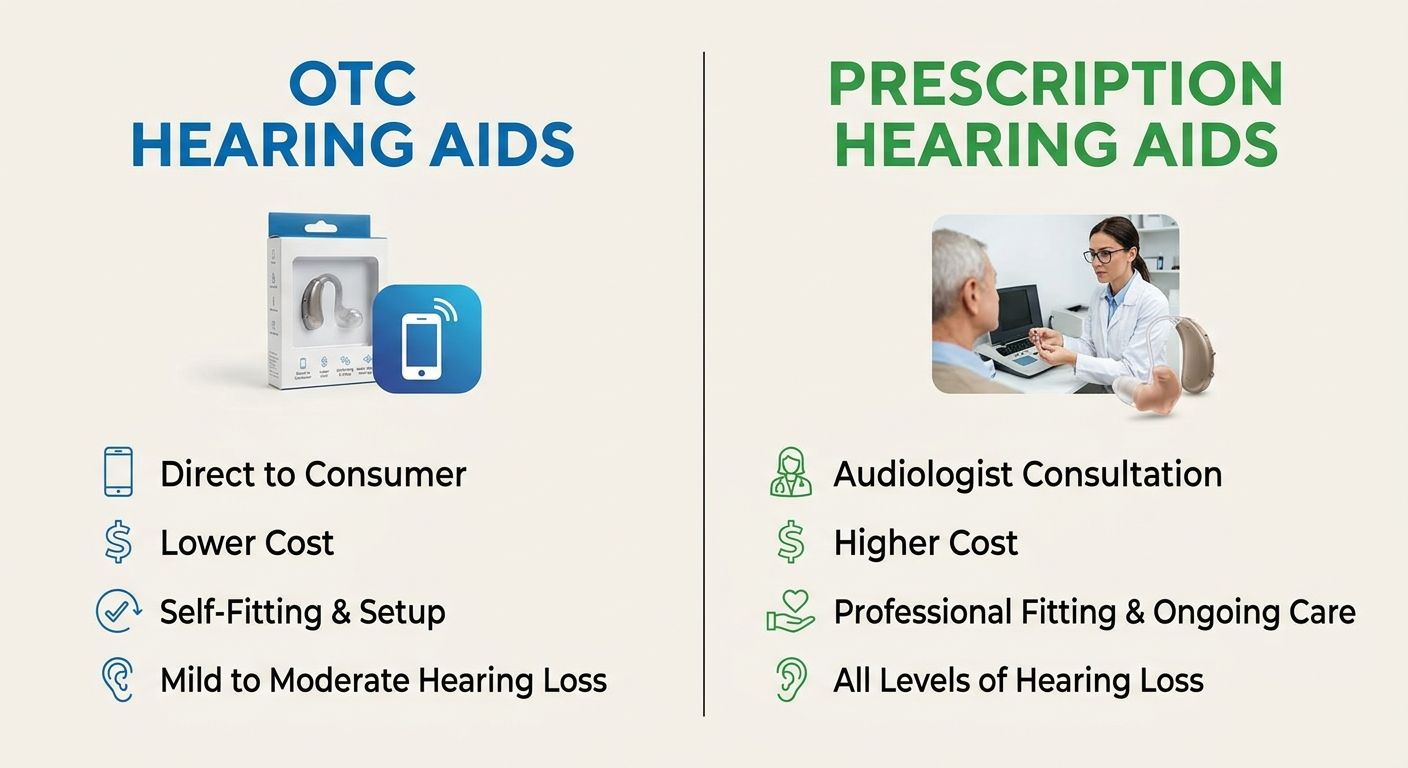
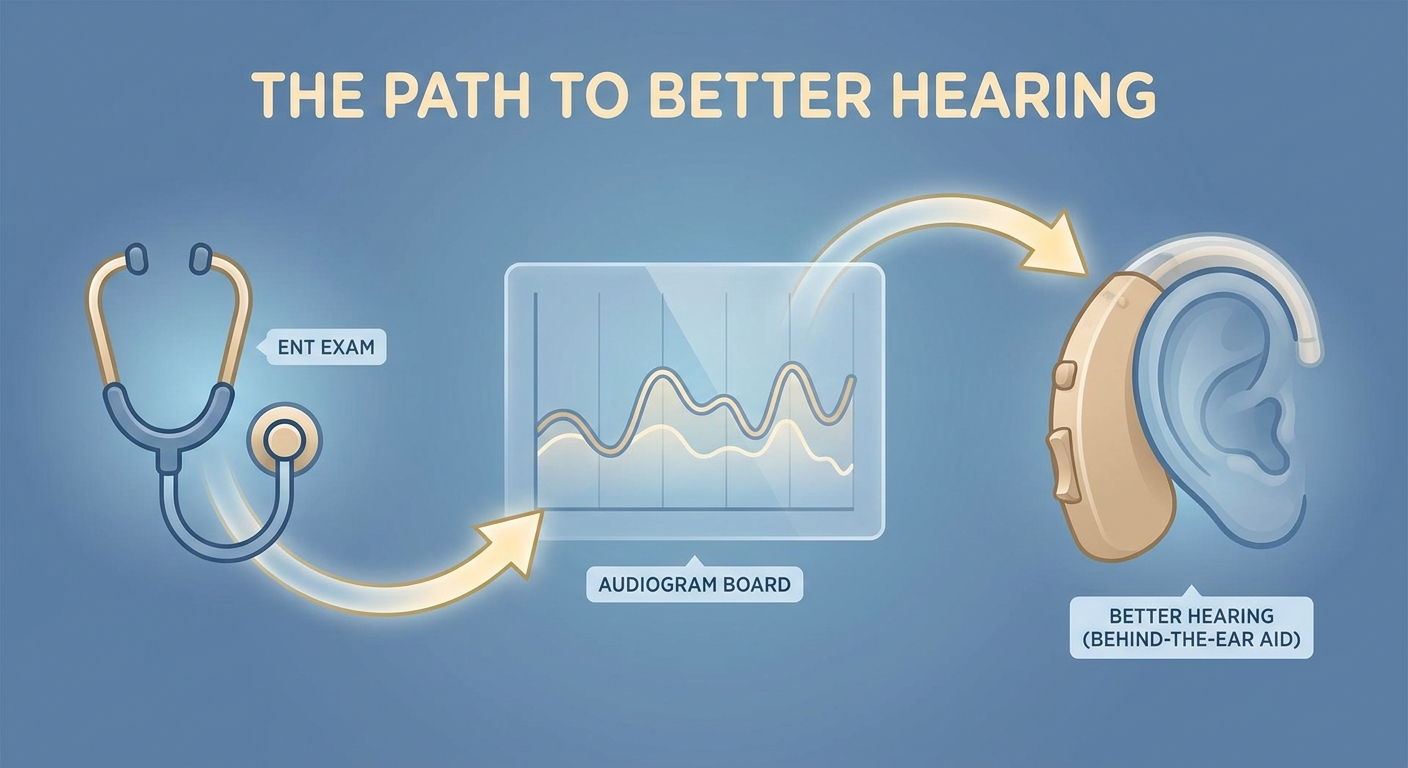
Hearing issues affect around 31% of people, stemming from radiation near the ears or certain chemotherapy drugs. Tinnitus or hearing loss can isolate survivors socially. Regular monitoring helps catch changes early.
Background noise in a restaurant may suddenly overwhelm conversation, leading some to skip gatherings they once enjoyed. Simple amplification or tinnitus-masking strategies often reconnect people to the voices around them. ENT follow-up includes watching for these delayed effects.
These persistent effects highlight the need for dedicated long-term support.
Why Survivorship Care Must Go Beyond Recurrence Checks
Effective care for head and neck cancer survivors looks at the whole person. Expert guidance from the American Head and Neck Society (2021) and current NCCN Survivorship Guidelines recommends assessing recurrence, treatment toxicities, quality of life, health maintenance, and new primary cancers. A survivorship plan is best established within one year of completing definitive treatment.
This broader approach treats the survivor as more than a cancer history—like a pit crew checking every system on a race car rather than only the engine.
Recommended Follow-Up Components
Visits typically include physical exams of the head and neck, discussion of lingering symptoms, quality-of-life screening, preventive health measures, and imaging or endoscopy as indicated. The goal is to catch issues early and connect people with rehabilitation.
These appointments become a regular check-in rather than a source of anxiety. Survivors leave knowing next steps for both safety and comfort.

Coordinated Care Team
A team approach works best. Otolaryngologists (ENT specialists): https://www.sleepandsinuscenters.com/ent-services provide ongoing head and neck evaluation and symptom management. Speech-language pathologists address swallowing and voice. Dentists manage oral health, while oncology and mental-health professionals round out care. Comprehensive otolaryngology care can serve as a central hub for follow-up and coordination.
The ENT often acts as quarterback, bringing in the right specialist at the right time so nothing falls through the cracks.
A team-based approach ensures no aspect of recovery is overlooked.

Unique Challenges for Rural, Regional, and Remote Survivors
A 2024 systematic review highlighted that survivors in rural, regional, and remote areas often have greater unmet physical and psychosocial needs. Studies show higher rates of depressive symptoms, lower mental functioning, and reduced quality of life compared with urban counterparts. Distance from specialists, limited rehabilitation services, and travel burdens create real barriers. Telehealth and regional partnerships can help bridge some gaps, but awareness of these extra challenges remains important.
A single follow-up visit may require a full day of driving, time off work, and extra expense—on top of the physical effects already being managed. Recognizing these extra layers of difficulty allows care teams to offer practical work-arounds such as virtual visits.
Addressing rural barriers can significantly improve access to care.
Current Trends in Incidence and Survival
UK data covering 2000–2021 show head and neck cancer incidence increased, partly because of population aging. Five-year survival improved only modestly, from 53.8% in 2000–2004 to 58.7% in 2015–2019. Separately, about 45.5% of patients diagnosed in 2018 survived at least 10 years according to Cancer Research UK statistics. These numbers underscore why long-term support matters even as more people live longer.
The growing number of survivors means more people will need years of coordinated care. Modest survival gains still represent thousands of additional lives that deserve quality-of-life support.
Increasing survivor numbers emphasize the importance of quality-of-life focus.
Rehabilitation, Symptom Management, and Treatment Options
Practical strategies can ease daily life. Therapy and supportive care often continue for years.
Speech, Swallowing, and Voice Therapy
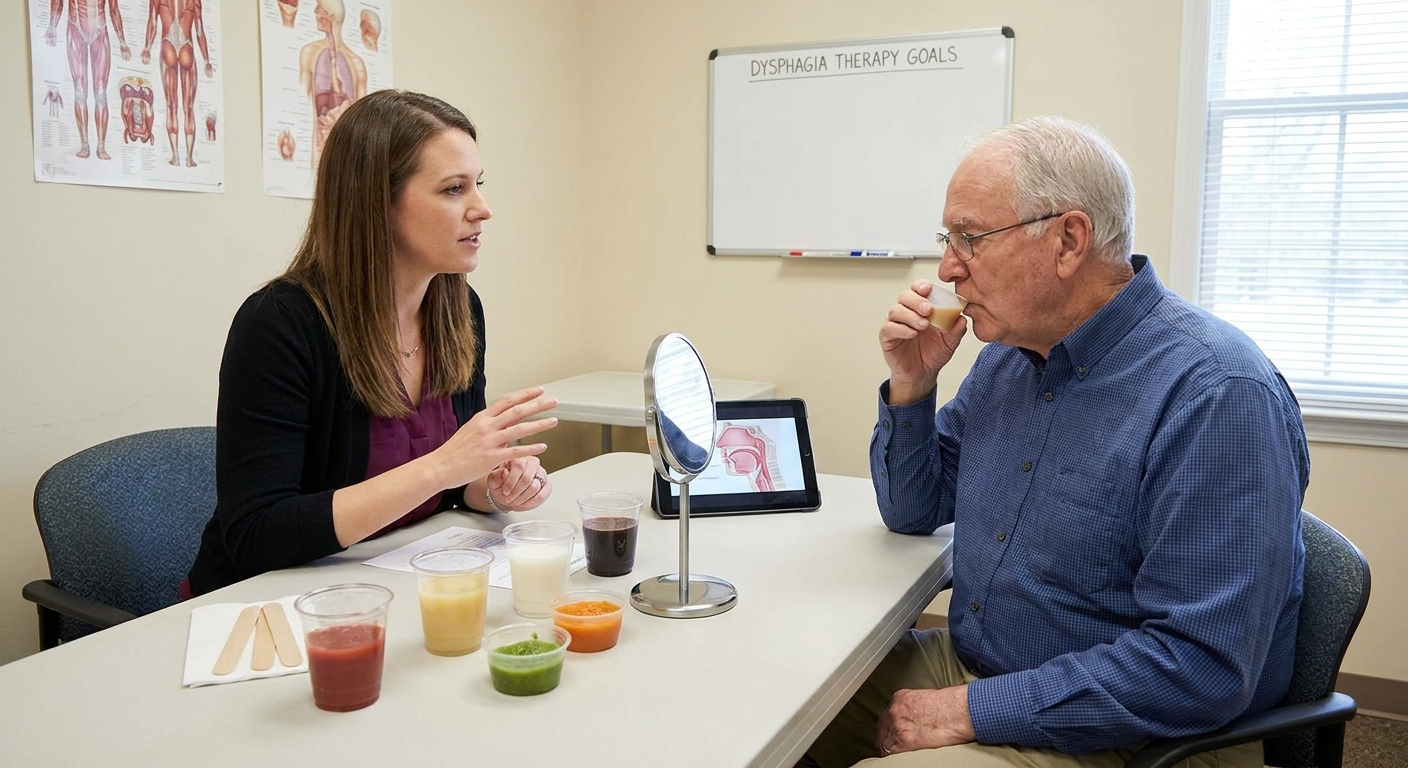
Speech-language pathologists use targeted exercises to improve swallowing safety, strengthen voice, and restore communication. Even years later, some function can still improve with consistent work. Resources on swallowing disorders and voice changes offer additional background.
A typical session might involve practicing swallow maneuvers with different food textures or performing vocal warm-ups that rebuild muscle memory over time. Many survivors report noticeable gains after months of home practice.
Managing Dry Mouth and Dental Health
Frequent sips of water, saliva substitutes, and meticulous oral hygiene help. Regular dental visits are essential because dry mouth raises cavity and infection risk. Fluoride treatments and dietary adjustments support remaining saliva function.
Sugar-free gum or lozenges can stimulate whatever gland function remains. Night-time fluoride trays become a simple nightly routine that protects teeth.
Addressing Fibrosis and Mobility
Gentle stretching, physical therapy, and sometimes specialized massage or lymphedema techniques can reduce tightness and improve neck and shoulder movement. Starting early and staying consistent is generally associated with better results.
Daily neck rolls and guided shoulder stretches keep tissues supple. Therapists often teach short routines that fit easily into morning or evening habits.
Hearing Support and Monitoring
Hearing tests, amplification devices, and tinnitus management strategies make a difference. ENT follow-up includes checking for radiation- or chemo-related changes.
Modern hearing aids or simple masking devices restore the ability to join conversations without strain. Early detection prevents small changes from becoming isolating.
Nutrition and Weight Management
Soft, moist foods, smaller meals, and working with a dietitian help maintain weight and energy. Swallowing therapy often pairs with nutrition counseling to keep eating safe and enjoyable.
Favorite recipes can be adapted with extra sauces or blending so meals remain both safe and satisfying. A dietitian helps match textures to current swallowing ability.
Consistent rehabilitation can restore function and confidence over time.

Psychosocial Support and Quality-of-Life Strategies
Treatment can affect body image, confidence in social eating, and the ability to communicate. Screening for depression and anxiety is a standard part of survivorship visits. Support groups, counseling, and communication strategies reduce isolation. Many people find that addressing these issues improves overall well-being as much as physical rehabilitation.
Sharing stories in a group reminds survivors they are not alone. Simple communication tricks—such as sitting face-to-face or using brief written notes—restore connection while voice or hearing recovers.
Emotional support is as vital as physical recovery.
Preventive Care, New Cancer Surveillance, and Lifestyle Tips
Lifestyle steps lower risk of new problems. HPV vaccination (when appropriate), stopping smoking and limiting alcohol, a balanced diet, excellent oral hygiene, sun protection, and regular exercise all support health. ENT exams and recommended imaging watch for recurrence or second primary cancers. These measures form a core part of long-term care after HNC.
These habits act like a protective shield: they reduce future risks while boosting daily energy and confidence.
Proactive lifestyle choices form a strong foundation for lasting health.
Frequently Asked Questions
How long do side effects last after head and neck cancer treatment?
Many symptoms, especially dry mouth, fibrosis, and swallowing changes, can persist five years or longer. Some improve with therapy; others become manageable with ongoing support. Individual experiences vary, yet consistent follow-up often leads to better coping and function.
What does a survivorship care plan include?
It typically covers follow-up schedules, symptom management, rehabilitation referrals, quality-of-life checks, preventive care, and monitoring for new cancers. Plans are individualized and start within the first year after treatment.
When should I see an ENT specialist after HNC treatment?
Regular ENT visits are recommended as part of coordinated survivorship care. They help monitor the head and neck, manage symptoms, and coordinate with other specialists.
Can swallowing or voice function improve years later?
Yes. Targeted therapy can still produce gains even years after treatment, especially when combined with consistent practice and professional guidance.
How do I find support if I live in a rural area?
Telehealth options, regional ENT clinics, and remote speech or physical therapy services can reduce travel. Local support groups and national organizations also help connect people with resources.
Taking the Next Step in Your Recovery
Ongoing, coordinated care makes a real difference in quality of life for head and neck cancer survivors. An ENT-focused survivorship approach can address lingering symptoms, coordinate rehabilitation, and provide peace of mind. If you or a loved one needs follow-up, symptom management, or a comprehensive evaluation, consider scheduling a visit. Sleep and Sinus Centers of Georgia (https://www.sleepandsinuscenters.com/) offers comprehensive otolaryngology care designed to support the full range of head and neck needs after cancer treatment. Appointments are available at convenient locations—reach out to take the next step toward better daily function and well-being.
Ready to book? Visit https://www.sleepandsinuscenters.com/ to schedule an appointment today.
This article is for educational purposes only and is not medical advice. Please consult a qualified healthcare provider for diagnosis and treatment.
Don’t let allergies slow you down. Schedule a comprehensive ENT and allergy evaluation at Sleep and Sinus Centers of Georgia. We’re here to find your triggers and guide you toward lasting relief.