Georgia Fall Allergy Season 2026 Forecast and Outlook: What to Expect and How to Prepare
If you get cold-like symptoms every fall—sneezing, congestion, a lingering cough, or constant throat clearing—you’re not alone. In Georgia, fall allergies are common and easy to mistake for a virus, especially as school and sports ramp up.
This 2026 outlook summarizes typical timing, main triggers (ragweed and mold), why seasons may feel longer, and practical steps to prepare so symptoms don’t catch you off guard in late summer. Conditions vary by city, weather, and your sensitivities.
Sources: https://www.atlantaallergy.com/articles/view/404-when-does-fall-allergy-season-start-in-georgia-earlier-than-you-would-think | https://www.pcom.edu/campuses/georgia-campus/news-and-events/ga-pcom-news/georgia-fall-allergies.html
Featured snippet: Fall allergy season in Georgia often starts in August, but ragweed can begin as early as July. Symptoms can last through November depending on weather and mold levels. Source: https://www.atlantaallergy.com/articles/view/404-when-does-fall-allergy-season-start-in-georgia-earlier-than-you-would-think
Quick 2026 Outlook Summary (Key Takeaways)
Ragweed and mold are leading fall triggers statewide (urban and rural). Symptoms often begin in August and may continue into November. Warmer trends may contribute to longer pollen seasons in some years and locations.
Sources: https://www.climatecentral.org/climate-matters/2026-allergy-season | https://acaai.org/news/5-expert-ways-to-prepare-for-a-longer-fall-allergy-season/
Who may be hit hardest: people with allergic rhinitis, asthma, chronic sinus issues, or mold sensitivity; kids and teens during back-to-school; outdoor workers, runners, and weekend yard-work doers.
Bottom line: Expect ragweed early and mold later, with timing and severity changing by weather and location.
When Does Fall Allergy Season Start in Georgia (and When Does It End)?
Typical timeline: ragweed can start in July; many feel symptoms in August; symptoms often persist into November, especially when mold stays elevated. Source: https://www.atlantaallergy.com/articles/view/404-when-does-fall-allergy-season-start-in-georgia-earlier-than-you-would-think
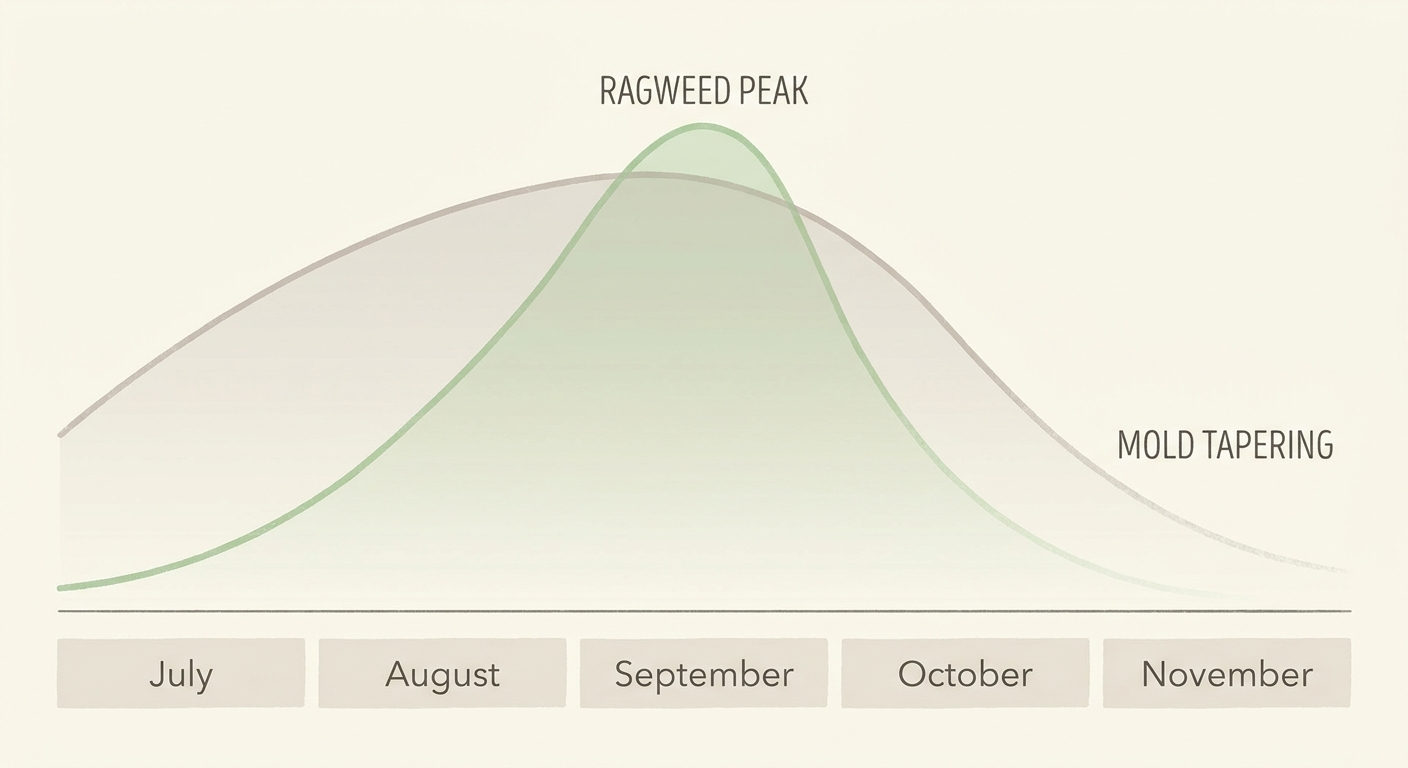
Month-by-month: Late July early ragweed; August common symptom start (sneezing, congestion, itchy eyes, postnasal drip); September–October peak window (ragweed plus damp-weather mold); November lingering symptoms, often mold-related after rain and leaf decay.
What shifts your start date: heat, rainfall/humidity (mold), storms/wind, and yard debris. One long outdoor weekend (tournaments, yard work, hiking) can trigger a week of congestion.
Related reading: Atlanta ragweed start dates https://sleepandsinuscenters.com/blog/atlanta-ragweed-season-start-key-dates-and-allergy-tips
The Top Triggers in Georgia for Fall 2026
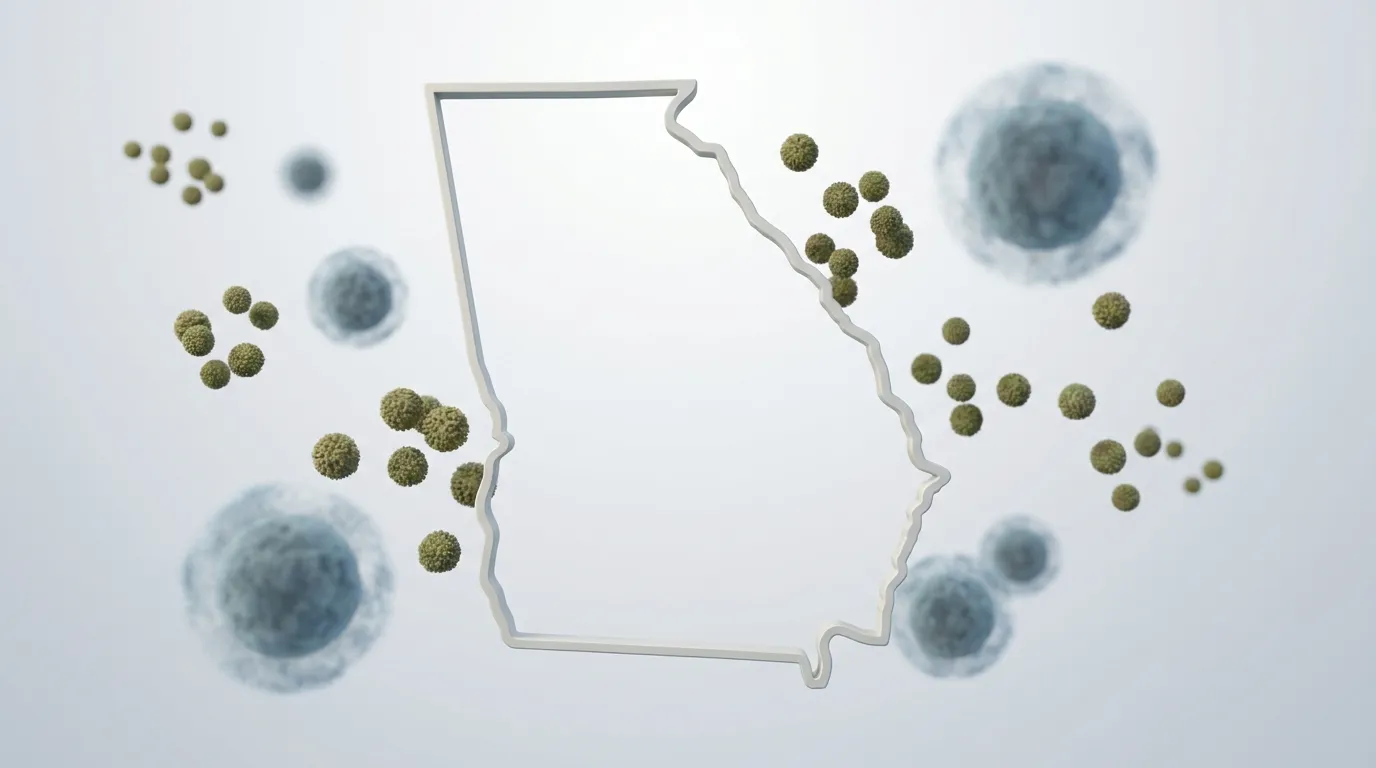
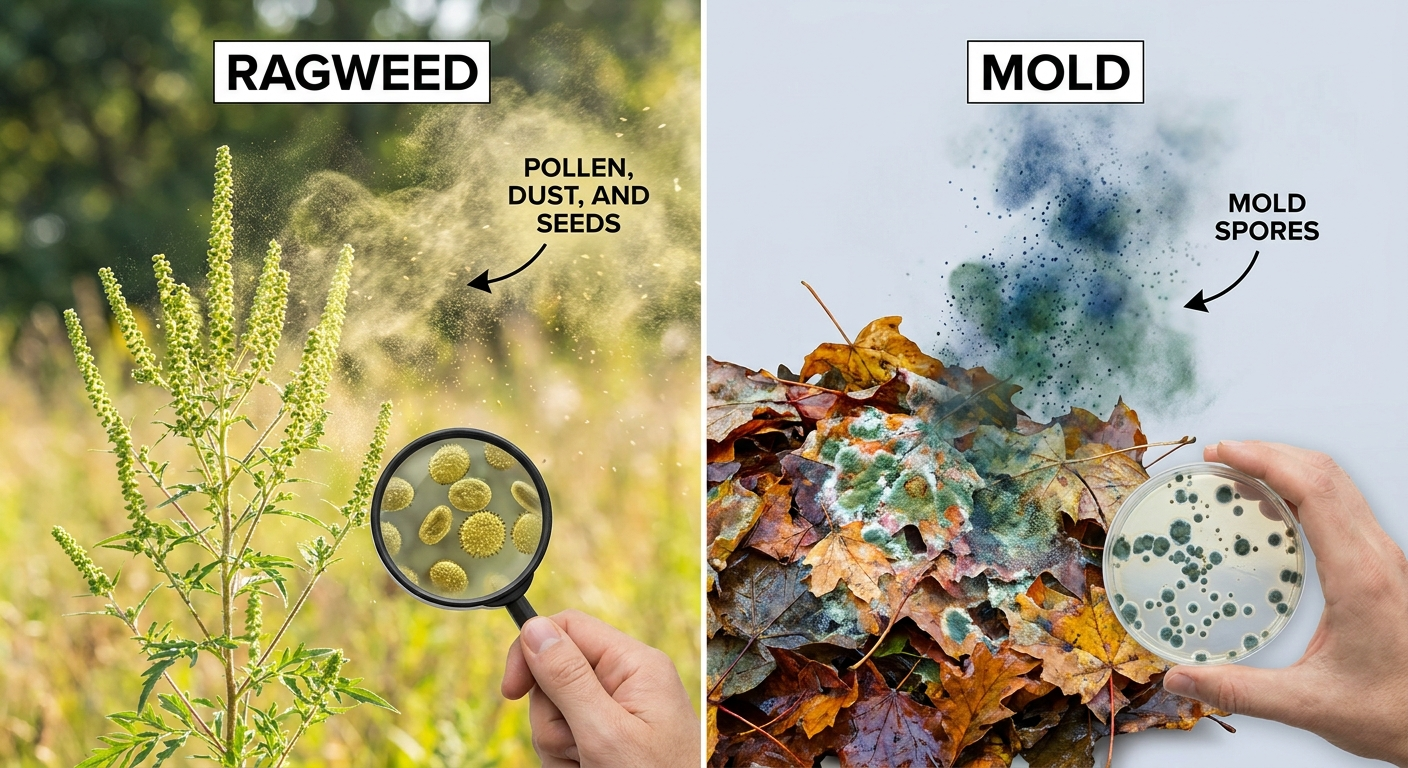
Ragweed: thrives along roadsides, vacant lots, fields, and disturbed soil. Its tiny, airborne pollen causes symptoms even when you’re not near plants—during commutes with cracked windows, outdoor practices, or weekend games. Source: https://www.pcom.edu/campuses/georgia-campus/news-and-events/ga-pcom-news/georgia-fall-allergies.html
Mold: major and often overlooked. Outdoors it rises with damp leaf piles, wet soil, shade, post-rain decay; indoors it’s tied to bathrooms, basements/crawlspaces, and moisture/HVAC issues. Indoor air and mold resources: https://www.lung.org | Related reading: mold rise after rain in Georgia https://sleepandsinuscenters.com/blog/after-rain-mold-growth-in-georgia-causes-and-prevention-tips
For many, ragweed dominates early fall; mold extends symptoms later.
Symptoms: How to Tell Fall Allergies from a Cold (and When It Might Be More)
Common allergy symptoms: sneezing, runny or congested nose, postnasal drip, frequent throat clearing or cough, itchy/watery eyes, sinus pressure, and fatigue from poor sleep.
Clues: allergies repeat the same pattern each year; viral colds usually resolve in about 7–10 days.
Allergy vs cold, quick cues: itchy eyes are typical of allergies and less common in colds; nasal drainage with allergies is often clear and watery, colds can become thicker; allergy duration can be weeks to months, colds are shorter; fever and body aches are uncommon in allergies but possible/more common with colds.
Red flags for prompt care: wheezing, shortness of breath, chest tightness; high fever, severe facial pain, or swelling around the eyes; symptoms worsening despite consistent self-care.
Why Fall Allergy Season Is Getting Longer (and What That Means for 2026)
Warming trends can extend weed pollen seasons and influence mold growth. If your fall allergies start earlier or last longer than before, you may be noticing this broader pattern. Sources: https://www.climatecentral.org/climate-matters/2026-allergy-season | https://acaai.org/news/5-expert-ways-to-prepare-for-a-longer-fall-allergy-season/
Practical takeaway: plan earlier prevention, expect variability, and extend routines if mold drives late-season symptoms. Related reading: https://sleepandsinuscenters.com/blog/climate-change-and-ent-allergies-understanding-the-impact-on-respiratory-health
How to Prepare for Georgia Fall Allergies (Start Before Symptoms Peak)
Step 1 — Discuss preventive timing with your clinician; prevention is easier than reversing established inflammation. Source: https://acaai.org/news/5-expert-ways-to-prepare-for-a-longer-fall-allergy-season/
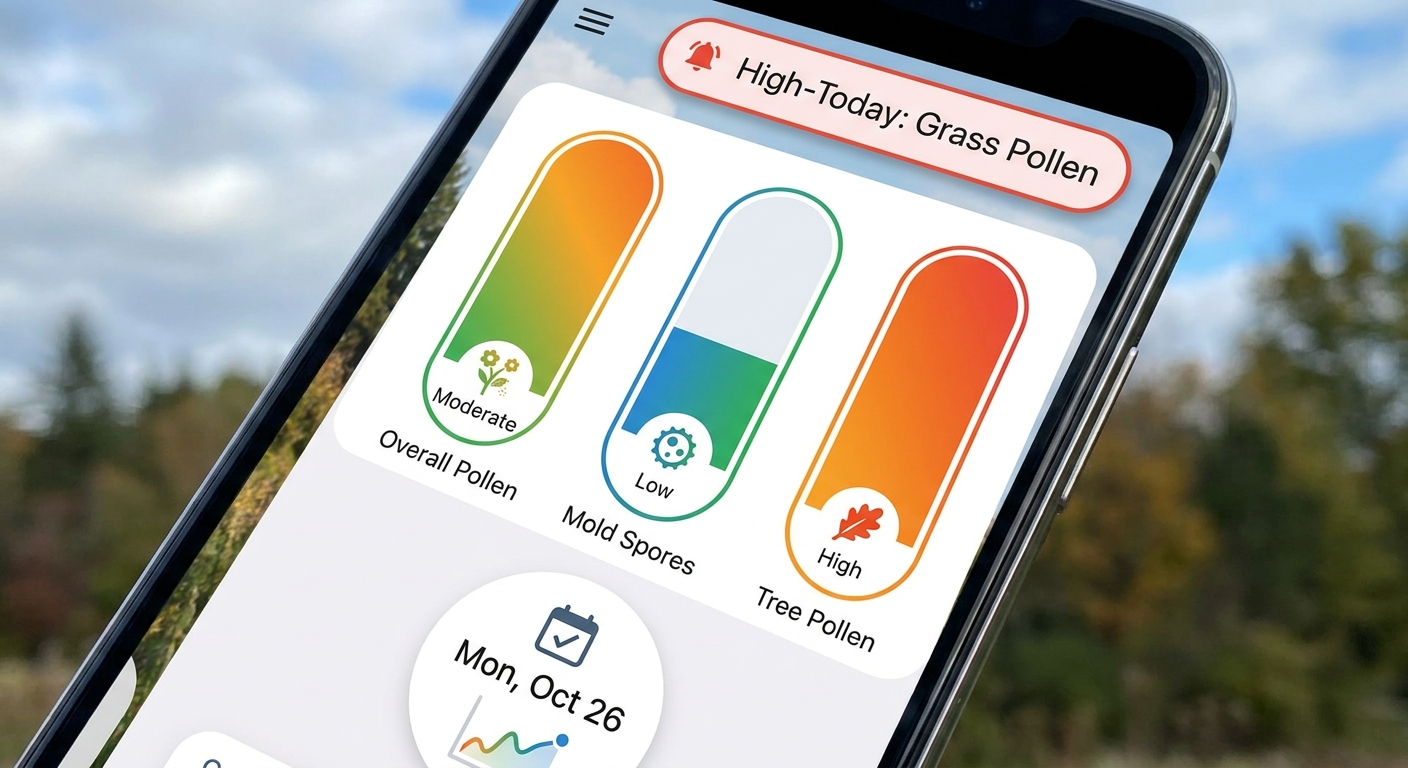
Step 2 — Monitor daily pollen and mold counts to time yard work, workouts, and events. Related: Atlanta pollen count explained https://sleepandsinuscenters.com/blog/atlanta-pollen-counts-explained-what-you-need-to-know | Georgia Pollen Tracker https://sleepandsinuscenters.com/georgia-pollen-tracker
Step 3 — Use exposure-reduction habits: shower or rinse after outdoor time, change clothes, and keep windows closed on high-count days. Source: https://acaai.org/news/5-expert-ways-to-prepare-for-a-longer-fall-allergy-season/
Treatment Options (Patient-Friendly Overview)
Educational only; ask your clinician what’s right for you, especially if pregnant, older, or managing conditions like high blood pressure or glaucoma.
Over-the-counter options often considered: non-drowsy antihistamines; intranasal corticosteroid sprays (most helpful when used consistently); saline rinses; allergy eye drops.
Prescription options: prescription nasal sprays (including antihistamine sprays and other anti-inflammatory choices); asthma plan updates if breathing symptoms flare.
Immunotherapy: a longer-term strategy for predictable patterns (e.g., ragweed). It requires time and consistency. Source: https://acaai.org/news/5-expert-ways-to-prepare-for-a-longer-fall-allergy-season/
When to consider allergy testing: yearly fall symptoms with unclear triggers; OTC routines not enough; desire for targeted prevention. Learn more: https://sleepandsinuscenters.com/allergy-testing
Lifestyle & Home Tips: Outdoor Strategies
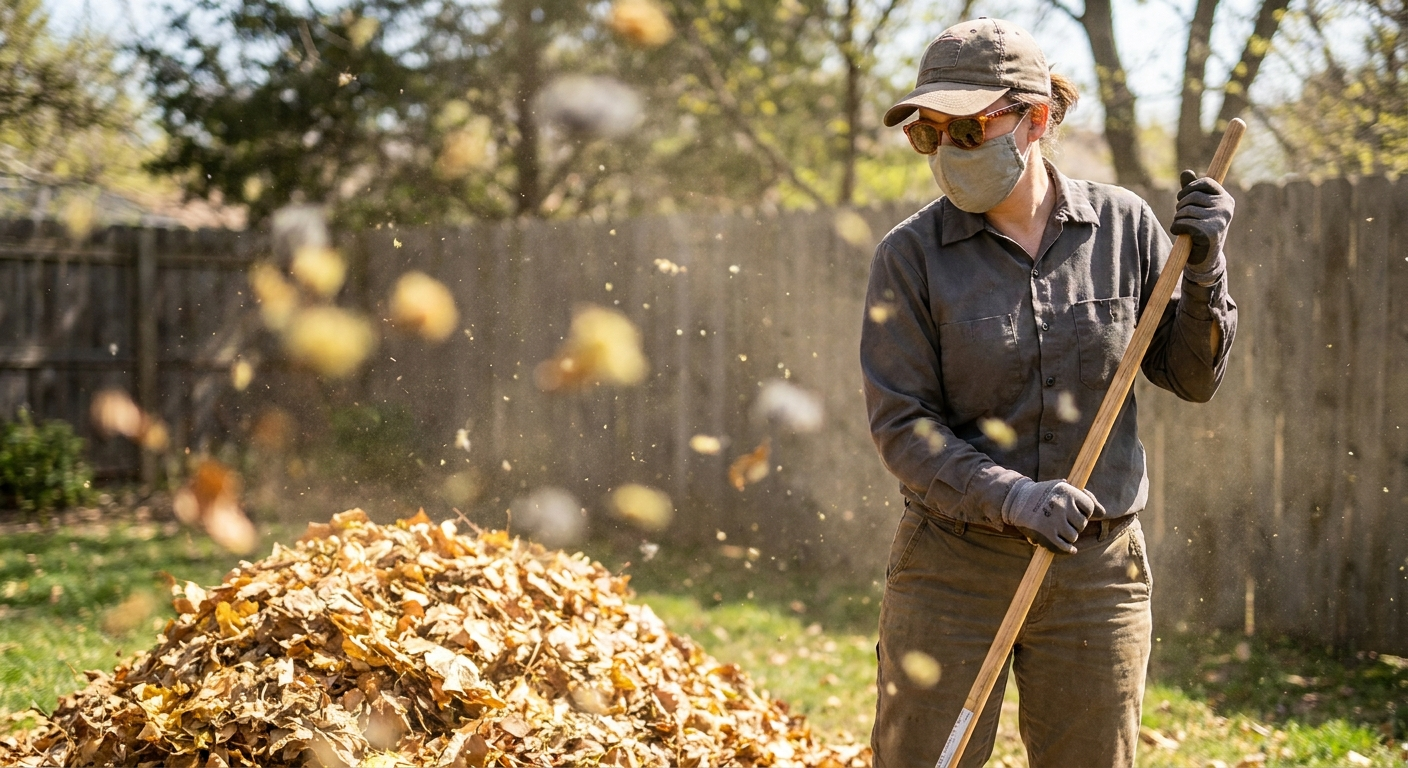
For yard work and weekends: wear sunglasses and a hat; consider a mask during mowing or leaf blowing (especially with mold-triggered symptoms); avoid raking damp leaves; time chores for less-windy, less-humid days; rinse and change clothes soon after.
Lifestyle & Home Tips: Indoor Air and Sleep
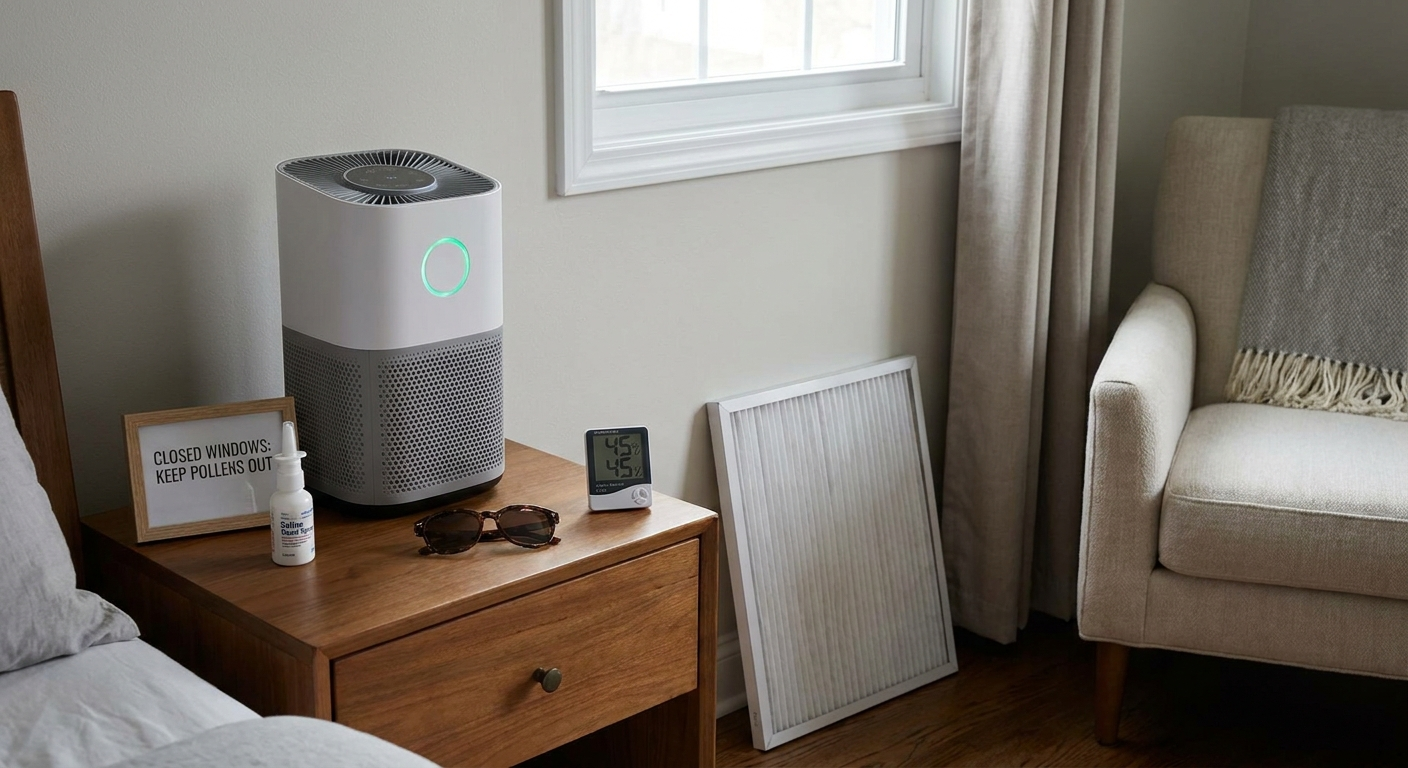
Indoor air: control humidity; use bathroom exhaust fans; fix leaks promptly; change HVAC filters regularly; consider a bedroom HEPA purifier; wash bedding and wipe dusty surfaces.
Sleep protection: establish a simple nighttime routine (including saline if you use it); keep bedroom air clean and dry; consider keeping pets out if they track pollen indoors.
Goal: reduce overall daily allergen load by tightening indoor habits while trimming outdoor exposure.
FAQs
When does fall allergy season start in Georgia? Often August, but ragweed may begin as early as July; symptoms can last through November. Source: https://www.atlantaallergy.com/articles/view/404-when-does-fall-allergy-season-start-in-georgia-earlier-than-you-would-think
What is the worst month for ragweed in Georgia? Typically September–October, though weather and location can shift the peak.
Can mold allergies be worse after rain? Yes. Moisture supports mold growth, so symptoms may rise after wet periods—especially around leaf piles and damp soil.
How early should I start allergy meds for fall? If you have predictable fall flare-ups, prepare before peak season; discuss timing and product choice with your clinician. Source: https://acaai.org/news/5-expert-ways-to-prepare-for-a-longer-fall-allergy-season/
Why are my allergies lasting longer than they used to? Longer warm periods can extend weed pollen seasons. Source: https://www.climatecentral.org/climate-matters/2026-allergy-season
When should I see a specialist? If symptoms disrupt sleep/work, recur yearly, trigger asthma symptoms, or don’t respond to consistent OTC routines.
Conclusion + Fall Allergy Prep Checklist (Printable/Skimmable)
Expect the familiar ragweed-plus-mold pattern with possible season stretching. Prepare before symptoms peak, especially if your allergies reliably show up in August.
7-day prep checklist:
- Refill or restock your usual allergy basics
- Check pollen/mold counts daily
- Shower and change clothes after outdoor time
- Set a bedroom air plan (filter and reduce dampness)
- Keep windows closed on high-count days
- Use saline rinses if part of your routine
- Schedule an appointment if symptoms escalate or keep returning every fall
Next step: resources and evaluation options https://sleepandsinuscenters.com/blog/fall-allergies-in-georgia-ragweed-mold-management-guide | https://sleepandsinuscenters.com/allergy-testing | Book an appointment: https://www.sleepandsinuscenters.com/
This article is for educational purposes only and is not medical advice. Please consult a qualified healthcare provider for diagnosis and treatment.
Don’t let allergies slow you down. Schedule a comprehensive ENT and allergy evaluation at Sleep and Sinus Centers of Georgia. We’re here to find your triggers and guide you toward lasting relief.