Asthma–Allergy Overlap: Why Treating Asthma or Allergies Alone Is Often Incomplete (and What Actually Helps)
If you’ve been managing asthma for a while, you may notice a pattern: breathing symptoms improve for a bit—then your cough, chest tightness, or nighttime waking returns right when your nose congestion, drainage, or sinus pressure ramps up. Or you treat “allergies” diligently, yet you still get short of breath with exercise or rely on a rescue inhaler more than you’d like.
This pattern is common, and it often points to asthma–allergy overlap—a situation where inflammation affects both the upper airway (nose/sinuses) and the lower airway (lungs). The important nuance: treating only one area isn’t “useless,” but for many people it can be incomplete, especially when type 2 (allergic/eosinophilic) inflammation is involved.
A patient version of this story sounds like: “My inhaler helps, but I’m still coughing every night,” or “My allergy meds help my sneezing, but I still can’t exercise without wheezing.” Those “split” results are often the clue that the problem isn’t effort or willpower—it’s how the airway is connected.
The Big Idea—Your Nose and Lungs Are One Connected Airway
What “united airway” means in plain language
Your nose, sinuses, and lungs are different neighborhoods in the same system. When inflammation is active in one place, it can influence symptoms elsewhere. This united-airway concept is especially relevant in type 2 inflammation, where shared immune pathways can drive swelling and mucus across the nose/sinuses and lungs—helping explain why symptoms can linger when only one site is treated. Reference: AROMA registry analysis describing shared biology and overlap in asthma and chronic rhinosinusitis with nasal polyps (CRSwNP). [1]
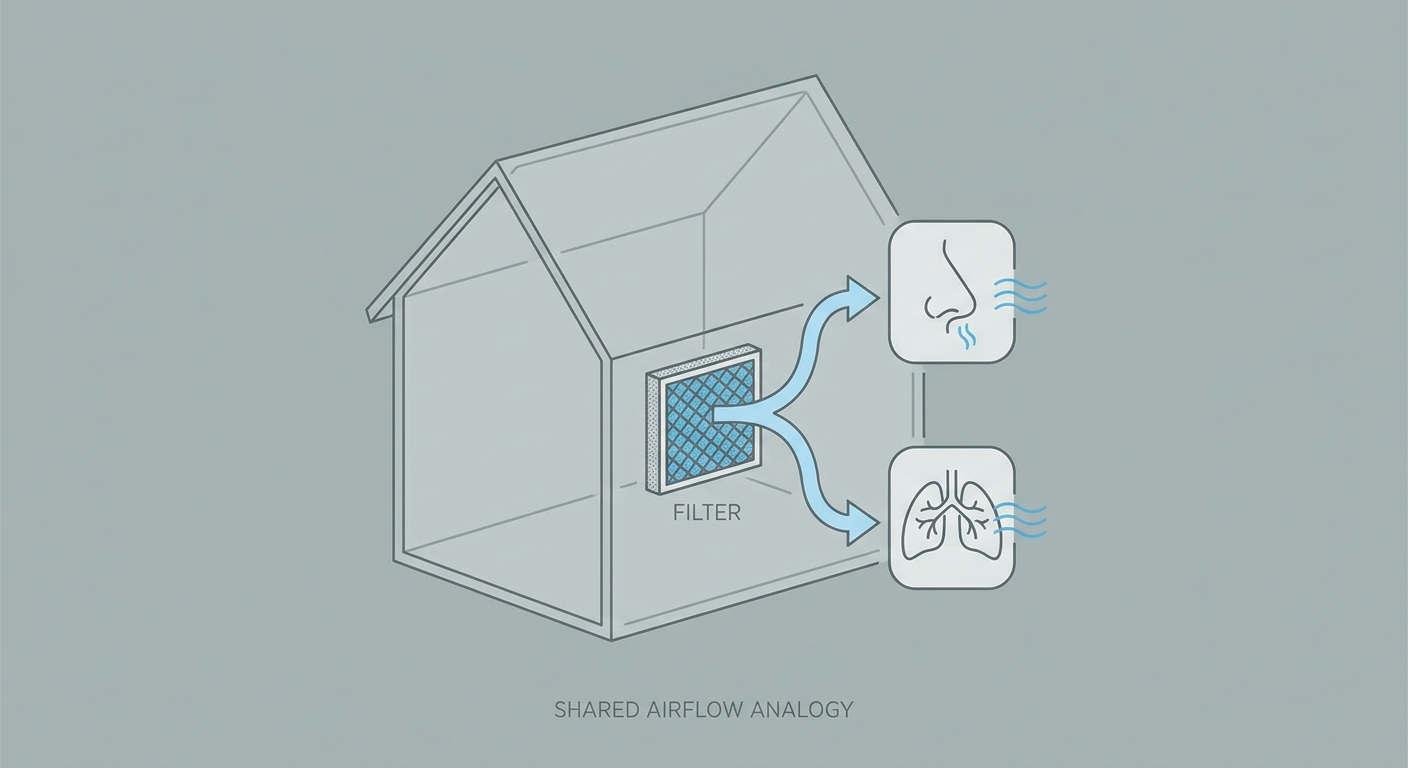
A helpful analogy: think of your airway like one home HVAC system with multiple vents. If the filter is clogged in one part of the system, airflow issues show up in more than one room. Treating “just the bedroom vent” (lungs) or “just the hallway vent” (nose) can help—but the overall system may still struggle until the shared driver is addressed.
Why single-site treatment sometimes works (and when it doesn’t)
Many patients—particularly with mild disease—do well with asthma-only or allergy-only treatment. The challenge is that in asthma–allergy overlap, a “hidden driver” can keep symptoms active, such as:
- Ongoing allergic rhinitis and asthma inflammation (nose + lungs)
- Chronic rhinosinusitis with or without nasal polyps
- Unrecognized type 2 inflammation with frequent flares
So the more accurate takeaway is: single-condition treatment may work for some people—but when overlap is present, treating only one site often leaves “unfinished business” that shows up as lingering symptoms, repeated flares, or repeated steroid bursts.
_Treating the whole airway usually beats treating one part in isolation._
Which “Allergies” Commonly Overlap with Asthma?
The usual suspects (upper airway)
When people say “allergies,” they often mean nose and sinus inflammation. The most common overlap conditions include:
- Allergic rhinitis (“hay fever”) — Learn more about allergic rhinitis (hay fever): https://sleepandsinuscenters.com/blog/what-is-allergic-rhinitis-hay-fever
- Chronic rhinosinusitis (CRS), with or without nasal polyps — Details: https://sleepandsinuscenters.com/chronic-sinusitis
- Nasal polyps (a subtype of CRS) — A key part of the “nasal polyps and asthma” connection described in overlap research. [1] For a deeper dive on this pairing: https://sleepandsinuscenters.com/blog/asthma-nasal-polyps-and-chronic-sinusitis-why-they-20260206051307
Reference: Overlap patterns and burden across airway sites described in the AROMA registry analysis. [1]
A practical way to think about this: if your “allergies” are limited to occasional sneezing, your asthma may behave differently than if your “allergies” include months of blockage, thick drainage, or smell loss. The label matters less than the pattern and persistence of inflammation.
Other type 2 inflammatory conditions that may travel together
Type 2 inflammation doesn’t always stay in one place. Some people with asthma also experience related conditions such as:
- Atopic dermatitis (eczema)
- Urticaria (hives)
- Eosinophilic esophagitis (EoE)
Real-world registry data in patients treated with targeted therapy also highlights how frequently these type 2 conditions can coexist. [2] This doesn’t mean everyone has all of these conditions—only that, when asthma overlap is present, it’s worth asking about symptoms beyond the lungs.
_The pattern and persistence of upper-airway inflammation often predict how stubborn asthma will be._
Symptoms of Asthma–Allergy Overlap (What Patients Actually Feel)
Lung symptoms that may signal asthma isn’t fully controlled
- Wheezing, chest tightness
- Shortness of breath with activity
- Nighttime cough or waking up coughing
- Frequent rescue inhaler use
- “Flares” that lead to urgent visits or oral steroid bursts
This focus on preventing exacerbations is a core theme in modern severe asthma guidelines. [3] In real life, many people judge control by “Can I get through my day?”—but clinicians also watch for the quieter signals (night waking, rescue reliance, repeated bursts) that suggest inflammation is still active.
Nose/sinus symptoms that may be keeping asthma flaring
- Chronic congestion or a “blocked nose”
- Runny nose, post-nasal drip, throat clearing
- Facial pressure
- Reduced sense of smell
- Recurrent inflammation labeled as “sinus infections”
Nasal polyp clues: persistent blockage, reduced smell, mouth breathing, and symptoms that don’t fully respond to typical allergy approaches.
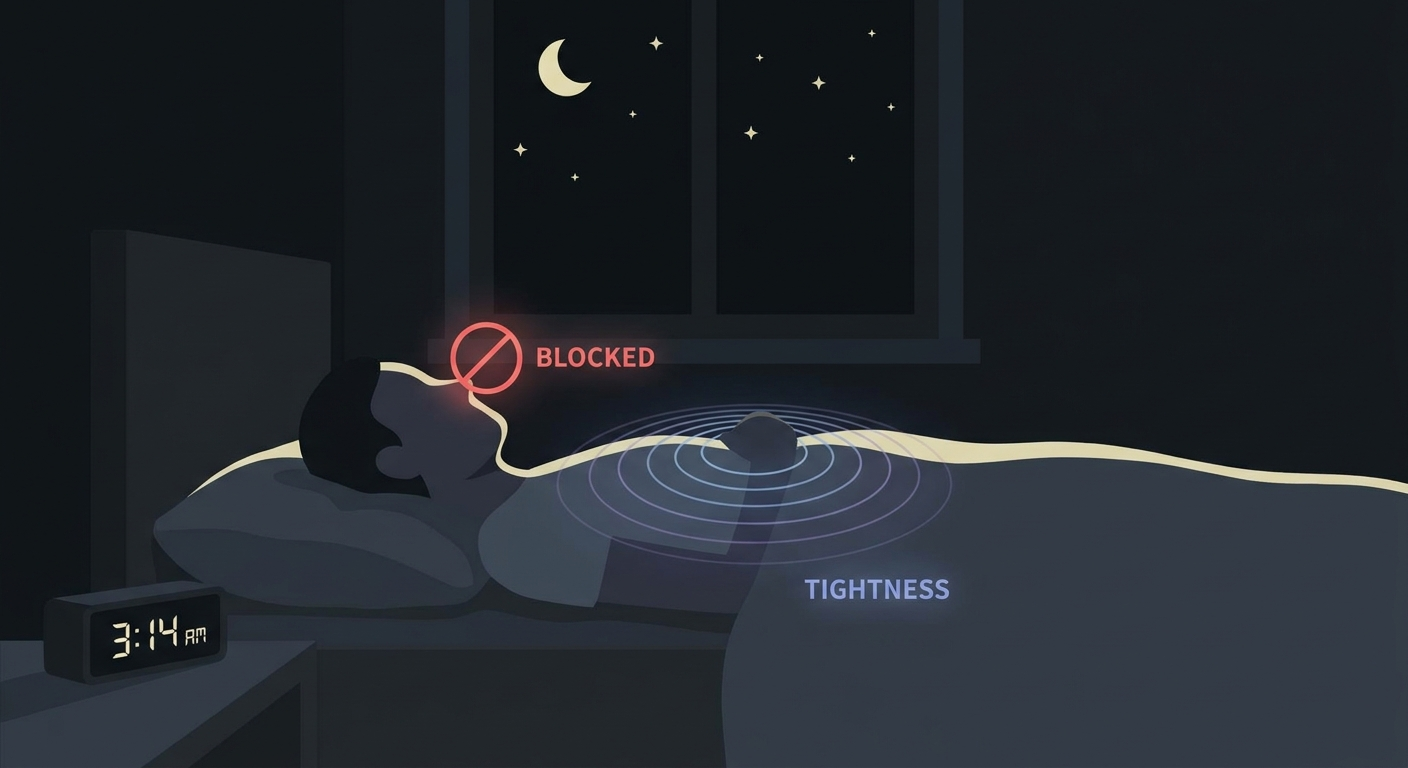
A common overlap scenario is “my lungs are tight at night, and I’m also sleeping with my mouth open because my nose is always blocked.” Even if these feel like separate problems, they can amplify each other—especially through sleep disruption and ongoing airway irritation.
Skin/throat/“whole body” clues of type 2 inflammation
- Eczema flares that track with breathing symptoms
- Episodes of hives
- Ongoing throat clearing/post-nasal drip sensation
- Fatigue or disrupted sleep from chronic congestion
_If both the nose and lungs are acting up, assume they may be connected until proven otherwise._
Causes—What’s Really Driving the Overlap?
Type 2 inflammation (the shared biology)
In simple terms, type 2 inflammation is an immune “setting” that can promote allergic and eosinophilic swelling and mucus. You might calm bronchospasm in the lungs, but if inflammation remains active in the nose/sinuses, it can continue to feed symptoms—one reason asthma–allergy overlap can be stubborn.
This is also why symptom control can feel “fragile.” You improve for a while, then one viral illness, pollen surge, or indoor trigger tips the whole airway back into a flare cycle.
CRS with nasal polyps + asthma: a high-burden pairing
In the AROMA registry analysis, about 1 in 3 patients with CRSwNP and coexisting asthma reported a severe asthma attack in the prior year, and they were more likely to use steroids. [1] In everyday terms: this combination can be more flare-prone, and it can increase steroid burden.
Related reading on this specific overlap: https://sleepandsinuscenters.com/blog/asthma-nasal-polyps-and-chronic-sinusitis-why-they-20260206051307
A useful “reality check” question is: if you keep needing systemic steroids to feel normal, is something in the nose/sinus side of the airway still driving inflammation?
Why overlap looks different from person to person (heterogeneity)
Some people have severe asthma with mild sinus symptoms. Others have significant nasal polyps with “moderate” asthma that still flares. Research emphasizes this variability and supports coordinated, interdisciplinary assessment rather than treating one condition in isolation. [1]
That heterogeneity is also why two people can use similar medications and have very different outcomes—because their main driver (lungs, nose/sinuses, triggers, or shared biology) isn’t the same.
_Shared type 2 biology often explains why improvement is fragile unless both sites are addressed._
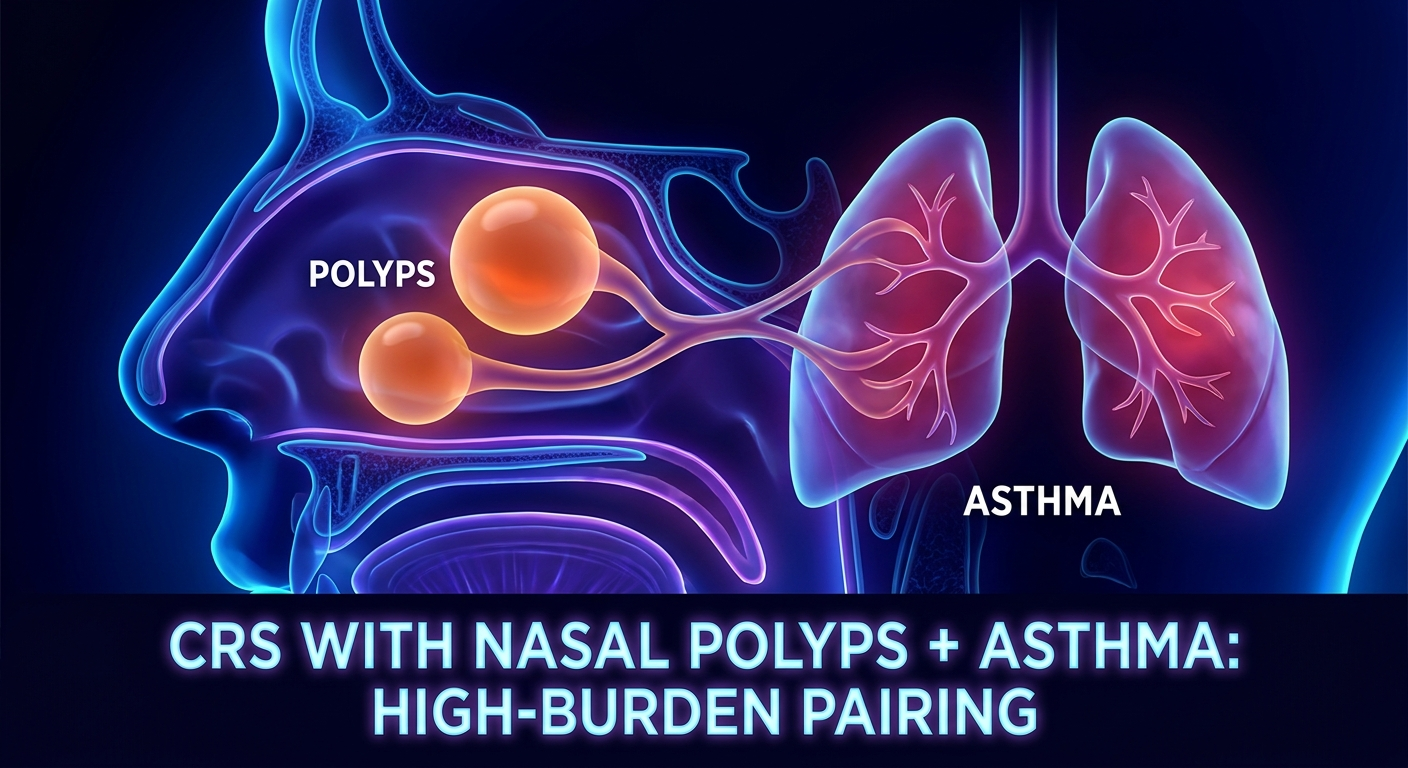
Why Treating Asthma Alone Can Fall Short
The “lungs are treated, but triggers keep coming” problem
Even when an inhaler plan is appropriate, uncontrolled nose/sinus inflammation can contribute to:
- Post-nasal drip and cough irritation
- Poor nasal airflow that worsens sleep and perceived breathing effort
- Ongoing inflammatory signaling that keeps the airway reactive
This is a common story in asthma–allergy overlap: the lungs may be partially controlled, but the upper airway keeps “stirring the pot.” People often describe it as, “I’m doing everything right, but I still feel inflamed.”
The hidden cost: steroid burden
Oral steroid bursts can temporarily calm inflammation across the nose and lungs, but repeated courses can add risk over time—one reason severe asthma guidance emphasizes reducing exacerbations and limiting systemic steroid exposure when possible. [3]
Related reading: risks of repeated steroid bursts: https://sleepandsinuscenters.com/blog/risks-of-repeated-steroid-bursts-for-sinus-symptom-20260226051509
From a practical standpoint, the goal is not just “fewer symptoms this week,” but fewer cycles of flare → steroid burst → temporary relief → flare again.
_Well-controlled lungs are hard to maintain if the nose and sinuses keep fueling inflammation._
Why Treating Allergies (or the Nose) Alone Can Fall Short
Nasal sprays and antihistamines don’t replace asthma control
Treating rhinitis can reduce triggers and improve quality of life, but it doesn’t automatically address lower-airway inflammation. In true overlap disease, many people need both upper-airway and lower-airway strategies.
For an upper-airway focused approach, see treating chronic rhinitis: https://sleepandsinuscenters.com/treating-chronic-rhinitis
A simple way to frame it: nasal treatment may reduce the “spark” (trigger load), but asthma treatment is often needed to reduce the “fuel” (lower-airway inflammation and reactivity).
When “it’s just allergies” is the wrong label
Educational red flags that deserve a closer look include:
- Nighttime symptoms or waking due to cough
- Exercise limitation
- Frequent rescue inhaler use
- Repeated urgent care/ER visits for breathing symptoms
If these are present, it’s worth asking whether asthma is under-treated, under-measured (no recent spirometry), or being continuously re-triggered by uncontrolled upper-airway disease.
_Reducing triggers up top rarely replaces lower-airway control when asthma is present._
Diagnosis—How Clinicians Confirm Asthma–Allergy Overlap
A coordinated history (questions worth asking)
A good evaluation typically connects the dots across both airway sites:
- Seasonal vs year-round symptoms
- Indoor triggers (pets, dust, mold), smoke, fragrances
- Sinus symptoms (smell loss, long-term congestion, history of polyps)
- Number of steroid courses in the last year (a practical measure of flare burden)
If you’re not sure what “counts,” bring your pharmacy history or after-visit summaries. A pattern of repeated “just in case” antibiotics or steroid bursts can be a clue that the underlying inflammatory problem hasn’t been fully mapped.
Common tests (what patients can expect)
- Lungs: spirometry (and bronchodilator response); sometimes FeNO (where available)
- Allergy: skin or blood testing to identify triggers — Learn more: https://sleepandsinuscenters.com/allergy-testing
- Nose/sinuses: nasal endoscopy; sometimes CT imaging when chronic sinusitis/polyps need deeper evaluation
_Objective testing turns guesswork into a plan._
Treatments That Work Better When Coordinated (Nose + Lungs + Triggers)
Goal: reduce daily symptoms, prevent exacerbations, and reduce repeated steroid bursts.
Foundation: control inflammation in both the upper and lower airway
Educationally, coordinated care often includes:
- Asthma management basics: controller therapy when indicated, a rescue plan, trigger awareness, and follow-up focused on reducing exacerbations (aligned with severe asthma guidance principles). [3]
- Nasal/CRS basics: saline rinses, consistent topical therapy, and—when CRS or polyps are present—ENT-directed regimens designed for long-term control (more on chronic sinusitis: https://sleepandsinuscenters.com/chronic-sinusitis)
A common “missing piece” is consistency. Many effective treatments (both inhaled and nasal) work best when used correctly and regularly, not only during flares.
Biologics and targeted therapies (when type 2 disease is driving multiple sites)
For selected patients with moderate-to-severe disease not controlled with standard therapy, targeted medicines may be considered. Because type 2 inflammation can involve multiple organs, biologics for asthma and nasal polyps may help more than one condition in the right scenario (for example, asthma plus nasal polyps and/or eczema). Real-world registry findings support how often these conditions coexist in treated populations. [2]
When sinus procedures/surgery enter the plan (and why it can affect asthma outcomes indirectly)
When chronic sinus inflammation or polyps remain persistent despite medical therapy, procedures can be part of a long-term plan. Potential benefits include improved nasal airflow and better delivery of topical treatments afterward. This doesn’t “cure” asthma, but it can reduce overall airway burden—an important concept in asthma–allergy overlap.

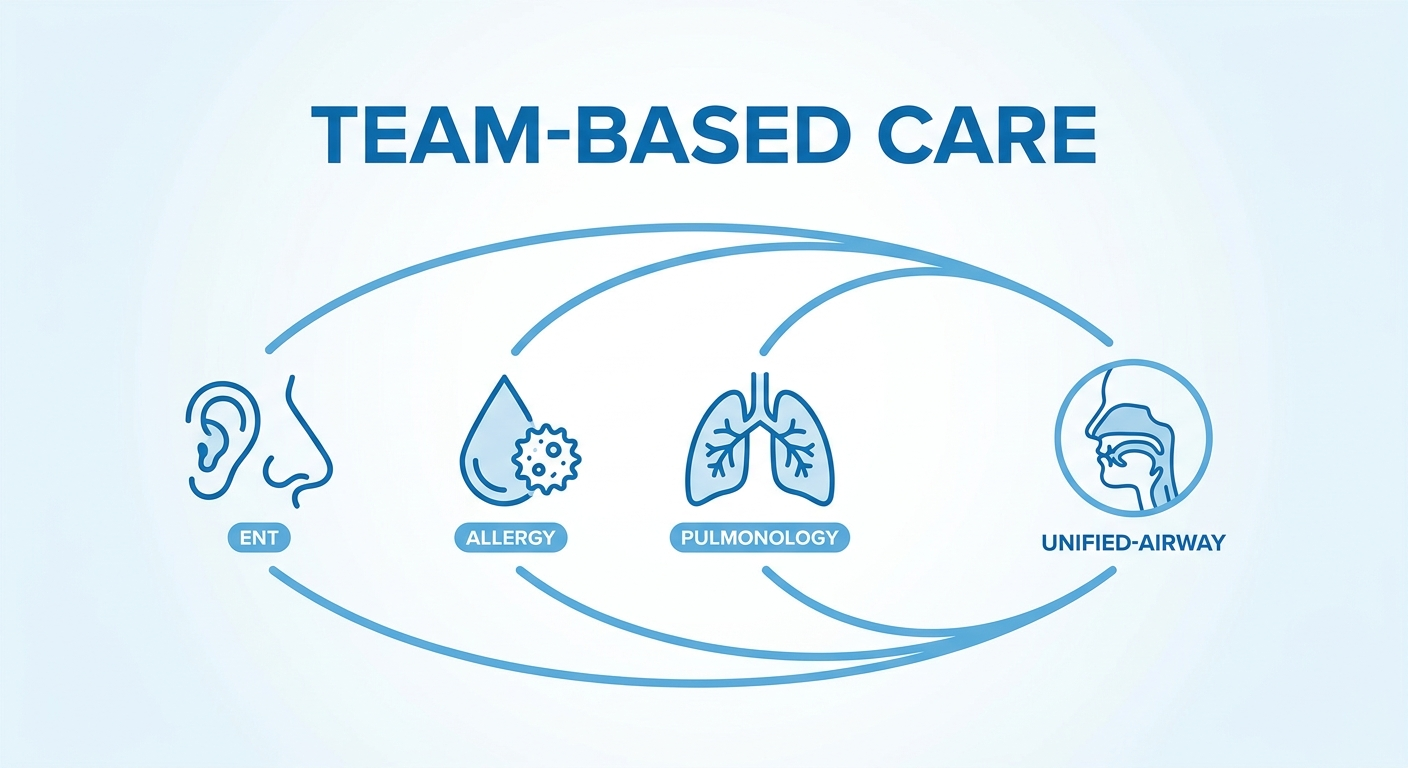
Team-based care: ENT + allergy/immunology + pulmonology
Because overlap is heterogeneous, coordinated care often works best. If you’re preparing for specialist visits, it can help to bring:
- A current medication list
- A record of steroid bursts (how many and when)
- A short symptom diary (daytime limits, nighttime waking, rescue use)
- Known triggers and prior allergy results
For long-term trigger reduction, some patients also explore immunotherapy for allergies after appropriate evaluation: https://sleepandsinuscenters.com/blog/immunotherapy-for-allergies-is-it-worth-it
_Coordinated care aims for fewer flares and fewer steroid bursts—not just better days here and there._
Lifestyle and Home Tips That Support Both Asthma and Allergies
Reduce exposure without turning your life upside down
- Bedroom: wash bedding hot, reduce dust reservoirs, consider dust-mite covers
- Air: avoid smoke/vaping exposure, consider HEPA filtration, manage indoor humidity to reduce mold
- Pollen: shower after outdoor time, keep windows closed on high pollen days
These steps work best when they’re targeted. For example, if testing shows dust mite sensitivity, bedroom changes may matter more than whole-house changes.
Medication habits that improve outcomes
- Use long-term therapies consistently when prescribed
- Learn correct nasal spray technique
- Track nighttime symptoms and rescue inhaler frequency as practical “control signals”
A simple weekly check-in helps: “How many nights did I wake up?” and “How many times did I reach for rescue?” Those trends often show loss of control before a major flare.
_Small, targeted habits compound when they match your specific triggers._
When to See a Specialist (or Re-check the Diagnosis)
Signs your current plan may be incomplete
Educational reasons to consider a more coordinated review include:
- Two or more oral steroid bursts per year (or escalating need)
- Persistent nasal blockage or smell loss (possible polyps/CRS)
- Frequent asthma exacerbations despite good adherence
- Multiple type 2 conditions (eczema, hives, EoE symptoms) alongside airway disease [1]
If these patterns sound familiar, Sleep and Sinus Centers of Georgia can help coordinate evaluation across nose/sinus disease and allergy drivers, so care is aligned rather than fragmented.
To book an appointment: visit https://www.sleepandsinuscenters.com/ and request a visit to discuss an integrated airway plan.
_If you keep cycling through flares and steroids, it’s time to zoom out and coordinate care._
FAQs (Patient-Friendly)
“If my asthma is controlled, do I still need to treat allergies?”
Often, yes. Even if lung symptoms are stable, uncontrolled rhinitis/CRS can still disrupt sleep, cause fatigue, and increase flare risk in some people—especially in asthma–allergy overlap.
“Can nasal polyps make asthma worse?”
They commonly co-occur and share type 2 biology. Patients with both can have substantial exacerbation and steroid-use burdens. [1]
“Is it dangerous to rely on repeated steroid bursts?”
Repeated systemic steroid exposure can carry meaningful risks over time. Severe asthma guidance emphasizes reducing exacerbations and minimizing systemic steroid use when possible. [3] Learn more: https://sleepandsinuscenters.com/blog/risks-of-repeated-steroid-bursts-for-sinus-symptom-20260226051509
“Do biologics replace inhalers or nasal sprays?”
Usually not. They’re often add-on therapy for selected patients, while baseline asthma and nasal care often remains important.
“What’s the first step if I suspect overlap?”
A coordinated evaluation: review symptoms across nose + lungs, consider objective lung testing (spirometry), and identify triggers through testing when appropriate. A common starting point is allergy testing: https://sleepandsinuscenters.com/allergy-testing
Key Takeaways
- Asthma–allergy overlap is common because the nose/sinuses and lungs function as a connected “united airway.”
- Overlap is often driven by type 2 inflammation, including patterns such as allergic rhinitis, chronic rhinosinusitis, and nasal polyps.
- Treating only one site may be incomplete, especially in higher-burden pairings like asthma plus CRSwNP.
- Coordinated assessment and treatment—sometimes involving ENT, allergy/immunology, and pulmonology—can reduce flares and help lower steroid burden over time.
_A united-airway approach can simplify care and improve outcomes._
References
1. AROMA Registry analysis (CRSwNP with vs without asthma; exacerbations, steroid burden; shared type 2 biology): http://tandfonline.com/doi/abs/10.2147/JAA.S519901
2. RAPID Registry – Coexisting type 2 inflammatory conditions in asthma patients treated with dupilumab: http://pubmed.ncbi.nlm.nih.gov/42060163
3. ATS/ERS Severe Asthma Guidance (2020) (open-access): http://pmc.ncbi.nlm.nih.gov/articles/PMC9573814
4. European Lung Foundation (ELF) severe asthma patient guide (patient-friendly background resource)
This article is for educational purposes only and is not medical advice. Please consult a qualified healthcare provider for diagnosis and treatment.
Don’t let allergies slow you down. Schedule a comprehensive ENT and allergy evaluation at Sleep and Sinus Centers of Georgia. We’re here to find your triggers and guide you toward lasting relief.