Allergy Biologics vs Immunotherapy: Key Differences, Benefits, and How Clinicians Choose
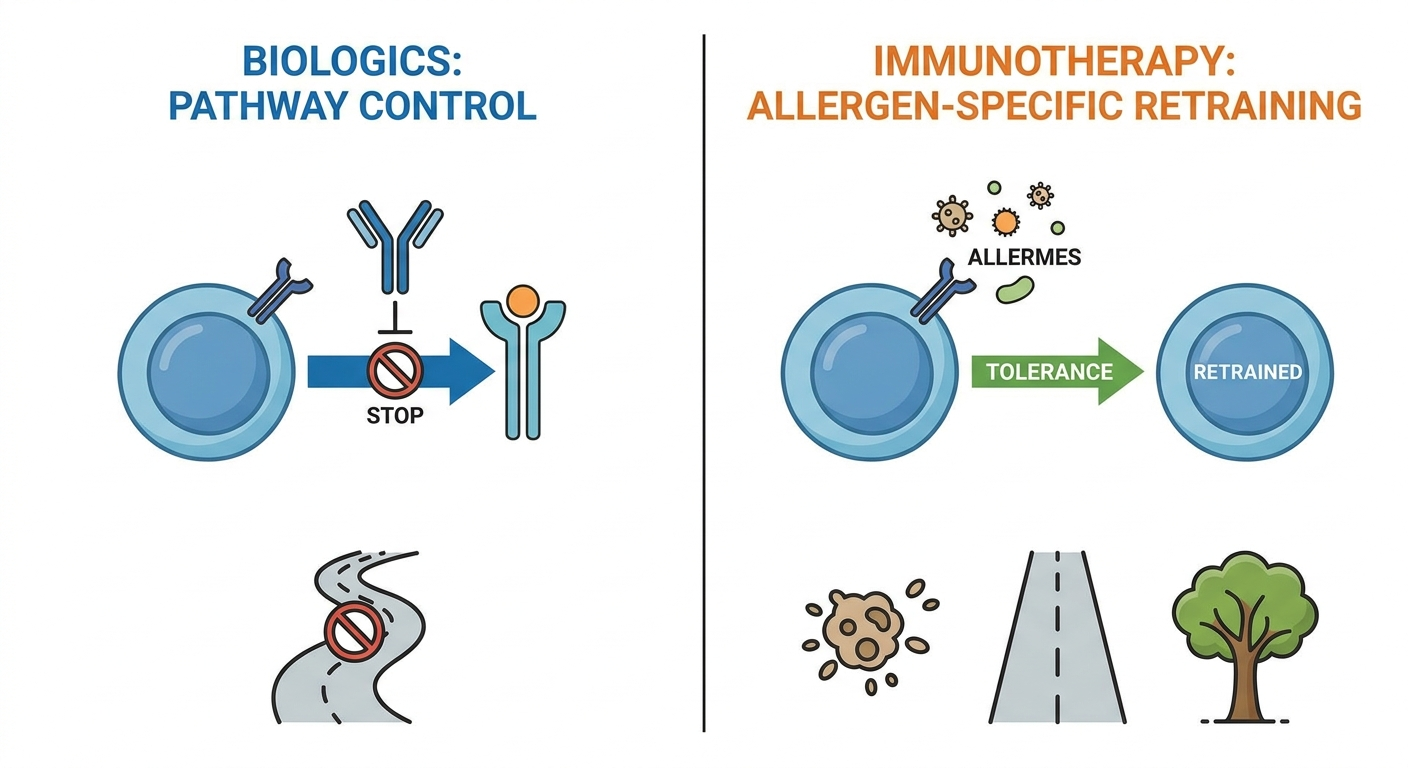
In allergy biologics vs immunotherapy, the big difference is purpose: biologics are targeted pathway medications for specific allergic diseases, while allergen immunotherapy aims to retrain your immune response to identified triggers over time.
Quick Take—What’s the Difference?
- Biologics are targeted medications that block specific immune pathways involved in certain allergic diseases (such as allergic asthma, chronic hives, nasal polyps, and IgE‑mediated food allergy).
- Allergen immunotherapy (allergy shots/drops/tablets) is allergen‑directed treatment that gradually retrains your immune system to be less reactive to a specific allergen.
- They can be complementary in select cases, but they are not interchangeable. Recent FDA approval of omalizumab (Xolair) for reducing reactions after accidental exposure in food allergy highlights biologics’ disease‑specific role, while national asthma guidance emphasizes trigger‑based, stepwise management.
- Time to improvement and duration vary by drug, condition, and person.
Bottom line: biologics turn down a pathway; immunotherapy trains responses to specific triggers.
Patient‑Friendly Comparison (at a glance)
What it targets
- Allergy biologics: A specific immune pathway (for example, IgE or Type 2/eosinophilic inflammation signals).
- Allergen immunotherapy: A specific allergen (such as pollen, dust mites, or pet dander).
Best for
- Allergy biologics: Moderate‑to‑severe disease (for example, biologics for asthma, chronic urticaria biologic options, nasal polyps biologic options) and selected patients with Xolair for food allergy indications.
- Allergen immunotherapy: Clear allergen‑driven symptoms (seasonal/perennial allergic rhinitis; selected patients with allergen‑triggered asthma).
How it’s given
- Allergy biologics: Injections in clinic or at home (depending on medication and plan); some are given by infusion.
- Allergen immunotherapy: Shots (SCIT) in clinic; drops/tablets (SLIT) under the tongue (availability and indications vary).
Time to notice improvement
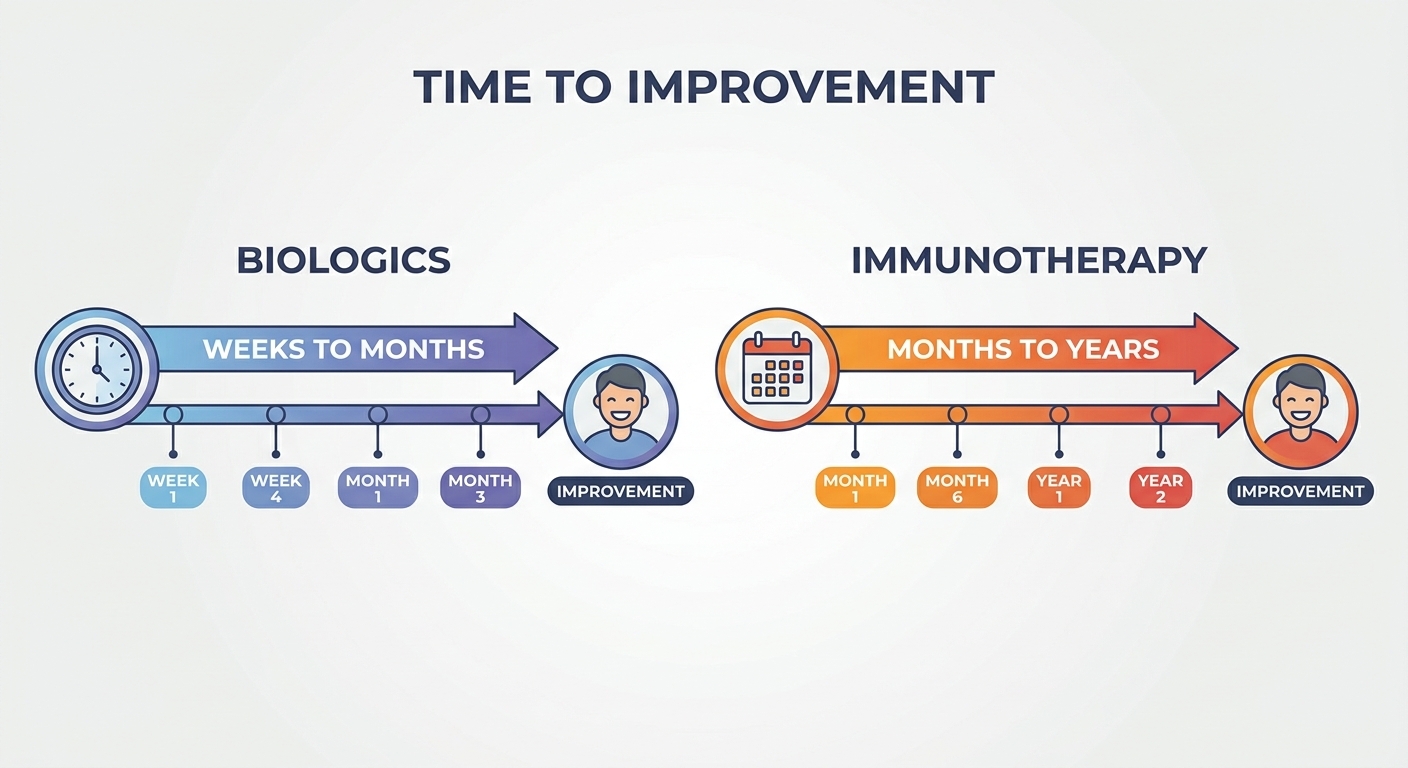
- Allergy biologics: Often weeks to months (varies by drug, condition, and person).
- Allergen immunotherapy: Often months with gradual improvement (varies by allergen and patient).
How long you stay on it
- Allergy biologics: Usually ongoing to maintain control (varies by disease and response).
- Allergen immunotherapy: Typically multi‑year courses aiming for longer‑lasting benefit.
Main goal
- Allergy biologics: Improve control and reduce flares by blocking a pathway.
- Allergen immunotherapy: Immune “retraining” and better tolerance to a specific allergen.
Think “pathway control” (biologics) versus “allergen‑specific retraining” (immunotherapy).
Understanding Allergies (and Why Treatments Differ)
Allergies occur when the immune system overreacts to a usually harmless trigger—such as pollen, dust mites, pet dander, or certain foods—causing symptoms in the nose, lungs, skin, or digestive system. For a brief primer, see Sleep & Sinus Centers / Allergy Clinic: About Allergies (http://allergyclinic.com/contents/patient-resources/allergies/about-allergies).
Different tools work best for different drivers of symptoms.
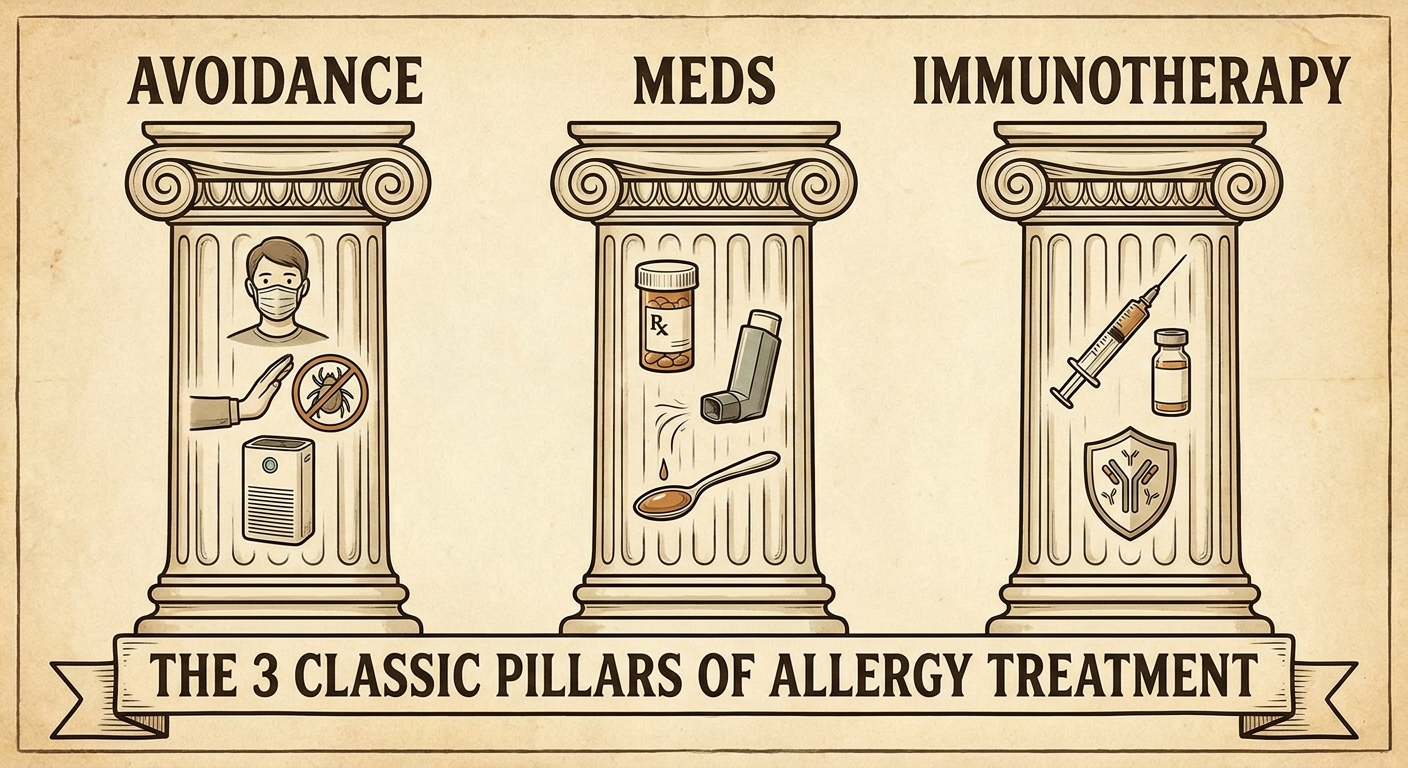
The 3 Classic Pillars of Allergy Management
- Avoidance/environment control (reducing exposure to triggers)
- Medication symptom relief (for example, antihistamines, nasal sprays, inhalers)
- Allergen immunotherapy (shots/drops) to change allergen sensitivity over time
Biologics fit within the medication category, but they are highly targeted.
Matching the tool to the driver—pathway vs allergen—is key.
Symptoms & Conditions That May Lead to These Treatments
Common reasons to see an allergy/ENT specialist include:
- Chronic nasal congestion, runny nose, sneezing, post‑nasal drip (see also: treating chronic rhinitis: https://sleepandsinuscenters.com/treating-chronic-rhinitis)
- Wheezing, cough, chest tightness—especially with triggers
- Recurrent hives, itching, swelling
- Loss of smell, facial pressure (possible nasal polyps: https://sleepandsinuscenters.com/blog/what-are-nasal-polyps)
Biologics are often considered for disease‑specific patterns that persist despite standard therapy; immunotherapy is often considered when a clear allergen is driving symptoms.
Your pattern of symptoms helps determine which option is likely to help most.
When Biologics Are Often Considered (disease‑specific)
Biologics are typically discussed when symptoms are moderate‑to‑severe or persist despite standard therapies:
- Allergic asthma not controlled with guideline‑based inhalers (often inhaled corticosteroids first)
- Chronic spontaneous urticaria (CSU) not controlled with H1‑antihistamines
- Chronic rhinosinusitis with nasal polyps (CRSwNP)
- IgE‑mediated food allergy (for specific FDA‑approved indications to reduce reactions after accidental exposure)
These conditions are often “pathway‑driven,” making targeted therapy a consideration.
When Immunotherapy Is Often Considered (allergen‑driven)
Immunotherapy is usually considered when there’s a clear allergic “driver,” such as:
- Seasonal allergic rhinitis (tree/grass/weed pollen)
- Perennial allergic rhinitis (dust mites, pet dander, some molds)
- Allergic asthma with clear allergen triggers (selected patients)
Immunotherapy works best when the relevant allergens are identified and treatable.
Causes & Triggers—Why Identifying the “Driver” Matters
- Allergy testing is often step one if immunotherapy is on the table, because treatment must match specific allergens. It also helps differentiate allergic vs non‑allergic causes.
- Trigger profiles guide choices:
- Clear allergen trigger (dust mites/pollen/pets): immunotherapy may be a strong option
- Less allergen‑specific disease (like CSU): targeted medications (including biologics) may be more relevant
- Mixed disease (for example, asthma + nasal polyps): a biologic may address multiple issues at once
If we don’t know the trigger, we can’t “train” the response effectively.
Allergy Biologics—What They Are and How They Work
What “biologics” means in plain language: Biologics are prescription medicines engineered to block specific immune signals involved in inflammation and allergic reactions. They are not general immune boosters and are typically reserved for people with significant symptoms despite standard care.
Biologics are precise tools aimed at defined immune pathways.
Common biologic targets (high‑level):
- IgE‑related pathways (often relevant in allergic asthma, food allergy, and hives)
- Type 2/eosinophilic inflammation pathways (commonly targeted in asthma and nasal polyps)
The right biologic depends on the disease and pathway profile.
Example spotlight—Xolair (omalizumab)
- Omalizumab is an anti‑IgE biologic used across several allergic conditions (for example, selected patients with allergic asthma, CSU, and CRSwNP).
- In 2024, the FDA approved omalizumab to help reduce allergic reactions to multiple foods after accidental exposure in indicated patients. It does not replace food avoidance strategies.
- It is not a cure, not oral immunotherapy, and not a license to introduce foods at home. Indicated patients must still follow avoidance and carry emergency medications (for example, epinephrine) as directed by their clinician.
- Availability, labeling, and coverage vary by country and change over time.
Even with food‑allergy indications, avoidance and emergency plans remain essential.
Targeted therapies (not all are biologics)
- Some allergic conditions (for example, CSU) are being studied with non‑biologic, small‑molecule medications such as oral Bruton tyrosine kinase (BTK) inhibitors. Remibrutinib is an example of an oral, targeted BTK inhibitor under study for CSU.
- Regulatory status, indications, and availability vary by country and evolve; confirm current labels and coverage with your clinician and insurer.
Not every targeted therapy is a biologic; ask how a drug works and what it’s approved to treat.
Pros of biologics (patient‑relevant)
- Can improve control when standard meds aren’t enough
- Some options have convenient dosing schedules
- May help more than one condition at once (for example, asthma plus nasal polyps)
Targeted pathway control can reduce flares and improve quality of life.
Cons/limitations of biologics
- Not allergen‑specific (doesn’t retrain a pollen allergy the way immunotherapy aims to)
- Cost and insurance authorization can be complex
- Ongoing therapy is often needed to maintain benefit
Biologics manage pathways; they typically don’t reprogram allergen sensitivity.
Allergen Immunotherapy—Shots and Drops Explained
What immunotherapy is (and what it isn’t): Allergen immunotherapy is a controlled, gradual exposure to specific allergens to reduce sensitivity over time. It is distinct from biologics.
Immunotherapy targets the trigger; biologics target the pathway.
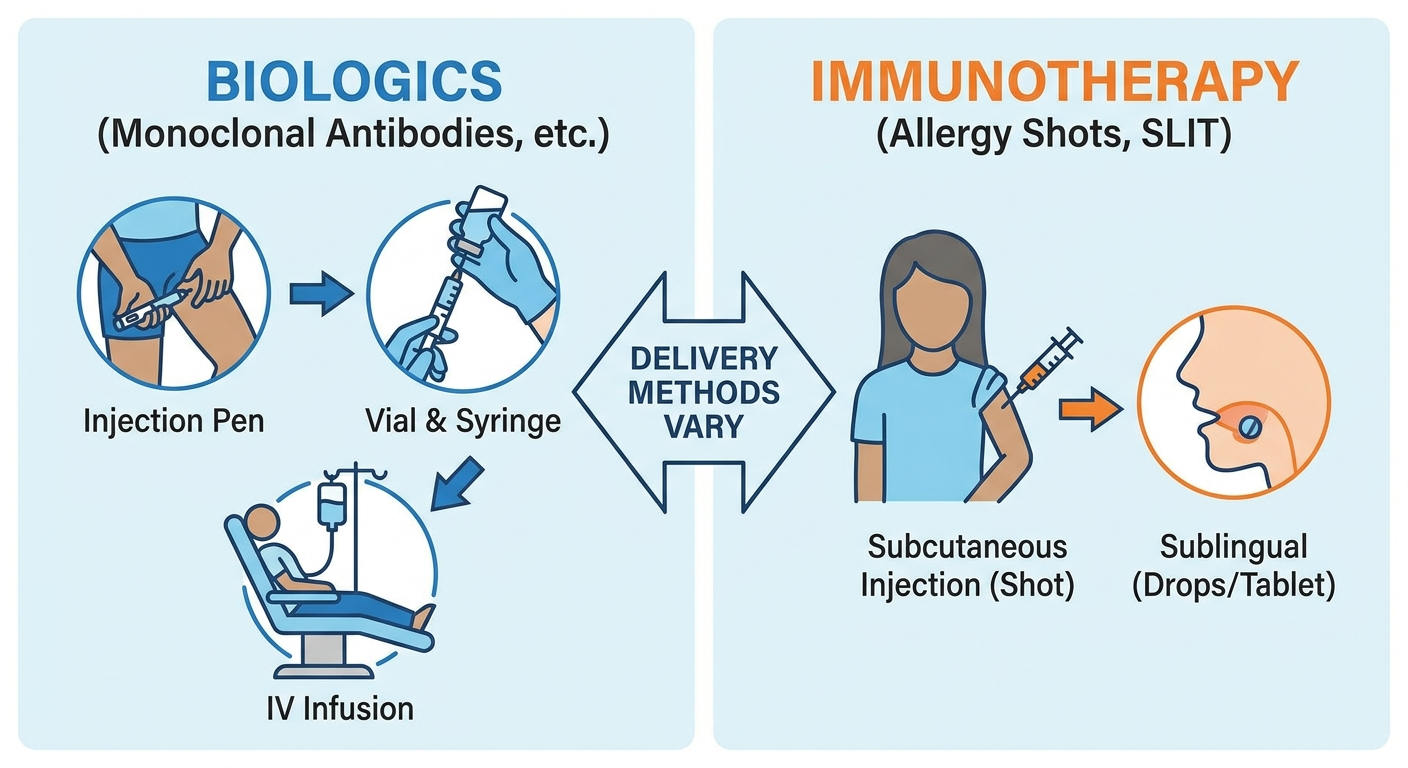
Types of immunotherapy
- SCIT (subcutaneous immunotherapy): allergy shots in clinic
- SLIT (sublingual immunotherapy): tablets/drops under the tongue (availability and indications vary). Learn more: Sublingual Immunotherapy (SLIT) Basics—A Complete Guide to Allergy Treatment (https://sleepandsinuscenters.com/blog/sublingual-immunotherapy-slit-basics-a-complete-guide-to-allergy-treatment).
Your clinician will match the immunotherapy format to your allergens and history.
What the allergy shot process looks like
- Build‑up phase: gradually increasing doses with more frequent visits
- Maintenance phase: a steady dose at longer intervals
- Multi‑year course: often several years for longer‑lasting benefit
For a plain‑language timeline, see: Allergy Shots Timeline—What to Expect During Allergy Immunotherapy (https://sleepandsinuscenters.com/blog/allergy-shots-timeline-what-to-expect-during-allergy-immunotherapy).
Consistent attendance during build‑up makes maintenance smoother and more effective.
Pros of immunotherapy
- May be disease‑modifying for allergic rhinitis and, in selected patients, allergic asthma
- May reduce reliance on daily meds over time
- Targets the root allergen(s) rather than broadly suppressing inflammation
When the allergen driver is clear, immunotherapy can pay long‑term dividends.
Cons/limitations of immunotherapy
- Requires time and adherence (especially with shots)
- Works best when symptoms match treatable allergens
- Risk of allergic reactions (rare but important); injection visits include observation time
Success depends on accurate allergen selection and sticking with the schedule.
Biologics vs Immunotherapy for Allergic Asthma (A Common Real‑World Scenario)
- Stepwise care basics: Most people start with guideline‑based controller inhalers, adjusted to symptom control and risk (NHLBI: https://www.nhlbi.nih.gov/health/asthma/treatment-action-plan).
- When a biologic might be added: If asthma remains poorly controlled despite appropriate inhaler therapy—especially with frequent exacerbations or relevant comorbidities (such as nasal polyps)—a biologic may be considered.
- When allergy shots might be added: If asthma or rhinitis symptoms clearly track with allergens (dust mites, pollens, animal dander), allergen immunotherapy may be considered in selected patients.
- Trigger management matters either way: Avoid relevant triggers and follow a written action plan (AAAAI: https://www.aaaai.org/).
In asthma, clinicians personalize add‑ons (biologic or immunotherapy) based on control, triggers, and comorbidities.
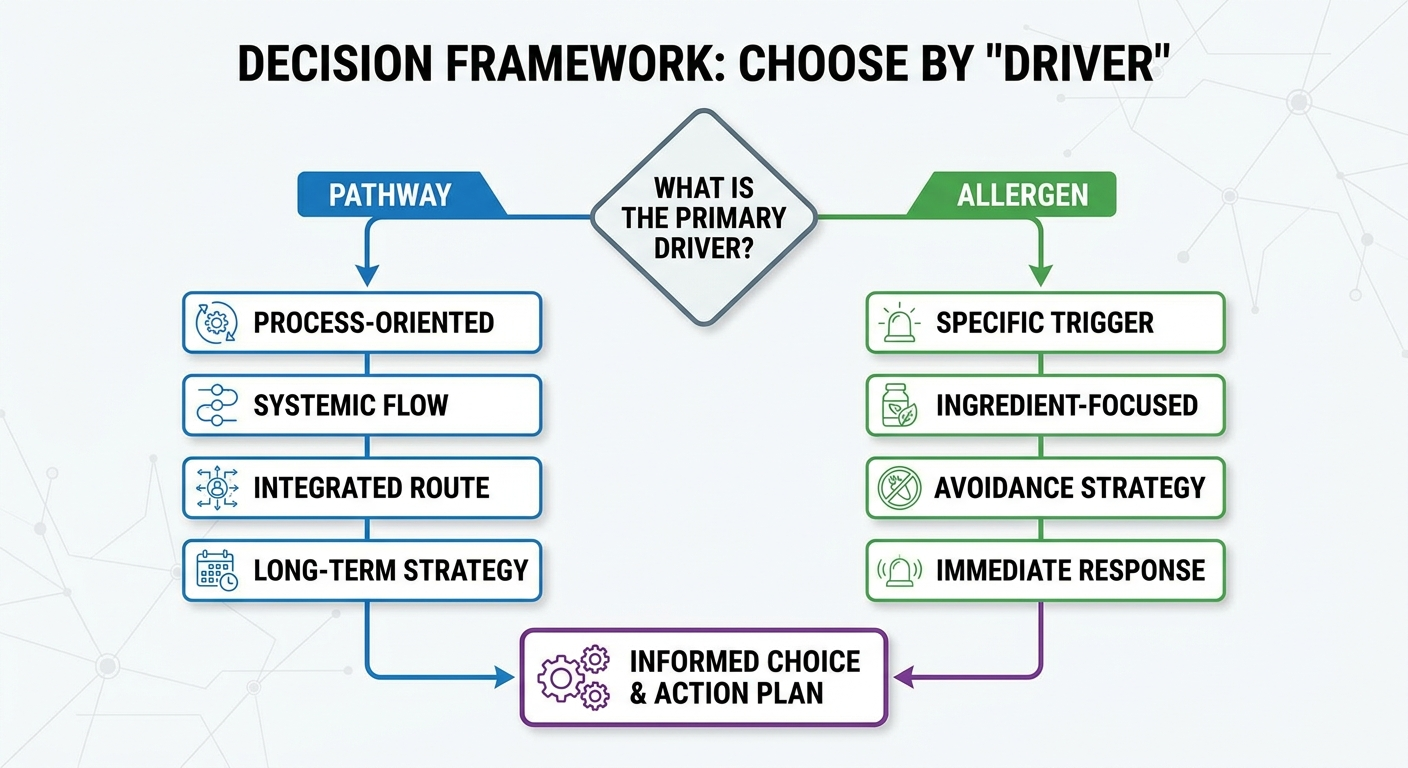
How Doctors Choose the Best Option (Decision Framework)
Key factors that decide “best fit”:
- Diagnosis (asthma vs CSU vs CRSwNP vs food allergy)
- Whether an identified allergen is driving symptoms
- Response to prior treatments (antihistamines, nasal sprays, inhalers)
- Safety/clinical suitability (age, other conditions, pregnancy considerations)
- Practicalities (schedule, travel, adherence, insurance coverage and cost)
Can you use both?
- Sometimes, yes—because they work differently, biologics and immunotherapy may be combined under specialist guidance for selected patients. This is not routine for everyone.
The “best” option balances medical fit with what you can realistically sustain.

Risks, Side Effects, and Safety Monitoring
Biologics—common considerations:
- Injection‑site reactions are among the most common side effects
- Medication‑specific precautions and monitoring are reviewed at prescribing
- Availability, labeling, and coverage vary by country and can change
Immunotherapy—common considerations:
- Local swelling/itching at the injection site is common with shots
- Rare systemic allergic reactions can occur; clinics use observation protocols after injections
When to seek urgent care:
- Trouble breathing, swelling of the tongue/throat, fainting, widespread hives with other symptoms, or a severe asthma flare warrant urgent evaluation.
Discuss personalized safety steps and emergency plans with your clinician.
Lifestyle & At‑Home Tips That Support Any Treatment Plan
Environmental controls (easy wins):
- Bedroom allergen control (mattress/pillow encasements, hot‑water wash routines)
- Pollen habits (shower after outdoor time; keep windows closed during high counts)
- Pet dander strategies if pets are a known trigger
Medication habits that improve results:
- Use controller medications consistently (especially for asthma)
- Use nasal sprays correctly (technique and routine matter)
Tracking symptoms for smarter adjustments:
- Keep a simple symptom/trigger/medication log; for asthma, follow a written action plan (NHLBI: https://www.nhlbi.nih.gov/health/asthma/treatment-action-plan).
Small daily habits can meaningfully improve long‑term control.
Cost, Insurance, and Convenience (What Patients Want to Know)
Time commitment comparison:
- Allergy shots: frequent visits early on (build‑up), then less often during maintenance
- Biologics: may be clinic‑administered or self‑administered depending on the medication and insurance rules
Insurance and access basics:
- Prior authorization is common for biologics
- Immunotherapy coverage varies by plan
- Availability, labeling, and insurance coverage vary by country and change over time; the clinic team can help you check benefits
A practical way to compare:
- Shots often require more of your schedule early on
- Biologics often require more from the prior‑authorization process (details vary by plan and drug)
Plan ahead for both time and coverage—your care team can help you navigate the process.
FAQs
1) Is immunotherapy the same as a biologic?
No. Immunotherapy treats specific allergens; biologics target immune pathways. This distinction is the core of allergy biologics vs immunotherapy.
2) Do allergy shots “cure” allergies?
They can reduce sensitivity and symptoms long‑term for specific allergens, but results vary by person and allergen.
3) Is Xolair a biologic, and can it help food allergy?
Yes. Omalizumab (Xolair) is an anti‑IgE biologic. In 2024, the FDA approved it to help reduce allergic reactions to multiple foods after accidental exposure for indicated patients. It is not a cure and does not replace avoidance or emergency preparedness.
4) Which works faster—biologics or allergy shots?
Biologics often show benefit in weeks to months; immunotherapy is usually slower (months) but aims for longer‑term allergen tolerance. Timelines vary by drug, condition, and person.
5) Can I do biologics and allergy shots together?
Sometimes. It depends on the conditions being treated and safety considerations; this decision should be made with a specialist.
6) What if I have chronic hives with no known trigger?
That pattern may fit chronic spontaneous urticaria (CSU). If antihistamines aren’t enough, targeted therapies—including injectables and some emerging oral options that are not biologics—may be considered. Availability and approvals vary by country and over time.
7) Do I need allergy testing before immunotherapy?
Typically yes, because treatment is matched to specific allergens.
Conclusion—Your Next Best Step
The right path depends on diagnosis, trigger profile, response to prior treatments, and practical considerations like schedule and coverage. To learn more, explore:
- Allergy Testing: https://sleepandsinuscenters.com/allergy-testing
- Allergy Drops vs Allergy Shots: https://sleepandsinuscenters.com/allergy-drops-vs-allergy-shots
- Immunotherapy for Allergies—Is It Worth It?: https://sleepandsinuscenters.com/blog/immunotherapy-for-allergies-is-it-worth-it
A focused evaluation and (when appropriate) testing can clarify what’s driving your symptoms and which option fits best.
Ready to talk through options with a specialist? Book an appointment with Sleep and Sinus Centers of Georgia: https://www.sleepandsinuscenters.com/
Medical disclaimer
This article is for general education and is not a substitute for personalized medical advice, diagnosis, or treatment. Your clinician can help interpret testing and recommend the safest plan for your specific history. This article is for educational purposes only and is not medical advice. Please consult a qualified healthcare provider for diagnosis and treatment.
Sources
- Sleep & Sinus Centers / Allergy Clinic: About Allergies — http://allergyclinic.com/contents/patient-resources/allergies/about-allergies
- NHLBI: Asthma Treatment and Action Plan — https://www.nhlbi.nih.gov/health/asthma/treatment-action-plan
- AAAAI: Triggers and management — https://www.aaaai.org/
- FDA (2024): Omalizumab for reducing reactions after accidental food exposure — https://www.fda.gov/news-events/press-announcements/fda-approves-first-medication-help-reduce-allergic-reactions-multiple-foods-after-accidental
Don’t let allergies slow you down. Schedule a comprehensive ENT and allergy evaluation at Sleep and Sinus Centers of Georgia. We’re here to find your triggers and guide you toward lasting relief.