Food Allergy vs. Food Intolerance: Key Differences, Symptoms, and Diagnosis
Digestive discomfort after eating can be confusing—and it’s common to wonder whether it’s a food allergy vs food intolerance. The tricky part is that both can cause stomach symptoms, yet they’re not the same condition. That difference matters for safety, testing choices, and day-to-day decisions like label-reading, dining out, or deciding whether “a small bite” is worth the risk.
Below is a clear, patient-friendly guide to how food allergy and intolerance differ, what symptoms to watch for, and how clinicians typically diagnose each. (Mayo Clinic; AAAAI; NHS)
Medical note: This article is for education and does not replace individualized medical advice. If you’re worried about a severe reaction, seek urgent care.
Quick Answer — What’s the Difference?
- Food allergy is an immune-system reaction—often to food proteins—and can be life-threatening. In some people, even tiny amounts can trigger symptoms, including anaphylaxis. (Mayo Clinic; AAAAI)
- Food intolerance is usually a digestive issue, not an immune response. Symptoms are often delayed, tend to be gastrointestinal, and are rarely life-threatening in the way anaphylaxis is; persistent, severe, or systemic symptoms still need clinical evaluation. (AAAAI; NHS)
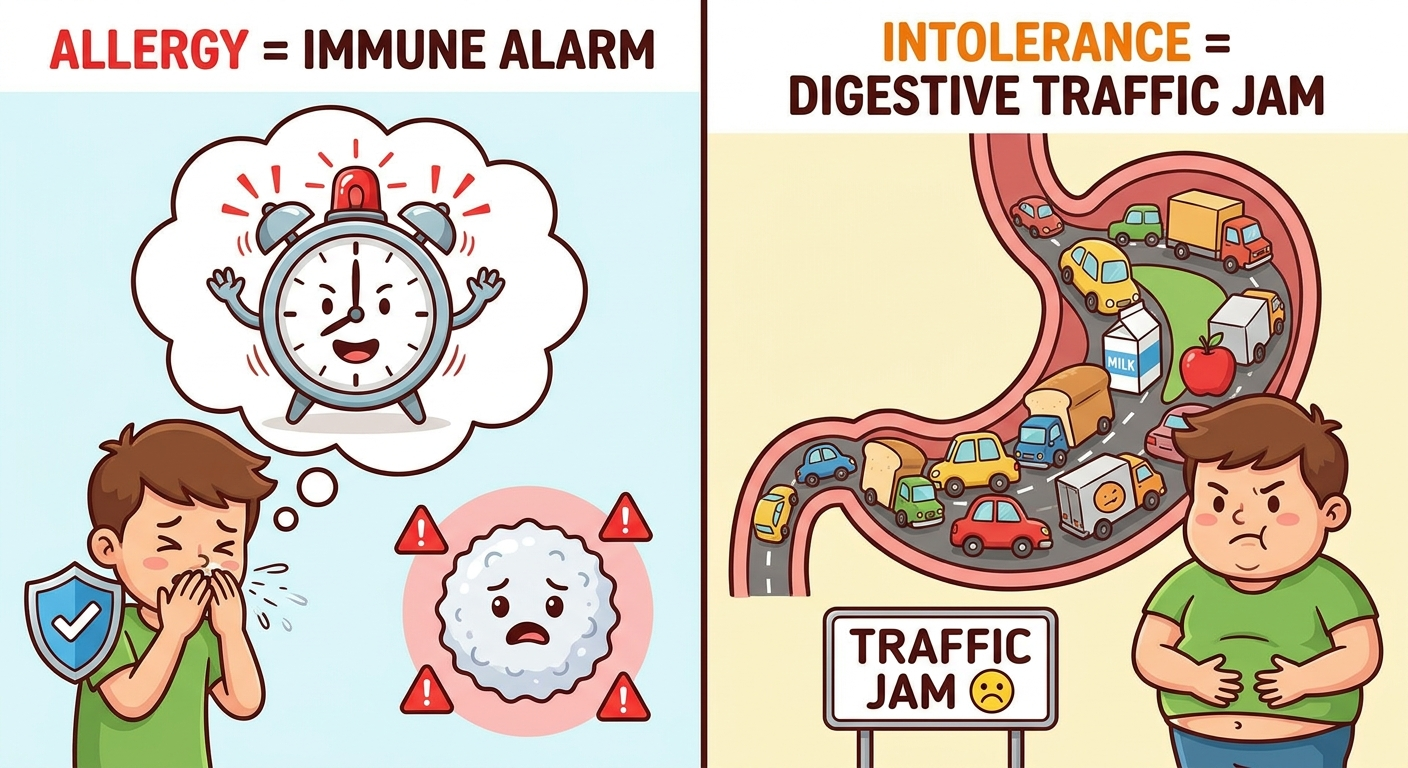
A helpful analogy: an allergy is like a false alarm from the immune system that can escalate quickly, while an intolerance is more like a digestive “traffic jam”—uncomfortable, sometimes disruptive, but usually not dangerous.
Safety First: If symptoms include trouble breathing, throat tightness/hoarseness, swelling of the tongue, or fainting, treat it as an emergency and seek urgent care. (Mayo Clinic)
In short: allergy is an immune emergency risk; intolerance is a digestive tolerance issue.
Why It Matters to Get the Label Right
Understanding food allergy vs food intolerance isn’t just semantics—it affects real-world decisions about testing, diet, and safety planning. It can also shape how seriously symptoms are taken by others (schools, restaurants, family members) and whether you need an emergency plan.
Risks of mislabeling a food allergy as “just intolerance”: If a true allergy is mistaken for intolerance, people may keep “testing” the food in small amounts—without realizing that small exposures can still trigger a major reaction. That can delay appropriate evaluation and reduce readiness for anaphylaxis. (AAAAI; Mayo Clinic)
Risks of treating intolerance like an allergy: Treating intolerance as an allergy can lead to overly strict avoidance, unnecessary stress around eating, and potential nutritional gaps—especially when whole food groups are removed without a clear reason. (NHS)
Getting the label right guides safer testing, eating, and planning.
Food Allergy — Causes and How Reactions Happen
With a food allergy, the immune system mistakenly identifies a harmless food protein as dangerous and launches a reaction. This immune cascade can affect the skin, gut, lungs, and circulation. Food allergies are common in children, but they can develop at any age. (Mayo Clinic)
Deeper overview on how allergies work: https://sleepandsinuscenters.com/what-are-allergies
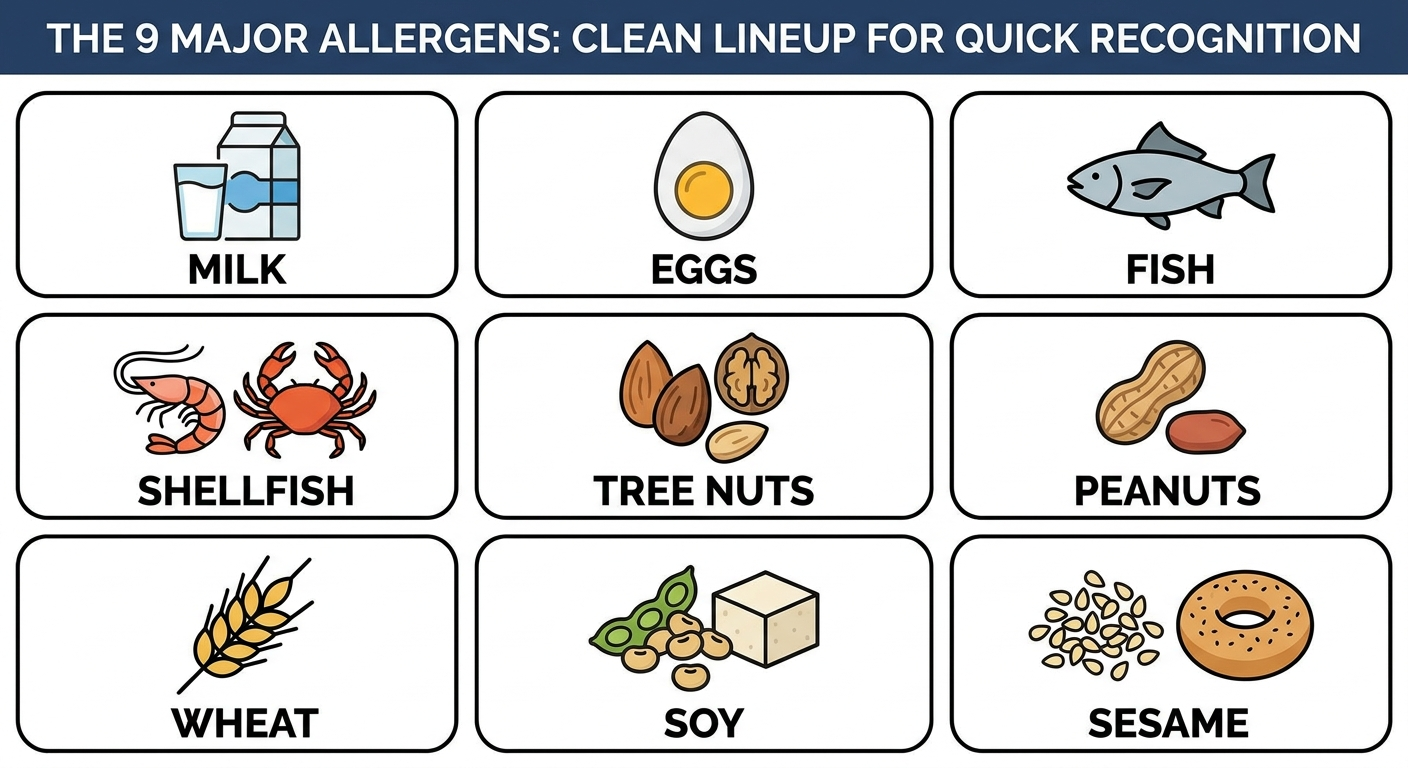
Common food allergy triggers (U.S. “major allergens”): Milk, eggs, fish, crustacean shellfish, tree nuts, peanuts, wheat, soybeans, and sesame (added in 2023). (FDA)
This labeling requirement is one reason clinicians emphasize careful ingredient checks—especially for packaged foods, sauces, and baked goods where allergens may be less obvious.
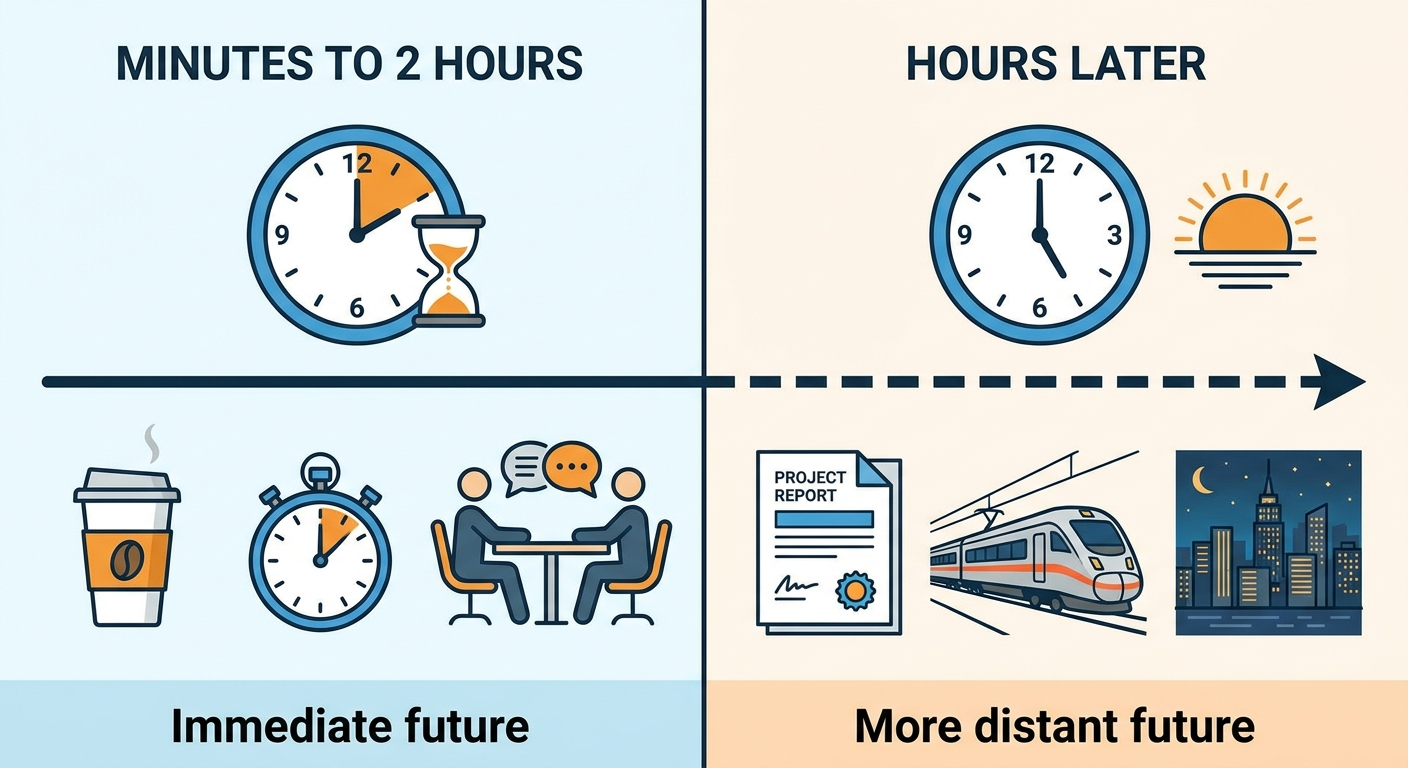
How fast do food allergy symptoms appear? Often within minutes to 2 hours after eating, though timing can vary. (Mayo Clinic)
Bottom line: Allergy is your immune system misfiring against food proteins.
Food Intolerance — Causes and What’s Going On in the Gut
Food intolerance is generally related to digestion. Common contributors include difficulty breaking down certain carbohydrates, sensitivity to additives, or reactions to naturally occurring food chemicals. (NHS; AAAAI) Unlike allergy, intolerance usually doesn’t involve a rapid, whole-body immune reaction.
Lactose intolerance happens when the small intestine doesn’t make enough lactase (the enzyme that digests lactose). Undigested lactose can lead to gas, bloating, and diarrhea. (NIDDK)
Real life: Small amounts or certain forms may be tolerable, while larger servings trigger symptoms—because dose matters.
Typical timing: Symptoms often show up hours later and may depend on the amount eaten. (NHS; AAAAI)
Note: Some immune conditions aren’t classic IgE allergies or simple intolerances—such as celiac disease or certain non-IgE–mediated food allergies (e.g., FPIES)—and need their own workup.
Bottom line: Intolerance is usually about how your gut handles certain foods, not immune danger.
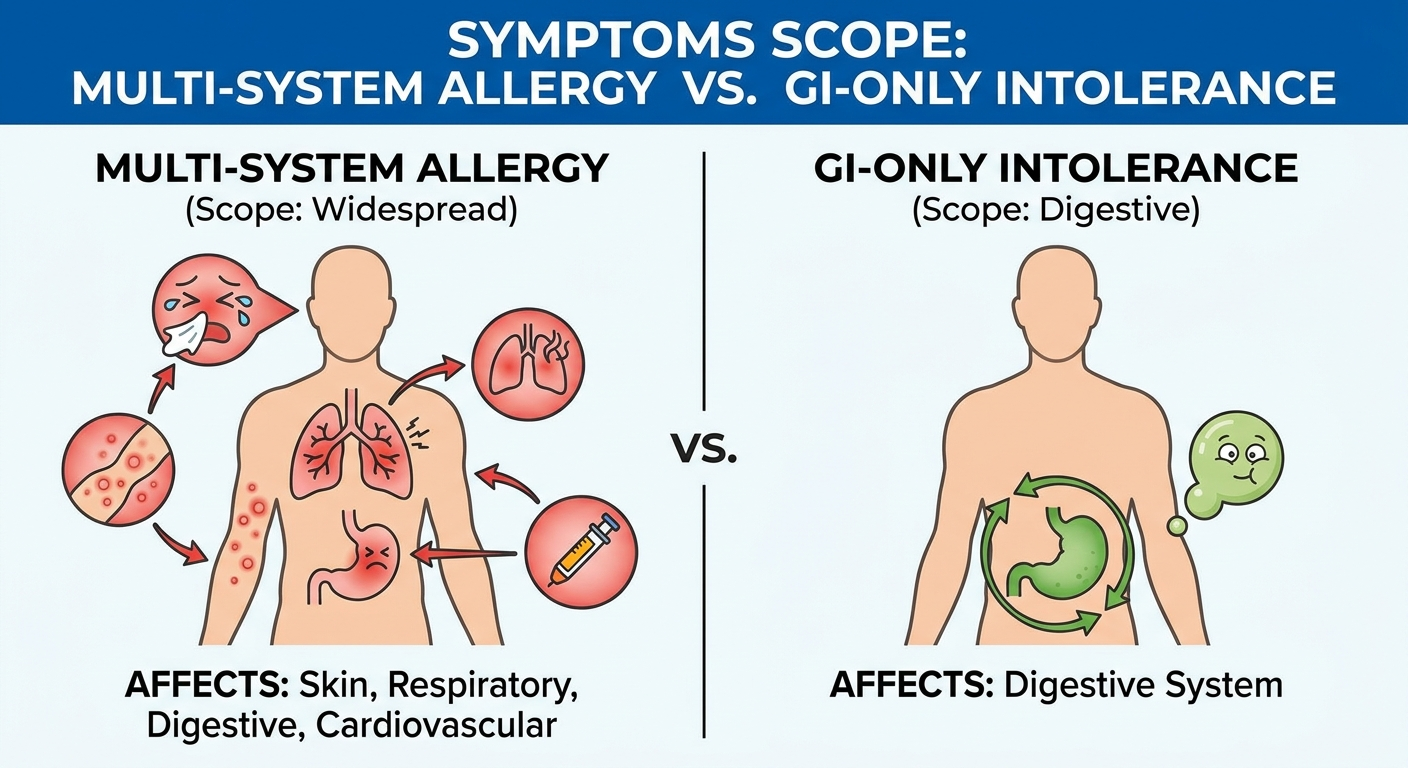
Symptoms Comparison (Allergy vs Intolerance)
Food allergy symptoms can be multi-system: Skin (hives, itching, flushing, swelling), GI (vomiting, cramps), Respiratory (wheezing, cough, throat tightness), Circulation (dizziness, fainting). Because reactions can progress, food allergy carries an anaphylaxis risk. (Mayo Clinic)
One practical clue: allergy symptoms often show up in combinations—like hives plus vomiting, or throat symptoms plus dizziness—rather than isolated bloating alone.
Food intolerance symptoms are often GI-focused: bloating, gas, abdominal pain, nausea, diarrhea. Patterns are typically dose-dependent and delayed. (NHS; AAAAI)
Quick visual differences: Onset—Allergy minutes to ~2 hours vs Intolerance often hours later. Amount—Allergy may react to tiny exposures vs Intolerance often dose-dependent. Systems—Allergy can affect skin, GI, lungs, circulation vs Intolerance mostly GI. Emergency risk—Allergy can cause anaphylaxis vs Intolerance rarely dangerous like anaphylaxis. Tests—Allergy: history + skin-prick/IgE; food challenge when needed. Intolerance: diary; elimination + reintroduction; lactose breath test.
Clues like timing, dose, and multi-system symptoms help tell them apart.
When Symptoms Could Signal Anaphylaxis (Emergency Section)
Red flags to treat as an emergency include: trouble breathing or repetitive coughing; throat tightness, hoarseness, or trouble swallowing; swelling of lips/tongue; repetitive vomiting (especially with hives); feeling faint, confusion, or sudden collapse. (Mayo Clinic)
If you’re debating whether symptoms are serious enough, treat breathing or throat symptoms as urgent—especially soon after eating a suspected trigger. (Mayo Clinic)
Public health guidance: People prescribed epinephrine are typically instructed to use it promptly in suspected anaphylaxis and seek emergency care right away. (Mayo Clinic)
Breathing or throat symptoms after eating are medical emergencies.
How Doctors Diagnose Food Allergy
Diagnosis starts with the story of what happened—then tests clarify risk. The goal is to identify which foods are truly dangerous versus which are unlikely to be causing immune reactions.
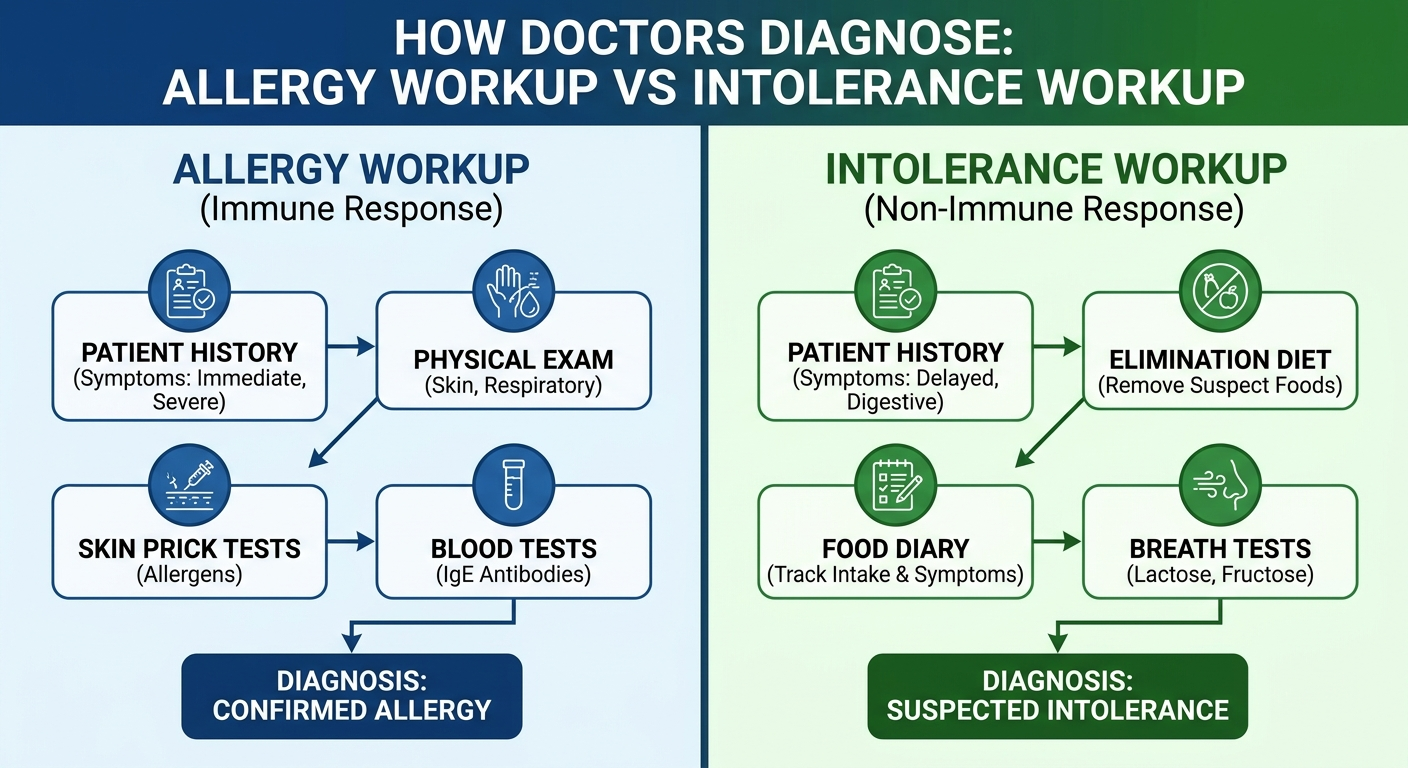
Step 1 — Detailed history: what food, portion size, timing of symptoms, prior episodes, and co-factors (exercise, illness, alcohol, etc.). (AAAAI)
Step 2 — Testing when appropriate: skin-prick and/or IgE blood testing. These can show sensitization but don’t always prove clinical allergy without the right history. Learn more: https://sleepandsinuscenters.com/allergy-testing (AAAAI)
Step 3 — Oral food challenge (gold standard): used when history and tests are unclear; done under medical supervision. (AAAAI; Mayo Clinic) More context: https://sleepandsinuscenters.com/blog/the-role-of-allergy-testing-in-ent-care
Summary: History drives testing—and supervised challenges confirm uncertainty.
How Food Intolerance Is Diagnosed
Start with a symptom diary and pattern recognition: track foods, symptoms, timing, and variables (sleep, stress, meds). (NHS)
Tip: note how much you ate and when symptoms began—these often reveal a delayed, dose-dependent pattern typical of intolerance. (NHS)
Elimination and reintroduction: brief elimination followed by structured reintroduction to confirm true triggers and avoid unnecessary long-term restriction. (NHS)
For lactose intolerance, a hydrogen breath (lactose) test may be used. (NIDDK)
Track, eliminate briefly, then reintroduce to confirm true triggers.
Treatment & Management — Food Allergy
Strict avoidance and label-reading are central. Check ingredient lists every time, even for familiar products; formulations can change. Emphasize FDA major allergens. (FDA)
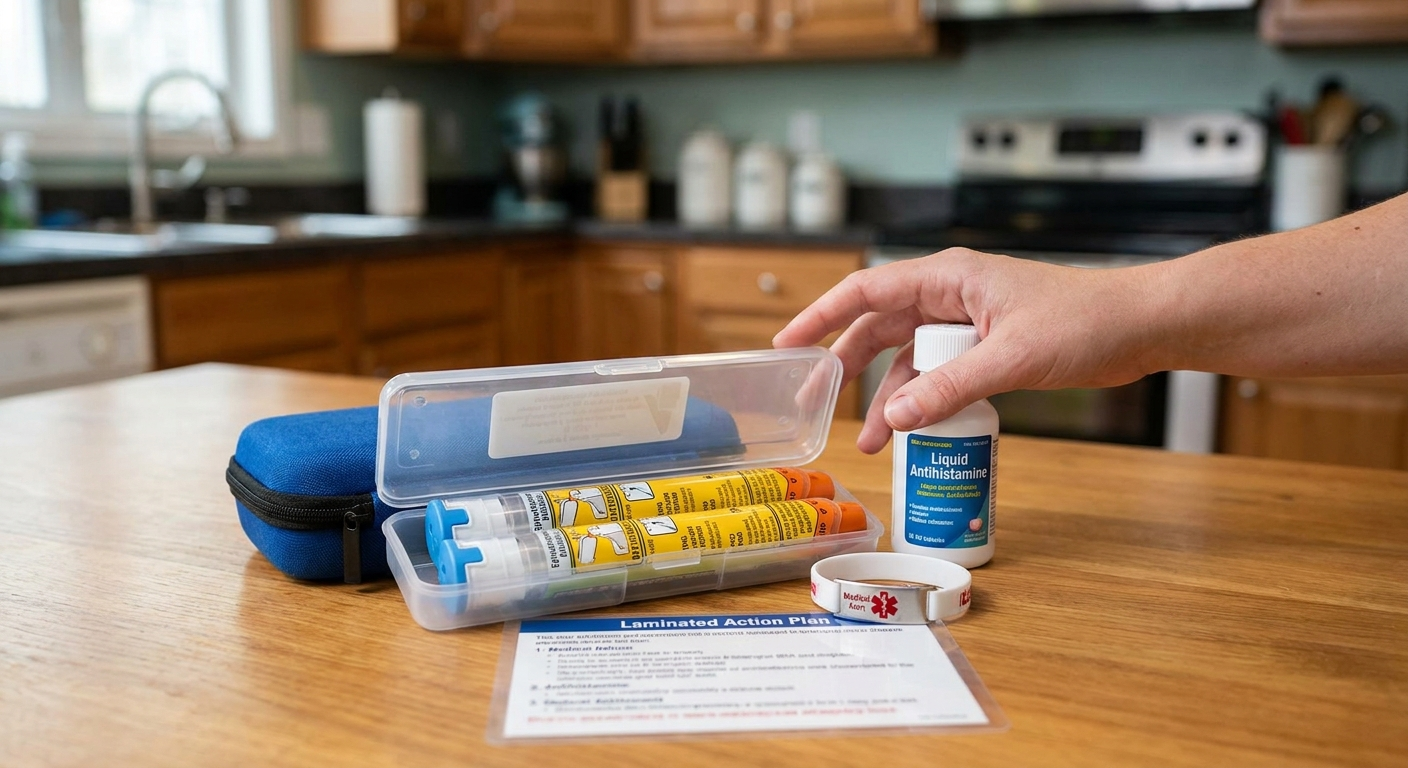
Emergency readiness: people at risk for severe reactions are often advised to have an action plan and carry epinephrine if prescribed. (Mayo Clinic)
Mindset: for allergy, preparedness is part of treatment—not overreacting.
Ongoing follow-up: some allergies, especially in children, can change over time and may need reassessment. (Mayo Clinic)
For allergy, strict avoidance and emergency readiness save lives.
Treatment & Management — Food Intolerance
Reduce rather than eliminate when possible; many tolerate small amounts or specific forms based on personal threshold. (NHS)
Practical plan: smaller portions, different preparation, or spacing intake to keep symptoms manageable. (NHS)
Protect nutrition: cutting back on food groups may require calcium, vitamin D, fiber, or protein planning. (NHS)
See a clinician/dietitian for persistent symptoms, weight loss, dehydration, blood in stool, or if multiple foods require restriction. (NHS)
For intolerance, personalization and nutrition protection matter most.
Lifestyle Tips for Patients (Practical)
Label reading: look for the 9 major allergens; note that “may contain” and “processed in a facility” statements are voluntary but sometimes relevant. (FDA)
Talking to restaurants and family: “I have a medically important reaction to this food. I need to know what’s in the dish and whether it could come into contact with my trigger.” If they can’t confirm, consider skipping the item.
If you suspect lactose intolerance: compare regular vs lactose-free products; some use lactase supplements. Timing of symptoms is a helpful clue. (NIDDK)
Simple routines—labels, clear communication, and smart swaps—reduce risk and stress.
FAQs
Q: Can food intolerance turn into a food allergy? A: They’re different mechanisms; intolerance doesn’t “turn into” IgE allergy, though new allergies can develop separately. (AAAAI; Mayo Clinic)
Q: Can a food allergy cause stomach symptoms only? A: Yes; GI symptoms can be part of allergy, especially with recurrence or alongside hives/breathing symptoms. (Mayo Clinic)
Q: Why do my symptoms happen the next day? A: Delayed symptoms are more typical of intolerance; discuss repeated or severe symptoms with a clinician. (NHS)
Q: Are at-home “food sensitivity tests” reliable? A: Many don’t match evidence-based diagnosis. Established approaches: clinical history, validated allergy tests when appropriate, and elimination/rechallenge for suspected intolerance. (AAAAI; NHS)
Q: What are the top 9 food allergens in the U.S.? A: Milk, eggs, fish, crustacean shellfish, tree nuts, peanuts, wheat, soybeans, sesame. (FDA)
When to See a Specialist
See an allergist urgently if there are repeat reactions or symptoms like hives with breathing issues, swelling, or fainting—especially when food is a suspected trigger. (Mayo Clinic)
See a clinician for possible intolerance if ongoing bloating/diarrhea link to specific foods, for suspected lactose intolerance, or if symptoms interfere with daily life. (NIDDK; NHS)
Need help sorting out symptoms and next steps? Schedule with Sleep and Sinus Centers of Georgia: https://sleepandsinuscenters.com/appointments
If symptoms repeat or escalate, professional evaluation is the next best step.
Sources
Mayo Clinic. Food allergy—Symptoms and causes. https://www.mayoclinic.org/diseases-conditions/food-allergy/symptoms-causes/syc-20355095 (accessed August 2026)
American Academy of Allergy, Asthma & Immunology (AAAAI). Food Intolerance Versus Food Allergy. https://www.aaaai.org/tools-for-the-public/conditions-library/allergies/food-intolerance (accessed August 2026)
AAAAI. Allergy Testing. https://www.aaaai.org/tools-for-the-public/conditions-library/allergies/allergy-testing (accessed August 2026)
NHS. Food allergy. https://www.nhs.uk/conditions/food-allergy/ (accessed August 2026)
NHS. Food intolerance. https://www.nhs.uk/conditions/food-intolerance/ (accessed August 2026)
NIDDK. Lactose Intolerance. https://www.niddk.nih.gov/health-information/digestive-diseases/lactose-intolerance (accessed August 2026)
U.S. Food & Drug Administration (FDA). Food Allergies. https://www.fda.gov/food/nutrition-food-labeling-and-critical-foods/food-allergies (accessed August 2026)
This article is for educational purposes only and is not medical advice. Please consult a qualified healthcare provider for diagnosis and treatment.
Don’t let allergies slow you down. Schedule a comprehensive ENT and allergy evaluation at Sleep and Sinus Centers of Georgia. We’re here to find your triggers and guide you toward lasting relief.