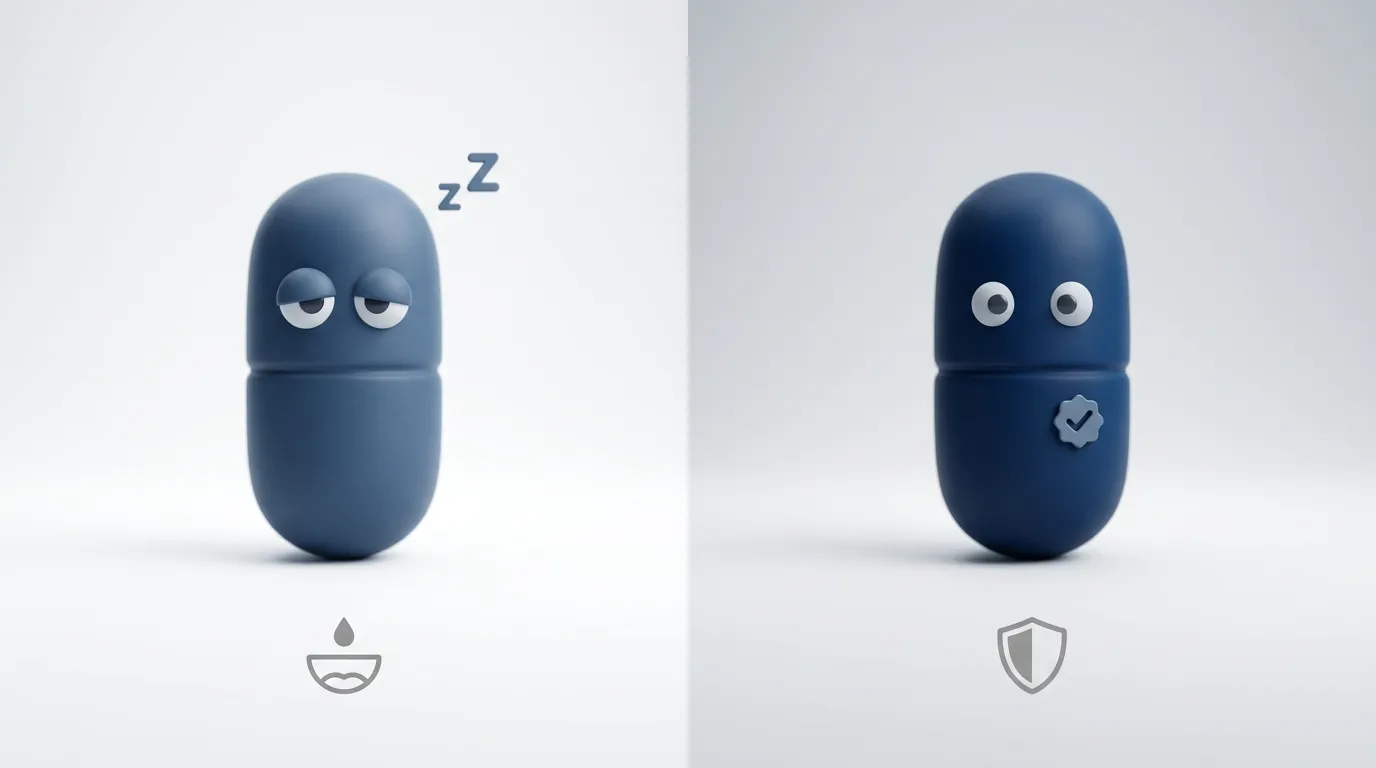
First-Generation vs. Second-Generation Antihistamines: Key Differences, Uses, and Side Effects
Antihistamines are some of the most commonly used medicines for allergies and itching—especially when symptoms like sneezing, a runny nose, watery eyes, or hives make everyday life miserable. But not all antihistamines act the same. The “two generations” concept helps explain why some allergy pills cause significant sleepiness while others are considered non-drowsy for many people.
In this guide, you’ll learn practical, patient-friendly differences between first-generation and second-generation antihistamines, including how quickly they work, how long they last, typical side effects, and how to choose one safely. (Sources: StatPearls/NCBI, Cleveland Clinic, WebMD [1–3])
What histamine does (and why you feel miserable during allergies)
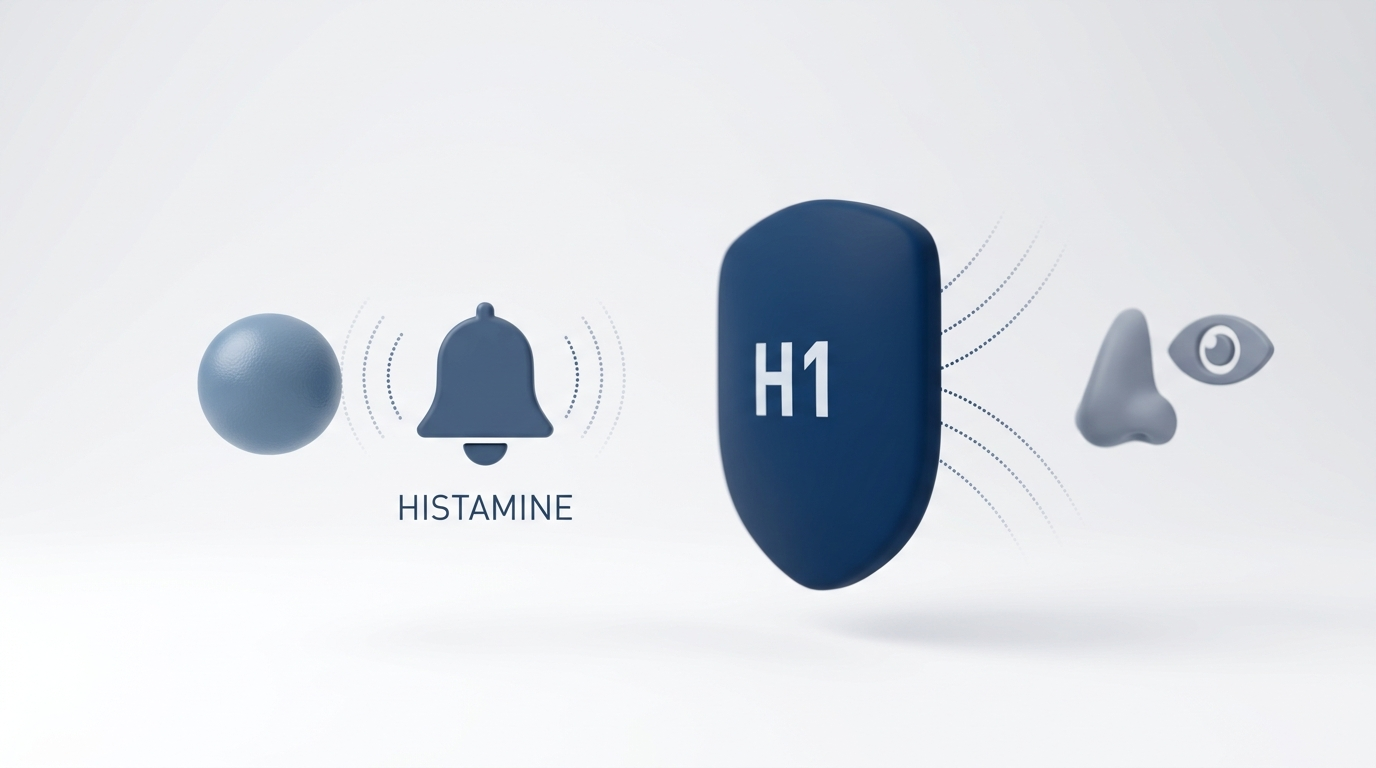
Histamine is a natural chemical your immune system releases during allergic reactions. It’s part of your body’s defense system—but when it’s triggered by harmless allergens (like pollen), it can cause classic allergy symptoms. Think of histamine as an alarm signal: during allergies, the alarm goes off when it shouldn’t—so you get symptoms even though you’re not in real danger. (Cleveland Clinic [2])
Common allergy symptoms linked to histamine:
• Sneezing and a runny nose
• Itchy, watery, or red eyes
• Itchy skin, hives (urticaria), or generalized itching (pruritus)
• Postnasal drip that may trigger coughing in some people
Common causes/triggers of histamine release:
• Seasonal allergens: tree, grass, and weed pollens
• Indoor triggers: dust mites, pet dander, and mold
• Skin-related triggers: idiopathic hives and contact reactions
If you’re not sure what’s driving symptoms, formal allergy testing can help identify likely triggers: https://sleepandsinuscenters.com/allergy-testing
Takeaway — It’s the histamine “alarm” that drives many allergy symptoms—so blocking histamine signaling is a key way to feel better.
Antihistamines 101: the basics (patient-friendly)
What “H1 blocker” means in plain language: Most allergy antihistamines block H1 receptors—the docking sites where histamine attaches to create symptoms like itching and sneezing. They don’t cure allergies, but they dampen histamine’s signal. (StatPearls/NCBI [1])
Why “generation” matters: The main reason first-generation vs. second-generation antihistamines matters is side effects—especially sleepiness and “drying” effects.
• First-generation antihistamines are older and more likely to cause sedation and anticholinergic side effects.
• Second-generation antihistamines were designed to be more selective and are typically less sedating. (StatPearls, WebMD [1,3])
Clinicians often summarize it this way: if you need allergy control and need to function at work or school, a second-generation option is usually the starting point.
Takeaway — For most daytime and long-term needs, second-generation antihistamines are preferred because they control symptoms with fewer “foggy” side effects.
Key differences between first- and second-generation antihistamines
What separates these groups most: sedation risk, anticholinergic effects, speed of onset, and how long they last.
Drowsiness and brain penetration (blood–brain barrier)
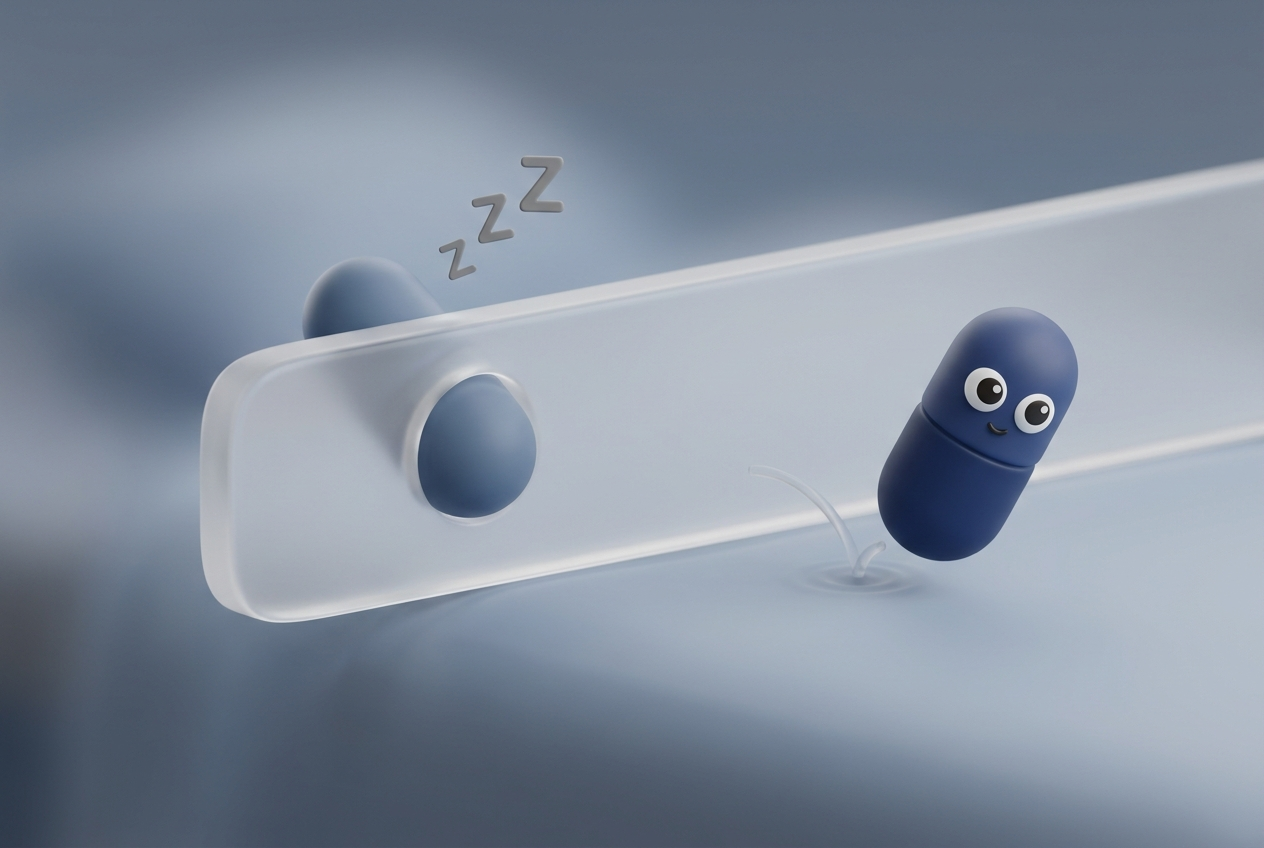
• First-generation antihistamines cross into the brain more readily, increasing the chance of sleepiness and slower reaction time.
• Second-generation antihistamines generally enter the brain less readily, so they’re often considered “non-drowsy,” though individual responses vary. (StatPearls, WebMD [1,3])
Approximate sedation rates (vary by person and product):
• First-generation: ~25–50% report sedation
• Second-generation: ~5–10% report sedation (StatPearls, WebMD [1,3])
Anticholinergic side effects (drying effects)
Many first-generation medications also affect muscarinic (anticholinergic) receptors, which can cause dry mouth, constipation, urinary retention, blurry vision, and confusion in some people (particularly older adults). Second-generation options typically have minimal anticholinergic effects. (StatPearls, Cleveland Clinic [1,2])
How fast they work (onset)
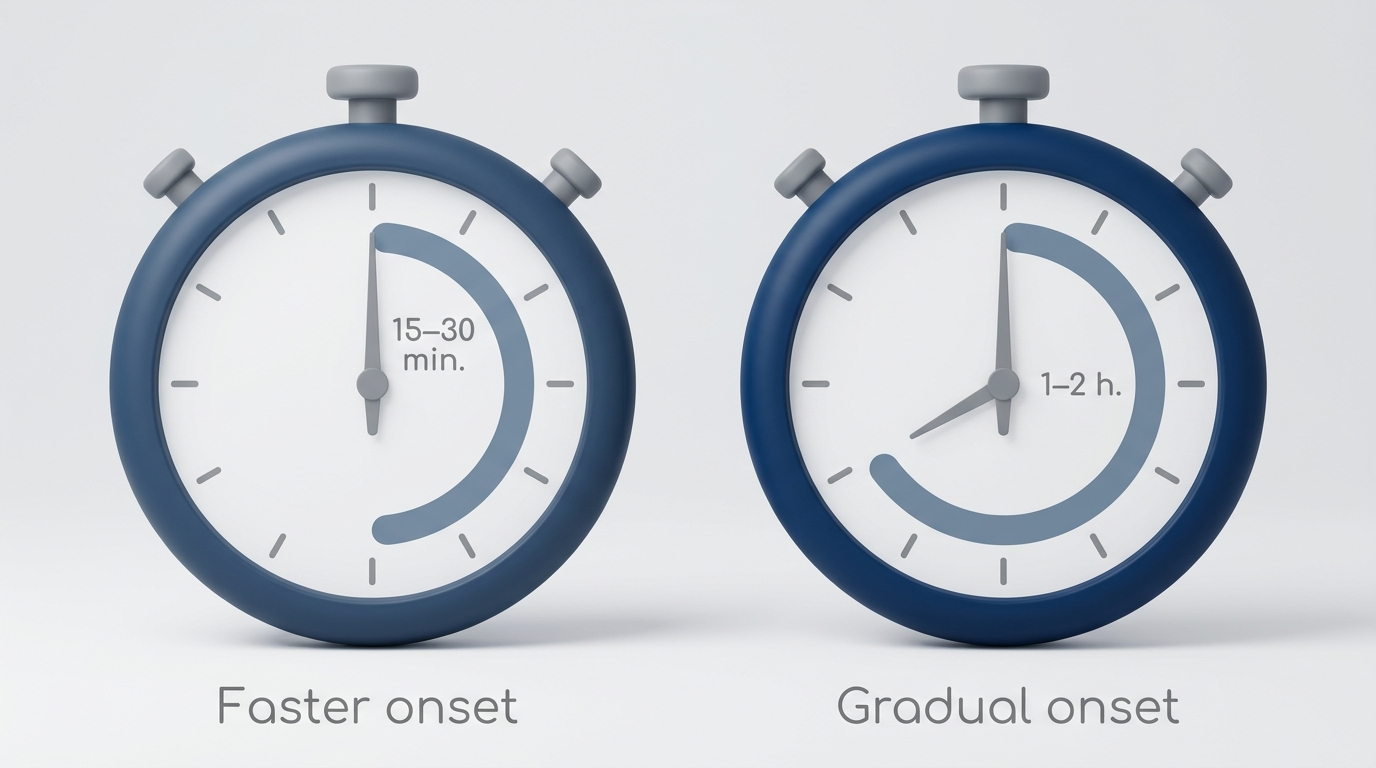
• First-generation: often start working in 15–30 minutes
• Second-generation: often take 1–2 hours to fully kick in (StatPearls [1])
How long they last (duration)
• First-generation: often ~4–6 hours (may require multiple daily doses)
• Second-generation: often ~12–24 hours (commonly once daily) (StatPearls, Cleveland Clinic [1,2])
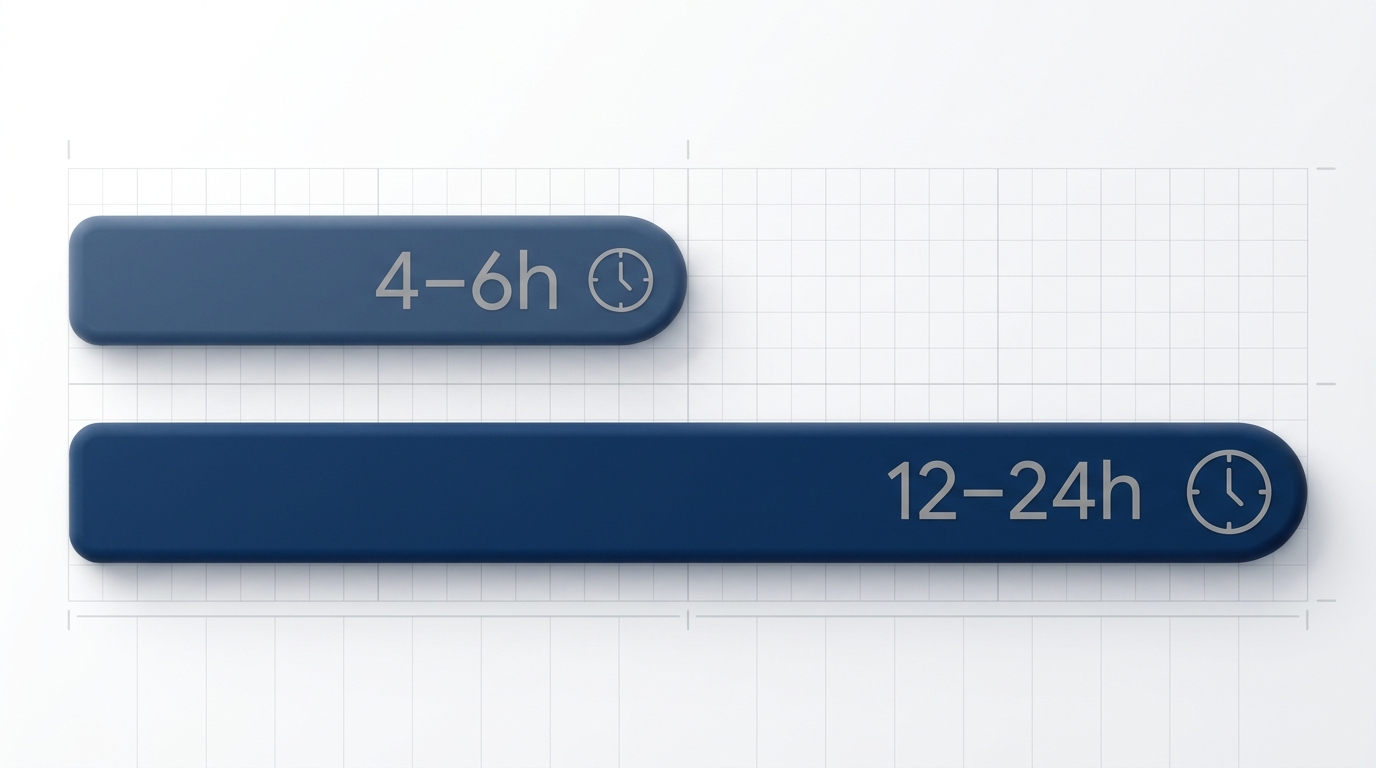
Quick comparison in plain language
• Sedation: higher with first-gen; lower (but not zero) with second-gen
• “Drying” effects: more with first-gen; minimal with second-gen
• Speed: first-gen can act faster for some people
• Staying power: second-gen typically covers most or all of the day
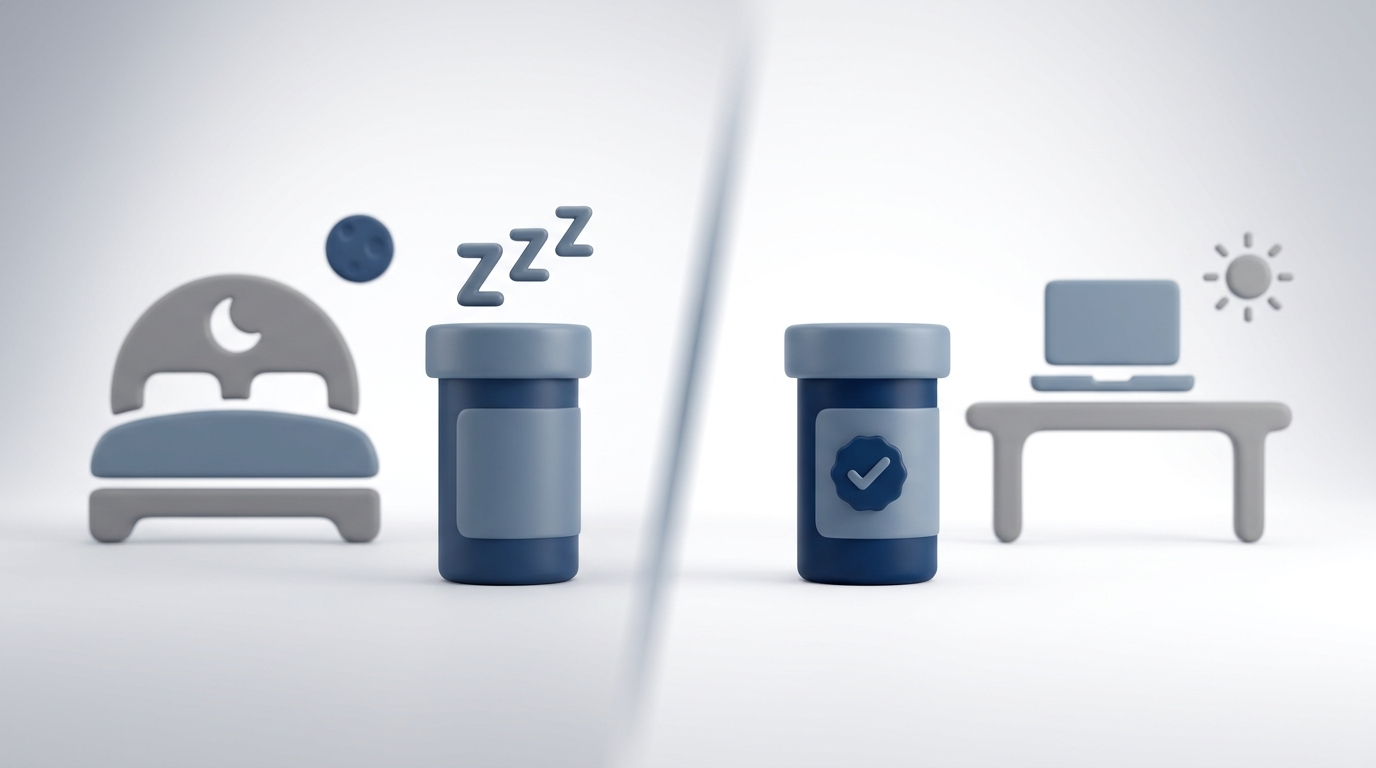
• Common uses: first-gen for short-term flares/nighttime; second-gen for daily allergies and hives
Takeaway — Second-generation antihistamines are usually better for “all-day, stay-alert” control; first-generation options can help short-term when drowsiness is acceptable.
Examples you’ll recognize (and what they’re commonly used for)
Common first-generation antihistamines (sedating):
• Diphenhydramine (e.g., Benadryl)
• Chlorpheniramine
• Doxylamine (often in “sleep” products)
Real-world uses: short-term relief during flares, nighttime symptoms when sedation is acceptable, or occasional use as a sleep aid—though side effects are more common. (Cleveland Clinic, WebMD [2,3])
Common second-generation antihistamines (less sedating):
• Cetirizine
• Fexofenadine
• Loratadine
Real-world uses: daily allergy control, chronic allergic rhinitis, and hives/itching. (AAAAI, StatPearls [4,1])
Takeaway — Know your goal: first-gen for quick, occasional relief (especially at night), second-gen for consistent daily control with fewer side effects.
Which one should you choose? (practical decision guide)
Best choice for long-term allergy management: For many people, second-generation medications are preferred for ongoing seasonal allergies or chronic symptoms because they last longer (often 12–24 hours), cause less sedation, and have fewer anticholinergic side effects. This is why guidelines often favor second-generation agents for routine use. (AAAAI, StatPearls [4,1])
When first-generation antihistamines may still be used:
• Needing rapid relief (faster onset in some people)
• Nighttime itching or symptoms where drowsiness isn’t a problem
• Short-term use when side effects are understood and acceptable (StatPearls, WebMD [1,3])
If you drive, operate machinery, or need to stay alert: Sedation can be risky—even if you feel “mostly fine.” If sleepiness is a concern, consider a second-generation option first and learn more here: https://sleepandsinuscenters.com/blog/do-allergy-pills-make-you-sleepy-causes-side-effects-and-non-drowsy-alternatives
Takeaway — Match the medicine to the moment: choose second-gen for alert daytime function and reserve first-gen for brief, nighttime, or “plan-to-rest” situations.
Side effects and safety (what patients should watch for)
First-generation side effects (more common):
• Drowsiness and fatigue
• Slowed reaction time
• Dry mouth, constipation, urinary retention, blurry vision
• Next-day grogginess if taken at night (StatPearls, Cleveland Clinic [1,2])
Second-generation side effects (usually milder):
• Headache
• Mild drowsiness (reported more often with cetirizine for some people)
• Occasional dry mouth (Cleveland Clinic, WebMD [2,3])
Higher-risk groups who should be extra cautious:
• Older adults (anticholinergic effects and confusion risk—especially first-gen)
• People with glaucoma or BPH/urinary retention issues (first-gen may worsen symptoms)
• People with liver or kidney disease (may need dosing guidance)
• Pregnancy/breastfeeding (review choices with your clinician)
Drug and alcohol interactions:
• Alcohol plus first-generation antihistamines can increase sedation and impair coordination.
• Use caution with other sedatives (sleep medications, some anxiety meds, some pain meds). (Cleveland Clinic, WebMD [2,3])
Takeaway — Second-generation options are typically easier to tolerate; if you’re older, on sedatives, or have urinary/eye issues, be especially cautious with first-generation products.
Antihistamines vs. other allergy treatments (for better overall control)
When antihistamines are enough:
• Mild-to-moderate sneezing, itching, and runny nose
• Intermittent hives or itching
When you may need more than an antihistamine: Antihistamines may not fully address nasal congestion, and some people have persistent symptoms even with daily dosing. A broader plan may include nasal steroid sprays, saline rinses, environmental control strategies, and trigger identification/longer-term options when appropriate (AAAAI, Cleveland Clinic [4,2]).
For a clearer breakdown of congestion vs. allergy symptom control, see: https://sleepandsinuscenters.com/blog/decongestant-vs-antihistamine-when-to-use-each-for-allergy-relief
Takeaway — If congestion or persistent symptoms remain, combine antihistamines with other strategies—don’t “overdose” the same med hoping for more relief.
Lifestyle tips to reduce allergy symptoms (and need for meds)
Quick home strategies:
• Shower and change clothes after outdoor time during high pollen days
• Keep windows closed when pollen counts are high
• Use HEPA filtration where appropriate and wash bedding regularly
When to consider allergy testing:
• Symptoms last most of the year
• You rely on daily medication for weeks or months
• You’re unsure what’s triggering symptoms
Learn more: https://sleepandsinuscenters.com/allergy-testing
Takeaway — Simple environmental steps plus targeted testing can cut symptoms and reduce your reliance on medication.
FAQs
Q: Are second-generation antihistamines truly “non-drowsy”?
A: They’re usually less sedating, but some people still feel sleepy—depending on the specific medication and individual sensitivity. (WebMD, Cleveland Clinic [3,2])
Q: Which antihistamine works the fastest?
A: First-generation options often start working within 15–30 minutes, while second-generation options often take 1–2 hours. (StatPearls [1])
Q: Can I take an antihistamine every day?
A: Many people use second-generation medications daily for seasonal or chronic symptoms. For safety and dosing, confirm a plan with a clinician—especially if you have other health conditions or take other medications. (AAAAI, Cleveland Clinic [4,2])
Q: Is diphenhydramine (Benadryl) safe as a sleep aid?
A: Diphenhydramine can cause sedation, but it can also lead to next-day grogginess and anticholinergic side effects. If insomnia is frequent, discuss safer, longer-term options with a clinician. (Cleveland Clinic, StatPearls [2,1])
Q: What should I do if antihistamines aren’t working anymore?
A: When symptoms persist, common next steps include confirming the trigger, checking dosing/timing, reconsidering the diagnosis, and adding therapies (like nasal sprays) or testing. (AAAAI [4])
When to call a doctor (or see an ENT/allergy specialist)
Seek urgent care for red-flag symptoms: Trouble breathing, facial/throat swelling, severe widespread hives, or fainting can be signs of anaphylaxis and require emergency evaluation.
Make an appointment if:
• Symptoms last longer than 4 weeks or keep returning
• You’re relying on sedating medicines to function or sleep
• You have frequent sinus issues, chronic congestion, or unclear triggers
Sleep and Sinus Centers of Georgia can help evaluate persistent nasal and allergy symptoms and determine whether testing or a broader treatment plan may be appropriate. You can book an appointment or learn more at https://www.sleepandsinuscenters.com/.
Takeaway — Don’t wait on persistent or severe symptoms—timely evaluation can prevent complications and speed relief.
Summary (take-home points)
• For daily or chronic symptoms, second-generation antihistamines are usually preferred because they last longer and are less sedating.
• First-generation options can help with short-term flares or nighttime symptoms but carry more drowsiness and anticholinergic side effects.
• If symptoms continue despite medication, strengthen environmental strategies and consider identifying triggers with testing.
References
1. StatPearls – Antihistamines (H1 Receptor Antagonists), NCBI Bookshelf (2023): https://www.ncbi.nlm.nih.gov/books/NBK538188/
2. Cleveland Clinic – Antihistamines (2024): https://my.clevelandclinic.org/health/treatments/antihistamines
3. WebMD – First- vs Second-Generation Antihistamines: https://www.webmd.com/allergies/difference-between-first-generation-antihistamines-second-generation-antihistamines
4. American Academy of Allergy, Asthma & Immunology (AAAAI) – Antihistamine guidance (2021): https://www.aaaai.org/allergist-resources/ask-the-expert/answers/2021/antihistamine
5. Doctronic – First vs Second Generation Antihistamines: https://www.doctronic.ai/blog/first-vs-second-generation-antihistamines/
Medical disclaimer
This article is for general educational purposes only and does not replace personalized medical advice. Always follow the medication label and consult a qualified clinician for diagnosis, dosing, and drug-interaction guidance—especially for children, older adults, pregnancy/breastfeeding, and people with chronic medical conditions.
Don’t let allergies slow you down. Schedule a comprehensive ENT and allergy evaluation at Sleep and Sinus Centers of Georgia. We’re here to find your triggers and guide you toward lasting relief.