Ear Tube Complications in Children: Symptoms, Risks, and What Parents Need to Know
Tympanostomy (ear) tubes are common, safe, and effective for reducing middle-ear fluid and frequent infections. Like any treatment, issues can occur—usually mild, occasionally needing a check-in or adjustment.
This guide explains what’s normal vs not, drainage (otorrhea), blocked tubes, tube timing (early fall-out or prolonged retention), persistent perforation, hearing/balance changes, and updated swimming guidance.
Summary: Most tube-related issues are manageable; knowing early signs helps you act promptly and confidently.
Quick refresher—what ear tubes do and why kids get them
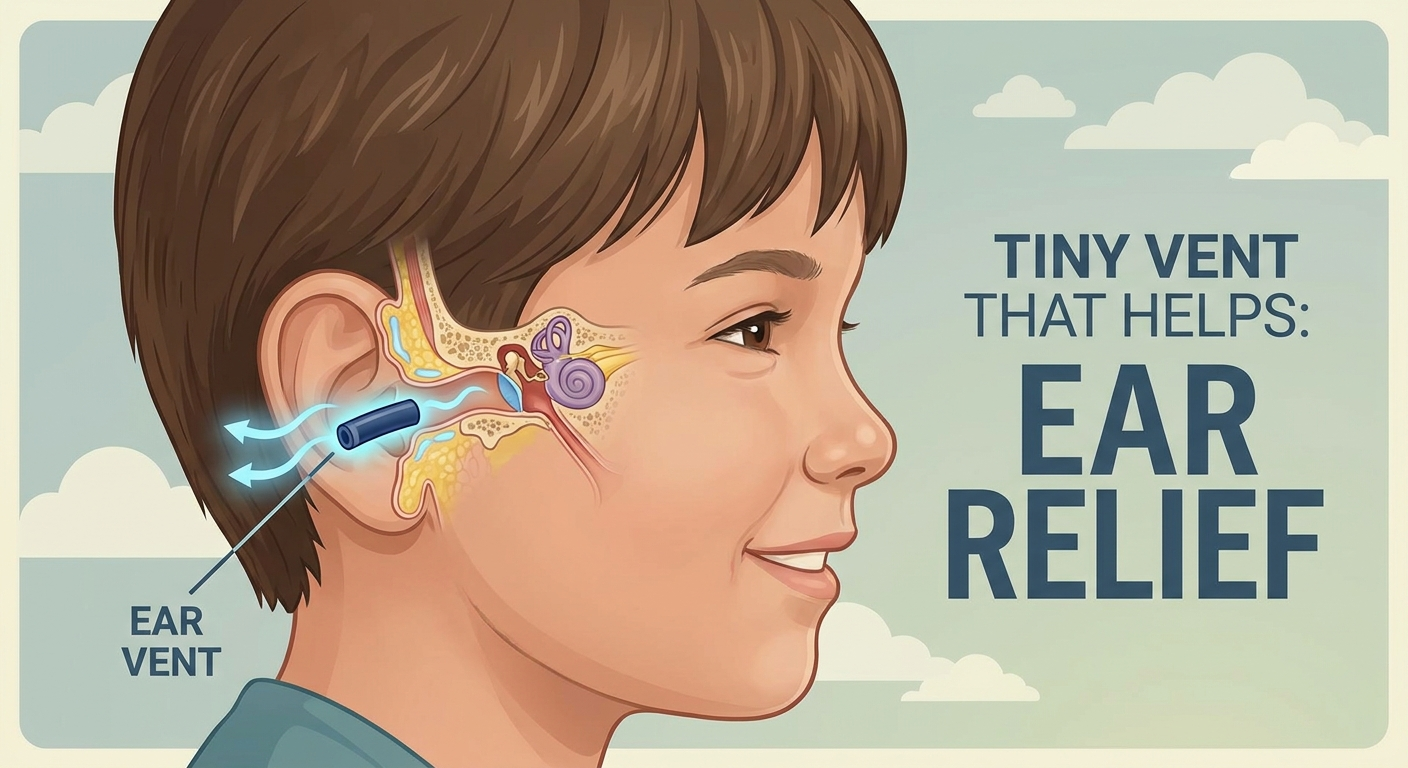
Ear tubes are tiny cylinders placed through the eardrum to ventilate the middle ear, reducing fluid buildup and sometimes the frequency/severity of infections.
Typical recovery timeline after surgery
Many kids recover quickly. Mild discomfort and a small amount of drainage for a few days can be normal. In practice, “normal recovery” may look like a small wet spot on the pillow for a day or two or a bit of clear fluid that wipes away easily.
Summary: Short-lived, mild drainage can occur after surgery; prolonged, painful, or foul-smelling drainage is a reason to check in.
The most common ear tube complication: drainage (otorrhea)
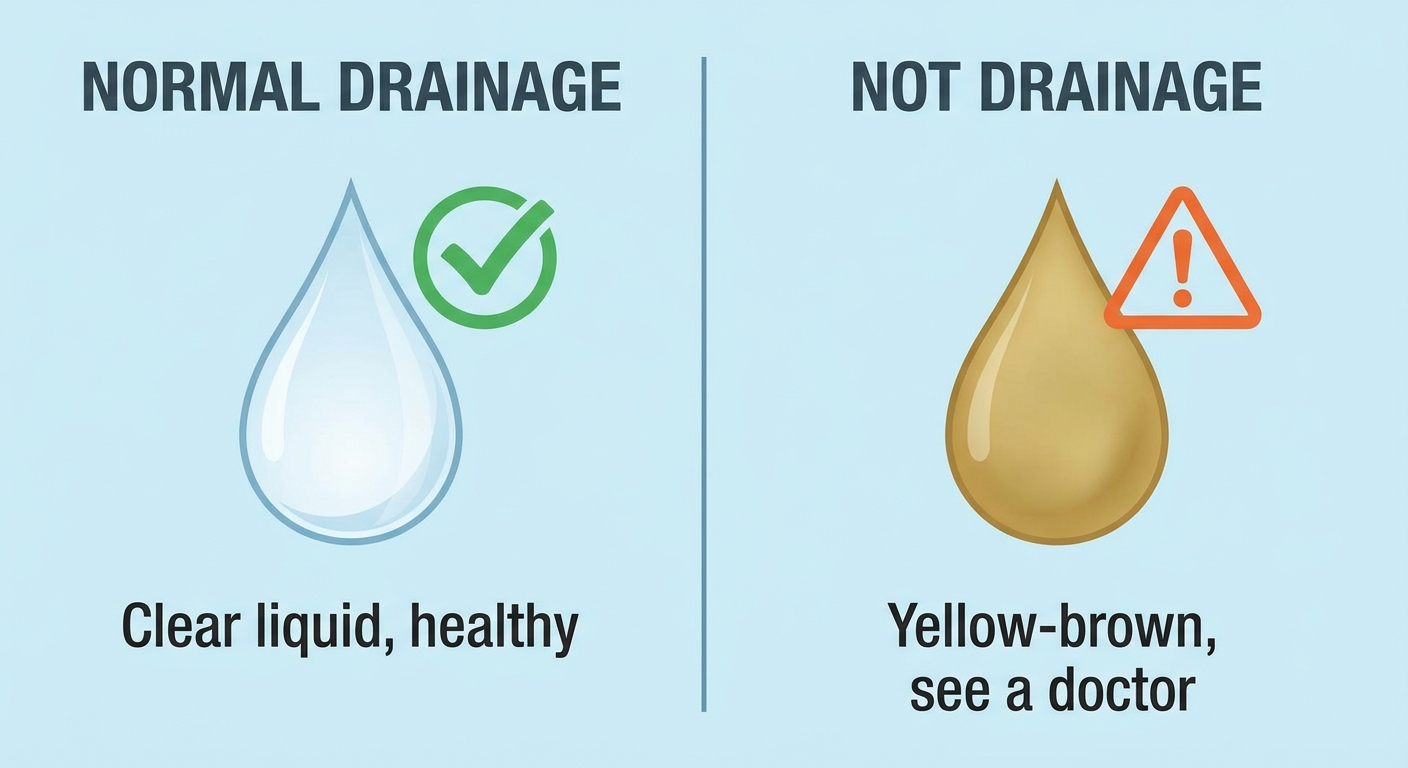
What “normal” can look like: a little clear, pink-tinged, or slightly cloudy drainage early on; focus on gently wiping only what you can see on the outside and avoid cotton swabs or tools in the ear canal.
When it’s not typical (consider contacting your clinician): drainage beyond several days or worsening; yellow/brown drainage or foul smell; new/worsening ear pain; fever; new hearing changes; balance problems; suspected early tube fall-out; heavy bleeding or severe pain (urgent).
Parents often notice mood changes, night waking, or “What?” more often alongside drainage—especially if infection is involved.
Treatment approach for ear drainage (drops-first, when appropriate)
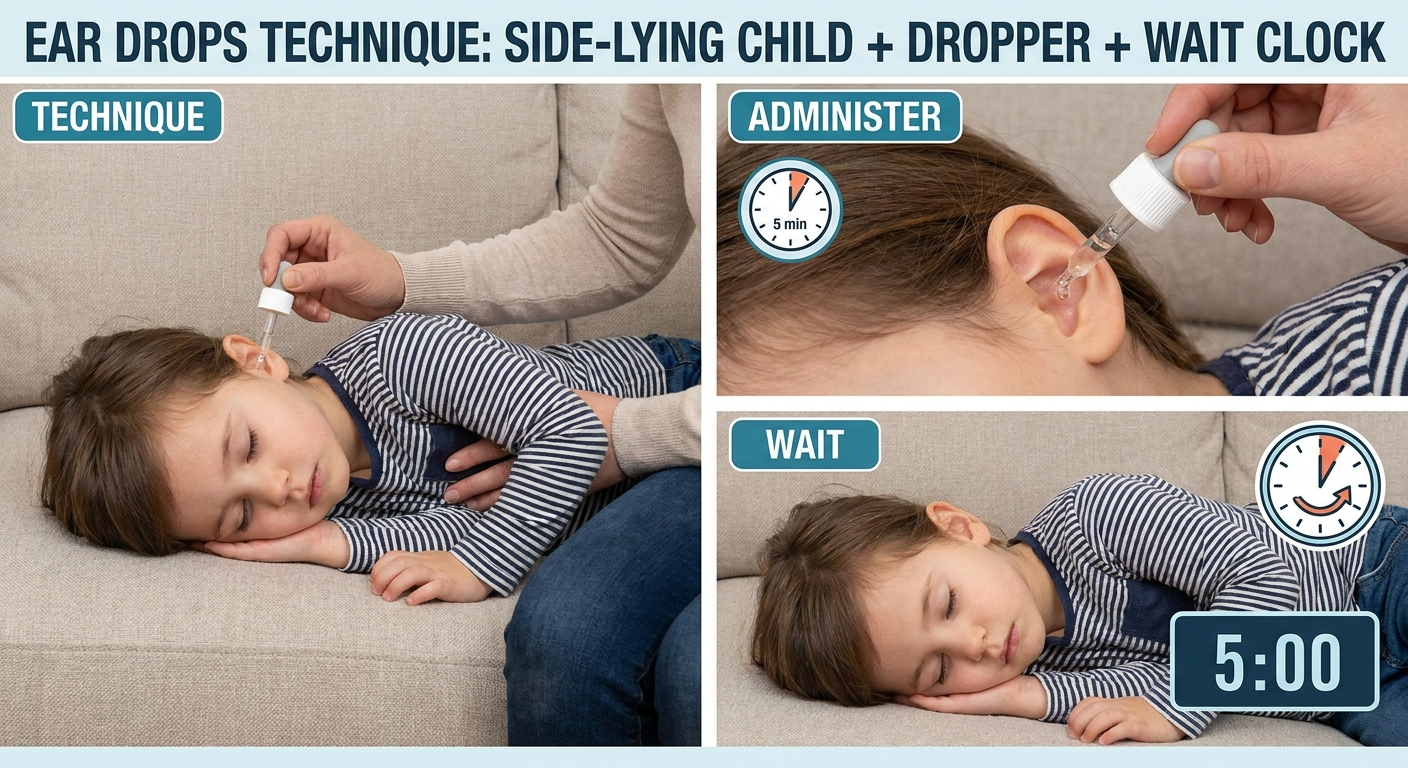
For many uncomplicated cases, clinicians favor topical antibiotic ear drops because they deliver medicine directly where it’s needed; oral antibiotics may be used when a broader treatment is warranted. If drainage persists or recurs, clinicians may reassess technique, check for blockage, and sometimes culture drainage.
Practical tip: Have your child lie on their side; use drops exactly as prescribed so medicine reaches the tube.
Summary: Watch the pattern over time, contact your clinician for persistent/worsening drainage, and use drops precisely as directed if recommended.
Tube blockage: what it is, symptoms, and what parents might notice
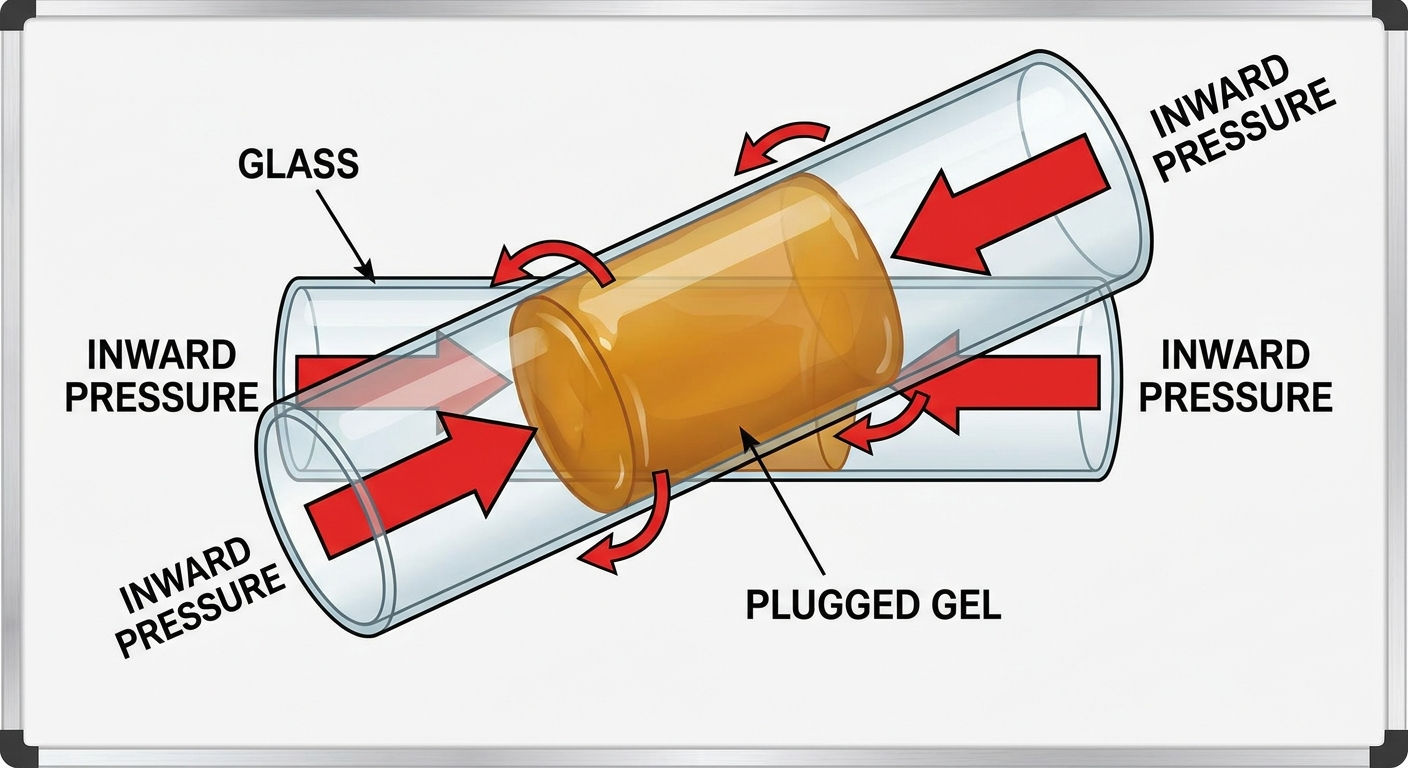
Common signs: drainage stops but pressure/fullness returns; muffled hearing like pre-tube fluid; repeat infections or “fluid-like” symptoms despite tubes. These overlap with colds, residual fluid, or earwax—an exam is needed to tell.
Causes include thick mucus, dried drainage, or early crusting/blood; ears can feel “full” even without outward drainage.
What to do: don’t try to clear a blockage at home; avoid tools, swabs, or flushing. If symptoms persist or recur, arrange an exam.
Summary: Similar symptoms can have different causes—only an in-person ear exam can confirm blockage.
Tube timing issues: falling out too early vs staying in too long
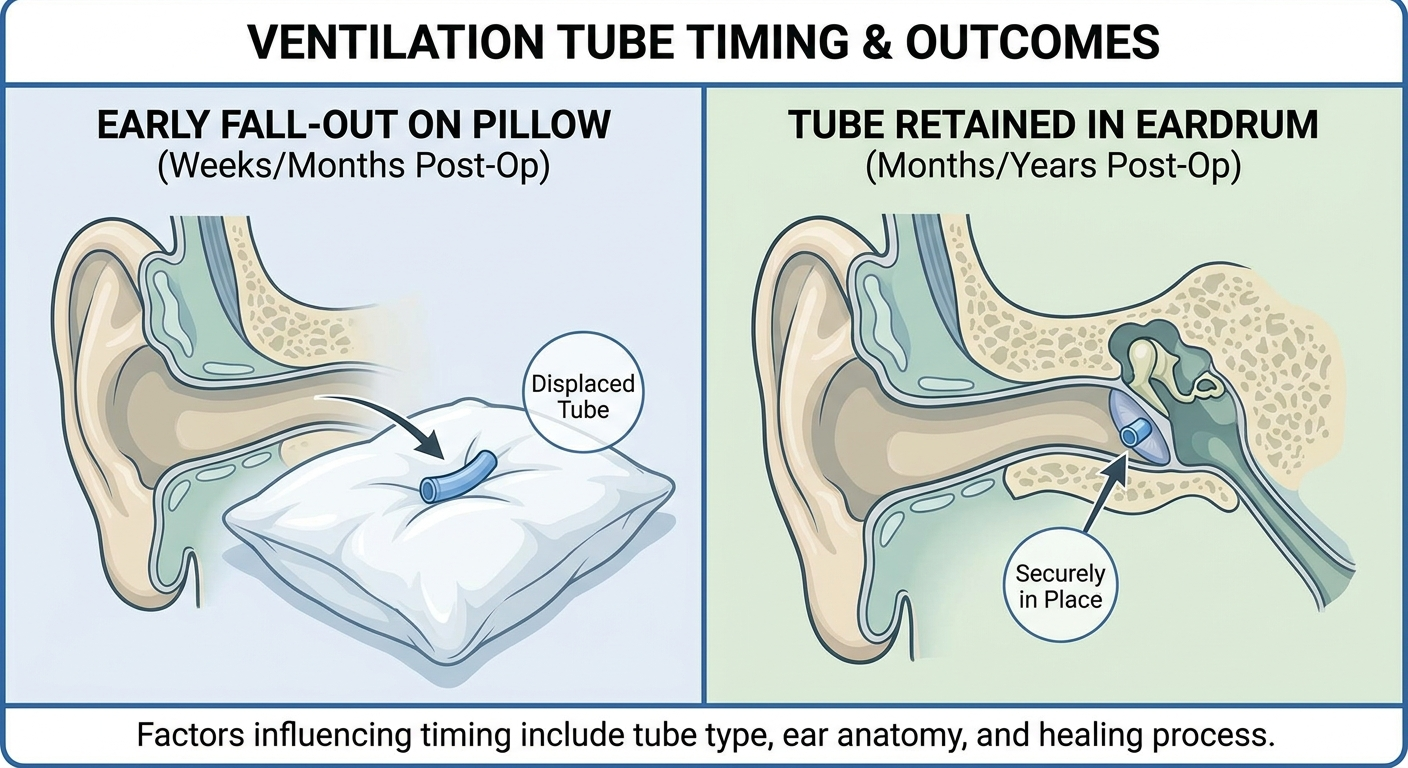
How long tubes last varies by type and ear health; many fall out on their own over several months to a year or more.
Premature extrusion: an early fall-out doesn’t always mean a problem, but it matters if fluid/infections return; notify your clinic if you find a tube in the ear canal or on a pillow so follow-up can be planned.
Retained tubes: some are simply monitored; others may be removed if they stay in longer than expected or cause ongoing issues. Routine follow-up confirms the tube remains appropriate.
Summary: Timing varies; let your clinician know about early loss or prolonged retention so follow-up can be tailored.
Persistent eardrum opening (perforation) after tubes
After a tube comes out or is removed, the eardrum usually closes; occasionally a small opening remains.
Possible signs: recurrent drainage; repeat infections; hearing changes; sometimes a whistling sound with nose blowing.
Treatment depends on size, symptoms, and duration—some close with observation; others may need repair.
Summary: Persistent openings are uncommon and treatable—an exam guides watchful waiting vs repair.
Other possible complications (usually mild, but worth understanding)
Scarring or eardrum changes (atrophy, tympanosclerosis) are often minor and not noticeable; significant scarring or chronic infection can affect hearing, which is why routine follow-up matters.
Some kids still get infections or repeated drainage with tubes due to viruses, bacteria, or individual factors; frequent or prolonged drainage may prompt review of medication technique and further evaluation.
Tracking frequency, duration, and triggers (swimming, colds, allergy seasons) helps tailor care.
Summary: Most eardrum changes are minor; track patterns and bring them to follow-up visits.
Hearing and balance changes—when to check in
Many children hear better after tubes if fluid was present before. Concerning signs include worse hearing, poorer speech understanding, or harder listening at school.
Examples: teachers report missed directions; your child turns volume up more than usual; increased reliance on watching faces to understand.
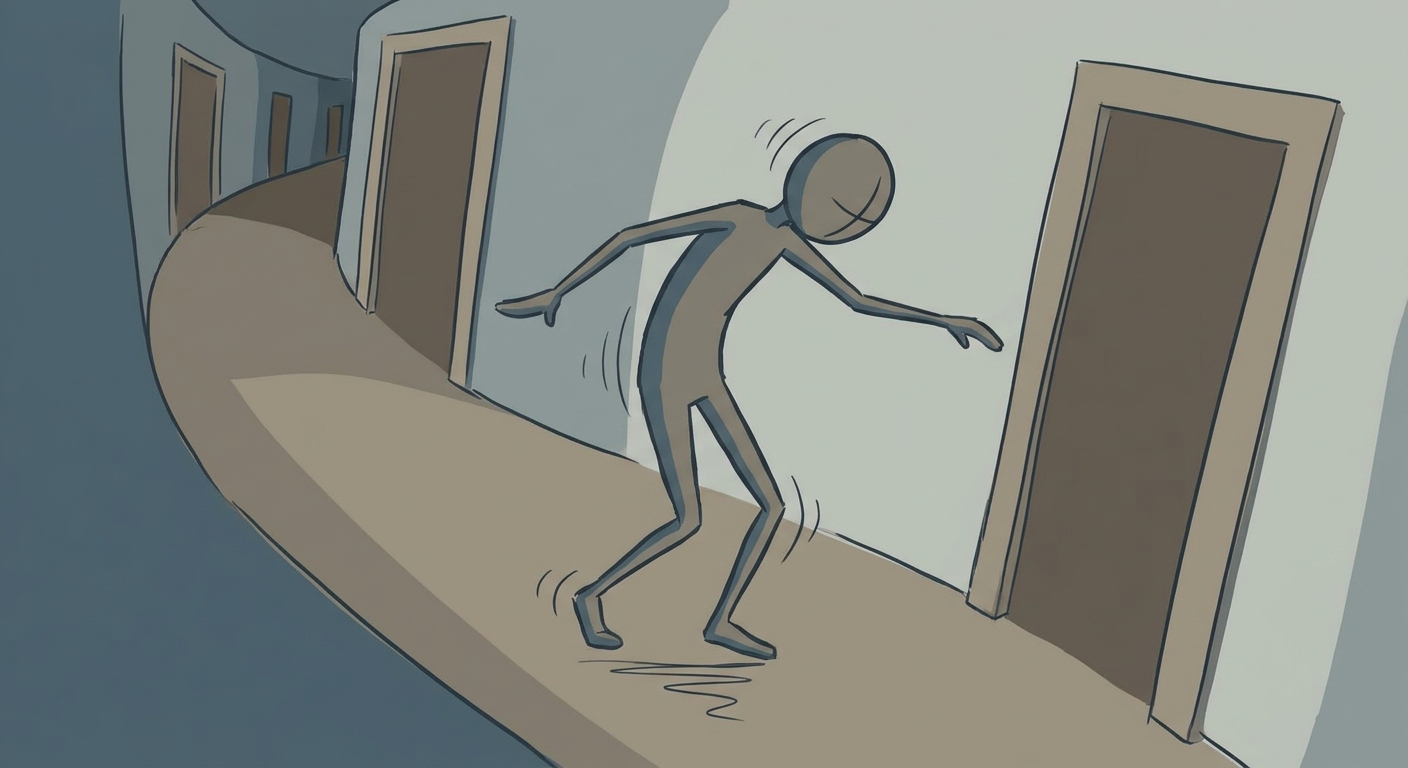
Balance: brief unsteadiness right after surgery can happen, but ongoing dizziness or clumsiness deserves attention to rule out infection, persistent fluid, or other issues.
Summary: New or persistent changes in hearing or balance should prompt an ear exam.
Water, bathing, and swimming with ear tubes (updated, parent-friendly guidance)
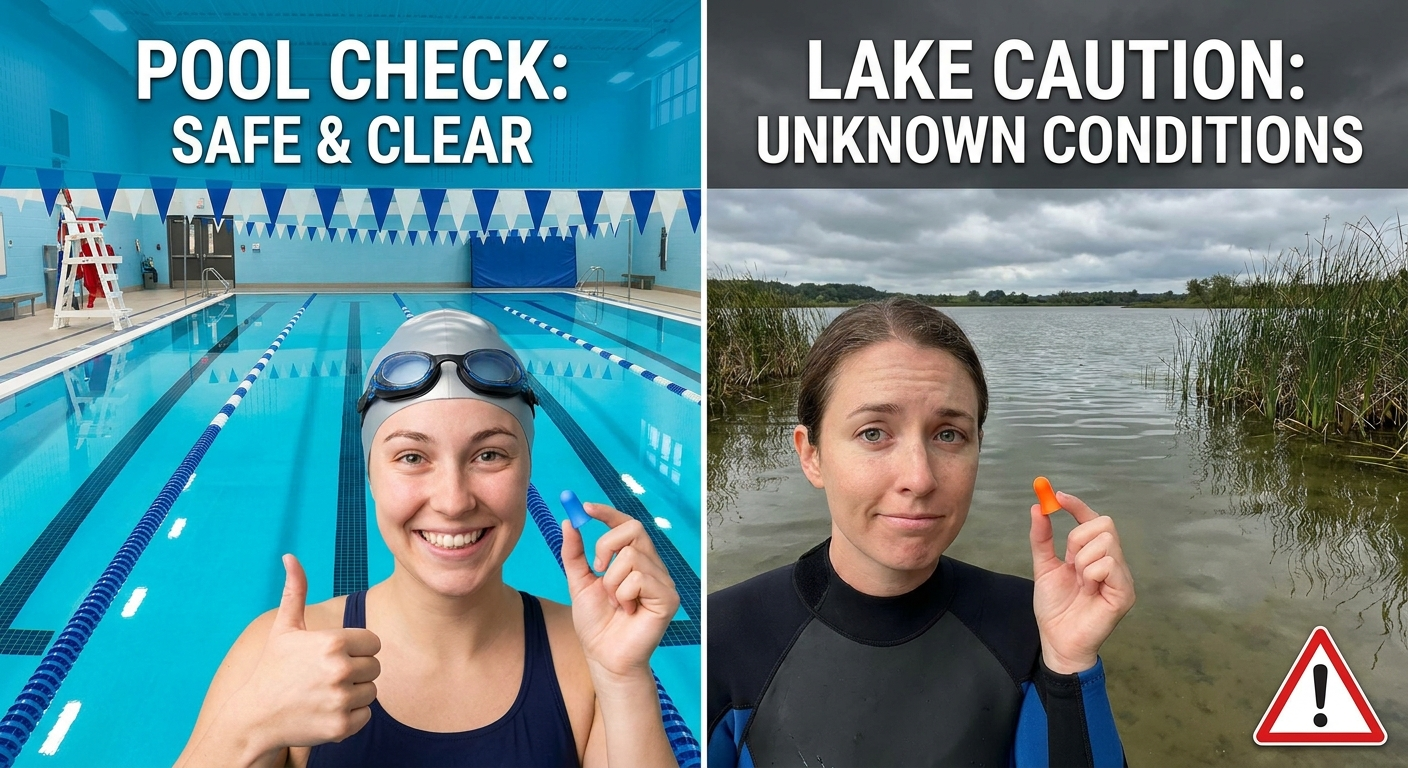
Most kids do not need routine earplugs, headbands, or swimming bans; many can swim normally, especially in treated pools.
Treated pools are often well tolerated; untreated or natural water (lakes, rivers, ocean) may warrant extra caution for kids prone to recurrent drainage—ask your ENT for personalized advice.
Practical approach: for many families, normal pool swimming with gentle outer-ear drying is reasonable; for frequent drainage or sensitive ears, discuss well-fitting plugs for lakes/rivers/ocean or limiting dunking in untreated water.
Summary: Most kids can swim normally; customize precautions if drainage tends to follow swims or with natural water.
When to call the doctor vs seek urgent care (clear action plan)
Call your clinician (timing individualized): drainage persisting beyond several days or worsening; foul-smelling or unusual-colored drainage; ear pain not improving; fever; new hearing or balance concerns; suspected early tube fall-out or prolonged retention. Share start date, recent colds, drop use and duration, and whether symptoms are improving, stable, or worsening.
Seek urgent care/ER: heavy bleeding; severe pain; severe dizziness or significant balance trouble; high fever with ill appearance; swelling/redness behind the ear or spreading facial/eye-area swelling.
Summary: Call for persistent or changing symptoms; seek urgent care for severe pain, bleeding, high fever, or spreading swelling.
Prevention and aftercare tips (lifestyle + practical)
Medication and follow-up: use medicines exactly as prescribed and keep follow-up visits to confirm tube position and catch issues early.
Home hygiene: gently clean only the outer ear if drainage appears; prioritize handwashing; avoid Q-tips, tools, suction, or irrigation in the ear canal.
If drainage keeps recurring: review drop technique; ask whether culture testing is appropriate; set a personalized plan for water exposure, especially lakes/rivers/ocean.
Summary: Good technique, routine follow-up, and simple hygiene steps go a long way.
FAQs
Q: Is it normal for my child’s ear to drain after ear tube surgery? A: A small amount for a short time can be normal; if it lasts longer than expected, smells bad, or comes with pain/fever, check in.
Q: Should my child take oral antibiotics for ear drainage with tubes? A: Many uncomplicated cases are treated with topical ear drops; only your clinician can decide whether drops, oral medicine, culture, or other steps are appropriate.
Q: Can my child swim with ear tubes? A: Usually yes, especially in treated pools; precautions may be individualized for recurrent drainage or swimming in untreated water.
Q: What if a tube falls out earlier than expected? A: Let your clinic know; reassessment may be needed if infections or fluid return; only an exam confirms eardrum status and whether the other tube is still in place.
Q: What happens if a tube doesn’t come out? A: Some retained tubes are monitored; others may be removed if associated with ongoing symptoms or concerns.
Summary: When in doubt, a quick call to your child’s clinician can clarify next steps.
Conclusion: Confident next steps for parents
Most ear tube complications are manageable and often mild. The most common issue is drainage, and many uncomplicated cases are treated with drops first. Watch for prolonged or foul drainage, worsening pain, fever, hearing/balance changes, and timing issues (early fall-out or retention). If you need help sorting out recurrent drainage, hearing concerns, suspected blockage, early extrusion, or persistent symptoms, contact your clinician. For appointments: https://www.sleepandsinuscenters.com/
Summary: Stay observant, keep follow-ups, and reach out early—most problems are fixable with timely care.
Medical disclaimer
This article is for general education and is not a substitute for medical advice, diagnosis, or treatment. Contact your clinician for personalized guidance, and seek urgent care for severe symptoms.
References
Mayo Clinic. Ear tubes (tympanostomy). https://www.mayoclinic.org/tests-procedures/ear-tubes/about/pac-20384667
Rosenfeld RM, et al. Clinical Practice Guideline: Tympanostomy Tubes in Children (Update). 2022. https://pubmed.ncbi.nlm.nih.gov/35138954/
Nagar A, et al. An Overview of the Tympanostomy Tube. 2022. https://pmc.ncbi.nlm.nih.gov/articles/PMC9647717/
Nemours KidsHealth. Ear Tube Surgery (Parents). https://kidshealth.org/
American Academy of Otolaryngology–Head and Neck Surgery (AAO-HNS). Study suggests children with ear tubes may safely swim in treated pools. https://www.entnet.org/resource/study-suggests-children-with-ear-tubes-may-safely-swim-in-treated-pools/
Don’t let allergies slow you down. Schedule a comprehensive ENT and allergy evaluation at Sleep and Sinus Centers of Georgia. We’re here to find your triggers and guide you toward lasting relief.