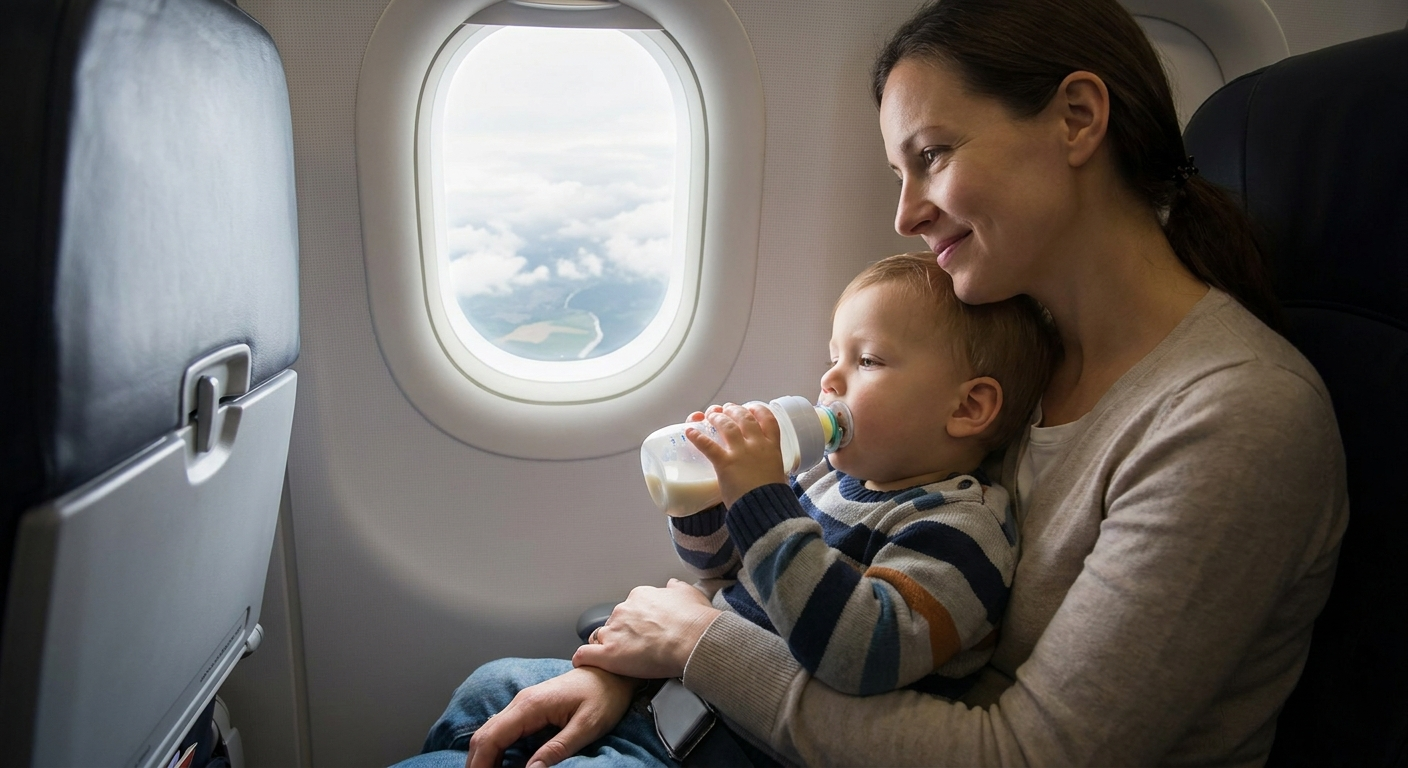
Ear Pain in Kids on Airplanes: Causes, Prevention, and Relief Tips
Picture this: You’re settling into your seat for a family flight, snacks packed and tablet charged, when the plane begins its descent. Suddenly your infant or toddler starts crying inconsolably, tugging at their ears and twisting away from comfort. For many parents, this scene is all too familiar—the kind of moment that makes everyone in the row glance over. That discomfort is often “airplane ear,” also called ear barotrauma. It happens when cabin pressure changes faster than a child’s ears can adjust. Ear pain in kids on airplanes is usually temporary and common, but it can feel intense in the moment. Children are more prone to it because of their developing anatomy. The good news is that it typically eases quickly once pressure equalizes, and simple steps can make a big difference. This post draws on information from the Mayo Clinic, Nemours KidsHealth, MedlinePlus, and Cleveland Clinic to explain the causes, symptoms, prevention, and when extra care may be needed so your next trip feels more manageable.
What Causes Ear Pain in Kids During Air Travel?
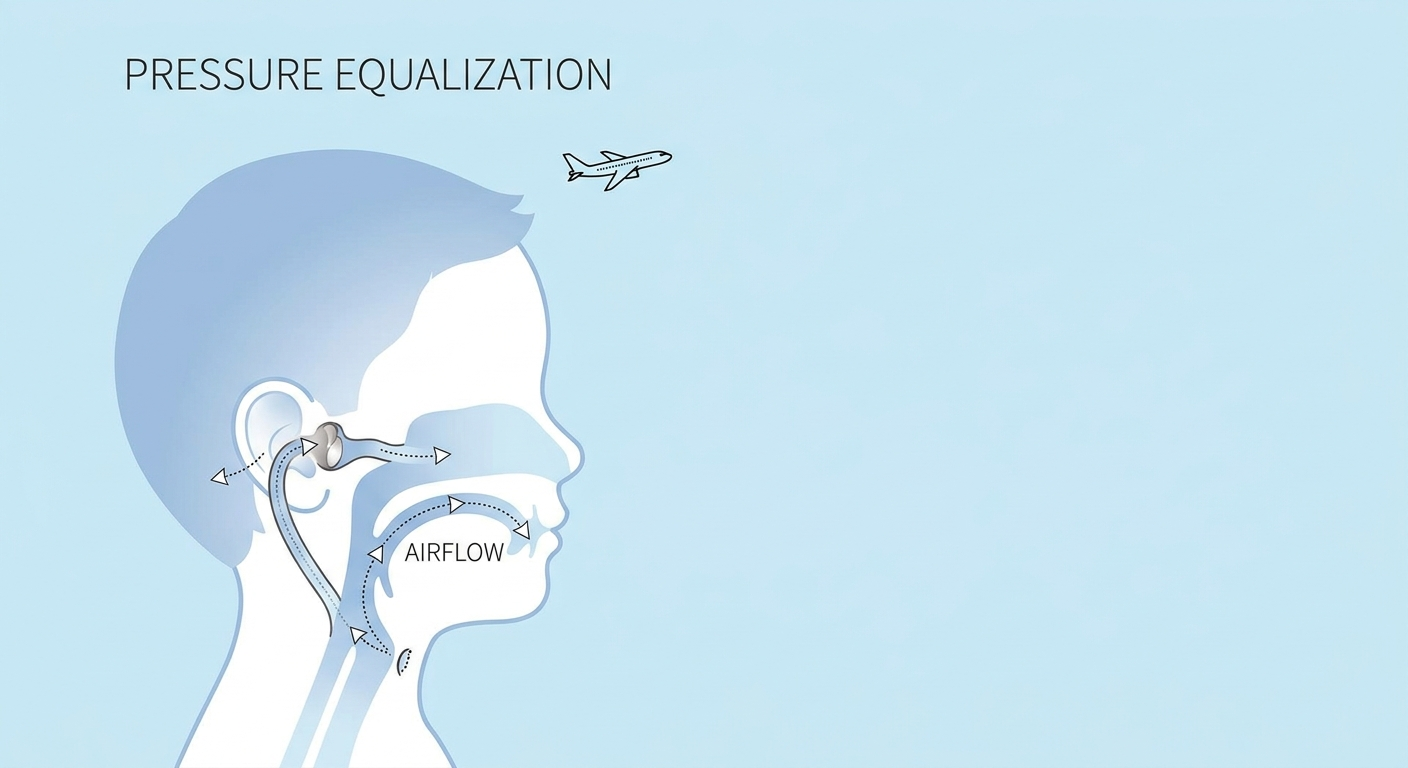
How Cabin Pressure Changes Affect the Ears
Airplanes adjust cabin pressure as they climb and descend. The middle ear needs to match that changing pressure through the eustachian tubes, which connect the middle ear to the back of the nose and throat. When those tubes do not open promptly, a pressure difference builds across the eardrum. That can cause a feeling of fullness, popping, or pain—similar to the squeeze you feel driving up a steep mountain road, only quicker and more concentrated. These sensations are most noticeable during takeoff and landing and usually last only minutes once the tubes equalize. The process is the same for adults and children, but kids often feel it more because their systems simply take longer to catch up.
Why Children Are Especially Vulnerable
A child’s eustachian tubes are shorter, narrower, and more horizontal than an adult’s. They do not open as readily, so equalization can lag, much like trying to sip through a thin, kinked straw instead of a wide, straight one. Infants and toddlers, who cannot yet chew gum or follow instructions to yawn or swallow on cue, are especially affected. Understanding this mechanism is easier when you look at related conditions such as eustachian tube dysfunction (https://sleepandsinuscenters.com/blog/eustachian-tube-dysfunction-symptoms-causes-effective-treatment-options). This anatomical difference explains why kids often need extra help equalizing.
Factors That Worsen Symptoms
Anything that inflames or blocks the eustachian tubes can make ear pain in kids on airplanes more noticeable. Colds, allergies, or an existing ear infection can swell the lining of the tubes and make equalization harder—think of trying to equalize pressure through a clogged filter. In some cases this raises the chance of more significant eardrum strain. Many families consider postponing a flight until an active ear infection has cleared, because that can lower both discomfort and the risk of injury. Information from the Mayo Clinic and Nemours KidsHealth supports watching for these contributing factors before travel. Watching for these issues beforehand can make a noticeable difference on flight day.
Common Symptoms of Airplane Ear in Children
Typical signs include a sense of ear fullness or pressure, popping or crackling sounds, and mild-to-moderate pain. Babies and toddlers may simply become fussy, cry, or repeatedly tug at their ears; you might also see them rub their head against the seat or suddenly refuse a bottle they wanted minutes earlier. Temporary muffled hearing is also common. Most of these symptoms improve within minutes to a few hours after landing as pressure equalizes. Cleveland Clinic and MedlinePlus note that the majority of cases resolve without lasting effects.
Red-flag symptoms are less common but important to recognize. Severe pain that lasts more than several hours, ongoing fullness or hearing changes after the flight, or any fluid draining from the ear should prompt medical evaluation. Drainage in particular needs prompt attention because it can signal eardrum injury or infection. Recognizing these signs early allows parents to act quickly and reassure their child.
Proven Prevention Strategies for Takeoff and Landing
The most reliable, low-risk steps focus on helping the eustachian tubes open at the right times. Extra airplane-ear tips for families appear in this related guide on effective airplane ear prevention hacks (https://sleepandsinuscenters.com/blog/effective-airplane-ear-prevention-hacks-for-comfortable-flights).
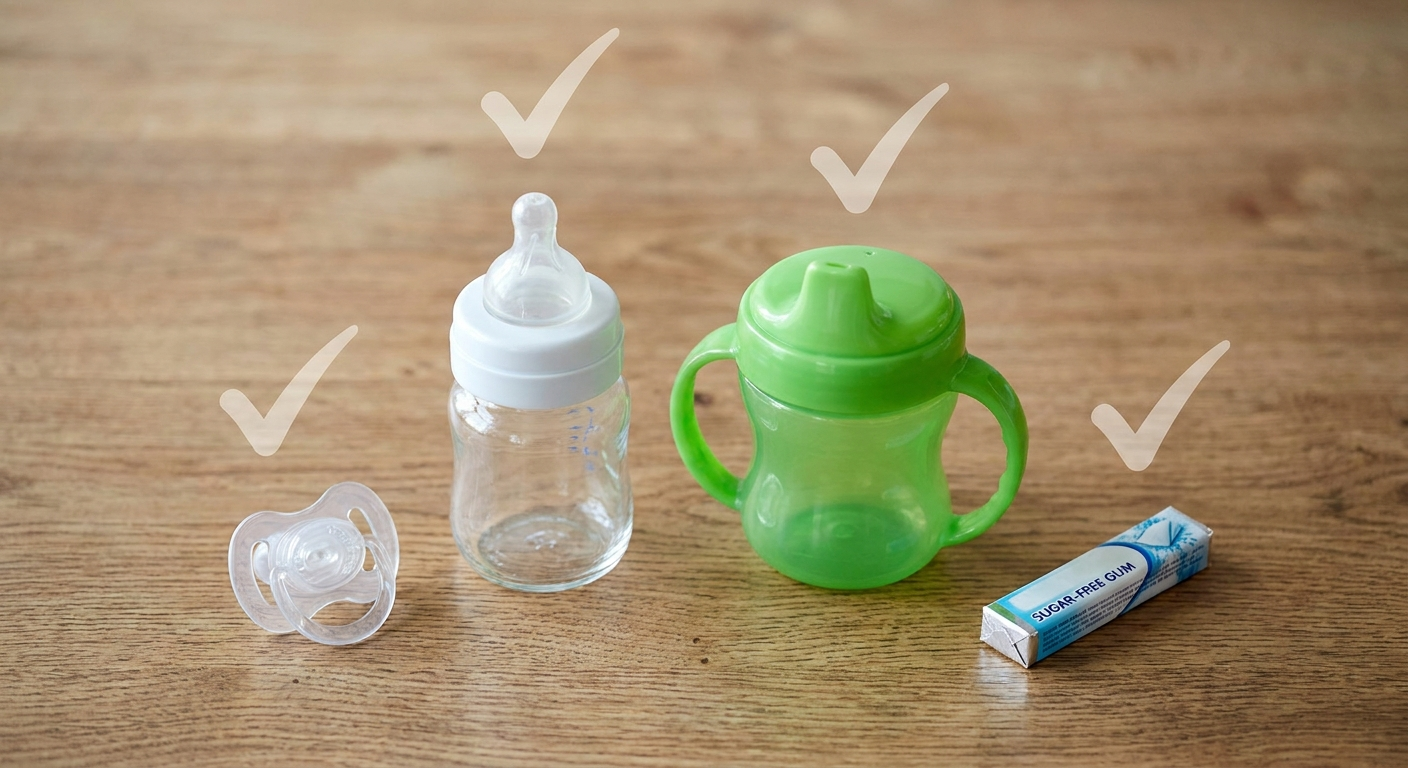
Encourage Swallowing, Sucking, and Chewing
Swallowing, sucking, and chewing activate the muscles that open the eustachian tubes. For infants, breastfeeding or offering a bottle during ascent and descent often works well—many parents start the feeding the moment they feel their own ears begin to pop. Pacifiers can serve the same purpose. Older toddlers and children can sip water or juice from a sippy cup, and school-age kids may chew sugar-free gum if it is age-appropriate. These simple actions are among the most practical prevention methods described by Nemours KidsHealth.
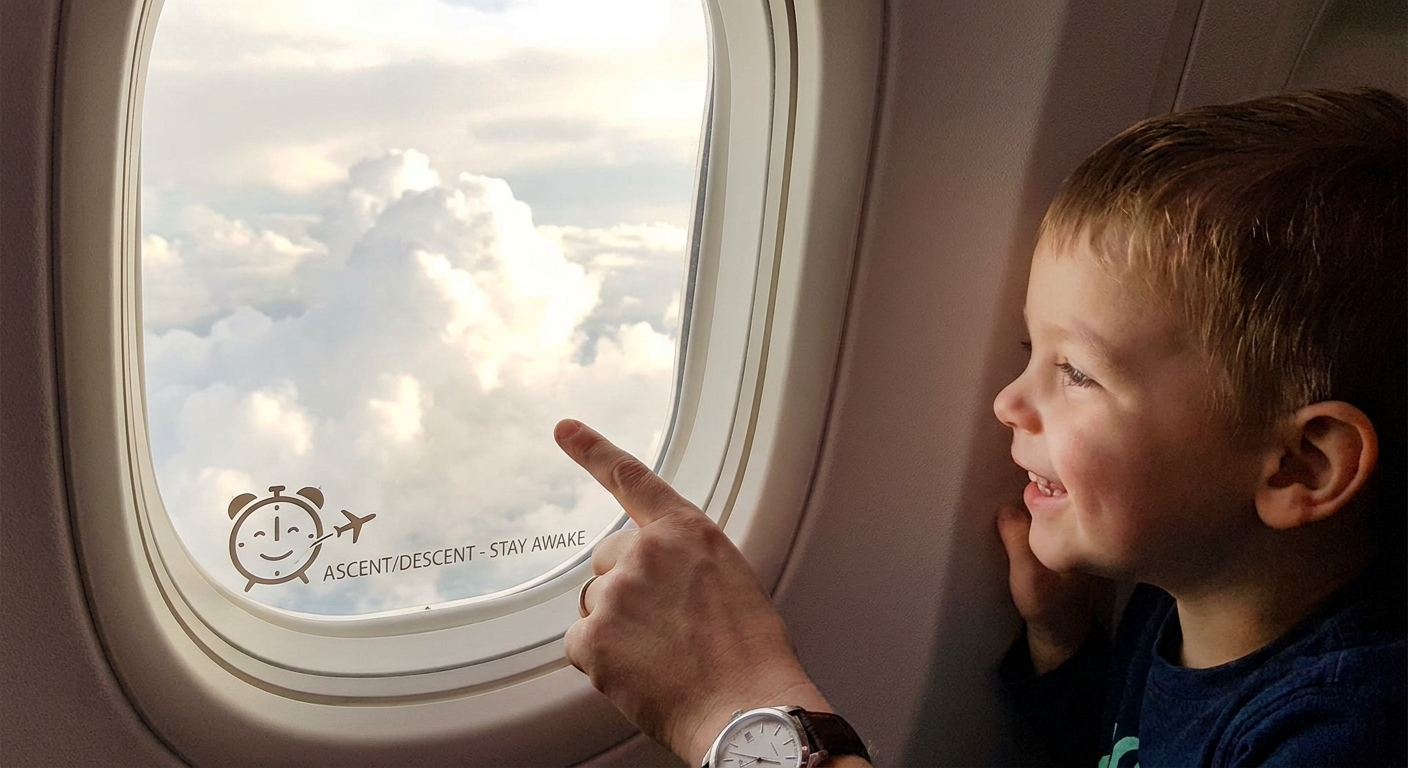
Keep Kids Awake During Ascent and Descent
Children swallow more frequently when they are awake. If possible, time naps so they are alert during the pressure-change phases of the flight. A gently roused child who can suck or drink is more likely to equalize than one who remains deeply asleep. A quiet song, a favorite toy, or pointing out clouds can help ease the transition without adding stress. These straightforward habits are the foundation of comfortable flying for children.
In-Flight and Post-Flight Relief Tips
If discomfort begins, continue the same swallowing, sucking, yawning, or chewing activities—turning a big yawn into a playful “lion roar” can even distract a toddler. Most children feel better within minutes to a couple of hours after landing. Persistent symptoms after that window are discussed in the next section.

Timing Pain Relievers and Caution with Decongestants
When a child has a history of flight-related ear discomfort, some families give an age-appropriate dose of acetaminophen or ibuprofen about 30 minutes before takeoff or landing, following package instructions or a clinician’s earlier guidance. These medications can reduce discomfort but do not prevent the pressure imbalance itself. Decongestants are not used routinely in young children because of safety considerations; a clinician should be consulted first. Mayo Clinic and Nemours KidsHealth both emphasize this cautious approach. Combining these techniques usually eases pain within a short time.
When to Seek Medical Care After Flying
Pain, fullness, or hearing changes that last more than several hours, severe symptoms, or any drainage from the ear warrant evaluation. Fluid draining from the ear in particular needs urgent attention. Recurrent problems after flights may also benefit from a closer look at underlying ear, sinus, or allergy issues. Families dealing with repeated ear infections or related concerns can learn more about pediatric options such as ear infections in children and when ear tubes may be considered (https://sleepandsinuscenters.com/blog/ear-infections-in-children-when-ear-tubes-are-the-20260709191328). Comprehensive evaluation is available through otolaryngology care (https://sleepandsinuscenters.com/comprehensive-otolaryngology-care) focused on ears, sinuses, and related structures. Early evaluation can address any underlying concerns effectively.
FAQs About Kids and Airplane Ear
Can a baby fly with a cold or congestion? Congestion can make equalization harder, so many parents discuss timing with a clinician if a cold is active. Sources such as Mayo Clinic note that symptoms may be more noticeable, though flying is often still possible with extra swallowing support such as more frequent bottle or nursing sessions.
Are special earplugs or filters helpful for toddlers? Filtered earplugs designed to slow pressure change exist, but they must fit properly and are not routinely needed for most young children. Swallowing techniques remain the first-line approach according to Nemours KidsHealth; toddlers often pull plugs out anyway.
How soon after an ear infection can we fly? Waiting until the infection has resolved and any remaining fluid has cleared is commonly suggested to reduce discomfort and eardrum strain. Exact timing varies; a clinician can advise based on the child’s exam.
Does this cause long-term hearing damage? In the large majority of cases, airplane ear does not cause lasting hearing loss. Symptoms typically resolve fully. Persistent changes after a flight should be evaluated, as Cleveland Clinic and MedlinePlus indicate.
Extra Travel and Lifestyle Tips for Frequent Flyers
Keep a small kit of familiar snacks, a bottle or sippy cup, and a pacifier easily accessible in the seat-back pocket. Managing known allergies before travel can reduce baseline congestion. Staying well hydrated also helps keep mucus thinner, so offer sips throughout the flight rather than only at descent. Families who fly often and notice repeated ear, sinus, or allergy issues may find it useful to review those patterns with an ear, nose, and throat specialist so a longer-term plan can be discussed. These small adjustments support smoother journeys for regular travelers.
Conclusion
Ear pain in kids on airplanes is a frequent, usually short-lived experience caused by temporary pressure differences. With a little planning—encouraging swallowing at the right moments, keeping children awake during ascent and descent, and knowing when symptoms need follow-up—most families can make flights more comfortable. The strategies outlined here, drawn from Mayo Clinic, Nemours KidsHealth, MedlinePlus, and Cleveland Clinic resources, are practical and low-risk. If your child has frequent ear issues, allergies, or sinus problems that seem to worsen with travel, consider scheduling an evaluation at Sleep and Sinus Centers of Georgia to explore personalized options. A proactive conversation can help everyone look forward to the next trip with greater ease. Ready to book an appointment? Visit https://www.sleepandsinuscenters.com/ today.
This article is for educational purposes only and is not medical advice. Please consult a qualified healthcare provider for diagnosis and treatment.
Don’t let allergies slow you down. Schedule a comprehensive ENT and allergy evaluation at Sleep and Sinus Centers of Georgia. We’re here to find your triggers and guide you toward lasting relief.