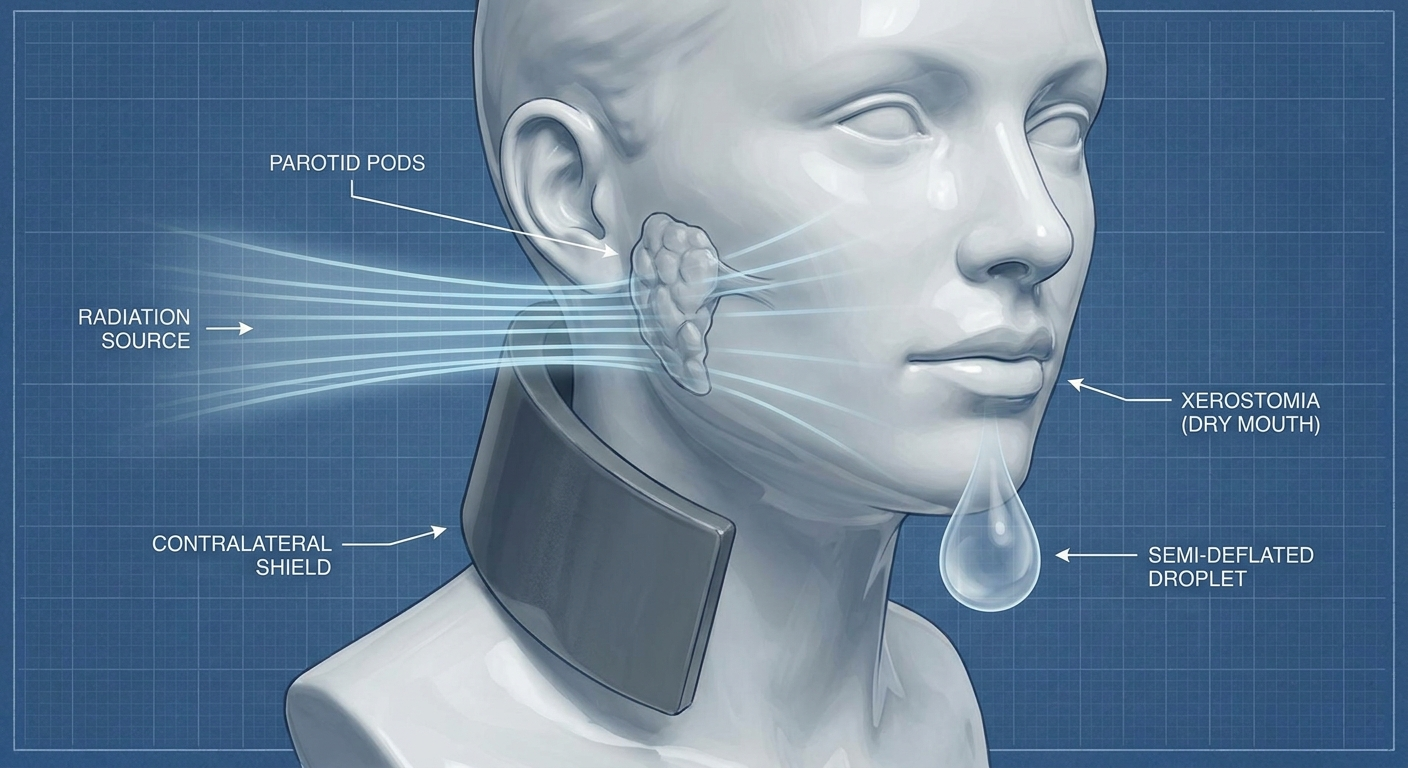
Dry Mouth After Radiation Therapy: Long-Term ENT Management and Treatment
Radiation therapy is a key treatment for many head and neck cancers, but it often leaves patients with dry mouth after radiation that can last for years. This condition, known as radiation-induced xerostomia, happens when radiation damages the salivary glands and sharply reduces saliva flow. Saliva keeps the mouth comfortable, helps with chewing and swallowing, protects teeth, and fights infection. When production drops, everyday life can become more difficult. Simple tasks most people take for granted—enjoying a meal with family, speaking clearly on a phone call, or sleeping through the night without waking to sip water—can turn into daily frustrations.
Some patients notice gradual improvement 12 to 24 months after treatment ends. Recovery, however, is frequently incomplete. This educational overview, drawn from current sources including the ISOO/MASCC/ASCO Guideline 2021, MASCC/ISOO Clinical Practice Statement 2024, American Head and Neck Society Survivorship Consensus 2021, and NCI PDQ 2024, explains why dry mouth after radiation occurs, common symptoms, the role of long-term ENT management of dry mouth, available options, and ways to lower complication risks.
Radiation-related dryness differs from the dryness that can appear with aging. For a comparison of age-related versus radiation-related causes, see Dry Mouth as You Age: ENT Causes, Symptoms, and Treatment (https://sleepandsinuscenters.com/blog/dry-mouth-as-you-age-ent-causes-symptoms-and-treat-20260716191202).
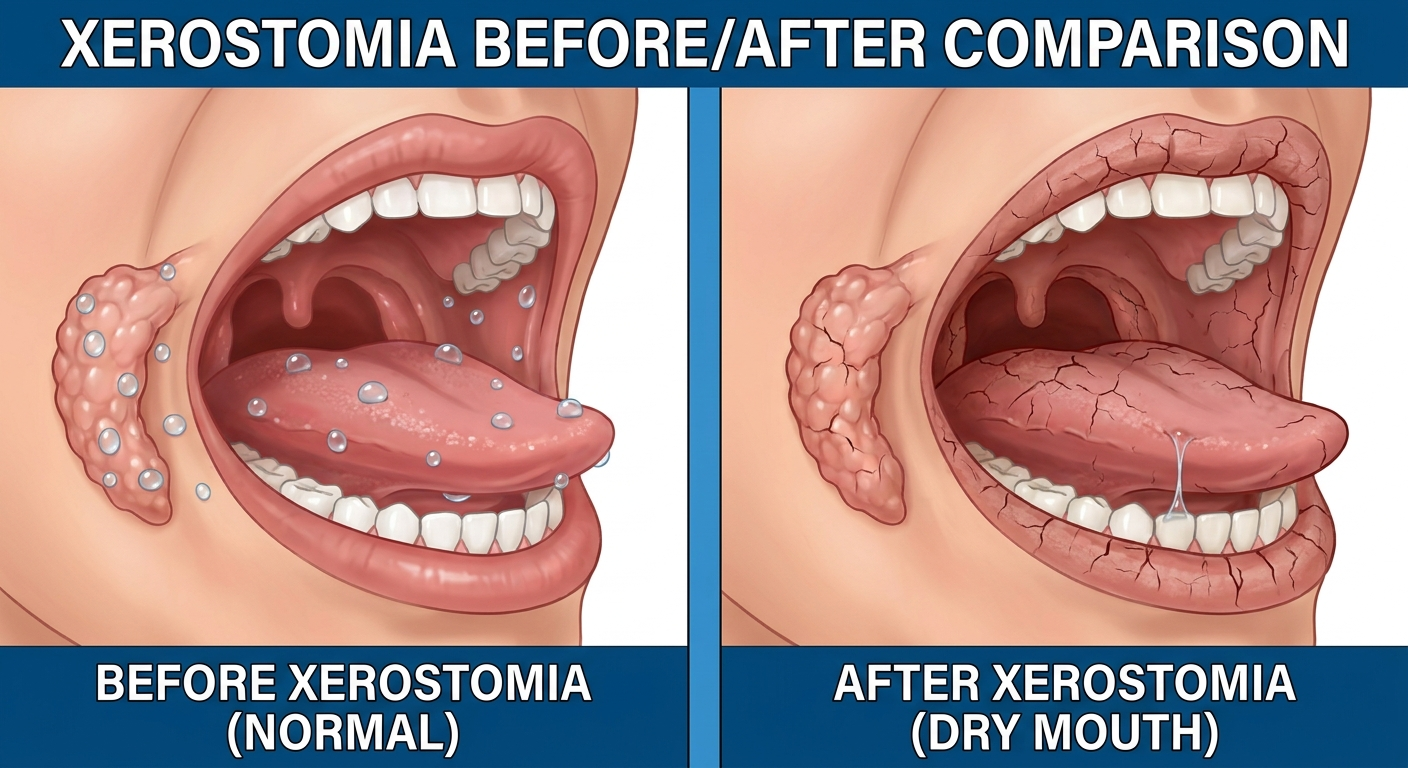
Understanding Radiation-Induced Dry Mouth (Xerostomia)
Radiation is directed at tumors, yet it also reaches the salivary glands—especially the parotid glands on the sides of the face. The result is less saliva, thicker mucus, and a higher chance of oral infections and tooth decay. Think of the salivary glands as a finely tuned irrigation system for the mouth; once radiation damages the pipes, the flow never fully returns to normal for most people.
Why Does It Happen After Head and Neck Radiation?
Salivary gland cells are radiosensitive. Higher radiation doses and the addition of chemotherapy tend to increase the extent of damage. When treatment plans spare the opposite (contralateral) parotid gland, some patients retain more function and experience partial recovery. Even modest preservation of one gland can make a noticeable difference in day-to-day comfort.
How Long Does Dry Mouth Last After Radiation?
Dry mouth after radiation can persist indefinitely. In one group of patients followed for a median of 37 months, only 18.8 percent achieved complete recovery, and that recovery typically occurred around 18 months. Better outcomes were linked to milder symptoms early on, lower radiation dose to the contralateral parotid, and radiation given without chemotherapy (Ma et al., 2019). For the great majority, some degree of dryness becomes a long-term companion rather than a temporary side effect.
Common Symptoms of Dry Mouth After Radiation Therapy
- Ongoing dryness, sticky saliva, or almost no saliva at all
- Difficulty speaking, chewing, swallowing, or tasting food
- A burning feeling in the mouth, cracked lips, or a sore throat
- Increased thirst, particularly at night
- Greater risk of cavities, gum disease, oral infections, and jaw-bone problems such as osteoradionecrosis
These symptoms often overlap. A patient might find that a dry sandwich sticks to the roof of the mouth, making lunch take twice as long, while night-time thirst fragments sleep and leaves them tired the next day. An ENT evaluation helps separate how dry the mouth feels (subjective xerostomia) from actual measured reduction in salivary flow (objective hyposalivation). The visit also reviews the mouth lining, teeth, swallowing, nutrition, speech, and ongoing cancer surveillance (MASCC/ISOO 2024; NCI PDQ 2024). An ENT assessment clarifies symptoms and supports coordinated care.
Why Long-Term ENT Care Is Essential
Care works best when it is multidisciplinary—ENT specialists, oncology, dentistry, and speech/swallow therapists working together. Regular visits allow the team to watch hydration, mucosal health, infection, and quality-of-life concerns. Individualized plans help reduce the chance of serious problems such as rampant caries or osteoradionecrosis (American Head and Neck Society Survivorship Consensus 2021). Without this coordinated watch, a small cavity or early swallowing change can quietly become a larger issue that affects nutrition and overall well-being.
Sleep and Sinus Centers of Georgia provides this coordinated approach through Comprehensive Otolaryngology Care (https://sleepandsinuscenters.com/comprehensive-otolaryngology-care) for head-and-neck cancer survivors. Ongoing multidisciplinary follow-up helps protect comfort and prevent complications.
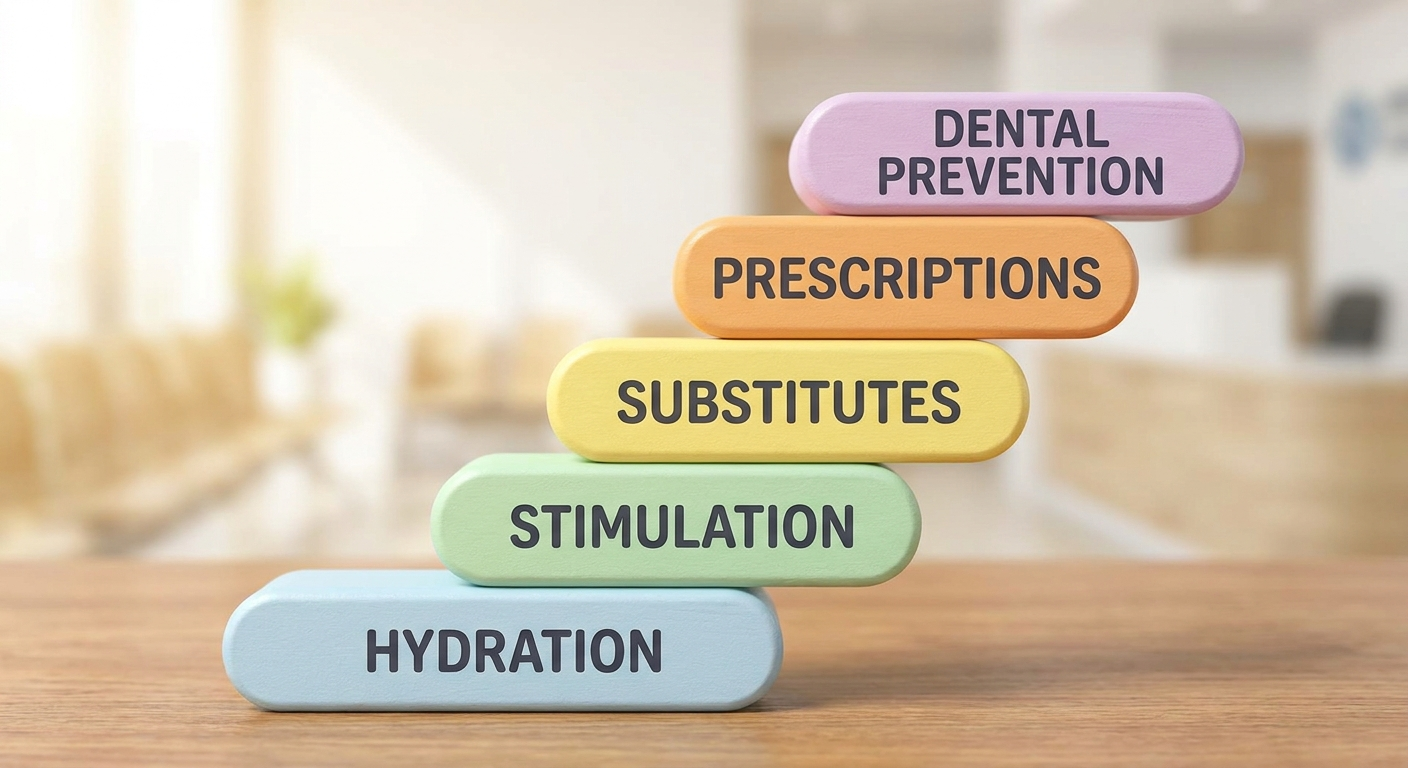
Stepwise Treatments for Long-Term Relief
Management usually begins with conservative measures and adds therapies according to remaining gland function. Related strategies for ongoing mucosal comfort appear in ENT Interventions for Chronic Dry Throat (https://sleepandsinuscenters.com/blog/ent-interventions-for-chronic-dry-throat).
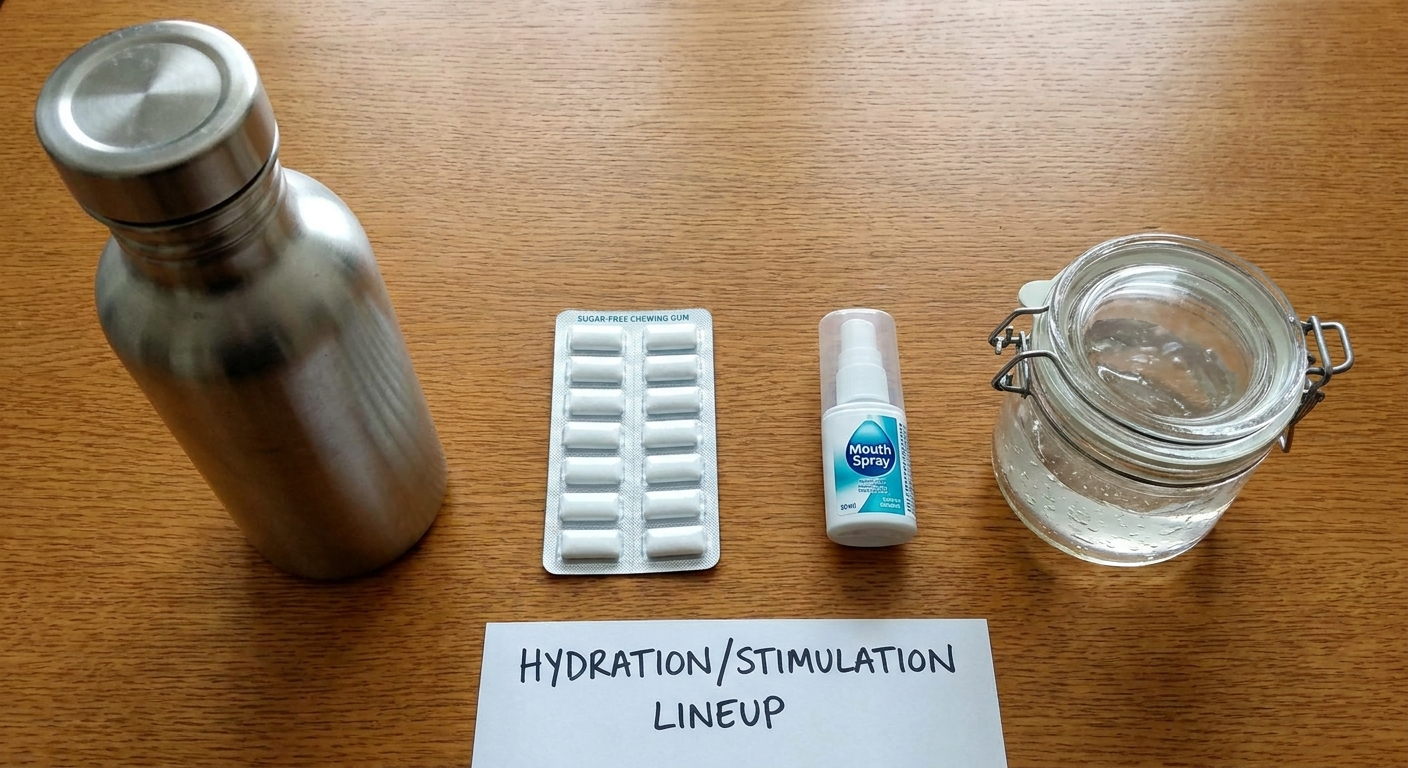
Everyday Hydration, Stimulation, and Saliva Substitutes
Frequent sips of water, sugar-free gum or lozenges (when some gland function remains), and saliva sprays, gels, or rinses can ease dryness. These products offer symptom relief rather than restoring gland tissue. Many patients keep a water bottle within arm’s reach and set gentle phone reminders to sip every 15–20 minutes. Avoiding caffeine, alcohol, and tobacco may also reduce irritation. Sprays work well before a conversation; longer-lasting gels can help at bedtime.
Prescription Medicines (Pilocarpine and Cevimeline)
When residual salivary tissue is present, systemic pilocarpine (typically 5–10 mg three or four times daily, maximum 30 mg per day) or cevimeline may temporarily increase saliva. Dosing is determined by a clinician and these medicines are not for self-administration. Response can take up to 12 weeks. These medicines essentially encourage the remaining gland tissue to work harder. Clinicians review possible contraindications such as certain respiratory or eye conditions and discuss side effects such as sweating or flushing (MASCC/ISOO statements). Not every patient is a candidate, which is why an ENT assessment of leftover function comes first.
Preventive Dental Care — Critical for Head and Neck Survivors
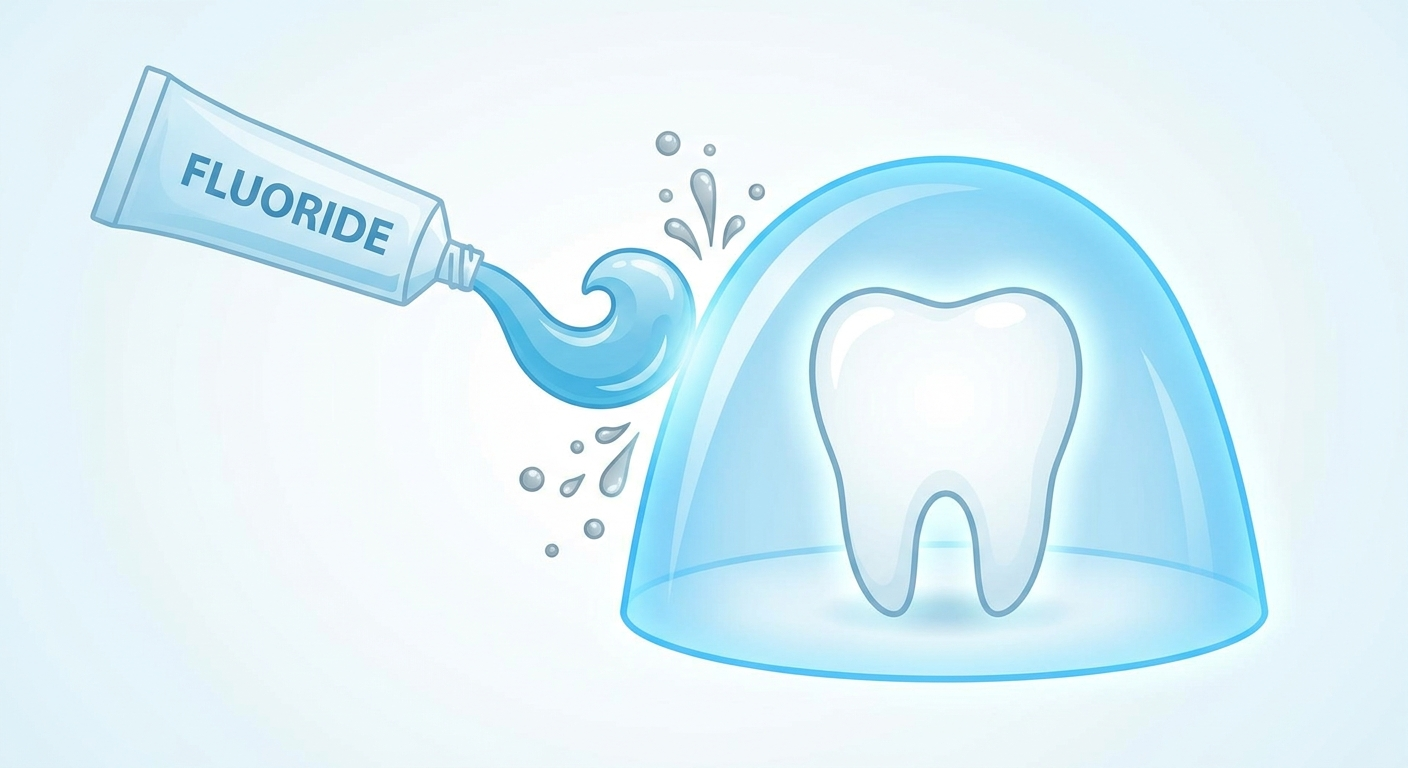
Chronic low saliva greatly raises the risk of demineralization, cavities, periodontal disease, and osteoradionecrosis. Daily high-fluoride toothpaste or gel, thorough brushing and flossing, and dental visits every 3–4 months are commonly recommended. Without saliva’s constant mineral bath, enamel can erode surprisingly fast—much like leaving metal tools outdoors without rust protection. Coordination with the oncology team before any invasive dental procedure helps lower osteoradionecrosis risk (NCI PDQ 2024; MASCC/ISOO 2024).
Complementary Options with Limited Evidence
Acupuncture or transcutaneous electrical stimulation may be considered for selected patients, yet guideline evidence is low-quality and recommendations remain weak (ISOO/MASCC/ASCO Guideline 2021). These approaches are typically discussed as possible adjuncts rather than first-line care and should never replace hydration, stimulation, or dental prevention. Stepwise care tailored to remaining gland function offers the best chance of lasting comfort.

Lifestyle Tips to Manage Dry Mouth Day-to-Day
- Run a humidifier in the bedroom and sip water throughout the day.
- Choose moist, soft foods and limit dry, spicy, or highly acidic items.
- Use alcohol-free mouth rinses and apply lip balm regularly.
- Stay current with cancer follow-up appointments and mention any new swallowing or nutritional difficulties promptly.
A humidifier plus a bedside water glass may help reduce night-time awakenings for some patients. Soft, sauce-rich meals (think stews or yogurt-based dishes) often feel far more comfortable than crackers or toast. Simple daily habits can ease dryness and support overall well-being.
Frequently Asked Questions
Will my saliva ever return to normal? Many people improve partially over one to two years; complete recovery is uncommon. The 18.8 percent figure from long-term follow-up reminds us that most patients need ongoing strategies rather than waiting for full restoration.
Are saliva substitutes enough? They can ease symptoms for short periods but do not restore gland function. Most people use them as one tool among several.
Do I still need an ENT if I see a dentist? Yes. ENT specialists coordinate overall head-and-neck surveillance, swallowing assessment, and medical therapies. The two professionals complement each other.
Is acupuncture worth trying? Evidence is limited; it may be considered only as an adjunct after discussion with the care team.
Dry mouth after radiation is often a long-term issue, yet stepwise ENT-led care—hydration, stimulation, selected medicines when appropriate, rigorous dental prevention, and regular monitoring—can improve comfort and reduce complications. Working with a multidisciplinary team allows for personalized, guideline-based long-term xerostomia treatment. Consistent professional support makes a meaningful difference in daily quality of life.
If persistent dry mouth after head and neck radiation is affecting daily life, an ENT evaluation can assess remaining salivary function and help shape a long-term plan. Visit the Appointments page (https://sleepandsinuscenters.com/appointments) at Sleep and Sinus Centers of Georgia to schedule a visit. You can also explore more at https://www.sleepandsinuscenters.com/.
This article is for educational purposes only and is not medical advice. Please consult a qualified healthcare provider for diagnosis and treatment.
Don’t let allergies slow you down. Schedule a comprehensive ENT and allergy evaluation at Sleep and Sinus Centers of Georgia. We’re here to find your triggers and guide you toward lasting relief.