Depression and Hearing Loss: How Hearing Impairment Affects Mental Health
Many people notice mood changes after hearing starts to decline—feeling left out of conversations, more tired after social events, or gradually withdrawing from friends and family. You might catch yourself smiling and nodding at a dinner table while missing half the jokes, or skipping a favorite book club because following the discussion feels exhausting. These shifts are common, and research shows a clear connection between depression and hearing loss. A 2024 meta-analysis of 24 studies found 35% higher odds of new depression among people with hearing impairment (Wei et al., 2024). About 18% of U.S. adults with moderate or worse hearing loss have depression (NIDCD, 2024).
The link does not mean hearing loss itself “causes” depression. Instead, communication barriers, isolation, and reduced confidence often play a role—like trying to follow a movie with the sound turned down while everyone else reacts in real time. Addressing hearing care together with mental-health support can make a real difference. This article explains the evidence around hearing loss depression risk, likely pathways that affect hearing impairment mental health, signs to notice, who may be most affected, what treatments can offer, and practical next steps. If you are considering a full evaluation, comprehensive otolaryngology care (https://sleepandsinuscenters.com/comprehensive-otolaryngology-care) can look at hearing, related symptoms, and overall well-being in one visit.
Understanding this connection can lead to better care for both hearing and mental well-being.
The Evidence: Hearing Loss Raises Depression Risk
Large studies consistently show that depression and hearing loss travel together. The 2024 meta-analysis reported 35% higher odds of incident depression (OR 1.35, 95% CI 1.27–1.44) (Wei et al., 2024). The association appeared across age groups but was strongest in older adults: pooled odds of 1.33 for people aged 60 or older, 1.24 for middle-aged adults, and 1.15 for younger adults (Wei et al., 2024). Prevalence data add context: roughly 18% of U.S. adults with moderate or greater hearing loss experience depression (NIDCD, 2024).
These findings come from observational research, so they show association rather than proof that hearing loss alone produces depression. Many factors—health conditions, social circumstances, and how people adapt—overlap. Still, the pattern is strong enough that clinicians routinely consider both hearing and mood. One researcher summarized it this way: “The numbers tell us we should look at hearing whenever we see mood changes, and vice versa.”
Why older adults may be more affected
Social networks often shrink with age, other health issues accumulate, and untreated hearing loss can make conversations harder just when people most value connection. Picture a grandparent who used to relish family stories now sitting quietly because overlapping voices turn into a blur. These overlapping changes help explain why hearing loss depression risk looks highest after 60. Age-related changes in hearing are common; learning what is typical can reduce worry and prompt earlier evaluation. Readers interested in how hearing evolves across decades may find it helpful to review aging and hearing loss patterns (https://sleepandsinuscenters.com/blog/aging-and-hearing-loss-whats-normal-in-your-30s-40-20260715221158).
Recognizing age-related patterns can encourage timely hearing evaluations.

How Hearing Loss Can Affect Mental Health (Likely Pathways)
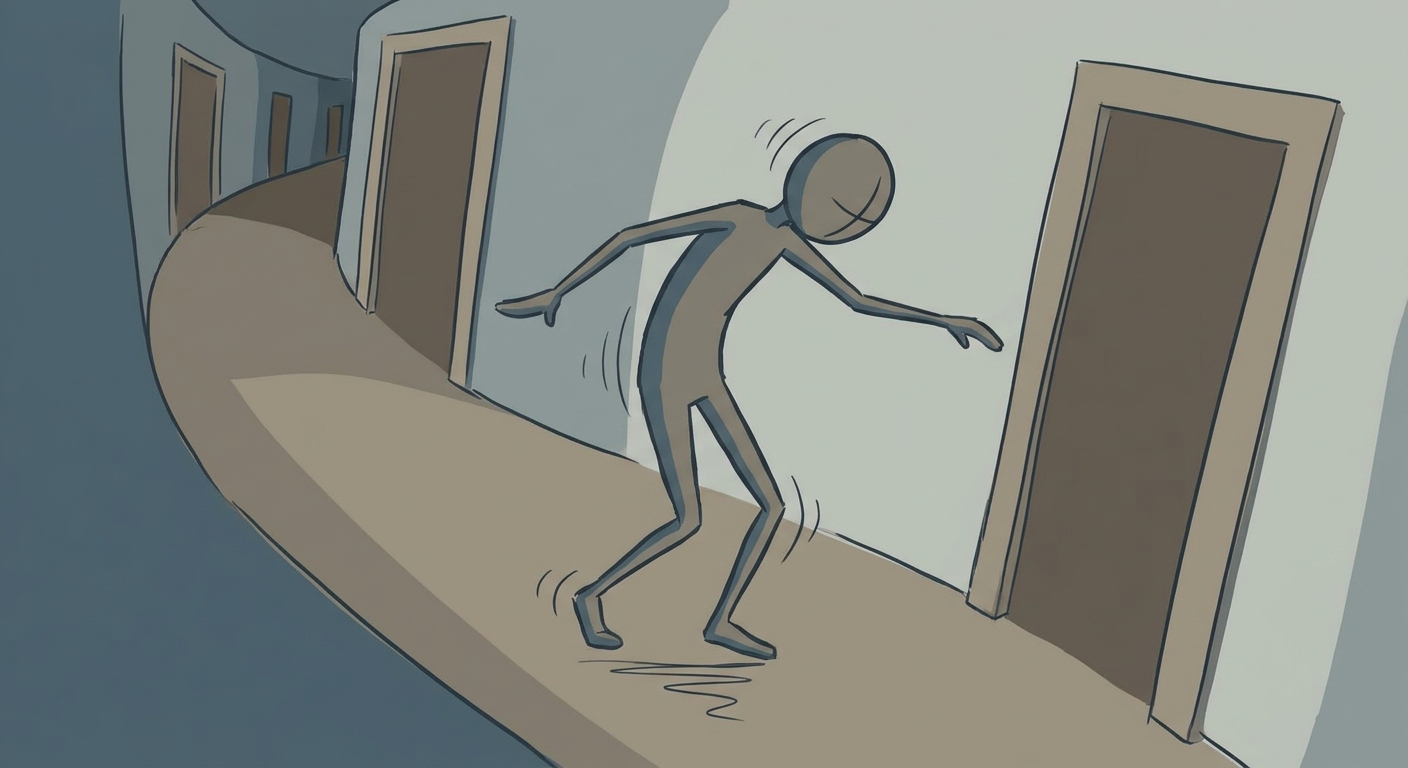
Hearing impairment mental health effects usually arise through everyday strain rather than a single biological switch. Communication difficulty often leads to frustration, embarrassment, or simply avoiding conversations. Over time that can produce social isolation and loneliness. Listening effort itself is tiring; people may feel more stressed and less confident in work, family, or group settings. Loss of social, occupational, or daily functioning then feeds back into mood (Hearing Loss Association of America).
These pathways are interconnected. A person might leave a meeting exhausted from piecing together words, then skip the next gathering, which slowly chips away at confidence. Treating hearing can sometimes restore engagement and ease that cycle, yet results vary from person to person. Understanding your own hearing profile is a useful first step; an audiogram basics guide (https://sleepandsinuscenters.com/blog/audiogram-basics-explained-a-patients-guide-to-hearing-tests) explains what a hearing test actually measures and how results guide next choices.
Identifying these pathways helps in breaking the cycle of isolation and low mood.

Signs and Symptoms to Watch For
Depression and hearing loss can look similar on the surface, so it helps to notice patterns. Common experiences include:
• Feeling sad, hopeless, or uninterested in activities you used to enjoy.
• Withdrawing from family, friends, or hobbies because it is hard to hear.
• Fatigue, irritability, or trouble concentrating—sometimes from the extra work of listening.
• Changes in sleep or appetite.
These signs do not automatically mean clinical depression, but they are worth discussing with a clinician. Someone might say, “I used to love game nights, but now I just feel tired and left out.”
When hearing-related frustration becomes depression
If low mood lasts for weeks, isolation increases, or daily functioning declines, screening is appropriate. Persistent symptoms plus communication struggles are a signal to look at both hearing and mental health together rather than treating them separately. Early conversation with a provider can prevent the cycle from deepening.
Discussing these signs with a professional is a positive first step.

Who Is Most at Risk?
People with more severe or untreated hearing loss tend to show higher rates of depression. Older adults have the strongest statistical association. Those already facing isolation, other medical conditions, or high communication demands at work or home also appear more vulnerable. Hearing loss depression risk is not limited to later life; younger and middle-aged adults still show elevated odds, even if the numbers are smaller (Wei et al., 2024).
Hearing loss at different life stages
In younger or working-age adults the impact may show up as workplace strain or reduced social energy—missing a key instruction in a meeting, then replaying the embarrassment later. In later years it may appear as gradual withdrawal. Regardless of age, early recognition of both hearing changes and mood shifts supports better overall quality of life.
Awareness at any age supports proactive health management.

Can Hearing Aids or Cochlear Implants Help Depression?
Evidence on rehabilitation and mood is mixed, so expectations should stay realistic. A small four-week hearing-aid study reported reduced depression scores, while a larger longitudinal study of older adults found no statistically significant link between self-reported hearing-aid use and new depressive symptoms (Powell et al., 2022). A Korean cohort observed the lowest depression risk among cochlear-implant recipients, followed by hearing-aid users, though residual confounding remains possible.
The practical takeaway is that hearing rehabilitation may improve quality of life and mood for some people, but it does not prove prevention of depression. Combining devices with mental-health support offers the most balanced approach. One clinician noted that “devices can open the door, but support walking through it often matters just as much.”
What to expect from a hearing evaluation
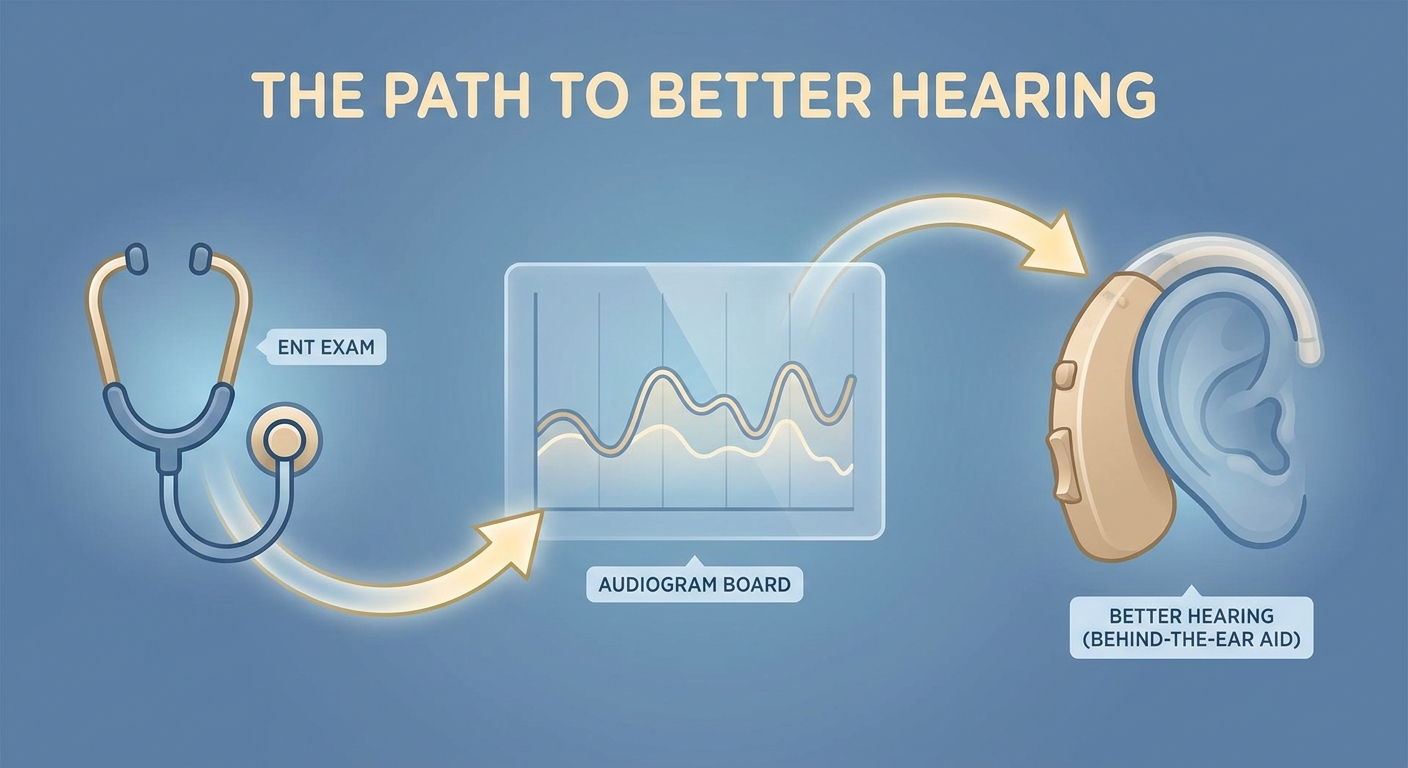
A typical visit includes history, examination, and an audiogram that maps how well you hear different pitches and volumes. Results help decide whether devices, communication strategies, or further testing are useful. The same audiogram basics article (https://sleepandsinuscenters.com/blog/audiogram-basics-explained-a-patients-guide-to-hearing-tests) walks through the test in plain language so you know what to expect.
A thorough evaluation provides a clear path forward for treatment options.

Getting Help: Screening, Communication, and Treatment
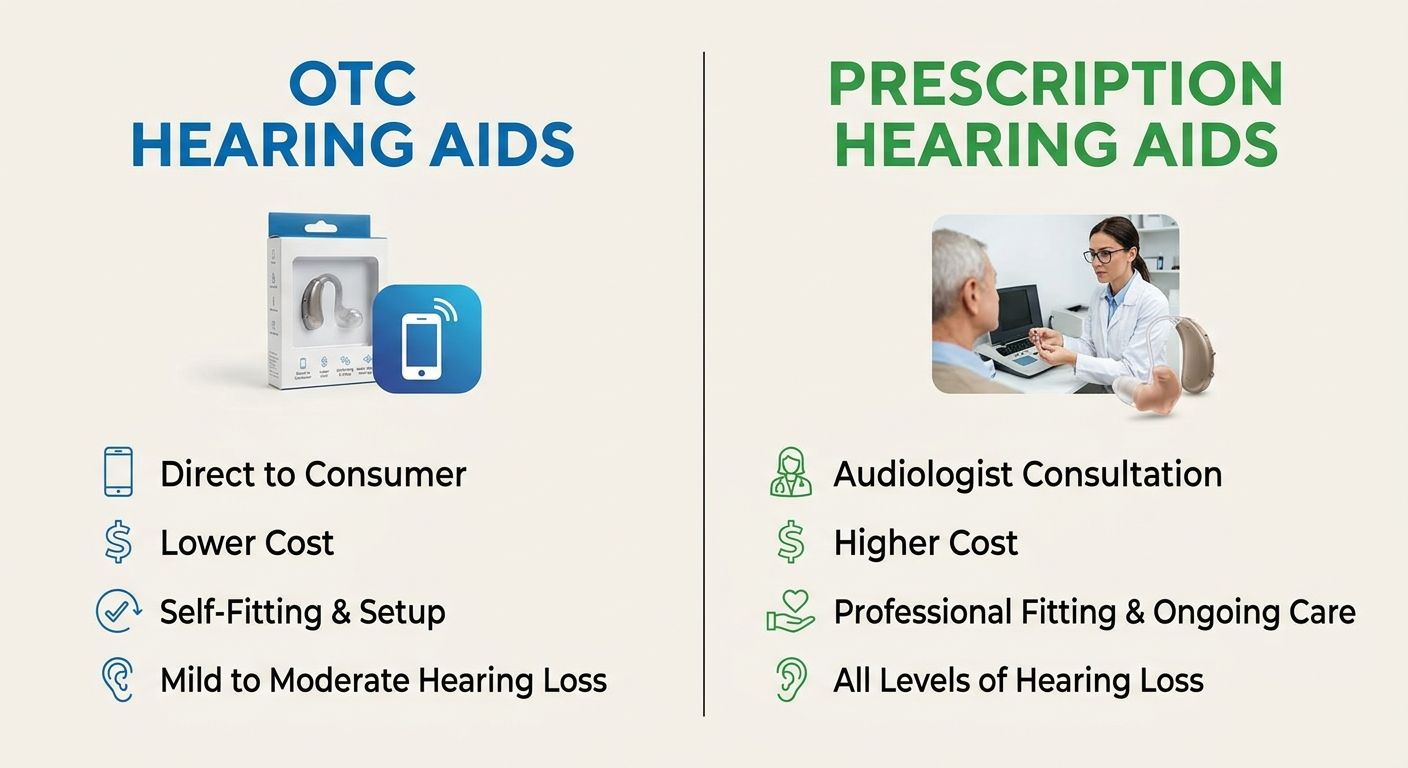
The most effective path addresses hearing and mood together. Simple communication habits—face-to-face conversation, good lighting, written notes, or captioning—reduce daily strain. Mental-health screening or referral is a standard part of thorough clinical care when mood changes appear. Treatment options often include hearing devices plus counseling, support groups, or professional mental-health care as needed.
Talking to your ENT or doctor
Bring specific examples: situations where you miss conversation, how often you feel left out, and any lasting changes in mood or energy. These details help the clinician connect hearing findings with mental-health needs. Scheduling is straightforward at Sleep and Sinus Centers of Georgia appointments (https://sleepandsinuscenters.com/appointments). Consider booking an appointment so both hearing and mood can be discussed in one visit.
Open communication with your doctor ensures comprehensive care.
Lifestyle Tips to Support Mental Health While Managing Hearing Loss
Small, consistent adjustments can lessen isolation while you pursue professional care:
• Stay connected in easier settings—smaller groups, quieter rooms, or video calls with captions.
• Use communication strategies such as asking for a repeat-back or reducing background noise.
• Protect remaining hearing by keeping volumes moderate and using hearing protection in loud environments.
• Prioritize sleep, movement, and simple stress-reduction habits; they support overall well-being.
• Explore resources from the Hearing Loss Association of America, which address the emotional side of hearing changes.
Simple daily adjustments that reduce isolation
Choosing a seat that lets you see faces, confirming important details in writing, or scheduling shorter social visits can all lower listening effort. These steps do not replace medical care, yet they often make the period of evaluation and treatment feel more manageable. Think of them as temporary bridges while you get professional support.
These adjustments complement professional treatment and foster connection.
Frequently Asked Questions
Does hearing loss cause depression?
The association is strong and hearing loss depression risk is well documented, but multiple pathways (communication, isolation, stress) are involved. Observational studies do not prove hearing loss is the sole cause.
Will a hearing aid fix my mood?
It may help some people by restoring engagement, yet evidence is mixed and devices are not a guaranteed prevention or cure. Combining hearing care with mental-health support is the more complete approach.
Should I get screened for both?
Yes. An ENT or hearing evaluation plus mental-health screening lets clinicians see the full picture of depression and hearing loss.
Is this more common as I get older?
The statistical association is strongest after age 60, although elevated risk appears in younger and middle-aged adults as well (Wei et al., 2024).
When should I see a specialist?
Difficulty following conversations, growing withdrawal, or persistent low mood lasting weeks are reasonable times to seek evaluation.
Conclusion
Hearing impairment and depression often travel together through isolation and communication strain rather than through a simple one-way cause. Evidence supports addressing both sides: hearing evaluation and rehabilitation when appropriate, plus mood screening and support. Many people find that practical communication strategies and timely care restore confidence and connection.
A helpful next step is to schedule a hearing evaluation and mention any mood changes to your provider. You can start with appointments (https://sleepandsinuscenters.com/appointments) at Sleep and Sinus Centers of Georgia, explore comprehensive otolaryngology care (https://sleepandsinuscenters.com/comprehensive-otolaryngology-care), or learn more about testing in the audiogram basics guide (https://sleepandsinuscenters.com/blog/audiogram-basics-explained-a-patients-guide-to-hearing-tests). Book an appointment today to discuss both hearing and mental well-being.
This article is educational and is not a substitute for personalized medical or mental-health advice. Individual circumstances vary, so discussion with a qualified clinician remains essential.
This article is for educational purposes only and is not medical advice. Please consult a qualified healthcare provider for diagnosis and treatment.
Don’t let allergies slow you down. Schedule a comprehensive ENT and allergy evaluation at Sleep and Sinus Centers of Georgia. We’re here to find your triggers and guide you toward lasting relief.