Daytime Sleepiness After 8 Hours of Sleep: Is Sleep Apnea the Cause?
Why you can feel exhausted after a “full night” of sleep
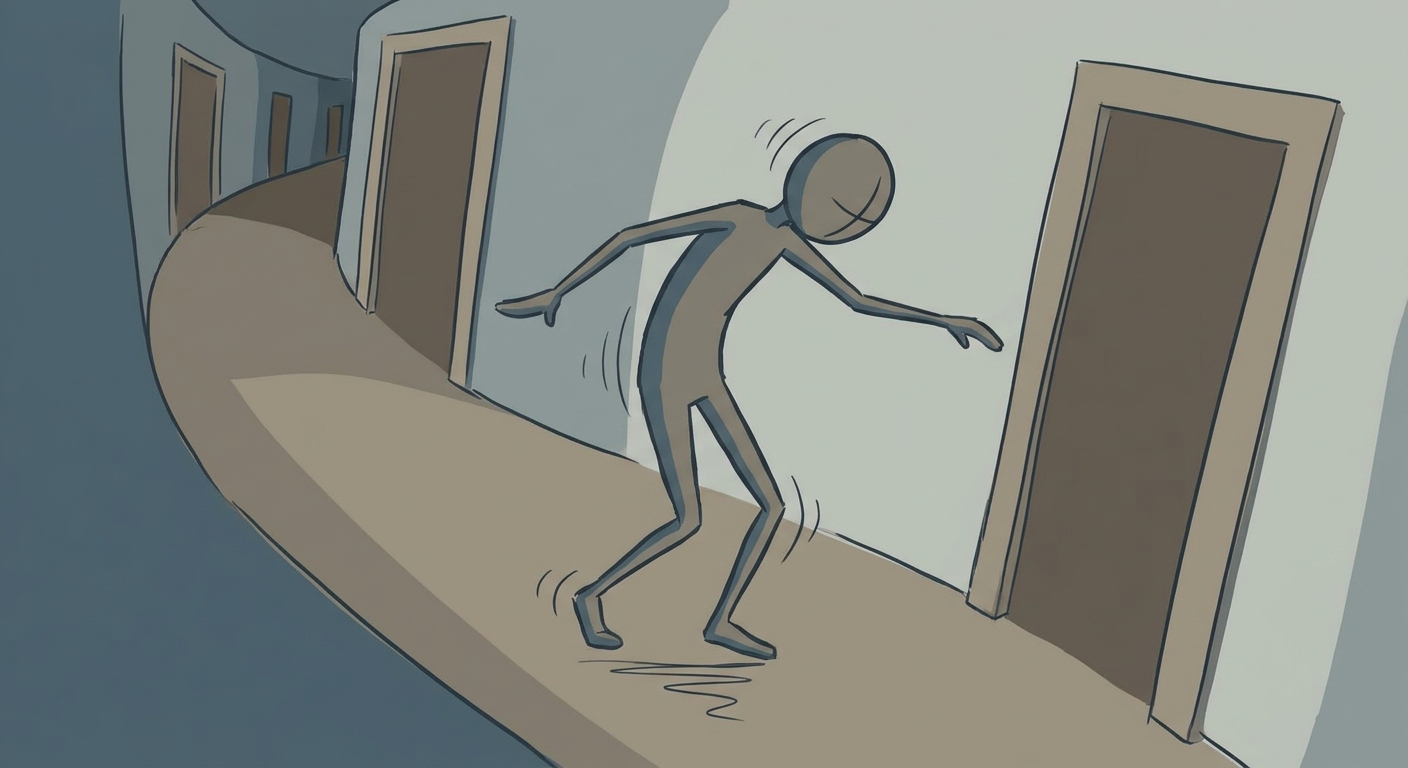
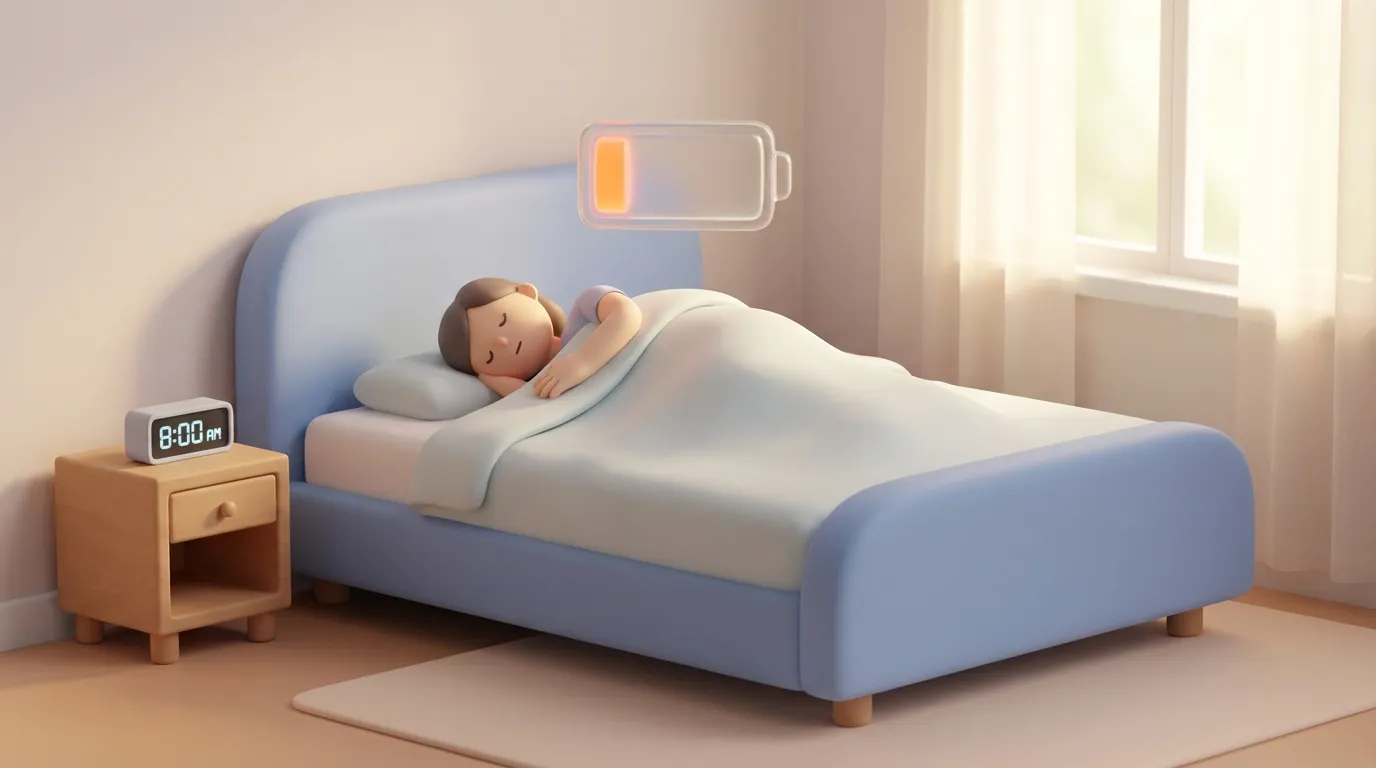
The common misconception: “If I slept 8 hours, I should feel rested.” Many people assume that 7–9 hours in bed automatically equals good sleep. So when daytime sleepiness after 8 hours of sleep shows up, it can feel confusing—or even alarming.
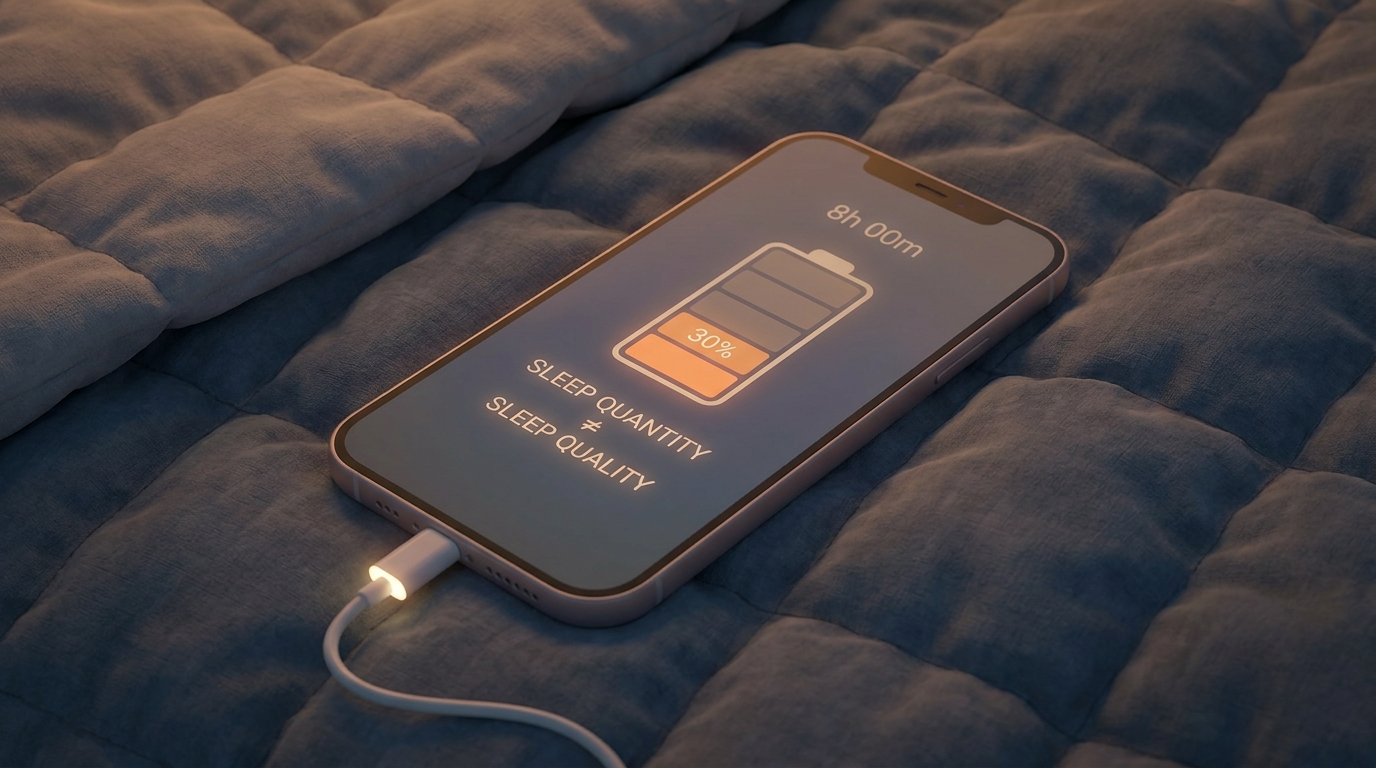
A helpful analogy: time in bed is like time your phone spends plugged in. If the connection keeps cutting out, you might still wake up with a low battery even though you were charging all night.
The key idea: sleep quantity ≠ sleep quality. Your body needs enough restorative sleep, not just enough time asleep. If sleep is repeatedly disrupted (even briefly), you may still wake up unrefreshed, foggy, or drained.
- Hit snooze multiple times
- Need coffee just to feel human
- Feel spacey in meetings
- Crave a nap that doesn’t really fix it
That pattern often points to fragmented sleep, not laziness or poor motivation.
When daytime sleepiness becomes a red flag (safety + health implications)
Persistent sleepiness isn’t just inconvenient. It can increase the risk of drowsy driving and workplace errors, and it may be a clue that something is interfering with your breathing or sleep architecture overnight—especially obstructive sleep apnea (OSA).
If you’ve ever caught yourself drifting at a red light or missing parts of a conversation because you’re fighting sleep, treat that as meaningful data—not something you should have to push through.
Conclusion: Even with eight hours in bed, fragmented or low-quality sleep can leave you running on empty the next day.
What “Excessive Daytime Sleepiness (EDS)” really means
Normal afternoon dip vs. persistent sleepiness
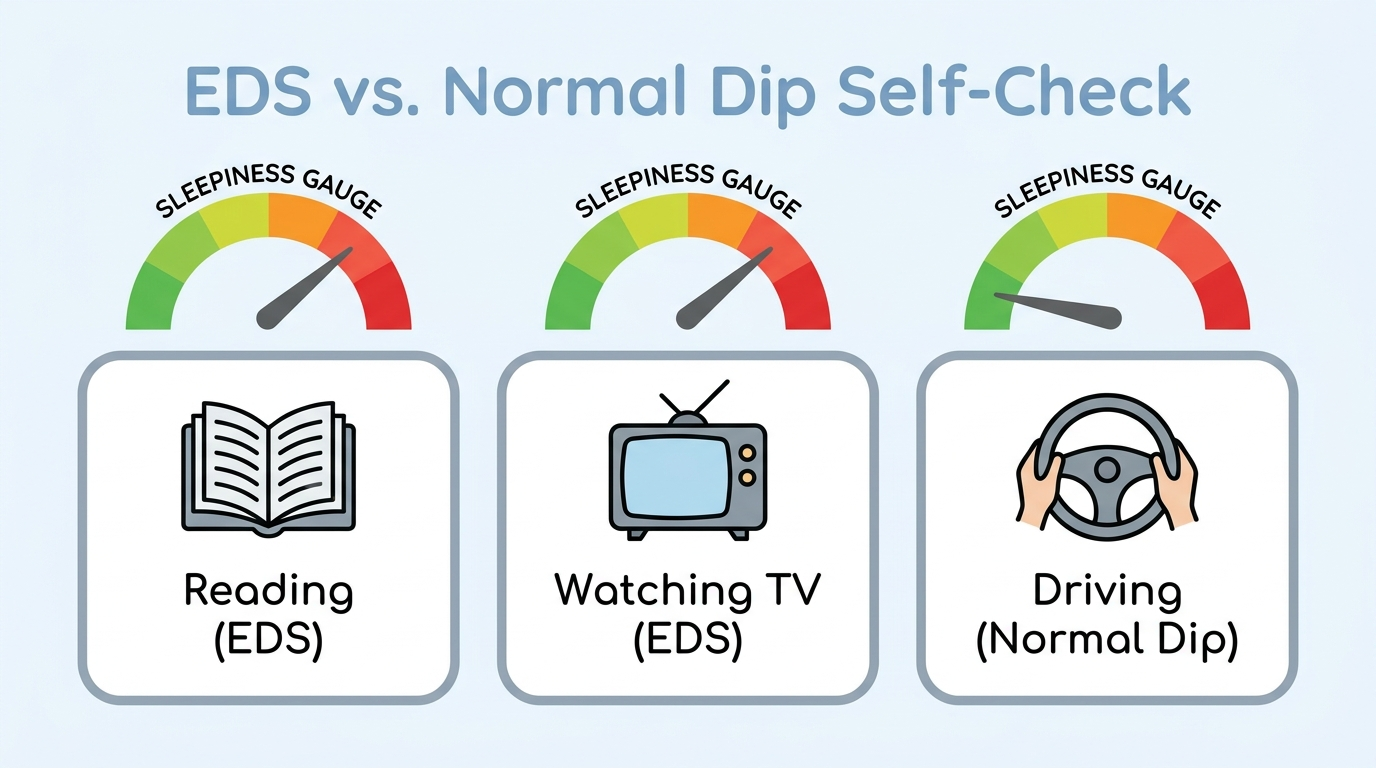
A mild mid-afternoon dip is common. Excessive Daytime Sleepiness (EDS), on the other hand, is more persistent and disruptive—often showing up in situations where you should be able to stay awake.
- Normal dip: you feel a bit sluggish, but you can still function.
- EDS: you’re battling sleep, repeatedly, in low-stimulation settings—or worse, in high-stakes moments (like driving).
Signs your sleepiness is clinically significant
- Dozing off while reading or watching TV
- Feeling dangerously sleepy while driving
- Needing naps that don’t feel refreshing
If daytime sleepiness after 8 hours of sleep keeps happening, it’s worth looking beyond “maybe I just need more rest.” If you’re regularly sleeping a full night and still struggling to stay awake, it’s reasonable to screen for causes—especially breathing-related sleep disruption.
Quick self-check tools (Epworth Sleepiness Scale overview)
The Epworth Sleepiness Scale asks how likely you are to doze off in everyday situations. It doesn’t diagnose a condition, but it can help you decide whether to start a conversation with a clinician.
Try a simple screening: https://sleepandsinuscenters.com/test-your-sleepiness
More context: https://sleepandsinuscenters.com/blog/epworth-sleepiness-scale-a-complete-guide-to-understanding-daytime-sleepiness
Conclusion: If you’re fighting sleep in everyday situations, a quick self-check can help you decide whether to talk with a clinician.
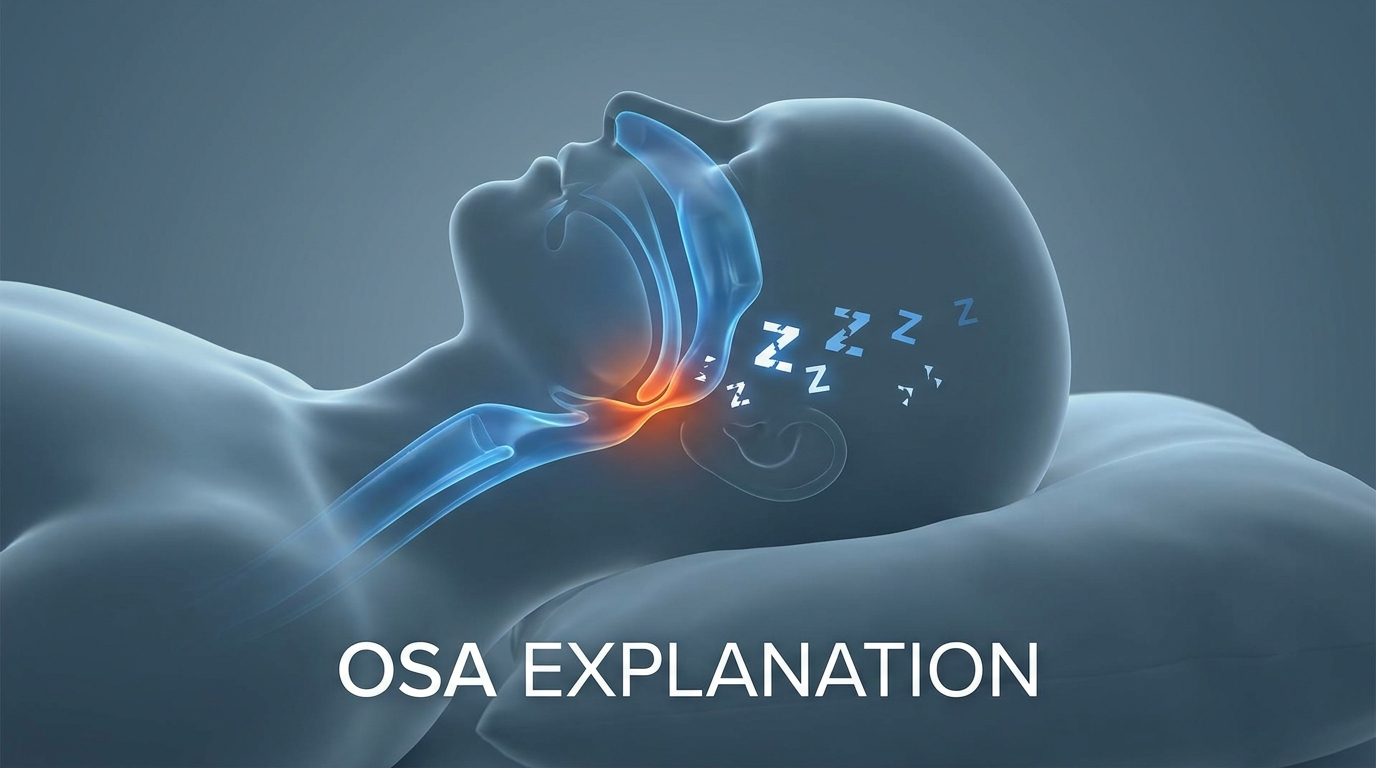
How obstructive sleep apnea can cause daytime sleepiness even after 8 hours
What OSA is (airway collapse → breathing pauses)
Obstructive sleep apnea occurs when the upper airway partially or fully collapses during sleep, causing breathing to repeatedly slow or stop. These events can happen many times per hour and are often associated with snoring, gasping, or choking sensations—though not everyone notices them. (Mayo Clinic, 2025; Cleveland Clinic, 2025)
A common scenario: a partner reports loud snoring and pauses, while the sleeper says, “I had no idea—I thought I slept straight through.”
The real reason you’re tired: repeated micro-awakenings
With OSA, the brain briefly arouses, repeatedly, just enough to reopen the airway. These micro-awakenings may be so brief you don’t remember them—but they can fragment sleep, reduce deep sleep, and disrupt REM continuity. (Mayo Clinic, 2025; Cleveland Clinic, 2025)
It’s like trying to watch a movie that pauses for a second every few minutes. You might not recall every interruption, but you won’t feel like you got the full experience.
Oxygen drops + stress response at night
During apnea events, oxygen levels may drop in some cases, and the body can release stress hormones as it works to resume breathing. Over time, this can leave you feeling both tired and oddly keyed up—especially in the morning. (Cleveland Clinic, 2025)
Some people describe waking with a racing mind, tight shoulders, a headache, or a hungover feeling (even without alcohol).
Why OSA-related EDS can persist even with adequate time-in-bed
Research reviews describe EDS as a common, meaningful symptom in OSA that can persist due to sleep fragmentation, physiologic stress, and other factors. (NCBI/PMC: http://pmc.ncbi.nlm.nih.gov/articles/PMC6140019)
Conclusion: When breathing repeatedly disrupts sleep, eight hours can still add up to a tired brain and body.
Symptoms that make sleep apnea more likely (beyond just snoring)
Nighttime symptoms
- Loud, chronic snoring (not always present)
- Witnessed breathing pauses, gasping, or choking awakenings (Mayo Clinic, 2025)
- Restless sleep
- Frequent bathroom trips
- Reflux symptoms that disturb sleep
Morning symptoms
- Morning headaches
- Dry mouth or sore throat
- “I slept, but I feel unrefreshed”
Daytime symptoms
- Fatigue, brain fog, poor concentration
- Irritability or mood changes
Snoring vs. sleep apnea
Snoring can occur without apnea, and apnea can occur without dramatic snoring. But severe, persistent sleepiness is less likely to be explained by simple snoring alone—other causes should be considered. Patient-focused overview: https://sleepandsinuscenters.com/snoring-sleep-apnea-treatment
Conclusion: If snoring comes with daytime sleepiness, witnessed pauses, or unrefreshing sleep, screening for OSA is reasonable.
If it’s not sleep apnea, what else can cause daytime sleepiness after 8 hours?
Sleep apnea is common, but it isn’t the only possibility. Other contributors include:
Poor sleep quality drivers
- Insomnia (trouble falling or staying asleep)
- Stress or an inconsistent sleep schedule
- Late-night screens/blue light
- Alcohol, which can fragment sleep and may worsen snoring/OSA patterns
Focused read: https://sleepandsinuscenters.com/blog/alcohol-and-sleep-apnea-what-aos-the-risk
Breathing/nasal obstruction that disrupts sleep
Chronic congestion, allergies, or a deviated septum can make sleep less comfortable and may worsen snoring or breathing resistance at night. Nasal obstruction can also impact tolerance for treatments like CPAP.
Example: someone may wear CPAP but mouth-breathe all night because their nose is blocked—leading to leaks, awakenings, and ongoing fatigue. Related reading: https://sleepandsinuscenters.com/blog/blocked-nose-during-cpap-ent-strategies
Medical/medication factors
Sleepiness can be related to depression/anxiety, thyroid disorders, anemia, or side effects from sedating medications. Broader health history matters.
Other sleep disorders (when appropriate)
Restless legs syndrome, narcolepsy, and other hypersomnia disorders are less common but may be considered depending on symptoms and testing results.
Conclusion: If sleepiness persists, look at the whole picture—breathing, habits, medical factors, and other sleep disorders.

Why EDS in sleep apnea matters (not just “feeling tired”)
Safety risks (especially drowsy driving/workplace errors)
Sleepiness can reduce reaction time and judgment. If you’ve ever felt close to nodding off at the wheel, that’s a meaningful safety signal—not something to push through.
A practical rule: if you’re struggling to keep your eyes open, you’re already past the point where quick fixes (cold air, loud music) reliably protect you.
Mental health connection: EDS + OSA and higher depression/anxiety risk
In research summaries, people with OSA who also report EDS show higher rates of mood impacts than those without EDS. One review found higher rates of depression and anxiety among those with EDS. The exact increase varies across studies and measures. (NCBI/PMC: http://pmc.ncbi.nlm.nih.gov/articles/PMC6140019)
This doesn’t prove that EDS causes mood symptoms—but it reinforces why persistent sleepiness deserves evaluation.
Conclusion: Treat persistent sleepiness as a safety and health issue—not a character flaw.
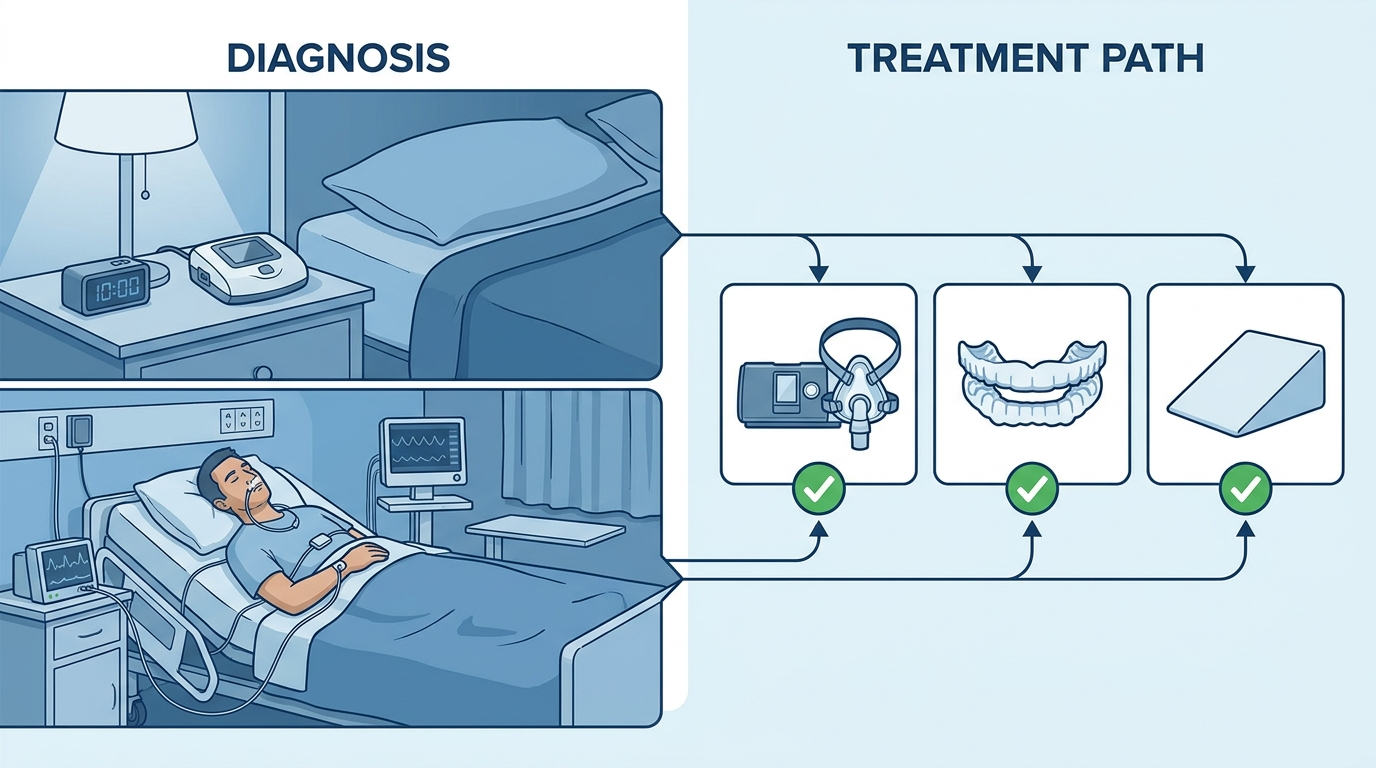
What to do next — how sleep apnea is diagnosed
Start with symptom history (patient + bed partner observations)
Because many apnea events happen without your awareness, information from a bed partner (snoring, pauses, gasping) can be helpful—along with your own symptoms like unrefreshing sleep and morning headaches.
If you sleep alone, bring clues like dry mouth, frequent nighttime urination, or consistent morning fatigue.
Screening questionnaires (Epworth and others)
Screeners can help quantify how significant sleepiness is and whether sleep testing is a reasonable next step. Try the Epworth-style tool: https://sleepandsinuscenters.com/test-your-sleepiness
Sleep testing options: HSAT vs. in-lab polysomnography
- Home Sleep Apnea Test (HSAT): Often used when OSA is strongly suspected and there aren’t complicating medical factors.
- In-lab sleep study (polysomnography): More comprehensive; preferred when symptoms are complex or other sleep disorders are a concern.
Comparison: https://sleepandsinuscenters.com/blog/home-sleep-test-vs-lab-study-which-sleep-test-is-best-for-you
Understanding results (AHI basics and severity levels)
A key metric is the AHI (apnea-hypopnea index), which estimates breathing events per hour and helps categorize severity. Learn more: https://sleepandsinuscenters.com/blog/ahi-score-explained-understanding-your-sleep-apnea-severity
Conclusion: A brief screening and the right sleep test can turn guesswork into a clear plan.
Treatment options that can reduce daytime sleepiness in OSA
First-line: treating the airway problem
- CPAP/APAP (auto-adjusting positive airway pressure): Often the most effective first-line therapy to keep the airway open. (Mayo Clinic, 2025; Cleveland Clinic, 2025)
- Oral appliance therapy: For selected patients, often with mild–moderate OSA or CPAP intolerance
- Positional therapy: For position-dependent OSA (worse on the back)
Weight management and cardiometabolic support (when relevant)
When weight contributes, changes that improve cardiometabolic health may also improve OSA severity for some people.
ENT-focused options (when anatomy contributes)
If nasal blockage is a major issue, evaluation and targeted treatment may improve airflow and make CPAP more tolerable. Related reading: https://sleepandsinuscenters.com/blog/blocked-nose-during-cpap-ent-strategies
When EDS continues even after OSA treatment (“residual sleepiness”)
Some people still feel sleepy even when treating OSA. Clinicians often re-check OSA control and therapy consistency, and consider other sleep or medical contributors.
Common experience: “My numbers look better, but I still feel like I’m dragging.” That’s a valid reason to follow up rather than self-blame.
Medication option specifically for EDS in OSA: Sunosi (solriamfetol)
For adults with EDS associated with OSA, Sunosi is FDA-approved to improve wakefulness. It does not treat the airway obstruction itself and is not a substitute for primary OSA therapy. More info: https://www.sunosi.com/excessive-daytime-sleepiness-osa
Conclusion: Treat the airway first, optimize therapy, and address any residual sleepiness with your clinician.
Lifestyle tips to feel more alert while you’re getting evaluated (or starting treatment)
Sleep hygiene basics that actually help
- Keep a consistent sleep/wake schedule
- Build a wind-down routine
- Keep the bedroom dark, cool, and quiet
Caffeine strategy (timing and limits)
Caffeine can help, but later-in-the-day use may delay sleep or reduce sleep depth. If you’re stuck in the “tired → caffeine → lighter sleep → more tired” loop, tighten timing.
Alcohol and sedatives
Alcohol can relax airway muscles and fragment sleep—making next-day sleepiness more likely. More: https://sleepandsinuscenters.com/blog/alcohol-and-sleep-apnea-what-aos-the-risk
Drowsy driving precautions (non-negotiable safety section)
If you’re feeling dangerously sleepy, avoid driving when possible, take breaks, and don’t rely on opening windows or turning up music as a substitute for real alertness.
Conclusion: Small habit changes can help—but they’re not a replacement for evaluating and treating the root cause.
FAQs
Can I have sleep apnea if I don’t snore?
Yes. Snoring is common in OSA, but it isn’t required for diagnosis. Breathing pauses and sleep fragmentation can occur without obvious snoring. (Mayo Clinic, 2025; Cleveland Clinic, 2025)
Why do I wake up tired even after 8–9 hours?
Often, sleep is fragmented—by breathing interruptions (like OSA), insomnia, alcohol, stress, or other health factors—so it isn’t as restorative as it should be.
Is it normal to need a nap every day?
Some people enjoy a short planned nap, but needing naps to function—or naps that don’t refresh you—can be a sign of EDS and may warrant screening.
Will CPAP stop my daytime sleepiness right away?
Some notice improvement quickly; others improve more gradually depending on consistency of use, OSA severity, and other sleep disruptors. (Mayo Clinic, 2025; Cleveland Clinic, 2025)
What if I’m using CPAP and I’m still sleepy?
Persistent sleepiness can happen for multiple reasons, including mask comfort issues, untreated nasal blockage, insufficient sleep time, or other sleep disorders. Reassessment is often the next step. Comfort ideas: https://sleepandsinuscenters.com/blog/blocked-nose-during-cpap-ent-strategies
Is Sunosi a replacement for CPAP?
No. Sunosi can help improve wakefulness in adults with EDS associated with OSA, but it does not treat the airway obstruction that causes OSA and is not a substitute for primary OSA therapy. (Sunosi; Mayo Clinic, 2025)
When to seek medical help (clear next-step CTA)
Seek evaluation soon if you have:
- Loud snoring plus witnessed breathing pauses
- Choking/gasping awakenings
- Daytime sleepiness after 8 hours of sleep that keeps happening or interferes with daily life
A reasonable first step is completing a sleepiness screening (like the Epworth-style tool) and discussing symptoms and next steps with a qualified clinician.
Book an appointment with Sleep & Sinus Centers: https://www.sleepandsinuscenters.com/
Seek emergency care if:
- You’ve had drowsy driving episodes or near-misses
- You have chest pain, severe shortness of breath, or other alarming symptoms
Medical disclaimer: This article is for educational purposes only and isn’t a substitute for personalized medical advice, diagnosis, or treatment.
Conclusion: If sleepiness is affecting your safety or quality of life, take the next step—screen, test, and treat.
Sources
- Mayo Clinic (2025): https://www.mayoclinic.org/diseases-conditions/sleep-apnea/symptoms-causes/syc-20377631
- Cleveland Clinic (2025): https://my.clevelandclinic.org/health/diseases/8718-sleep-apnea
- NCBI/PMC review on EDS & OSA: http://pmc.ncbi.nlm.nih.gov/articles/PMC6140019
- American Academy of Sleep Medicine (AASM) – Patient resources: https://sleepeducation.org/sleep-disorders/obstructive-sleep-apnea/
- Sunosi (solriamfetol): https://www.sunosi.com/excessive-daytime-sleepiness-osa
This article is for educational purposes only and is not medical advice. Please consult a qualified healthcare provider for diagnosis and treatment.
Don’t let allergies slow you down. Schedule a comprehensive ENT and allergy evaluation at Sleep and Sinus Centers of Georgia. We’re here to find your triggers and guide you toward lasting relief.