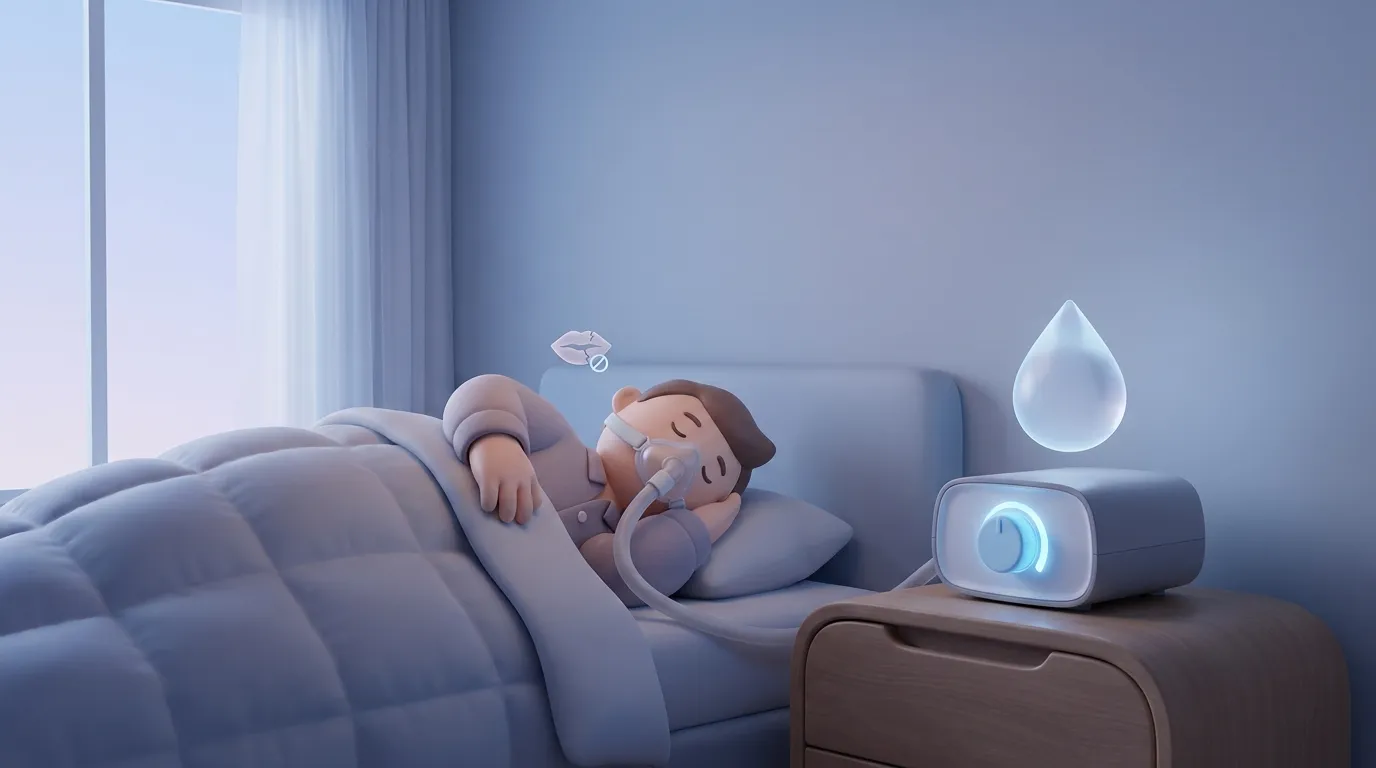
CPAP Dry Mouth: Causes, Fixes, and When to Call Your Doctor
If you recently started CPAP therapy and keep waking up with a “cotton mouth” feeling—dry tongue, sticky saliva, scratchy throat—you’re not alone. CPAP dry mouth is one of the most common comfort complaints, and in many cases it’s fixable with a few targeted adjustments.
Some studies and patient surveys suggest that dry mouth affects a substantial proportion of CPAP users, with estimates around 40% in some reports. It can be associated with discomfort, bad breath, and sometimes morning headaches or a general feeling of unwellness. The good news: when you identify the reason it’s happening (like mouth breathing, mask leak, or low humidity), you can often make CPAP feel more comfortable—which may help support more consistent use. (Sleep Foundation, 2025)
Below, you’ll learn what dry mouth with CPAP feels like, the top causes, step-by-step fixes, and the red flags that should prompt a call to your doctor or sleep specialist. (Sleep Foundation, 2025; ResMed, 2024; Mayo Clinic, 2024)
What Does CPAP-Related Dry Mouth Feel Like?
Common symptoms
- Waking up with a dry, sticky mouth or throat
- Feeling extra thirsty overnight or first thing in the morning
- Sore throat, hoarseness, or a “scratchy” throat
- Bad breath, metallic taste, or dry/cracked lips
- Gum irritation or mouth sores (sometimes a secondary effect when dryness persists)
- A “sandpaper tongue” feeling that improves after drinking water
For some people, it’s most noticeable in the first hour after waking. For others, it’s what repeatedly pulls them out of sleep—especially if they keep reaching for water on the nightstand.
Why you shouldn’t ignore it
Dry mouth can be more than just annoying. Discomfort can lead to more mask removal during the night, which can reduce the consistency and effectiveness of CPAP therapy. (Mayo Clinic, 2024) If you’ve ever woken up and found your mask off without remembering taking it off, dryness and air discomfort can be common reasons, though other factors may also play a role.
Ongoing dryness may also worsen morning symptoms like headache or fatigue for some people. (Sleep Foundation, 2025) Think of it like trying to sleep in a room with overly dry air: even if the temperature is fine, the dryness can make the whole night feel restless.
Summary: If dryness is waking you or lingering into the morning, it’s worth addressing early.
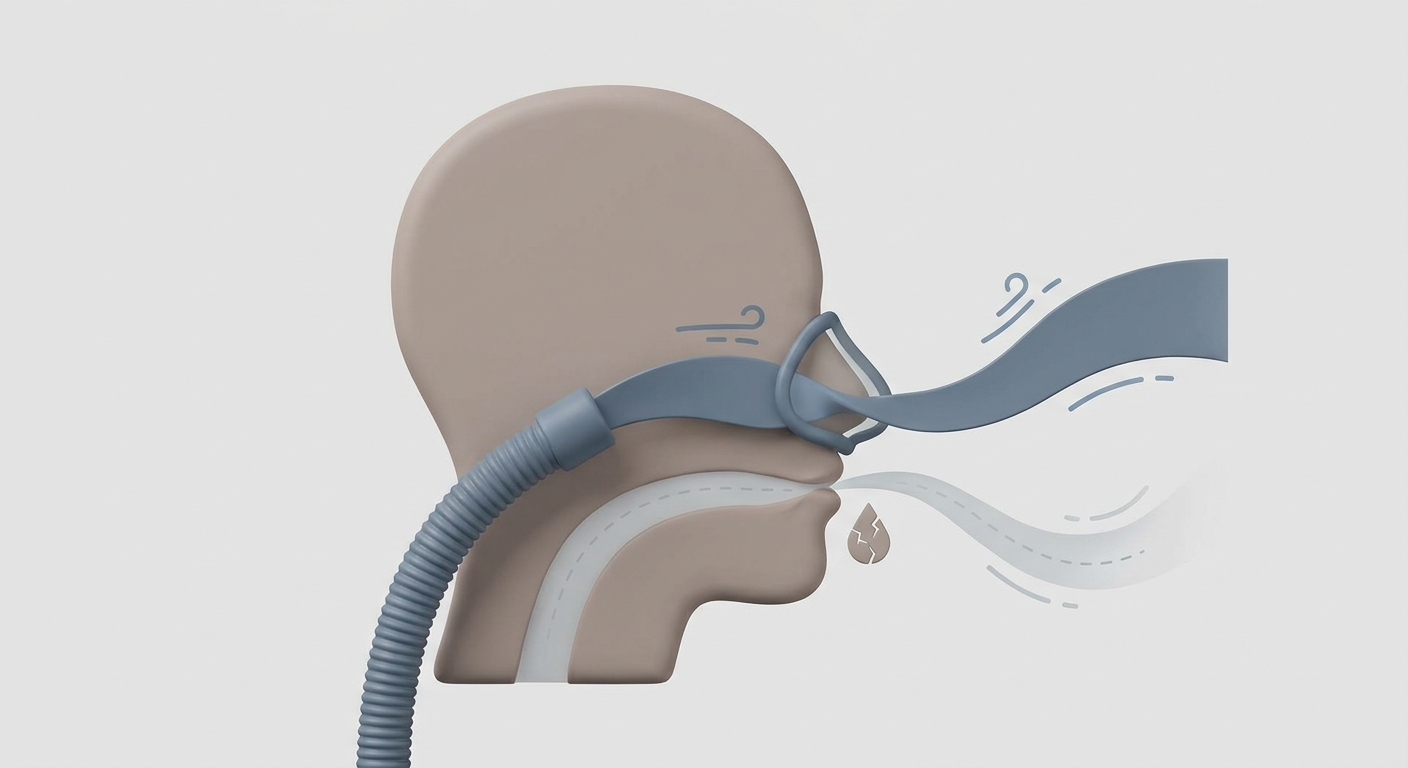
Why CPAP Can Cause Dry Mouth (The Main Mechanisms)
Airflow dries oral tissues
CPAP works by delivering a steady stream of pressurized air. That airflow can dry the oral mucosa, especially when air moves through the mouth rather than the nose. This is a major driver of dry mouth with CPAP, particularly in mouth breathers or people with leaks. (Sleep Foundation, 2025; ResMed, 2024)
A simple analogy: it’s similar to how your lips can get chapped faster in a windy environment. The air itself isn’t harmful, but constant airflow can pull moisture from sensitive surfaces.
Reduced saliva protection during sleep
Saliva naturally helps protect oral tissues, but saliva production tends to drop during sleep. That means any additional drying effect—like pressurized airflow—can feel stronger overnight and first thing in the morning. (Sleep Foundation, 2025)
This is one reason CPAP dry mouth can show up even in people who don’t notice dryness much during the day.
Summary: Understanding the pathway helps you target the right fix.
The Top Causes of CPAP Dry Mouth (And How to Tell Which One You Have)
Mouth breathing (most common)
Common clues:
- Waking with your mouth open
- Dry throat more than dry nose
- Drooling on the pillow (sometimes from mouth posture changes)
- Nasal stuffiness that forces mouth breathing
- A pattern where dryness is worse when you sleep on your back
Why it happens: nasal congestion, allergies, a deviated septum, habit, or sleep position can all make nose-breathing harder. (Mayo Clinic, 2024)
A common patient experience: “I fall asleep breathing through my nose, but at some point my jaw relaxes, my mouth opens, and I wake up parched.”
Mask leaks (including mouth/oral leak)
Common clues:
- Dry mouth plus noisy airflow
- Air blowing into your eyes
- Your CPAP machine/app reports high leak
- You notice the mask shifting when you change positions
- You wake up with the mask slightly out of place, even if straps feel tight
Leaks matter for comfort—and significant leaks can reduce how effectively the prescribed pressure is maintained. (ResMed, 2024; Mayo Clinic, 2024) If you suspect fit issues, this CPAP mask sizing guide can help: https://sleepandsinuscenters.com/blog/cpap-mask-sizing-guide-find-the-perfect-fit-for-comfortable-sleep
Insufficient humidification (or wrong settings)
Common clues:
- Dry mouth plus dry nose or nasal burning
- Waking frequently to sip water
- Symptoms worsen in winter or in a room with very dry air
- Water chamber runs low or empty overnight
- You feel better on nights when the room is more humid (for example, after rain)
Bedroom heating, low humidifier settings, or an empty water chamber can all contribute. (Sleep Foundation, 2025; ResMed, 2024)
Mask type mismatch
- If you use a nasal or nasal pillow mask but frequently mouth-breathe, dryness and mouth leak during CPAP use may increase.
- A full-face mask can help some mouth breathers, but fit and leak control still matter. (ResMed, 2024)
If you’re comparing options: https://sleepandsinuscenters.com/blog/full-face-vs-nasal-pillow-masks-which-cpap-mask-is-best-for-you
Summary: Match your clues to a cause so you can focus your next step where it matters most.
Step-by-Step Fixes for CPAP Dry Mouth (Most Effective First)

Step 1 — Optimize heated humidification
For many people, the fastest comfort improvement comes from dialing in humidity.
- Increase your humidifier setting gradually to find the most comfortable level.
- Consider a heated hose to help maintain moisture and reduce dryness (and sometimes reduce condensation issues). (ResMed, 2024; Sleep Foundation, 2025)
Practical checklist:
- Use distilled water if your device manufacturer recommends it.
- Refill the chamber nightly and check whether it’s running dry before morning.
- If you wake with a dry nose and dry mouth, consider that humidity may be too low—or leak may be too high for the humidity setting to keep up.
Deeper walkthrough: CPAP Humidifier Settings Guide for Optimal Therapy Comfort — https://sleepandsinuscenters.com/blog/cpap-humidifier-settings-guide-for-optimal-therapy-comfort
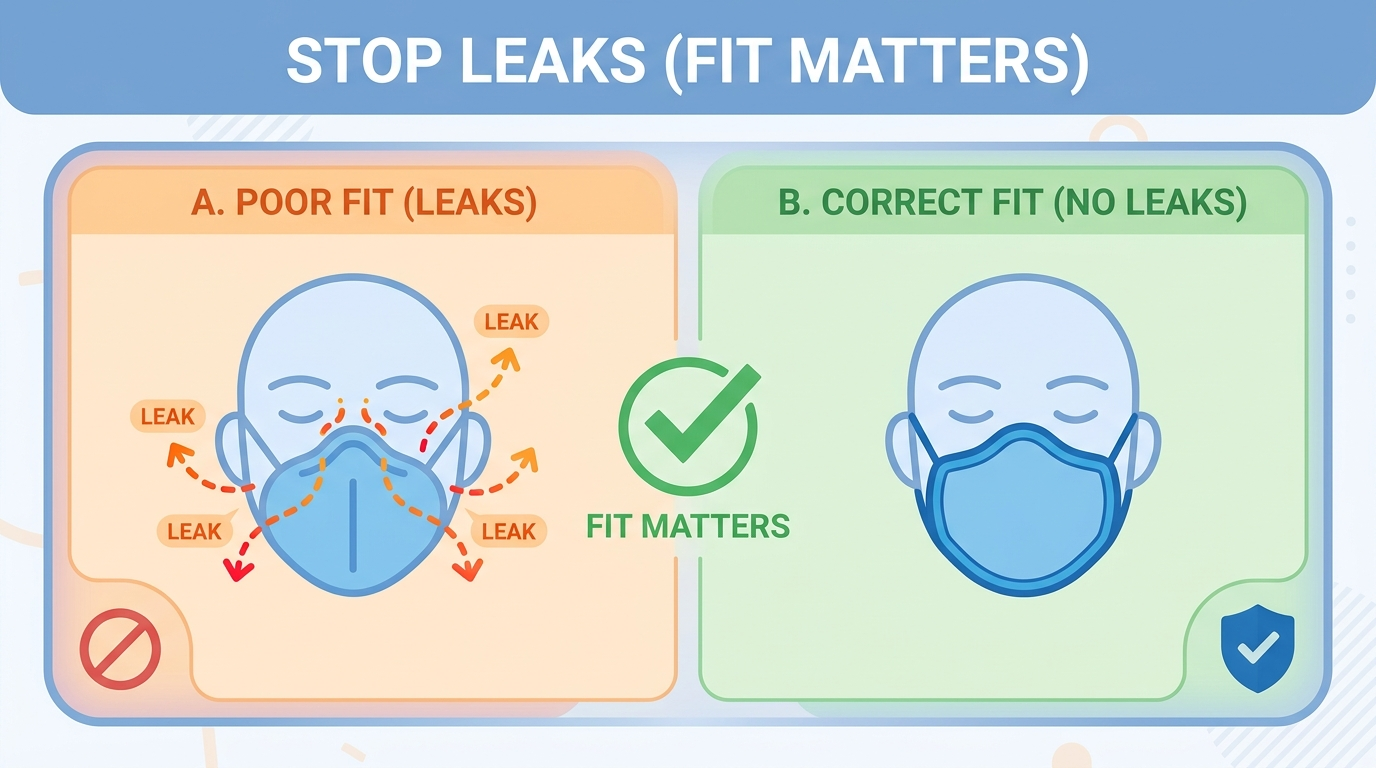
Step 2 — Stop leaks (mask fit + equipment check)
If dryness is being driven by leak, humidity changes alone may not fully fix it.
- Re-seat your mask while lying down in your usual sleep position.
- Check whether cushions or headgear look worn, stretched, or cracked—aging parts commonly leak more.
- Review leak data if your CPAP machine or app provides it. (ResMed, 2024)
- If you’re between sizes or your mask shifts when you roll over, ask about fit options—sometimes small adjustments make a big difference.
Structured approach: Effective CPAP Mouth Leak Fixes — https://sleepandsinuscenters.com/blog/effective-cpap-mouth-leak-fixes-top-solutions-for-better-therapy

Step 3 — Address mouth breathing (seal the mouth safely)
If mouth breathing is the main driver, strategies that support gentle mouth closure may reduce dryness.
- Chin strap: can support jaw position and reduce mouth opening.
- Mouth tape (only if appropriate): some people use it to help keep lips closed and reduce oral leak.
Important safety note: Mouth tape is not appropriate for everyone and should only be considered after discussing it with a clinician, especially if nasal breathing is not reliable. (Sleep Foundation, 2025)
Related read: Mouth Tape Risks — https://sleepandsinuscenters.com/blog/mouth-tape-risks-safer-alternatives-for-better-sleep
Step 4 — Treat nasal blockage so you can breathe through your nose
Because mouth breathing and congestion often travel together, improving nasal airflow can reduce dry mouth and improve CPAP comfort.
Common, patient-friendly options that may be discussed with a clinician include:
- Saline rinse or saline spray before bed (when appropriate)
- Allergy management when allergies are driving congestion
- If structural blockage is suspected (such as a deviated septum or inferior turbinate hypertrophy/enlarged turbinates), an ENT evaluation may be considered (Mayo Clinic, 2024)
If this sounds like you: https://sleepandsinuscenters.com/blog/blocked-nose-during-cpap-ent-strategies
Step 5 — Consider switching mask style (with guidance)
If you’ve optimized humidity and reduced leaks but still wake up dry, a mask change can be a turning point.
- Persistent mouth breathing may prompt a trial of a full-face mask.
- Leak issues may improve with a different cushion material, frame style, or size.
In general, better mask fit tends to improve comfort and long-term consistency—both important for therapy success. (Mayo Clinic, 2024; ResMed, 2024)
Summary: Tackle one change at a time and reassess over several nights to see what truly helps.
Lifestyle Tips to Reduce Dry Mouth While Using CPAP

Bedroom environment
- Keep room humidity at a comfortable level, especially during winter heating months.
- Avoid direct fan airflow blowing toward your face overnight.
- If you travel, expect a short adjustment period in very dry climates—humidity settings sometimes need a small tweak.
Evening habits that can worsen dryness
Some habits can increase dryness or contribute to mouth breathing:
- Alcohol close to bedtime (may worsen mouth breathing/snoring for some people)
- Caffeine late in the day (can feel drying for some)
- Smoking/vaping (airway irritation can worsen dryness)
Oral comfort strategies
- Hydrate earlier in the day (some people try to avoid large amounts right before bed if nighttime urination is a problem).
- Consider an alcohol-free mouth rinse designed for dry mouth—your dentist or clinician can help you choose an appropriate option.
- If you wear a dental appliance or nightguard, mention it to your clinician—fit, airflow, and mouth posture can interact in subtle ways.
Summary: Small environmental and habit tweaks can compound into noticeably better comfort.
When to Call Your Doctor (Or Your Sleep Specialist)
Call if dry mouth persists after troubleshooting
If you’ve tried the basics—adjusting CPAP humidifier settings, addressing leaks, and reducing mouth breathing—and symptoms continue, it’s reasonable to check in with your care team. (Sleep Foundation, 2025; Mayo Clinic, 2024)
Bringing specifics helps: what mask you’re using, your humidifier setting, whether your water chamber is empty in the morning, and whether your device reports high leak.
Call early if symptoms appear in the first 1–2 weeks of CPAP
Early comfort issues can increase the risk of inconsistent use. Your sleep team can often fine-tune settings or equipment to improve comfort while keeping therapy effective. (Sleep Foundation, 2025; Mayo Clinic, 2024)
This is especially important if you’re tempted to push through it but find yourself using CPAP less and less. Early fixes can prevent that slide.
Seek medical advice sooner if you have:
- Significant nasal obstruction that prevents nasal breathing
- Signs therapy may be less effective (still very sleepy, witnessed breathing pauses, waking up gasping)
- Dental/gum issues, oral pain, or recurring mouth sores (possible complications of persistent dryness)
For more on ENT-focused solutions: https://sleepandsinuscenters.com/blog/is-cpap-making-dry-mouth-worse-ent-solutions
Medical disclaimer: This article is for general education and is not a substitute for personalized medical advice. If symptoms are severe, worsening, or interfering with CPAP use, contact your clinician.
Summary: If in doubt, a quick check-in with your care team can prevent weeks of frustration.
FAQs
"Is dry mouth from CPAP normal?" Yes—CPAP dry mouth is common, especially early on. The most frequent contributors are mouth breathing, leaks, or low humidification. (Sleep Foundation, 2025; ResMed, 2024)
"Does CPAP dry mouth mean my CPAP isn’t working?" Not necessarily. However, significant leaks can reduce how effectively the prescribed pressure is maintained. (ResMed, 2024; Mayo Clinic, 2024)
"Will a full-face mask stop dry mouth?" It can help when mouth breathing is the main issue, but fit and humidification still matter. (ResMed, 2024)
"Should I use mouth tape with CPAP?" Some people find it reduces oral leak, but it isn’t appropriate for everyone—particularly if nasal breathing is limited. It should only be considered after discussing it with a clinician. (Sleep Foundation, 2025)
"What humidifier setting should I use?" There’s no one-size-fits-all setting. Many people do best by adjusting gradually for comfort and then reassessing leaks or condensation if humidity is increased. (ResMed, 2024)
Conclusion: Comfortable CPAP Is Sustainable CPAP
Dry mouth with CPAP is common—and usually fixable. In many cases, the biggest improvements come from (1) optimizing humidification, (2) reducing leaks, and (3) addressing mouth breathing and nasal blockage.
If symptoms aren’t improving or you’re early in therapy and feeling discouraged, reach out to your sleep specialist. Comfort matters, and small adjustments can make it much easier to use CPAP consistently over time. (Mayo Clinic, 2024)
Ready for personalized help? Book an appointment with the Sleep & Sinus Centers team: https://www.sleepandsinuscenters.com/
Sources
- Sleep Foundation. (2025). CPAP Dry Mouth. https://www.sleepfoundation.org/cpap/cpap-dry-mouth
- Mayo Clinic. (2024). CPAP therapy for sleep apnea. https://www.mayoclinic.org/diseases-conditions/obstructive-sleep-apnea/in-depth/cpap/art-20044164
- ResMed. (2024). Common CPAP complaint: Dry mouth. https://www.resmed.com/en-us/sleep-health/blog/common-cpap-complaint-dry-mouth/
- NIH/PMC. (2017). Background research on CPAP adherence and side effects. https://pmc.ncbi.nlm.nih.gov/articles/PMC5359345/
This article is for educational purposes only and is not medical advice. Please consult a qualified healthcare provider for diagnosis and treatment.
Don’t let allergies slow you down. Schedule a comprehensive ENT and allergy evaluation at Sleep and Sinus Centers of Georgia. We’re here to find your triggers and guide you toward lasting relief.