
Chemotherapy and Tinnitus: Understanding Ototoxic Medications and Hearing Loss
If you or a loved one is facing cancer treatment, new ringing in the ears or muffled hearing can feel alarming. These symptoms of chemotherapy tinnitus sometimes appear during or after therapy because certain drugs harm the inner ear. This is called ototoxicity—medications that damage the tiny sensory hair cells in the cochlea that help us hear and stay balanced.
Think of those hair cells as a forest of microscopic sensors, each tuned to a specific pitch, much like the strings of a piano. Platinum drugs can snap the highest, most fragile “strings” first, so the brain receives incomplete or noisy signals. Cisplatin carries the highest documented risk among ototoxic medications, and resulting hearing changes may be permanent. Early reporting and regular monitoring therefore matter (ASHA; Chattaraj et al. 2023; Kessler et al. 2024). This guide explains which chemotherapy drugs are most linked to tinnitus and hearing loss, the symptoms to notice, how audiologic monitoring works, and practical management approaches. You do not have to navigate these changes alone.

How Chemotherapy Causes Tinnitus and Hearing Loss
Damage to inner-ear sensory cells: Platinum-based drugs, especially cisplatin and carboplatin, can injure the hair cells inside the cochlea. Once damaged, these cells no longer send clear sound signals to the brain. The result is often high-frequency hearing loss, tinnitus (ringing, buzzing, or roaring), dizziness, or balance problems. Damage is usually bilateral (both ears) and sensorineural—originating in the inner ear or nerve rather than a simple blockage.
Some ototoxic effects can be temporary, like a reversible fog that lifts after treatment ends. Cisplatin-related changes, however, are frequently permanent because the inner ear cannot regenerate these cells the way skin or other tissues can (ASHA Ototoxic Medications; Chattaraj et al. 2023). That is why awareness and timely communication with the care team are so valuable. As one audiologist puts it, “Catching the earliest high-frequency dips on a test can sometimes let us support remaining hearing before everyday conversation is affected.”
Awareness of inner-ear changes allows for timely support and better outcomes.
Chemotherapy Drugs Most Linked to Tinnitus (Ototoxic Medications)
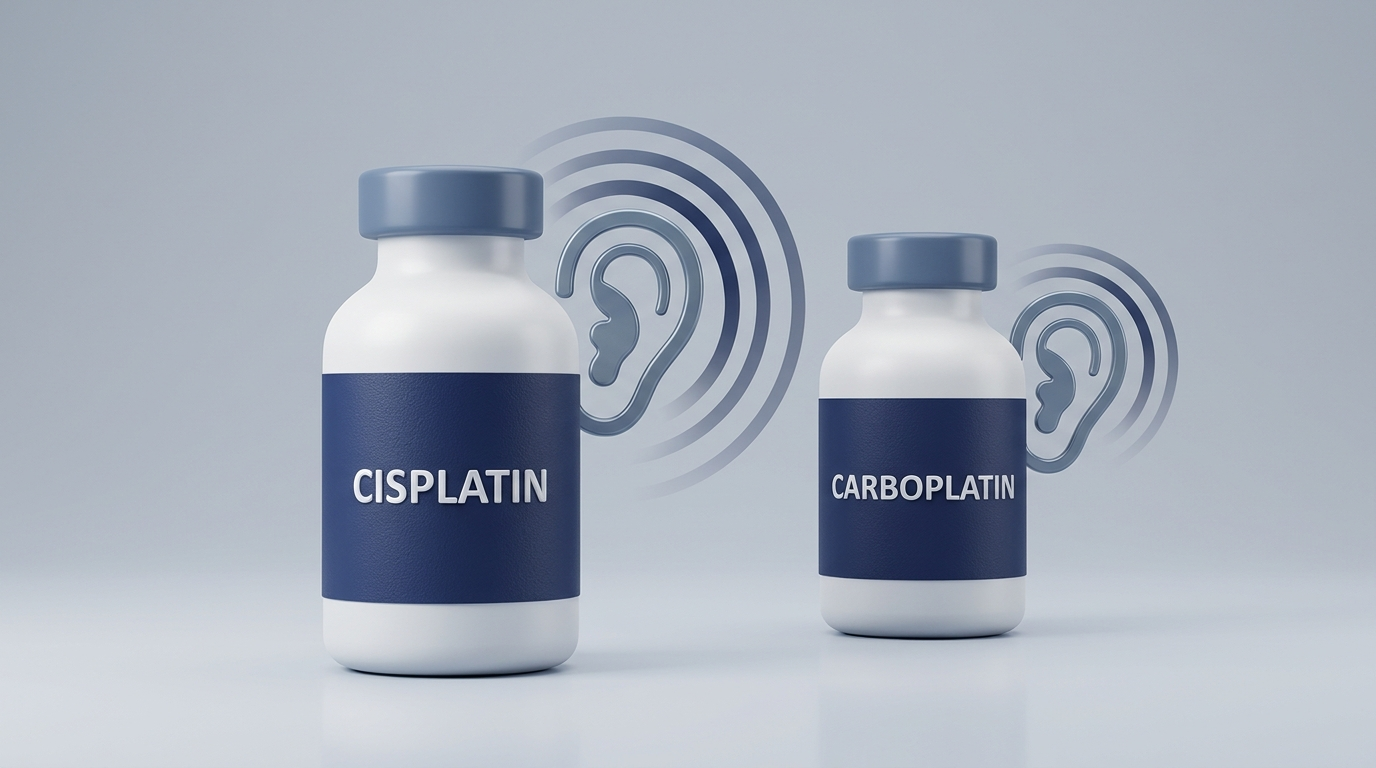
Platinum-based agents: Cisplatin and Carboplatin. These two drugs have the strongest association with chemotherapy tinnitus and ototoxic hearing loss. In prospective data, tinnitus occurred in 38.8% of cisplatin-treated patients (relative risk 5.53) and 26.3% of carboplatin-treated patients (relative risk 3.75) compared with those who received non-ototoxic chemotherapy (Dille et al. 2010). That means more than one in three people on cisplatin may notice ringing. Cisplatin has the greatest documented risk. Hearing loss commonly starts at high frequencies—sounds a person may not notice at first, such as birdsong or high-pitched environmental sounds—and can later affect everyday speech understanding. Many patients first realize the change when they struggle to follow conversation in a restaurant.
Other factors and combinations: Risk is not identical for every person. It varies with the specific drug, cumulative dose, how the medication is given, age, kidney function, and concurrent treatments such as taxanes or radiation to the head and neck. Children and young patients receiving platinum drugs plus radiation are particularly vulnerable. Adult cancer survivors treated with platinum or taxane regimens also show substantial rates of hearing loss (Kessler et al. 2024; Chattaraj et al. 2023). A higher total dose delivered over several cycles, for example, steadily raises the chance that hair-cell damage will become noticeable.
Understanding these risk patterns helps patients and families prepare for monitoring.
Symptoms of Chemotherapy-Related Tinnitus and Hearing Loss
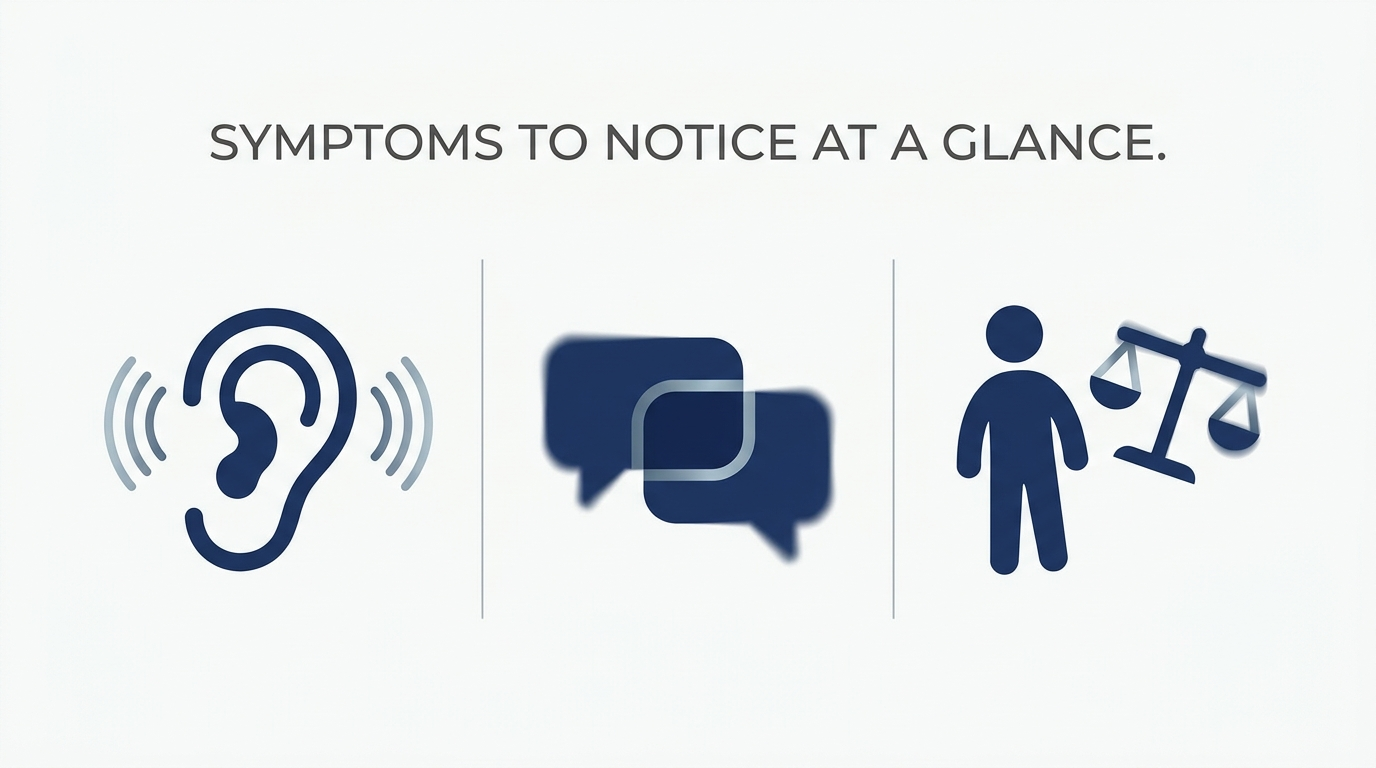
New or changing symptoms deserve prompt attention from the oncology team and an ENT specialist. Common signs include:
• New or worsening ringing, buzzing, roaring, or hissing (tinnitus)
• Muffled hearing or difficulty understanding speech, especially in noisy settings
• High-frequency hearing loss (often the first sign)
• Dizziness, imbalance, or unsteadiness
These changes can appear during treatment or months afterward (ASHA; NCRAR guidelines). A patient might describe the tinnitus as a constant cicada or a high-pitched whistle that is louder at night. Early reporting gives the care team the best opportunity to coordinate supportive steps.
Prompt reporting of symptoms remains the most effective first step.
Risk Factors for Ototoxicity During Cancer Treatment
Higher-risk situations include:
• Cisplatin (greater than carboplatin)
• Higher cumulative dose or certain infusion schedules
• Younger age, especially in children
• Pre-existing hearing issues or reduced kidney function
• Concurrent taxanes or head/neck radiation
• Combination regimens
Discussing personal risk with the oncology team before treatment begins helps set expectations and a monitoring plan. For instance, a young patient receiving both cisplatin and cranial radiation faces a compounded threat to long-term hearing.
Personalized risk discussions with your oncology team can guide a proactive plan.

Monitoring Hearing Before, During, and After Chemotherapy
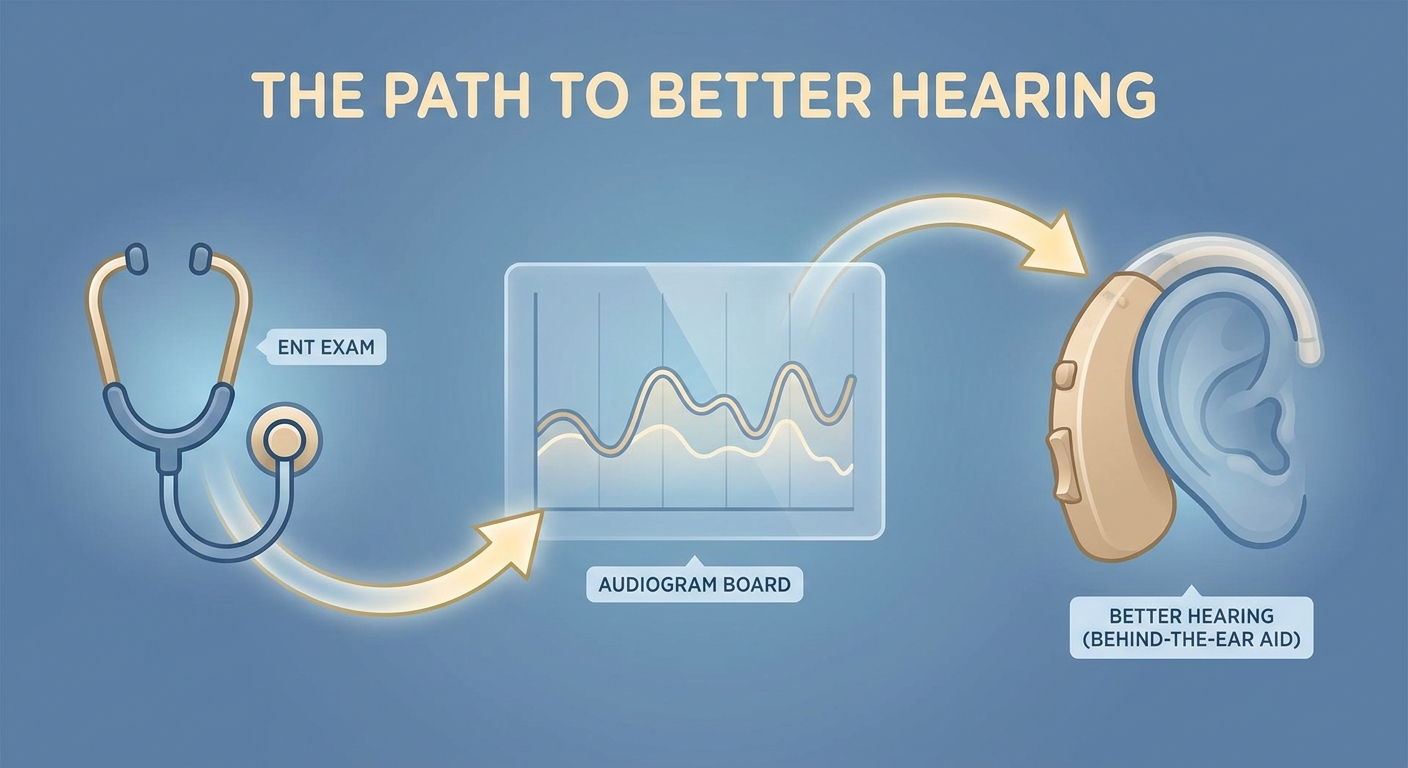
Recommended audiologic care: Best-practice care includes counseling before the first dose, a baseline hearing test (audiogram), periodic tests during therapy, and follow-up after treatment. VA guidance suggests examinations at approximately 3 months and 12 months post-treatment (NCRAR Ototoxicity Monitoring Guidelines 2021). A baseline audiogram—performed in a quiet booth with beeps of varying pitch and volume—is the only reliable way to determine whether later changes are new. It creates a personal “hearing fingerprint.” Testing is recommended even when no symptoms are present.
What patients should do: Share any new ringing, muffled sounds, imbalance, or trouble following conversation right away. A simple symptom journal brought to appointments can help ensure nothing is overlooked. One clinician advises, “Write down the date the ringing started and whether it is worse in one ear; those details guide the next steps.” Learn more about what an audiogram involves in our patient’s guide to hearing tests: https://sleepandsinuscenters.com/blog/audiogram-basics-explained-a-patients-guide-to-hearing-tests
Consistent audiologic monitoring creates a clear record of hearing health over time.

Managing Tinnitus and Hearing Loss After Chemotherapy
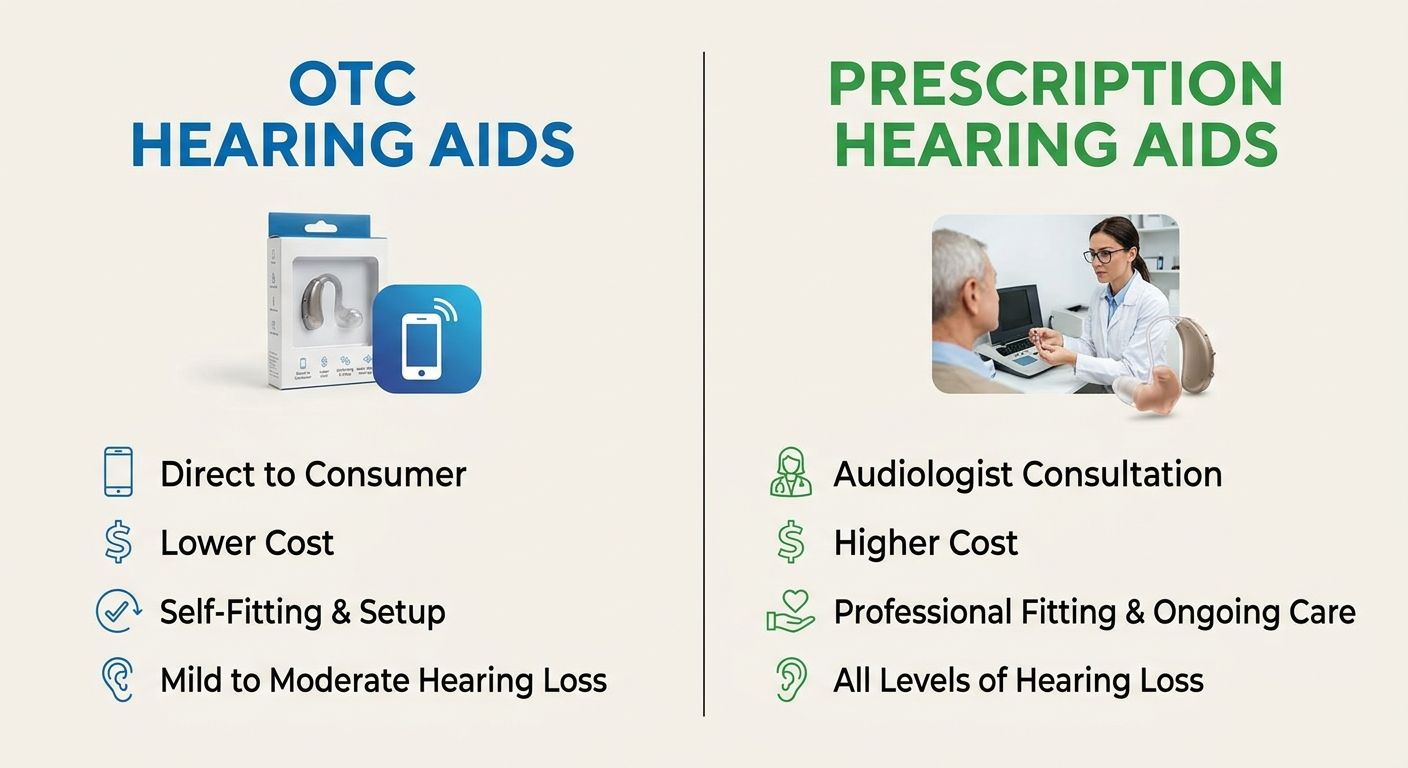
Any contributing ear conditions—such as wax, fluid, or infection—can be addressed first. When hearing loss is present, properly fitted hearing aids often improve speech clarity and can make tinnitus less noticeable by restoring missing high-frequency sounds.
For tinnitus itself, sound therapy, counseling, and cognitive behavioral therapy (CBT) have the strongest supporting evidence. A bedside sound machine or hearing-aid masking feature, for example, can blend the ringing into a more comfortable background. There is currently no universally effective protective medication for adults. Sodium thiosulfate is FDA-approved only for certain pediatric patients with localized, non-metastatic solid tumors who are receiving cisplatin. Supplements or changes to the chemotherapy schedule should never be started without the oncology team’s guidance (FDA; Chattaraj et al. 2023; Kessler et al. 2024).
Our ENT team offers a range of proven tinnitus-relief approaches; see details at https://sleepandsinuscenters.com/blog/ent-care-for-tinnitus-relief-effective-treatments-and-tips
Evidence-based management can restore comfort and communication while treatment continues.
Lifestyle and Self-Care Tips During Treatment
• Protect remaining hearing by avoiding very loud noise and using hearing protection when needed.
• Stay well hydrated.
• Keep a simple daily journal of ringing, hearing changes, or dizziness to share with doctors.
• Continue prescribed cancer treatment exactly as directed; do not stop or alter it independently.
• Seek emotional support. Tinnitus and hearing changes can affect sleep, mood, and quality of life; counseling and CBT help many people cope.
If you use power tools or attend a concert, custom earplugs can shield the hearing you still have. A short daily note—“ringing louder after 8 p.m.”—gives your team concrete information.
Daily self-care habits complement medical monitoring and protect remaining hearing.
Frequently Asked Questions About Chemotherapy Tinnitus
Is chemotherapy-related tinnitus or hearing loss permanent?
Often yes with cisplatin, although some milder cases improve. Early detection offers the best chance of preserving remaining function. High-frequency loss that is caught early may still allow clear speech understanding with the right support.
Which chemo drugs are most likely to cause ringing in the ears?
Platinum agents, especially cisplatin, followed by carboplatin. The risk rises with higher cumulative doses.
Should I get a hearing test even if I have no symptoms?
Yes. Baseline and scheduled monitoring are recommended for anyone receiving ototoxic chemotherapy. Subtle high-frequency dips often appear before you notice them.
Can anything prevent ototoxicity in adults?
Options are currently limited. Any proposed protective strategies should be discussed only with the oncology team.
When should I see an ENT or audiologist?
When new symptoms appear or according to the monitoring schedule set by the cancer team.
When to Seek Specialized ENT Care
Persistent tinnitus, worsening hearing, dizziness, or difficulty communicating are reasons to involve an ENT specialist. Coordinated care between oncology and otolaryngology/audiology produces the most complete long-term support. Many patients find that simply having a dedicated hearing plan reduces anxiety.
Learn about our full range of services: https://sleepandsinuscenters.com/comprehensive-otolaryngology-care
Schedule an appointment: https://sleepandsinuscenters.com/appointments
Coordinated specialty care provides lasting support for hearing and quality of life.
Conclusion
Platinum-based chemotherapy, especially cisplatin, is the leading cause of treatment-related chemotherapy tinnitus and hearing loss. Effects can be lasting, so monitoring and prompt reporting help protect remaining hearing and quality of life. Talk with the cancer team and consider a hearing evaluation if symptoms arise or ototoxic therapy is planned. Management options exist, and you do not have to face ringing or hearing changes alone. If you are preparing for treatment or already noticing changes, reach out—our team is ready to help you hear more clearly.
This article is for educational purposes only and is not medical advice. Please consult a qualified healthcare provider for diagnosis and treatment.
Don’t let allergies slow you down. Schedule a comprehensive ENT and allergy evaluation at Sleep and Sinus Centers of Georgia. We’re here to find your triggers and guide you toward lasting relief.