Allergy-Induced Asthma Attacks: How to Recognize the Signs and Triggers
If asthma symptoms seem to show up in a predictable way—like every spring when pollen spikes, after cleaning a dusty room, or when you’re around pets—you may be dealing with allergy-induced asthma attacks (often called “allergic asthma”). Recognizing the pattern matters because it can help you reduce exposure, prepare for high-risk days, and discuss better long-term control with your clinician.
Think of it like connecting the dots: when the same exposure leads to the same breathing symptoms again and again, that repeatability is useful. It can guide practical steps (like adjusting routines during pollen peaks) and medical decisions (like whether allergy testing or controller medication adjustments make sense).
Below is a patient-friendly guide to what allergic asthma is, the most common allergic asthma triggers, the signs of an asthma attack, and when to go to the ER for asthma symptoms.
Quick Take: What Allergy-Induced (Allergic) Asthma Means
Allergic asthma is asthma in which symptoms reliably flare after exposure to allergens—such as pollen, dust mites, mold, pet dander, or cockroaches. These allergens can lead to airway inflammation and narrowing, making breathing harder. Over time, many people notice a repeatable connection between certain exposures and asthma symptoms. (AAAAI; CDC)
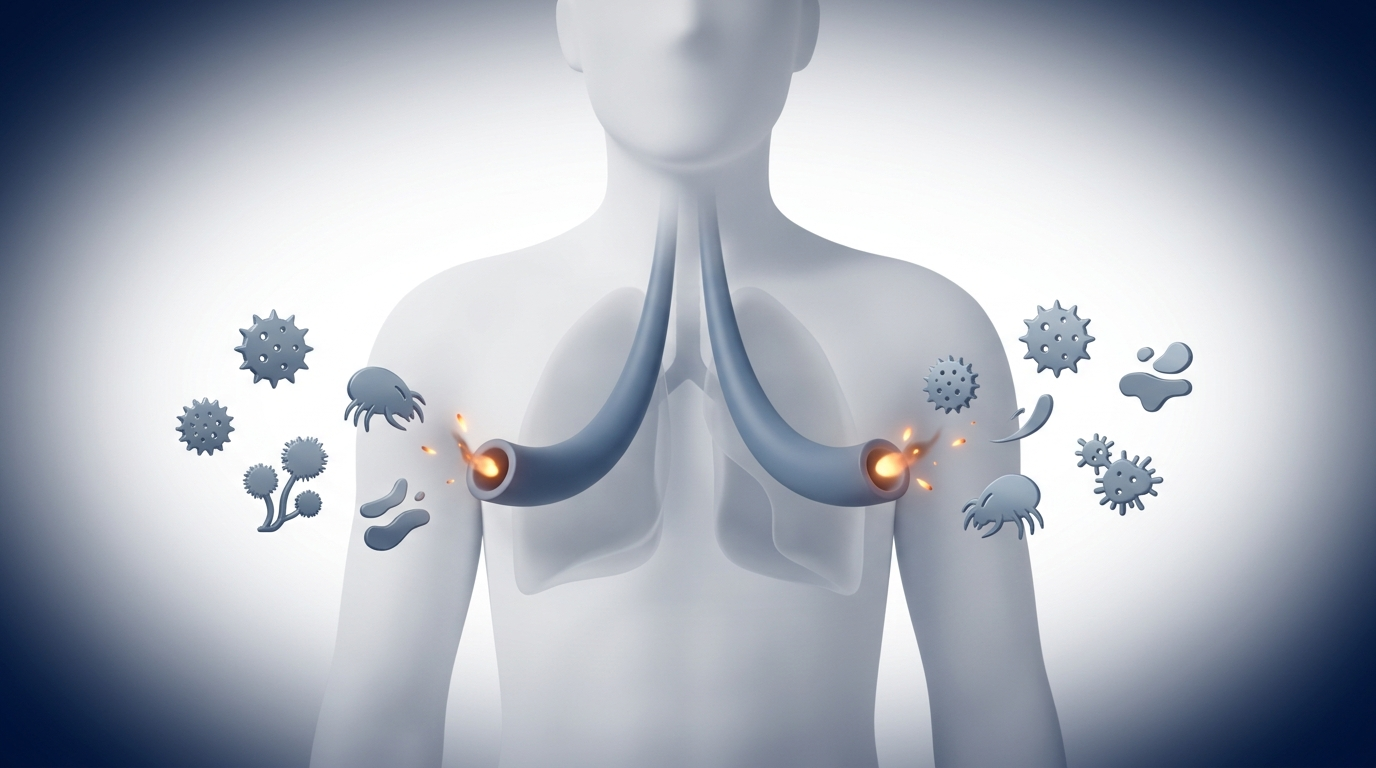
A simple way to picture it: allergens act like a “match” that lights up inflammation in already-sensitive airways. When the airway lining swells and gets irritated, the space for air to move in and out becomes smaller—so breathing can feel tight, noisy, or effortful.
Allergic asthma vs. “regular” asthma
Many people have mixed triggers. In addition to allergens, symptoms can also worsen with irritants (like smoke or strong odors), cold air, exercise, or viral illnesses. Identifying an allergic pattern still matters because prevention and treatment can be more targeted—especially during certain seasons or in specific environments. (AAAAI; NHLBI)
If you’ve ever thought, “My asthma is fine most days, but certain places set it off,” that pattern may be worth discussing with a clinician.
How Allergies Trigger an Asthma Attack (What’s Happening in Your Airways)
When someone with asthma inhales an allergen they’re sensitive to, the immune system can react in a way that intensifies inflammation in the airways. The airway lining may swell, mucus can increase, and the muscles around the airways can tighten—together leading to wheeze, cough, chest tightness, and shortness of breath. (AAAAI; CDC)
A helpful analogy: imagine breathing tubes like flexible drinking straws. In an allergic flare, those straws can get “puffier” on the inside (swelling), “stickier” (more mucus), and slightly squeezed from the outside (muscle tightening). Any one of those can be uncomfortable; together, they can feel scary.
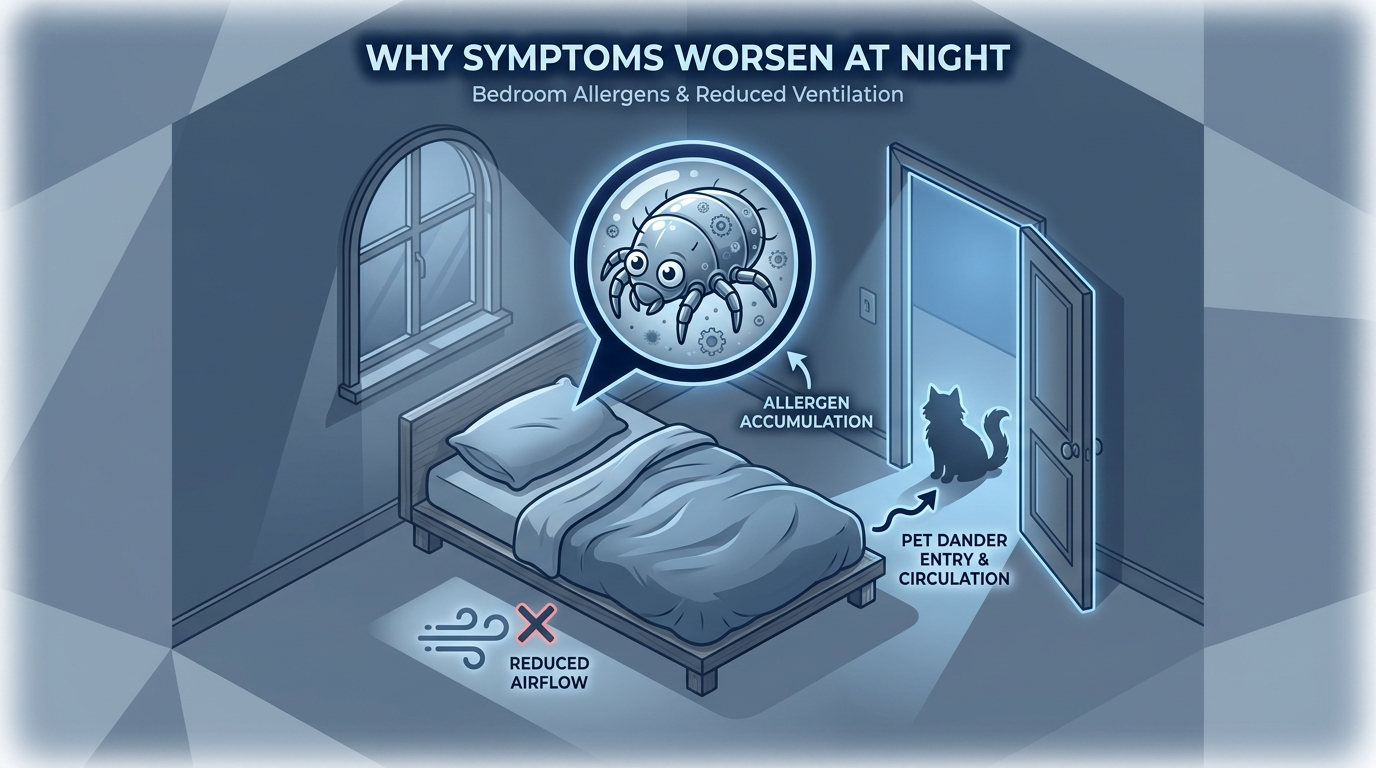
Why symptoms often hit at night or early morning
Nighttime symptoms are common and can have several contributors, including:
- Bedroom exposure (especially dust mites in bedding or pet dander brought in on clothing)
- Postnasal drip from allergies, which may feel worse when lying down
- Natural day-night body changes that can affect airway tone and inflammation
If you’re waking up coughing or wheezing, it may be a clue that indoor allergens are playing a role. (AAAAI) A clinician might ask, “Do you sleep better somewhere else—like in a hotel, at a relative’s, or even on a different floor of the house?” That kind of detail can help narrow down what’s happening.
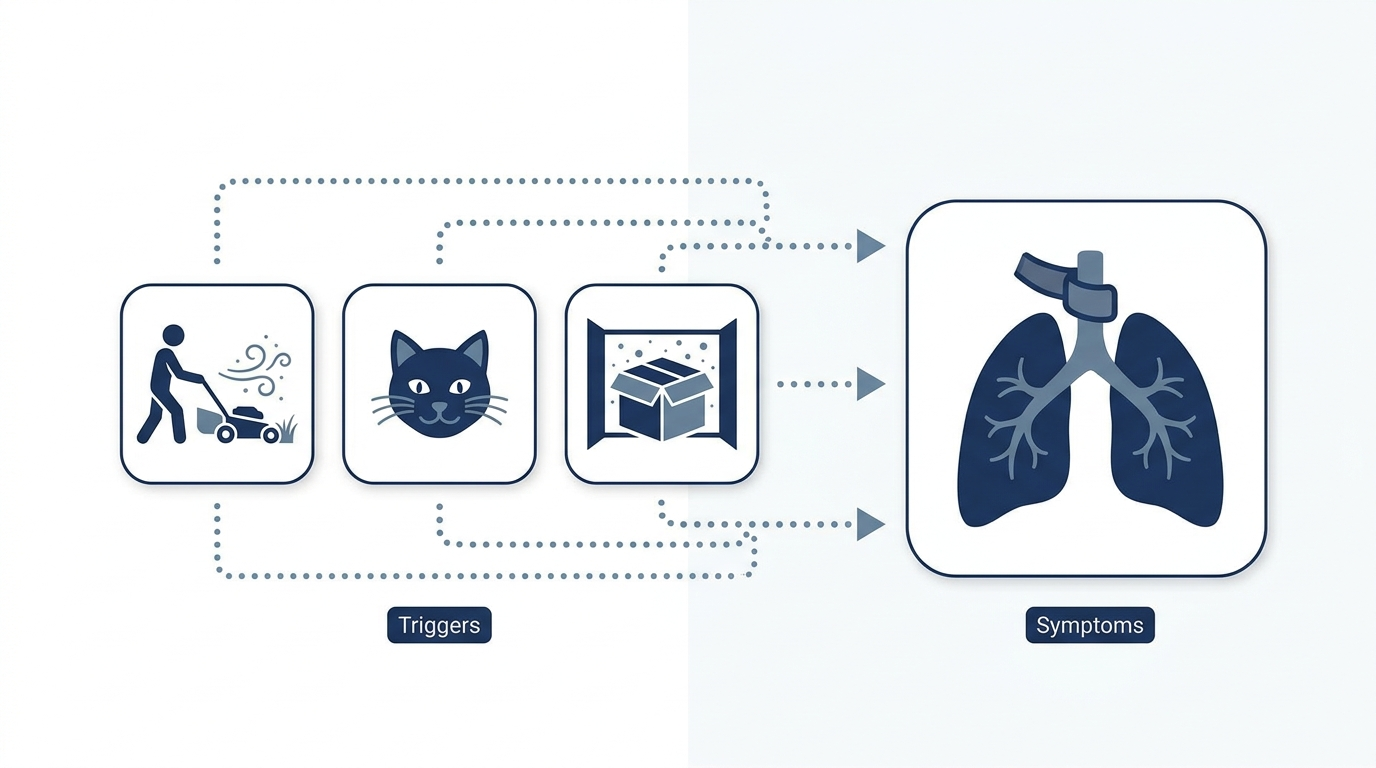
The “repeatable pattern” clue
One of the strongest hints is consistency. Examples include:
- Mowing the lawn → cough/wheeze later that day
- Visiting a home with cats → chest tightness within hours
- Cleaning a closet or basement → symptoms in the evening
- Spring or fall → symptoms reliably worsen
That repeatable pattern is a common thread in allergy-induced asthma attacks. (AAAAI) If you’re not sure, a short symptom log can help—just jot down where you were, what you were doing, and when symptoms started.
- Bottom line: predictable triggers can point to allergic asthma and help you act earlier.*
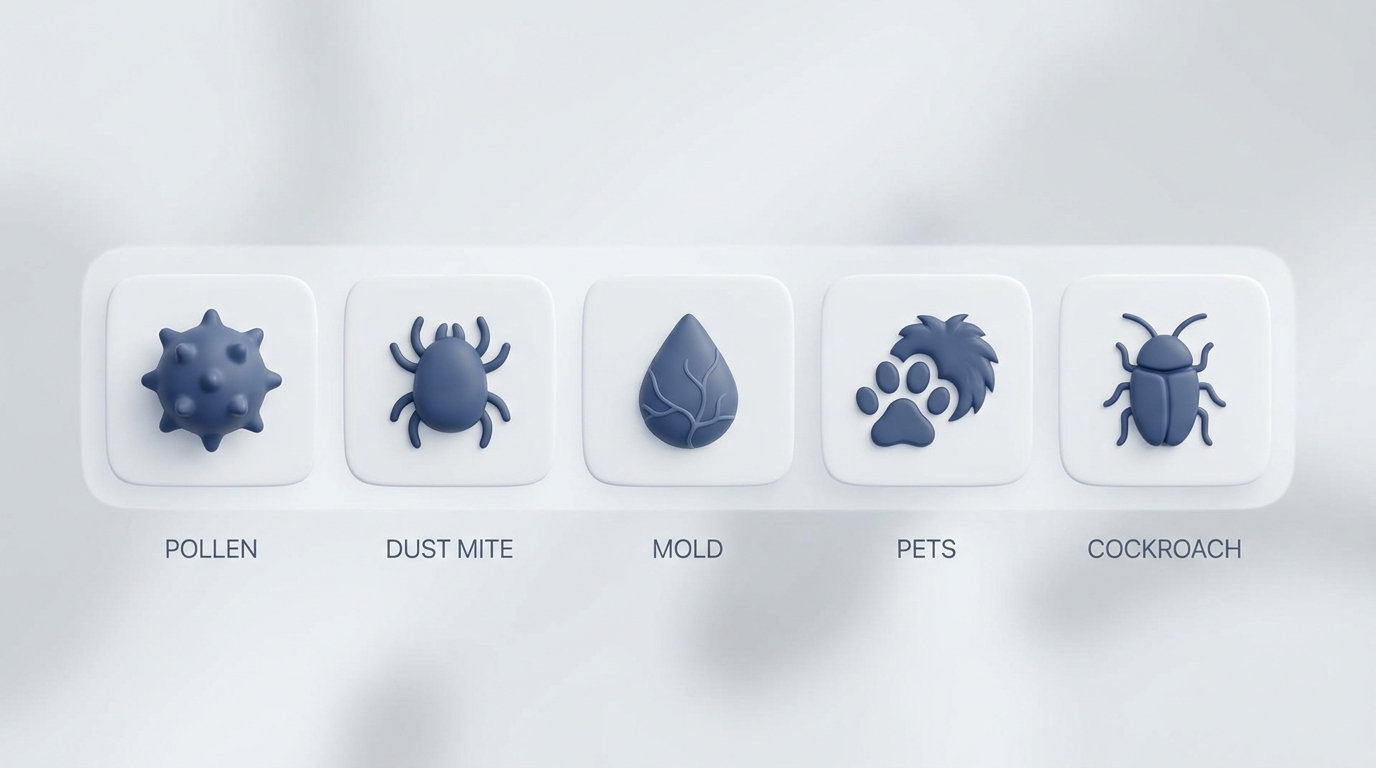
Common Triggers of Allergy-Induced Asthma Attacks
Allergens can be found both outdoors and indoors—and sometimes in places you don’t expect. Many patients do best when they focus on the “biggest offenders” first (rather than trying to control everything at once).
Outdoor allergens
Pollen from trees, grasses, and weeds is a major seasonal trigger. If you notice pollen and asthma symptoms rising together, you’re not alone—pollen counts can strongly affect breathing for people with allergic asthma.
Helpful habits many patients discuss with their clinicians include checking local pollen reports, timing outdoor activities away from peak hours, and closing windows on high-count days. You can also check today’s Georgia pollen levels using Sleep and Sinus Centers of Georgia’s tracker: https://sleepandsinuscenters.com/georgia-pollen-tracker (AAAAI)
A practical example: if a morning walk on a high-pollen day consistently leads to coughing by afternoon, that’s useful information. It may mean changing the timing, route, or using your action plan earlier.
Indoor allergens
Common indoor triggers include:
- Dust mites (often in mattresses, pillows, carpets, and upholstered furniture). If “dust mites asthma” flares are a concern, the bedroom is a key place to focus.
- Mold (bathrooms, basements, HVAC areas, or anywhere with leaks/water damage). Mold asthma symptoms can be subtle at first—think persistent cough, wheeze, or chest tightness in damp or musty spaces.
- Pet dander (cats and dogs; dander can also hitch a ride on clothes)
- Cockroach droppings (more common in some buildings and urban settings)
These are some of the most frequent allergic asthma triggers noted by allergy and asthma organizations. (AAAAI) One reason indoor allergens are tricky: exposure can be continuous. Unlike a quick walk outside, you may spend hours each day around the trigger—especially during sleep.
“Hidden” exposure environments
Some environments are especially likely to contain allergens:
- Hotels/guest rooms with older carpets or bedding
- Older homes with moisture issues
- Damp workplaces or buildings with recurring leaks
- Homes with multiple pets
A practical clue: if symptoms improve after being away for a few days and return once you’re back home, the home environment may be contributing. (AAAAI) If you’re trying to troubleshoot, it can help to ask: “Is there one room where symptoms start?” For many people, that room is a bedroom, basement, or a frequently used office.
- Small changes in the highest-exposure spaces often make the biggest difference.*
Signs and Symptoms: How to Recognize an Allergy-Induced Asthma Attack
The signs of an asthma attack can range from mild to severe, and allergic symptoms may appear alongside breathing symptoms. (AAFA; AAAAI) It’s also common for symptoms to “creep up.” Some people notice allergy symptoms first (sneezing, congestion), then chest symptoms later (tightness, wheeze).
Classic asthma symptoms
Common asthma symptoms include:
- Wheezing
- Cough (often persistent or worse at night)
- Chest tightness
- Shortness of breath/breathlessness (AAFA; AAAAI)
People describe this in different ways: “I can’t get a full breath,” “my chest feels heavy,” or “I’m coughing and it won’t stop.”
Early warning signs (often overlooked)
Some people notice “yellow flag” changes before breathing gets significantly worse, such as:
- Increased mucus
- Runny or congested nose
- Itchy neck or chin
- Unusual tiredness
- Subtle posture changes (for example, hunching forward to breathe easier) (AAAAI)
These are possible early clues, not diagnostic signs. Catching them early can give you time to follow your asthma action plan before symptoms escalate.
Symptoms that suggest an allergic trigger
Allergies may be more likely when symptoms start after:
- Being outdoors during pollen season
- Cleaning dusty areas or handling stored items
- Entering musty/damp rooms
- Being around pets (AAAAI)
When those patterns repeat, it strongly suggests allergy-induced asthma attacks rather than random flares.
- Recognizing early, repeatable patterns helps you act sooner and prevent escalation.*
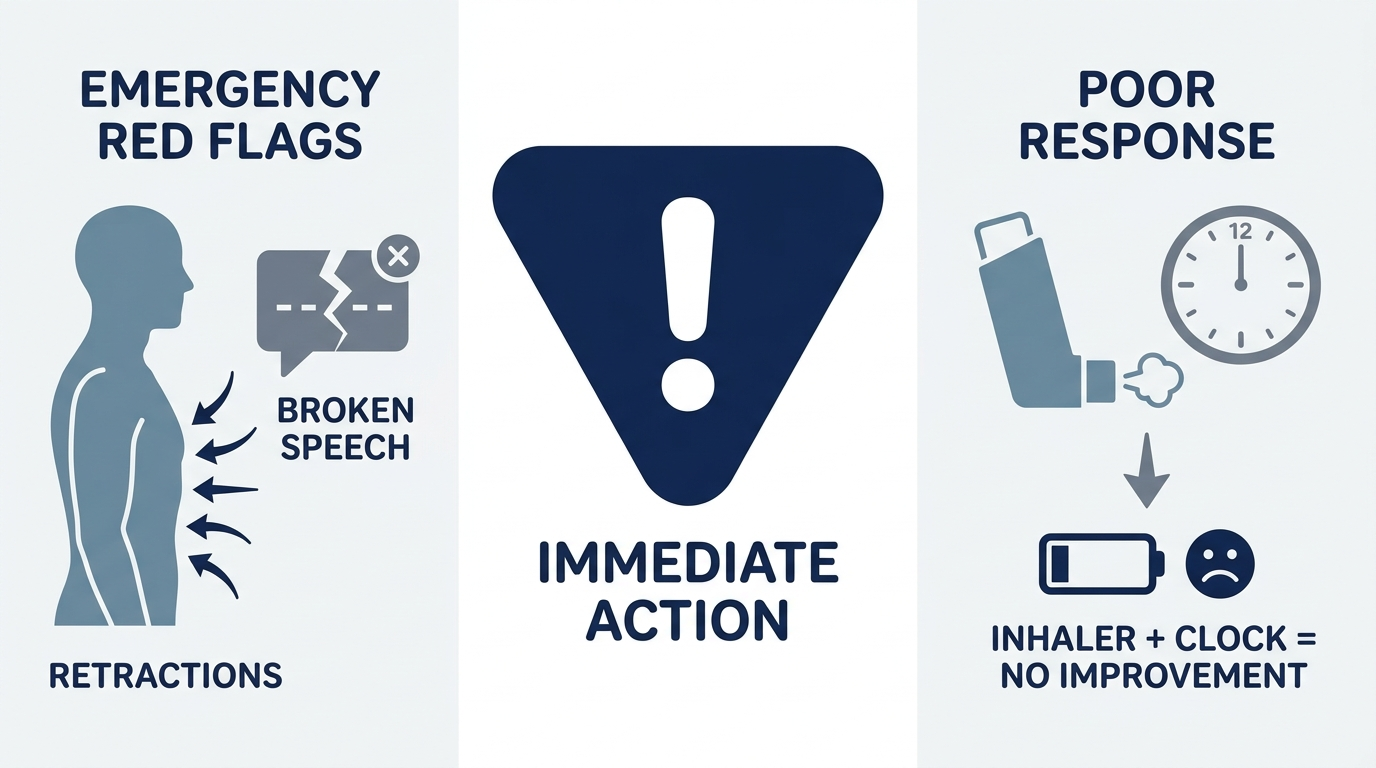
When It’s an Emergency: Red-Flag Symptoms You Should Never Ignore
Asthma can become life-threatening. It’s important to know when to go to the ER for asthma symptoms—especially if they escalate quickly or don’t respond to quick-relief medicine. (NHLBI; AAAAI) When in doubt—especially if symptoms are severe—err on the side of getting urgent help.
Emergency warning signs
Emergency symptoms can include:
- Rapidly worsening breathing symptoms
- Severe or shallow breathing
- Poor response to quick-relief medicine (rescue inhaler)
- Difficulty walking or talking due to breathlessness
- Chest retractions (skin pulling in around the ribs/neck when breathing)
- Bluish/grayish lips or fingertips (AAAAI; NHLBI)
If someone is struggling to speak full sentences, using extra muscles to breathe, or looks pale/grayish, treat it as an emergency.
What to do right now
Educational guidance from national organizations emphasizes:
- Use your asthma action plan (if you have a written one) to recognize “red zone” symptoms. (NHLBI)
- If symptoms are severe or worsening, or there’s poor response to quick-relief medication, emergency evaluation is recommended (call 911 or go to the ER). (AAAAI; NHLBI)
- If severe symptoms appear or don’t improve quickly, seek emergency care—don’t wait.*
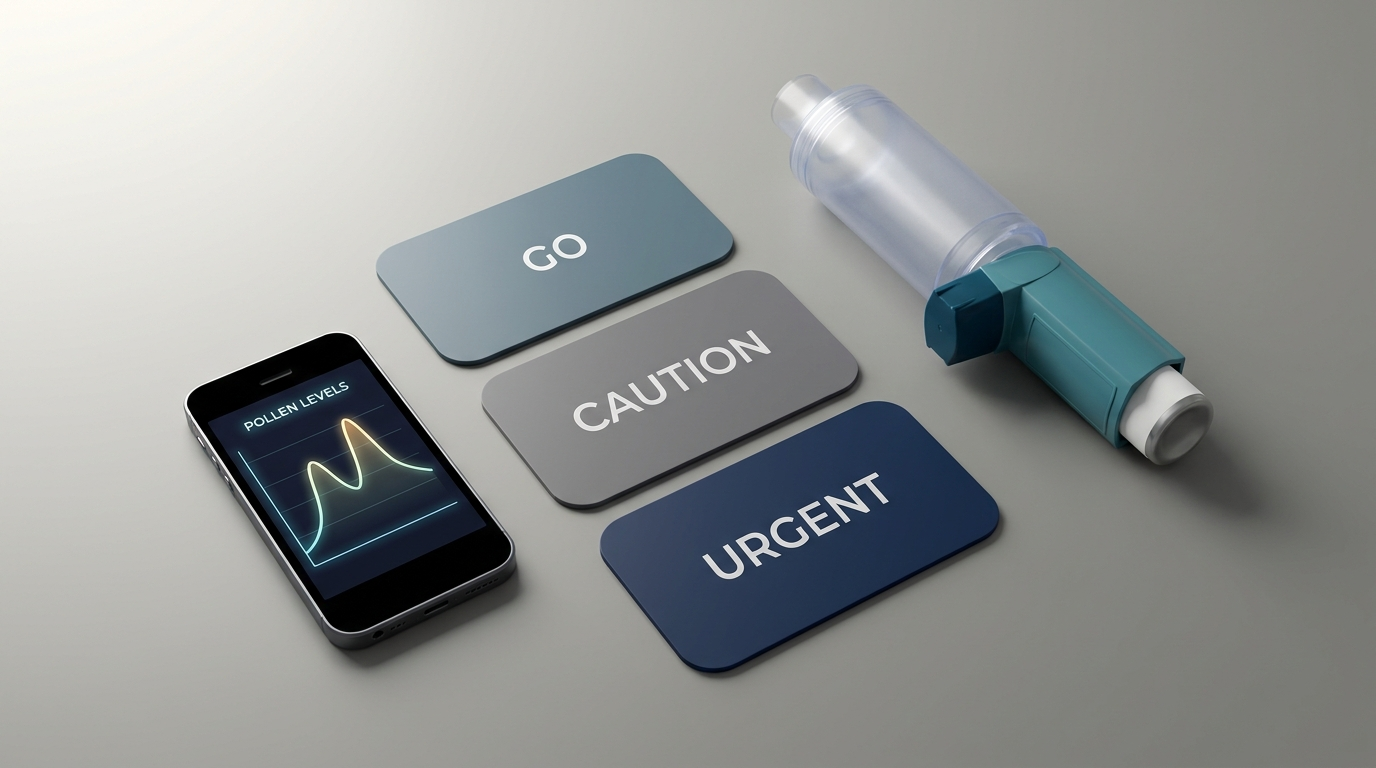
What to Do When You Notice Symptoms After an Allergy Trigger (Step-by-Step)
Because allergic asthma can follow a pattern, many people benefit from a consistent response plan discussed with their clinician. The goal is to respond early—before mild symptoms snowball into a full attack.
Step 1 — Use your personalized Asthma Action Plan
An asthma action plan often uses green/yellow/red zones to guide what to do based on symptoms (and sometimes peak flow readings). It’s designed to help you respond early and consistently. (NHLBI) If you don’t have a written plan, that’s a great next-step discussion for your next appointment.
Step 2 — Use quick-relief medication correctly
Quick-relief (rescue) inhalers are intended for sudden symptoms. Technique can make a big difference in how well the medicine reaches the lungs—some patients are prescribed a spacer to help. (NHLBI; CDC) If you’re unsure about technique, ask for a quick demo.
Step 3 — Reduce exposure immediately
When symptoms follow an allergen exposure, many clinicians discuss practical steps such as:
- Moving away from the trigger or going indoors
- Removing pollen from skin/hair by showering and changing clothes after being outside
- Addressing indoor air quality and ventilation
- Asking your clinician before starting any nasal treatments or rinses for allergy symptoms
Even small changes (like changing clothes after yardwork) can reduce continued exposure.
Step 4 — Monitor response
If symptoms don’t improve as expected—or they worsen—national guidelines support escalating care based on your action plan and seeking urgent or emergency evaluation when red-flag symptoms appear. (NHLBI)
- A simple, consistent plan you use early is more effective than a complex plan used late.*
Diagnosis: How Clinicians Confirm Allergic Asthma and Identify Your Triggers
Symptom history and pattern recognition
Clinicians often start with your story: timing, seasonality, nighttime symptoms, and whether symptoms occur in specific places (home, work, outdoors). The “repeatable exposure → symptoms” pattern is a key clue. (AAAAI) You may hear questions like: “What happens after you clean?” “Do symptoms flare in spring?” “Any musty smells at home or work?” Those details are diagnostically useful.
Breathing tests
Breathing tests such as spirometry (and sometimes peak flow monitoring) help assess airflow limitation and variability—common features of asthma. (CDC)
Allergy testing
Allergy testing can identify sensitizations that may be driving symptoms and help guide avoidance strategies or allergy treatments. Sleep and Sinus Centers of Georgia offers allergy testing information here: https://sleepandsinuscenters.com/allergy-testing (AAAAI)
- Sharing a clear symptom timeline often speeds diagnosis and makes testing more targeted.*
Treatment Options (Relief Now + Long-Term Control)
Reducing allergy-induced asthma attacks usually involves both medication strategy and trigger management, guided by a clinician. (NHLBI; AAAAI; CDC) Many patients find it reassuring to hear: control is often built through a few consistent basics—not perfection.
Quick-relief (rescue) medicines
These are used for sudden symptoms. Frequent need for quick-relief medicine may be a sign that asthma isn’t well controlled and should be reassessed. (NHLBI; CDC)
Controller (preventive) medicines
Controller medicines are taken consistently to reduce airway inflammation and help prevent attacks over time. (NHLBI)
Allergy-focused options for selected patients
For some people with allergic asthma and identifiable triggers:
- Allergy shots (immunotherapy) may be considered to reduce sensitivity over time. (AAAAI)
- Other immunotherapy approaches may be discussed depending on your situation. To compare options, see Sleep and Sinus Centers of Georgia’s guide on allergy drops vs. allergy shots: https://sleepandsinuscenters.com/allergy-drops-vs-allergy-shots
- Biologic medicines may be considered for moderate-to-severe asthma under specialist care. (AAAAI)
Don’t forget the “upper airway”
Nasal allergies and sinus inflammation can add to overall breathing discomfort. Managing allergic rhinitis may reduce symptom burden for some patients—learn more about treating chronic rhinitis here: https://sleepandsinuscenters.com/treating-chronic-rhinitis (AAAAI)
- Good control usually blends the right daily medicine with the smartest trigger reduction for you.*
Lifestyle & Prevention Tips to Reduce Allergy-Induced Asthma Attacks
These practical ideas are commonly recommended in asthma/allergy education and can be discussed with your clinician for your situation. Consider them “levers” you can pull—especially during high-trigger seasons.
Pollen season strategies
- Follow local pollen forecasts (especially during peak tree/grass/weed seasons)
- Keep windows closed during high pollen periods
- Shower and change clothes after outdoor time (AAAAI)
Dust mite reduction (especially in the bedroom)
- Wash bedding regularly
- Consider allergen covers for pillows and mattresses
- Reduce clutter where dust collects
- Keep indoor humidity at a level that discourages mites and mold (commonly around 30–50%); individualize with your clinician (AAAAI)
Mold control
- Fix leaks and address water damage promptly
- Ventilate bathrooms and laundry areas
- Manage humidity
- Don’t ignore musty odors or visible mold (AAAAI)
Pets and dander
- Create pet-free zones (often the bedroom)
- Vacuum and clean frequently (some people consider HEPA filtration)
- Remember: dander can be carried on clothing (AAAAI)
Build your “trigger toolkit”
- Keep a symptom diary (what you were exposed to, where you were, and timing)
- Maintain an up-to-date trigger list
- Keep rescue medication accessible
- Review your plan at least yearly or after urgent/ER visits (NHLBI)
- You don’t need perfection—focus on the few biggest triggers that affect you most.*
Frequently Asked Questions (FAQ)
How can I tell if my asthma attacks are allergy-related?
Look for a repeatable pattern: symptoms after pollen exposure, dusty cleaning, musty rooms, or being around pets—especially if it’s seasonal or worse at night. That pattern is common in allergy-induced asthma attacks. Only a clinician can confirm allergic asthma. (AAAAI)
Why do my symptoms get worse at night?
Bedroom allergens (dust mites/pet dander), postnasal drip, and normal nighttime body changes can contribute to worse symptoms after dark or early morning. (AAAAI)
When should I go to the ER for asthma symptoms?
Guidelines recommend emergency evaluation for severe breathing difficulty, inability to talk/walk normally due to breathlessness, bluish/gray lips or fingertips, chest retractions, or poor response to quick-relief medicine. (AAAAI; NHLBI)
Should I get allergy testing if I have asthma?
Allergy testing can help identify triggers and guide avoidance steps and treatment options (including immunotherapy) for appropriate patients. (AAAAI)
Can allergy shots help asthma?
For selected patients with allergic asthma and identifiable triggers, immunotherapy may reduce sensitivity and symptoms over time under specialist guidance. (AAAAI)
- If you’re unsure what’s driving your symptoms, testing and a clear action plan can help clarify next steps.*
When to See a Specialist (and What to Bring to the Visit)
Signs you may need a specialist evaluation
Consider discussing specialist care if you notice:
- Frequent flare-ups or persistent nighttime symptoms
- Increasing rescue inhaler use
- Uncertain triggers or suspected mold exposure
- Ongoing symptoms despite a treatment plan (NHLBI; AAAAI)
Bring this to your appointment
- Symptom log (including suspected triggers and timing)
- Current medication list and inhalers
- Any past urgent care/ER history for breathing symptoms
- Notes about home/work exposures (damp areas, pets, remodeling, visible mold)
Ready for help identifying triggers and building a clearer plan? You can book an appointment with Sleep and Sinus Centers of Georgia here: https://www.sleepandsinuscenters.com/
References
- American Academy of Allergy, Asthma & Immunology (AAAAI). Asthma; Triggers and Management. https://www.aaaai.org/conditions-treatments/asthma and https://www.aaaai.org/tools-for-the-public/conditions-library/asthma/asthma-triggers-and-management-ttr
- Centers for Disease Control and Prevention (CDC). About Asthma; Control Asthma. https://www.cdc.gov/asthma/about/index.html and https://www.cdc.gov/asthma/control/index.html
- National Heart, Lung, and Blood Institute (NHLBI). Asthma Treatment and Action Plan. https://www.nhlbi.nih.gov/health/asthma/treatment-action-plan
- Asthma and Allergy Foundation of America (AAFA). What Are Asthma Symptoms? https://aafa.org/asthma/asthma-symptoms/
Medical disclaimer: This article is for educational purposes only and is not medical advice. Please consult a qualified healthcare provider for diagnosis and treatment. If you think you may be experiencing a severe asthma attack or emergency symptoms, call 911 or seek emergency care immediately.
Don’t let allergies slow you down. Schedule a comprehensive ENT and allergy evaluation at Sleep and Sinus Centers of Georgia. We’re here to find your triggers and guide you toward lasting relief.