Age-Related Hearing Loss: Causes, Symptoms, and Treatment Options
Age-related hearing loss is far more common than many people realize. In the United States, about one-third of adults ages 65–74 and nearly half of those older than 75 have some degree of hearing loss. Disabling hearing loss affects 22% of adults ages 65–74 and 55% of those 75 and older. Worldwide, more than 25% of people over 60 live with disabling hearing loss, and projections suggest nearly 2.5 billion people will have some hearing loss by 2050, including more than 700 million who may need rehabilitation.
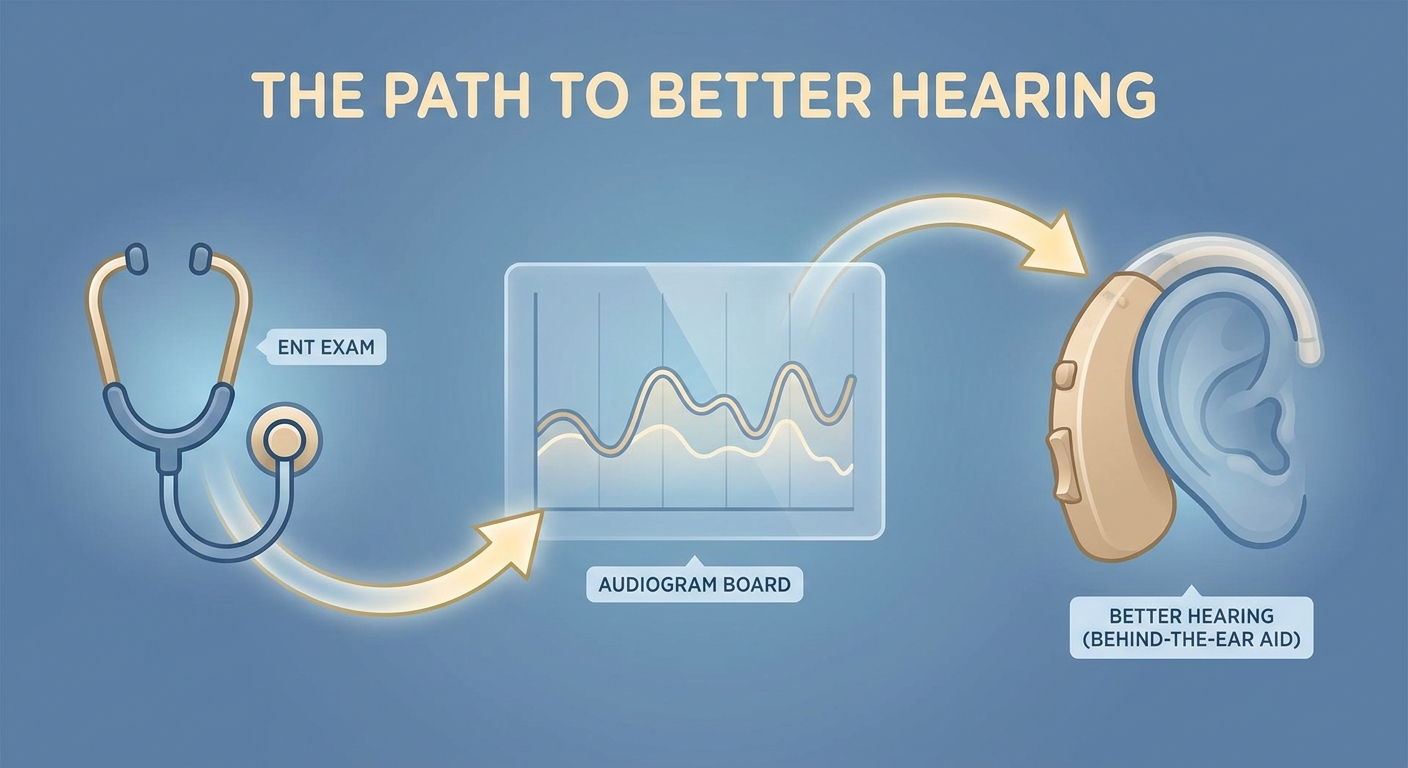
Age-related hearing loss (presbycusis) is typically a gradual, often bilateral condition that represents a growing health burden. It can contribute to isolation and has links to cognitive health. While it cannot be fully prevented, protecting remaining hearing through noise reduction and managing conditions such as high blood pressure and diabetes may limit extra damage. Hearing aids, assistive devices, and cochlear implants can help many people communicate more easily, though uptake remains low. An evaluation with an ear, nose, and throat specialist or audiologist is a typical first step. For how hearing often changes across earlier decades, see our related article on aging and hearing loss: https://www.sleepandsinuscenters.com/blog/aging-and-hearing-loss.
This article explains what age-related hearing loss is, why it happens, common signs, health connections, testing, treatment options, and practical ways to protect remaining hearing. Sources include the National Institute on Deafness and Other Communication Disorders (NIDCD, 2023 and 2024), World Health Organization, NIH reports on the ACHIEVE trial (2023), and U.S. Preventive Services Task Force guidance.
What Is Age-Related Hearing Loss (Presbycusis)?
Age-related hearing loss, or presbycusis, involves gradual changes in the inner ear and the nerve pathways that carry sound to the brain. It typically affects both ears and high-pitched sounds first. Many people first notice trouble with birdsong, certain consonants, or women’s and children’s voices. It is not simply “just getting old.” It is a treatable condition with real effects on daily life, relationships, and overall health.
Think of the inner ear’s hair cells as the keys on a piano that slowly lose their tuning, starting with the highest notes. Everyday sounds that once seemed crisp—a grandchild’s laugh or the ping of a microwave—begin to fade or blur. Recognizing these early changes can lead to timely support and better quality of life.

How Common Is Age-Related Hearing Loss?
U.S. data from NIDCD show the numbers above. Globally, WHO notes that more than 25% of people older than 60 have disabling hearing loss. By 2050, nearly 2.5 billion people are projected to have some degree of hearing loss, with more than 700 million potentially needing rehabilitation. These figures highlight why age-related hearing loss is viewed as a significant public-health issue. The numbers also explain why families often notice the change before the person experiencing it does: the loss creeps in so slowly that it can feel like “everyone else is mumbling.”
These statistics highlight why early awareness matters for individuals and families.
Causes of Age-Related Hearing Loss
The main process is age-related degeneration of the inner ear (especially the hair cells that detect sound) and the auditory nerve pathways. There is currently no established way to stop this process entirely.
Natural aging changes in the inner ear and nerve pathways: Over time, the delicate structures inside the cochlea can wear down. High-frequency sounds are often affected earliest because of how the inner ear is organized—much like the way the highest strings on a guitar wear out first. Blood-flow changes and cumulative wear on nerve connections also play a role, gradually reducing the brain’s ability to decode speech clearly.
Factors that can worsen hearing loss: Hypertension, diabetes, certain ototoxic medicines, and a lifetime of noise exposure can add to the loss. Reducing loud-noise exposure and using hearing protection can help prevent additional noise-induced damage even if the underlying age-related process continues (NIDCD Age-Related Hearing Loss, 2023). A weekend of power tools without earplugs or years of concerts without protection can shave extra hearing on top of the natural decline. Managing contributing factors can help protect remaining hearing over time.
Common Symptoms of Age-Related Hearing Loss
Symptoms often appear so slowly that people and families adapt without noticing how much has changed. Common signs include:
- Trouble hearing high-pitched voices, birds, or certain consonants (s, f, th).
- Difficulty following conversations, especially in restaurants, groups, or background noise.
- Frequently asking others to repeat themselves or turning up the television.
- Feeling that people are mumbling.
- Social withdrawal or extra fatigue after listening-heavy situations.
Anyone noticing these changes may find it useful to consider a hearing evaluation rather than waiting. One typical comment from patients is, “I thought my family was just speaking too softly—until I realized I was missing half the words at dinner.” Identifying these signs promptly can open the door to effective help.

How Untreated Hearing Loss Affects Health and Daily Life
Social isolation, depression, and communication strain: Difficulty hearing can make conversations tiring. Some people begin avoiding gatherings, which can increase feelings of isolation and strain on relationships. Associations with depression have been noted in research. A simple family meal can turn into an exhausting guessing game, leading some to skip events they once enjoyed.
Cognitive decline and the dementia connection: Hearing loss is associated with cognitive impairment and dementia. In the ACHIEVE randomized trial, hearing aids reduced the rate of cognitive decline by almost 50% over three years among older adults at higher risk of dementia; the benefit was not equally evident in all participants. The precise causal relationship is still being studied (NIH, 2023; NIDCD). Researchers continue to explore whether clearer sound input simply reduces the brain’s extra workload or whether other pathways are involved. Addressing hearing changes may support overall well-being and connections.
Diagnosis: Hearing Tests and Screening
An audiogram (hearing test) is the standard way to measure the type and degree of hearing loss. It maps how well a person hears different pitches and volumes, producing a graph that looks a bit like a musical score of your hearing. Routine screening of older adults without symptoms is an area of uncertainty in current U.S. Preventive Services Task Force guidance. People with symptoms or risk factors often benefit from seeing an ENT specialist or audiologist. For a plain-language explanation of what happens during testing, see our patient’s guide to audiogram basics: https://www.sleepandsinuscenters.com/patient-resources/audiogram-basics.
A straightforward hearing test often provides the clarity needed to move forward.

Treatment Options for Age-Related Hearing Loss
Hearing aids, assistive listening devices, and—when loss is severe or profound—cochlear implants can improve communication for many people.
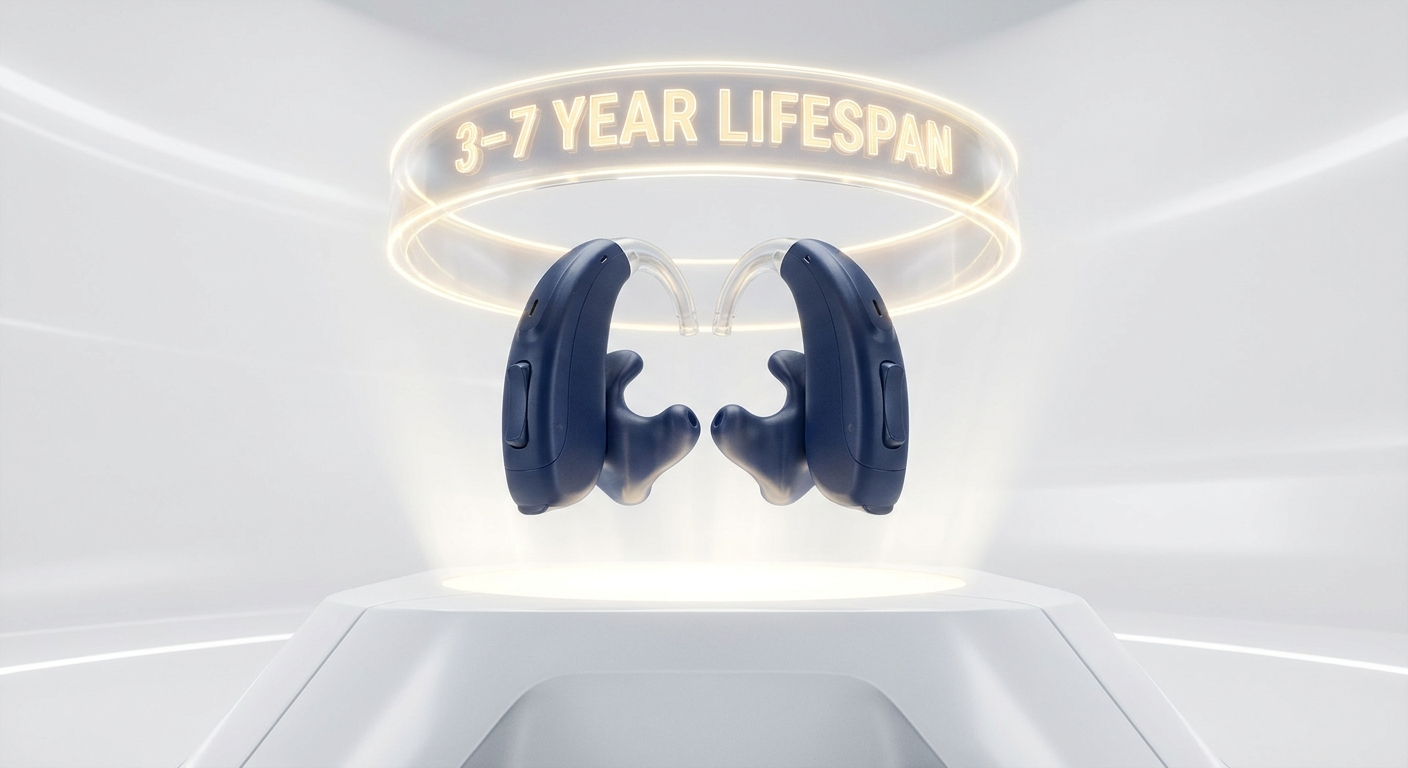
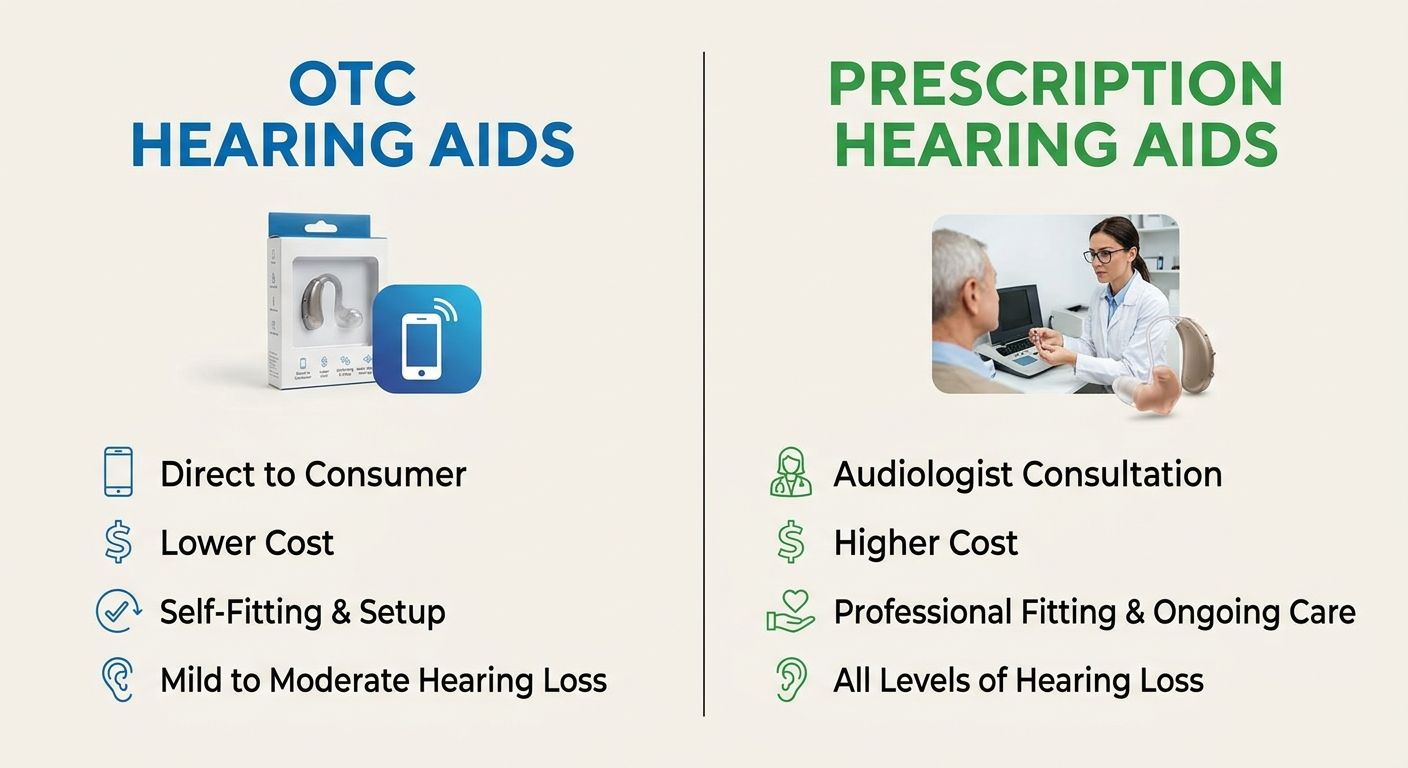
Hearing aids: Modern hearing aids amplify selected sounds and can be programmed for an individual’s pattern of loss. Styles range from nearly invisible in-the-canal models to behind-the-ear devices with extra features. Realistic expectations matter: they improve access to sound but do not restore hearing to youthful levels. Adjustment takes time. Fewer than one-third (30%) of adults aged 70 and older who could benefit have ever used hearing aids (NIDCD). Many describe the first weeks as “like turning the volume back on after years of a quiet television.”
Assistive listening devices and other tools: Captioned phones, TV streamers, personal amplifiers, and loop systems in public venues can supplement or, in some cases, substitute for hearing aids in specific situations. A TV streamer, for example, sends the program’s audio directly to the hearing aid so the rest of the room can keep a comfortable volume.
Cochlear implants: These surgically implanted devices may be considered for people with severe-to-profound sensorineural hearing loss who receive limited benefit from hearing aids.
Why many older adults do not use hearing aids: Cost, insurance coverage, stigma, and the adjustment period are common barriers. Access remains limited for many. Some people simply delay because they still “get by,” only to discover later how much they had been missing.
Sleep and Sinus Centers of Georgia offers comprehensive otolaryngology care that includes hearing evaluation and discussion of these options. Personalized options exist to help most people communicate more easily.

Prevention and Lifestyle Tips to Protect Remaining Hearing
There is no established way to halt presbycusis itself, but extra damage can often be reduced:
- Use hearing protection (earplugs or earmuffs) around power tools, concerts, or loud machinery.
- Manage blood pressure, diabetes, and other conditions with a healthcare professional.
- Review medications that may affect hearing.
- Limit prolonged exposure to loud noise.
Simple, consistent habits support remaining hearing. Keeping a pair of foam earplugs in the car or workshop is an easy first step. Everyday precautions can make a meaningful difference in hearing health.

Frequently Asked Questions
Q: Is age-related hearing loss inevitable?
A: Some degree of change is common with age, but extra damage from noise and certain health factors is often preventable, and treatment can help communication.
Q: Can hearing aids really help with thinking and memory?
A: The ACHIEVE trial found a slowing of cognitive decline in a higher-risk group using hearing aids, though results were not uniform.
Q: When should I see a doctor versus waiting?
A: Symptoms that affect daily life, safety, or relationships, or any sudden change, one-sided loss, dizziness, pain, or drainage, warrant prompt evaluation.
Q: Are there non-hearing-aid options?
A: Assistive devices, communication strategies, and, in selected cases, cochlear implants.
Q: Does Medicare or insurance typically cover hearing aids?
A: Coverage varies widely. Checking individual plans is important.
When to See an ENT Specialist
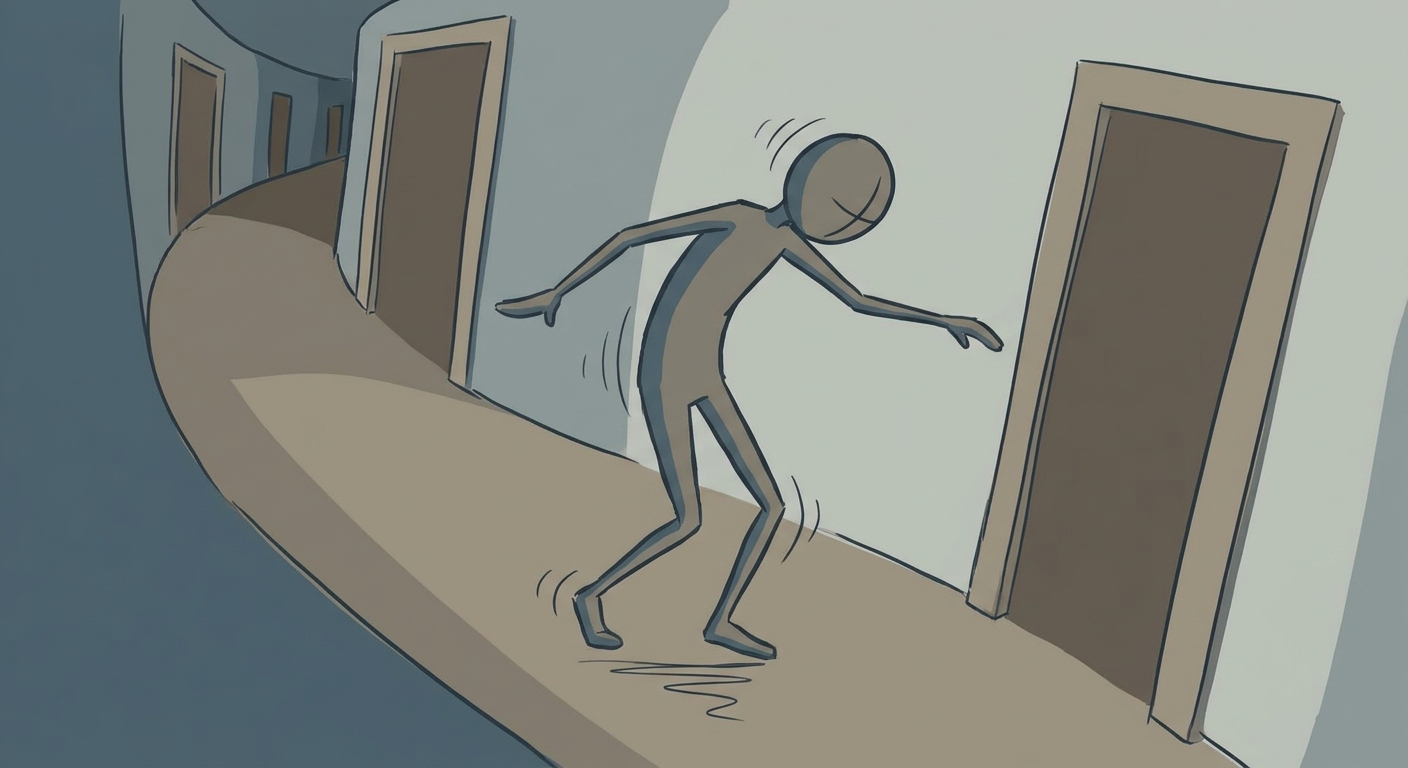
Red flags include a sudden drop in hearing, hearing loss in only one ear, dizziness or balance issues, ear pain or drainage, or effects on safety and relationships. A comprehensive evaluation can clarify next steps.
Sleep and Sinus Centers of Georgia provides comprehensive otolaryngology care. Readers who wish to discuss symptoms or schedule testing can visit our appointments page or book directly at https://www.sleepandsinuscenters.com/.
Conclusion
Age-related hearing loss is common, usually gradual, and treatable. Early use of hearing aids or other devices can ease communication, reduce isolation, and may support cognitive health for some people. Protecting remaining hearing through noise precautions and health management is also valuable. A hearing test is a practical starting point.
Consider scheduling an evaluation at Sleep and Sinus Centers of Georgia to learn more about your hearing and available options. Book an appointment today at https://www.sleepandsinuscenters.com/. Sources: NIDCD (2023, 2024), WHO Deafness and Hearing Loss, NIH ACHIEVE findings (2023), and USPSTF (2021).
This article is for educational purposes only and is not medical advice. Please consult a qualified healthcare provider for diagnosis and treatment.
Don’t let allergies slow you down. Schedule a comprehensive ENT and allergy evaluation at Sleep and Sinus Centers of Georgia. We’re here to find your triggers and guide you toward lasting relief.