Acoustic Neuroma Symptoms, Diagnosis, and Treatment Options: Complete Guide
An acoustic neuroma (also called vestibular schwannoma) is a rare, usually noncancerous (benign) slow-growing tumor on the vestibulocochlear nerve—the nerve that carries hearing and balance signals. It is not a brain cancer, but because it sits in a crowded area near the inner ear, brainstem, and facial nerve, it can still affect hearing, balance, and nearby structures. Picture that neighborhood as a narrow tunnel packed with important wiring: even a modest, gradual growth can begin to press on the signals that let you hear clearly and stay steady on your feet.
Gradual one-sided symptoms are easy to dismiss as just aging, earwax, or stress. Early evaluation matters because it can protect hearing, balance, and quality of life. This guide explains acoustic neuroma symptoms, how diagnosis usually works (including hearing tests and MRI), individualized treatment options such as watchful waiting, radiation, and surgery, follow-up, and when it is reasonable to see an ENT specialist.
This article is educational only and is not a substitute for in-person care.
What Is Acoustic Neuroma (Vestibular Schwannoma)?
Acoustic neuroma (vestibular schwannoma) typically arises from Schwann cells on the eighth cranial nerve. It often starts in the internal auditory canal and may grow toward the cerebellopontine angle, the space beside the brainstem where hearing, balance, and facial nerves travel. Most of these tumors grow slowly. Many remain small for years. According to Mayo Clinic (2025) and the EANO guideline (Goldbrunner et al., 2020), they are almost always benign. The main issues come from pressure on the hearing-and-balance nerve and, if the tumor enlarges, on nearby nerves or the brainstem.
Causes and risk factors: Most cases are sporadic, meaning the exact cause is unknown. A smaller number are linked to neurofibromatosis type 2 (NF2), which can involve tumors on both sides. Everyday noise exposure, sinus problems, or typical ear infections are not typical causes.
Who gets it? Acoustic neuroma is uncommon. It is often diagnosed in middle-aged adults, though it can appear at other ages. Sporadic tumors are almost always one-sided. Bilateral tumors raise the question of NF2, especially in younger people or those with a family history.
Acoustic neuromas are typically benign and slow-growing, making informed evaluation a valuable next step.
Acoustic Neuroma Symptoms
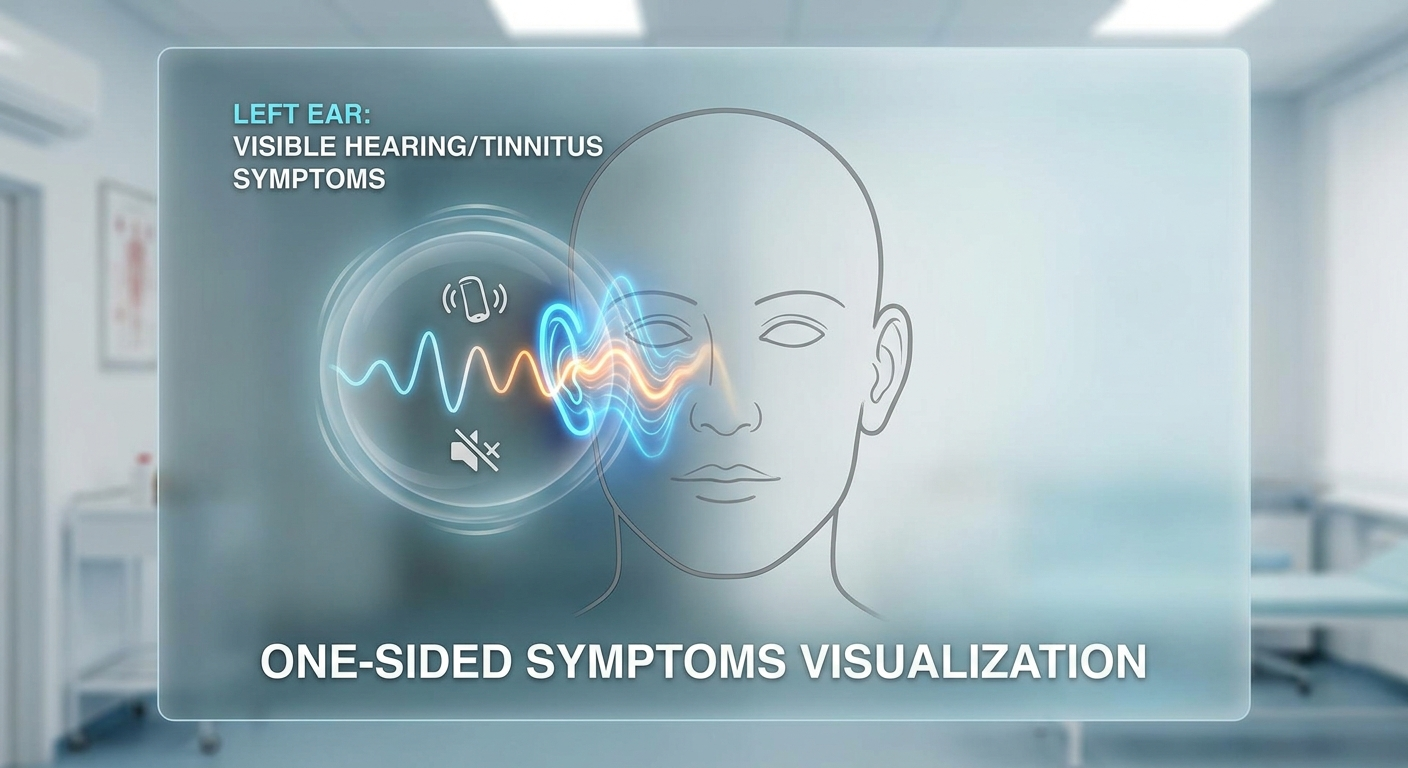
The most characteristic picture is gradual change in one ear: hearing loss, tinnitus (ringing or other sounds), dizziness, and imbalance. Symptoms often develop over months or years rather than overnight. Many people notice struggling to hear a phone on one side or finding restaurant conversation suddenly muffled in that ear.
Early and common symptoms:
- Unilateral sensorineural hearing loss, especially trouble understanding speech in one ear
- One-sided tinnitus
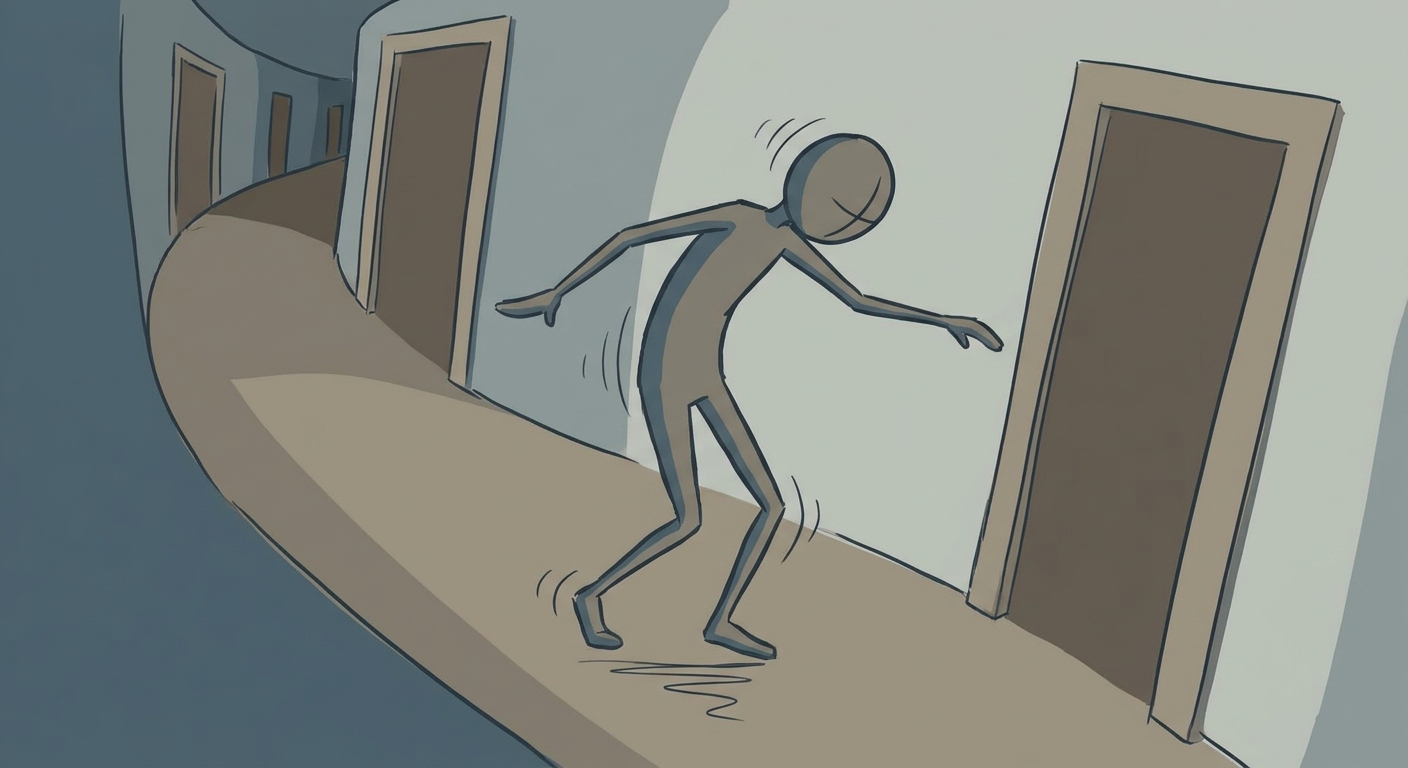
- Mild unsteadiness, dizziness, or motion sensitivity (not always spinning vertigo)
One-sided hearing changes and tinnitus overlap with more common ENT problems, which is why a proper workup matters. ENT care for tinnitus can be part of a broader evaluation.
Symptoms of larger or growing tumors may include facial numbness, tingling, or weakness, headaches, and worsening gait or imbalance. Very large tumors that compress the brainstem can, rarely, contribute to hydrocephalus or swallowing and voice changes (uncommon for small tumors but important if symptoms escalate).
When symptoms need prompt evaluation: new or worsening one-sided hearing loss or tinnitus, progressive imbalance, facial weakness, severe headache, or swallowing or voice changes.
Timely evaluation of one-sided symptoms supports earlier insight and more options.

How Acoustic Neuroma Is Diagnosed
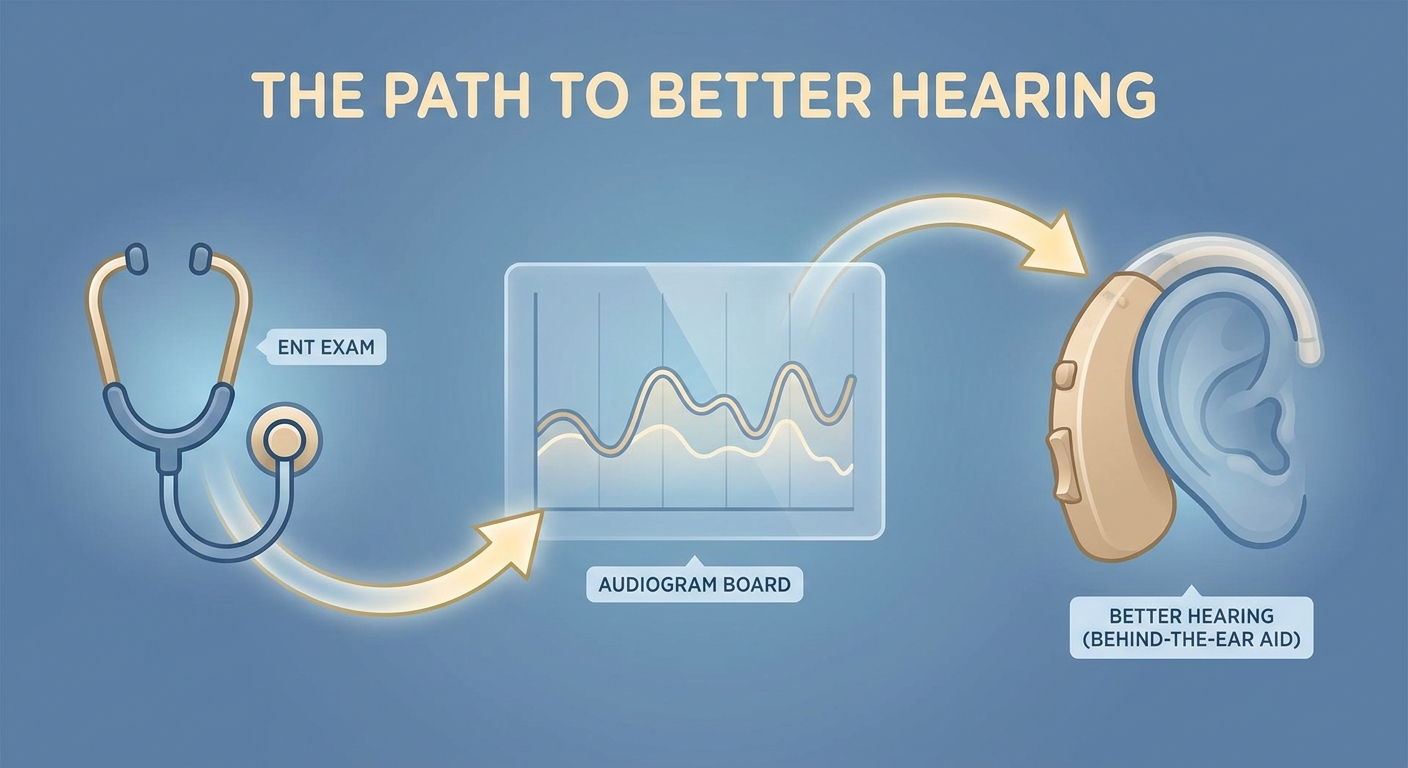
Diagnosis usually combines a hearing evaluation with imaging. A biopsy is not always required; MRI appearance is often characteristic. The goals are to confirm the lesion, measure size, see how it relates to nerves and the brainstem, and document hearing—pairing a functional test with a detailed map.
Hearing tests (audiogram and related): An audiogram often shows one-sided high-frequency loss and/or reduced speech discrimination in the affected ear. Hearing results also guide later choices about surveillance versus hearing-preservation strategies. For more background, see a patient guide to audiograms from your care team.
MRI (gold standard imaging): Contrast-enhanced MRI can detect very small tumors and show anatomy around the internal auditory canal and cerebellopontine angle. Follow-up MRI is essential during observation and after radiation or surgery. CNS and other guidelines emphasize serial imaging to track growth, especially in the first years after diagnosis.
Other tests sometimes used: Balance testing or additional imaging may be used if dizziness is prominent or MRI is not possible. Evaluation for NF2 may be considered for young patients, bilateral tumors, or a suggestive family history.
Hearing tests paired with MRI create a clear foundation for next steps.
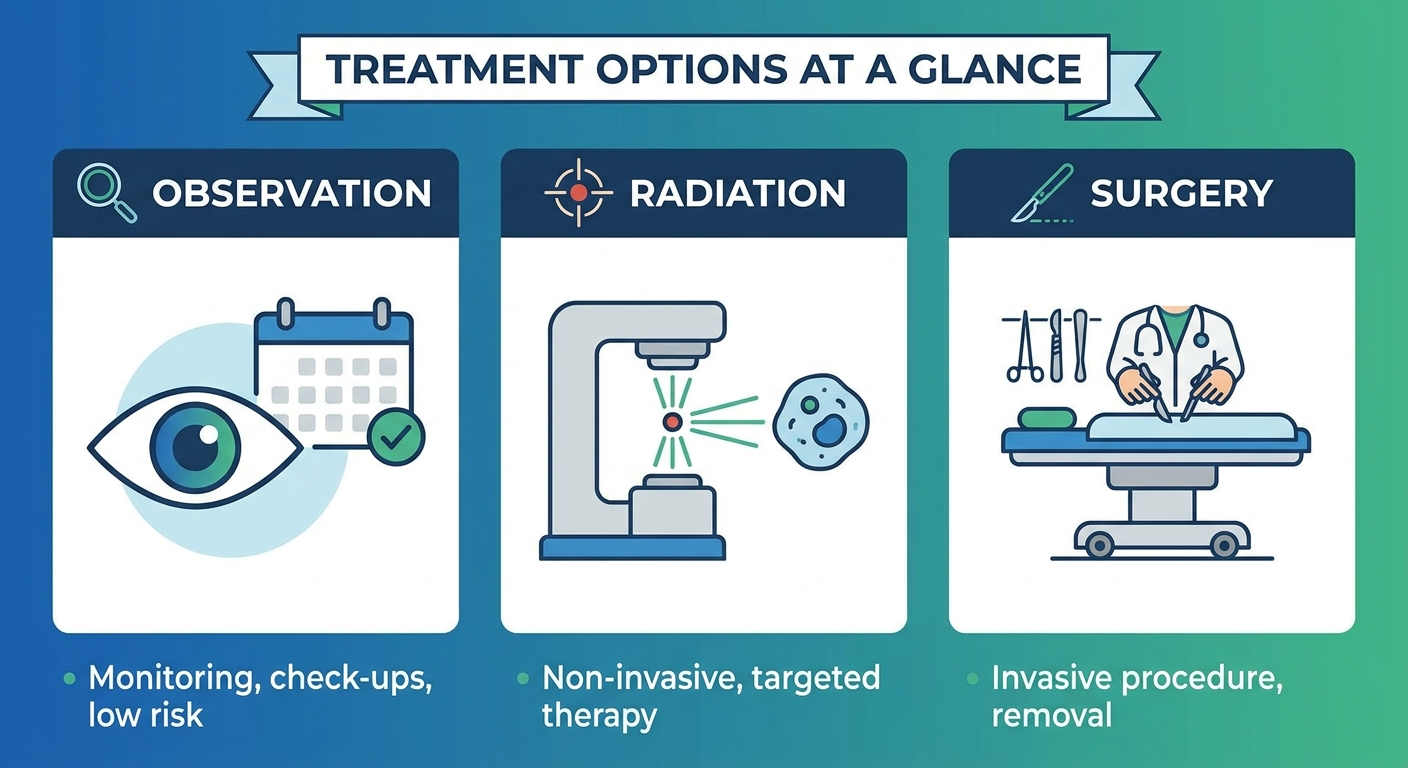
Treatment Options for Acoustic Neuroma
Care is individualized. Tumor size and growth rate, hearing status, symptoms, age and overall health, patient preferences, and specialist expertise all matter. Options range from careful watching to radiation or microsurgery. Guidance from Mayo Clinic (2025), EANO (2020), and CNS (2025) frames treatment as a shared decision rather than a single best path for everyone.

Observation (Watchful Waiting / Serial Surveillance)
Watchful waiting is common for small, slow-growing, or minimally symptomatic tumors. It typically includes regular MRI plus hearing tests, especially early after diagnosis. Observation may no longer be appropriate if growth is documented, symptoms worsen, or a person prefers active treatment. Surveillance is structured monitoring—like checking a slow leak—rather than doing nothing.
Stereotactic Radiosurgery and Fractionated Radiotherapy
These non-invasive options aim to stop growth (tumor control) rather than make the mass disappear quickly. They are often considered for small-to-medium growing tumors or for people who are not good surgical candidates. Discussions cover chances of hearing preservation, facial nerve risk, delayed effects, and the need for long-term imaging follow-up.
Microsurgical Removal
Surgery aims to remove or decompress the tumor while protecting facial nerve function and, when possible, hearing. The approach depends on size, location, and remaining hearing. Risks can include further hearing loss, facial weakness, balance changes, and CSF leak. Recovery may include vestibular therapy, hearing support, and facial-nerve care when needed.
How Specialists Choose Among Observation, Radiation, and Surgery
Decision-making weighs size and documented growth, whether useful hearing remains, brainstem compression, overall health, and personal goals. Multidisciplinary care often includes neurotology/ENT, neurosurgery, and radiation oncology. Close imaging follow-up is recommended after any path, consistent with CNS imaging guidance. Personalized choices work best with a coordinated team.
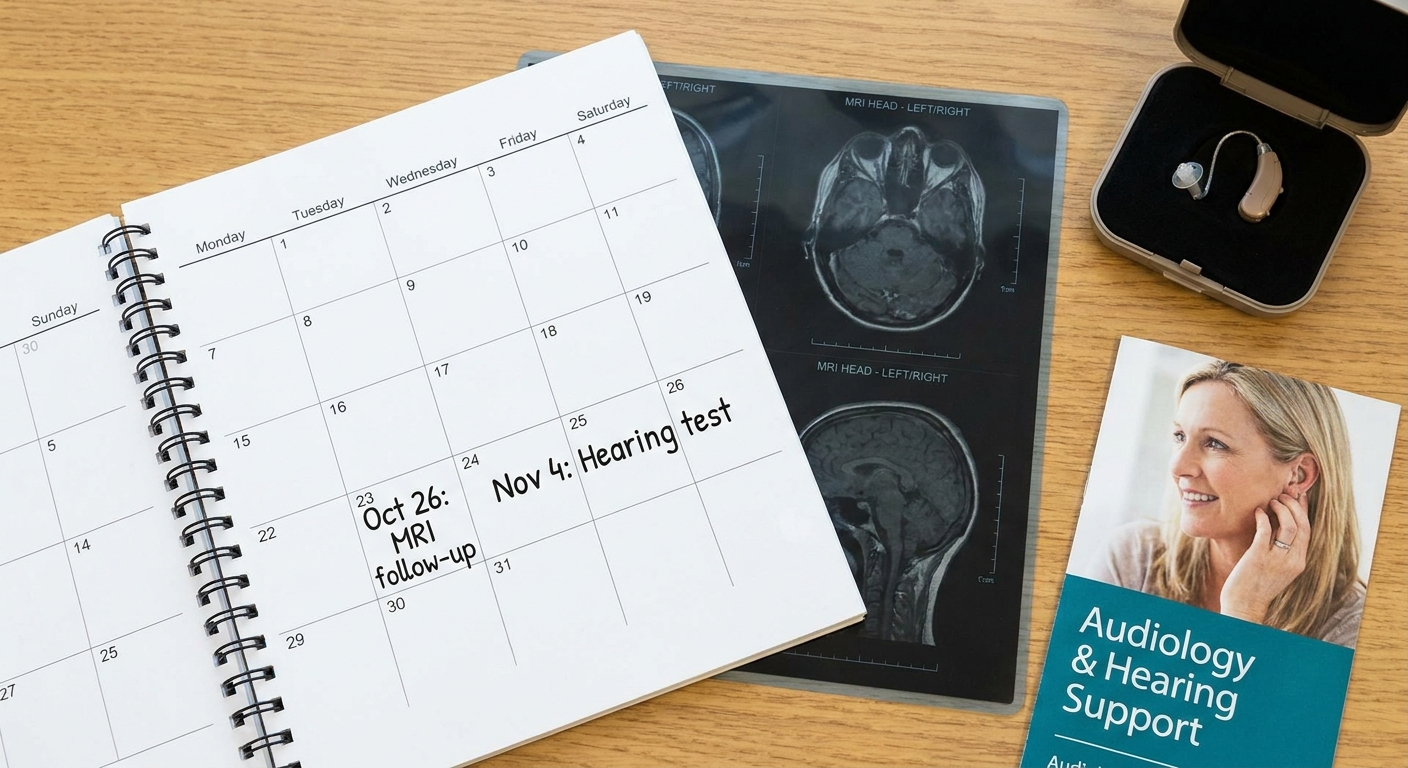
Recovery, Follow-Up, and Long-Term Outlook
Most vestibular schwannomas are benign and manageable with modern care. Long-term MRI surveillance is often needed, particularly in the early years after diagnosis or treatment. Hearing rehabilitation, vestibular (balance) therapy, and tinnitus strategies may help if symptoms persist. Coordinated comprehensive otolaryngology care can bring hearing, balance, and follow-up planning together.
Outlook depends on tumor size, growth, hearing at diagnosis, and the treatment chosen. Many people with small, stable tumors continue daily life with monitoring rather than immediate intervention. Ongoing surveillance and supportive therapies help many people maintain daily function.
Lifestyle Tips and Living Well With Acoustic Neuroma
- Protect remaining hearing by avoiding loud noise and using hearing rehabilitation if recommended
- Use fall-prevention and balance strategies if unsteadiness is present
- Try tinnitus coping tools such as sound therapy and ENT-guided strategies
- Keep scheduled MRI and hearing-test appointments
- Talk with your care team about anxiety, which is common after any tumor diagnosis
These are supportive habits, not substitutes for medical follow-up.
Frequently Asked Questions About Acoustic Neuroma
Q: Is acoustic neuroma cancer? A: Usually no. It is typically a benign schwannoma (Mayo Clinic, 2025).
Q: Can it go away on its own? A: That is uncommon. Many tumors stay stable; some grow slowly (EANO, 2020).
Q: Will I lose all my hearing? A: It depends on starting hearing, tumor size, growth, and treatment. Some people keep useful hearing; others need rehabilitation.
Q: How often do I need MRI if we watch it? A: Schedules vary, but imaging is often more frequent in the first years, then spaced out if the tumor is stable (CNS imaging updates).
Q: Can I fly, exercise, or work normally? A: Many people can, with medical clearance. Discuss dizziness and balance symptoms with your care team.
Q: When is surgery vs. radiation vs. watching better? A: Small, stable, minimally symptomatic tumors are often observed. Growing, symptomatic, or large tumors with brainstem compression more often lead to radiation or surgery. Health, hearing goals, and preferences matter.
When to See an ENT Specialist
Persistent one-sided hearing loss, tinnitus, or unexplained imbalance is a practical reason to schedule an evaluation, hearing test, and, when appropriate, imaging. If one-sided symptoms are new, worsening, or unexplained, request an appointment to begin the conversation and arrange the right tests.
An ENT visit is a practical way to explore one-sided hearing or balance changes.
Closing
One-sided hearing loss, tinnitus, and balance changes deserve a proper workup. An acoustic neuroma is usually benign and slow-growing, and treatment is personalized. Watchful waiting with MRI is a valid and common option for many small tumors; radiation and surgery remain important when growth, symptoms, or size require action.
This overview is educational only. Individual care should come from an ENT and, when needed, neurosurgery and radiation oncology. For related reading on hearing tests, tinnitus, and coordinated ENT care, ask your clinician for an audiogram basics guide, tinnitus treatment tips, and comprehensive otolaryngology care resources. Book your visit at Sleep and Sinus Centers when you are ready to take the next step.
This article is for educational purposes only and is not medical advice. Please consult a qualified healthcare provider for diagnosis and treatment.
Don’t let allergies slow you down. Schedule a comprehensive ENT and allergy evaluation at Sleep and Sinus Centers of Georgia. We’re here to find your triggers and guide you toward lasting relief.