Why Sinus Symptoms Worsen During Autoimmune Flares: Causes, Triggers & Relief
If you live with an autoimmune condition, you may notice a frustrating pattern: your nose and sinuses seem to “act up” right along with fatigue, joint pain, rashes, or other flare symptoms. You’re not imagining it. There are real immune and inflammation reasons sinus symptoms can worsen during autoimmune flares—and understanding the “why” can help you figure out what kind of care (and which specialist) is most likely to help.
Many patients describe patterns like, “My joints flare—and two days later my face feels stuffed and pressurized,” or, “I keep getting treated for sinus infections, but the congestion comes back whenever my autoimmune symptoms spike.” Those details are useful clues.
Quick answer (TL;DR)
Autoimmune flares raise whole-body inflammation, and that inflammation can extend into the nasal passages and sinuses—leading to swelling, blocked drainage, thick mucus, pressure, and stubborn symptoms. Researchers have found overlap in immune pathways involved in autoimmune activity and certain types of chronic rhinosinusitis (CRS) inflammation, including the Th17 / IL‑17 / IL‑23 axis. During flares, symptoms can feel more intense and may be less responsive to standard sinus treatments when inflammation—not bacteria—is the main driver. However, inflammation and infection can sometimes coexist, so evaluation matters when symptoms escalate or change. Sources: PMC review on inflammatory pathways in CRS/autoimmunity (Th17, IL‑17/IL‑23) https://pmc.ncbi.nlm.nih.gov/articles/PMC11458559/ ; Scientific Reports (CRS immune/inflammatory endotypes) https://www.nature.com/articles/s41598-020-75815-x

What is an autoimmune flare—and why can it affect your sinuses?
Autoimmune disease = misdirected immune activation
Autoimmune conditions are often described as the immune system becoming overactive or misdirected. Instead of turning inflammation on briefly (to fight a virus, for example) and then turning it off, the immune system can stay “revved up,” releasing inflammatory signals that affect multiple parts of the body.
A flare is a period when that immune activity increases—so symptoms that reflect inflammation anywhere in the body can intensify. That “anywhere” can include the lining of your nose and sinuses.
Your nose and sinuses are part of the immune system’s “front line”
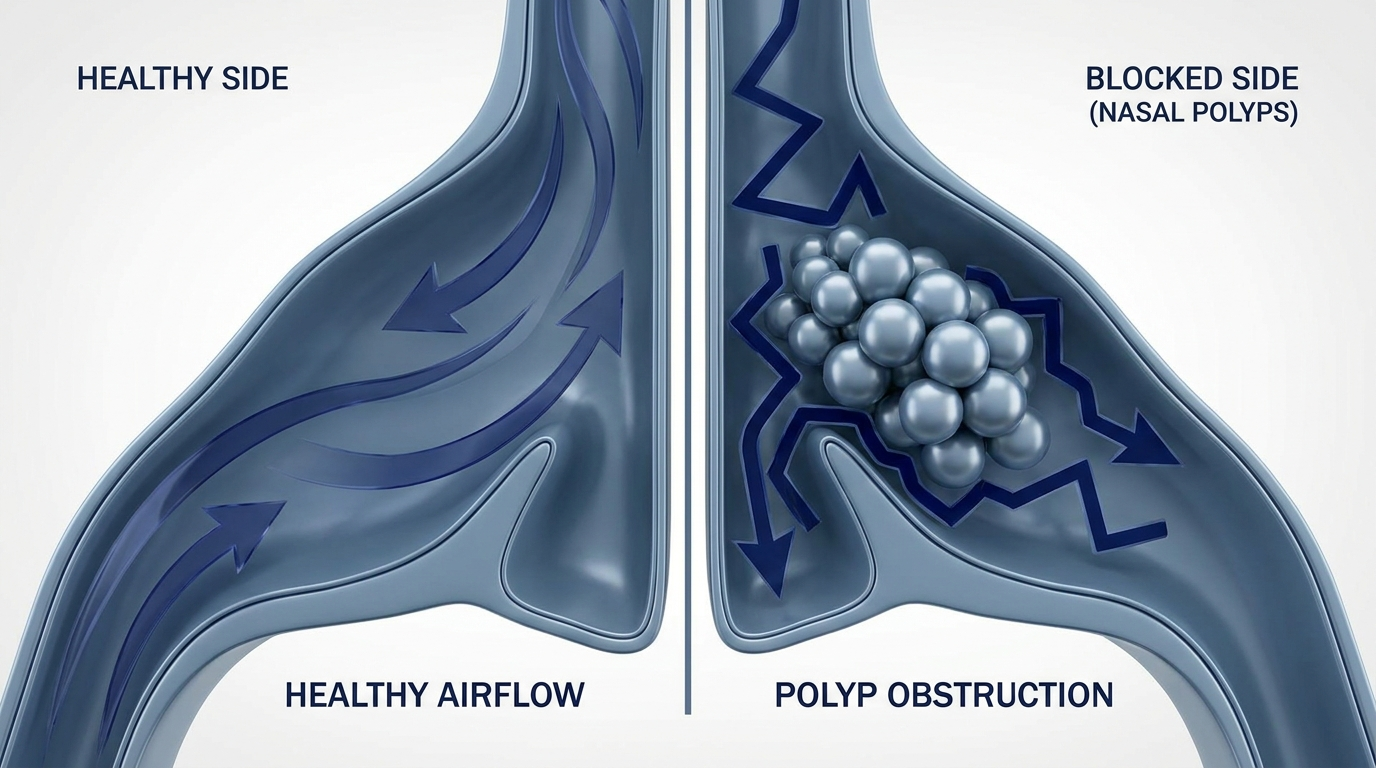
The lining of your nose and sinuses isn’t just “plumbing”—it’s immune tissue. It’s designed to trap particles, sense threats, and respond. When systemic inflammation rises, the nasal lining can become more reactive: swelling more, producing thicker mucus, and narrowing the small drainage pathways that keep sinuses ventilated.
A helpful analogy: your sinuses are like rooms with small vents and drains. If the lining swells, those vents narrow—airflow drops, drainage slows, and pressure builds even without bacteria being the main issue.
Patient-friendly background: https://www.topdoctors.co.uk/medical-articles/understanding-nasal-inflammation-and-blockage-in-autoimmune-diseases-causes-symptoms-and-treatment-options/ and https://sleepandsinuscenters.com/blog/can-autoimmune-diseases-cause-sinus-inflammation-s-20260204121259/
Short takeaway
During autoimmune flares, “upstream” immune activity can make the nasal lining swell and overreact—setting the stage for congestion and pressure.
The “why” behind worse sinus symptoms during flares (the science—explained clearly)

Systemic inflammation → nasal swelling → poor sinus drainage
When the nasal lining swells, the openings where your sinuses drain can narrow. Mucus may get trapped, pressure can build, and you may feel “full” or blocked—sometimes with post-nasal drip and cough. This is one key reason sinus symptoms can worsen during autoimmune flares: swelling and drainage problems don’t require an infection to feel miserable.
In practice, this can look like congestion that feels “deep,” facial heaviness that worsens when you bend forward, or a lingering post-nasal drip that irritates the throat—especially during weeks when systemic symptoms are also heightened.
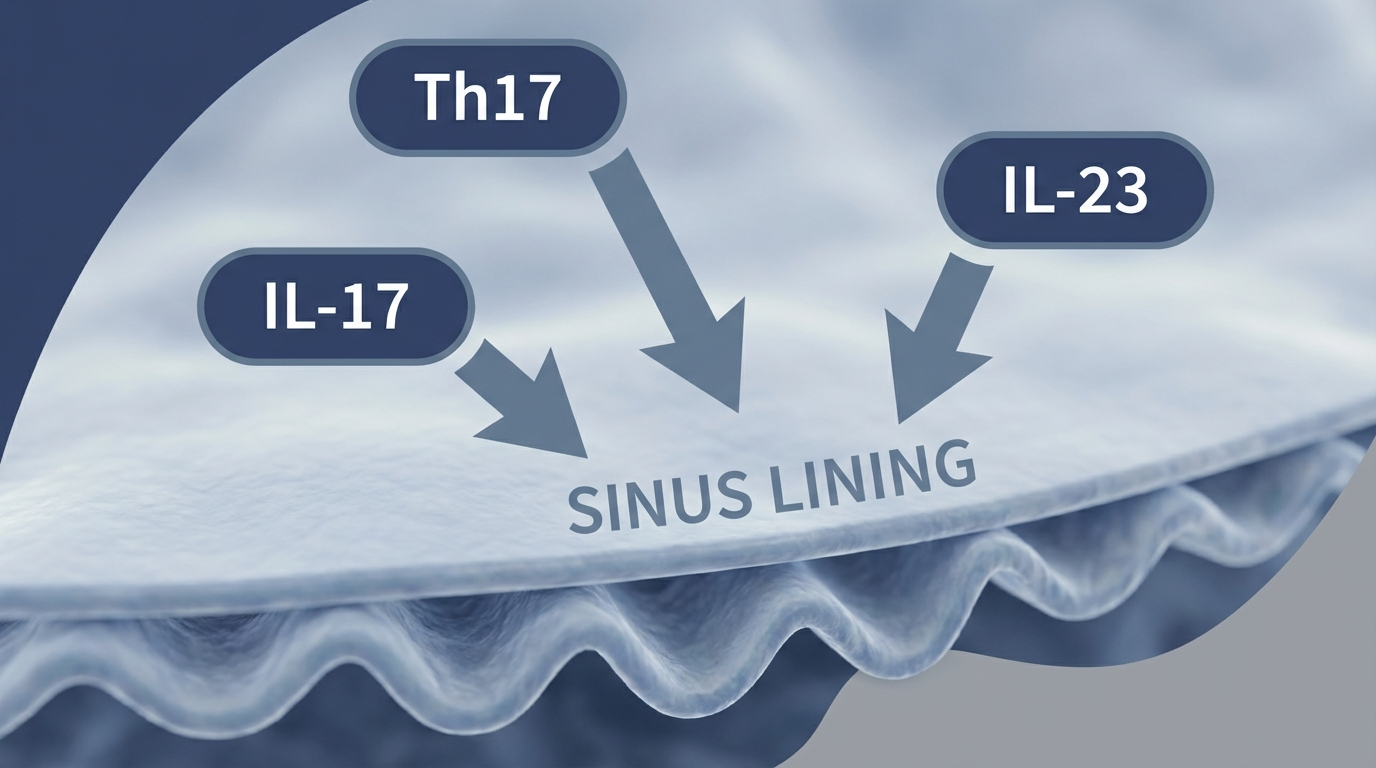
Shared inflammatory pathways (Th17 / IL‑17 / IL‑23) can amplify sinus inflammation
Some immune pathways show up in both autoimmune disease activity and certain CRS patterns. One well-studied example is the Th17 / IL‑17 / IL‑23 axis: Th17 cells are inflammation drivers—immune cells that help sustain inflammatory responses. IL‑17 and IL‑23 are messenger signals that can keep inflammation going and recruit other inflammatory cells.
Why this matters: if your autoimmune condition is flaring through pathways that overlap with CRS-related inflammation, your nasal and sinus lining may be more likely to swell, overproduce mucus, and become irritated at the same time. Sources: https://pmc.ncbi.nlm.nih.gov/articles/PMC11458559/ ; https://www.nature.com/articles/s41598-020-75815-x
Tissue irritation can be more severe in autoimmune-related sinus disease
In some people, autoimmune-related inflammation may be more than “puffiness and mucus.” It can contribute to mucosal irritation and injury—symptoms such as:
- Sinus crusting and bleeding
- Raw, tender areas
- Scabbing or recurring irritation
A clinician might summarize it like this: “When the tissue is chronically inflamed, it can become fragile—so it crusts, cracks, and bleeds more easily.” This is one reason it’s worth taking persistent crusting or bleeding seriously rather than assuming it’s just dry air. Background reading: https://sleepandsinuscenters.com/blog/chronic-sinusitis-and-autoimmune-disease-connectio-20260204051234
Why antibiotics (alone) may not help during a flare
A common frustration is sinus symptoms that don’t typically improve with antibiotics when inflammation is the primary cause. That can happen when inflammation—not bacteria—is the main driver. Antibiotics do not reduce immune-driven swelling or fix poor drainage. If infection is suspected or diagnosed, appropriate antibiotic treatment may be necessary alongside anti-inflammatory strategies. For a deeper breakdown, see: https://sleepandsinuscenters.com/blog/inflammatory-vs-infectious-sinusitis-key-differenc-20260205021132
Short takeaway
Overlapping immune pathways and swelling-driven drainage problems explain why sinus pressure, congestion, and crusting often flare with autoimmune activity.
Symptoms—what patients commonly notice during autoimmune flares
Common flare-associated sinus symptoms
- Persistent congestion (sometimes complete blockage)
- Facial pressure/fullness
- Thick mucus and post-nasal drip
- Reduced sense of smell
This pattern often shows up as autoimmune flare sinus congestion that lingers longer than a typical cold—especially when it rises and falls with your other flare symptoms.
Symptoms that can suggest autoimmune-driven nasal/sinus inflammation (not just a cold)
- Severe crusting
- Recurrent nosebleeds
- Painful sores/ulcerations
- Persistent symptoms that are hard to control
For related reading, see https://sleepandsinuscenters.com/blog/chronic-sinus-crusting-bleeding-septal-damage-caus-20260205191330 and this overview of autoimmune sinusitis signs to discuss with your clinician: https://sleepandsinuscenters.com/blog/autoimmune-sinusitis-key-signs-your-sinus-problems-20260203051202
Red flags—when to seek urgent care
Some symptoms can signal complications or a condition that needs urgent evaluation, such as: high fever with worsening facial swelling, vision changes, severe headache/neck stiffness, confusion, or rapidly worsening one-sided swelling and pain. While mild nosebleeds can occur with inflammation, persistent or heavy bleeding warrants prompt medical attention.
Short takeaway
If your sinus symptoms track tightly with your autoimmune flare timing—especially with crusting or bleeding—ask about inflammation-focused evaluation.
Which autoimmune conditions are most associated with sinus problems?
Sinus and nasal inflammation can occur across multiple autoimmune and inflammatory diseases, but the pattern and severity vary widely. Conditions often discussed in relation to nasal/sinus issues include:
- Granulomatosis with polyangiitis (GPA) / vasculitis
- Lupus
- Rheumatoid arthritis
- Sjögren’s (often with dryness that worsens irritation)
- Thyroid-related autoimmunity (in some people, congestion overlaps)
The key takeaway: if sinus symptoms worsen during autoimmune flares, it may reflect how your immune system is activating during those periods—not necessarily a repeated bacterial infection. Background context: https://www.medpagetoday.com/rheumatology/generalrheumatology/108916 and patient overview: https://www.topdoctors.co.uk/medical-articles/understanding-nasal-inflammation-and-blockage-in-autoimmune-diseases-causes-symptoms-and-treatment-options/
Short takeaway
Many autoimmune conditions can inflame the nasal lining; the pattern matters more than the label.

Triggers that can worsen BOTH autoimmune flares and sinus symptoms
Infection and viral exposure
Viral illnesses can trigger immune activation and worsen congestion and drainage—sometimes setting off a flare and sinus symptoms together. In some cases, secondary bacterial infection can follow a viral illness, so seek care if symptoms sharply worsen after initial improvement.
Allergens and environmental irritants (pollen, mold, smoke, fragrance)
During a flare, nasal tissue can be extra reactive. Pollen, indoor mold, smoke, and strong fragrances can add irritant inflammation on top of systemic inflammation. Related guide: https://sleepandsinuscenters.com/blog/avoiding-irritants-that-trigger-sinus-flare-ups
Stress and poor sleep
Stress and sleep disruption can influence inflammation and pain perception, making pressure and facial discomfort feel more intense.
Medication changes
Shifts in anti-inflammatory or immune-modulating medications (including tapering) can coincide with symptom rebound. Coordinate changes with the clinician who manages your autoimmune care.
Short takeaway
Infections, allergens, irritants, stress, and medication shifts can stack on top of a flare and magnify sinus symptoms.

Autoimmune flare vs. sinus infection vs. allergies—how to tell the difference
Signs that lean more “infection”
Symptoms that may be more consistent with infection include fever (not always), worsening one-sided facial pain, foul smell, pus-like drainage, or “double worsening” (you started to improve, then suddenly got worse). Keep in mind that infection and inflammation can coexist.
Signs that lean more “inflammation/autoimmune flare”
- Symptoms tightly track with fatigue/joint pain/rash flare timing
- Prominent crusting/bleeding
- Long duration, and sinus symptoms that don’t typically improve with antibiotics when inflammation is the primary cause
Signs that lean more “allergies”
Clues for allergies include itchy eyes/nose, frequent sneezing, watery drainage, and seasonal patterns.
Why diagnosis sometimes requires an ENT exam
Because these can overlap, an ENT visit may include nasal endoscopy and, sometimes, cultures or imaging to clarify what’s driving symptoms and why they’re persisting. If you’re also sorting out symptom duration, this guide on acute vs. chronic sinusitis can help frame what “chronic” means: https://sleepandsinuscenters.com/blog/acute-vs-chronic-sinusitis-key-differences-and-treatment-options
Short takeaway
Patterns, timing, and a targeted ENT exam help sort out inflammation, infection, and allergy when symptoms blur together.
Relief during an autoimmune flare (practical, patient-safe steps)
At-home care that supports drainage and reduces irritation
Many clinicians discuss basics such as saline irrigation (using sterile/distilled water as directed), humidification in dry indoor air, warm compresses, and hydration to help mucus move more easily. If crusting is a major issue, the goal is gentle moisture and softening—not aggressive picking or frequent drying sprays that can further irritate fragile tissue.
OTC options (with safety notes)
Depending on your situation, clinicians may discuss non-sedating antihistamines (if allergies seem likely), expectorants like guaifenesin for mucus thinning, or decongestants. Because decongestants can affect blood pressure, sleep, and interact with other conditions/medications, confirm what’s appropriate for you.
Prescription treatments an ENT may consider
If inflammation is prominent, targeted therapies may be discussed—such as intranasal corticosteroid sprays or steroid rinses. In select scenarios, oral steroids may be considered, typically coordinated with your broader autoimmune treatment plan. If bacterial infection is suspected or confirmed (for example, by exam findings or culture), antibiotics may be necessary and can be selected more specifically.
When symptoms are severe or recurrent—procedural options
If symptoms persist or keep returning, evaluation for chronic rhinosinusitis may include discussing whether anatomy or chronically impaired drainage is contributing. In those cases, procedural options may be part of the conversation—but only after the underlying pattern is clear.
Short takeaway
Support drainage, reduce irritation, and tailor treatments to the true driver—adding antibiotics only when infection is actually present.
Long-term prevention: reduce sinus setbacks between flares
Treat the “upstream” inflammation (team approach)
Because sinus inflammation can reflect systemic inflammation, many people do best with coordinated care (rheumatology/primary care plus ENT, and allergy evaluation when relevant).
Identify and reduce inflammatory exposures
Tracking exposures (pollen seasons, indoor air quality, fragrance triggers) can help you anticipate weeks when your nose might be more reactive.
If allergies contribute, test and treat them
If allergy symptoms overlap with flare weeks, identifying triggers can be helpful. Learn more: https://sleepandsinuscenters.com/allergy-testing
Build a simple “flare-week sinus plan”
Many people find it useful to have a short, repeatable plan to discuss with their clinician (for example: what to do first for dryness, how to support drainage, and when to check in if symptoms escalate).
Short takeaway
Prevention works best when you manage systemic inflammation, reduce triggers, and have a clear, personalized flare-week plan.
What to expect at an ENT visit (and what tests might be used)
History and symptom pattern review
An ENT visit often starts with patterns: when symptoms happen, whether they match flare timing, what medications have changed, how severe crusting/bleeding is, and whether prior antibiotics helped.
Nasal endoscopy
Nasal endoscopy allows a close look at swelling, drainage pathways, mucus, crusting, and irritation—information that can help distinguish infection, allergy, and inflammatory patterns.
Imaging (sinus CT) when needed
A sinus CT can show chronic blockage, polyps, structural contributors, or more extensive inflammation.
Lab work or biopsy in select cases
If there’s concern for vasculitis or unusual tissue damage, additional testing may be considered.
Short takeaway
A focused ENT exam clarifies what’s driving symptoms so treatment can target the root cause.
FAQs
Can an autoimmune flare cause sinus pressure without an infection?
Yes. Systemic inflammation can swell nasal tissues and impair drainage, creating pressure and congestion without bacterial infection. https://pmc.ncbi.nlm.nih.gov/articles/PMC11458559/
Why do my sinus symptoms get worse when my joints flare?
Inflammatory “signals” can affect multiple tissues, including the nasal and sinus lining. This overlap is one reason sinus symptoms can worsen during autoimmune flares. https://pmc.ncbi.nlm.nih.gov/articles/PMC11458559/
Why don’t antibiotics help my sinus symptoms during flares?
If symptoms are mostly inflammatory, antibiotics won’t address swelling and immune activation. When infection is suspected or confirmed, appropriate antibiotic therapy may be necessary in addition to anti-inflammatory measures. For context on inflammatory vs. infectious sinusitis: https://sleepandsinuscenters.com/blog/inflammatory-vs-infectious-sinusitis-key-differenc-20260205021132
Is nosebleeding during sinus symptoms normal in autoimmune disease?
It can occur, especially with inflammation and crusting. While mild nosebleeds can be self-limited, persistent or heavy bleeding warrants prompt medical attention. Background: https://www.topdoctors.co.uk/medical-articles/understanding-nasal-inflammation-and-blockage-in-autoimmune-diseases-causes-symptoms-and-treatment-options/
When should I see an ENT versus my rheumatologist?
In general, consider ENT evaluation for persistent congestion beyond ~10–12 weeks, recurrent sinus infections, crusting/bleeding, or poor response to standard therapy—especially when sinus symptoms seem to track with autoimmune flares. Rheumatology focuses on systemic flare control and medication strategy. Practical checklist: https://sleepandsinuscenters.com/blog/when-should-i-see-an-ent
Conclusion + next step
When sinus symptoms worsen during autoimmune flares, it’s often because systemic inflammation is “spilling over” into the nasal and sinus lining—driving swelling, poor drainage, and irritation that can look (and feel) like a stubborn sinus infection. If you’re stuck in a cycle of recurring symptoms, crusting/bleeding, or symptoms that don’t typically improve with antibiotics when inflammation is the primary cause, it may be time to shift the question from “Which antibiotic?” to “What’s actually driving this?” If you’d like help sorting out whether your pattern looks more like autoimmune-related inflammation, allergy overlap, or chronic rhinosinusitis, Sleep & Sinus Centers of Georgia offers ENT evaluation and coordinated next-step testing when appropriate. A good starting point is this guide on when to see an ENT: https://sleepandsinuscenters.com/blog/when-should-i-see-an-ent —or you can book an appointment here: https://www.sleepandsinuscenters.com/
Short takeaway
Clarifying the true driver—inflammation, infection, or allergy—opens the door to faster, more durable relief.
References
- PubMed Central (PMC): Chronic rhinosinusitis inflammation pathways including Th17/IL‑17/IL‑23 axis https://pmc.ncbi.nlm.nih.gov/articles/PMC11458559/
- Sleep & Sinus Centers: Can autoimmune diseases cause sinus inflammation? https://sleepandsinuscenters.com/blog/can-autoimmune-diseases-cause-sinus-inflammation-s-20260204121259
- Sleep & Sinus Centers: Chronic sinusitis and autoimmune disease connection https://sleepandsinuscenters.com/blog/chronic-sinusitis-and-autoimmune-disease-connectio-20260204051234
- Nature Scientific Reports: CRS immune/inflammatory research context https://www.nature.com/articles/s41598-020-75815-x
- Top Doctors UK: Nasal inflammation/blockage in autoimmune diseases https://www.topdoctors.co.uk/medical-articles/understanding-nasal-inflammation-and-blockage-in-autoimmune-diseases-causes-symptoms-and-treatment-options/
- MedPage Today: Systemic inflammatory disease context https://www.medpagetoday.com/rheumatology/generalrheumatology/108916
Medical disclaimer: This article is for informational purposes only and does not replace medical advice, diagnosis, or treatment. Seek urgent care for severe or rapidly worsening symptoms, vision changes, significant facial swelling, confusion, or neck stiffness.
This article is for educational purposes only and is not medical advice. Please consult a qualified healthcare provider for diagnosis and treatment.
Don’t let allergies slow you down. Schedule a comprehensive ENT and allergy evaluation at Sleep and Sinus Centers of Georgia. We’re here to find your triggers and guide you toward lasting relief.