Does a Sinus Infection Cause a Sore Throat? Symptoms, Causes, and Treatment
If you’re dealing with sinus pressure, congestion, and throat discomfort at the same time, it’s natural to wonder: does a sinus infection cause a sore throat—or is something else going on? The short answer is that the two often go together, usually because of postnasal drip (mucus that runs down the back of the throat). In everyday use, people often say “sinus infection” to mean sinusitis.
Think of your nose and throat as part of the same “neighborhood.” When your sinuses are inflamed, extra mucus doesn’t always stay put—it can travel. And when that drainage repeatedly coats the back of the throat, it can leave tissues feeling irritated, scratchy, or raw.
Below, we’ll explain why it happens, how to tell sinus-related throat irritation from other causes, what typically helps, and when to see a doctor (or an ENT).
Quick Answer: Can a Sinus Infection Cause a Sore Throat?
Yes, it can. Sinus inflammation can lead to thick mucus and drainage that drips down the back of the throat (postnasal drip), irritating sensitive throat tissues. That irritation can feel like scratchiness, rawness, or a persistent need to clear your throat.
Sore throat can occur with both acute and chronic sinusitis, often because of postnasal drip. For high-level overviews, see the Mayo Clinic pages for acute and chronic sinusitis. [1][2]
Featured snippet (quick explanation): A sinus infection can cause a sore throat mainly because mucus from inflamed sinuses drains into the throat (postnasal drip), irritating the lining and triggering scratchiness, pain, and cough. [1][2]
Takeaway: Postnasal drip is the most common link between sinus symptoms and a sore, irritated throat.

Why Sinus Infections Trigger Sore Throat (The Postnasal Drip Connection)
When your sinuses are swollen, mucus can become thicker and harder to clear. Instead of draining forward through your nose, it may slide backward—like a slow leak running down a wall—directly onto the throat lining.
What postnasal drip feels like
- Feeling like mucus is “stuck” in the throat
- Frequent throat clearing
- A cough that’s worse at night
- Waking up with a dry, irritated throat or a “coated” feeling
A common pattern: you feel “fine” during the day, but as soon as you lie down, the drainage becomes more noticeable. By morning, your throat may feel rough—then improve after you drink water, shower, or get moving.
How mucus causes throat irritation
- Constant drainage can inflame the throat lining over time.
- Thicker mucus may stick to throat tissues, creating a lingering scratchy sensation.
- Coughing and throat clearing add mechanical irritation, which can make soreness feel worse (even if the original trigger is drainage).
When infection affects both the sinuses and throat
Viral upper-respiratory infections can irritate both nasal/sinus tissues and the throat; bacterial sinusitis is less common. [1][2] That’s why symptoms can blend together, especially early on.
Takeaway: The more persistent and thicker the drainage, the more likely your throat is to feel sore or scratchy.

Sinus Infection vs. Other Causes of Sore Throat (How to Tell)
Because sore throats are common, it helps to look at the pattern of symptoms—not just one symptom in isolation. If you want a deeper comparison, see our guide on sinus infection vs. cold: https://sleepandsinuscenters.com/blog/sinus-infection-vs-cold-how-to-tell-the-difference
Signs your sore throat is likely from sinusitis/postnasal drip
- Nasal congestion or a blocked nose
- Facial pressure or fullness
- Thick nasal discharge
- Cough (often worse at night)
- A throat that feels scratchy/irritated more than “sharp pain” with swallowing
Another clue: the discomfort often fluctuates with drainage—for example, worse after sleeping flat and better after a warm drink, saline rinse, or clearing mucus.
Clues it may not be sinus-related
- Sudden, severe sore throat with high fever and no nasal symptoms (possible strep or viral throat infection)
- Heartburn, sour taste, frequent hoarseness (possible reflux)
- Strong allergy pattern (itchy eyes, sneezing, predictable seasonal triggers)
When multiple issues overlap
It’s also common for more than one trigger to stack up—for example: allergies → nasal swelling → blocked sinus drainage → postnasal drip → sore throat. If you’re stuck in that cycle, ask: what is keeping the drainage going—ongoing inflammation, repeated colds, or uncontrolled allergies?
Takeaway: If your sore throat tracks with nasal symptoms and drainage, sinusitis is a likely contributor.

Common Symptoms of Sinus Infections (Acute vs. Chronic)
Sinus symptoms are often discussed in terms of duration and pattern—especially acute vs. chronic sinusitis. For a detailed breakdown, see: https://sleepandsinuscenters.com/blog/acute-vs-chronic-sinusitis-key-differences-and-treatment-options
Acute sinusitis symptoms (often after a cold)
- Stuffy or blocked nose
- Facial pressure/pain
- Thick nasal mucus
- Reduced sense of smell
- Postnasal drip—which can lead to a sore throat caused by sinus drainage, throat clearing, or cough [1]
Many people with acute sinus symptoms describe a “cold that changed character”—from runny and watery to thicker congestion with more pressure.
Chronic sinusitis symptoms (lasting longer)
- Ongoing nasal congestion
- Drainage
- Facial pressure
- Cough
- Sore throat or throat discomfort that can persist or recur as inflammation/drainage continues [2]
Overlapping symptoms that can confuse patients
Nasal congestion, drainage, cough, and throat discomfort can appear in both acute and chronic categories, which is why the timeline and recurrence pattern matter. [1][2] When in doubt, track symptoms for a week: what’s changing, what’s lingering, and what keeps returning?
Takeaway: Duration and recurrence help distinguish a brief flare from a chronic sinus pattern.
What Causes a Sinus Infection (and Why It Can Affect the Throat)
Viral vs. bacterial vs. inflammatory causes
- Viral upper-respiratory infections (a common starting point for acute sinus symptoms)
- Bacterial infection (less common; more likely suspected with certain symptom patterns and duration)
- Inflammation (including chronic inflammation, which may occur with or without infection)
Blocked sinus drainage = thicker mucus + more drip
When nasal passages and sinus openings are swollen, mucus may not drain efficiently. That backup can make mucus thicker and increase the amount that drips backward—fueling throat irritation from mucus.
Risk factors that make sore throat more likely
- Dehydration
- Dry indoor air (especially in heated or air-conditioned spaces)
- Mouth breathing at night due to congestion
- Smoking or other irritant exposure
Takeaway: Anything that worsens congestion or dries tissues can magnify throat irritation from postnasal drip.
How Long Does the Sore Throat Last With a Sinus Infection?
Typical timeline
- Acute sinusitis: Throat irritation often improves as swelling decreases and drainage thins out—especially when postnasal drip settles.
- Chronic sinusitis: Symptoms may come and go, or linger, because inflammation and drainage can persist longer. [2]
A practical way to think about it: the throat usually feels better when the drip is better. If you still feel constant drainage, the throat may continue to feel “rubbed raw.”
When the timeline becomes a red flag
- The sore throat is worsening instead of gradually improving
- Symptoms are lasting longer than expected or repeatedly returning
- Throat pain becomes severe or is paired with concerning symptoms (see “When to See a Doctor” below)
Takeaway: If drainage isn’t improving—or symptoms keep returning—consider a clinical evaluation.

Treatment: How to Relieve a Sore Throat Caused by Sinus Infection
Most relief strategies focus on reducing drainage and soothing irritated tissues. This is educational information, not personalized medical advice.
Medication safety note: Talk with a clinician or pharmacist before using certain OTC products if you’re pregnant, have high blood pressure, glaucoma, prostate issues, or take medications that may interact.
At-home care that targets the cause (drainage)
- Nasal saline irrigation: Helps rinse out mucus and may reduce postnasal drip.
- Hydration: Fluids can thin mucus and reduce friction in the throat.
- Humidifier or steam: Adds moisture and can ease dryness and congestion-related discomfort.
- Head elevation at night: Reduces pooling of drainage while you sleep.
Symptom relief for the throat
- Warm tea or broth
- Honey (when appropriate)
- Salt-water gargles
- Throat lozenges (non-medicated or medicated options)
OTC medication options (patient-friendly overview)
- Pain relievers for throat discomfort (such as acetaminophen or ibuprofen when appropriate)
- Decongestants for short-term congestion relief; some nasal decongestant sprays can cause rebound congestion if used longer than recommended, and oral decongestants may not be safe for everyone
- Antihistamines if allergies are a major driver (they can help some people, though they may dry others out)
- Nasal steroid sprays for inflammation (these may take consistent use over time to notice full benefit)
For more detail, see: https://sleepandsinuscenters.com/blog/best-otc-medicine-for-sinus-infection-when-to-see-a-doctor
When prescription treatment may be considered
A clinician may consider prescription options if symptoms suggest a bacterial infection, significant inflammation, or complications—or if symptoms are persistent despite appropriate self-care. This ties back to the symptom patterns described for acute and chronic sinusitis. [1][2]
Takeaway: Target the drip, calm the inflammation, and soothe the throat; escalate to medical care if symptoms persist or worsen.
Lifestyle Tips to Prevent Postnasal Drip–Related Sore Throat
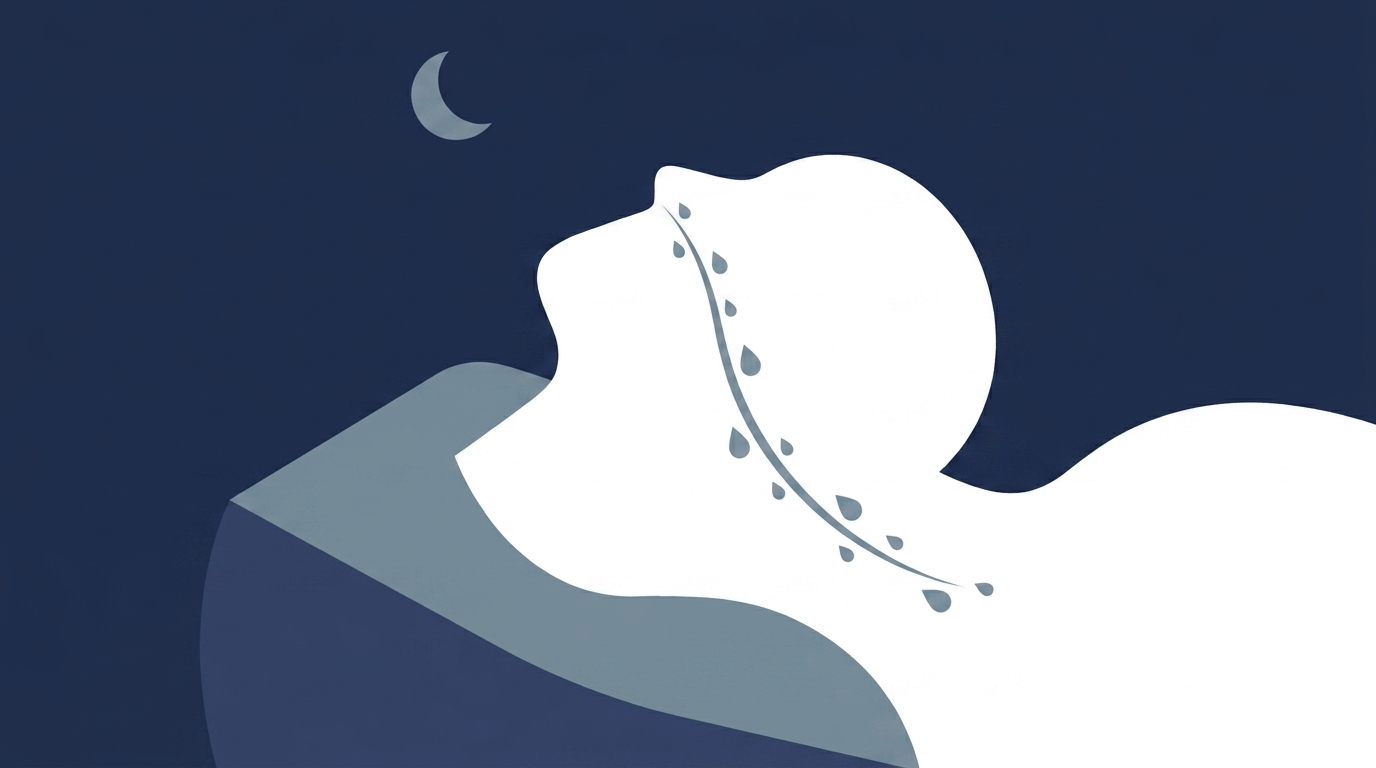
Sleep positioning to reduce nighttime drip
- Slightly elevating the head can reduce pooling of drainage overnight.
- Side sleeping may feel more comfortable for some people than lying flat.
Reduce triggers in your environment
- Avoid smoke and strong fragrances when possible.
- Manage allergies proactively during seasonal peaks to reduce swelling and blockage.
Hydration and throat-friendly habits
- Sip fluids throughout the day rather than “catching up” all at once.
- If you’re coughing or clearing your throat frequently, giving your voice a rest may help reduce irritation.
- Try a gentle sip or swallow instead of forceful throat clearing to avoid an irritation loop.
For more on managing drainage and irritation, see our post on postnasal drip: https://sleepandsinuscenters.com/blog/post-nasal-drip-causes-symptoms-and-effective-treatments
Takeaway: Small daily habits—hydration, humidification, and sleep position—can noticeably reduce nighttime drip and morning throat irritation.
When to See a Doctor (or an ENT)
Sinus and throat symptoms are common, but certain patterns deserve prompt evaluation. If you’re unsure about next steps, see our guide on when to see an ENT: https://sleepandsinuscenters.com/blog/when-should-i-see-an-ent
Seek urgent care now if you have
- Trouble breathing
- Drooling or inability to swallow fluids
- Severe swelling of the throat/neck
- Stiff neck, confusion, severe headache, or rapidly worsening symptoms
Make an appointment if
- Symptoms are severe, recurrent, or not improving
- The sore throat lasts longer than expected or repeatedly returns with sinus symptoms (a pattern more consistent with ongoing issues, including chronic sinusitis) [2]
What an ENT evaluation may include
- A symptom timeline to distinguish acute vs. chronic patterns [1][2]
- A nasal exam
- Discussion of triggers (like allergies or irritants) and what you’ve already tried
If sinus drainage keeps irritating your throat or disrupting your sleep, you don’t have to just “push through it.” You can book an appointment with Sleep and Sinus Centers of Georgia: https://www.sleepandsinuscenters.com/
For additional resources:
- Symptoms of sinus problems: https://sleepandsinuscenters.com/symptoms-of-sinus-problems
- Chronic sinusitis treatment: https://sleepandsinuscenters.com/chronic-sinusitis-treatment
Takeaway: Seek care promptly for red flags, and consider ENT evaluation if symptoms persist, recur, or affect your quality of life.
FAQs: Sinus Infection and Sore Throat
Can postnasal drip alone cause a sore throat?
Yes. Mucus draining down the back of the throat can irritate the lining and trigger soreness, coughing, and throat clearing. [1]
Why is my sore throat worse at night or in the morning?
Drainage can pool when you’re lying down, and congestion can cause mouth breathing—both of which tend to worsen dryness and irritation overnight.
Can chronic sinusitis cause ongoing throat discomfort?
It can. Chronic sinusitis involves persistent or recurrent inflammation and drainage, which may lead to continued throat irritation. [2]
Is a sore throat a sign I need antibiotics?
Not necessarily. A sore throat can come from irritation and postnasal drip rather than bacterial infection. Persistent, severe, or worsening symptoms are reasons to seek evaluation. [1][2]
What helps fastest for a sore throat caused by sinus drainage?
- Saline rinse/irrigation
- Hydration
- Humidification/steam
- Throat-soothing measures (warm liquids, lozenges, gargles)
Key Takeaways (Summary)
- Can a sinus infection cause a sore throat? Yes, it can—commonly due to postnasal drip irritating the throat. [1]
- Both acute and chronic sinusitis can involve throat discomfort and overlapping upper-respiratory symptoms. [1][2]
- Relief often comes from improving drainage (saline irrigation, hydration) and managing inflammation; persistent or severe cases warrant medical evaluation. [1][2]
- If symptoms continue or keep returning, explore these resources from Sleep and Sinus Centers of Georgia: symptoms of sinus problems (https://sleepandsinuscenters.com/symptoms-of-sinus-problems), postnasal drip (https://sleepandsinuscenters.com/blog/post-nasal-drip-causes-symptoms-and-effective-treatments), and chronic sinusitis treatment (https://sleepandsinuscenters.com/chronic-sinusitis-treatment).
References
[1]: Mayo Clinic. Acute sinusitis—Symptoms & causes (2023). https://www.mayoclinic.org/diseases-conditions/acute-sinusitis/symptoms-causes/syc-20351671
[2]: Mayo Clinic. Chronic sinusitis—Symptoms & causes (2023). https://www.mayoclinic.org/diseases-conditions/chronic-sinusitis/symptoms-causes/syc-20351661
This article is for educational purposes only and is not medical advice. Please consult a qualified healthcare provider for diagnosis and treatment.
Don’t let allergies slow you down. Schedule a comprehensive ENT and allergy evaluation at Sleep and Sinus Centers of Georgia. We’re here to find your triggers and guide you toward lasting relief.