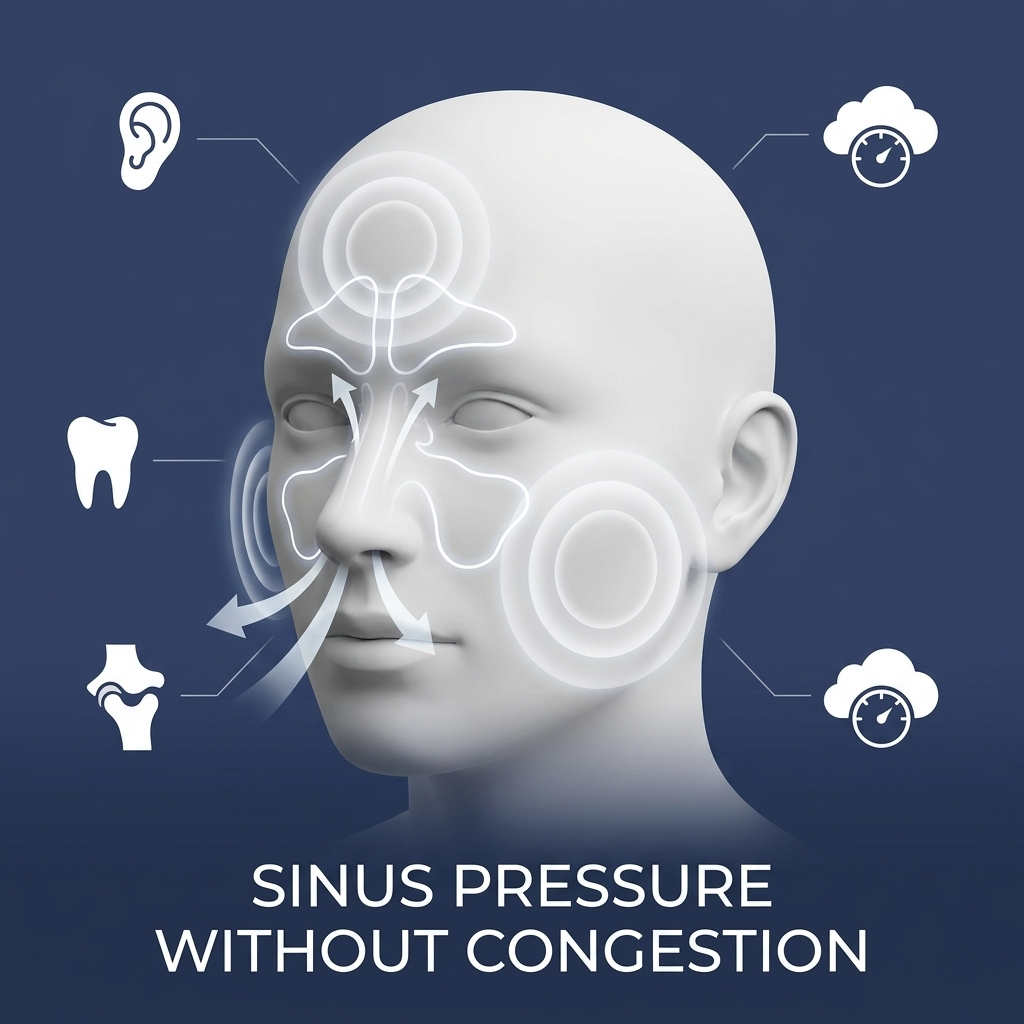
Sinus Drainage Nausea: Causes, Symptoms, and Relief Tips
Feeling queasy while dealing with sinus congestion or throat mucus can be miserable—and confusing. It’s common to wonder: Am I nauseated because I’m sick, or because of the drainage itself? The short answer is that both can be true, and there are practical, safe ways to feel better at home.
If nausea and throat mucus seem to track together, postnasal drip may be part of the picture—though other causes are possible.
Quick Answer — Can sinus drainage cause nausea?
Yes. Postnasal drip can make some people feel nauseated when excess mucus drains down the back of the throat and is swallowed. In some individuals, that added mucus may irritate the stomach or trigger a gag reflex or a vagus nerve–mediated reflex, leading to queasiness. Cleveland Clinic notes that postnasal drip can make some people feel queasy for these reasons. Source: https://health.clevelandclinic.org/postnasal-drip-can-it-really-make-you-queasy
A helpful way to think about it: extra mucus is a mechanical irritant—not something “toxic”—and the constant drip plus frequent swallowing or coughing can unsettle the stomach.

What “sinus drainage” (postnasal drip) actually means
Normal mucus vs. “too much” mucus
- Mucus is normal and helpful. You tend to notice it more when:
- Your body makes more mucus than usual (allergies, colds, sinus inflammation)
- Mucus gets thicker (dry air, dehydration, inflammation)
- It collects in the back of the nose and throat instead of clearing forward
Common terms people use
- Postnasal drip (most standard medical term)
- Sinus drainage
- Throat mucus
- Catarrh (mucus buildup that can cause throat clearing and a “dripping” feeling). Source: https://www.nhs.uk/conditions/catarrh
If you want a deeper overview of triggers and treatment approaches, see Sleep and Sinus Centers of Georgia’s guide to post-nasal drip causes and treatments: https://sleepandsinuscenters.com/blog/post-nasal-drip-causes-symptoms-and-effective-treatments
In short, postnasal drip is common—and it’s more noticeable when mucus is thicker, more abundant, or pooling in the throat.
Why postnasal drip can make you nauseated (the mechanisms)
Swallowed mucus can irritate the stomach
When mucus is copious, thick, or persistent, more of it gets swallowed—often without you realizing it. That extra volume may be followed by:
- A “sloshy” or unsettled stomach
- Reduced appetite
- Nausea that comes and goes, especially when drainage is heavy or first thing in the morning
Some ENT centers also note that heavy drainage may be associated with nausea or vomiting. Source: https://muschealth.org/medical-services/ent/sinus-center/drainage
Gag reflex or vagus nerve–mediated response
Mucus coating the throat can provoke gagging, retching, nausea after coughing fits, or a strong “need to swallow” sensation. If you’ve had a coughing spell that ends with “I might throw up,” you’ve felt this reflex at work.
When nausea may be from the illness, not just the mucus
- Fever or feeling run-down
- Dehydration (thicker mucus + less fluid intake)
- Poor sleep from congestion and coughing
Looking at the overall symptom pattern helps clarify whether postnasal drip is likely contributing.
Bottom line: swallowed mucus and throat reflexes can drive queasiness, but overall illness effects can play a role too.
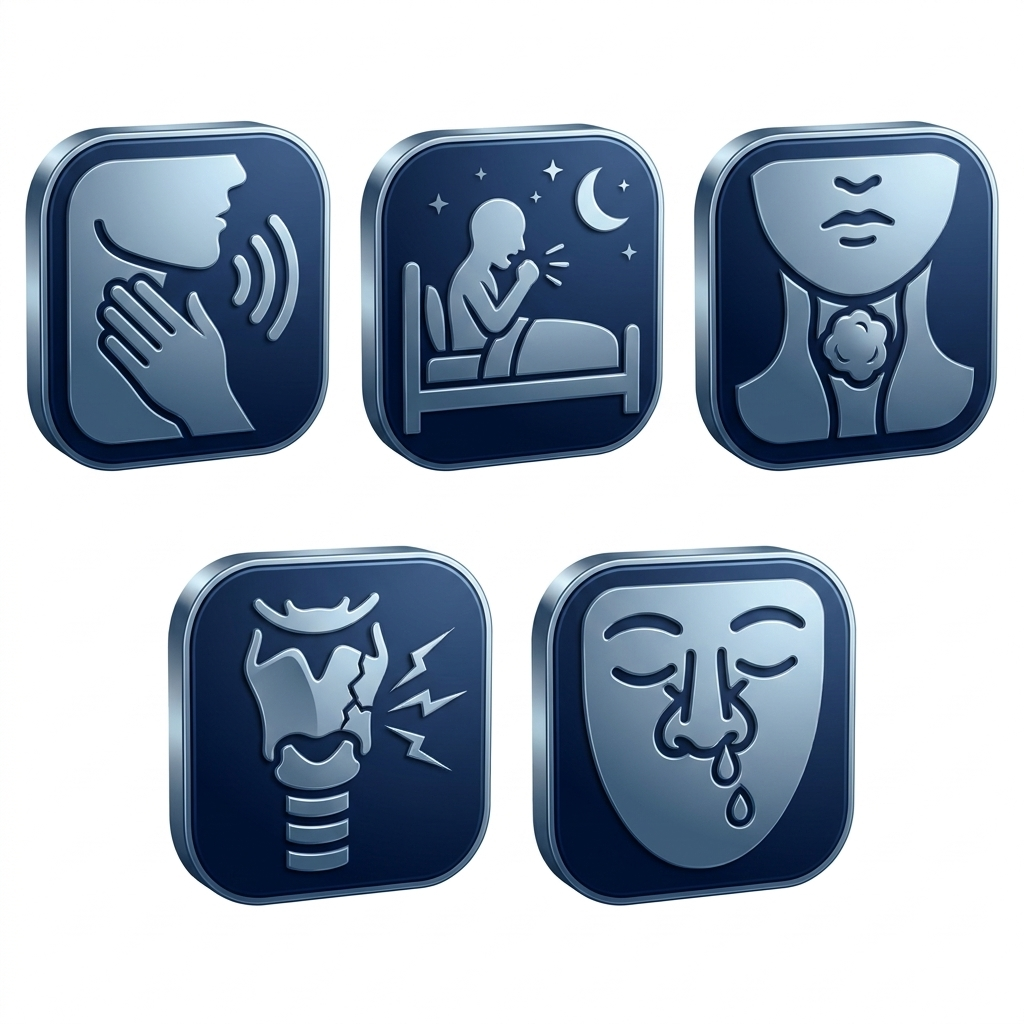
Symptoms — How to tell if nausea may be linked to postnasal drip
Upper airway (sinus/throat) symptoms often seen with postnasal drip
- Frequent throat clearing
- Cough (often worse at night)
- “Something stuck in my throat” sensation
- Hoarseness or voice changes
- Bad taste or bad breath
- Nasal congestion and/or runny nose
Some people notice they feel fairly well during the day, then once they lie down, cough and throat clearing ramp up—and morning nausea is more noticeable. This pattern can fit postnasal drip, though other conditions can do this too.
Stomach-related symptoms that can pair with drainage
- Nausea (often most noticeable in the morning)
- Reduced appetite
- Occasional vomiting after coughing or gagging
- A “sour stomach” feeling after swallowing mucus
Pattern clues (helpful for self-triage)
- Feel worse when lying down
- Improve after hydration and clearing mucus
- Be triggered by coughing fits or very thick mucus episodes
If symptoms seem to improve after saline rinsing, hydration, or sitting upright, that may suggest drainage is contributing.
If nausea shifts with mucus patterns and positioning, postnasal drip could be part of the cause.
Causes of postnasal drip–related nausea (from common to less common)
- Allergic rhinitis
Clues: sneezing, itchy/watery eyes, clear watery drainage, seasonal or environmental triggers.
Duration: ongoing or recurrent.
Allergy testing info: https://sleepandsinuscenters.com/allergy-testing
- Viral upper respiratory infection (common cold)
Clues: sore throat, fatigue, congestion; mucus may thicken and change color over several days.
Duration: often about 7–10 days.
- Acute sinusitis (often viral; sometimes bacterial)
Clues: facial pressure, thicker drainage, symptoms that persist or worsen instead of steadily improving.
Duration: days to weeks.
Sinusitis overview: https://www.mayoclinic.org/diseases-conditions/chronic-sinusitis/symptoms-causes/syc-20351661
Comparison tips: https://sleepandsinuscenters.com/blog/sinus-infection-vs-cold-how-to-tell-the-difference
- Chronic rhinosinusitis / chronic inflammation
Clues: symptoms typically lasting 12 weeks or longer, or frequent flares with waxing/waning congestion and drainage.
Duration: months (often variable).
- Nonallergic rhinitis (irritants, weather, strong smells)
Clues: congestion/runny nose without classic itch or sneeze; triggered by smoke, fragrances, or temperature changes.
Duration: intermittent or chronic.
- Structural contributors
Clues: ongoing blockage or one-sided congestion, recurring drainage.
Duration: persistent unless addressed.
Many conditions can increase mucus and trigger queasiness; duration and associated clues can help narrow the likely cause.


Relief Tips — What you can do at home
1) Saline nasal irrigation (the “foundation”)
Saline rinses can flush irritants and thin mucus so it drains more comfortably. Safety basics:
- Use distilled or sterile water, or water that has been boiled then cooled
- Keep rinse bottles/devices clean and allow them to dry
Practical guidance: How often to use a nasal rinse — https://sleepandsinuscenters.com/blog/nasal-rinses-how-often-should-you-use-them
2) Hydration + humidification
Adequate fluids help keep mucus thinner and easier to clear. Comfortable indoor humidity may reduce throat irritation—especially in winter or with heavy HVAC use. Clean humidifiers regularly.
3) Positioning to reduce nighttime drainage
Because mucus can pool when lying flat, elevating the head during rest may reduce overnight drip and morning queasiness. Ideas here: Sleeping positions that help sinus drainage — https://sleepandsinuscenters.com/blog/sleeping-positions-that-help-sinus-drainage
4) Gentle stomach support when mucus is upsetting your stomach
- Small sips of water or warm fluids
- Bland foods (toast, crackers, rice)
- Smaller meals, especially in the evening
5) Reduce triggers in your environment
- Avoid smoke/vaping exposure
- Choose fragrance-free cleaners when possible
- Consider basic air filtration and regular HVAC filter changes
- During high pollen seasons, keep windows closed and rinse off after outdoor time
Thinning and clearing mucus—plus avoiding triggers—often reduces the queasy, “full-stomach” feeling from swallowed mucus.

Medications and treatments (match the approach to the likely cause)
Educational note: Choices depend on personal health history, other medications, and life stage (including pregnancy/nursing). Read labels and check with a clinician if unsure.
For allergies (when symptoms fit)
- Antihistamines (helpful for allergy-driven drip in many people)
- Intranasal steroid sprays (often used for ongoing inflammation/allergies)
- Longer-term planning: trigger reduction, evaluation, and potential immunotherapy discussions
If symptoms recur during pollen season, allergy evaluation and trigger management may help reduce drainage.
For congestion with thick mucus (short-term)
- Decongestants (oral or topical), used carefully and according to labeling
- Supportive care such as saline, warm showers, and humidification
When a bacterial sinus infection is suspected
Not all sinus infections require antibiotics. If symptoms are persistent, severe, or worsening, an in-person evaluation can help clarify whether bacterial infection is likely and what treatment makes sense.
If nausea is severe
Short-term anti-nausea medication may be considered by a clinician, typically alongside steps that reduce postnasal drip.
Medications work best when they address the underlying driver—often inflammation or allergies that increase mucus.
When to see a doctor (and when it’s urgent)
Seek same-day/urgent care for red flags
- High fever or severe headache
- Stiff neck
- Swelling around the eye or vision changes
- Severe vomiting, dehydration, or inability to keep fluids down
- Confusion or rapidly worsening symptoms
Make an appointment if symptoms persist or keep returning
- Postnasal drip and nausea last more than 10 days
- Symptoms improve and then worsen again
- Symptoms persist 12 weeks or longer (possible chronic rhinosinusitis pattern)
What an ENT evaluation may include
- A symptom timeline (to sort allergy vs. infection vs. irritant triggers, and common look-alikes)
- A focused nasal exam (and sometimes nasal endoscopy)
- Imaging only when it’s likely to change management
If symptoms are severe, persistent, or recurrent, an evaluation can help confirm the cause and outline next steps.
Prevention — how to reduce future episodes of drainage-related nausea
Manage allergies proactively
For predictable seasonal symptoms, earlier planning with a clinician can reduce flare intensity and the “drip-to-nausea” cycle.
Daily sinus hygiene habits
- Saline sprays or rinses as directed
- Good hydration
- Comfortable indoor humidity
Reduce irritant exposures
Avoid smoke and minimize strong fragrances to lower nonallergic inflammation that contributes to drip.
Consistent sinus care and trigger management can lower the odds of mucus-driven queasiness.
FAQs
Can postnasal drip cause nausea even without congestion? Yes. Drainage can occur even when the nose doesn’t feel very “stuffy,” so nausea from postnasal drip may happen without marked congestion.
Why is my nausea worse in the morning? Overnight, mucus can pool and drip more when you’re lying down. Swallowing that mucus—plus mild morning dehydration—can make nausea more noticeable.
Is green mucus always a sinus infection? Not always. Mucus color can change during viral illnesses too. Persistent or worsening symptoms matter more than color alone.
What’s the fastest way to ease nausea from mucus? A practical “triage stack” many people start with is: saline rinse (used safely), hydration, head elevation, and small bland snacks. If symptoms are severe or not improving, an evaluation can help clarify the cause.
Can allergies alone make you vomit? It’s less common, but heavy drainage can trigger gagging in some people, and vomiting may happen after repeated coughing or retching.
When should I worry that nausea is not from postnasal drip? Seek care if nausea comes with warning signs like persistent abdominal pain, blood in vomit or stool, unexplained weight loss, severe dehydration, chest pain, or pregnancy concerns.
Conclusion / Takeaway
Postnasal drip–related nausea is common and often improves when the underlying driver is addressed—whether that’s allergies, a viral illness, sinus inflammation, or irritant exposure. Paying attention to patterns (like worse nausea when lying down) and using supportive steps (saline irrigation, hydration, humidification, and head elevation) can make a meaningful difference.
If symptoms are severe, persistent, or recurrent, consider scheduling a visit with Sleep and Sinus Centers of Georgia: https://www.sleepandsinuscenters.com/
This article is for educational purposes only and is not medical advice. Please consult a qualified healthcare provider for diagnosis and treatment.
Don’t let allergies slow you down. Schedule a comprehensive ENT and allergy evaluation at Sleep and Sinus Centers of Georgia. We’re here to find your triggers and guide you toward lasting relief.