How to Sleep While Sick: Best Tips for Better Rest While You Recover
When you’re dealing with a cold, the flu, or symptoms consistent with COVID-19, you can feel exhausted—yet still struggle to sleep. Congestion, coughing, fever, and body aches often ramp up at night, and that broken sleep can make the next day feel even harder.
This guide focuses on practical, symptom-focused steps you can try tonight—plus simple sleep hygiene that supports comfort while you recover. Think of it like reducing friction for sleep: you may not eliminate symptoms, but you can remove enough obstacles to help your body rest.
Quick Answer: The 7 Best Ways to Sleep Better When You’re Sick
If you’re too tired to read the whole article, start here:
1. Elevate your head and upper body to reduce postnasal drip and nighttime coughing. (UPMC; WebMD)
2. Use humidified air (humidifier or steam) to help loosen mucus and soothe irritated airways. (WebMD)
3. Use saline (spray or rinse) before bed to improve nasal airflow and reduce stuffiness. (GoodRx; WebMD)
4. Consider symptom-targeted OTC options short-term (pain/fever, congestion, cough) and follow the label—watch for duplicate ingredients. (Mayo Clinic; GoodRx)
5. Try honey for cough (adults and children over age 1). (Mayo Clinic; GoodRx)
6. Hydrate and avoid alcohol/smoke to reduce throat irritation and nighttime wakeups. (Mayo Clinic)
7. Keep the bedroom cool, dark, and quiet, and consider going to bed earlier than usual. (Medical News Today)
Why Sleep Matters More When You’re Sick
Sleep and immune function (what patients should know): Sleep supports normal immune and recovery processes, which may help your body heal. When you’re sick, your body may also need more energy for inflammation control and tissue healing.
A practical way to think about it: being sick already spends energy; poor sleep adds another bill. Even if symptoms don’t vanish overnight, a better-rested morning often feels more manageable—less foggy, less irritable, and a little steadier physically.
When rest is better than “pushing through”: If you have fever, body aches, significant fatigue, or you’re simply wiped out, it often makes sense to prioritize rest and comfort. Many people find they naturally sleep longer when ill—and that can be common.
The goal isn’t perfect sleep; it’s enough rest to help you feel more functional as you recover. Bottom line: aim for comfort and consistency—your body does its best healing work when you give it the chance to rest.
Common Symptoms That Disrupt Sleep (Cold, Flu, and COVID-19–Like Illness)
Congestion and sinus pressure: Nasal swelling and mucus can narrow airflow. Lying flat changes drainage and can worsen congestion.
Coughing (dry cough vs. mucus cough): Postnasal drip or airway irritation can drive cough and fragment sleep. For a deeper dive on cough caused by drainage, see: https://sleepandsinuscenters.com/blog/night-cough-relief-how-to-stop-post-nasal-drip-coughing-at-night
Fever, chills, and body aches: Temperature swings and aches commonly wake people up and make comfort harder.
Sore throat and mouth-breathing: Blocked nose leads to mouth-breathing, which dries and irritates the throat, sometimes triggering more cough. Identify your biggest symptom disruptor—then target it first to reduce wakeups.
What Causes Symptoms to Feel Worse at Night?
Gravity + drainage changes when you lie down: Mucus can pool toward the back of the nose and throat, leading to tickle, throat clearing, and coughing. (WebMD; UPMC)
Bedroom air (dry air, irritants, temperature): Dry air thickens mucus and irritates airways; irritants like smoke or fragrances can trigger cough. Overly warm rooms can feel worse with fever. (WebMD; Mayo Clinic)
If your symptoms reliably worsen in your bedroom, consider what’s different there—heat, dusty bedding, fragrance plug-ins, or very low humidity. Small environmental fixes often translate into fewer overnight flare-ups.

Best Sleep Positions When You’re Congested or Coughing
Elevate your head (the #1 positional fix): Elevating your head and upper body may reduce postnasal drip and coughing and can make breathing feel easier. (UPMC; WebMD)
- Use an extra pillow or two with neck support
- Try a wedge pillow for more stable elevation
- Raise the head of the bed (sturdy method vs. stacking pillows too high)
What to avoid: Piling pillows straight up can bend your neck forward and cause strain.
More help: sleeping positions that help sinus drainage: https://sleepandsinuscenters.com/blog/sleeping-positions-that-help-sinus-drainage
Side-sleeping tips for drainage and comfort:
- A supportive pillow that keeps your head slightly elevated
- A pillow between the knees to reduce hip/back strain
- Switch sides if one nostril feels more blocked
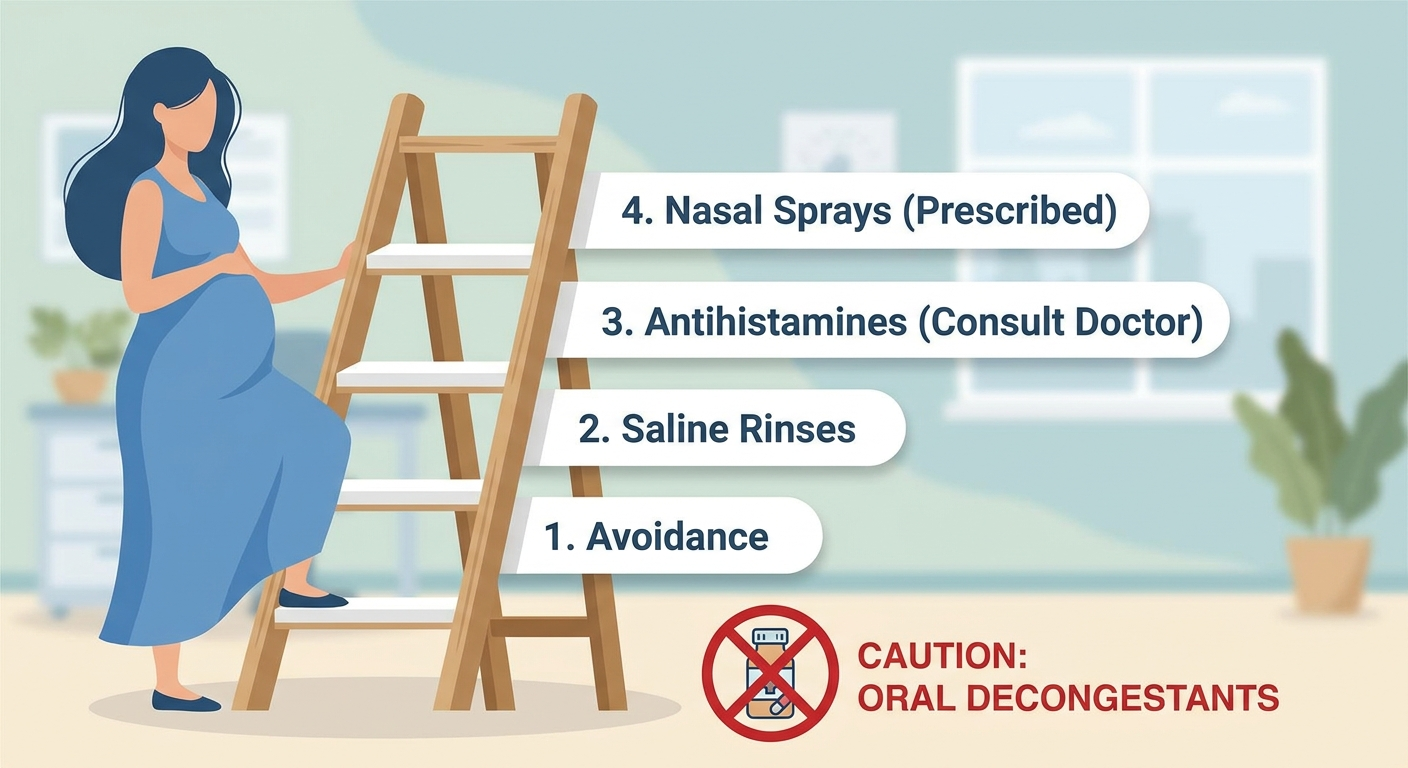
When you should NOT force a position: If reflux, back pain, pregnancy, or another condition limits positions, comfort and safety come first. Prioritize any position you can sustain without aggravating symptoms.

Use Humidity the Right Way (Humidifier, Steam, Shower)
Why humidified air helps: It may loosen mucus and soothe irritated nasal passages and airways, making sleep easier for some. (WebMD)
How to use a humidifier safely overnight:
- Aim for comfortable humidity—less dry, not damp or muggy
- Place it so it doesn’t blow directly into your face
- Clean regularly to reduce mold/bacteria buildup
Steam options if you don’t have a humidifier:
- A warm shower before bed can provide short-term relief
- Steam from a bowl may help—use caution to avoid burns and keep water stable and out of reach
Related read: Does shower steam help relieve congestion? https://sleepandsinuscenters.com/blog/does-shower-steam-help-relieve-congestion-benefits-and-tips (WebMD)
Well-maintained humidity can reduce dryness-related cough and throat irritation for many people.

Clear Your Nose Before Bed (Saline, Strips, and Simple Tools)
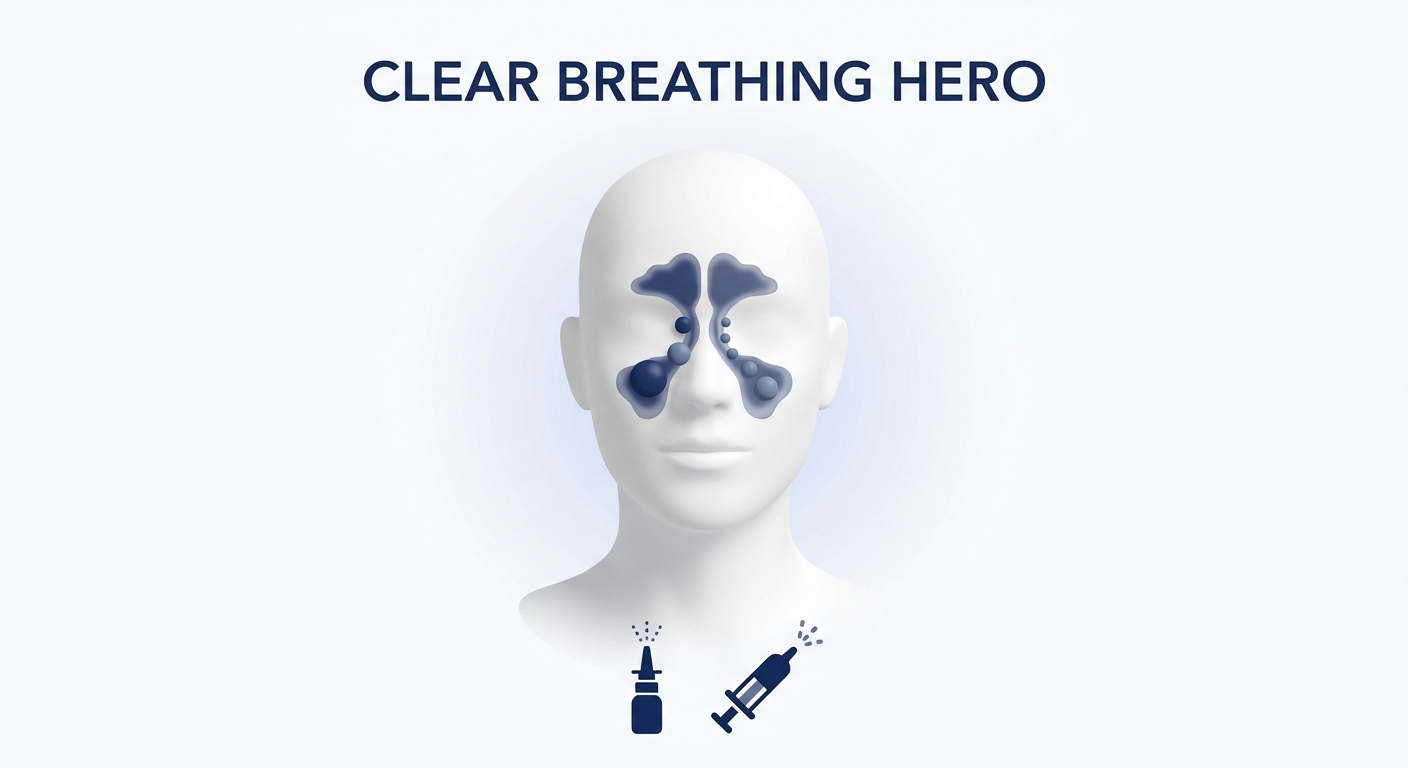
Saline spray vs. saline rinse (which to choose): Saline spray is quick and gentle; saline rinse/irrigation can be more thorough for heavier congestion. Use distilled/sterile or previously boiled-and-cooled water for rinses. (GoodRx; WebMD)
Tip: If you’re new to rinses, try them earlier in the evening first.
Nasal strips (and who they help most): They can help when airflow is restricted near the nasal valve. They won’t cure a cold but may improve airflow sensation. More: Do nasal strips actually work? https://sleepandsinuscenters.com/blog/best-breathe-right-strips-what-actually-works (WebMD; GoodRx)
Clearing your nose before bed reduces mouth-breathing, throat dryness, and wakeups.
Medications and Home Remedies That Can Help You Sleep (Safely)
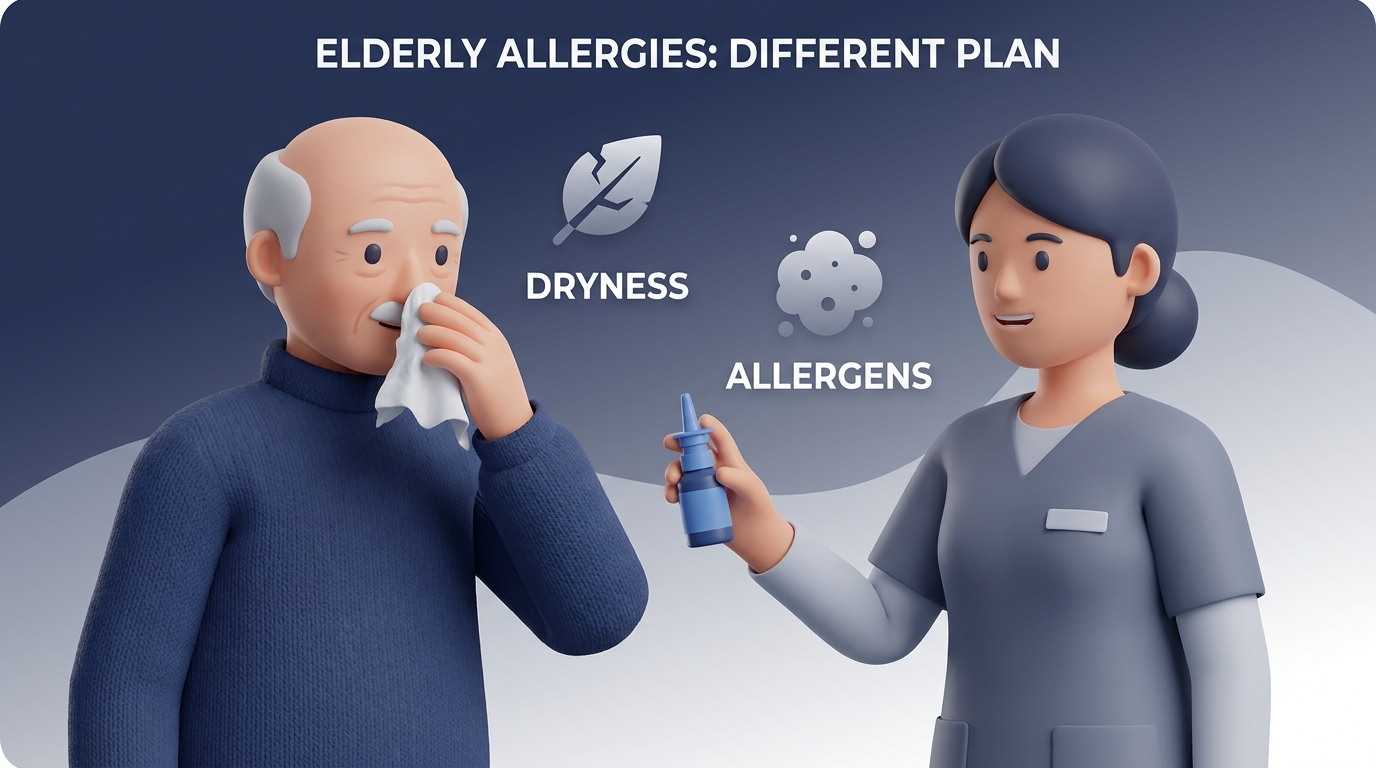
Educational note: Medications aren’t right for everyone. If you’re pregnant, older, managing chronic conditions, or taking multiple prescriptions, ask a pharmacist or clinician before new OTC products—especially combination nighttime cold medicine.
OTC pain/fever reducers for aches and fever: Some use acetaminophen or ibuprofen to reduce discomfort that interrupts sleep. Follow labels and avoid double-dosing with multi-symptom products. (Mayo Clinic; GoodRx)
Nighttime cold medicines—when they’re useful: Combination products may help short-term but aren’t for everyone and can cause side effects or interactions, including next-day grogginess. Older adults may be more sensitive. (Mayo Clinic; GoodRx)
Cough relief: Honey can soothe throat irritation and may reduce coughing (adults and children over 1 year only). OTC cough suppressants or expectorants are options depending on dry vs. mucus cough. Read labels carefully. (Mayo Clinic; GoodRx)
What to avoid close to bedtime:
- Alcohol (worsens sleep quality and dehydration)
- Smoking/vaping (irritates airways and can increase coughing) (Mayo Clinic; Medical News Today)
Use the least amount of symptom relief needed, for the shortest time, and always read labels carefully.

Sleep Hygiene When You’re Sick (Small Changes, Big Payoff)
Even when symptoms are the main issue, simple sleep hygiene can reduce extra wakeups. On a sick night, tiny improvements add up—fewer disruptions, less time fully awake, and more total rest.
Hydration strategy that won’t keep you up peeing:
- Drink more earlier in the evening
- Keep water at the bedside for dry mouth/throat (Mayo Clinic)
Optimize the room for sleep: Keep it cool, dark, and quiet; white noise can help if small sounds wake you. Reduce friction at the bedside: tissues, a nearby trash can, and a spare pillow.
Choose a “sick-night routine” (15–30 minutes):
- Warm shower or set up a humidifier
- Saline spray/rinse
- Honey (if appropriate)
- Set out tissues, water, a trash can, and lozenges
Make nighttime simple, predictable, and comfortable to protect the sleep you can get.
Special Situations (Quick Guidance)
How to sleep with flu or symptoms consistent with COVID-19: Basics remain similar—hydration, humidity, nasal clearing, and comfortable positioning. Follow current public health guidance to protect others. Seek urgent care for red flags like difficulty breathing, chest pain/pressure, or confusion.
How to help a child sleep when sick: Gentle saline and age-appropriate suction can help. Honey only for children over 1 year. For medication questions (especially under 6), ask a pediatrician or pharmacist. Focus on basics: clear the nose, add humidity, slight elevation if safe, and a calming routine. (Mayo Clinic; GoodRx)
If you use CPAP and you’re congested: Emphasize nasal clearance and check humidification settings. More tips: https://sleepandsinuscenters.com/blog/cpap-tips-for-using-your-machine-during-a-cold
When to Call a Doctor (Don’t Just “Wait It Out”)
Seek urgent care now if you have:
- Trouble breathing or shortness of breath
- Chest pain or pressure
- Blue/gray lips, severe weakness, or confusion
- Signs of dehydration (very dry mouth, dizziness, minimal urination)
Call your clinician soon if:
- Fever persists, returns, or symptoms significantly worsen
- Symptoms improve, then rebound
- Severe sinus/ear pain, or a cough that keeps disrupting sleep for multiple nights (Mayo Clinic; WebMD)
If you’re unsure whether to seek care, err on the side of calling.
FAQs: Sleeping While Sick
Is it okay to take melatonin when I have a cold or flu? Some use melatonin for sleep onset. Because it can add to drowsiness—especially with nighttime cold medicine—check with a pharmacist if you take other sedating meds or have medical conditions.
Should I try to “sweat it out” under heavy blankets? Comfort matters most. Overheating can worsen sleep, particularly with fever. Choose lighter, adjustable layers. (Medical News Today)
Why do I cough more at night when I’m sick? Common reasons include postnasal drip pooling when you lie flat, dry bedroom air, and airway irritation. Elevation and humidity often help. (WebMD; UPMC)
What if I can’t breathe through my nose at night? Try: 1) Saline spray/rinse 2) Humidity or steam 3) Head elevation 4) Review medications/labels for appropriate symptom targeting 5) Check in with a clinician if it persists or worsens. More: https://sleepandsinuscenters.com/blog/cant-breathe-through-nose-at-night
How many hours should I sleep when I’m sick? Sleeping more than usual can be common. If nighttime sleep is fragmented, short naps may help you catch up. (Medical News Today)

Conclusion: Your “Tonight Plan” for Better Sleep While You Recover
If you’re still wondering how to sleep while sick, keep it simple and repeatable. Try this checklist tonight:
1) Clear your nose (saline and/or strip)
2) Add humidity (humidifier or shower steam)
3) Elevate your head to reduce postnasal drip and cough
4) Use safe symptom relief (short-term, label-guided, avoid doubling ingredients)
5) Hydrate + optimize the room (cool, dark, quiet)
If congestion, postnasal drip, or coughing is persistent, severe, or repeatedly disrupting sleep, an evaluation can help. To get personalized guidance, book an appointment with https://www.sleepandsinuscenters.com/.
References
- WebMD: Nighttime cold tips & sleep relief — https://www.webmd.com/cold-and-flu/ss/slideshow-colds-nighttime — https://www.webmd.com/cold-and-flu/features/cold-relief-6-sleep-tips-to-help-you-breathe-easier
- Mayo Clinic: Common cold remedies, honey guidance, OTC cautions — https://www.mayoclinic.org/diseases-conditions/common-cold/in-depth/cold-remedies/art-20046403
- GoodRx: How to sleep with a cold (saline, strips, OTC tips) — https://www.goodrx.com/conditions/cold-symptoms/how-to-sleep-with-cold
- Medical News Today: Sleeping when sick + sleep hygiene — https://www.medicalnewstoday.com/articles/sleeping-when-sick
- UPMC: Congestion relief sleep positions — https://share.upmc.com/2025/12/congestion-relief-sleep-positions/
This article is for educational purposes only and is not medical advice. Please consult a qualified healthcare provider for diagnosis and treatment.
Don’t let allergies slow you down. Schedule a comprehensive ENT and allergy evaluation at Sleep and Sinus Centers of Georgia. We’re here to find your triggers and guide you toward lasting relief.