Nighttime Nasal Decongestant: Best Options for Congestion Relief and Better Sleep
When your nose gets congested after sunset, falling asleep (and staying asleep) can feel impossible. The good news: several nighttime nasal decongestant options may provide relief—but the “best” choice depends on what’s driving your symptoms (a cold, allergies, sinus inflammation, or something more persistent).
Below is a reader-friendly guide to common OTC categories, how “PM” products work, safety pitfalls to avoid, and when it’s time to stop troubleshooting on your own and consider an ENT evaluation.
What Is a Nighttime Nasal Decongestant?
A nighttime nasal decongestant is an over-the-counter medication (or category of medications) intended to reduce nasal swelling and improve airflow in a way that supports sleep. Some are single-ingredient decongestants, while many “PM” products combine multiple ingredients for broader nighttime relief.
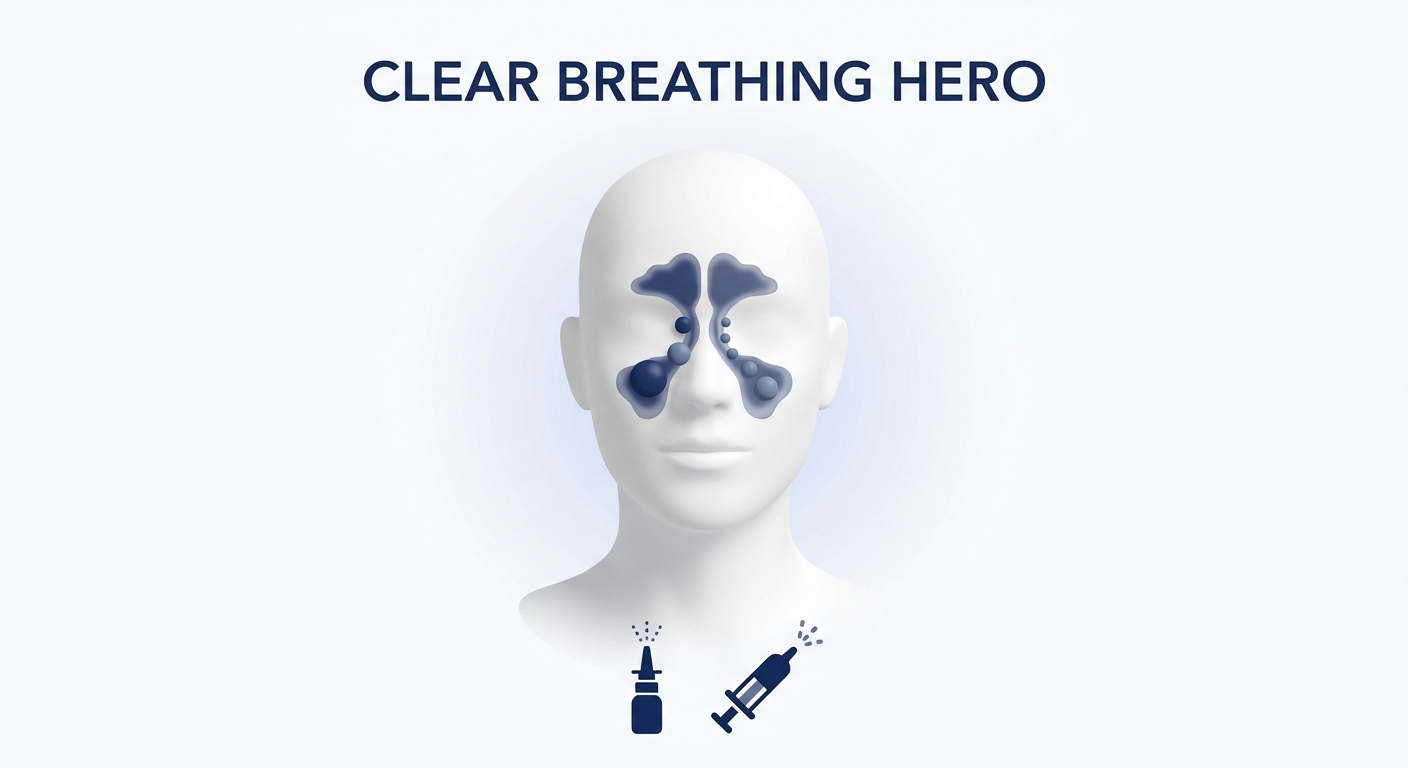
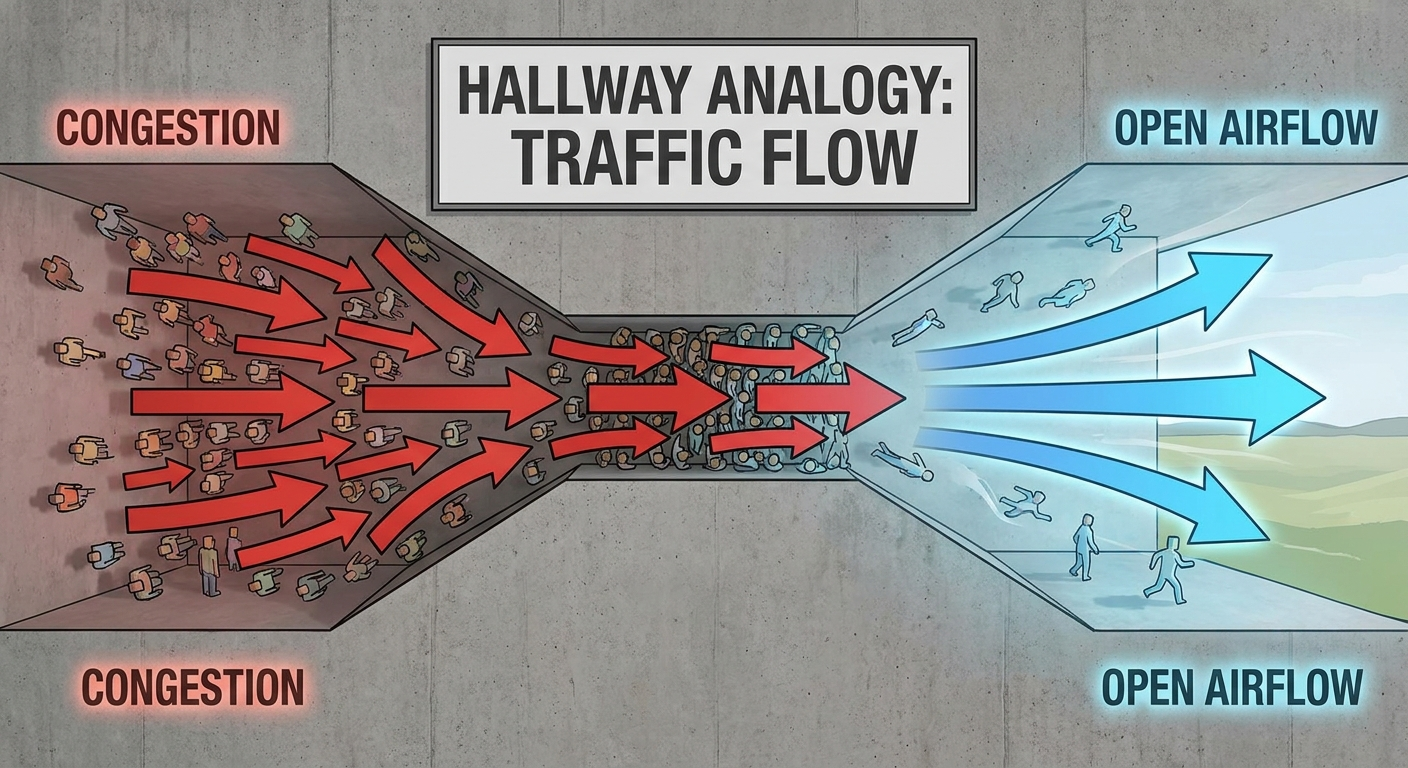
Think of congestion like a narrow hallway: swelling of the nasal lining reduces the open space for airflow, and mucus adds “traffic.” Nighttime products aim to open that hallway enough that you can breathe comfortably through your nose again.
Why congestion feels worse at night
- Lying flat can increase blood flow and swelling in nasal tissues, narrowing the airway.
- Mucus drainage may slow, making you feel more “stuck.”
- Dry bedroom air can irritate the nasal lining.
- Nighttime allergen exposure (dust mites, pet dander) can trigger inflammation.
If this sounds familiar, you may also find helpful background in our guide on can’t breathe through your nose at night: https://sleepandsinuscenters.com/blog/cant-breathe-through-nose-at-night
How “nighttime” formulas differ from daytime decongestants
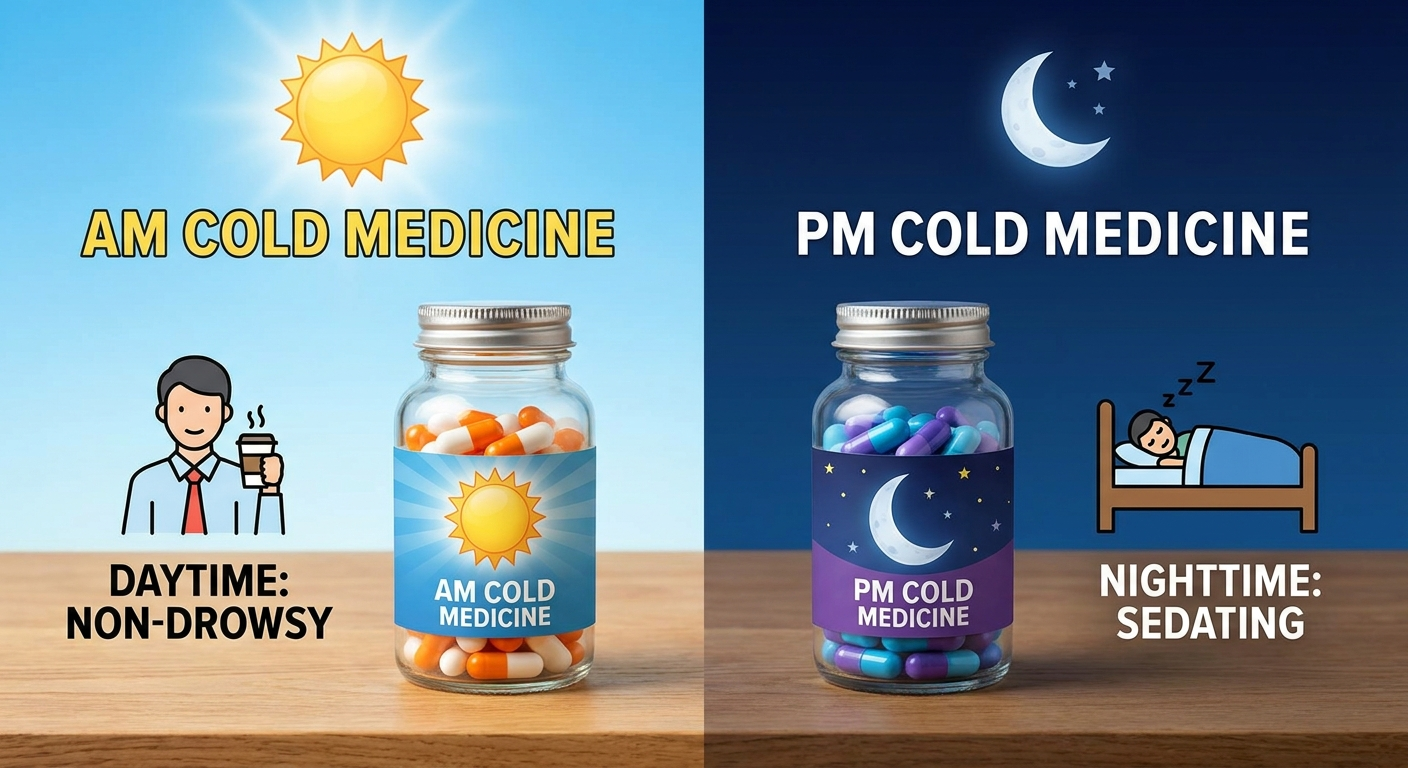
Many nighttime products are designed like “PM cold medicine”: they often add a sedating (first-generation) antihistamine so you feel drowsy while also treating symptoms. Consumer Reports notes that AM formulas typically avoid sedating ingredients, while PM formulas commonly include them to support sleep. Source: https://www.consumerreports.org/consumerist/whats-the-difference-between-am-and-pm-cold-medicine-anyway/
- A practical label tip: if a product emphasizes “night” or “PM,” it likely includes an ingredient that can cause drowsiness—even if “decongestant” is what you’re shopping for.
- In short: nighttime products often bundle symptom relief with drowsiness support to help you sleep.
Summary: Nighttime labels usually signal added sedation on top of congestion relief.
Nighttime Congestion Symptoms That Can Disrupt Sleep
Common symptoms
Nighttime nasal congestion isn’t just “a stuffy nose.” It can include:
- Blocked nasal airflow and mouth breathing
- Sinus pressure or facial discomfort
- Postnasal drip and a nighttime cough
- Sneezing, runny nose, itchy/watery eyes (often allergy-related)
Some people can breathe “okay” during the day, then feel sealed shut once the lights go out. Others fall asleep but wake up with a dry mouth from mouth-breathing or cough from postnasal drip.
Signs you may need medical evaluation (not just OTC relief)
OTC products can be useful for short-term discomfort, but consider an evaluation if you notice patterns such as:
- Symptoms lasting more than 10 days, severe facial pain/fever, or symptoms that worsen after initially improving
- One-sided severe blockage
- Frequent “sinus infections”
- Ongoing congestion suggesting structural issues (like a deviated septum) or chronic inflammation (like nasal polyps)
If you find yourself repeatedly rotating through nighttime medicines just to get through the week, that may be a sign that symptom control—not just symptom coverage—needs a better plan.
Summary: If “PM” meds become a nightly habit, it’s time to explore the underlying cause.
Common Causes of Nighttime Nasal Congestion
Viral colds vs allergies vs sinusitis (quick comparison)
- Cold: Gradual onset, sore throat, fatigue; often improves in about 7–10 days.
- Allergies: Itching/sneezing, clear runny nose; triggered by environment (bedroom allergens are common).
- Sinusitis: Can cause facial pressure, nasal drainage, and reduced smell, and it may follow a cold; symptoms alone do not distinguish viral from bacterial causes.
If you’re unsure which pattern fits, focus on the “company your congestion keeps.” Congestion plus itching and repetitive sneezing often points toward allergies; congestion with aches and a sore throat often feels more cold-like.
Non-allergic triggers that flare up at night
Not all congestion is “just allergies.” Nighttime flares can be influenced by:
- Dry air, smoke, fragrances/irritants
- Acid reflux
- Medication side effects
- Hormonal changes
In real life, these can stack. For instance, mild allergies plus dry indoor heat can feel much worse at bedtime than either issue alone.
Summary: Pinpointing the trigger—viral, allergic, or irritant—guides smarter nighttime choices.
How Nighttime Nasal Decongestants Work (The “Combo” Explained)
Many “PM” products are essentially a decongestant + antihistamine combo—two different tools aimed at different symptoms. For deeper context, see decongestant vs antihistamine: https://sleepandsinuscenters.com/blog/decongestant-vs-antihistamine-when-to-use-each-for-allergy-relief
The decongestant (vasoconstrictor) component
Decongestants work by shrinking swollen nasal tissue to open airflow. Common OTC options include:
- Pseudoephedrine
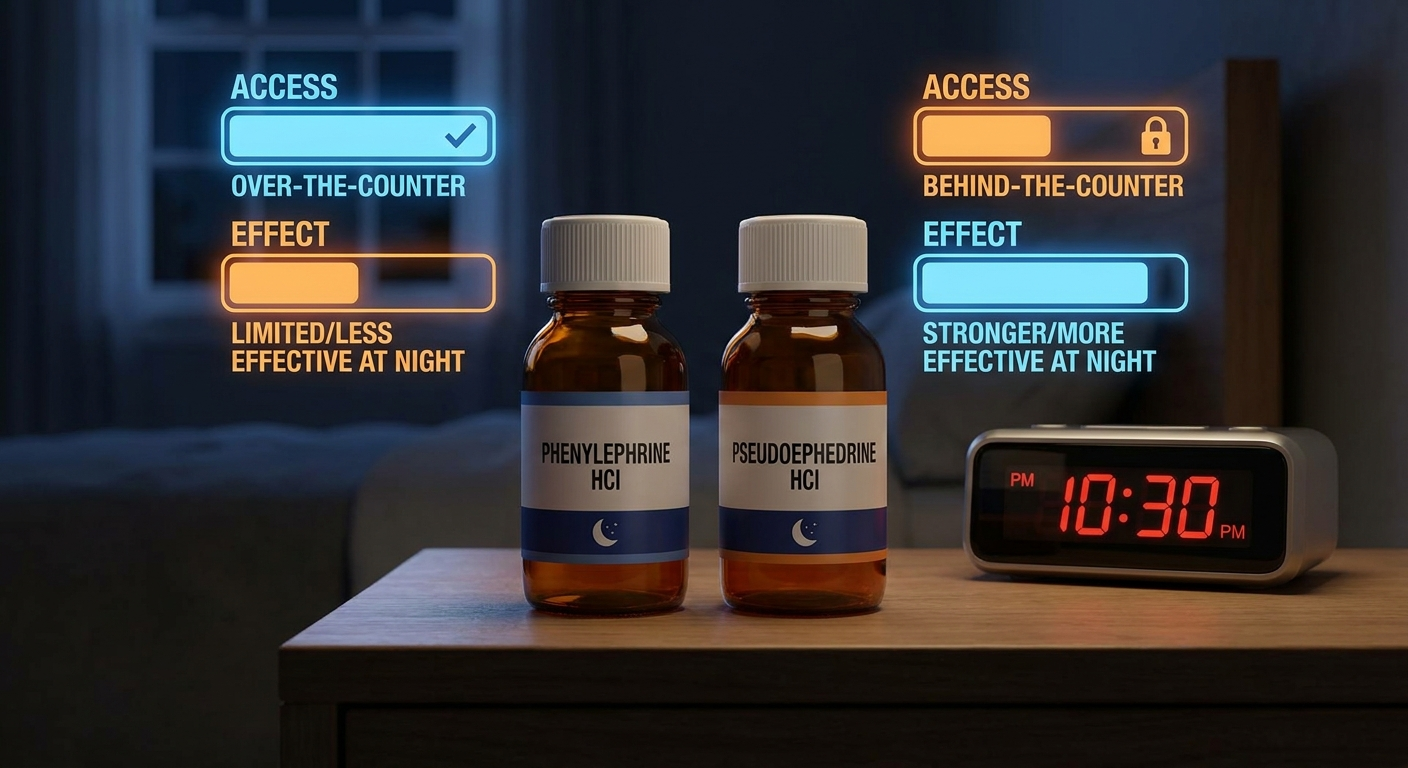
- Phenylephrine HCl (included in some products), though oral phenylephrine may be less effective for congestion relief compared with pseudoephedrine.
Cleveland Clinic provides an overview of how nasal decongestants work and important cautions: https://my.clevelandclinic.org/health/drugs/24923-nasal-decongestant
The sedating antihistamine component
Sedating antihistamines reduce allergy-like symptoms (sneezing, runny nose) and commonly cause drowsiness, which is why they appear in many PM cold products. Common examples:
- Diphenhydramine HCl
- Doxylamine succinate
Because these are first-generation antihistamines, next-day grogginess is a common tradeoff—especially if you took the dose late or are sensitive to sedating medications.
Example of a specific nighttime combo product (label literacy)
One example of a nighttime combo product is Sudafed PE Nighttime, which contains phenylephrine HCl 10 mg + diphenhydramine HCl 25 mg per tablet. Labels and formulations can change, so always check the “Active ingredients” section. Sources: DailyMed: https://dailymed.nlm.nih.gov/dailymed/drugInfo.cfm?setid=413d82d3-a896-4f15-9fca-c1b7b9a1ee63 and Sudafed overview: https://www.sudafed.com/products/sudafed-pe-day-night-sinus-congestion
Summary: Think “decongestant for swelling, antihistamine for irritation—and sedation as a side effect that can help with sleep.”
Best Nighttime Nasal Decongestant Options (OTC Categories)
“Best” depends on your symptoms: congestion only vs. congestion + allergies vs. pain/fever.
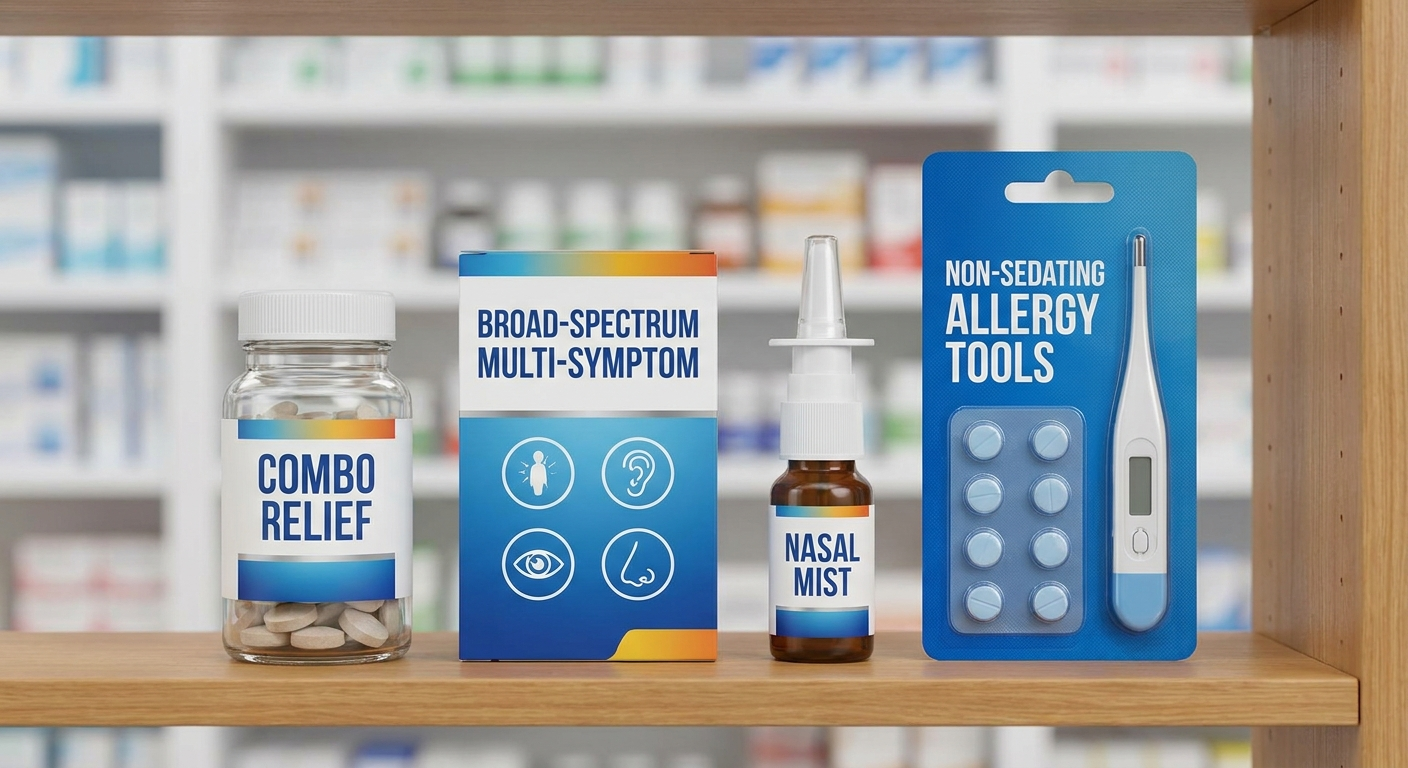
Option 1 — Decongestant + sedating antihistamine (classic “PM” combo)
Best for: congestion plus sneezing/runny nose/itchy eyes, especially when symptoms keep you awake.
Pros: multi-symptom coverage; may make it easier to fall asleep.
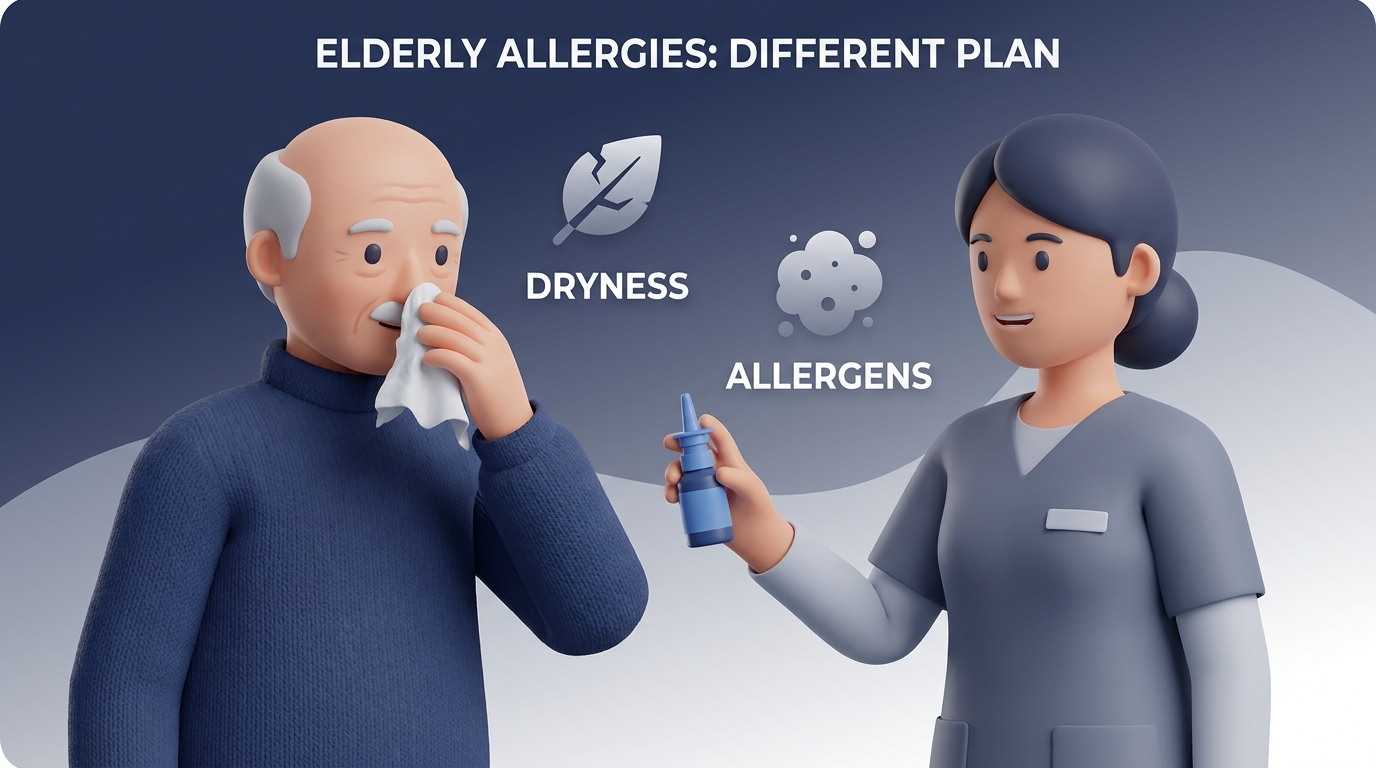
Cons: next-day grogginess; dry mouth; constipation or urinary retention can be concerns—particularly for older adults or those with certain conditions.
Option 2 — Broad-spectrum nighttime relief (combo + pain reliever/expectorant)
Some nighttime products add ingredients such as:
- Acetaminophen (pain/fever)
- Guaifenesin (helps thin mucus)
Best for: sinus pressure discomfort, thicker mucus, cold/flu-like symptoms with aches.
Tradeoff: the more ingredients a product contains, the easier it is to accidentally “stack” duplicates from other medications. If you’re already taking a separate pain reliever, read the Drug Facts panel carefully.
Option 3 — Nasal sprays (important distinction)
Topical decongestant nasal sprays may work quickly, but they come with a major caution: rebound congestion (worsening blockage when the spray is used too often or too long). Many clinicians recommend limiting use to about 3 days. Learn more about rebound congestion: https://sleepandsinuscenters.com/blog/do-nasal-sprays-cause-rebound-congestion Cleveland Clinic overview: https://my.clevelandclinic.org/health/drugs/24923-nasal-decongestant
Option 4 — Non-sedating nighttime strategies (when you want sleep without antihistamine sedation)
If you’re trying to sleep with nasal congestion but want to avoid “PM” grogginess, consider:
- Saline spray or saline rinse (use appropriate water safety)
- Humidification
- Nasal strips (mechanical support)
- Steroid nasal sprays for ongoing inflammation; they typically take days of regular use to reach full effect and are not instant relief
- Sleep positioning adjustments (see tips below)
Summary: Match the tool to the job—simple congestion may not need a multi-ingredient PM combo.
Phenylephrine vs Pseudoephedrine at Night: What to Know
Similar goal, different access and effects
Both aim to reduce swelling and improve airflow, but they differ in access and how you may feel:
- Pseudoephedrine is often kept behind the pharmacy counter (ask the pharmacist).
- Either ingredient can cause jitteriness, increased heart rate, or blood pressure changes—so “nighttime” doesn’t automatically mean “sleep-friendly.”
- Oral phenylephrine may be less effective for nasal congestion relief than pseudoephedrine.
Who should avoid or ask a clinician first
Check with a pharmacist or clinician before using a nighttime decongestant if you have:
- High blood pressure or heart-rhythm concerns
- Glaucoma
- Prostate enlargement or urinary retention
- Thyroid disease
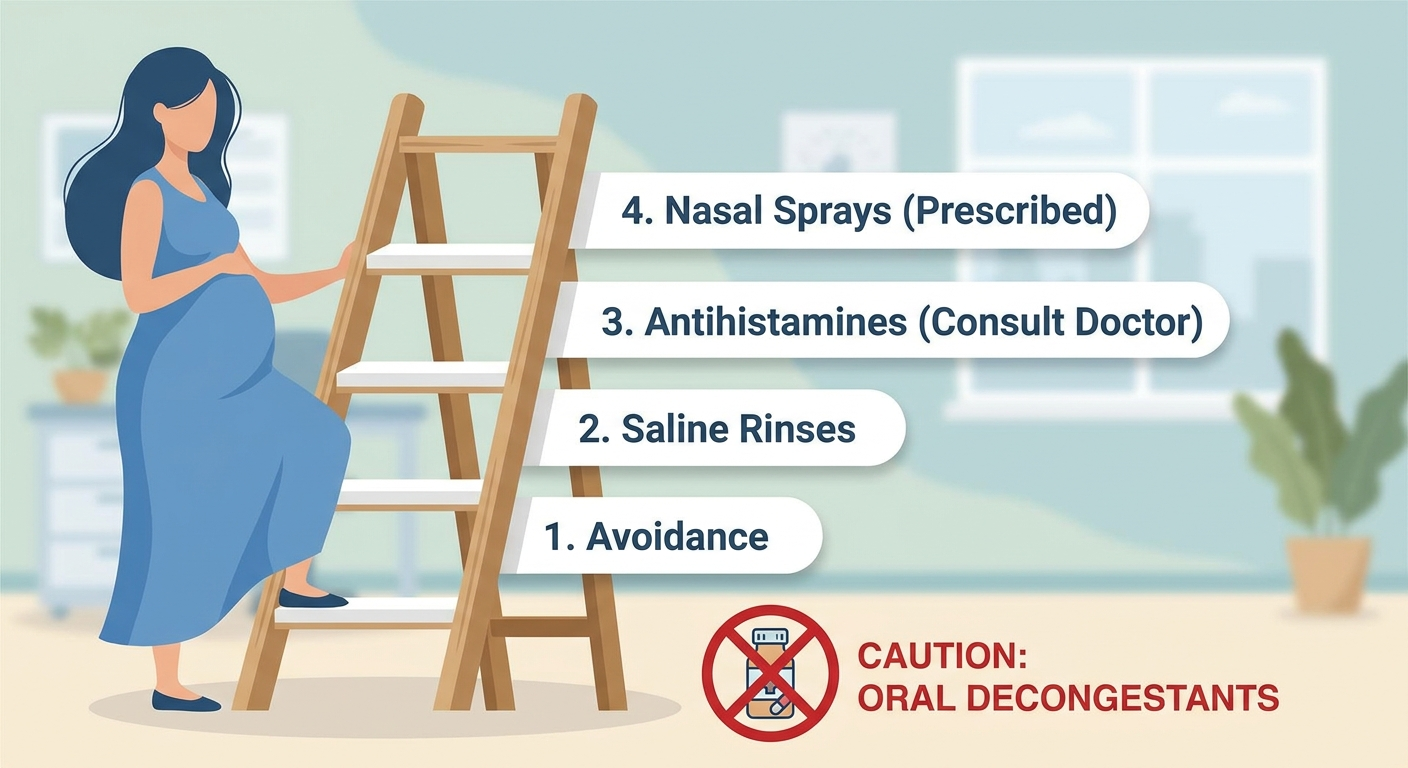
- Pregnancy considerations
Cleveland Clinic cautions: https://my.clevelandclinic.org/health/drugs/24923-nasal-decongestant
Summary: If decongestants make you feel “wired,” consider non-sedating comfort steps at bedtime instead.
Safety Tips for Using Nighttime Nasal Decongestants
Avoid double-dosing “combo” ingredients
Many PM products repeat the same active ingredients—especially diphenhydramine and acetaminophen. Compare the “Active ingredients” lines side-by-side before taking a second product. Consumer Reports explains AM/PM differences: https://www.consumerreports.org/consumerist/whats-the-difference-between-am-and-pm-cold-medicine-anyway/
Drowsiness precautions
Sedating antihistamines may impair alertness:
- Avoid driving or operating machinery after taking them.
- Avoid alcohol or other sedatives unless a clinician says it’s safe.
- Consider timing; very late doses increase the chance of morning grogginess.
Rebound congestion warning (sprays)
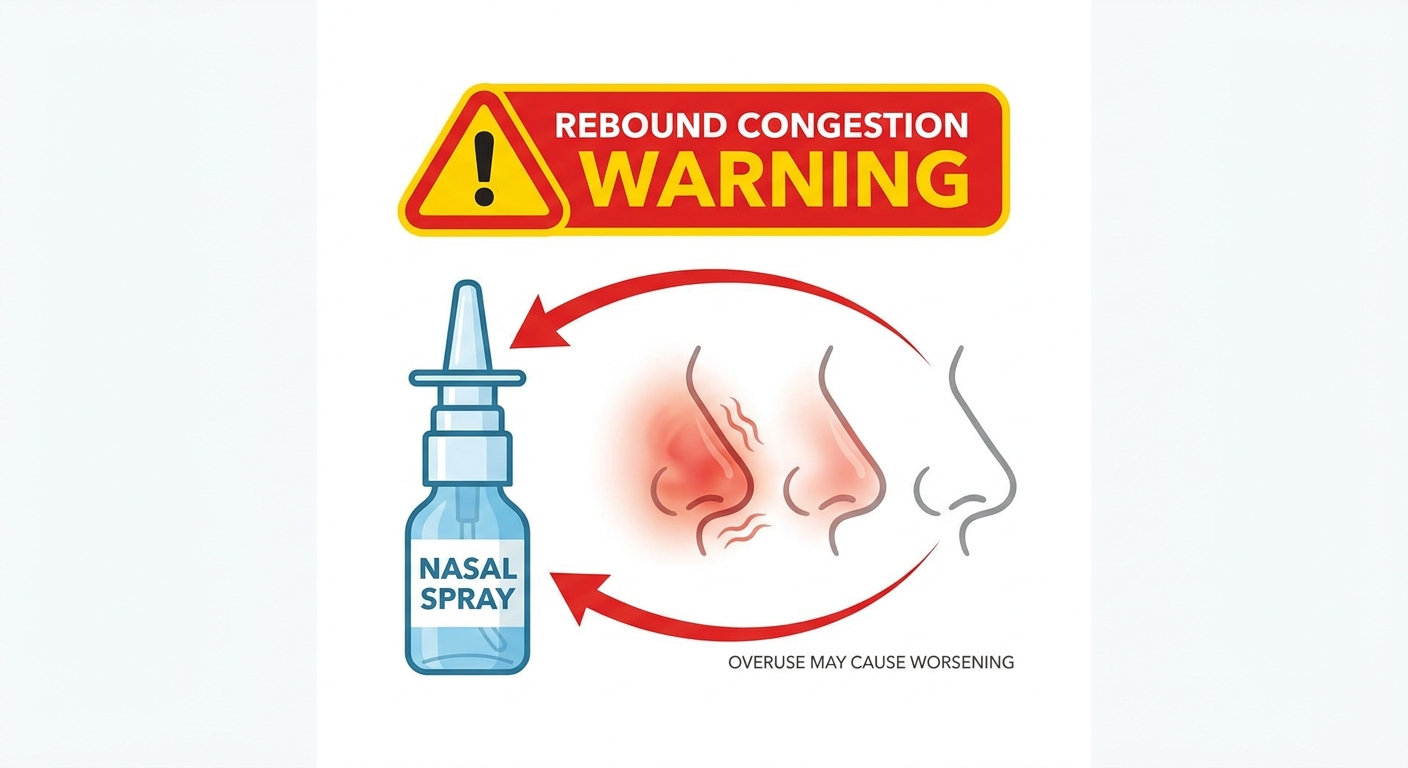
Rebound congestion is a cycle where frequent topical spray use leads to worsening blockage when the medication wears off—prompting more use. Limit duration and lean on non-medication strategies for nightly comfort. Cleveland Clinic: https://my.clevelandclinic.org/health/drugs/24923-nasal-decongestant
Summary: Read labels, avoid ingredient overlap, and use sprays sparingly to prevent rebound.
Lifestyle Tips to Relieve Congestion and Sleep Better (Tonight)
Bedroom fixes that reduce nighttime symptoms
- Use a humidifier if air is dry (and clean it regularly)
- Consider HEPA filtration
- Use allergen-proof mattress/pillow covers
- Wash bedding in hot water
- Keep pets out of the bedroom if allergies are suspected
Quick pre-bed routine for nasal relief
- Warm shower/steam for comfort
- Saline rinse or spray (safe water practices)
- Hydration earlier in the evening
- Avoid heavy meals and alcohol close to bedtime (can worsen reflux and congestion for some people)
Sleep positioning for easier breathing
- Elevate your head slightly
- Side-sleeping may feel better if one side tends to block (nasal airflow naturally alternates for many people)
Summary: Small environmental tweaks plus a simple pre-bed routine can noticeably improve nighttime breathing.
When to See an ENT (Instead of Relying on Nighttime Meds)
You may benefit from an evaluation if you have:
- Congestion most nights for weeks or months
- Frequent sinus infections or recurring sinus pressure
- Suspected deviated septum, nasal polyps, or chronic rhinitis
If symptoms are persistent, Sleep and Sinus Centers of Georgia can help you identify what’s driving the blockage and what options make sense beyond temporary nighttime medications. You can schedule an ENT evaluation here: https://sleepandsinuscenters.com/appointments
If you’re ready to stop guessing and get a clear plan, book an appointment through https://sleepandsinuscenters.com/ and bring a list of anything you’ve tried (including sprays and “PM” products) so your clinician can spot patterns and potential ingredient overlap.
Summary: Persistent or one-sided blockage deserves a tailored plan, not endless PM refills.
FAQs About Nighttime Nasal Decongestants
What is the best nighttime nasal decongestant for sleep?
It depends on the pattern:
- If symptoms look allergy-driven (itching/sneezing/runny nose), a decongestant + sedating antihistamine combo may feel helpful at night but can cause next-day grogginess.
- If symptoms are cold-related, a short-term PM cold medicine approach may be chosen for multi-symptom relief.
- If symptoms are ongoing, it’s less about finding the “strongest” product and more about identifying the underlying cause.
Can I take a nighttime decongestant every night?
Many people use these products short-term. Ongoing nightly reliance can signal uncontrolled allergies, chronic rhinitis, rebound congestion from sprays, or a structural issue that deserves evaluation.
Why do nighttime cold medicines make me feel “hungover” the next day?
Sedating antihistamines (like diphenhydramine or doxylamine) can last into the next morning, leading to grogginess, dry mouth, and slowed reaction time.
Is it safe to use a decongestant if I have high blood pressure?
Decongestants can raise blood pressure in some people. Ask a pharmacist or clinician what’s appropriate for your health history. Cleveland Clinic overview: https://my.clevelandclinic.org/health/drugs/24923-nasal-decongestant
What’s the difference between DayQuil-type and NyQuil-type products (AM vs PM)?
In general, PM cold medicine products are more likely to contain sedating ingredients, while daytime formulas avoid sedation so you can function normally. Source: Consumer Reports: https://www.consumerreports.org/consumerist/whats-the-difference-between-am-and-pm-cold-medicine-anyway/
Key Takeaways
- A nighttime nasal decongestant often combines a vasoconstrictor decongestant + sedating antihistamine to deliver nighttime relief and support sleep. (Sources: DailyMed; Sudafed; Cleveland Clinic)
- “Best” depends on whether you have congestion alone, congestion plus allergy symptoms, or added pain/fever.
- Be cautious with combo products to avoid duplicate ingredients, and use topical sprays carefully to reduce rebound congestion risk.
- Oral phenylephrine may be less effective than pseudoephedrine for congestion relief.
- If symptoms are persistent, recurrent, or one-sided, consider an ENT evaluation rather than relying on nighttime medications alone.
Summary: Choose the simplest effective option for tonight—and seek lasting solutions if congestion keeps coming back.
Sources
- DailyMed (Sudafed PE Nighttime ingredient details): https://dailymed.nlm.nih.gov/dailymed/drugInfo.cfm?setid=413d82d3-a896-4f15-9fca-c1b7b9a1ee63
- Sudafed Day/Night sinus congestion product info: https://www.sudafed.com/products/sudafed-pe-day-night-sinus-congestion
- Cleveland Clinic (nasal decongestant overview & cautions): https://my.clevelandclinic.org/health/drugs/24923-nasal-decongestant
- Consumer Reports (AM vs PM cold medicine differences): https://www.consumerreports.org/consumerist/whats-the-difference-between-am-and-pm-cold-medicine-anyway/
- Sleep and Sinus Centers blog references: Can’t breathe through your nose at night: https://sleepandsinuscenters.com/blog/cant-breathe-through-nose-at-night, Decongestant vs antihistamine: https://sleepandsinuscenters.com/blog/decongestant-vs-antihistamine-when-to-use-each-for-allergy-relief, Rebound congestion: https://sleepandsinuscenters.com/blog/do-nasal-sprays-cause-rebound-congestion
Disclaimer
This article is for educational purposes only and is not medical advice. Please consult a qualified healthcare provider for diagnosis and treatment.
Don’t let allergies slow you down. Schedule a comprehensive ENT and allergy evaluation at Sleep and Sinus Centers of Georgia. We’re here to find your triggers and guide you toward lasting relief.