Why Does My Nose Get Stuffy When I Lie Down? Causes and Relief Tips
If your nose gets stuffy when you lie down, you’re not imagining it—and you’re not alone. Plenty of people breathe fairly well during the day, then notice nasal congestion when lying down, especially right when they’re trying to fall asleep. It can feel unfair: you were fine all afternoon, and suddenly your nose “closes” the minute your head hits the pillow.
The good news: this pattern is often explained by normal nasal physiology plus a few common triggers that stand out more at night. In other words, it’s usually not mysterious—and there are several low-risk things you can try.
Quick explanation
When you lie down, changes in blood flow and fluid distribution in the nasal tissues can cause the turbinates to swell and may slow mucus drainage. That narrows airflow and can make your nose feel blocked—often worse on the side you’re lying on. [1][2]
Bottom line: Lying flat can unmask or worsen minor nasal swelling and drainage issues, making nighttime stuffiness feel more noticeable.
Quick Answer: Why Your Nose Gets Stuffy When You Lie Down
The “gravity effect” on your nose (in plain English): your nose isn’t a rigid pipe—it’s living, flexible tissue that can swell and shrink. A helpful way to picture the inside lining is like a damp sponge: when more blood and fluid collect there, it puffs up and takes up space.
A big player is the turbinates, which help warm, humidify, and filter air. Lying down can contribute to nasal congestion by changing blood flow and fluid distribution; the turbinates can swell and narrow the space where air flows. This can be a normal physiological response, but it becomes more noticeable if you already have inflammation from allergies, rhinitis, or sinus problems. [1][2]
If your nose feels tight more than runny, swollen tissue—not just extra mucus—is often the culprit.
Symptoms: What Positional Nasal Congestion Feels Like
Common signs
- Nose feels blocked soon after lying down
- Congestion is worse at bedtime than during daytime
- Mouth breathing, dry mouth, snoring
- A drip or throat-clearing feeling (postnasal drip), especially when you lie down
- I can’t get a full breath through my nose, often more on one side
A common bedtime scenario: you roll onto your right side to get comfortable, and within minutes your right nostril feels plugged. Then you switch sides…and the blockage seems to follow the down side.
When it’s more than normal
Occasional nighttime stuffiness can happen to anyone—especially during a cold, dry winter air, or after exposure to irritants. But it may be worth paying closer attention if you notice:
- Congestion most nights for weeks
- Facial pressure, thick drainage, or reduced sense of smell
- Frequent waking, poor sleep quality, or daytime fatigue
If nighttime congestion is persistent, a clinician can help identify whether the main driver is inflammation (like rhinitis), sinus drainage issues, or anatomy. Nighttime congestion is common, but persistent or disruptive symptoms deserve a closer look.
What’s Happening Inside Your Nose When You Lie Down
Blood pooling in the turbinates (why airflow narrows)
The turbinates contain tissue that can expand and contract. When you lie down, changes in blood flow can increase the fullness of these tissues, which narrows the nasal passage and increases resistance to airflow. [1][2] Even small changes in swelling can feel dramatic at night—especially if you’re already a little inflamed.
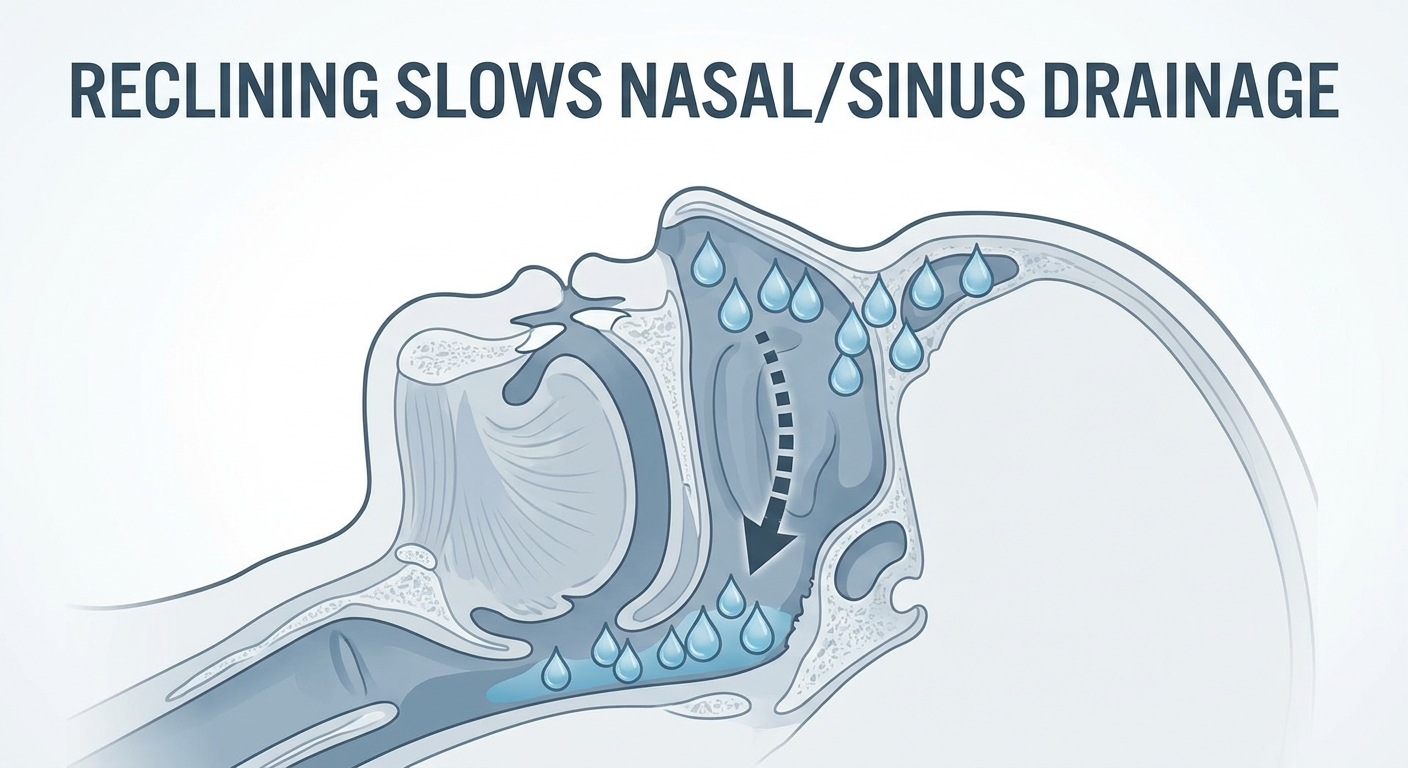
Gravity may slow mucus drainage
Being upright helps mucus move out of the nasal cavity and sinuses. When you recline, drainage can slow, and mucus can collect where you feel it most—behind the nose and toward the throat. That can create the sensation of a stuffy nose at night even if you aren’t producing a lot more mucus than usual. [1]
For more on positioning and drainage, see: Sleeping positions that help sinus drainage — https://sleepandsinuscenters.com/blog/sleeping-positions-that-help-sinus-drainage
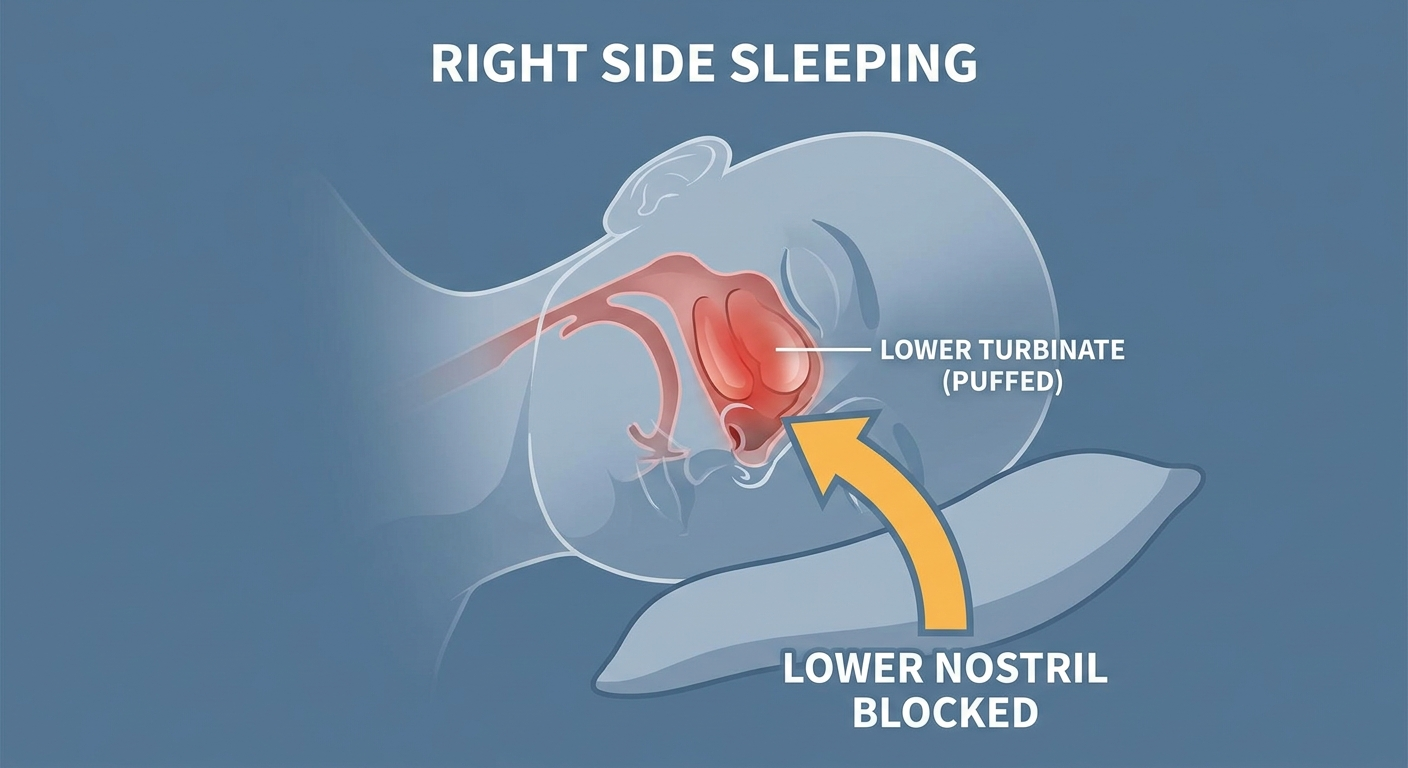
Why one nostril gets clogged when you lie on your side
If you’ve ever noticed one nostril clog when lying on your side, the down side tends to get more blood pooling and tissue swelling, so it can feel more blocked. This is common with nasal congestion when lying down and can feel more intense when your nasal lining is already irritated. [1]
The nasal cycle (a normal rhythm that’s more noticeable at night)
Your body naturally alternates airflow between nostrils over time—the nasal cycle. One side becomes a bit more open while the other gets a bit more congested, then they switch. Many people don’t notice it until they’re sick, inflamed, or trying to fall asleep in a quiet room.
Learn more here: Understanding the nasal cycle — https://sleepandsinuscenters.com/blog/understanding-the-nasal-cycle-key-effects-and-what-you-need-to-know
Small shifts in swelling and drainage can feel big once you’re horizontal.
Causes: Why It’s Worse for Some People
Allergic rhinitis (dust mites, pets, pollen)
Allergies can prime your nose to overreact to normal positional changes. At night, bedroom exposures often stack the deck against you: dust mites in bedding, pet dander, and pollen tracked in on hair, skin, or clothing. With that added inflammation, lying down can more easily trigger turbinate swelling and that familiar blocked feeling. [1]
Related resource: Treating chronic rhinitis (allergic and non-allergic) — https://sleepandsinuscenters.com/treating-chronic-rhinitis
Non-allergic rhinitis (irritants, weather changes, strong scents)
Not all rhinitis is allergy-driven. Smoke, strong fragrances, cleaning fumes, and temperature shifts can irritate the nasal lining and lead to nighttime congestion—sometimes without sneezing or itchy eyes. Inflammation is still the theme, and it can make positional symptoms more obvious. [1]
Chronic sinusitis or chronic nasal inflammation
When the nasal/sinus lining stays inflamed over time, drainage can be less efficient and swelling more persistent—so lying down becomes the moment you feel it. Some people also notice facial pressure, thicker drainage, or reduced smell. [1][2] This doesn’t automatically mean infection; it often reflects chronic irritation.
Structural issues that limit airflow (often worse when you recline)
Sometimes the issue is less about mucus and more about available space for air to move through. Common contributors include:
- Deviated septum
- Turbinate hypertrophy (chronically enlarged turbinates)
- Nasal valve narrowing or collapse
When airflow is borderline during the day, reclining and mild swelling can tip things into noticeable blockage.
Related resource: Deviated septum relief — https://sleepandsinuscenters.com/deviated-septum-relief
In some cases, reflux-related throat irritation may contribute
Some people notice more throat irritation, coughing, or congestion at night alongside reflux symptoms. While reflux isn’t the main cause for most people, irritation can add to inflammation and make nighttime breathing feel harder. Underlying inflammation or limited nasal space makes positional changes more noticeable.
Relief Tips You Can Try Tonight (Low-Risk, High-Impact)
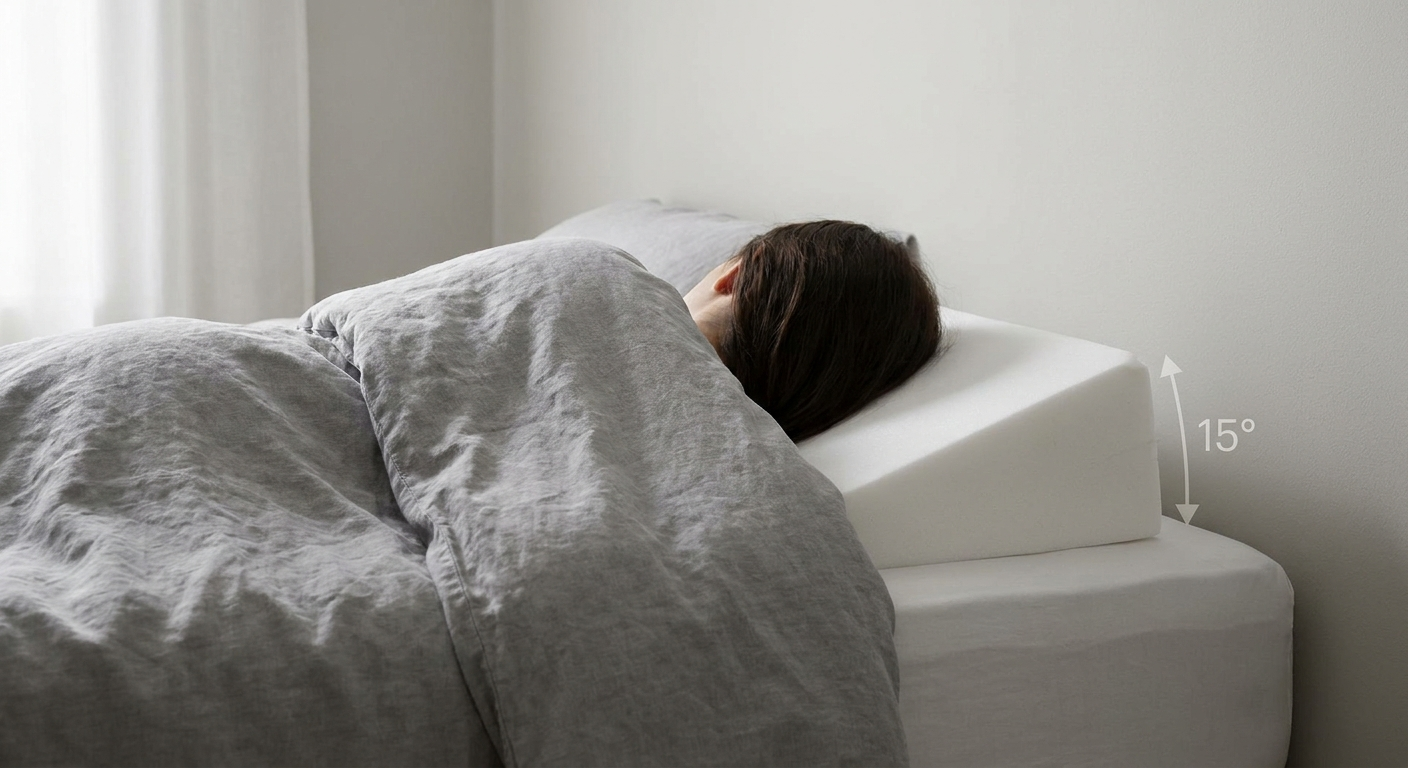
Elevate your head (simple, often helpful)
A wedge pillow or an extra pillow may help some people feel less congested by reducing the effects of lying flat. Comfort matters—because consistency matters. Note: For some, elevation can also increase awareness of postnasal drip.
Change sleep position strategically
If one side always blocks, try switching sides or slightly propping yourself to reduce the down-nostril effect. This won’t change the nasal cycle, but it may reduce how intense it feels in the moment. If reflux is part of your picture, left-side sleeping plus gentle head elevation may feel better.
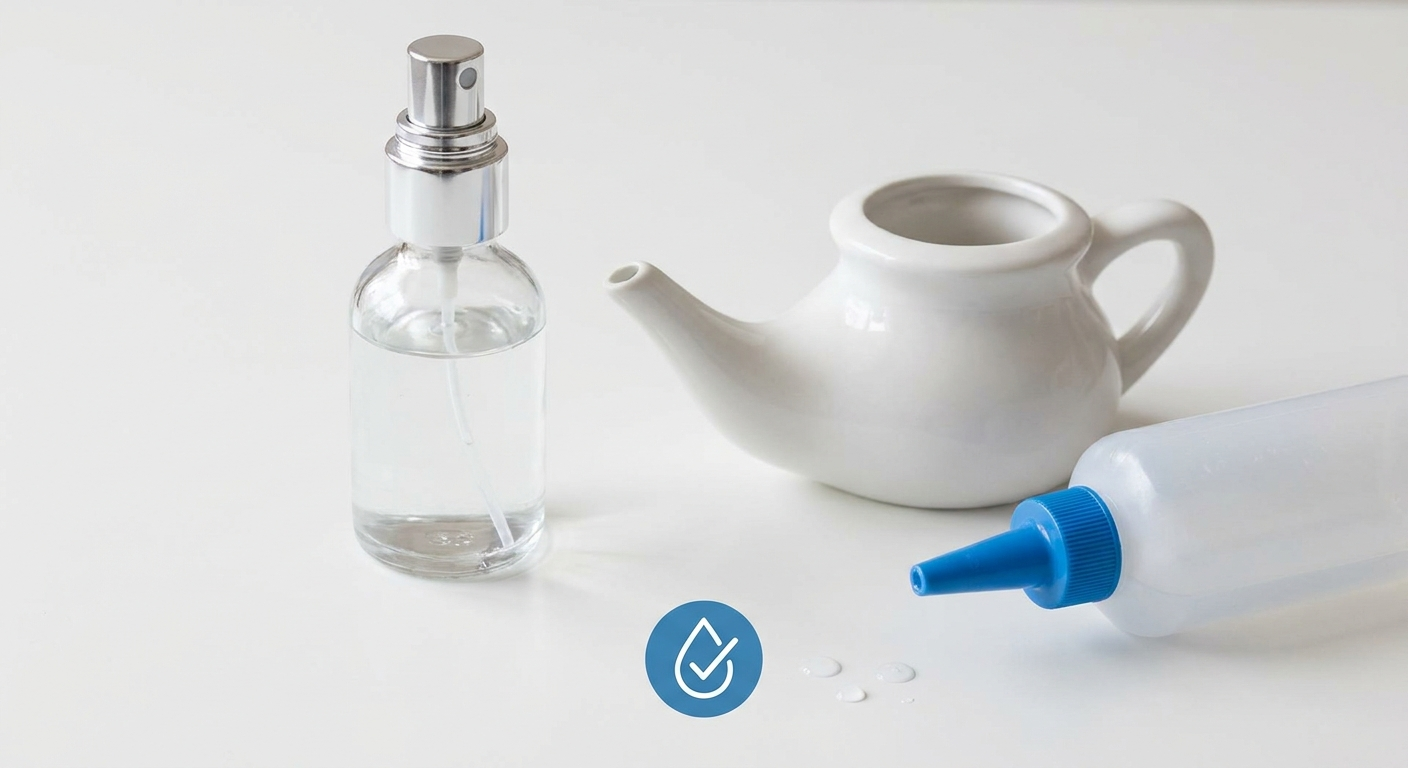
Rinse and moisturize the nose
- Saline spray before bed can moisturize and thin mucus.
- Saline irrigation (squeeze bottle or neti pot) can help clear irritants and thick secretions for some people.
Safety note: Use distilled water (or previously boiled and cooled water) for irrigation.
Helpful guide: Neti pot safety tips — https://sleepandsinuscenters.com/blog/neti-pot-safety-tips-essential-steps-for-safe-nasal-irrigation
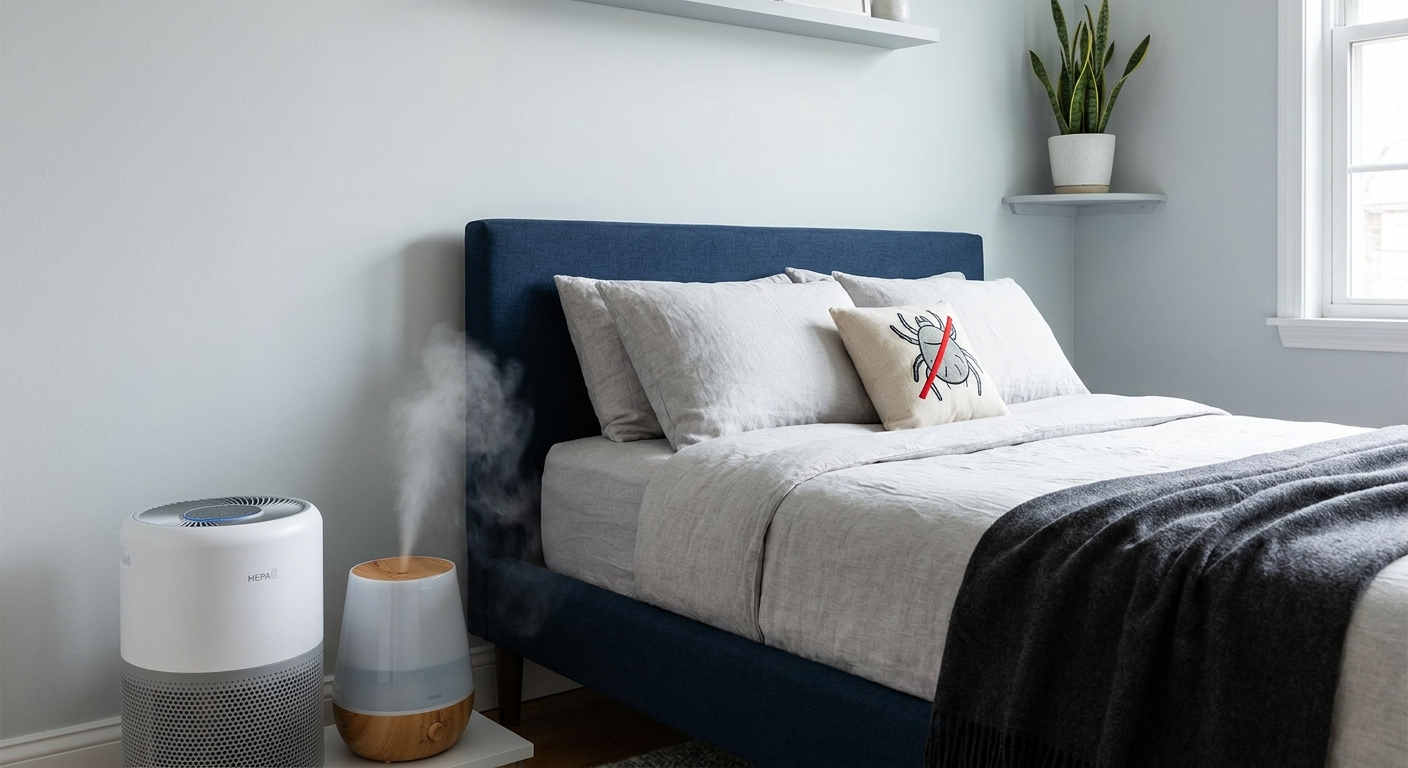
Optimize bedroom air
- Use a humidifier if the air is dry (aim for comfortable—not damp—air)
- Consider a HEPA air purifier if allergens are an issue
- Wash bedding weekly in hot water; consider dust-mite covers
Allergy-specific bedtime routine (if you suspect allergens)
- Shower or rinse hair before bed during high pollen days
- Keep pets out of the bedroom
- Keep windows closed when pollen counts are high
Start with simple, low-risk steps and adjust based on how you feel.
Medications & Treatments (What May Help—and What to Use Carefully)
This section is educational only—medications carry risks and may not be appropriate for everyone. A pharmacist or clinician can help you choose options that match your symptoms and medical history.
Best over-the-counter options (general guidance)
- Steroid nasal sprays: Often used daily for inflammation; benefits build over days to weeks (not instant).
- Oral antihistamines: May help allergy symptoms; some formulas can cause drowsiness.
- Non-medicated saline sprays: Typically fine to use anytime for moisture.
Practical tip: If inflammation is the main problem, the best tool is often the one you use consistently—not just the one that feels strongest in 10 minutes.
Decongestant sprays: helpful short-term, risky long-term
Topical decongestant sprays can open the nose quickly, but using them too many days in a row can cause rebound congestion (worsening stuffiness when you stop).
Related read: Rebound congestion (Afrin rebound) — https://sleepandsinuscenters.com/blog/afrin-rebound-how-long-does-nasal-congestion-last-after-use
When prescription treatments may be needed
If your symptoms don’t improve with common OTC approaches, prescription options may be considered—especially for persistent rhinitis, suspected chronic sinusitis, or significant inflammation.
ENT evaluation and in-office testing
An evaluation may include a detailed nasal exam (sometimes endoscopy), allergy testing, and imaging when appropriate. The goal is to clarify whether the main driver is inflammation, infection, anatomy, or a combination.
If you often think my nose gets stuffy when I lie down, and it’s affecting your sleep, you may also find this helpful: Can’t breathe through nose at night — https://sleepandsinuscenters.com/blog/cant-breathe-through-nose-at-night
Use medications thoughtfully, and consider an evaluation if symptoms persist or impact sleep and daily life.
When to See a Doctor (and When It’s Urgent)
Make an appointment if you have:
- Nighttime congestion most nights for more than 2–4 weeks
- Symptoms that disrupt sleep, worsen snoring, or cause daytime fatigue
- Recurrent sinus infections or persistent facial pressure
- Reduced sense of smell that doesn’t improve
Seek urgent care for red flags:
- Trouble breathing, wheezing, or severe shortness of breath
- High fever with severe facial pain or facial swelling
- Vision changes, or severe headache with neck stiffness
Don’t ignore persistent or severe symptoms—timely care can prevent complications and improve sleep quality.
Prevention & Long-Term Lifestyle Tips (Keep Night Congestion From Coming Back)
Build a nose-friendly nighttime routine
- Consider saline in the evening to rinse irritants and moisturize
- If using nasal sprays, consistent timing can matter (follow label directions)
- Keep the bedroom as allergen-controlled as practical
Reduce inflammation triggers
- Avoid smoke exposure
- Minimize strong fragrances and harsh cleaning fumes
- Treat seasonal allergies proactively during peak times
Lowering day-to-day nasal inflammation often makes nighttime positional congestion far less noticeable.
CTA (next step)
If nighttime congestion is happening most nights or you suspect allergies, chronic rhinitis, sinus inflammation, or an anatomical blockage, consider scheduling an evaluation with Sleep and Sinus Centers of Georgia to pinpoint the cause and review treatment options: https://www.sleepandsinuscenters.com/
FAQs
Why does only one nostril clog when I lie down? Two common reasons: the nasal cycle naturally shifts congestion side-to-side, and side sleeping can increase swelling in the down nostril due to gravity and blood flow changes. [3]
Is it normal that my nose clears up when I sit or stand? Often, yes. Upright posture can reduce turbinate swelling and improve mucus drainage, so airflow feels easier. That’s a classic pattern in nasal congestion when lying down. [1]
Could this mean I have a sinus infection? Sometimes—but many people get a stuffy nose at night from inflammation (allergies/rhinitis) or anatomy rather than infection. Thick discolored drainage, fever, significant facial pain/pressure, and symptoms that persist or worsen may be more suggestive of infection or another condition that deserves evaluation. [2]
What’s the fastest safe relief for a stuffy nose at night? For many people, the lowest-risk first steps are gentle head elevation, saline, improving bedroom air (humidity/allergen control), and avoiding triggers. Medication options exist, but it’s wise to use them carefully and follow label directions.
Can allergies really be worse at night? Yes. Bedroom exposure (dust mites, pet dander) plus ongoing inflammation can make it more likely your nose gets stuffy when you lie down—even if daytime symptoms seem mild. [1]
Sources
1. PubMed Central (PMC): Rhinitis/inflammation and nasal physiology overview — https://pmc.ncbi.nlm.nih.gov/articles/PMC10222128/
2. PubMed Central (PMC): Nasal obstruction mechanisms/anatomy background — https://pmc.ncbi.nlm.nih.gov/articles/PMC2866558/
3. Eccles R. The nasal cycle in health and disease. Clinical Otolaryngology & Allied Sciences. 1996;21(6):683–689.
Supplemental patient-friendly overview: Men’s Health — https://www.menshealth.com/health/a69881560/nasal-cycle-nostril-sick-cold-flu/
Additional reading: The Portland Clinic overview — https://www.theportlandclinic.com/on-the-nose/
This article is for educational purposes only and is not medical advice. Please consult a qualified healthcare provider for diagnosis and treatment.
Don’t let allergies slow you down. Schedule a comprehensive ENT and allergy evaluation at Sleep and Sinus Centers of Georgia. We’re here to find your triggers and guide you toward lasting relief.