Medical disclaimer: This article is for educational purposes and does not replace medical advice. Seek urgent medical evaluation for severe symptoms or possible complications.
Why Older Adults Get More Sinus Infections: Immune System Connection
If it feels like sinus problems become more frequent (and linger longer) with age, there are real biological reasons. Sinus problems in older adults are often influenced by a mix of immune-system changes and structural changes inside the nose—meaning the body may clear germs less efficiently while also creating more inflammation than it needs.
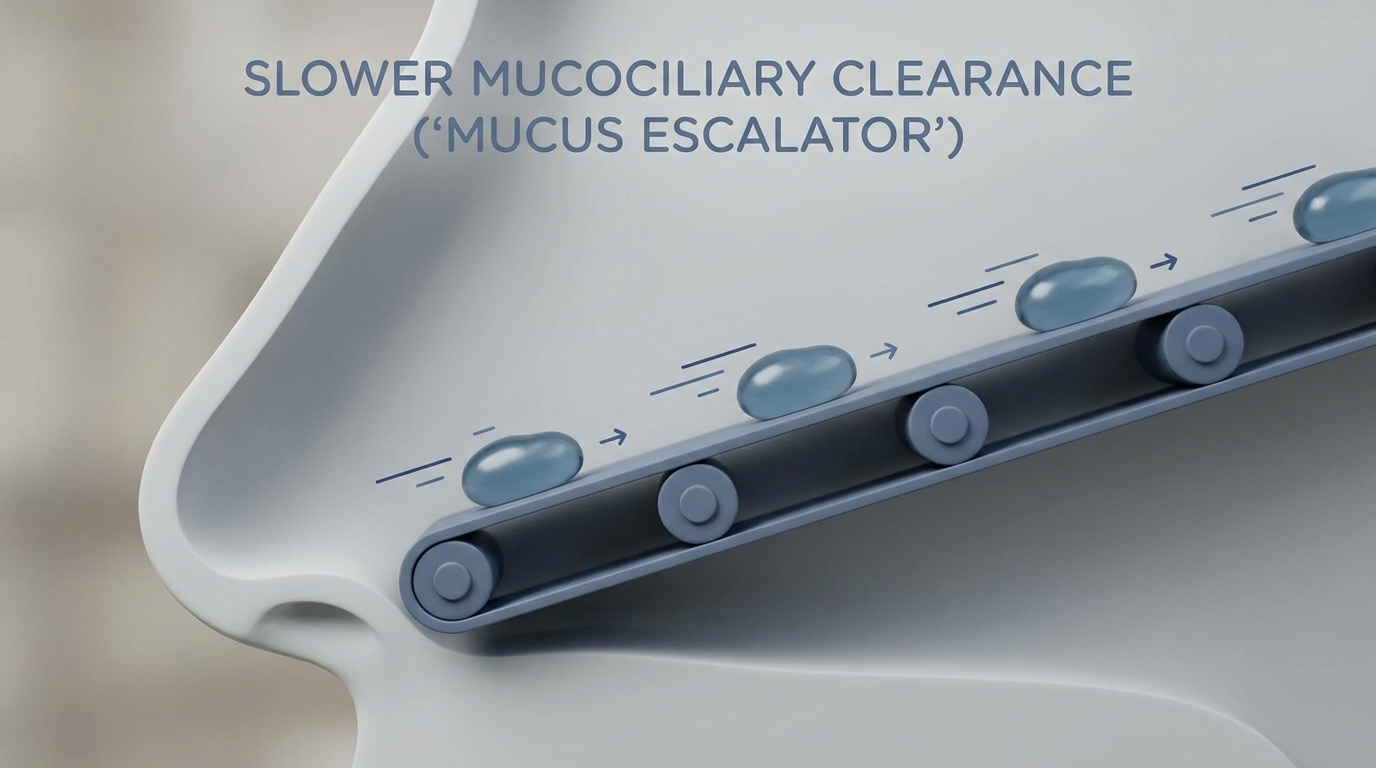
A helpful way to picture this: your sinuses are like a self-cleaning hallway with moving walkways (cilia) and a cleaning crew (immune cells). With aging, the walkway can slow down, and the cleaning crew may be less coordinated—while the immune response produces more inflammation that doesn’t necessarily clear infection better.
Quick Take—Why sinus infections become more common with age
The increased risk often comes from an “immune + structure” combination:
- Immune system aging (immunosenescence) can reduce frontline defense in nasal tissues, including less effective germ-killing and reduced bacterial clearance (https://pmc.ncbi.nlm.nih.gov/articles/PMC6408962/).
- Slower mucociliary clearance means mucus—and the germs trapped inside it—may not move out as efficiently (https://pubmed.ncbi.nlm.nih.gov/11282777/).
- Pro-inflammatory paradox: some older adults have a more inflammatory immune response that does not necessarily clear infection more effectively (https://pmc.ncbi.nlm.nih.gov/articles/PMC8342554/).
These changes can contribute to sinus infections being more frequent, harder to resolve, or more likely to recur—especially when other factors such as allergies, reflux, medications, or structural blockage are also present.
Summary: In older adults, immune shifts plus slower mucus movement can raise the risk of longer, recurrent sinus issues.
What counts as a “sinus infection” (and why it can be confusing)
Sinusitis vs. “a cold” vs. allergies
- Viral upper respiratory infections (colds): often start with sore throat, runny nose, and congestion; symptoms typically improve over time.
- Allergies: can cause congestion, clear drainage, sneezing, and itchy/watery eyes; symptoms may flare with seasons or exposures.
- Bacterial sinus infection: more precisely, acute bacterial rhinosinusitis (ABRS) may be more likely when symptoms persist longer, worsen after initially improving, or are severe.
Many “sinus infections” start viral, with bacteria potentially becoming an issue later. This can be frustrating because day-to-day symptoms may feel identical. One common story clinicians hear sounds like: “It started like a cold, I thought I was getting better, then the pressure and drainage came roaring back.”
If you want a quick comparison, see our guide on sinus infection vs. cold: https://sleepandsinuscenters.com/blog/sinus-infection-vs-cold-how-to-tell-the-difference. You can also read more on viral vs. bacterial sinus infections: https://sleepandsinuscenters.com/blog/viral-vs-bacterial-sinus-infections-key-differences.
Acute vs recurrent vs chronic sinusitis (definitions)
- Acute sinusitis: short-term inflammation/infection that resolves.
- Recurrent sinusitis: repeated episodes over time.
- Chronic rhinosinusitis: persistent sinus inflammation lasting 12 weeks or longer.
Because inflammation can become more persistent with age, chronic rhinosinusitis in older adults is an important consideration—especially when symptoms never fully clear between “infections.” Learn more here: https://sleepandsinuscenters.com/chronic-sinusitis.
Summary: Clarifying whether symptoms are viral, bacterial, recurrent, or chronic helps guide next steps and avoid one-size-fits-all care.
Symptoms—How sinus infections may look in older adults
Common symptoms
- Nasal congestion or blockage
- Thick nasal drainage or post-nasal drip
- Facial pressure, headache, or tooth pressure
- Reduced smell or taste
- Cough (often worse at night)
- Fatigue or a “brain fog” feeling
For a broader checklist, visit: https://sleepandsinuscenters.com/symptoms-of-sinus-problems.
Symptoms that may be subtler in older adults
- Less obvious fever or facial pain
- More fatigue, sleep disruption, lingering cough, or “just not feeling right”
- Symptoms that linger longer than expected
A practical example: instead of sharp facial pain, an older adult may mainly notice a persistent nighttime cough from post-nasal drip, or a sudden drop in sleep quality and energy.
Red flags—when to seek urgent evaluation
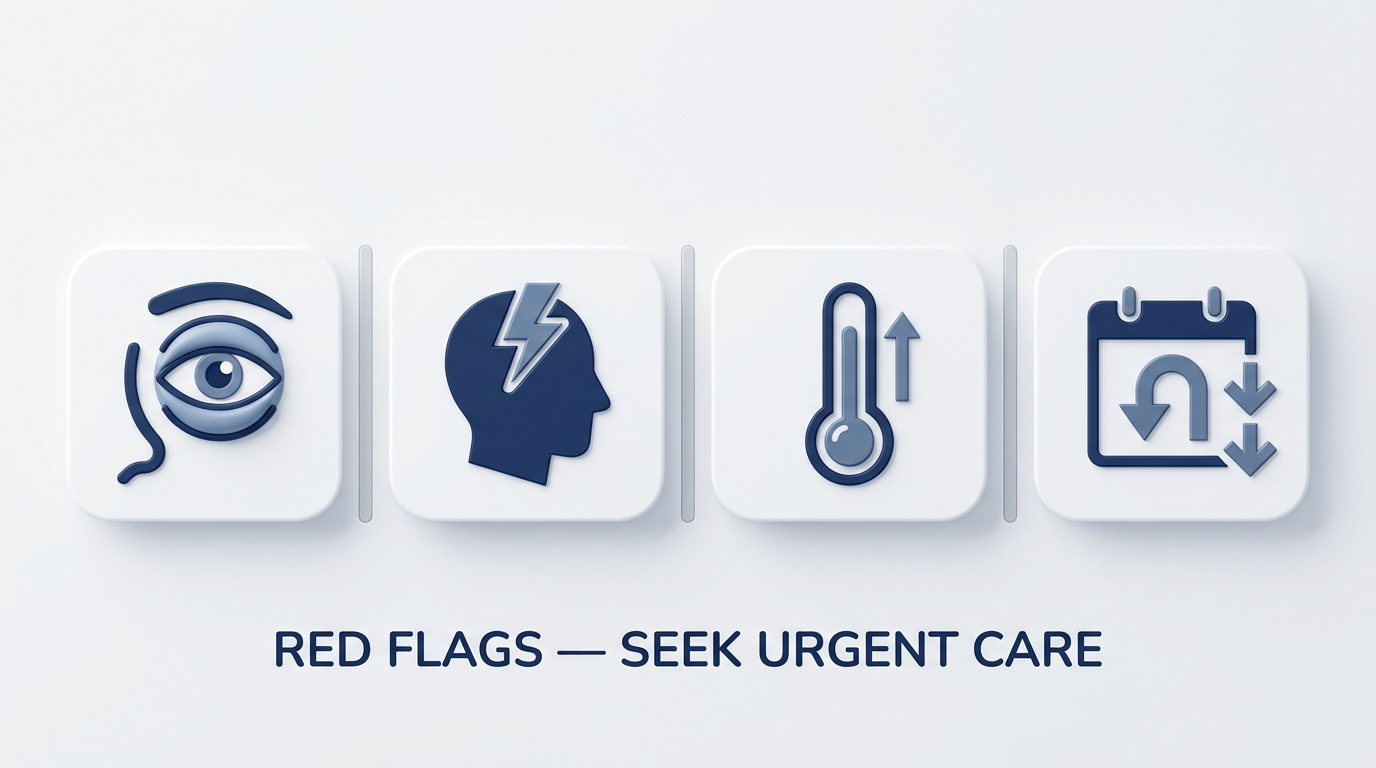
Serious complications are uncommon, but warning signs should still be taken seriously. Seek urgent evaluation for:
- Swelling around an eye or vision changes
- Severe headache, stiff neck, or confusion
- High fever or worsening symptoms after initial improvement
- Immunocompromised status or recent facial/sinus surgery
If you’re unsure whether it’s time for specialty care, see: https://sleepandsinuscenters.com/blog/when-to-see-an-ent-for-a-sinus-infection-key-warni-20260131051218.
Summary: In older adults, symptoms may be subtler and last longer, but any red flags warrant prompt medical attention.
The immune system connection (the “why” behind more infections)
Immunosenescence—what it means in plain language
“Immunosenescence” means the immune system changes with age. It doesn’t shut off, but it may:
- Recognize new germs more slowly
- Respond less efficiently at mucosal surfaces (like the nasal lining)
Think of the nasal mucosa as the “front door” defense—catching germs before they move deeper into the airway. With aging, that front door security can become less coordinated: it may miss some intruders early, or respond later than you’d like (https://pmc.ncbi.nlm.nih.gov/articles/PMC6408962/). This immune shift is a key reason immunosenescence and sinus infections are often linked in medical research.
Reduced bacterial clearance (phagocytosis)
Some immune cells help by “engulfing” and clearing bacteria (phagocytosis). With age, this cleanup function can become less effective, allowing bacteria to persist longer once they get into stagnant mucus or irritated sinus tissue (https://pmc.ncbi.nlm.nih.gov/articles/PMC6408962/). In real life, this can look like a cycle of partial improvement followed by relapse—especially if mucus is thick and drainage is poor.
The pro-inflammatory paradox (more inflammation, not better protection)
With aging, the immune system may produce more inflammatory signaling—often involving neutrophils—without clearing germs more efficiently. That mismatch can contribute to lingering symptoms and ongoing inflammation patterns seen in chronic sinus disease (https://pmc.ncbi.nlm.nih.gov/articles/PMC8342554/).
Summary: Aging can shift the immune system toward slower germ control yet more inflammation, a combination that can prolong sinus problems.

The “plumbing” problem—age-related changes in the nose and sinuses
Impaired mucociliary clearance (slower “mucus escalator”)
Your sinuses rely on tiny hair-like structures called cilia to sweep mucus out. Research suggests that ciliary function can slow with age, reducing the speed of mucus transport (https://pubmed.ncbi.nlm.nih.gov/11282777/). If you imagine mucus as a conveyor belt carrying dust, allergens, and germs out of the sinuses, slower cilia mean that belt moves at a crawl.
Structural mucosal changes in older adults
Age-related changes in tissue structure and blood supply may contribute to a drier, more fragile nasal lining (https://www.mdpi.com/1648-9144/59/1/126). When the lining is drier and more delicate, it can become irritated more easily—especially during winter heating seasons or in dry indoor air.
Why stagnant mucus raises risk of secondary infections
- Bacteria may grow more easily
- Inflammation can narrow drainage pathways further
- Post-nasal drip and cough can worsen—often disrupting sleep
This can create a self-feeding loop: swelling blocks drainage, blockage traps more mucus, and trapped mucus fuels more swelling—making recurrence more likely in some older adults.
Summary: Slower cilia and drier mucosa can let mucus stagnate, setting the stage for repeated inflammation and infection.
Other risk factors that stack the deck in older adults (brief but practical)
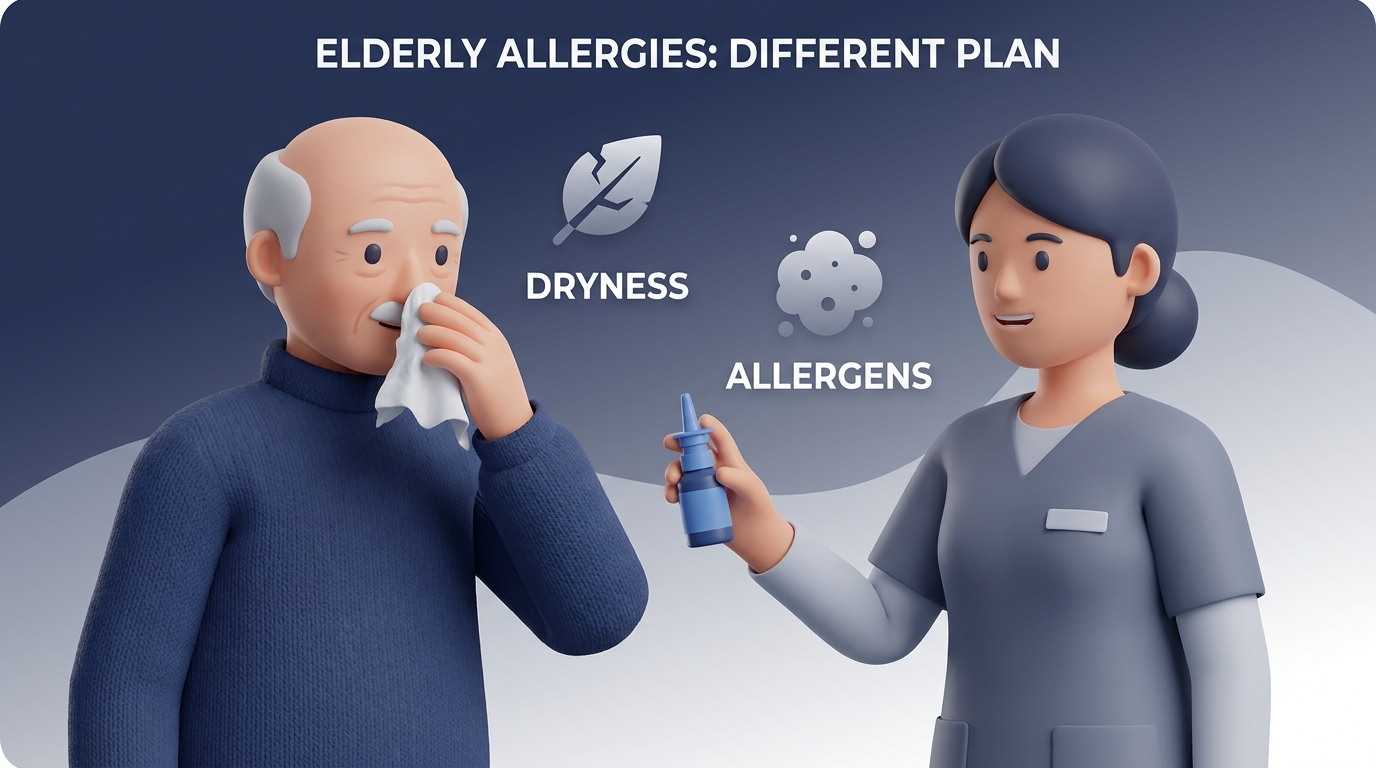
Medications and dryness
Many commonly used medications can contribute to dryness. A drier nasal lining can mean thicker mucus and a less effective barrier—conditions that can make sinus inflammation easier to trigger. If you notice a new medication coincides with “dry nose,” thicker post-nasal drip, or more frequent congestion, mention it at a visit. (Don’t stop medications on your own—your clinician can help weigh risks and alternatives.)
Coexisting conditions
Several health issues can overlap with sinus symptoms or increase inflammation, including:
- Allergies or asthma
- GERD/LPR (reflux that irritates the throat/upper airway)
- Dental issues (especially affecting the maxillary sinuses)
- Immune suppression (for example, from certain medical treatments)
A key point: when sinus symptoms keep recurring, it may not be just “bad luck.” An underlying contributor could be keeping the lining irritated and more infection-prone.
Environmental exposures
Irritants can keep the nasal lining inflamed, such as:
- Smoke and vaping exposure
- Strong fragrances or cleaning fumes
- Air pollution
- Indoor dryness (especially in winter) and seasonal triggers
Summary: Addressing dryness, coexisting conditions, and irritant exposures often reduces the odds of repeat sinus troubles.
Diagnosis—how clinicians figure out what’s really going on
What to expect at a visit
- Symptom timeline (for example, persistence beyond ~10 days, “double-worsening,” or severity patterns)
- Nasal exam; sometimes nasal endoscopy to look deeper
- Imaging (often CT) in recurrent/chronic cases or when complications are a concern
It can help to bring a short timeline to your appointment: when symptoms started, whether they improved and worsened again, what you tried (saline, sprays, antibiotics), and what keeps coming back.
When immune evaluation may be appropriate
If there are frequent infections despite appropriate treatment—or unusually severe infections—an immune-focused evaluation may be considered, given the immune changes described in immunosenescence research (https://pmc.ncbi.nlm.nih.gov/articles/PMC6408962/).
Summary: A clear history plus targeted exam—and sometimes immune workup—can distinguish viral flares from true bacterial or chronic inflammation.
Treatments—what helps (and what to avoid)
Home care and OTC options (supportive care)
Supportive care aims to improve comfort and help mucus move:
- Saline irrigation (with safe technique and a consistent routine)
- Humidification and hydration
- General pain/fever relief options (as appropriate)
If you use rinses, this is a common question: https://sleepandsinuscenters.com/blog/nasal-rinses-how-often-should-you-use-them. Also, topical decongestant sprays can cause rebound congestion if overused, so they’re best approached cautiously. A simple routine many people tolerate well is “rinse, then spray” (when prescribed): rinse to clear mucus first, then use an anti-inflammatory spray so it can better reach the lining.
Prescription treatments (when indicated)
Depending on the pattern and exam findings, treatment may include:
- Intranasal corticosteroid sprays to reduce inflammation
- Antibiotics when symptoms and exam findings suggest a bacterial infection rather than a viral illness
- In select cases, a short course of oral steroids—balancing benefits and risks (often especially important in older adults)
The goal is targeted treatment rather than repeating the same approach each time—particularly when symptoms are driven more by chronic inflammation and poor drainage than by active bacterial infection.
Treating underlying contributors
Long-term improvement often depends on addressing triggers, such as:
- Allergy evaluation and management
- Reflux management when relevant
- Structural blockage (deviated septum, polyps) when present
When procedures may be discussed (chronic/recurrent cases)
For persistent symptoms or blocked drainage pathways, an ENT may discuss options such as balloon sinuplasty or other interventions based on the exam and CT findings. For a deeper overview, see: https://sleepandsinuscenters.com/chronic-sinusitis.
Summary: Consistent mucus management, inflammation control, and attention to triggers often matter as much as medicines—and sometimes procedures help when anatomy blocks drainage.

Lifestyle tips to reduce recurrence (senior-friendly, actionable)
Daily habits that support sinus defenses
Small routines can support the nose’s natural defenses:
- A simple saline-rinse routine during flare seasons
- Hand hygiene and practical exposure reduction
- Prioritizing sleep and stress management
- Managing indoor humidity (avoid overly dry air, while also preventing mold-promoting humidity)
More ideas here: https://sleepandsinuscenters.com/blog/daily-habits-to-prevent-sinus-infections.
Vaccines and prevention (brief, practical)
Staying up to date on vaccines can reduce respiratory infections that sometimes trigger sinusitis. A clinician can help tailor recommendations to age and health status.
When to consider allergen and irritant control
If symptoms track with exposures, consider:
- HEPA filtration
- Smoke avoidance
- Fragrance-free personal and cleaning products
Summary: Support your natural defenses with smart daily habits, targeted prevention, and practical exposure control.
FAQs (SEO-focused)
1) Why do sinus infections last longer in older adults? Immune responses can become less efficient with age (immunosenescence), and mucus clearance can slow due to reduced ciliary function—both of which may prolong symptoms (https://pmc.ncbi.nlm.nih.gov/articles/PMC6408962/; https://pubmed.ncbi.nlm.nih.gov/11282777/).
2) Can you have a sinus infection without a fever as an older adult? Yes. Fever can be less prominent in older adults, and symptoms may show up more as fatigue, lingering cough, or sleep disruption.
3) When is a sinus infection “bacterial” and needs antibiotics? Antibiotics are typically considered when symptoms and exam findings suggest acute bacterial rhinosinusitis rather than a viral illness—for example, persistence beyond typical cold duration, worsening after initial improvement, or severe presentations.
4) Is chronic sinusitis more common with age? Age-related inflammation patterns and tissue changes can contribute to persistent symptoms in some people (https://pmc.ncbi.nlm.nih.gov/articles/PMC8342554/; https://www.mdpi.com/1648-9144/59/1/126).
5) What’s the best way to prevent the recurrent sinus infections older adults may experience? Prevention often focuses on consistent inflammation control, improving mucus clearance, and addressing triggers (allergies, irritants, reflux, and structural blockage). This is especially important for recurrent sinus infections older adults may experience.
6) When should an older adult see an ENT? Consider an ENT evaluation for recurrent episodes, symptoms lasting 12+ weeks, significant quality-of-life impact, or any complication concerns. Helpful guide: https://sleepandsinuscenters.com/blog/when-to-see-an-ent-for-a-sinus-infection-key-warni-20260131051218.
Conclusion—Putting it together (and next steps)
Sinus infections in older adults tend to become more common because aging can bring together immunosenescence, slower mucus clearance, and structural changes in the nasal lining—sometimes alongside excess inflammation that doesn’t equal better germ removal (https://pmc.ncbi.nlm.nih.gov/articles/PMC6408962/; https://pubmed.ncbi.nlm.nih.gov/11282777/; https://pmc.ncbi.nlm.nih.gov/articles/PMC8342554/). If symptoms keep returning, linger, or don’t match the usual “cold that gets better,” it can help to move beyond guesswork and get a clearer diagnosis and plan.
If you’d like an expert evaluation or second opinion, you can book an appointment with Sleep and Sinus Centers of Georgia: https://www.sleepandsinuscenters.com/.
Summary: A tailored evaluation can clarify the cause and lead to longer-term relief.
This article is for educational purposes only and is not medical advice. Please consult a qualified healthcare provider for diagnosis and treatment.
Don’t let allergies slow you down. Schedule a comprehensive ENT and allergy evaluation at Sleep and Sinus Centers of Georgia. We’re here to find your triggers and guide you toward lasting relief.