Why Do My Eyes Water Constantly During Allergy Season? Common Causes and Relief Tips
If your eyes water constantly during allergy season, you’re not alone—and it’s not “just annoying.” For many people, watery eyes show up like clockwork in spring and fall, sometimes right alongside sneezing, congestion, and that “tired face” feeling.
The good news: once you understand what’s happening on the surface of your eyes, symptom relief gets much more straightforward. You can also feel more confident about when to try simple at-home steps versus when it’s time to get evaluated.
Below is a patient-friendly guide to why it happens, what else it can feel like, how to stop watery eyes with practical at-home steps, and when to seek medical care.
Quick Answer: Why allergies make your eyes water
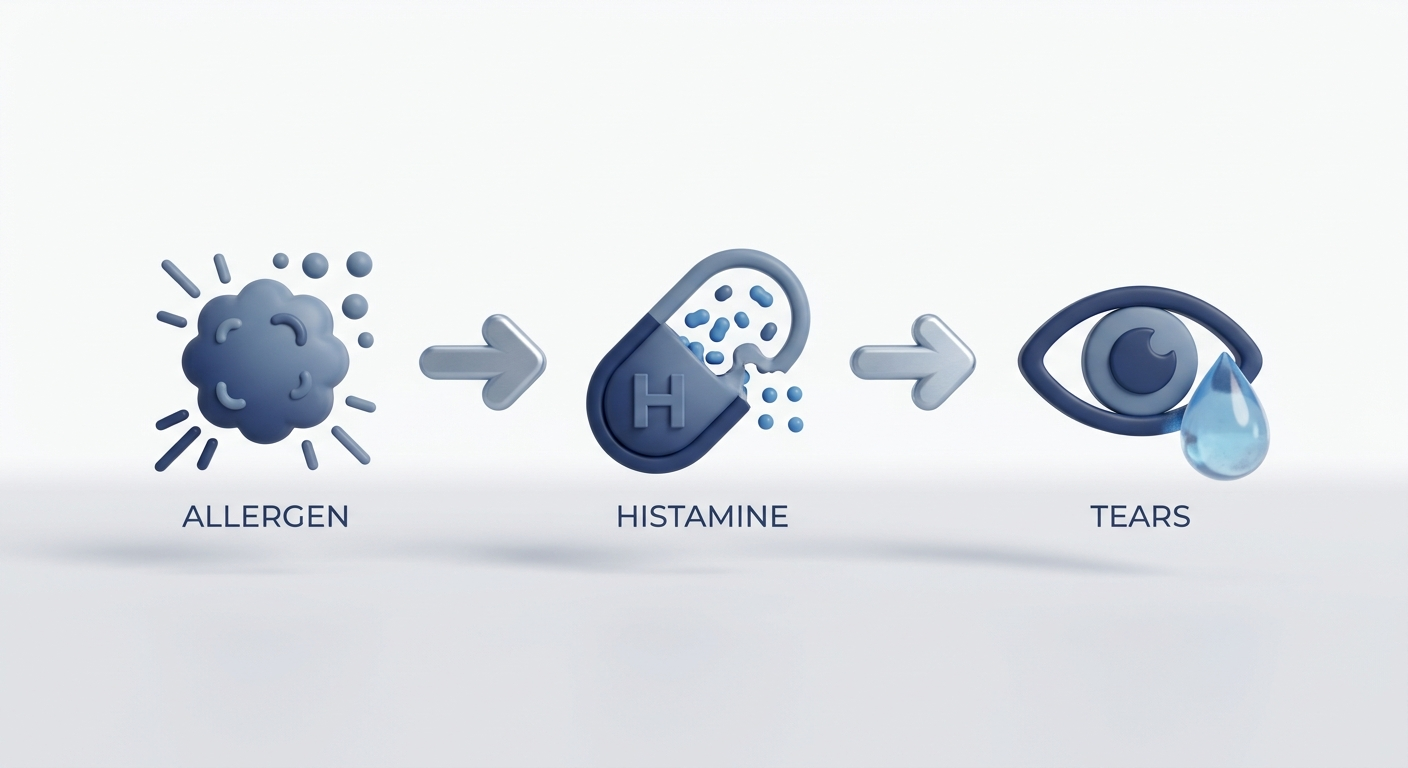
Allergies can make your eyes water because your immune system mistakes pollen, pet dander, or dust as a threat. This triggers mast cells in the eye to release histamine, leading to inflammation and reflex tearing—your body’s attempt to flush the irritant out. This process is commonly called allergic conjunctivitis. (1–3)
A helpful way to think about it: your eyes are acting like they’re “rinsing the windshield” to clear away particles that don’t belong there.
The chain reaction looks like this: Allergen → Mast cell activation → Histamine release → Lacrimal gland stimulation → Excess tears
Bottom line: allergens spark inflammation, and your tear system turns on the rinse cycle. (1–3)
What “watery eyes” can look and feel like during allergy season (Symptoms)
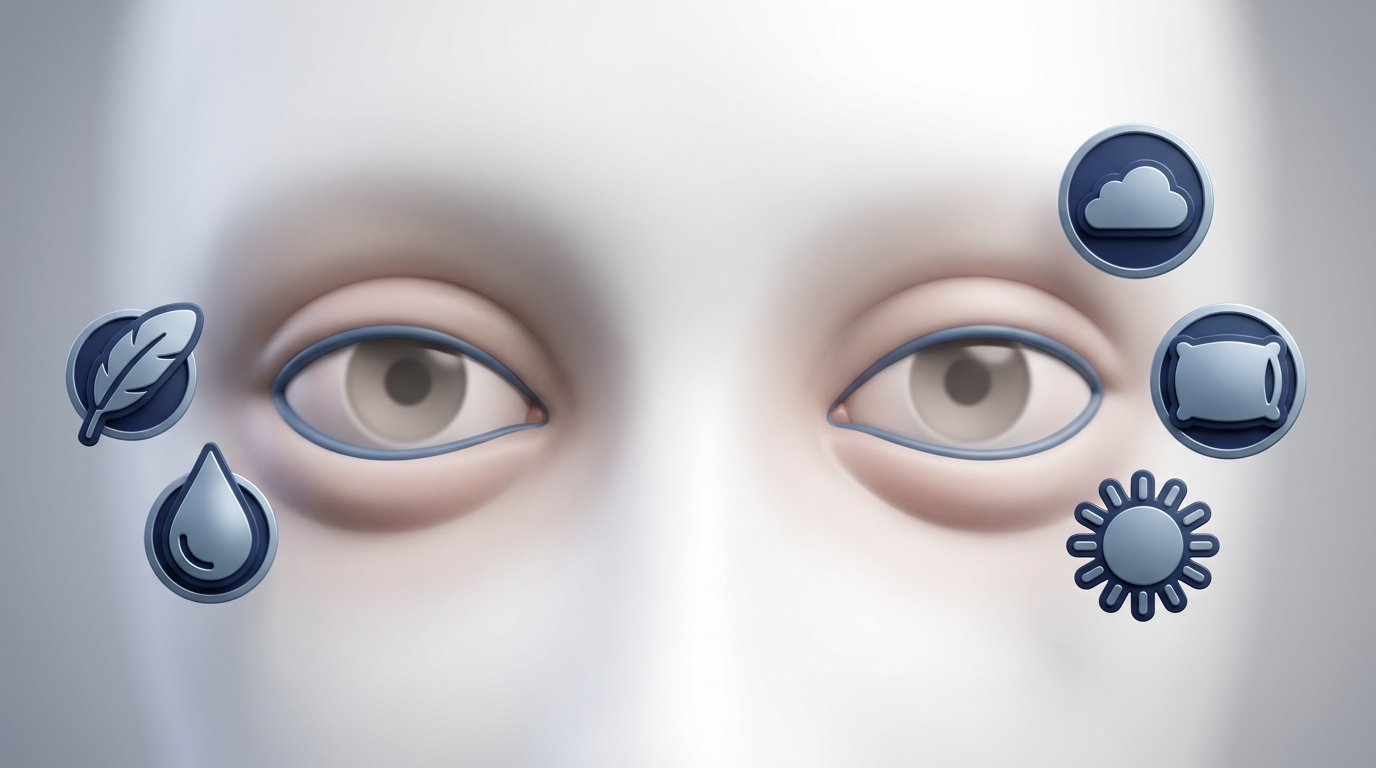
Common allergy-related eye symptoms
- Watery eyes/tearing
- Itching (a classic allergy clue)
- Redness, burning, or a gritty sensation
- Puffy eyelids
- Mild light sensitivity
- Stringy mucus (can happen, especially with frequent rubbing) (1)
Many people describe it as “my eyes feel irritated and wet at the same time.” If you’ve been thinking, “I can’t stop rubbing,” the itching + tearing combo is a strong sign the driver may be allergies rather than infection. (1,4)
Signs it may not be allergies
- Thick yellow/green discharge or eyes crusted shut (possible infection)
- Significant eye pain, worsening light sensitivity, or new vision changes
- One eye only with severe redness or swelling
- Symptoms that persist well outside allergy season (1,4)
If only one eye is suddenly very red, painful, or light-sensitive, don’t “wait it out.” Those are the situations where prompt evaluation matters most. (1,4)
In short: itchy, watery eyes in both eyes point to allergy—one-sided severe pain, vision changes, or pus-like discharge need a same-day exam. (1,4)
The science—why your eyes produce extra tears (patient-friendly explanation)
Your eyes’ “wash-out” response (reflex tearing)
Tears aren’t only emotional—they’re protective. When something irritates the eye’s surface (smoke, wind, pollen), nerves signal the tear system to produce more fluid to “rinse” it away.
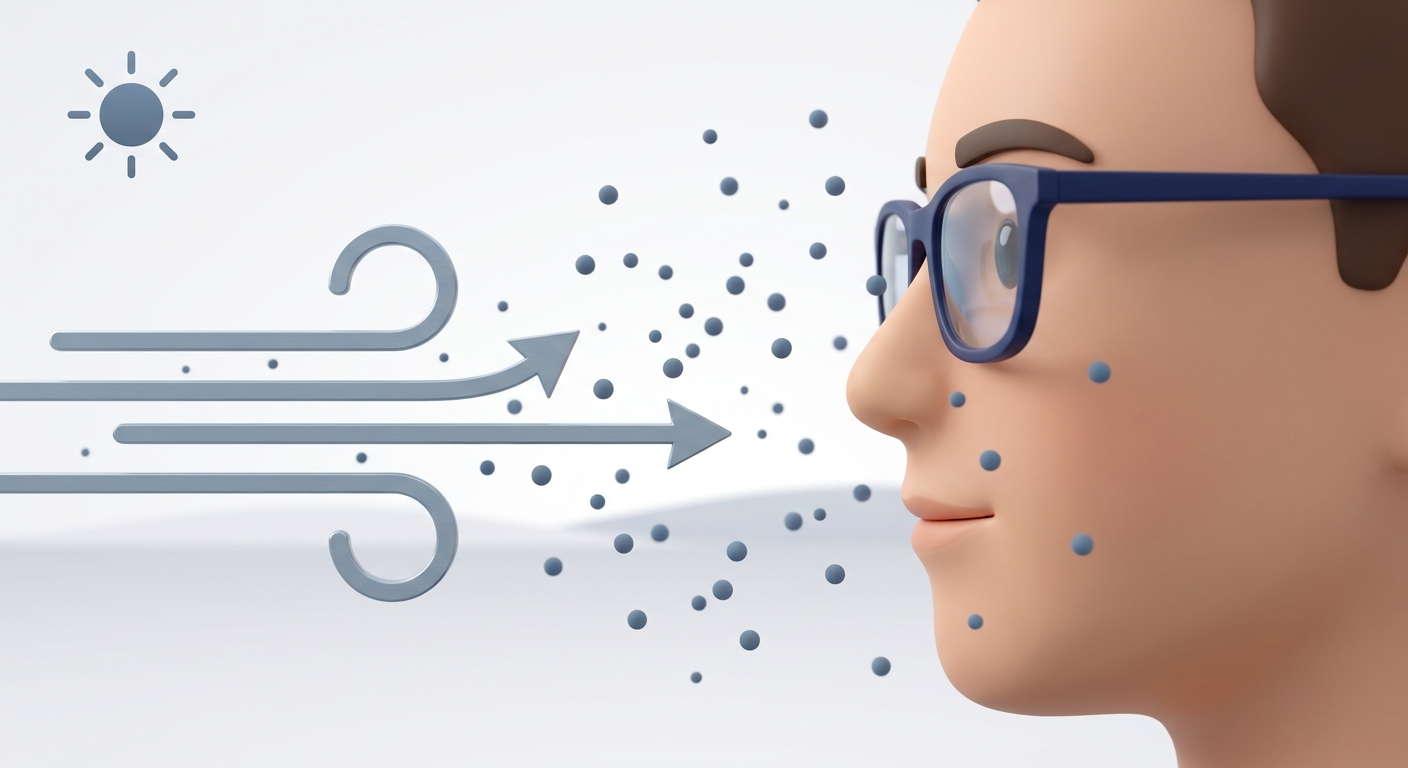
During allergy season, inflammation makes the eye surface more sensitive, so the reflex tearing response can ramp up quickly. This is why symptoms may spike after a windy dog walk, while mowing the lawn, or even after sitting near an open window on a high-pollen day.
Allergic conjunctivitis: the histamine connection
With allergic conjunctivitis, allergens land on the conjunctiva (the clear membrane covering the white of the eye and inner eyelids). Mast cells in that tissue can release histamine and other inflammatory mediators.
Histamine is strongly linked with:
- Itching (often the most allergy-specific symptom)
- Redness
- Swelling
- Histamine-driven tearing (increased reflex tears) (1–3)
A simple clinician-style summary you’ll often hear is: “If it itches, think allergy.” It’s not a perfect rule, but it’s a useful clue.
In short: allergens inflame the eye surface, and your tear system tries to wash them away. (1–3)
Common causes of constant watery eyes during allergy season
1) Seasonal allergic conjunctivitis (most common)
This is the classic spring/fall pattern. Triggers include:
- Tree pollen (often spring)
- Grass pollen (late spring/summer)
- Weed/ragweed pollen (late summer/fall)
Symptoms may worsen after yard work, on days with higher airborne particles, or on windy mornings—especially for people with pollen-sensitive eyes.
2) Perennial allergic conjunctivitis (year-round triggers that flare seasonally)
Some triggers are present all year but feel worse during certain months:
- Dust mites
- Pet dander
- Indoor molds
If your symptoms spike when windows are open, when pollen is high, or when humidity rises, perennial triggers may be adding fuel to the fire. For example, you might be reacting to pollen outdoors and dust mites indoors—so you never get a true “break.”
3) Irritants that mimic or worsen allergy symptoms
Even if allergies are the main issue, irritants can amplify tearing and burning:
- Smoke
- Strong fragrances
- Cleaning chemicals
- Air pollution/high-particulate days
These don’t always cause the same itch-heavy pattern as allergies, but they can make already-inflamed eyes feel much worse.
4) Dry eye plus allergies (a common “double hit”)
This one surprises people: dry eye can cause burning and reflex tearing, which looks like “too many tears.” Eyes may water because the surface is dry and irritated—not because they’re well-lubricated. Some oral antihistamines may also worsen dryness for certain people—something to discuss with a clinician if symptoms escalate after starting a new medication.
5) Blocked tear drainage (nasolacrimal duct issues)
Sometimes eyes water not because you’re making too many tears, but because tears aren’t draining normally. This overflow can be more constant and less itchy than typical allergy tearing. If you’re mostly tearing (without much itch) and it happens in all seasons, drainage issues may be worth ruling out.
6) Contact lenses and eye makeup during peak pollen
Pollen and debris can cling to contact lenses and lash lines. Rubbing makes inflammation worse—so lenses plus peak pollen can lead to more frequent itchy, watery eyes. If you notice symptoms improve on “glasses days,” that’s a useful clue that something is sticking to the lens surface or along the lids and lashes.
Takeaway: more than one cause can coexist—spotting your pattern helps you target the right fixes.
What triggers are most likely in allergy season (and how to identify yours)
Pollen patterns to watch
- Tree pollen: spring
- Grass pollen: late spring/summer
- Weeds/ragweed: late summer/fall
Pollen release often peaks in the morning for many plants, though timing can vary by allergen type and location. Wind can increase exposure. If you also have sneezing or congestion, it may help to read about the bigger picture of seasonal allergies, including allergic rhinitis (hay fever): https://sleepandsinuscenters.com/what-is-allergic-rhinitis-hay-fever
For local planning, a pollen tracker can make symptoms feel less mysterious:
Georgia resource: https://sleepandsinuscenters.com/georgia-pollen-tracker
Simple “pattern tracking” tips
Try a one-week notes approach:
- Where were you (indoors vs. outdoors)?
- Time of day?
- Weather (windy/dry)?
- What happened right before symptoms (yard work, park, open windows)?
- Did symptoms improve after showering or rinsing your face?
Patterns can help you pinpoint whether you’re dealing with mostly pollen, indoor triggers, irritants, or a mix. Even a quick note like “worse after school pickup” or “better after washing hair” can be surprisingly revealing.
In short: track simple patterns for a week—you’ll often see clear links between exposure and symptoms.
Relief tips you can try at home (fast symptom control)
Don’t rub—use a rinse instead
Rubbing can worsen inflammation and make allergic conjunctivitis more stubborn. It can also leave your eyes feeling more swollen and reactive afterward.
Instead:
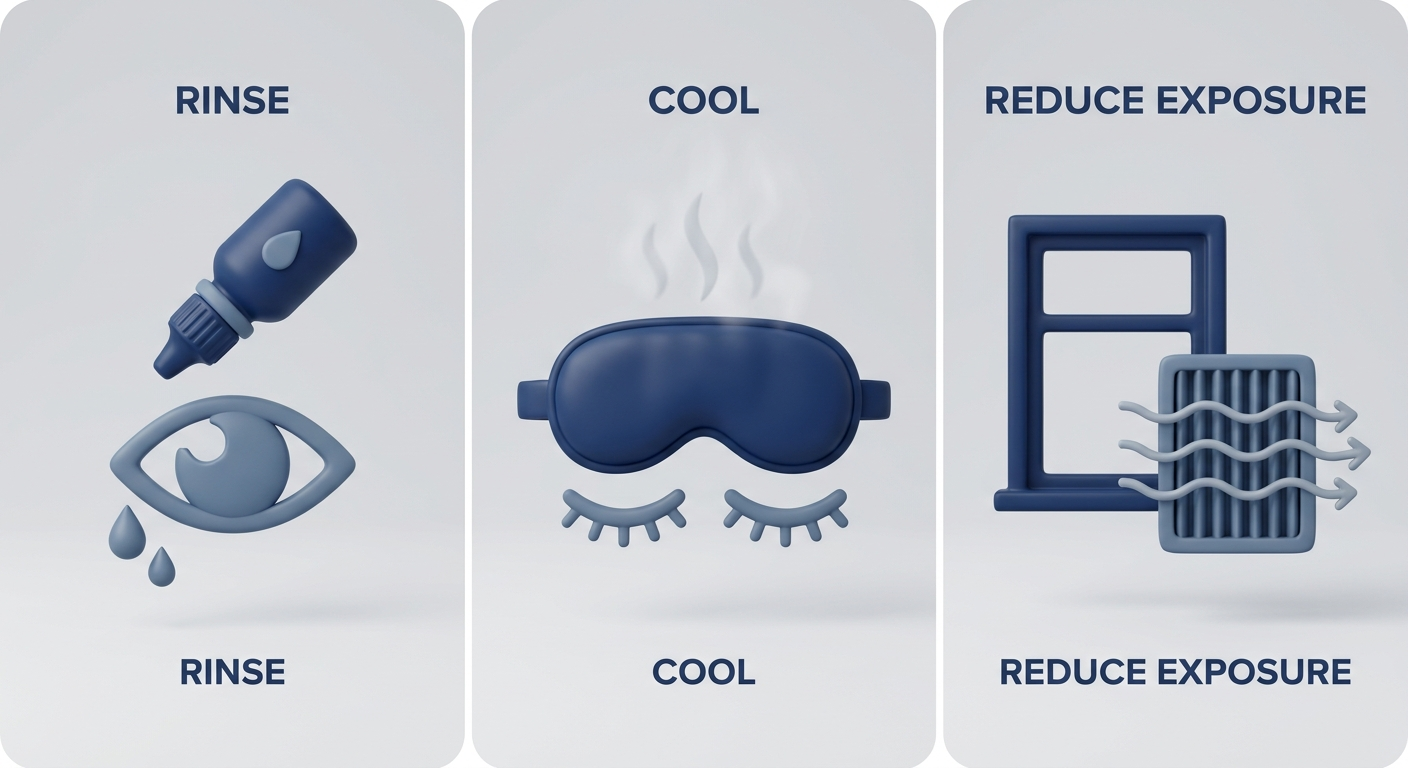
- Rinse eyelids/lashes with clean water after outdoor exposure
- Consider preservative-free artificial tears to flush allergens from the eye surface
- In general, avoid frequent “redness relief” drops unless a clinician recommends them (some can be irritating with repeated use)
Cold compress routine (10 minutes)
A cool compress over closed eyes for about 10 minutes may reduce itching, swelling, and tear overflow—especially during flares.
“Reduce exposure” habits that actually work
Small changes can lower the allergen load significantly:
- Shower and wash hair after being outside (pollen sticks to hair/skin)
- Keep windows closed on high pollen days
- Use HVAC filtration and change filters routinely
If you plan ahead each season, timing can matter. This guide can help you build a routine before symptoms surge: https://sleepandsinuscenters.com/blog/when-should-you-start-allergy-meds-for-atlanta-aos-seasons
Contact lens modifications
If you wear contacts:
- Ask your eye care professional if daily disposables make sense during peak pollen
- Consider glasses on high pollen days to reduce direct allergen contact
Some people also do better by putting lenses in after symptoms are controlled rather than at the start of the day when eyes are already irritated.
Quick recap: rinse, cool, and reduce exposure early—before symptoms snowball.
Over-the-counter and prescription treatment options (what helps most)
Important reminder: The following are general categories to discuss with a healthcare provider—not a recommendation for your specific case. Always follow package directions. If you’re pregnant, nursing, have glaucoma, or take other medications, consider checking with a clinician or pharmacist before starting new products.
OTC options for itchy/watery allergy eyes
Many people get the most eye-specific relief from:
- Antihistamine/mast-cell stabilizer eye drops (often a first-line option for allergic conjunctivitis symptoms)
- Oral antihistamines (may help more if you also have sneezing/runny nose; can contribute to dryness for some)
- Lubricating drops (artificial tears) for washout and comfort (1,4)
If your eyes water constantly during allergy season, combining exposure reduction plus artificial tears plus appropriate allergy eye drops is often a practical starting point for symptom control (individual response varies).
Prescription options when OTC isn’t enough
If symptoms remain disruptive, clinicians may consider:
- Stronger prescription allergy eye drops
- A short course of anti-inflammatory drops in select situations (these require clinician guidance and monitoring)
If you’re needing frequent “rescue” measures, that’s a sign it may be time to step up the plan rather than suffering through the season. (1,4)
If symptoms include nasal congestion/drainage
Eye and nose symptoms often travel together. Managing nasal inflammation may reduce overall allergy burden for many people. If this is a big part of your pattern, you may find it helpful to learn about treating chronic rhinitis: https://sleepandsinuscenters.com/treating-chronic-rhinitis
For patients who want clearer answers about their triggers, allergy testing can be a helpful next step: https://sleepandsinuscenters.com/allergy-testing
In short: pair exposure control with the right eye drops; if relief is incomplete, coordinate with your clinician to adjust the plan. (1,4)
Longer-term solutions (so every spring isn’t miserable)
Allergy testing + personalized plan
Testing can identify specific triggers (certain pollens, dust mites, pets) so your prevention and medication approach can be more targeted—especially if you’ve dealt with watery, itchy eyes year after year.
Some patients report feeling more in control once they know their specific triggers—then building a plan around when and where exposure is highest.
Immunotherapy (for persistent or severe seasonal symptoms)
For the right candidates, immunotherapy (such as allergy shots or drops) may reduce sensitivity over time. If you’re weighing that option, this overview can help you think through the pros and cons: https://sleepandsinuscenters.com/blog/immunotherapy-for-allergies-is-it-worth-it
Takeaway: identifying triggers and considering immunotherapy when appropriate can make future seasons more manageable.
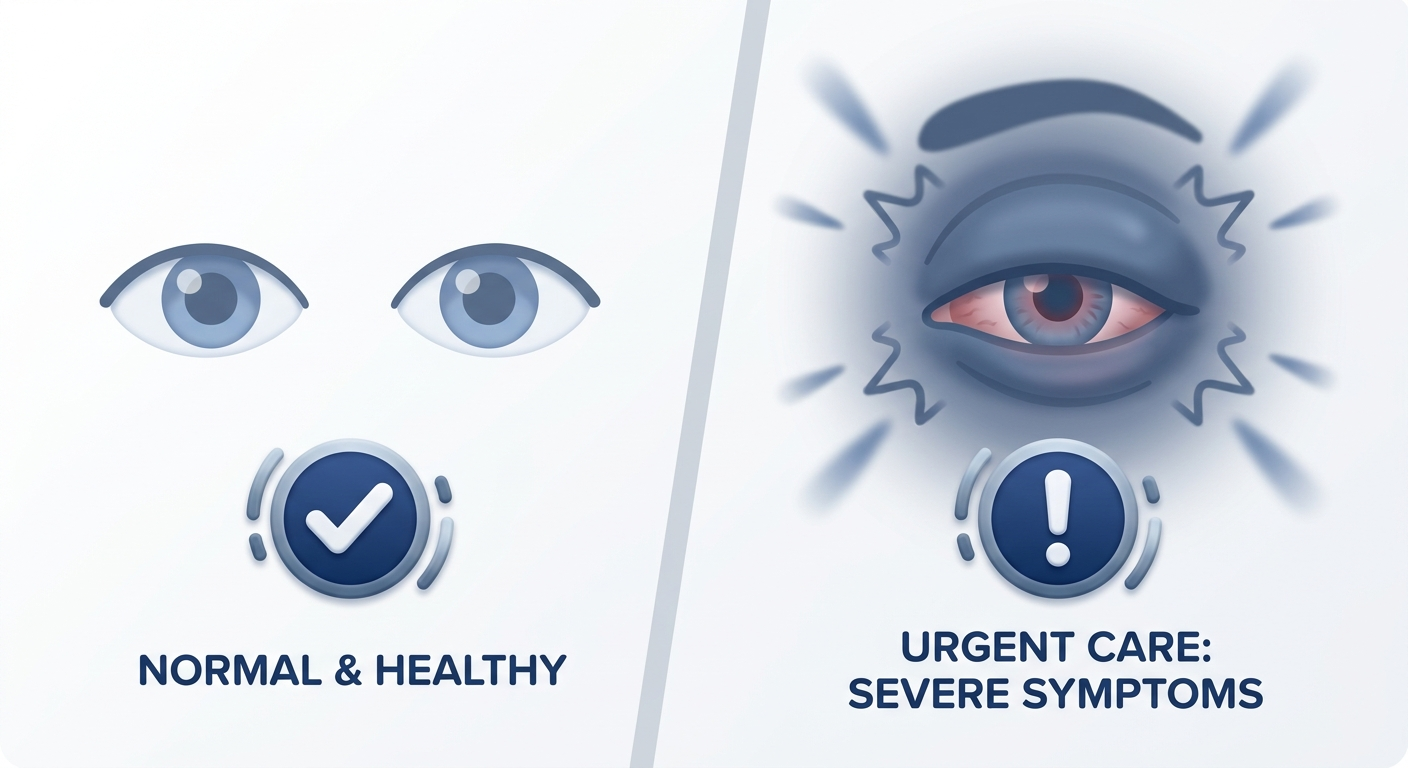
When to see a doctor urgently (Red flags)
Seek urgent care/eye doctor evaluation if you have:
- Vision changes, severe light sensitivity, or significant eye pain
- Marked swelling around the eye, fever, or worsening redness
- Thick pus-like discharge or symptoms not improving
- One eye only with severe symptoms (especially sudden onset)
When an ENT/allergy visit makes sense
Consider an evaluation if:
- Symptoms recur every season and aren’t controlled with OTC options
- You suspect multiple triggers (pollen + pets + dust mites)
- Your quality of life is affected (sleep disruption, missed outdoor activities, persistent itchy watery eyes)
Sleep and Sinus Centers of Georgia can help patients connect the dots between eye symptoms, nasal allergies, and trigger patterns—especially when symptoms are seasonal and repetitive.
In short: trust red flags for urgent eye care, and seek an allergy-focused visit if symptoms keep cycling each season.
FAQs
Q: Why do my eyes water more outside than inside?
A: Outdoor exposure usually means higher pollen contact, and wind can push allergens onto the eye surface. Your body may respond with reflex tearing to flush irritants away. (1)
Q: Can allergies cause watery eyes without itching?
A: Yes. Itching is common, but some people primarily notice burning and tearing—especially if dry eye is also present. (1,4)
Q: Are watery eyes always allergic conjunctivitis?
A: No. Dry eye, infection, irritants (like smoke), and tear duct drainage problems can also cause watering. (1,4)
Q: What’s the fastest way to stop watery allergy eyes?
A: Many people get quick relief from a cold compress, preservative-free artificial tears (for washout), and appropriate allergy eye drops. Results vary based on triggers and whether dryness is also involved. (1,4)
Q: Should I use “get the red out” drops?
A: These may temporarily reduce redness but don’t treat the underlying allergic inflammation. Frequent use can irritate some eyes—if you’re unsure, consider asking a clinician what’s safest for your symptoms. (1,4)
Summary + next step
When eyes water constantly during allergy season, the most common reason is histamine-driven allergic conjunctivitis plus reflex tearing—your eyes’ built-in attempt to protect and rinse the surface. Start with exposure reduction (pollen-aware habits), gentle washout (artificial tears), and targeted OTC therapies like allergy eye drops.
If symptoms keep returning, aren’t controlled, or you’re unsure what’s triggering them, getting a personalized plan can make future seasons far more manageable. To schedule an evaluation or discuss allergy testing and treatment options, book an appointment with Sleep and Sinus Centers of Georgia: https://www.sleepandsinuscenters.com/
Medical disclaimer
This article is for educational purposes only and is not medical advice. Please consult a qualified healthcare provider for diagnosis and treatment.
Citations
1. Cleveland Clinic. Allergic Conjunctivitis (2024). https://my.clevelandclinic.org/health/diseases/allergic-conjunctivitis
2. PubMed. Review on allergic conjunctivitis mechanisms (mast cells/histamine). https://pubmed.ncbi.nlm.nih.gov/12582326/
3. PMC. Review on allergic conjunctivitis and inflammatory pathways (2002–2024). https://pmc.ncbi.nlm.nih.gov/articles/PMC11204416/
4. Kaiser Permanente patient education. Allergic Conjunctivitis overview. https://mydoctor.kaiserpermanente.org/ncal/structured-content/allergic-conjunctivitis-18785
Don’t let allergies slow you down. Schedule a comprehensive ENT and allergy evaluation at Sleep and Sinus Centers of Georgia. We’re here to find your triggers and guide you toward lasting relief.