
When to Take Your Child to an ENT: Key Signs Parents Shouldn’t Ignore
Introduction — Why ENT Problems Can Look “Normal” (Until They Aren’t)
Kids get colds. They get stuffy. They get the occasional ear infection. Because these issues are so common (and often improve on their own), it can be hard to know when to take your child to an ENT—especially when symptoms come and go, or show up only at night.
A pediatric ENT (ear, nose, and throat specialist, also called an otolaryngologist) evaluates concerns involving the ears and hearing, balance, nose and sinuses, tonsils/adenoids, breathing during sleep, and swallowing/voice. The goal isn’t to “specialist-hop” for every sniffle—it’s to recognize patterns that may benefit from more specialized testing or treatment.
A simple way to think about it: your pediatrician is often the best first stop for a single episode. An ENT is helpful when symptoms are recurrent, persistent, or affecting daily life (sleep, school, speech, behavior, or hearing).
This guide gives you a clear, parent-friendly checklist for:
- When to call your pediatrician
- When to ask about a pediatric ENT referral
- When to seek urgent or emergency care
(And if you’d like support locally, Sleep and Sinus Centers of Georgia can help coordinate evaluation and next steps.)
Takeaway: Pattern over time—not isolated colds—is usually what points to an ENT referral.
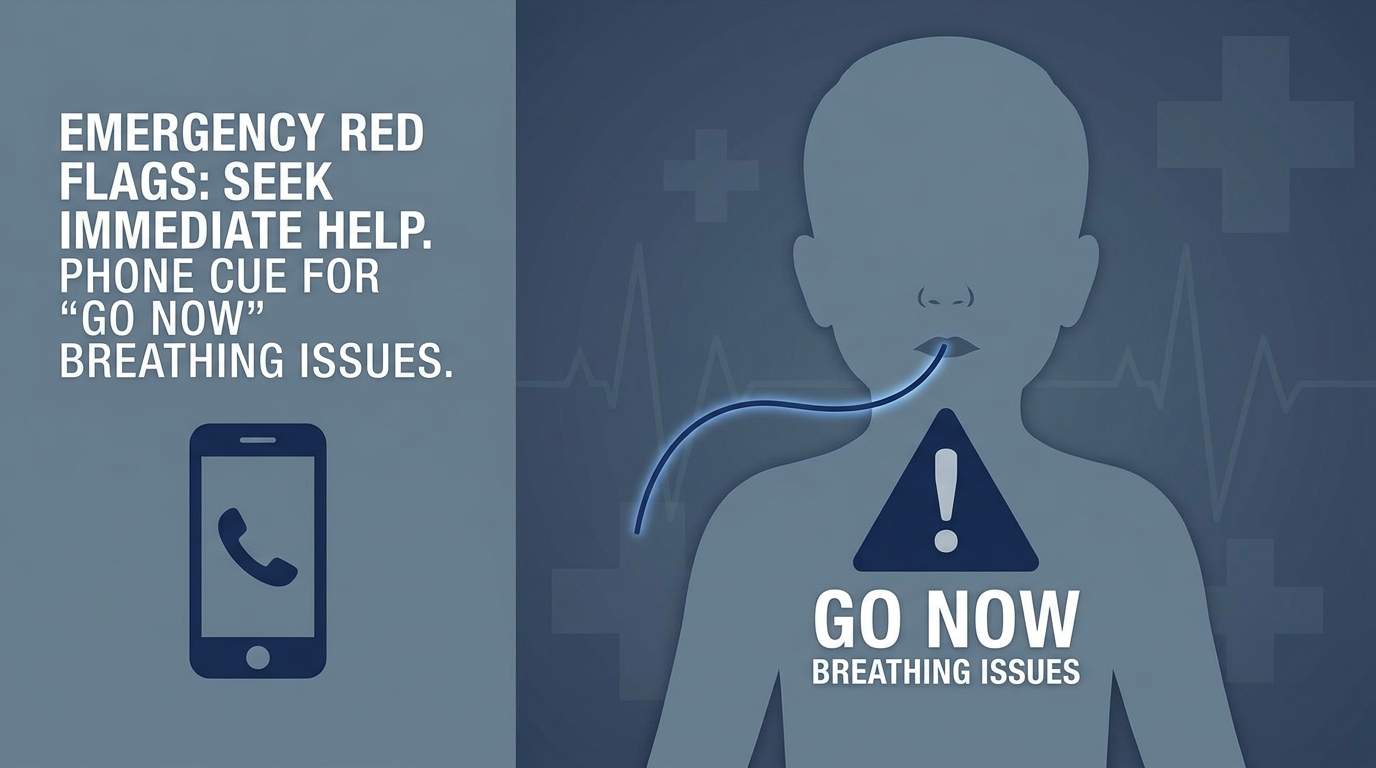
First, Know the “Go Now” Emergency Red Flags
If any of the below are present, don’t wait for a routine ENT visit.
Call 911 / seek emergency care if your child has:
- Severe or worsening trouble breathing
- Blue/gray lips or face
- Stopped breathing, repeated pauses, or unresponsiveness
- Stridor (high-pitched noisy breathing) with distress
- Sudden drooling and inability to swallow
- Suspected airway foreign body (choking episode, sudden wheeze, sudden cough plus breathing trouble)
These symptoms can signal an airway emergency that needs immediate attention.
Takeaway: If breathing looks unsafe or abnormal, treat it as an emergency.
A Parent-Friendly ENT Referral Checklist (At-a-Glance)
Ask your pediatrician about an ENT referral when your child has:
- Recurring ear infections
- Fluid behind the eardrum lasting months or affecting hearing
- Hearing concerns (speech delay, turning up volume, not responding)
- Frequent loud snoring or suspected sleep apnea
- Recurrent tonsillitis / strep throat that meets guideline thresholds
- Chronic nasal congestion/sinus symptoms lasting 12+ weeks or not improving with treatment
Now, let’s walk through what each one can look like—and what an ENT may do.
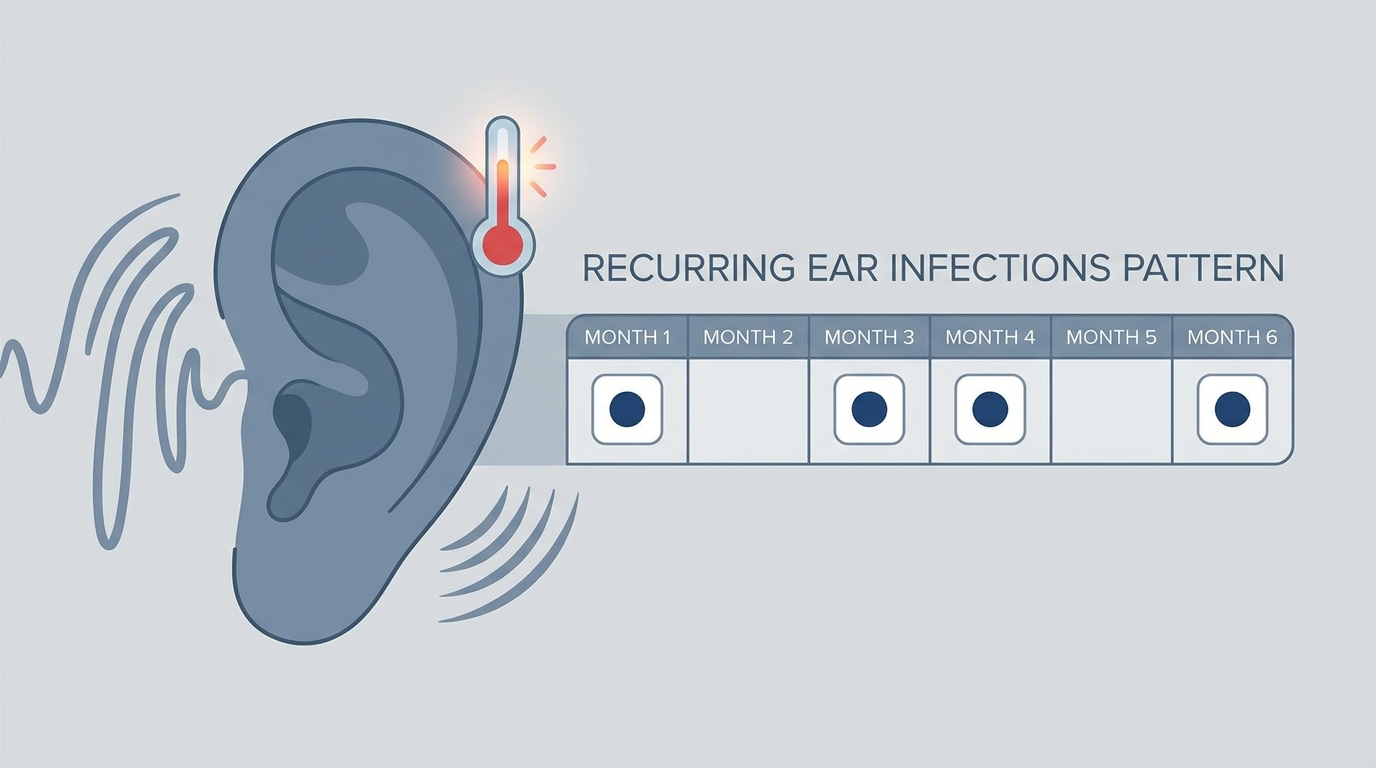
Sign #1 — Recurring Ear Infections (Otitis Media) That Keep Coming Back
What “too many” ear infections means
Ear infections are common in childhood, but a repeated pattern may justify a pediatric ENT referral. One commonly used priority referral threshold is:
- 4 or more ear infections in 6 months, or
- 6 or more ear infections in 12 months
(especially when well-documented).¹
You may also see other thresholds cited, such as 3 in 6 months or 4 in 12 months when considering ear tubes, often from AAO-HNS guidance.² Thresholds can vary by source; your pediatrician and ENT will apply current guidelines to your child’s situation.
If you’re close to these numbers, it’s still worth discussing. The “why now?” is practical: repeated infections can mean repeated antibiotics, repeated missed sleep (for everyone), and more opportunities for lingering fluid.
It also helps to ask your pediatrician how infections are being confirmed (exam findings) and recorded, since documentation guides decisions.
Symptoms parents often notice
- Ear pain, fever, fussiness, tugging at ears
- Drainage from the ear
- Temporary hearing trouble (seems “in their own world”)
- Sleep disruption during infections
Concrete example: A child who seems fine during the day, but wakes crying at 2 a.m. with ear pain—then repeats that cycle every few weeks—may be showing a pattern worth evaluating.
Why it happens (simple explanation)
Think of the Eustachian tube as a tiny drainage/pressure-equalizing “pipe” between the middle ear and the back of the nose. In many kids, that “pipe” is smaller and more horizontal than in adults—so fluid can get “stuck,” especially during colds or allergy flares. Viral exposure (especially in group settings) and seasonal patterns can also play a role.
What an ENT may recommend
Depending on the child’s age, pattern of infections, and response to treatment, the plan may include:
- Watchful waiting vs. a targeted antibiotic strategy (co-managed with pediatrics)
- Discussion of ear tubes (tympanostomy tubes) when appropriate, with the goal of reducing infections and improving middle-ear ventilation²
A clinician might frame it like this: “We’re not trying to treat every cold with a procedure—we’re trying to break the cycle when the middle ear can’t ventilate well on its own.”
For a deeper overview, see our related post on ear tubes for recurrent ear infections: https://sleepandsinuscenters.com/blog/ear-infections-in-children-when-ear-tubes-are-the-20260709191328
Takeaway: If ear infections keep returning despite care, ask whether ENT evaluation or ear tubes could break the cycle.
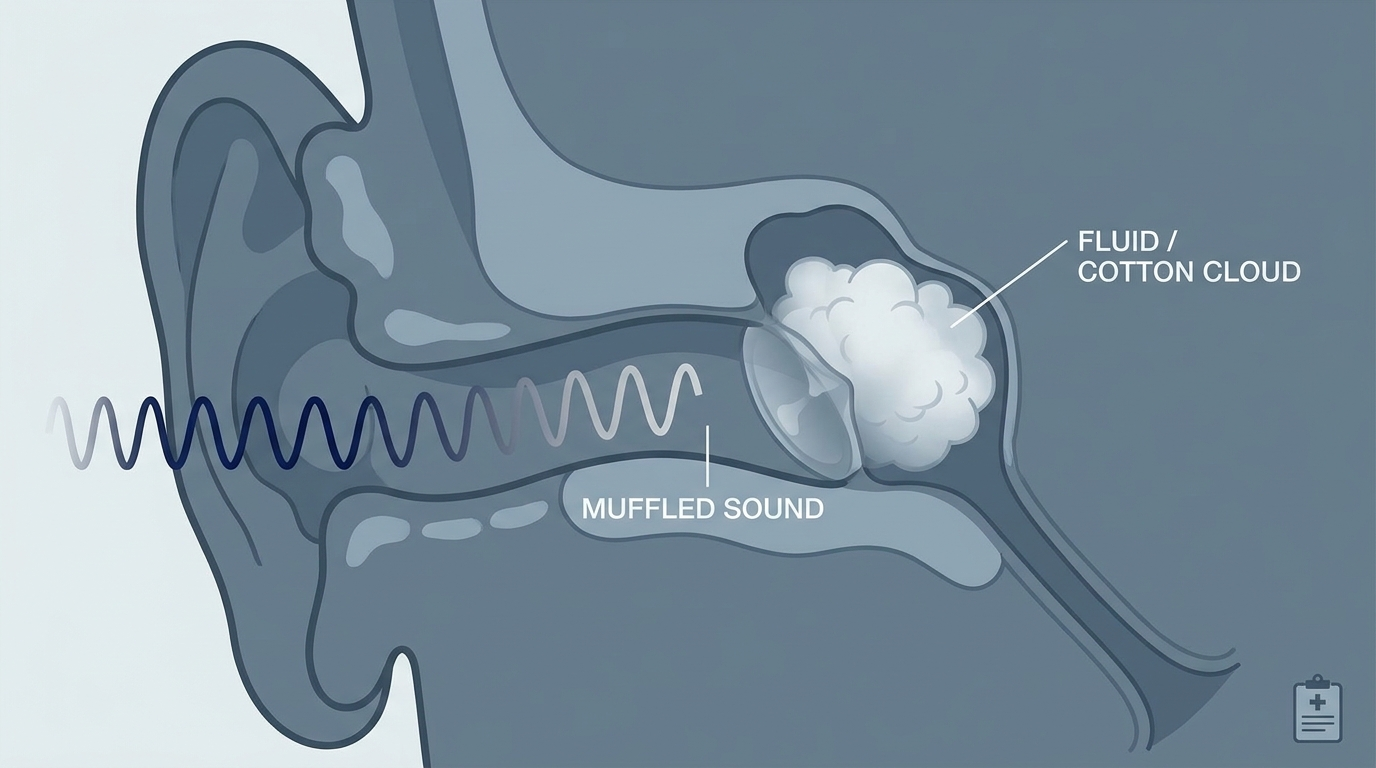
Sign #2 — Persistent Fluid Behind the Eardrum (OME) or Hearing Concerns
Middle-ear fluid without acute infection is often called otitis media with effusion (OME). It can clear on its own—but sometimes it lingers and affects hearing in a way that’s easy to miss because your child may not complain.
When fluid becomes a referral-level concern
If middle-ear fluid persists for 3 months or longer, guidelines recommend age-appropriate hearing testing.² This is a common point at which parents ask when to take your child to an ENT, especially if school, speech, or behavior are being affected.
A helpful analogy: persistent fluid can act like having a “cotton ball” in the ear—sounds may be there, but they’re muffled. Over time, that can make following instructions or developing clear speech harder for some children.
Signs fluid may be affecting daily life
- “Muffled” hearing, asking “what?” often
- Speech/language delays or unclear speech
- Trouble following instructions at daycare/school
- Balance issues or clumsiness
- Behavior changes or frustration
- Reduced quality of life (sleep, learning, socializing)²
Concrete example: If a teacher mentions your child “doesn’t respond the first time” or seems to watch other kids to figure out what to do, it may be worth checking hearing—especially if you’ve also noticed louder TV volume at home.
What the pediatrician/ENT may do next
A pediatrician may start the process and refer to ENT/audiology as needed. An ENT visit commonly includes:
- Exam of the eardrum and middle ear
- Tympanometry (a test of eardrum movement)
- Hearing testing (in-office screening or audiology referral)
- Shared decision-making about next steps, including whether tubes are appropriate when fluid and hearing impact persist²
Takeaway: Persistent ear fluid plus hearing or speech concerns is a strong reason to request hearing testing and an ENT check.
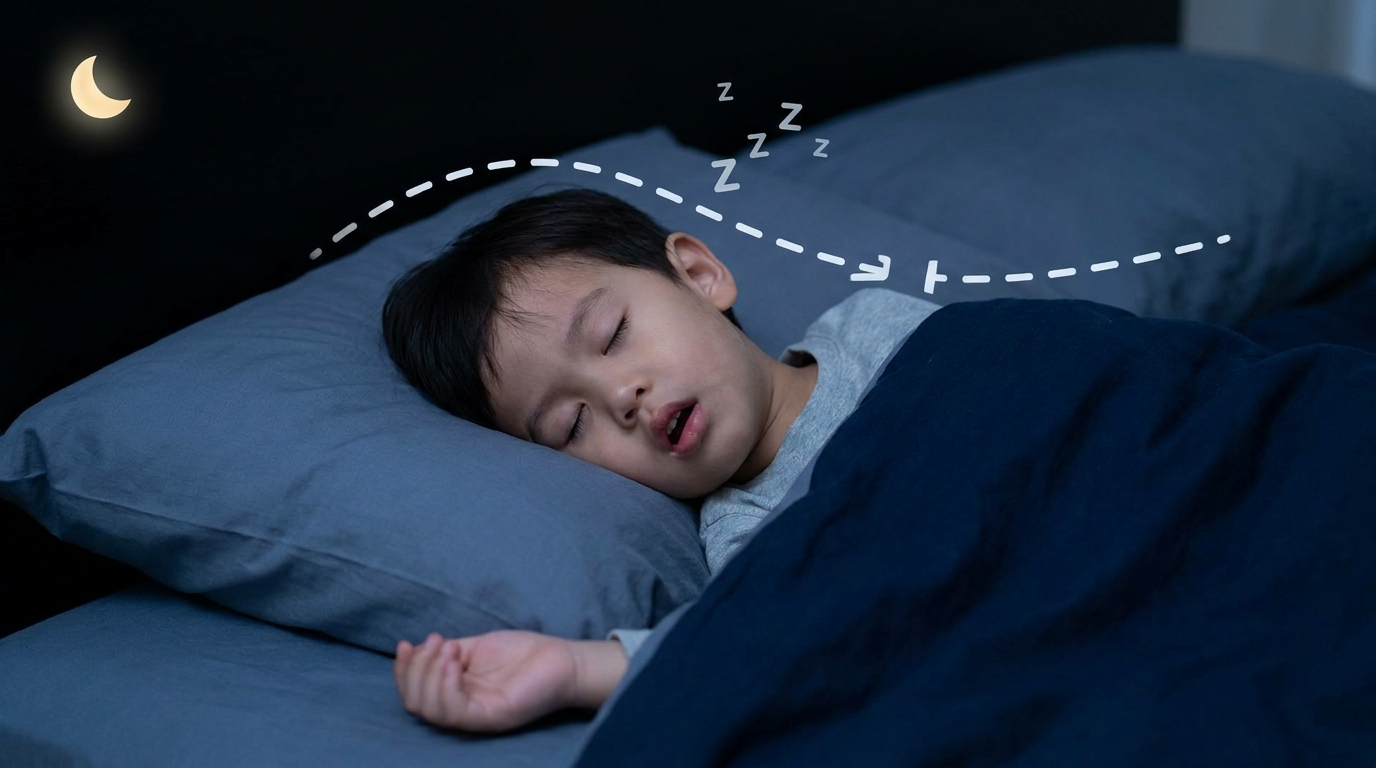
Sign #3 — Snoring, Mouth Breathing, or “Stop-and-Start” Sleep
Snoring isn’t always harmless
Snoring during a cold can happen. But frequent, loud snoring—or snoring plus breathing pauses—can be a sign of sleep-disordered breathing or obstructive sleep apnea in children.³ ⁴ This is another common reason parents wonder when to take your child to an ENT.
If you’re unsure whether it “counts,” consider frequency and impact. Snoring that shows up only with congestion is different from snoring that’s present most nights and paired with restless sleep or daytime issues.
Key sleep-disordered breathing signs parents shouldn’t ignore
- Loud snoring most nights
- Pauses in breathing, gasping, choking, snorting
- Mouth breathing and dry mouth on waking
- Restless sleep, sweating at night
- Daytime sleepiness or morning headaches
- Behavior/attention concerns (kids can look “wired” when overtired)³ ⁴
Concrete example: A child who sleeps 10–11 hours but still has morning meltdowns, trouble focusing, or seems exhausted may not be getting high-quality sleep—especially if you’ve noticed gasps or pauses.
Common causes
In many children, common contributors include:
- Enlarged tonsils and/or adenoids
- Nasal blockage (allergies, chronic congestion, structural issues)
What evaluation and testing may look like
Your pediatrician may screen symptoms and coordinate referral. Depending on severity and the overall picture, evaluation may include discussion of a sleep study (polysomnography) to clarify whether apnea is present.³ ⁴
Treatment options an ENT may discuss
Management is individualized and may include:
- Medical management for nasal obstruction/allergies when appropriate
- Surgical options such as adenoidectomy and/or tonsillectomy in selected cases with significant obstructive symptoms⁵
For more detail, read: https://sleepandsinuscenters.com/blog/child-snoring-every-night-is-it-normal-or-a-sleep-20260710051028
Takeaway: Loud, frequent snoring—especially with pauses, gasps, or daytime issues—deserves evaluation for sleep-disordered breathing.
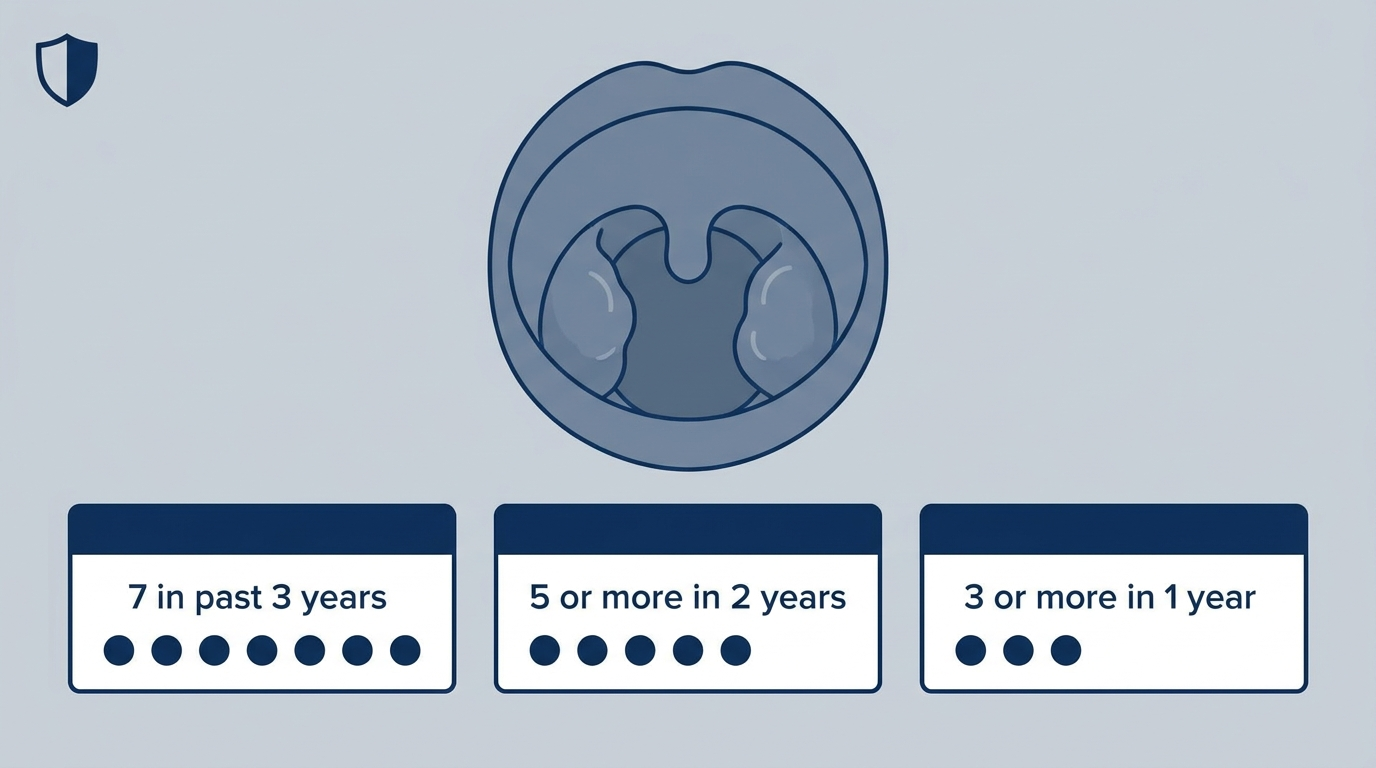
Sign #4 — Recurrent Tonsillitis or Strep Throat (and When Tonsils Are “Too Big”)
When recurrent throat infections meet guideline thresholds
Recurrent throat infections are frustrating—and disruptive. Evidence-based guidelines support discussing tonsillectomy when infections are well-documented and meet thresholds such as:
- 7 or more episodes in 1 year, or
- 5 per year for 2 years, or
- 3 per year for 3 years.⁵
This is a classic “pattern matters” situation: documentation (dates, fever, testing, missed school) helps determine whether ENT evaluation is likely to change the plan. If you’re not sure what “counts” as an episode, ask your pediatrician what details are most helpful to record (for example, a positive strep test, fever, or exam findings).
Other reasons tonsils/adenoids may need ENT evaluation
Beyond infections, enlarged tonsils/adenoids can contribute to:
- Obstructive sleep symptoms (snoring, pauses, gasping)
- Swallowing difficulty or eating challenges
- Ongoing mouth breathing and poor sleep quality
What treatments might include
Depending on criteria and how much symptoms affect daily life, next steps may include:
- Tracking and documenting infections more carefully
- Medical management and prevention strategies
- A discussion of surgery vs. continued observation based on guideline criteria and your child’s overall health and quality of life⁵
If you’re comparing options, see: https://sleepandsinuscenters.com/blog/recurrent-strep-throat-vs-tonsillectomy-when-surgery-is-necessary
Takeaway: If strep/tonsillitis keeps meeting guideline counts or tonsils affect sleep or swallowing, it’s reasonable to talk with an ENT.
Sign #5 — Chronic Nasal Congestion or Sinus Symptoms That Don’t Improve
When “constant congestion” becomes chronic
If symptoms last more than 12 weeks, it may suggest chronic rhinosinusitis or ongoing nasal inflammation.⁶ Parents often raise this when deciding when to take your child to an ENT, especially if sleep and school are impacted.
A key point: kids can have back-to-back viral infections, so it may feel like “constant” congestion. What often prompts ENT evaluation is duration plus lack of improvement despite appropriate steps.
Common symptoms parents report
- Nasal blockage/congestion
- Thick mucus or persistent runny nose
- Post-nasal drip and cough (often worse at night)
- Facial pressure (more common in older children)
- Bad breath
- Ongoing mouth breathing⁶
Likely causes (in kid-friendly terms)
- Back-to-back viral infections that “stack”
- Allergies
- Enlarged adenoids
- Chronic rhinosinusitis in some children⁶
Treatment options an ENT might offer
An ENT may:
- Review what’s been tried (saline, allergy approaches, nasal sprays as directed)
- Perform a careful nasal exam (and sometimes nasal endoscopy when needed)
- Use imaging selectively, when it’s likely to change management
- Build a stepwise plan—typically medical therapy first, with procedures/surgery reserved for selected cases⁶
Takeaway: Twelve-plus weeks of nasal symptoms with little improvement is a good time to ask about an ENT evaluation.
What to Expect at a Pediatric ENT Visit (So Kids Aren’t Scared)
Typical components of the visit
Most visits are straightforward and kid-focused:
- Review of symptom patterns, timing, triggers, and what has helped
- Ear exam with otoscope (and sometimes microscope)
- Hearing testing or referral to audiology when appropriate²
- Nose and throat exam; tonsil/adenoid assessment
- If sleep concerns are present, discussion of next steps and whether a sleep study might be useful³ ⁴
If your child is nervous, it can help to explain the appointment in simple terms: “They’re going to look in your ears and nose with a little light and see how everything is working.”
Questions parents can bring
- “Do we meet referral thresholds for infections or tonsillitis?”
- “Could hearing, speech, learning, or sleep be affected?”
- “What’s the least invasive next step?”
- “What changes would mean we should call sooner?”
Takeaway: A prepared list of questions and a simple explanation for your child can make the first ENT visit smooth and reassuring.
Home Tracking + Lifestyle Tips That Support ENT Health (While You Wait)
These steps aren’t a substitute for evaluation, but they can make appointments more productive and help your care team see the full pattern.
Keep a simple symptom log
- Ear infections: date, side, fever, medications, follow-up findings
- Snoring: nights per week, witnessed pauses, daytime behavior notes
- Throat infections: positive strep tests, fever, missed school days
- Nasal symptoms: how many weeks, suspected triggers, response to treatments
Example log entry: “Feb 3–6: fever + ear pain (right), urgent care said ‘acute otitis media (AOM),’ amoxicillin started; Feb 20: follow-up—fluid still present.”
Practical tips (safe, general)
- Support hand hygiene and reduce exposure to tobacco smoke
- If allergies are suspected, discuss trigger reduction and treatment options with your pediatrician
- Use nasal saline only in an age-appropriate way and with pediatric guidance
- Keep consistent bedtime routines (helpful for overall sleep quality, even when the cause is medical)
Takeaway: Simple tracking plus everyday habits can sharpen the clinical picture and support recovery.
FAQs
Should I see the pediatrician first or go straight to an ENT?
In many cases, starting with your pediatrician helps with diagnosis, documentation, and initial management. If patterns persist, your pediatrician can coordinate a pediatric ENT referral. Emergency breathing red flags are an exception.
How long is too long for fluid in the ear?
If fluid lasts 3 months or more, guidelines recommend a hearing test and consideration of ENT evaluation—especially with hearing, school, balance, or quality-of-life concerns.²
Does snoring always mean sleep apnea?
Not always. But loud, frequent snoring plus pauses, gasping, restless sleep, or daytime sleep/behavior concerns should be evaluated.³ ⁴
When do tonsils need to come out?
Tonsillectomy is often discussed when throat infections meet guideline thresholds (the 7/5/3 pattern) or when tonsils contribute to significant obstruction or sleep-disordered breathing.⁵
When should chronic congestion be checked by ENT?
When symptoms last more than 12 weeks, especially if they don’t improve with appropriate treatment, it’s reasonable to discuss ENT evaluation.⁶
Takeaway: When in doubt, start with your pediatrician and ask whether the pattern suggests an ENT referral.
Conclusion + Clear Next Step
If you’re unsure when to take your child to an ENT, remember this: individual colds are common, but recurring patterns (ear infections, ongoing ear fluid, sleep issues, frequent tonsillitis, or chronic congestion) are often what prompts a specialist evaluation.
If your child’s symptoms match the signs above, consider discussing the pattern with your pediatrician and asking whether hearing testing, sleep evaluation, or an ENT visit would be helpful. To book an appointment with Sleep and Sinus Centers of Georgia, visit: https://sleepandsinuscenters.com/appointments You can also learn more at https://www.sleepandsinuscenters.com/
Takeaway: Noticing the pattern early can protect hearing, sleep, learning, and quality of life.
Citations
1. Children’s National Hospital. Ear, Nose and Throat Referral Guidelines. https://www.childrensnational.org/for-healthcare-professionals/refer-a-patient/referral-guidelines/ent-otolaryngology-referral-guidelines
2. American Academy of Otolaryngology–Head and Neck Surgery (AAO-HNSF). Clinical Practice Guideline: Tympanostomy Tubes in Children (Update). https://www.entnet.org/news/aao-hnsf-clinical-practice-guideline-tympanostomy-tubes-in-children/
3. HealthyChildren.org (AAP). Sleep Apnea Detection. https://www.healthychildren.org/English/ages-stages/baby/sleep/Pages/Sleep-Apnea-Detection.aspx
4. American Academy of Otolaryngology–Head and Neck Surgery (AAO-HNSF). Tonsillectomy-related resources and guidance: https://www.entnet.org/resource/aao-hnsf-updated-cpg-tonsillectomy-press-release-fact-sheet/
5. AAO-HNSF. Tonsillectomy in Children: Update to Guidelines (2019). https://www.entnet.org/resource/aao-hnsf-updated-cpg-tonsillectomy-press-release-fact-sheet/
6. ENT UK. Chronic Rhinosinusitis in Children (2022). https://www.entuk.org/patients/conditions/64/chronic_rhinosinusitis_in_children/
Medical disclaimer: This article is for general informational purposes only and is not a substitute for professional medical advice, diagnosis, or treatment. If you believe your child is having an emergency, call 911 or seek emergency care immediately.
This article is for educational purposes only and is not medical advice. Please consult a qualified healthcare provider for diagnosis and treatment.
Don’t let allergies slow you down. Schedule a comprehensive ENT and allergy evaluation at Sleep and Sinus Centers of Georgia. We’re here to find your triggers and guide you toward lasting relief.