Swollen Eyelids From Allergies: Causes and Fast Relief Options
Waking up with puffy, irritated eyes can be unsettling—but swollen eyelids from allergies are common and often improve with simple, practical steps. This guide explains why allergic reactions can cause eyelid swelling, what symptoms tend to go along with it, the fastest relief options, and when it’s important to get checked.
You’ll also learn when swelling may not be allergy-related, plus prevention strategies if this keeps happening. This information is based on resources published by ACAAI, AAO, and Mayo Clinic.
If you’d like a quick primer before diving in, Sleep and Sinus Centers of Georgia has a helpful overview of what allergies are and why they show up differently from person to person: https://sleepandsinuscenters.com/what-are-allergies
Why Allergies Can Make Your Eyelids Swell
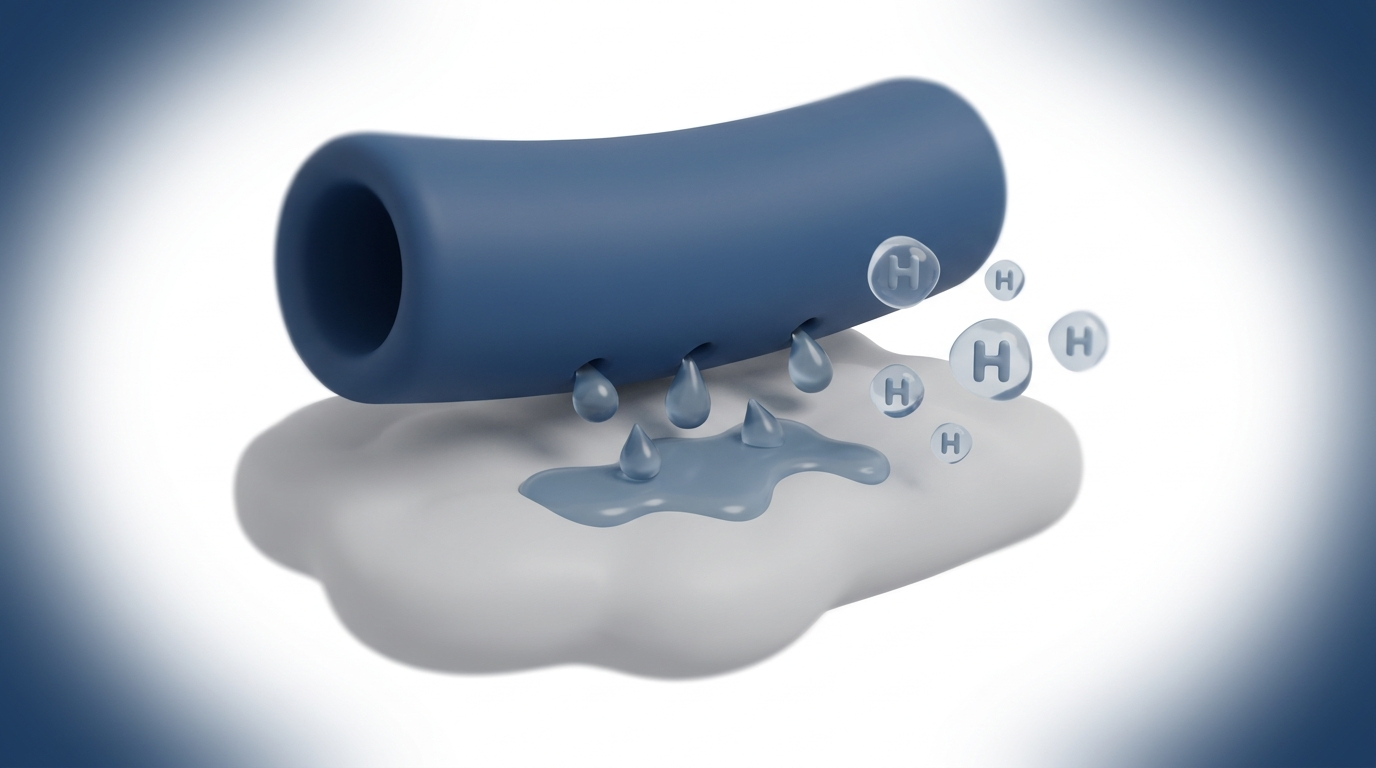
What’s happening under the skin: Allergies start when your immune system reacts to an otherwise harmless trigger (like pollen or pet dander). That reaction can release chemicals such as histamine, which may cause blood vessels to become leaky and allow fluid to move into nearby tissues—leading to puffiness. A helpful way to picture it: histamine can make tiny blood vessels act a bit like a faucet that’s been turned up. When extra fluid seeps into nearby tissue, the eyelids can inflate quickly. Eyelids are especially prone to swelling because the skin is thin and the tissue around the eyes is relatively loose, so even small fluid shifts can look dramatic.
“Allergic eyelid swelling” vs general eye allergy: Allergic eyelid swelling can happen even when the white of the eye isn’t very red. You might mainly notice puffy upper or lower lids, itching, and watering—sometimes tied to seasonal pollen, and other times tied to indoor triggers like dust mites. Source: https://acaai.org/allergies/allergic-conditions/eye-allergy/
Bottom line: Eyelid skin is thin and reactive, so histamine-driven fluid shifts can cause fast, dramatic puffiness—even with otherwise mild allergy symptoms.
Common Symptoms of Swollen Eyelids From Allergies
Typical allergy signs:
- Puffy upper and/or lower eyelids (often both eyes)
- Itching (often the most prominent symptom)
- Watery eyes
- Mild redness or a stinging/burning sensation
- Sneezing, runny nose, or congestion at the same time—especially during seasonal peaks
Source: https://acaai.org/allergies/allergic-conditions/eye-allergy/
If you’re experiencing itchy, swollen eyelids during the same weeks every year, pollen may be a likely contributor. In Georgia, it can also help to track today’s pollen levels: https://sleepandsinuscenters.com/georgia-pollen-tracker
Symptoms that suggest irritation or eyelid inflammation (not just allergies):
- Crusting or flakes along the eyelashes
- A gritty, sandy, or burning sensation
- Redness focused along the lid margin
- Oily lids or recurrent irritation (often associated with blepharitis)
Sources: Mayo Clinic – Blepharitis: https://www.mayoclinic.org/diseases-conditions/blepharitis/symptoms-causes/syc-20370141 | AAO – Blepharitis: https://www.aao.org/eye-health/diseases/what-is-blepharitis
In short: Notice patterns and timing, but keep in mind that overlapping symptoms are common and diagnosis should come from a clinician.

Causes & Triggers (What Usually Sets It Off)
Airborne allergens (most common):
- Pollen (trees, grass, weeds) with seasonal surges
- Dust mites (often worse at home/overnight)
- Pet dander
- Mold spores (indoors or outdoors, depending on environment)
Source: https://acaai.org/allergies/allergic-conditions/eye-allergy/
A common example: time outside on a high-pollen day, then itching and puffy lids—often after touching or rubbing the eyes.
Contact triggers around the eyes:
- Cosmetics and makeup remover
- Facial cleansers, soaps, shampoos, skincare, sunscreen
- Nail products (transfer from fingers to eyelids)
- Certain eye drops or preservatives
Timing matters. If swelling shows up shortly after a new product—or after using something in a different way—a contact trigger is more likely.
Eyelid inflammation that can overlap with allergies (blepharitis): Blepharitis can flare when eyes are irritated—such as during allergy season or after frequent rubbing. Reducing allergens may help, but lid hygiene is often part of the approach.
Sources: Mayo Clinic – Blepharitis: https://www.mayoclinic.org/diseases-conditions/blepharitis/symptoms-causes/syc-20370141 | AAO – Blepharitis: https://www.aao.org/eye-health/diseases/what-is-blepharitis | WebMD – Blepharitis: https://www.webmd.com/eye-health/eyelid-inflammation-blepharitis
Tracking exposures and product changes can help you and your clinician spot likely triggers behind recurrent swelling.
Fast Relief: What to Do in the First 10 Minutes
Step 1 — Stop the trigger + hands off: Rubbing can worsen symptoms. If swelling starts after a product, pollen exposure, cleaning, or pet contact, reduce exposure. Many people also remove contact lenses and eye makeup, wash hands, and gently cleanse the face.
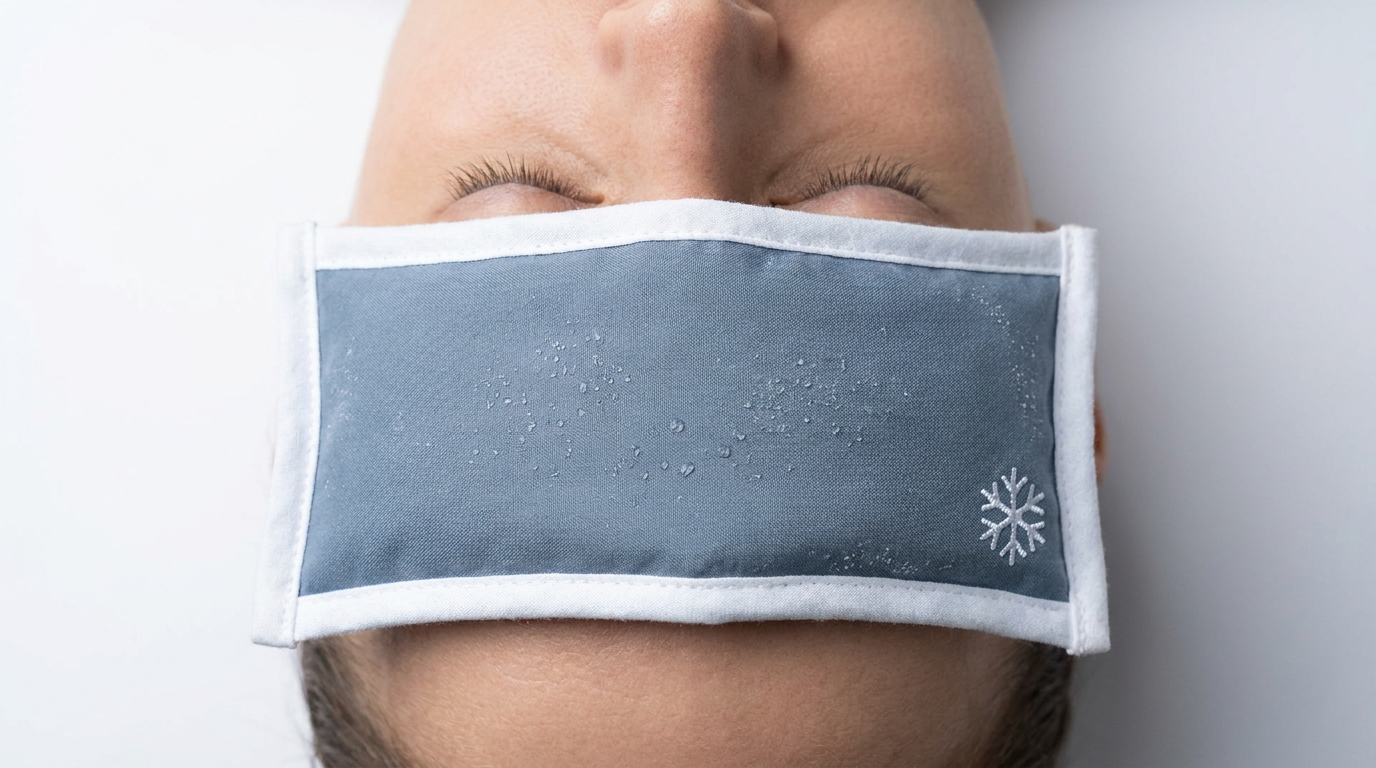
Step 2 — Cold compress (quickest swelling reducer): A clean cool washcloth or a cold gel pack wrapped in a soft cloth for 5–10 minutes can help. Cold may temporarily narrow blood vessels and reduce inflammatory fluid buildup. Source: https://www.medicalnewstoday.com/articles/how-to-reduce-eye-swelling-from-allergies
Tip: keep it gentle—cool and calming, not pressure on the eyeball.
Step 3 — Basic comfort measures:
- Keep the head elevated (especially if mornings are worse)
- Rinse eyelids with cool water
- Consider preservative-free artificial tears
Think “gentle, cool, and hands-off” to calm swelling while you line up targeted relief.
OTC Treatment Options That Work Quickly
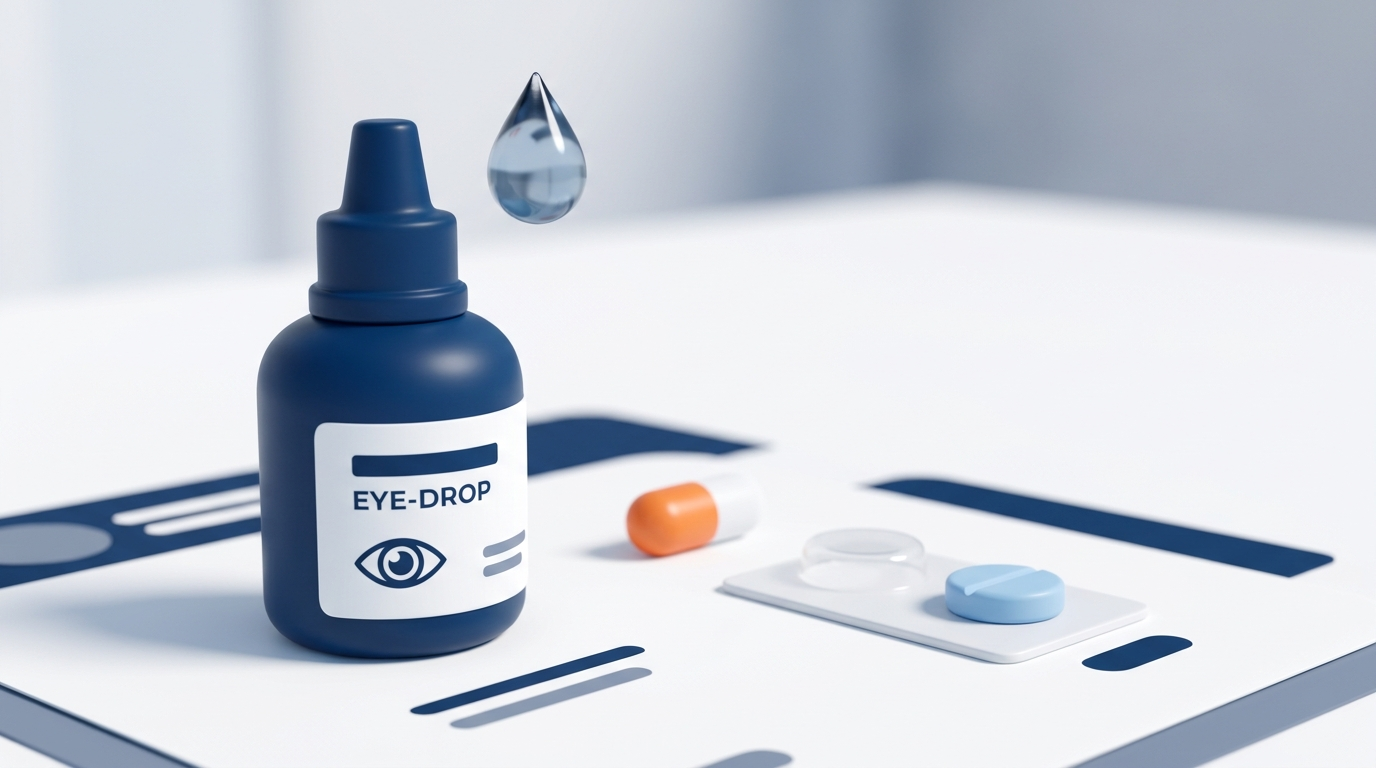
Antihistamine eye drops: Often helpful for itchy, watery allergy eyes with mild redness and swelling.
- Follow label directions carefully.
- “Redness-relief only” drops don’t treat the allergy process and may irritate some users.
- Many products recommend removing contacts first and waiting before reinserting.
Source: https://acaai.org/allergies/allergic-conditions/eye-allergy/
Oral antihistamines: Useful when eyelid swelling is part of broader allergy symptoms (sneezing, congestion); reducing histamine activity body-wide can help eye puffiness too. Source: https://acaai.org/allergies/allergic-conditions/eye-allergy/
What about topical creams on the eyelid? Because eyelid skin is thin and close to the eye, use caution and ask a clinician before applying anti-itch products near the eyes.
When in doubt—especially before putting anything on the eyelids—ask a clinician which options are safest for your situation.
Prescription Options (When OTC Isn’t Enough)
Prescription-strength allergy eye drops: Considered when symptoms are persistent, frequent, or disruptive—especially if they rebound with each exposure.
Steroid eye drops (short course, clinician-supervised): Sometimes used for more severe inflammation; steroids around the eye carry important risks and require medical monitoring.
Sources: AAO – Blepharitis: https://www.aao.org/eye-health/diseases/what-is-blepharitis | Mayo Clinic – Blepharitis: https://www.mayoclinic.org/diseases-conditions/blepharitis/symptoms-causes/syc-20370141
Prescription therapies are for stubborn or severe cases and should be guided by an eye or allergy professional.
If It’s Not Allergies: Conditions That Can Look Similar
Blepharitis (eyelid inflammation): Often recurrent, with crusting, burning, greasy lid margins, or lash debris. It can overlap with allergies.
Sources: Mayo Clinic – Blepharitis: https://www.mayoclinic.org/diseases-conditions/blepharitis/symptoms-causes/syc-20370141 | AAO – Blepharitis: https://www.aao.org/eye-health/diseases/what-is-blepharitis | WebMD – Blepharitis: https://www.webmd.com/eye-health/eyelid-inflammation-blepharitis
Stye/chalazion: A more localized bump.
- Stye: often tender, along the lid edge
- Chalazion: often more painless, deeper lump
Sinus-related facial/eye swelling: Can cause pressure and swelling around the eyes—especially with congestion, facial pain/pressure, thick drainage, or fever. ENT perspective: https://sleepandsinuscenters.com/blog/can-sinusitis-cause-eye-swelling-ent-perspective
Because look-alike conditions are common, an in-person exam is the safest way to tell them apart and choose the right treatment.
When to See a Clinician (Red Flags & Timelines)
Seek care soon (same day/next day) if:
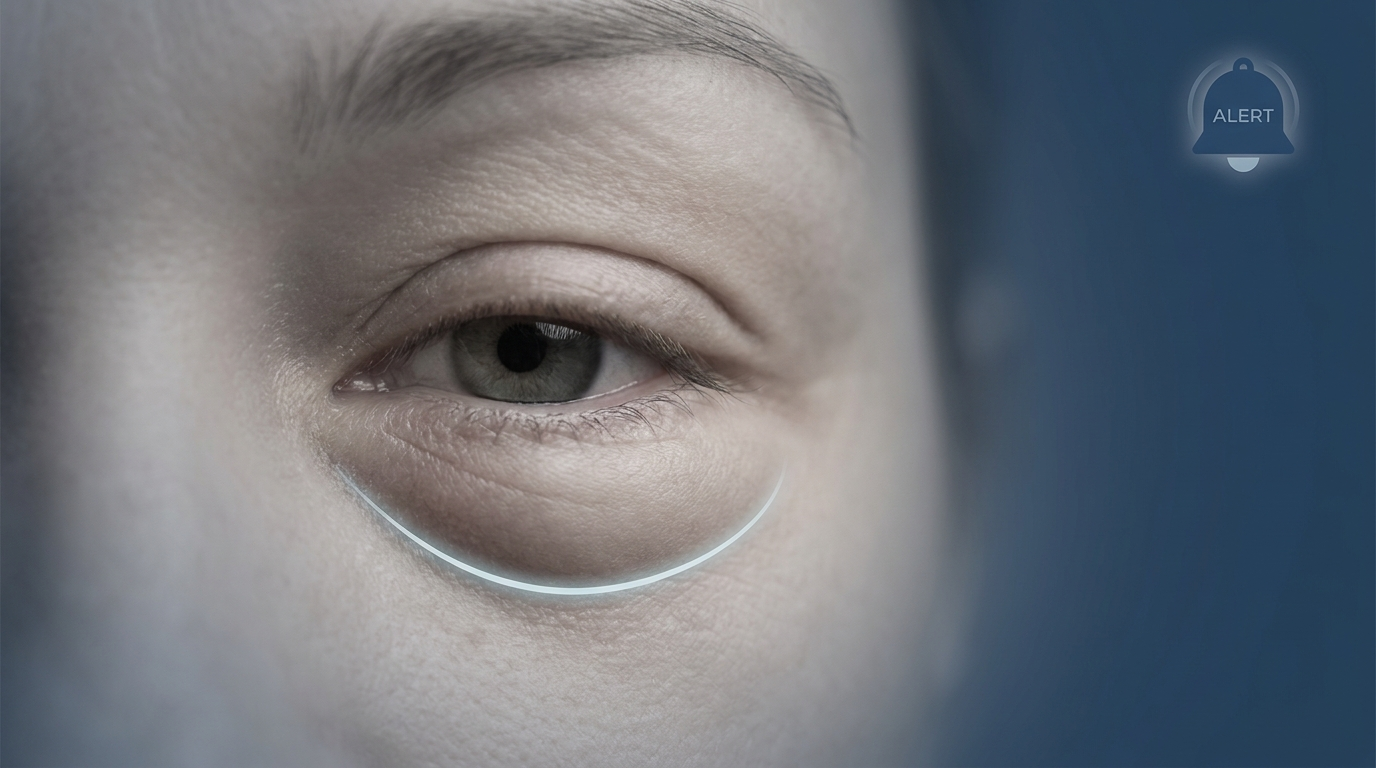
- Swelling doesn’t improve within 24–48 hours or keeps worsening
- Increasing redness, warmth, or tenderness
- Significant pain, or swelling mainly in one eye
- A new cosmetic/soap seems to have caused a strong reaction
Source: https://www.medicalnewstoday.com/articles/how-to-reduce-eye-swelling-from-allergies
Seek urgent care immediately if:
- Vision changes (blurry vision, double vision, trouble seeing)
- Severe pain or inability to move the eye normally
- Fever or feeling very ill
- Rapidly spreading swelling or signs of infection
Source: https://www.medicalnewstoday.com/articles/how-to-reduce-eye-swelling-from-allergies
Act promptly if symptoms are severe, one-sided, worsening, or affecting vision.
Lifestyle & Prevention Tips (Keep Swelling From Coming Back)
Reduce exposure (simple wins):
- Shower at night during high-pollen seasons
- Change pillowcases more often during peaks
- Keep windows closed on high-pollen days
- Use HEPA filtration and careful dust control indoors
Eye-area habits that help:
- Wash hands before touching the eyes
- Replace eye makeup regularly and avoid sharing products
- Consider fragrance-free or hypoallergenic options
If symptoms are frequent, confirm your triggers: https://sleepandsinuscenters.com/allergy-testing
Small, consistent habit changes—and understanding your personal triggers—often make the biggest difference over time.
FAQs
How long do swollen eyelids from allergies last?
Many cases improve within hours to a day when triggers are reduced and symptoms are treated. If swelling isn’t improving within 24–48 hours or is worsening, seek guidance. Source: https://www.medicalnewstoday.com/articles/how-to-reduce-eye-swelling-from-allergies
Should I use heat or cold for swollen eyelids?
For allergy-related puffiness, cold is commonly used because it may reduce inflammation and fluid buildup. Source: https://www.medicalnewstoday.com/articles/how-to-reduce-eye-swelling-from-allergies
Can I wear contact lenses if my eyelids are swollen?
Many people pause contact lenses until symptoms calm. Some allergy drops require removing contacts first. Source: https://acaai.org/allergies/allergic-conditions/eye-allergy/
Is eyelid swelling a sign of blepharitis?
It can be—especially if there’s crusting, burning, gritty sensation, or recurrent lid-edge irritation. Sources: Mayo Clinic – Blepharitis: https://www.mayoclinic.org/diseases-conditions/blepharitis/symptoms-causes/syc-20370141 | AAO – Blepharitis: https://www.aao.org/eye-health/diseases/what-is-blepharitis
What’s the fastest medicine for itchy, swollen allergy eyes?
Many people find quick, targeted relief with antihistamine eye drops; oral antihistamines may help when symptoms extend beyond the eyes. Source: https://acaai.org/allergies/allergic-conditions/eye-allergy/
Conclusion / Next Steps
Swollen eyelids from allergies are usually tied to histamine-driven inflammation and fluid shift in delicate eyelid tissue. Practical first steps include avoiding rubbing, reducing exposure, using a cold compress, and considering OTC options like antihistamine eye drops or oral antihistamines—while watching the 24–48 hour improvement window and any red flags.
If swelling is persistent, recurring, or hard to distinguish from other causes, Sleep and Sinus Centers of Georgia can help you sort out likely triggers and discuss longer-term strategies, including allergy testing: https://sleepandsinuscenters.com/allergy-testing
To get personalized guidance, you can book an appointment: https://www.sleepandsinuscenters.com/
This article is for educational purposes only and is not medical advice. Please consult a qualified healthcare provider for diagnosis and treatment. If you have severe symptoms, vision changes, or rapidly worsening swelling, seek urgent care.
Sources
- ACAAI – Eye Allergy: https://acaai.org/allergies/allergic-conditions/eye-allergy/
- Mayo Clinic – Blepharitis: https://www.mayoclinic.org/diseases-conditions/blepharitis/symptoms-causes/syc-20370141
- AAO – Blepharitis: https://www.aao.org/eye-health/diseases/what-is-blepharitis
- Medical News Today – Reduce eye swelling from allergies: https://www.medicalnewstoday.com/articles/how-to-reduce-eye-swelling-from-allergies
- WebMD – Eyelid inflammation/blepharitis: https://www.webmd.com/eye-health/eyelid-inflammation-blepharitis
Don’t let allergies slow you down. Schedule a comprehensive ENT and allergy evaluation at Sleep and Sinus Centers of Georgia. We’re here to find your triggers and guide you toward lasting relief.