Swimming and Ear Infections: How to Prevent Swimmer’s Ear and Reduce Risk
Swimming offers excellent exercise and fun for people of all ages, yet water lingering in the ear canal can set the stage for swimmer’s ear (otitis externa) or make an existing problem worse. Picture leftover moisture as a mini-greenhouse: warm, damp, and perfect for bacteria or fungi to multiply. Swimmer’s ear involves inflammation of the outer ear canal, often after water exposure, and differs from middle-ear infections that commonly follow colds, especially in children. This educational overview covers how to prevent swimmer’s ear, common symptoms, practical habits, and signs that warrant professional evaluation. For a deeper look at otitis externa, see our related article on what it is: https://www.sleepandsinuscenters.com/blog/what-is-otitis-externa.
Understanding Swimmer’s Ear vs. Other Ear Infections
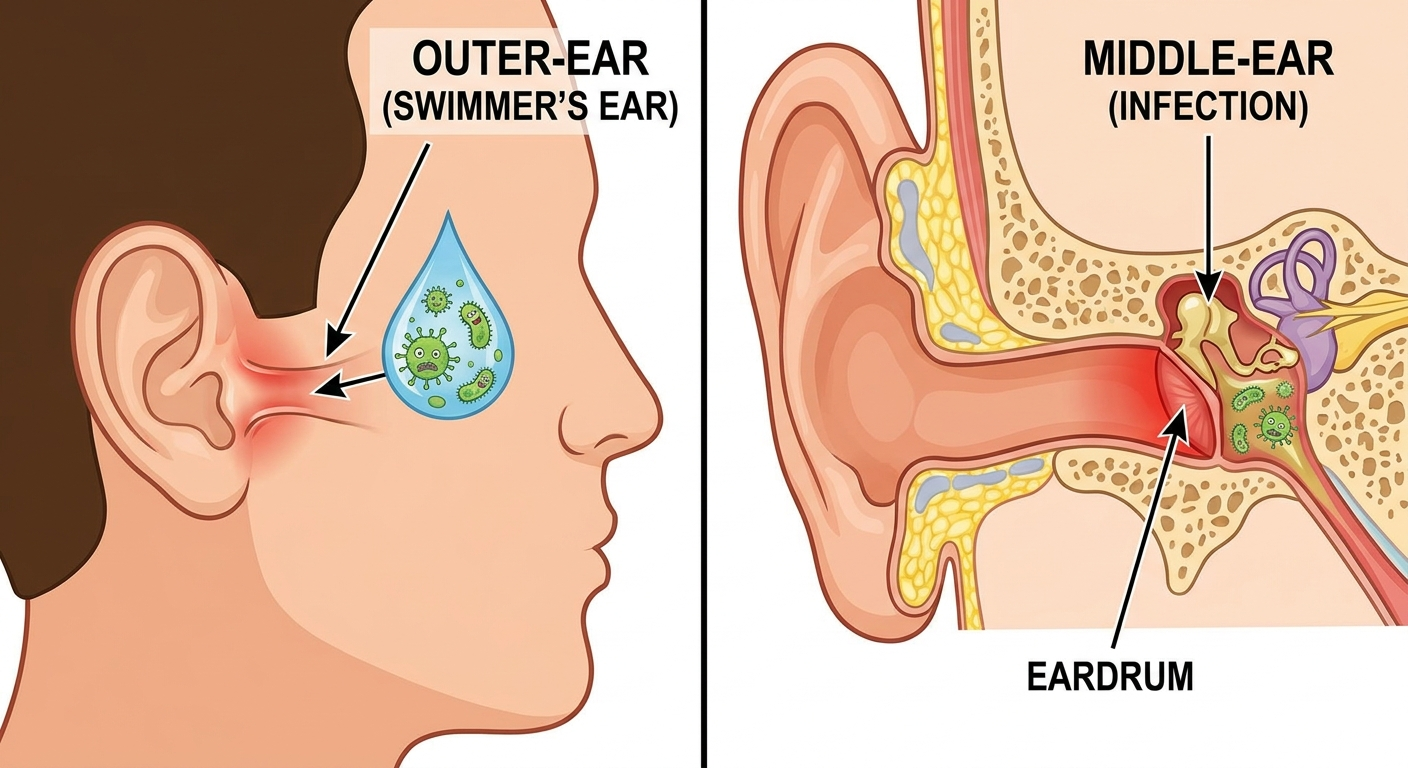
Swimmer’s ear is inflammation of the outer ear canal, frequently triggered by bacteria or fungi after water remains in the ear. It is distinct from middle-ear infections, which occur behind the eardrum and are more typical after respiratory illnesses. Risk rises with prolonged swimming, high humidity, or existing skin irritation in the canal. NHS guidance on ear infections notes that keeping the area dry and avoiding further irritation supports recovery. Frequent pool or lake time without drying the ears increases the chance of this outer-ear issue. A helpful analogy is comparing the outer canal to a garden path: waterlogged soil invites weeds (germs), while a middle-ear infection is more like trouble in a sealed room behind a door (the eardrum).
Knowing the difference between outer- and middle-ear problems guides better prevention.
Common Symptoms of Ear Infections Related to Swimming
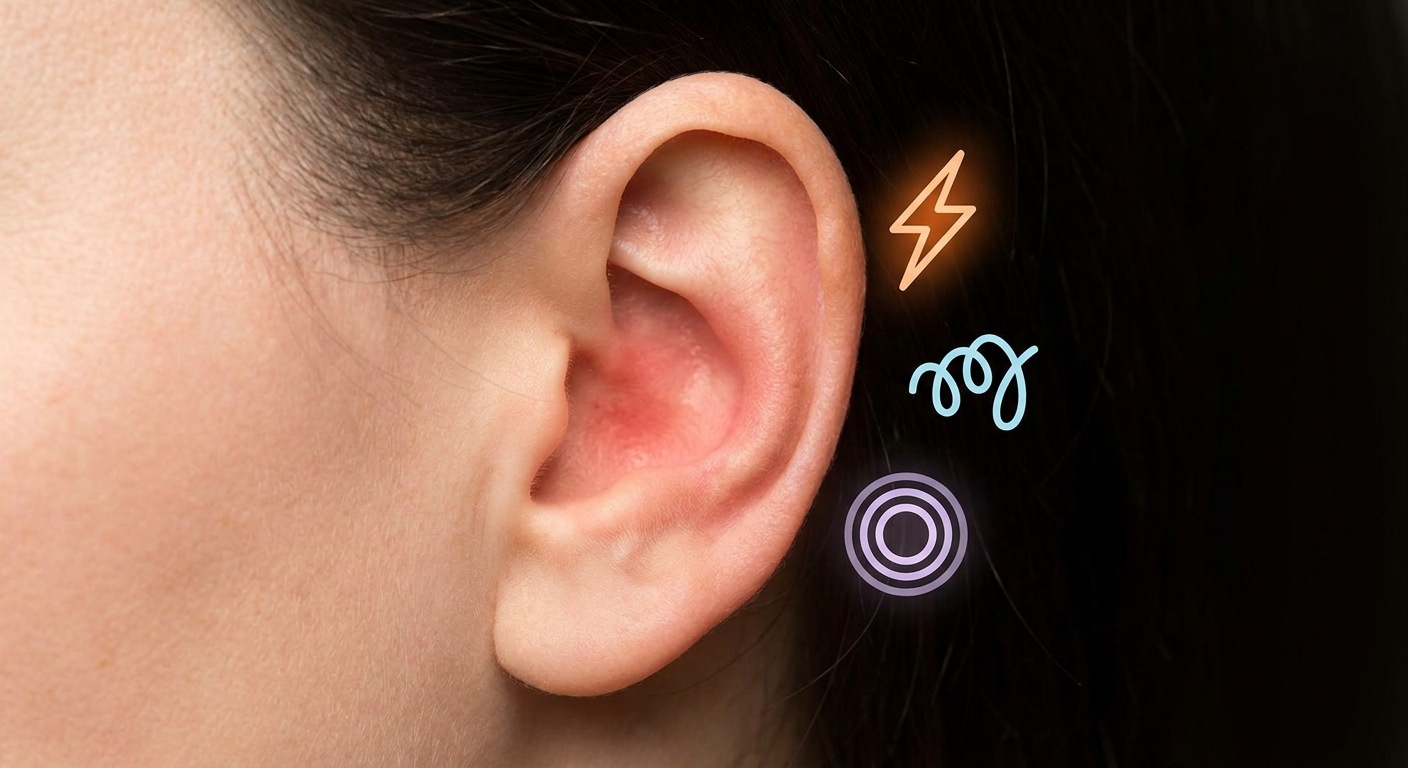
Typical signs include pain (often worse when the outer ear is pulled), itching, a feeling of fullness or pressure, reduced hearing, discharge, and sometimes fever. With treatment and dryness, pain often eases within a few days, though symptoms may linger up to a week or longer. These overlap with other ear problems, so context such as recent swimming helps. For instance, the pain might feel like a sharp twinge when you tug your earlobe after a long afternoon in the pool, while the fullness can linger like the sensation of still being underwater even after you’ve toweled off.
Early recognition of these symptoms supports timely professional input.
Symptoms in Babies and Young Children
Ear pulling or rubbing is frequently normal in infants aged 4–12 months when there is no fever, crying, or clear signs of pain. It may signal an infection if accompanied by fussiness, fever, or other discomfort. Resources from the American Academy of Pediatrics (HealthyChildren.org) and Seattle Children’s Hospital emphasize that isolated ear pulling rarely indicates infection without additional symptoms. Parents of children with recurrent issues or ear tubes can review water-safety guidance in our post on ear tubes and swimming: https://www.sleepandsinuscenters.com/blog/ear-tubes-and-water-safety-for-kids-essential-rules-parents-must-know. Many babies simply explore their ears the same way they tug at their toes; extra fussiness or a temperature change is what raises a red flag.
Watch for extra signs beyond simple ear tugging in infants.
Causes and Risk Factors
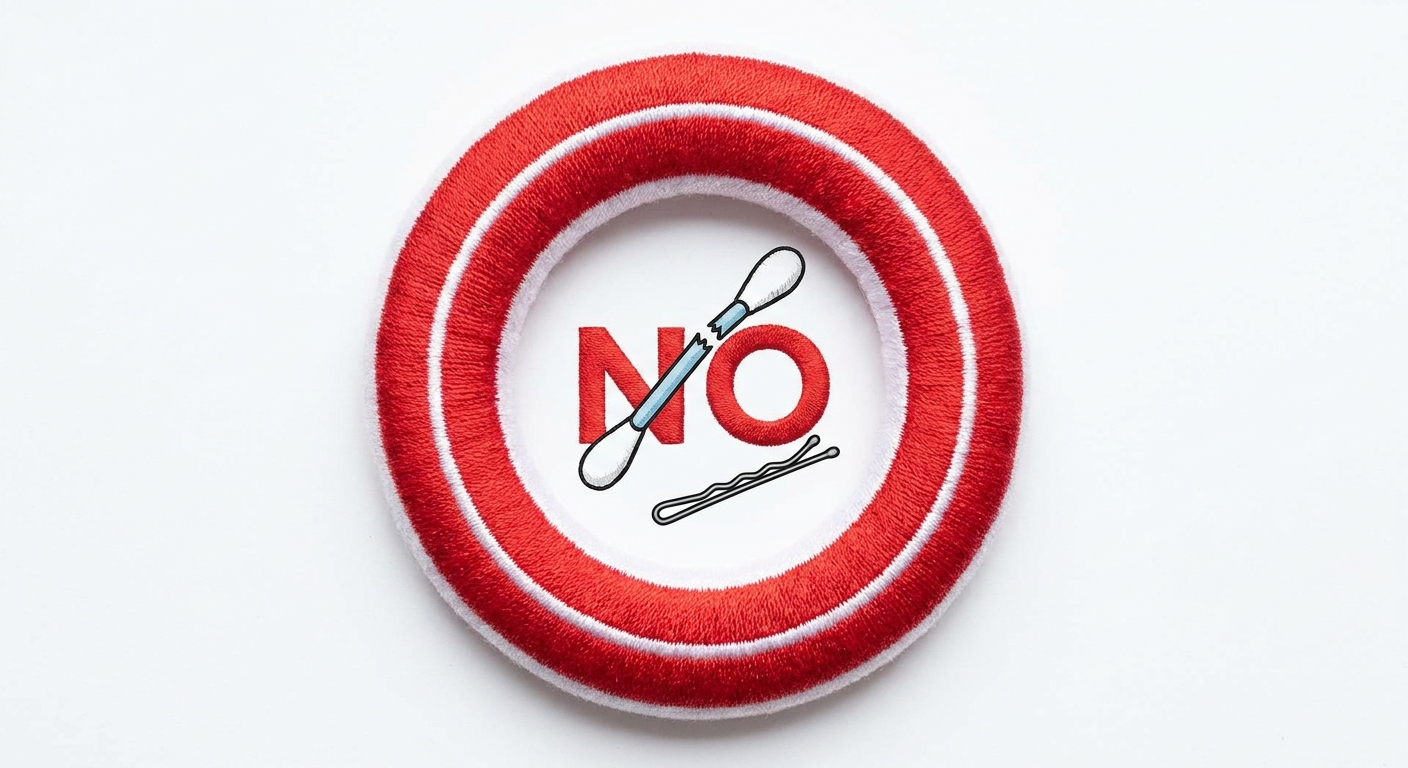
Trapped water can soften the skin of the ear canal and allow bacteria or fungi to grow. Contributing factors include frequent swimming in pools or natural water, incomplete drying, inserting objects such as cotton swabs, naturally narrow canals, prior irritation, or allergies affecting the ear. An active infection makes swimming riskier because water can spread organisms and increase inflammation. Think of cotton swabs or hairpins as tiny rakes that scratch the canal’s delicate lining and invite trouble, especially after a day at a humid lake.
Reducing these risks starts with keeping the canal dry and irritation-free.
How to Prevent Swimmer’s Ear and Reduce Risk
Practical steps help prevent swimmer’s ear, especially for regular swimmers. NHS advice highlights avoiding swimming during an active infection and keeping water and shampoo out of the affected ear. Simple consistency—drying, protecting, and skipping the water when something already feels off—makes a noticeable difference over a swim season.
Before You Swim
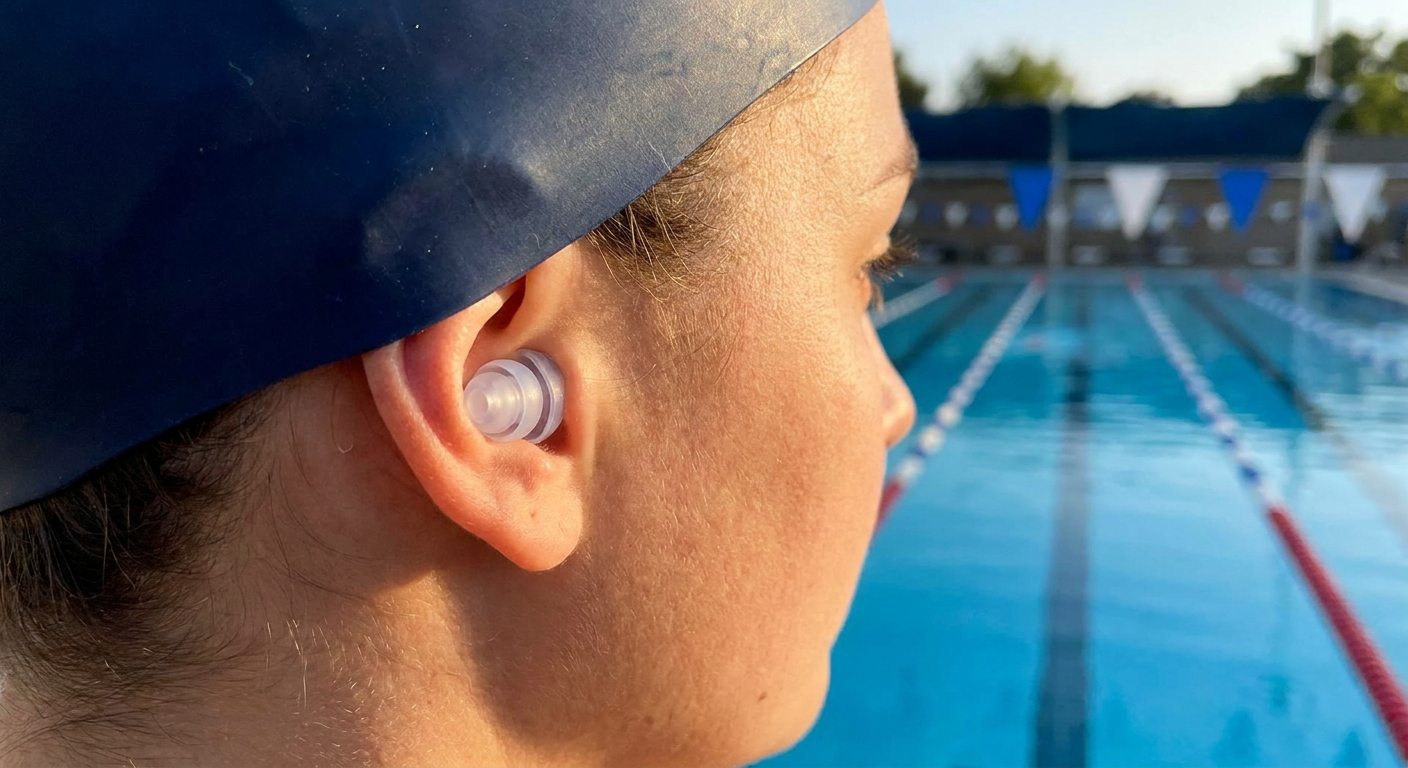
Consider well-fitting earplugs or a swim cap, particularly for children or frequent swimmers. Skip the pool if you already have pain, discharge, or a diagnosed infection. Colorful, snug plugs that kids actually enjoy wearing, or a cap that fully covers the ears, can cut down on the amount of water that ever gets in.
After Swimming or Showering
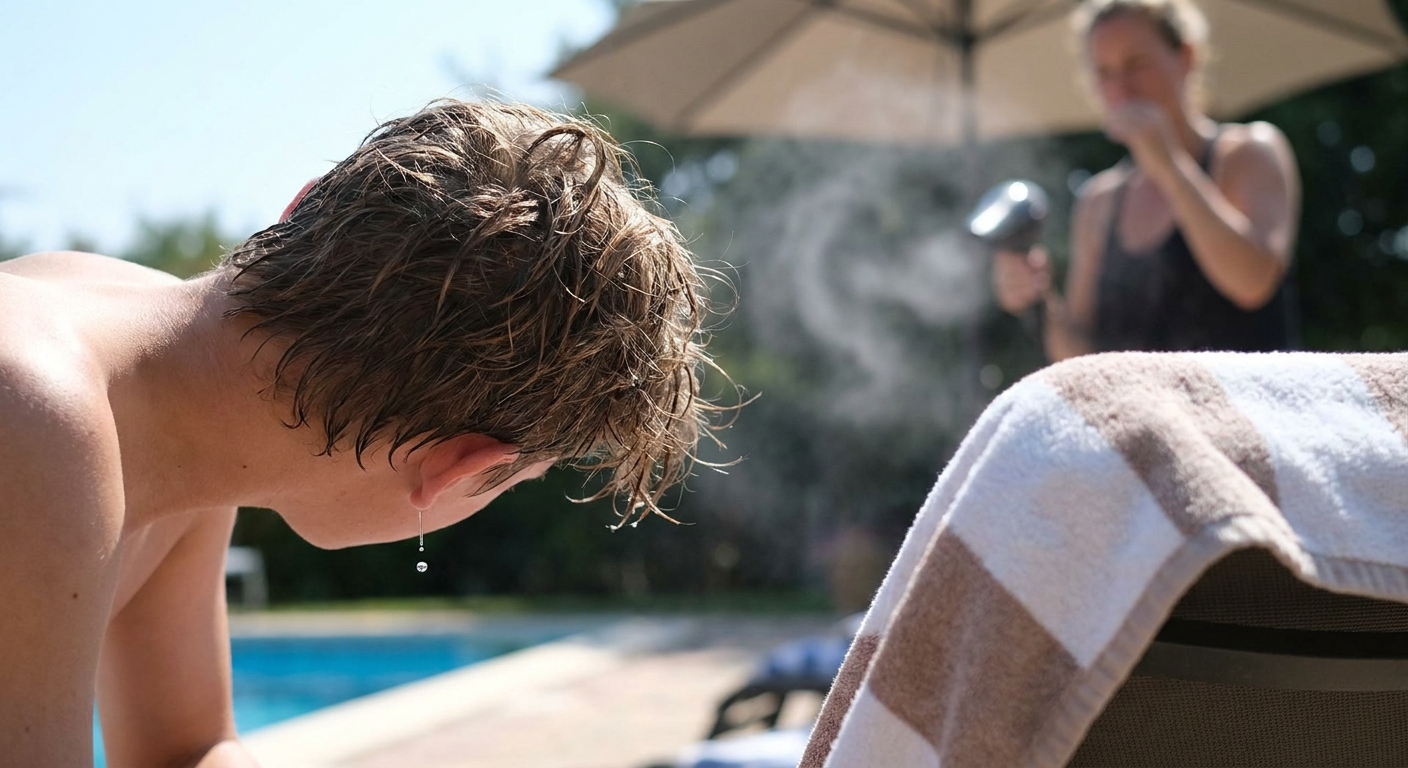
Tilt your head and gently pull the earlobe to encourage water to drain. Pat the outer ear with a towel or use a hairdryer on a cool, low setting held at a distance. Over-the-counter drying drops may be considered if a clinician has recommended them and the eardrum is intact. The tilt-and-pull move works much like emptying a water bottle: gravity plus a little help lets the last drops run out instead of sitting and softening the skin.
Everyday Habits
Never insert cotton swabs or other objects into the ear canal. Address allergies or eczema that can affect the ear skin. Dry ears thoroughly after bathing. These habits support efforts to prevent swimmer’s ear over time. Managing itchy skin with the treatments your doctor already recommends keeps the canal’s natural barrier stronger against whatever water does sneak in.
Consistent drying and protection form the foundation of prevention.
What to Do During an Active Ear Infection
Pause swimming until a clinician confirms it is safe to resume. Keep the ear dry by using a cotton ball coated with petroleum jelly during showers and avoiding submersion. Over-the-counter pain relievers used as directed can help with discomfort; do not place drops in the ear without guidance if the status of the eardrum is unknown. Many infections improve over several days with dryness and supportive care. One clinician often reminds patients, “Keeping the ear dry is half the battle,” because extra moisture simply feeds the inflammation.
Dryness remains essential while awaiting professional guidance.
When to Seek Medical Care (Urgent Signs)
Contact a healthcare provider promptly for fluid or discharge from the ear, swelling around the ear, new hearing loss, dizziness, vomiting, or a very high fever. Persistent or worsening pain, lack of improvement after a few days, or symptoms in infants, people with ear tubes, diabetes, or weakened immunity also warrant evaluation. NHS guidance outlines these as reasons to seek urgent advice. Our team at Sleep and Sinus Centers of Georgia offers comprehensive otolaryngology care for such concerns; appointments can be scheduled through our site. Swelling that makes the ear look puffy or discharge that soaks a pillow overnight are classic “don’t wait” signals.
Prompt evaluation prevents complications in higher-risk situations.
Treatment Options
Prescription antibiotic or antifungal ear drops are commonly used for swimmer’s ear. Pain management and keeping the ear dry remain important. Oral antibiotics or further ENT assessment are less common and typically reserved for cases involving the middle ear or complications. Follow-up helps confirm the eardrum is intact before returning to water activities. Most people notice the worst pain easing once drops start working and the canal stays dry, often within those first few days.
Follow clinician instructions for drops and dryness to support recovery.
FAQs
Can I swim with a mild earache?
Generally it is wise to stay out of the water if an infection is suspected, as moisture can worsen symptoms. Even a mild ache after a swim weekend can flare if you jump back in too soon.
Are earplugs enough to prevent swimmer’s ear?
They reduce water entry when well-fitted but work best combined with thorough drying and other habits. Think of plugs as the first line of defense and drying as the essential follow-through.
How soon after treatment can I return to the pool?
This depends on individual recovery and clinician guidance, often after symptoms resolve and the ear is confirmed dry and intact. A quick check that the eardrum looks healthy gives extra peace of mind.
Is ear pulling always an infection in babies?
Usually not when it occurs without fever, crying, or other signs of pain, especially in infants 4–12 months. Isolated tugging is often just curiosity or teething discomfort.
What’s the difference between swimmer’s ear and a middle-ear infection?
Swimmer’s ear affects the outer canal after water exposure; middle-ear infections occur behind the eardrum, often after a cold. One starts at the entrance, the other behind a closed door.
Lifestyle and Long-Term Tips
Choose well-maintained pools and rinse after swimming in lakes or oceans. Support overall ear health by managing allergies and avoiding smoke exposure. For children with recurrent problems, discuss ear tubes and specific water precautions with an ENT specialist. Consistent drying and avoidance of irritants help prevent swimmer’s ear when swimming is a regular activity. See our ear-tubes-and-water-safety article: https://www.sleepandsinuscenters.com/blog/ear-tubes-and-water-safety-for-kids-essential-rules-parents-must-know. A quick rinse with clean water after an ocean swim, for example, washes away salt that can further dry and irritate the canal.
Long-term habits plus specialist input keep ears healthier for regular swimmers.
Conclusion
Drying ears after water exposure, skipping the pool during infection, and recognizing symptoms early keep swimming enjoyable while protecting ear health. Simple habits go a long way to prevent swimmer’s ear. If you experience persistent ear pain, discharge, or hearing changes, consider an evaluation with an ENT specialist. Schedule a visit at Sleep and Sinus Centers of Georgia—visit https://www.sleepandsinuscenters.com/ to book an appointment and discuss personalized next steps.
This article is for educational purposes only and is not medical advice. Please consult a qualified healthcare provider for diagnosis and treatment.
Don’t let allergies slow you down. Schedule a comprehensive ENT and allergy evaluation at Sleep and Sinus Centers of Georgia. We’re here to find your triggers and guide you toward lasting relief.