Local Honey for Allergies: Benefits, How It Works, and Best Ways to Use It
Many people swear by local honey for allergies—especially when spring or fall pollen season hits. The idea is appealing: a natural, tasty remedy that might reduce sneezing, congestion, and itchy eyes. But does it actually work, or does it just feel helpful when symptoms ebb and flow?
Below, you’ll learn the theory behind honey and allergies, what research (and allergy experts) say, safer ways to try it as a comfort measure, and evidence-based options that are more reliable for symptom control. If symptoms are persistent, severe, or affecting sleep and breathing, consider discussing them with a clinician. Sources include the American Academy of Allergy, Asthma & Immunology (AAAAI) and WebMD. Internal resource: What Are Allergies? https://sleepandsinuscenters.com/what-are-allergies
Seasonal Allergies 101 (What They Are and Why They Feel Miserable)
Seasonal allergies—often called hay fever or allergic rhinitis—happen when the immune system overreacts to pollen in the air. That reaction triggers inflammation and histamine release, leading to the symptoms many people dread each year.
For a deeper overview: https://sleepandsinuscenters.com/what-are-allergies
Common seasonal allergy symptoms include: Sneezing, runny nose, and nasal congestion; Itchy/watery eyes, itchy nose, or itchy throat; Post-nasal drip, cough, and throat irritation; Fatigue, poor sleep, headache, and sinus pressure sensations.
Symptoms don’t stay neatly “in the nose.” Nasal blockage can lead to mouth-breathing and a dry throat, post-nasal drip can irritate the vocal cords, and poor sleep can make everything feel worse the next day.
What causes seasonal allergies? Most triggers are wind-borne pollens—especially from trees, grasses, and weeds (like ragweed). These pollens are light, airborne, and easily inhaled. Wind-borne pollen is like fine dust that spreads widely through the air, while much of what bees collect comes from plants that need close contact for pollination. Bottom line: seasonal allergies are an immune overreaction to wind-borne pollen that inflames the nose, eyes, and throat.

Why People Try Local Honey for Allergies (The Popular Theory)
The “natural allergy shot” idea suggests that if honey contains small amounts of local pollen, eating it regularly might gradually expose the immune system to that pollen and reduce sensitivity—similar in spirit to allergy immunotherapy. It’s intuitive, but dose, allergen type, consistency, and medical supervision are what make immunotherapy effective.
Where the theory breaks down: honey typically contains pollen from insect-pollinated flowers that bees visit, while most hay fever is driven by wind-borne pollens (trees, grasses, ragweed). The exposure in honey often doesn’t match the allergens causing symptoms. In simple terms: bees usually aren’t collecting the same pollen that’s making people sneeze (AAAAI, Medical News Today). Appealing as it sounds, honey doesn’t replicate targeted, supervised medical immunotherapy.

What the Science Actually Says About Local Honey for Allergies
Bottom line: evidence is limited and not convincing. Honey is a popular remedy, but strong evidence is lacking. Symptoms naturally fluctuate, pollen counts vary, and placebo effects are real—so honey can seem helpful even when it isn’t driving the change.
This is why personal stories can conflict. Someone may try honey during a low-pollen week and credit it for a break that might have happened anyway.
What clinical studies show: research hasn’t consistently found meaningful improvements versus controls; results don’t establish honey as a reliable seasonal allergy treatment (PMC, WebMD).
What experts say: the AAAAI notes weak evidence and highlights that honey contains negligible amounts of the wind-borne pollen that causes most hay fever. If honey reliably helped, it would be standard guidance. It isn’t.
Takeaway: the evidence doesn’t support honey as a reliable allergy treatment.
Potential Benefits of Honey (Even If It Doesn’t Treat Allergies)
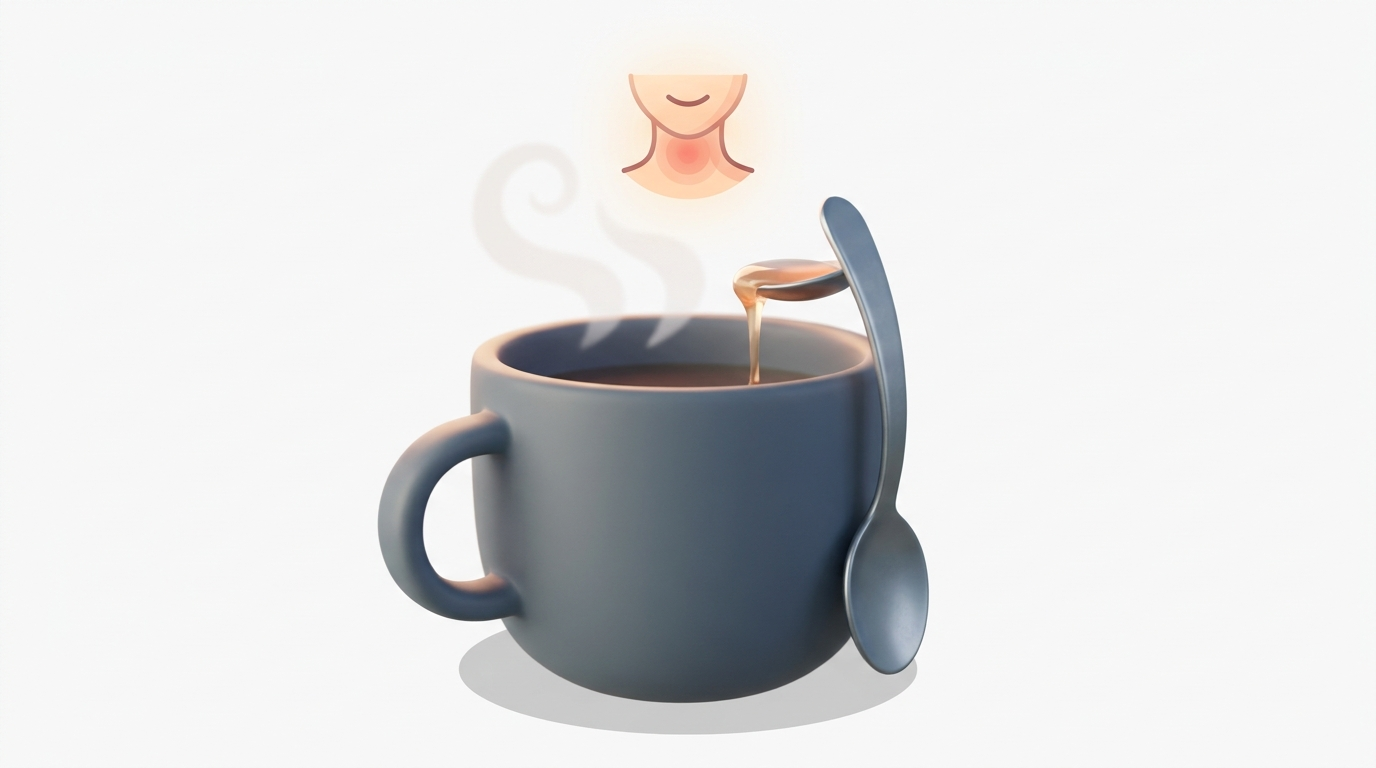
Honey may help soothe throat irritation or coughing that can come with post-nasal drip. Warm drinks with honey can feel calming and support hydration—useful when congestion or mouth-breathing leaves the throat dry.
Think of this as supportive care—like warm tea, broth, or lozenges. These can help you feel better but don’t change the underlying allergic inflammation.
Honey is often cited for antioxidant and anti-inflammatory properties, but these haven’t translated into consistent, dependable relief for seasonal allergy symptoms in clinical outcomes (PMC). Enjoy honey for comfort, not as a cure.
Is Local Honey Safe for Everyone? (Important Precautions)
Honey is widely enjoyed as a food, but it isn’t a fit for every situation—natural doesn’t mean risk-free.
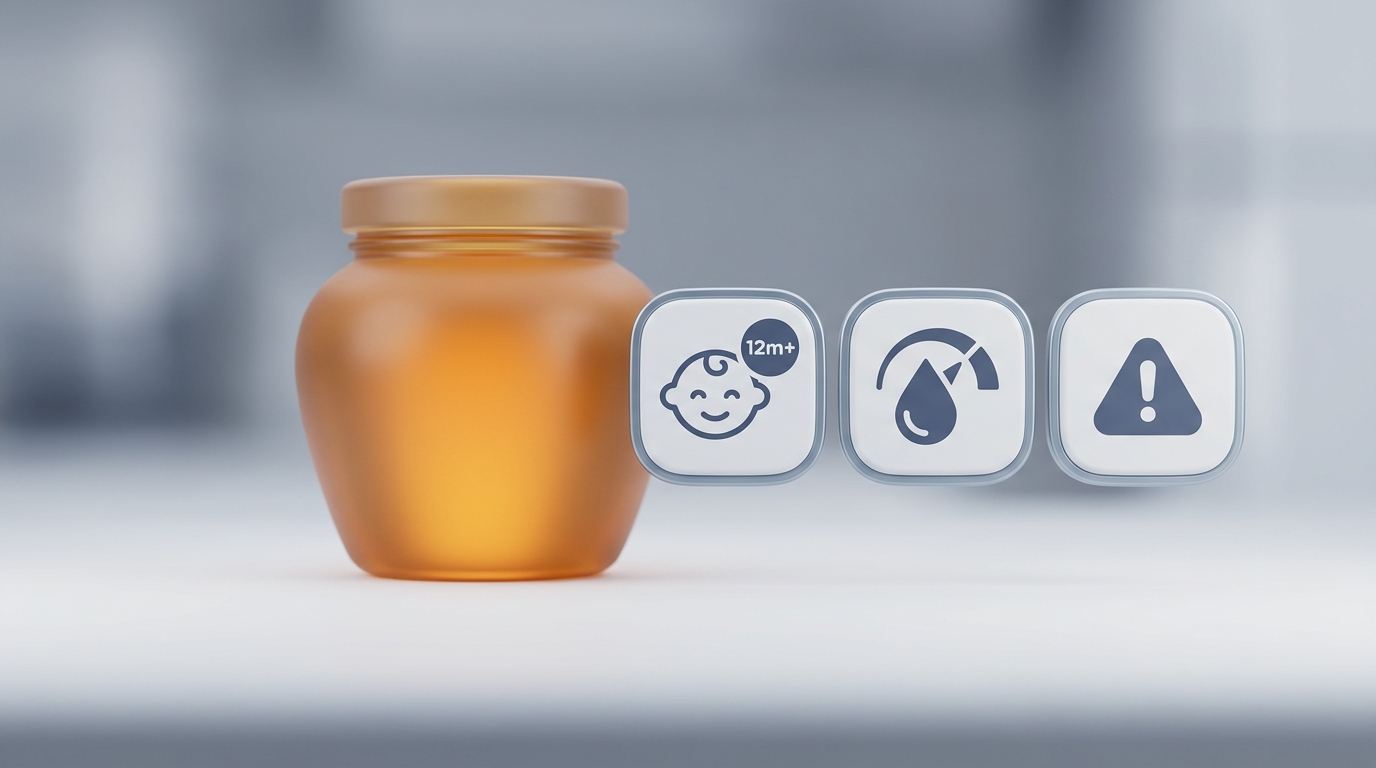
Who should not use honey (or should ask a clinician first): - Infants under 12 months (botulism risk). - People with known honey/bee product allergies. - People who must closely manage sugar intake (for example, some individuals with diabetes).
If you’re using honey frequently during allergy season, remember it can add up nutritionally like other sweeteners.
Possible side effects: gastrointestinal upset or blood sugar spikes. Allergic reactions are uncommon but possible (hives, swelling, breathing symptoms); urgent symptoms require urgent medical attention (Medical News Today, WebMD). Natural doesn’t mean risk-free; use honey as food within your health needs.
Best Ways to Use Local Honey (If You Still Want to Try It)
Think of honey as an optional comfort strategy, not a primary remedy. Keep the approach simple and expectations realistic.
What to buy: “Local” labeling varies; some prefer buying from local beekeepers for transparency. “Raw” vs pasteurized mainly affects processing and flavor; it’s not proven to change allergy outcomes. Be wary of “cure” claims.
How to take it: - 1 teaspoon stirred into warm (not boiling) tea. - Drizzled over yogurt or oatmeal. - Used consistently as a food while keeping sugar intake in mind.
If using it for throat comfort, pairing with hydration (tea, water) is when people often notice the most benefit.
How to track whether it’s helping: - Rate key symptoms daily (0–10): congestion, sneezing, itchy eyes. - Compare symptom days with local pollen levels and any other remedies used. - Use a time-limited experiment (a few weeks) rather than relying on it indefinitely.
Track pollen alongside symptoms: Georgia Pollen Tracker https://sleepandsinuscenters.com/georgia-pollen-tracker. Note: tracking doesn’t make honey evidence-based; it just clarifies whether your personal trial is doing anything noticeable (AAAAI, WebMD). If you try honey, keep it simple, track results, and keep expectations modest.
Proven Treatments That Work Better Than Honey (Evidence-Based Allergy Relief)
Natural, food-based ideas are understandable starting points, but reliable symptom control usually comes from strategies that directly target allergic inflammation.
Allergen avoidance strategies: - Limit outdoor time during high-pollen periods. - Shower and change clothes after being outside. - Keep windows closed during peak season and use A/C. - Consider HEPA filtration in key indoor spaces.
Even small adjustments—like changing clothes after an evening walk—can reduce the pollen you bring into your bedroom.
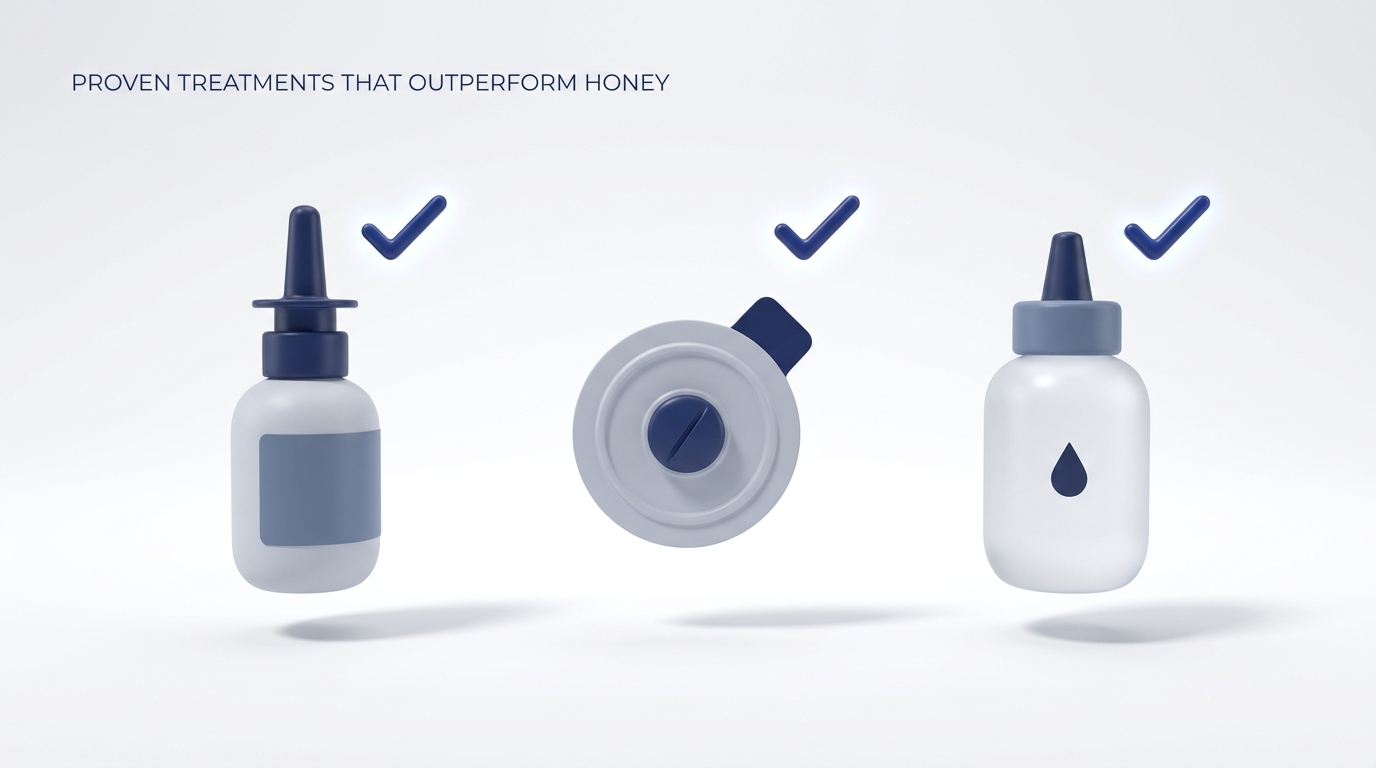
Over-the-counter options (when appropriate): - Non-drowsy antihistamines. - Intranasal steroid sprays (often most effective for congestion). - Saline sprays/rinses to mechanically clear irritants.
Medication choice can depend on age, pregnancy status, and other medications/conditions—pharmacists and clinicians can help you choose safely.
When symptoms persist: identify specific triggers and consider targeted care. Allergy Testing: https://sleepandsinuscenters.com/allergy-testing. Allergy Drops vs. Allergy Shots: https://sleepandsinuscenters.com/allergy-drops-vs-allergy-shots. Evidence-based therapies consistently outperform honey for allergy control.
Lifestyle Tips for Allergy Season (Daily Habits That Make a Real Difference)
Home environment checklist: - Focus on the bedroom: keep pollen off bedding and out of sleeping areas. - Reduce pollen tracking by changing clothes after outdoor time. - If symptoms are year-round, indoor triggers (dust, pet dander) may contribute.
Outdoor strategy: - Plan outdoor exercise around pollen peaks when feasible. - Sunglasses and hats can reduce pollen exposure to eyes and hair. - Masks during yard work can reduce inhaled irritants.
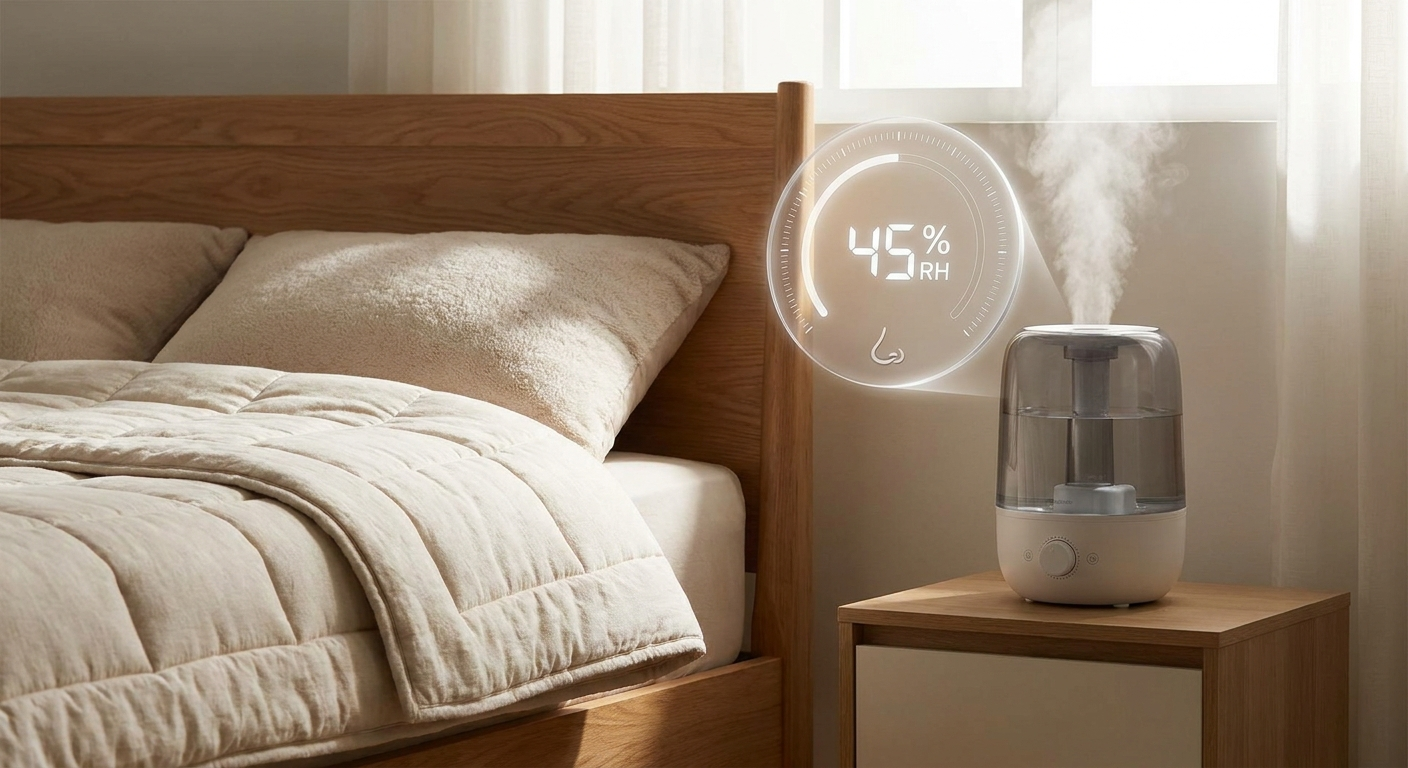
Sleep support when allergies flare: - Avoid extremes of humidity. - Saline rinses earlier in the evening may reduce overnight post-nasal drip. - Head elevation can help with nighttime drainage.
Small, consistent habits can meaningfully reduce daily pollen load.
When to See a Doctor (Red Flags + Not Just Allergies Scenarios)
Signs you may need evaluation: - Symptoms last longer than about 2–4 weeks despite basic OTC steps. - Frequent sinus infections, facial pain with fever, or thick discolored drainage. - Wheezing, shortness of breath, or chest tightness (possible asthma overlap).
What an ENT/allergy evaluation can add: clarification of allergic rhinitis versus nonallergic rhinitis, chronic sinusitis, or nasal polyps, plus a stepwise plan tailored to you. If symptoms linger, worsen, or involve breathing issues, get evaluated.
FAQs
Does local honey help with allergies? Local honey is popular, but it is not supported by strong evidence as a treatment for hay fever. Honey generally doesn’t contain enough wind-borne pollen (like ragweed) to work like immunotherapy, and experts don’t consider it a proven therapy (AAAAI, WebMD).
How long does it take for local honey to work for allergies? There is no proven timeline; high-quality studies have not shown reliable improvement. If you try it, track symptoms and don’t replace evidence-based care.
Is raw local honey better than regular honey for allergies? There’s no strong evidence that “raw” honey changes allergy outcomes; it mainly affects processing, taste, and texture (AAAAI, WebMD).
Can honey make allergies worse? Yes, in some cases. Honey can trigger symptoms in people with a honey or bee-product allergy; stop and seek medical guidance if symptoms worsen (Medical News Today, WebMD).
What works best for pollen allergies? Combine allergen avoidance with proven medications (intranasal steroid sprays, antihistamines) and, when needed, targeted long-term options like immunotherapy. Identifying triggers can help: https://sleepandsinuscenters.com/allergy-testing. Short answer: honey isn’t a proven fix; targeted care works better.
Conclusion (Clear Takeaway + Action Step)
Local honey for allergies is generally safe for many adults as a food and may offer throat-soothing comfort, especially when post-nasal drip causes irritation. However, it’s not a proven treatment for seasonal allergies, and pollen mismatch helps explain inconsistent results.
Pair simple symptom tracking with evidence-based strategies, and consider formal trigger identification if symptoms recur year after year. Learn more or book an appointment: https://www.sleepandsinuscenters.com/. Enjoy honey if you like it—but lean on proven strategies for reliable relief.
Research
Local honey is a popular home remedy for seasonal allergies, but it lacks strong scientific support. Medical consensus, including from the AAAAI, indicates that high-quality evidence is missing and that honey contains negligible amounts of the wind-borne pollen that typically causes hay fever. While it may offer general health benefits, it is not a proven substitute for standard allergy treatments. Citations: https://www.aaaai.org/tools-for-the-public/conditions-library/allergies/honey https://pmc.ncbi.nlm.nih.gov/articles/PMC7870997/ https://www.webmd.com/allergies/features/does-honey-help-prevent-allergies https://www.medicalnewstoday.com/articles/does-local-honey-help-allergies
This article is for educational purposes only and is not medical advice. It does not replace professional diagnosis or treatment. Always talk with a qualified healthcare professional about your specific symptoms, questions, or care options.
Citations
- American Academy of Allergy, Asthma & Immunology (AAAAI): Honey and allergies — https://www.aaaai.org/tools-for-the-public/conditions-library/allergies/honey
- PubMed Central (PMC) 2021 review/article — https://pmc.ncbi.nlm.nih.gov/articles/PMC7870997/
- WebMD: Does honey help allergies? — https://www.webmd.com/allergies/features/does-honey-help-prevent-allergies
- Medical News Today (2024): Does local honey help allergies? — https://www.medicalnewstoday.com/articles/does-local-honey-help-allergies
Don’t let allergies slow you down. Schedule a comprehensive ENT and allergy evaluation at Sleep and Sinus Centers of Georgia. We’re here to find your triggers and guide you toward lasting relief.