Sudden Facial Droop and Ear Pain: Bell's Palsy Symptoms, Causes, and Treatment
A sudden facial droop with ear pain can feel alarming—many people describe noticing an uneven smile in the mirror or finding one eye won't close. The good news: many causes are treatable, and prompt evaluation helps rule out emergencies and start supportive care.
This guide explains Bell's palsy symptoms (including ear pain), how it differs from shingles-related facial paralysis (Ramsay Hunt syndrome), and what treatment and recovery often involve. It's educational information—not a diagnosis. For an ENT-focused overview of related nerve discomfort, see our guide on facial nerve pain causes and treatments: https://sleepandsinuscenters.com/blog/facial-nerve-pain-causes-symptoms-top-ent-treatments
Bell's palsy is a sudden, one-sided facial weakness/paralysis pattern described in major patient resources like Cleveland Clinic. (Cleveland Clinic, 2023: https://my.clevelandclinic.org/health/diseases/5457-bells-palsy)
Sudden Facial Droop With Ear Pain: Why This Symptom Combination Matters
Bell's palsy is a common non-stroke cause of facial weakness and can include discomfort around or behind the ear—sometimes the aching appears first, followed by facial weakness hours to days later. Still, new facial droop can also be a sign of a stroke, so urgent evaluation is the safest approach.
This article covers:
- What Bell's palsy is and common Bell's palsy symptoms
- Why Bell's palsy ear pain can occur
- How to tell Ramsay Hunt syndrome vs Bell's palsy
- What supportive care and Bell's palsy treatment commonly involve (Cleveland Clinic, 2023)
Bottom line: sudden one-sided facial changes—especially with ear pain—deserve timely medical evaluation.
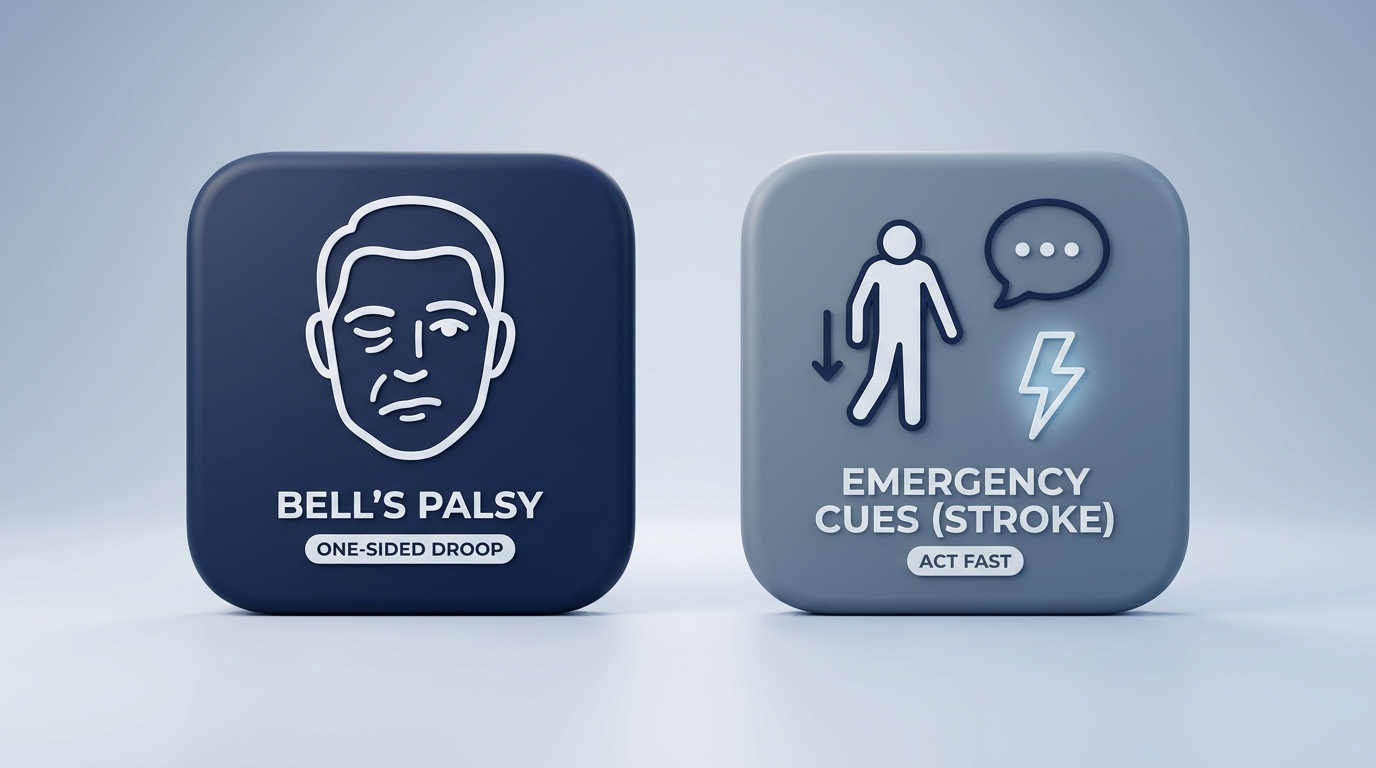
First—Could It Be a Stroke? When to Treat Facial Droop as an Emergency
Because stroke is time-sensitive, new facial droop is often treated as urgent until a clinician evaluates it. Bell's palsy may show up as "my eye won't close and my smile is crooked," while strokes often come with additional neurologic symptoms—but you can't always sort this out at home.
Signs that need 911/ER now include facial droop with:
- Weakness or numbness in an arm or leg (especially one-sided)
- Trouble walking, dizziness, or loss of coordination
- Sudden confusion
- A severe, unusual headache
- Speech or language changes beyond slurring from weak facial muscles (e.g., trouble finding words or understanding)
Helpful details to share during evaluation:
- The exact time symptoms started (or when you were last normal)
- Whether symptoms are spreading or changing
- Any recent cold/viral illness
- Any rash or blisters in/around the ear
- Any hearing changes (muffled hearing, ringing, sudden hearing loss)
A short video of your face at rest and while raising eyebrows, closing eyes, and smiling can help your clinician understand what changed and when.
If you're unsure whether it's Bell's palsy or a stroke, call 911—speed matters most for stroke care.
What Is Bell's Palsy?
Bell's palsy is sudden weakness or paralysis on one side of the face caused by inflammation of the facial nerve (cranial nerve VII). Symptoms develop quickly—over hours or within a day—and many people improve over time. (Cleveland Clinic, 2023)
Think of the facial nerve as the wiring for facial expression; when it's inflamed, the signal weakens, and movement on that side can be reduced or temporarily "offline."
Bell's palsy is common, often temporary, and usually improves with time and supportive care.
Bell's Palsy Symptoms (Including Ear Pain)
People often feel well overall but notice dramatic changes in facial movement on one side. Common features include:
The most recognizable symptom: sudden one-sided facial droop
- A crooked or uneven smile
- Difficulty raising one eyebrow
- An eyelid that doesn't close fully
- A flatter fold between the nose and corner of the mouth (nasolabial fold)
- Typically unilateral (one-sided) (Cleveland Clinic, 2023)
Ear pain and facial pain—why they happen
- Some people feel deep aching or tenderness behind the ear or near the jaw days before weakness begins.
- The facial nerve travels through tight spaces near the ear; when it's inflamed, nearby structures can be irritated, causing referred pain. (Facial Palsy UK; Cleveland Clinic, 2023)
- For a broader overview of ear discomfort, see What is ear pain (otalgia)?: https://sleepandsinuscenters.com/blog/what-is-ear-pain-otalgia
Other common symptoms patients report
- Dry eye or fewer tears (or watery eye from incomplete lid closure)
- Drooling or trouble keeping liquids in the mouth
- Mild speech changes from reduced lip movement
- Difficulty chewing or food collecting in the cheek
- Taste changes and/or sensitivity to sound in one ear (varies by person) (Cleveland Clinic, 2023)
Can Bell's palsy affect hearing?
- Bell's palsy mainly affects facial movement, but some people notice ear-related symptoms (pressure, sound sensitivity, discomfort).
- Any sudden or significant hearing change deserves urgent evaluation. See our ENT-focused red flags: Unexpected causes of sudden hearing loss—key symptoms and risk factors: https://sleepandsinuscenters.com/blog/unexpected-causes-of-sudden-hearing-loss-key-symptoms-and-risk-factors
Protecting the eye on the affected side is crucial whenever blinking or eyelid closure is weak.
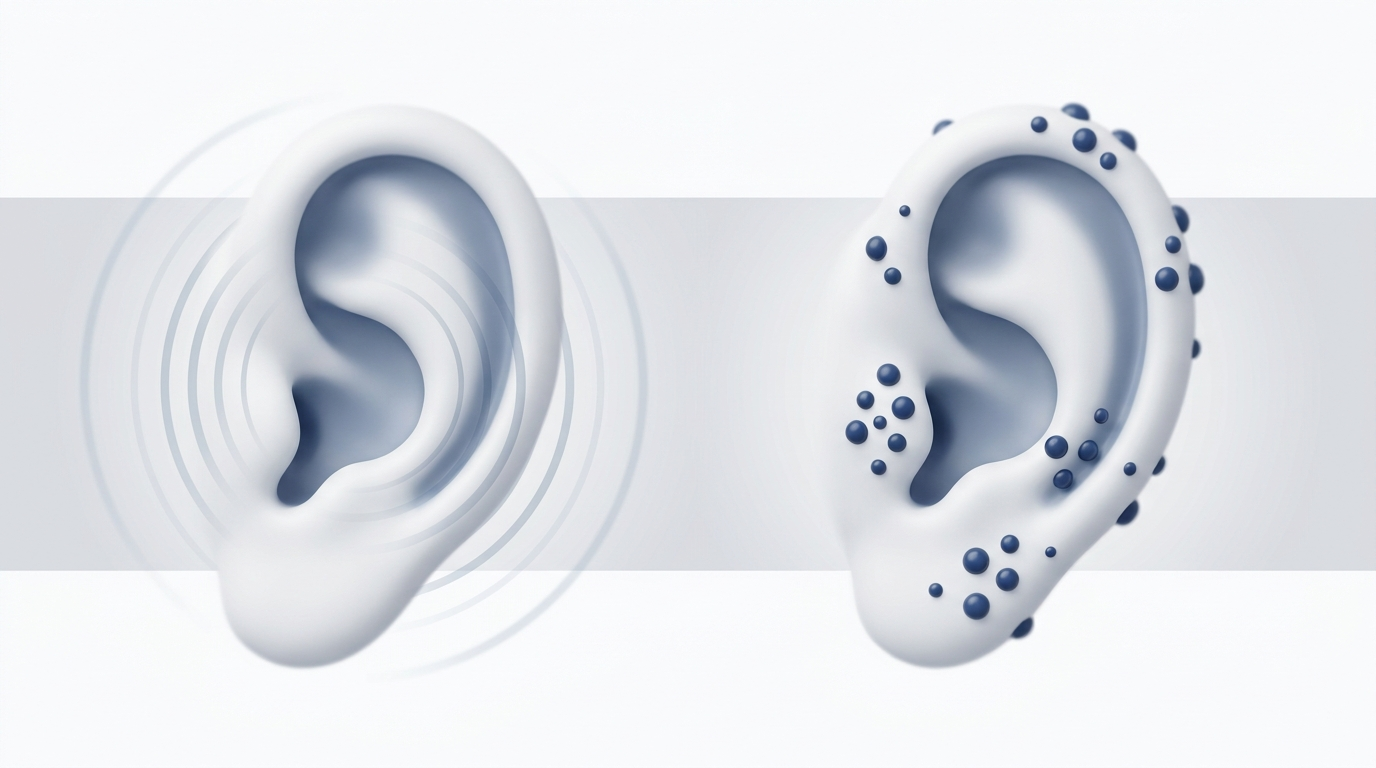
Bell's Palsy vs. Ramsay Hunt Syndrome (Shingles)
Both conditions can cause one-sided facial paralysis and look similar at first.
Key clues that suggest Ramsay Hunt syndrome:
- More intense ear pain
- A rash or blisters in/around the ear (sometimes in the mouth)
- More prominent or unusual ear-related symptoms (Tampa Bay Hearing; Facial Paralysis Institute)
Important nuance: the shingles rash may not be obvious immediately, which is why clinicians examine the ear carefully and ask about new skin changes or heightened ear sensitivity.
Why it matters: suspected shingles-related facial paralysis may change medication choices and timing, so new rash/blisters or severe ear symptoms warrant urgent evaluation.
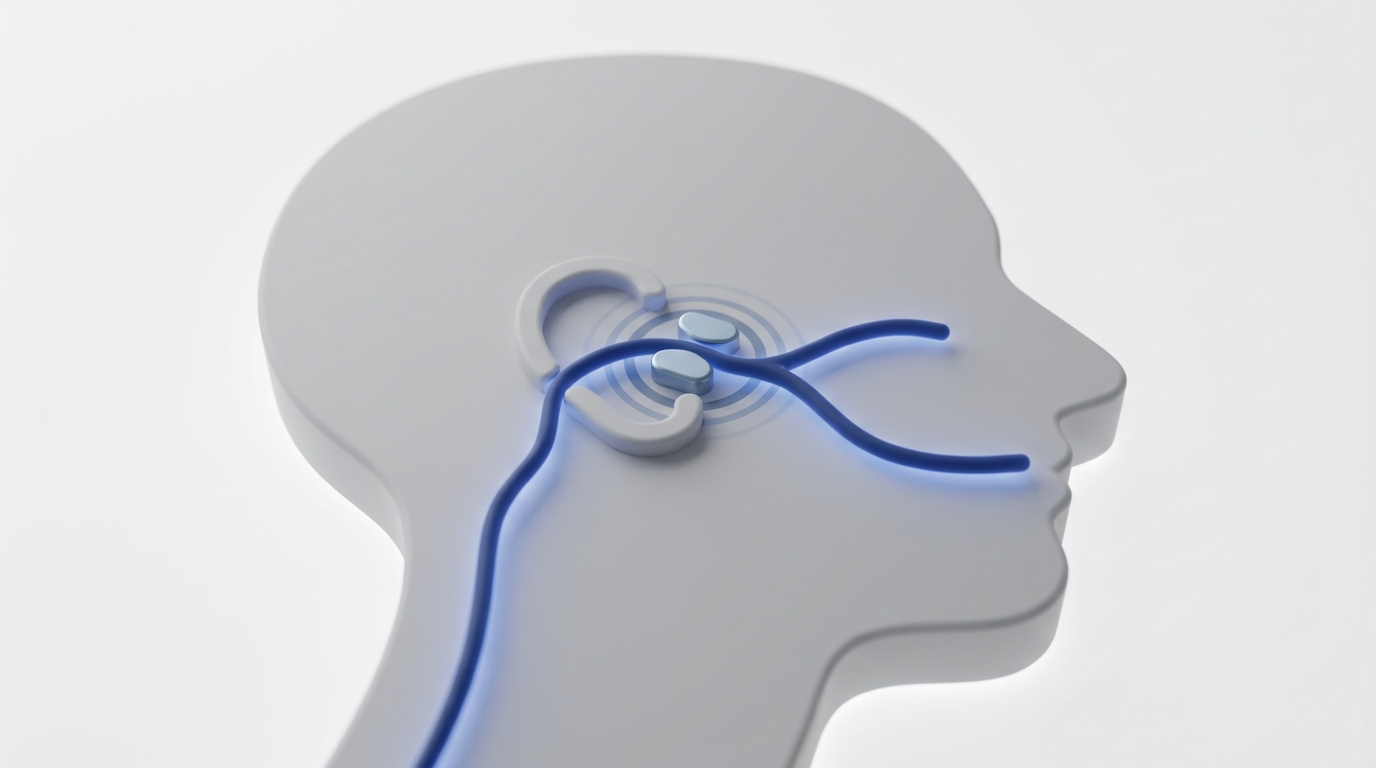
What Causes Bell's Palsy?
Most resources describe Bell's palsy as inflammation and swelling of the facial nerve, which runs through narrow tunnels. Swelling in those tight spaces can disrupt nerve signals—leading to weakness and sometimes pain. (Cleveland Clinic, 2023; Facial Palsy UK)
The exact trigger can vary (often discussed in relation to recent viral illness), and certain groups may be at higher risk, but risk factors don't predict exactly who will be affected. (Cleveland Clinic, 2023)
The core problem is nerve inflammation in a tight space, not a permanently damaged nerve in most cases.
How Bell's Palsy Is Diagnosed
What to expect at a same-day visit (urgent care/ER/primary care/ENT)
- A focused facial nerve exam (forehead movement, eye closure strength, smile symmetry)
- A timeline review (how fast it started, whether it progressed)
- An ear exam (especially if there's pain, pressure, or rash)
Tests you might need (and why)
- Bell's palsy is usually a clinical diagnosis, but testing may help rule out other causes when symptoms or risk factors suggest them.
- Possible studies include imaging to exclude stroke or other structural causes, selective lab work, and careful inspection for shingles-related signs. (Cleveland Clinic, 2023)
Diagnosis is primarily clinical, with tests used to rule out look-alike conditions when needed.
Bell's Palsy Treatment Options
Care is personalized, but common components include:
Corticosteroids (often first-line)
- Steroids help reduce inflammation and may speed functional recovery when started early. (Cleveland Clinic, 2023)
Antiviral medication—when it's considered
- Antivirals may be considered if a viral trigger is suspected—especially when Ramsay Hunt syndrome is a concern. (Cleveland Clinic, 2023; Tampa Bay Hearing)
Eye protection is essential
- Incomplete eye closure can dry and injure the cornea.
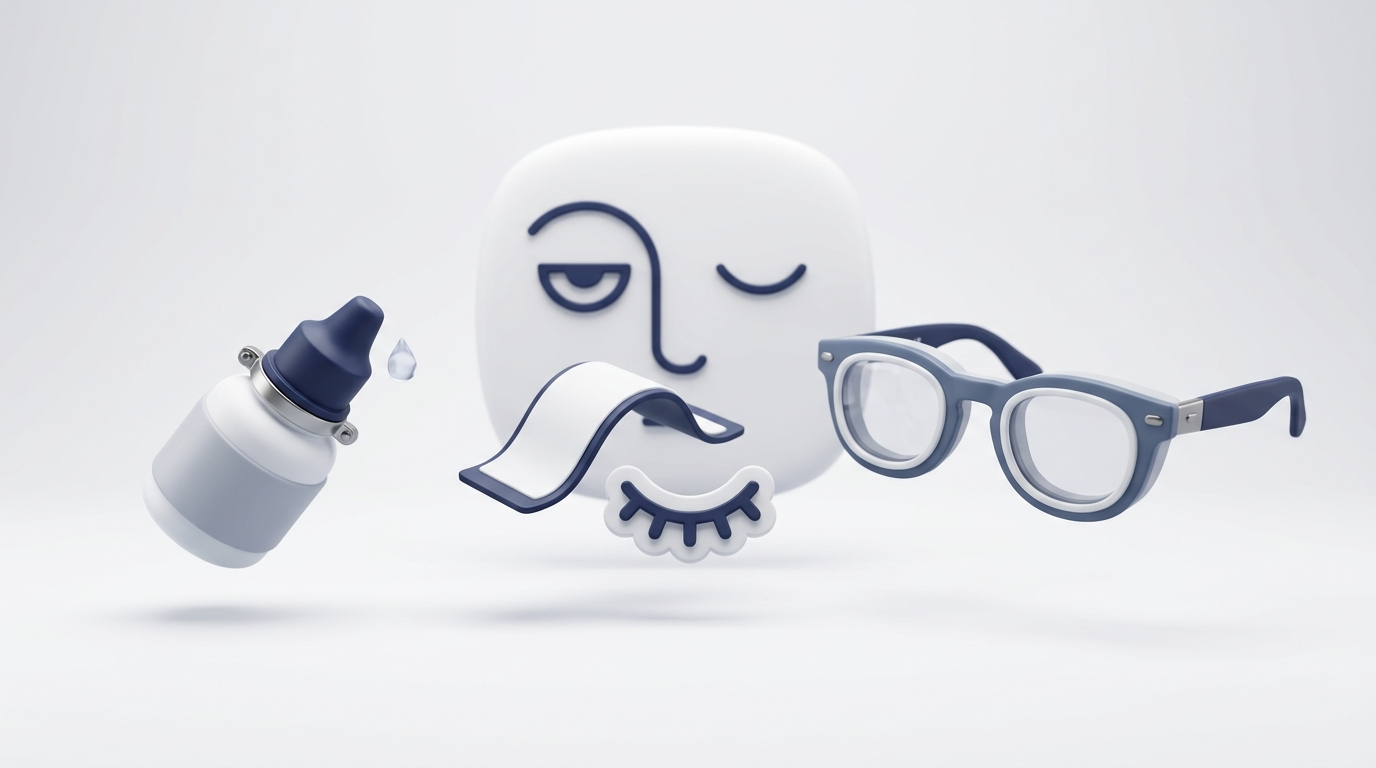
- Typical strategies: artificial tears by day, lubricating ointment at night, taping the eyelid for sleep as instructed, and moisture-chamber glasses in some cases. (Cleveland Clinic, 2023)
Managing ear/facial pain safely
- Gentle pain-control strategies are common; worsening pain, new rash/blisters, new dizziness or vertigo, or sudden hearing changes are reasons for prompt recheck. (Facial Palsy UK)
Facial physical therapy and exercises
- Therapy may help, especially when weakness is severe or recovery is slow.
- Guidance matters: incorrect or overly aggressive exercises can promote unhelpful movement patterns. (Cleveland Clinic, 2023)
Early evaluation supports timely medication decisions—and consistent eye protection helps prevent complications while the nerve heals.
Recovery Timeline and What to Expect
Typical recovery pattern
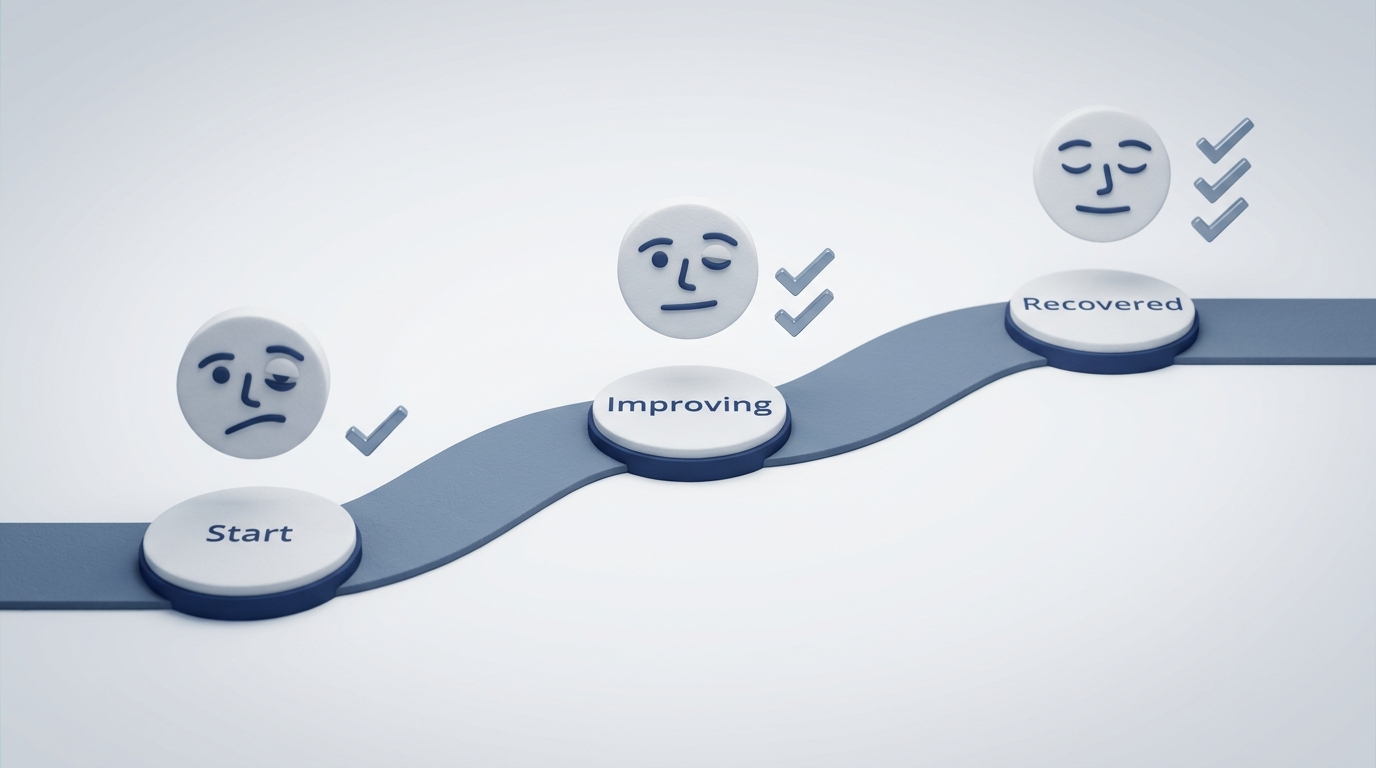
- Many people improve over weeks to months; timelines vary by severity and individual factors. (Cleveland Clinic, 2023)
Signs you're improving
- Easier eye closure
- Gradual return of smile symmetry
- Less drooling or better control when drinking
- Clearer speech as lip strength improves
Possible longer-term issues
- Some experience lingering tightness, spasms, incomplete recovery, or synkinesis (unintended movements). If progress plateaus, follow-up can help map next steps. (Cleveland Clinic, 2023)
Patience is part of recovery—small gains often signal the nerve is waking up and healing.
Lifestyle Tips for Day-to-Day Coping
Eating and drinking
- Choose softer foods temporarily; chew on the unaffected side.
- A straw can help reduce leakage.
- Rinse after meals if food collects in the cheek.
Speech and communication
- Slow down slightly and over-articulate.
- Short-term speech therapy may help.
Sleep and comfort
- Do your eye-moisture routine before bed.
- Adjust pillow positioning to reduce pressure on the sore side.
Work/social confidence
- A simple explanation like "temporary facial nerve inflammation" reduces awkwardness.
- Sunglasses can aid comfort and protect the eye outdoors.
Small, practical adjustments can protect the eye, reduce strain, and make daily activities easier while you recover.
When to See an ENT or Facial Nerve Specialist
ENT evaluation is especially helpful when ear symptoms are prominent or the course isn't straightforward. Follow-up is often recommended for:
- Symptoms not improving as expected
- Severe or worsening pain
- Recurrent facial weakness
- Hearing loss, ringing, or vertigo
- Rash/blisters suggesting shingles
Need an ENT evaluation? Book an appointment with our team: https://www.sleepandsinuscenters.com/
Specialist care is valuable when symptoms are atypical, severe, or slow to improve.
FAQs
Can Bell's palsy start with ear pain before facial droop?
- Yes. Ear or facial pain can appear first, reflecting irritation along the facial nerve pathway. (Facial Palsy UK)
How can I tell Bell's palsy from Ramsay Hunt syndrome?
- Ramsay Hunt is linked to shingles and may include rash/blisters in or around the ear, often with significant pain. (Tampa Bay Hearing)
What's the best treatment for Bell's palsy?
- Early evaluation supports medication decisions, and eye protection is essential whenever eyelid closure is reduced. (Cleveland Clinic, 2023)
Can Bell's palsy affect my hearing?
- Some people notice ear-related symptoms; any sudden hearing loss warrants prompt evaluation. See our sudden hearing loss guide: https://sleepandsinuscenters.com/blog/unexpected-causes-of-sudden-hearing-loss-key-symptoms-and-risk-factors (Facial Paralysis Institute)
How long will it last?
- Many recover over weeks to months, but timelines vary. Follow-up matters if symptoms worsen or don't improve. (Cleveland Clinic, 2023)
If new symptoms develop—or recovery stalls—reach out to your clinician for reassessment.
Key Takeaways
- Bell's palsy symptoms often include sudden one-sided facial droop and may include ear pain due to facial nerve inflammation. (Cleveland Clinic, 2023; Facial Palsy UK)
- Ramsay Hunt syndrome vs Bell's palsy: Ramsay Hunt is tied to shingles—watch for rash/blisters in or around the ear. (Tampa Bay Hearing)
- Early evaluation, appropriate Bell's palsy treatment, and consistent eye protection support safer healing and smoother facial paralysis recovery. (Cleveland Clinic, 2023)
References
- Cleveland Clinic. "Bell's Palsy." (2023) https://my.clevelandclinic.org/health/diseases/5457-bells-palsy
- Facial Palsy UK. "Facial palsy and the ear." https://www.facialpalsy.org.uk/support/patient-guides/facial-palsy-and-the-ear/
- Tampa Bay Hearing. "Bell's Palsy and Ramsay Hunt Syndrome." https://www.tampabayhearing.com/ear-education/bells-palsy-and-ramsay-hunt-syndrome/
- Facial Paralysis Institute. "Why is Ramsay Hunt syndrome often misdiagnosed?" https://facialparalysisinstitute.com/blog/why-is-ramsay-hunt-syndrome-often-misdiagnosed/
- Facial Paralysis Institute. "Can Bell's palsy affect hearing loss?" https://facialparalysisinstitute.com/blog/can-bells-palsy-affect-hearing-loss/
Don’t let allergies slow you down. Schedule a comprehensive ENT and allergy evaluation at Sleep and Sinus Centers of Georgia. We’re here to find your triggers and guide you toward lasting relief.