Sinus Specialist Exam: Hidden Sinus Problems Others Often Miss
Months of congestion. Facial pressure. Post-nasal drip that won’t quit. “Sinus headaches.” Maybe a cycle of urgent-care visits and repeated antibiotics—yet the symptoms keep coming back.
If that sounds familiar, it may help to know this: symptoms that feel like a sinus infection aren’t always caused by an infection, and they aren’t always truly ‘sinus’ in the first place. That’s where an ENT evaluation can be different. A dedicated sinus specialist exam looks beyond surface symptoms to pinpoint why you’re congested—whether it’s inflammation, allergies, anatomy, or a chronic condition that needs a more targeted plan.
Research coverage has highlighted how often chronic sinusitis labels don’t hold up when patients are evaluated by specialists, underscoring why a focused workup matters (see sources at the end, including a report on chronic sinusitis misdiagnosis).

Why “Sinus Infection” Symptoms Aren’t Always a Sinus Infection
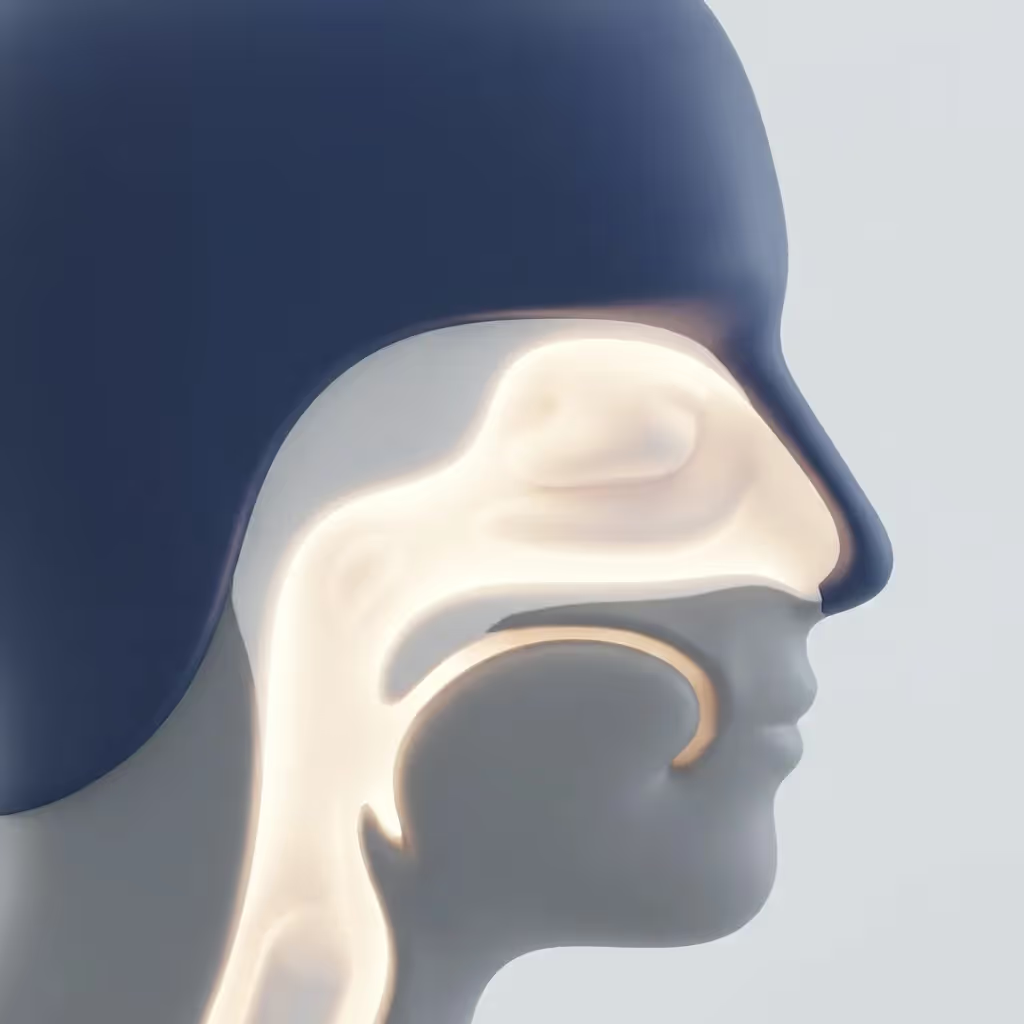
“Sinus infection” has become a catch-all phrase for facial pressure, congestion, thick drainage, and fatigue. The challenge is that many different issues can cause the same cluster of symptoms, including:
- Inflammation (with or without infection)
- Allergic or non-allergic rhinitis
- Anatomical blockage (like a deviated septum)
- Nasal polyps
- Headache disorders that mimic sinus pressure
Because symptoms overlap so much, treating based on symptoms alone can lead to frustration—especially if antibiotics are repeated but the underlying driver is not bacterial. Repeated antibiotic use when not needed can also contribute to resistance and unnecessary side effects. A common example: someone feels “sinus pressure” and has drainage, but what’s really going on is year-round rhinitis or migraine—two issues that won’t improve with antibiotics.
If you’re exploring whether your symptoms fit a longer-term pattern, you can also read more on chronic sinusitis symptoms and treatment here: https://sleepandsinuscenters.com/chronic-sinusitis
In short, symptoms alone rarely tell the whole story—objective evaluation helps match the treatment to the true cause.
What Is a Sinus Specialist (ENT) and Why Their Exam Is Different
Specialized training + focus on the root cause
An ENT (ear, nose, and throat doctor) is trained to sort out whether symptoms are driven primarily by:
- Infection (less common than many people assume)
- Inflammation (common in chronic rhinosinusitis)
- Structural narrowing or blockage that prevents normal drainage and airflow
That root-cause approach is one reason an ENT sinus exam can be more productive when symptoms are persistent, recurring, or confusing. In practical terms, it means the visit isn’t just “Do you have pressure?”—it’s “What pattern fits your story and what do we actually see on exam?”
Advanced tools general clinics may not use routinely
Two tools often change the picture dramatically:
- Nasal endoscopy: a small camera used to directly view deeper areas of the nasal passages where swelling, polyps, and drainage issues can hide.
- Sinus CT scan: a detailed map of sinus anatomy that can show blockage patterns, chronic inflammatory changes, and structural contributors (like a deviated septum or narrow drainage pathways).
A useful analogy: symptoms are like the check engine light—real, important, and worth addressing. Endoscopy and CT help identify which “system” is triggering the light, so treatment can match the problem.
These tools are widely recognized as part of modern sinus evaluation when clinically appropriate (sources at end).
Bottom line: ENTs pair your story with direct visualization and, when needed, imaging to clarify what’s really going on.

Common Symptoms That Trigger a Sinus Specialist Exam
Classic sinus-type symptoms
Many people seek a sinus specialist exam for:
- Nasal congestion or obstruction
- Thick drainage or post-nasal drip
- Facial pressure/pain
- Reduced smell or taste
Sneaky symptoms that can point to something else
Symptoms that feel sinus-related may also include:
- “Sinus headaches” (sometimes migraine or another headache type)
- Persistent cough or throat clearing (often from post-nasal drip)
- Ear pressure/fullness (can relate to nasal swelling and Eustachian tube function)
- Fatigue and disrupted sleep from chronic nasal blockage
One patient description ENTs hear often is, “I’m not sick-sick, but I never feel clear.” That lingering, not-quite-right feeling is exactly where objective evaluation can help.
When to consider an ENT evaluation (quick checklist)
An ENT visit is often worth considering when symptoms:
- Keep returning or last more than 10 days repeatedly
- Persist in a chronic pattern (often discussed as 12+ weeks)
- Don’t improve as expected with typical allergy care or prior treatments
- Include one-sided blockage, frequent nosebleeds, or worsening symptoms (more on red flags below)

Step-by-Step: What Happens During a Sinus Specialist Exam
A quality sinus specialist exam is usually more than a quick look in the nose. Here’s what commonly happens.
1) A history that goes beyond “Do you have pressure?”
Expect questions about:
- Symptom timeline (seasonal vs year-round; constant vs flare-ups)
- Triggers (pollen, dust, pets, workplace irritants, smoke, fragrances)
- Medications you’ve tried (including sprays, rinses, antihistamines)
- Prior antibiotics and whether they helped
- Asthma history or aspirin sensitivity (sometimes relevant in polyp disease)
- Previous imaging or prior sinus/nasal procedures
These details help separate infection from inflammation, and sinus disease from rhinitis. For example, if symptoms spike with pollen counts or when cleaning a dusty room, that points the workup toward rhinitis/allergy rather than bacteria.
2) Physical exam of nose, face, throat, and ears
ENTs often check the throat and ears because nasal inflammation can connect to:
- Throat irritation from post-nasal drip
- Ear pressure/fullness related to nasal swelling and ventilation pathways
This head-and-neck big picture matters. What feels like facial pressure can sometimes involve nasal swelling, throat irritation, and ear symptoms all at once.
3) Nasal endoscopy (what it is and what it can reveal)
Nasal endoscopy uses a thin scope to view areas deeper than a standard flashlight exam. Many practices use a numbing spray to improve comfort.
During endoscopy, ENTs commonly look for:
- Nasal polyps
- Mucus quality (clear vs thick; signs suggesting infection)
- Swelling/inflammation patterns
- Structural narrowing that may impede airflow or drainage
For many patients, this is the “aha” moment—because it replaces guesswork with a direct look at what’s actually happening inside the nose.
For a safety-focused overview of scoping, you may also like: https://sleepandsinuscenters.com/blog/is-nasal-endoscopy-safe
4) When a CT scan is recommended (and why it’s not always first)
A sinus CT scan isn’t necessary for everyone right away. When it is recommended, it’s often because it can show:
- Which sinuses are involved (and how)
- Chronic inflammatory changes
- Drainage pathway anatomy
- Structural factors such as a deviated septum, concha bullosa, or narrow passages
CT can be especially helpful when symptoms have become chronic, when treatments haven’t worked as expected, or when procedure planning is being considered.
If you want a deeper explanation of how imaging supports diagnosis, this related post may help: https://sleepandsinuscenters.com/blog/how-sinus-ct-scans-help-ent-diagnosis
5) Allergy evaluation (when congestion is really rhinitis)
Sometimes what seems like “sinus trouble” is primarily chronic rhinitis—allergenic or non-allergic inflammation of the nasal lining.
Depending on your symptoms, your ENT may recommend coordinating formal allergy testing: https://sleepandsinuscenters.com/allergy-testing
You can also learn more about treating chronic rhinitis here: https://sleepandsinuscenters.com/treating-chronic-rhinitis
In essence, a thorough exam pairs your history with what we can actually see—often the key to a faster, clearer diagnosis.

Hidden Sinus Problems Others Often Miss (and How the ENT Finds Them)
This is where a thorough sinus specialist exam can be especially valuable: it helps uncover issues that don’t always show up in a quick visit.
1) Nasal polyps (often mistaken for “just congestion”)
Nasal polyps are noncancerous inflammatory growths that can obstruct airflow and drainage.
Common clues include:
- Reduced smell/taste
- Long-term blockage and mouth breathing
- Symptoms that persist despite typical treatment
Polyps are often identified via nasal endoscopy and further assessed with CT if needed.
2) Deviated septum and structural blockage
A deviated septum can narrow airflow on one side and may contribute to congestion and sleep disruption.
Clues can include:
- One-sided obstruction
- Snoring or poor sleep from nasal blockage
- Feeling like you “can’t get air” through one nostril
ENTs assess this on exam and endoscopy; CT can help show how anatomy affects drainage pathways. For more on options that may be discussed when anatomy is a major driver, see: https://sleepandsinuscenters.com/deviated-septum-relief
3) Turbinate hypertrophy (swollen internal “air filters”)
Turbinates help warm and filter air, but they can become chronically enlarged due to allergies, irritants, or inflammation.
Clues often include:
- Ongoing stuffiness without fever
- Worse congestion at night or when lying down
4) Complex allergies / allergic rhinitis that mimics infection
Allergies can cause congestion, pressure, and drainage—sometimes without obvious sneezing.
Clues can include:
- Itching/sneezing and watery eyes (not always present)
- Clear runny nose
- Seasonal flares or indoor triggers (dust, pets)
Because overlap is so high, chronic sinusitis misdiagnosis can happen when evaluation relies mainly on symptoms rather than visualization and objective findings (see sources).
5) Non-allergic rhinitis (triggered by fragrance, weather, irritants)
Not all rhinitis is allergic. Some people react to:
- Perfumes/fragrances
- Temperature changes
- Smoke or cleaning chemicals
Symptoms may look like “sinus issues,” but the best plan can be very different than infection treatment.
6) Chronic rhinosinusitis vs recurrent viral colds
A key distinction is pattern:
- Viral colds tend to improve over days to a couple weeks.
- Chronic rhinosinusitis is a longer-standing inflammatory condition (often described as symptoms lasting 12+ weeks, with supportive findings).
That distinction matters because the most effective next steps often change.
7) Fungal/allergic fungal sinus disease (not the typical infection story)
Some sinus conditions involve thick debris, polyps, and characteristic CT patterns. These are not the standard “sinus infection” scenario and may require a specialist’s diagnostic approach.
8) “Sinus headache” that isn’t sinus-related
Headache disorders can mimic sinus pressure—especially when pain centers around the cheeks, eyes, or forehead. An ENT evaluation can help determine whether there’s evidence of sinus blockage/inflammation or whether another path makes more sense.
Takeaway: many “mystery” symptoms make sense once hidden inflammation or anatomy is identified.
Why These Problems Get Missed in Non-ENT Settings
Symptom overlap is huge
Congestion can stem from allergy, irritants, viral illness, anatomy, medication rebound, or chronic inflammation—often with similar day-to-day symptoms.
Limited visualization without endoscopy
A basic nose exam can’t reliably show deeper areas where polyps, drainage problems, or localized inflammation may be present.
CT scans are not always ordered (and should be targeted)
Imaging isn’t always needed, and many settings appropriately try initial treatment first. The difference is that an ENT can help decide when CT meaningfully changes diagnosis and treatment.
Misdiagnosis data (what it means for patients)
Research coverage has reported very high rates of incorrect chronic sinusitis labeling in non-specialist settings. The takeaway isn’t that every initial diagnosis is wrong—it’s that persistent or recurring symptoms often deserve re-evaluation with specialist tools and criteria (see sources).
Simply put, a specialist’s tools and criteria reduce guesswork and missed diagnoses.
Treatment Options After a Sinus Specialist Exam (Personalized Plan)
After an ENT sinus exam, the plan is usually tailored to what’s actually driving symptoms. Depending on findings, possibilities may include:
If it’s mostly inflammation (not bacterial infection)
- Saline rinses (with safe water practices)
- Intranasal steroid sprays (technique matters)
- Additional anti-inflammatory options in select situations, guided by a clinician
If allergies are driving symptoms
- Trigger reduction strategies
- Medication options such as antihistamines and nasal sprays
- Immunotherapy discussions for appropriate candidates (based on testing and history)
If anatomy is blocking drainage/airflow
- Discussion of procedures targeting septum or turbinates when appropriate
- Select cases may involve balloon-based options or endoscopic sinus surgery, especially when chronic inflammation or polyps persist despite medical therapy
If polyps are present
- A combination of medical therapy and follow-up monitoring
- For some patients, advanced therapies may be discussed as part of long-term inflammatory control
For a safety-focused overview of scoping, you may also like: https://sleepandsinuscenters.com/blog/is-nasal-endoscopy-safe
The best results come from matching treatment intensity to the true driver—no more, no less.
Lifestyle Tips That Support Long-Term Sinus Relief (Between Visits)
Daily habits that may reduce flares
- Consistent saline irrigation (as directed), using distilled/sterile or properly boiled-and-cooled water
- Hydration and humidification in dry indoor environments
- Reducing irritants such as smoke, strong fragrances, and harsh cleaning fumes
Bedroom and sleep strategies
- Slight head elevation if post-nasal drip is prominent
- Dust/pet dander reduction steps if allergy is suspected
Medication safety reminders
- Avoid overusing topical decongestant sprays, which can lead to rebound congestion
- Use caution when combining multiple OTC cold/sinus products (overlapping ingredients are common)
Small, steady habit changes can make medical treatment work better—and last longer.

Red Flags — When Sinus Symptoms Could Signal Something More Serious
Seek urgent evaluation if symptoms include:
- Vision changes or eye swelling
- Severe headache with fever or stiff neck
- Rapidly worsening facial swelling
- Frequent heavy nosebleeds
- Persistent one-sided symptoms that are worsening
If something feels suddenly severe or different, err on the side of urgent care.
FAQs (Sinus Specialist Exam)
What is a sinus specialist exam, and how long does it take?
A sinus specialist exam typically includes a detailed symptom history, a head/neck exam, and often nasal endoscopy. Appointment length varies based on complexity and whether testing is performed the same day.
Is nasal endoscopy painful?
Most people describe it as pressure or discomfort rather than pain. Many clinics use numbing spray to improve comfort. Experience can vary by individual and nasal sensitivity. For more, see: https://sleepandsinuscenters.com/blog/is-nasal-endoscopy-safe
Do I always need a CT scan?
Not always. A CT is most helpful when results are likely to change the treatment plan—such as evaluating chronic symptoms, defining anatomy, or confirming patterns of sinus involvement. Learn more: https://sleepandsinuscenters.com/blog/how-sinus-ct-scans-help-ent-diagnosis
Why do antibiotics keep not working for my “sinus infections”?
Several common reasons include viral illness (where antibiotics don’t help), inflammation-driven conditions, allergies/rhinitis, or structural blockage. Using antibiotics when they aren’t indicated can also cause side effects and contribute to antibiotic resistance over time. That’s why objective evaluation (endoscopy and, when appropriate, CT) can be important.
Can allergies really cause sinus pressure and facial pain?
Yes. Allergic inflammation can cause congestion and pressure sensations that resemble infection. Allergy evaluation can help clarify triggers and guide a more targeted plan. See testing options: https://sleepandsinuscenters.com/allergy-testing
What should I bring to my ENT appointment?
Helpful items include:
- A current medication list (including sprays and OTC products)
- A timeline of symptoms and major flare-ups
- Records of prior antibiotics/steroids and response
- Any prior imaging reports/discs if available
- Known allergy and asthma history
Next Step: Get Clarity on What’s Really Driving Your Symptoms
The goal of a sinus specialist exam isn’t just to label symptoms—it’s to identify what’s actually causing them, whether that’s nasal polyps, a deviated septum, chronic rhinitis, allergies, or chronic inflammation. If symptoms are lingering, recurring, or disrupting sleep and daily life, a focused evaluation at Sleep and Sinus Centers of Georgia can help clarify the next best step.
To book an appointment, visit: https://www.sleepandsinuscenters.com/
Clear diagnosis leads to clear next steps—and better long-term relief.
Medical Disclaimer
This article is for general educational purposes only and does not provide medical advice. Diagnosis and treatment depend on your individual symptoms, exam, and (when appropriate) testing. If you have severe or worsening symptoms or any red flags listed above, seek urgent medical care.
This article is for educational purposes only and is not medical advice. Please consult a qualified healthcare provider for diagnosis and treatment.
Sources
https://www.michiganmedicine.org/health-lab/study-99-chronic-sinusitis-diagnoses-nonspecialists-are-wrong
https://www.ncbi.nlm.nih.gov/books/NBK547701/
https://www.webmd.com/allergies/sinusitus-test
https://entdoctorslosangeles.com/when-sinus-symptoms-mask-something-more-serious-ent-signs-you-shouldnt-ignore/
https://www.higgins-sinus.com/do-you-need-a-sinus-specialist-7-signs-it-s-time-to-see-one
https://pmc.ncbi.nlm.nih.gov/articles/PMC4856571/
https://pmc.ncbi.nlm.nih.gov/articles/PMC9910637/
Don’t let allergies slow you down. Schedule a comprehensive ENT and allergy evaluation at Sleep and Sinus Centers of Georgia. We’re here to find your triggers and guide you toward lasting relief.