Signs Mold Exposure May Be Contributing to Sinus Congestion and Blocked Sinuses
If you’ve been dealing with stubborn congestion, pressure, or “sinus infection” symptoms that keep returning, it’s reasonable to wonder whether something in your environment is part of the problem. One common indoor trigger is mold—especially in damp, poorly ventilated spaces.
This article explains how mold exposure may contribute to sinus congestion, what signs to look for, who’s most likely to react, and what next steps can help you get clarity and relief.
Quick takeaway—can mold really block your sinuses?
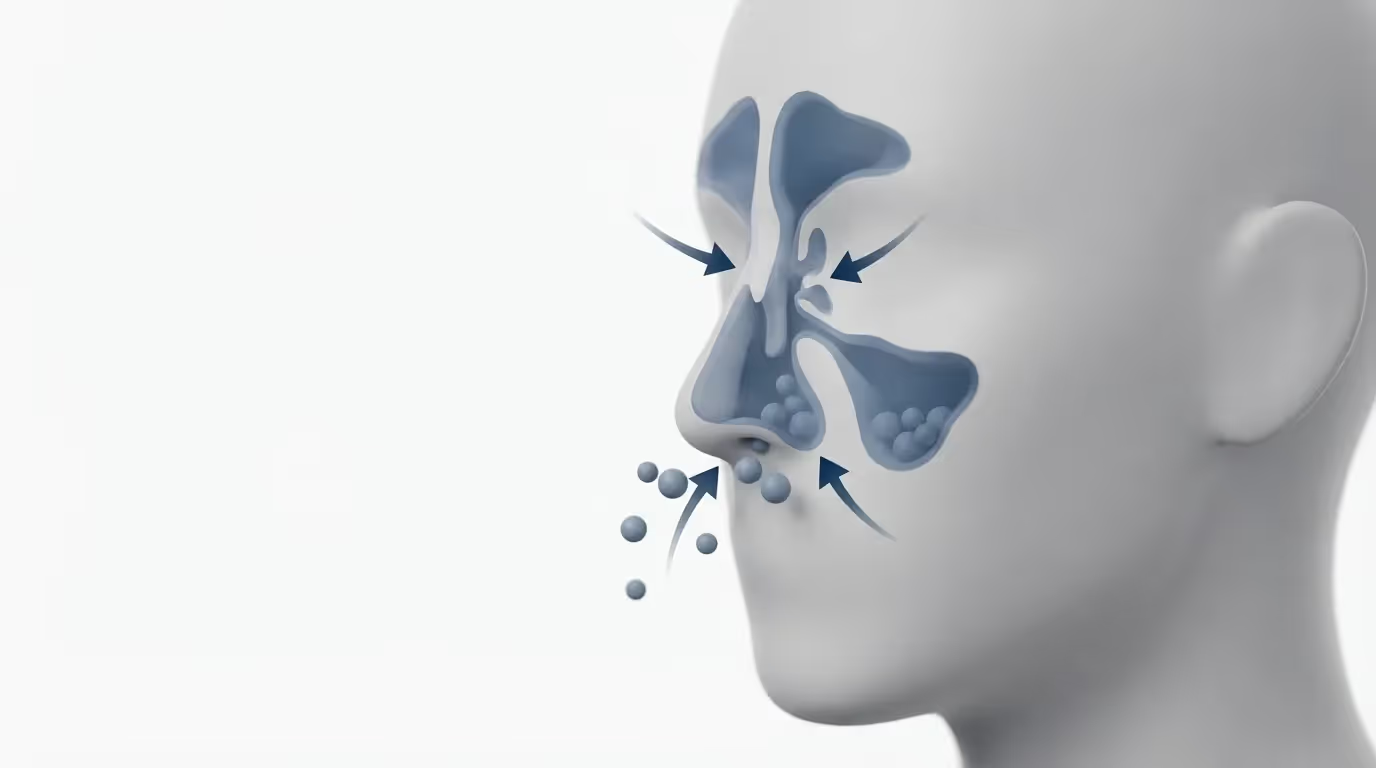
Yes—particularly for people who are sensitive. Mold spores can irritate the lining of the nose and sinuses, triggering inflammation and swelling that narrow normal drainage pathways. When drainage is reduced, mucus can build up—leading to congestion, facial pressure, and recurring sinus symptoms. Mayo Clinic notes that mold can cause allergy-type symptoms like nasal stuffiness and irritation in sensitive individuals. (Source: Mayo Clinic)
It can help to picture your sinuses like rooms that need open doorways for airflow and drainage. When the lining swells, those “doorways” can narrow—so even normal mucus has a harder time moving out.
It’s also important to know that not everyone reacts the same way. Some people have no symptoms, while others—especially those with allergies or asthma—may notice persistent or recurrent issues. (Source: Mayo Clinic)
Bottom line: Mold exposure may trigger or worsen sinus inflammation in susceptible people, but it does not affect everyone the same way.
How mold exposure affects your sinuses (simple explanation)
The “irritation → swelling → blockage” cycle
A simplified view: spores contact nasal/sinus tissue → the immune system reacts (especially with allergies) → inflammation and swelling increase → swollen tissue narrows sinus openings → mucus gets trapped, causing pressure, congestion, and drainage issues. This inflammation-driven cycle is commonly discussed in mold allergy and mold-related sinus symptoms. (Sources: Mayo Clinic, Sleep and Sinus Centers of Georgia)
A practical clue is that symptoms may flare quickly in a trigger environment—then ease when you’re away. That “on/off switch” is worth noting.

Why symptoms can linger longer than a cold
Colds are typically time-limited. Mold-triggered inflammation can continue as long as exposure continues—at home, work, or school—so people may feel stuck in a loop of congestion and pressure without ever fully getting better. (Source: Mayo Clinic)
Mold-related symptoms may also last weeks or become chronic and often don’t come with a high fever, which can differ from many viral illnesses. (Source: Sleep and Sinus Centers of Georgia)
As one clinician might put it: If you’re still congested well past the usual cold timeline—and the pattern tracks with a building—think triggers, not just germs. Key idea: Ongoing exposure can drive ongoing inflammation—removing the trigger is often part of getting better.

Signs your sinus congestion may be mold-related
These signs don’t prove mold is the cause—but they’re useful clues to discuss with your clinician.
1) Congestion that doesn’t improve—or keeps coming back
A stuffy nose that outlasts a typical cold timeline; symptoms that repeatedly return after time in the same building; a pattern of “sinus infections” that don’t fully resolve. For example, you might feel better on weekends away, then notice Monday-night congestion after a day in a damp office, or improve after treatment only to flare again back in the same environment. If you want a broader comparison of symptoms, this resource may be helpful: common symptoms of sinus problems.
2) Facial pressure, headache, or fullness in the cheeks/forehead
Pressure may worsen in damp rooms (basements, bathrooms), after rain or humidity spikes, or in spaces with a musty odor. It can feel like a band across the forehead, pressure beneath the eyes, or cheek soreness—especially when bending forward. Headache and facial pressure can overlap with migraine or tension-type headaches, so treat this as a pattern clue rather than a diagnosis.
3) Thick drainage, post-nasal drip, or frequent throat clearing
Mold-related inflammation can increase mucus and contribute to thick nasal drainage, post-nasal drip (a drip sensation into the throat), and coughing or throat clearing, especially in the morning. People often wake with a scratchy throat, need to clear mucus, or feel something is stuck. These patterns are consistent with allergy-driven nasal inflammation. (Sources: Mayo Clinic, Sleep and Sinus Centers of Georgia) Related read: post-nasal drip causes and treatments.
4) Reduced sense of smell or taste
Inflammation and congestion can reduce airflow to smell receptors, which may blunt smell (and thus affect taste). Foods can taste muted, coffee seems less aromatic, or strong scents are harder to notice unless congestion briefly eases. (Source: Mayo Clinic)
5) Symptoms that track with location or season
Worse at home and better away (or vice versa); flare-ups after leaks, flooding, or visible water damage; worse during humid seasons. This might look like a flare after a roof leak, a damp carpet that never fully dried, or a bathroom fan that doesn’t vent well. (Source: Sleep and Sinus Centers of Georgia) Takeaway: Patterns linked to specific rooms, buildings, or humidity changes are meaningful clues to discuss with your clinician.

Who is most likely to react strongly to mold?
Higher-risk groups
Mold exposure is more likely to trigger significant symptoms in people with allergic rhinitis, asthma, or weakened immune systems (which can raise concern for more serious fungal disease). (Sources: Mayo Clinic, Cleveland Clinic)
Why “my family is fine but I’m miserable” can happen
Sensitivity varies widely. Two people can share the same space and have very different symptom severity based on allergy history, asthma, and immune response. (Source: Mayo Clinic) In other words, the absence of symptoms in others doesn’t rule out mold as a trigger for you. Remember: Individual sensitivity differs—your symptoms and patterns matter even if others feel fine.
When mold can physically block the sinuses (less common, but important)
Fungal ball (mycetoma)
A fungal ball is a clump of fungal material that can develop in a sinus cavity and contribute to blockage and pressure. This typically requires ENT evaluation and may involve removal. (Source: Cleveland Clinic) A common clue is persistent pressure or blockage that does not behave like typical congestion—often more on one side.
Allergic fungal sinusitis (AFS)
AFS is an allergic reaction to fungi that can lead to very thick mucus, chronic inflammation, and sometimes nasal polyps—contributing to blocked sinuses in susceptible people. This is a specialized diagnosis typically made by an ENT with imaging and endoscopic evaluation. (Source: Cleveland Clinic) If you’re curious about polyps (a common cause of obstruction), see: nasal polyps. If symptoms are severe, one-sided, or recurrent despite treatment, an ENT assessment is the safest next step.
Common indoor mold sources that may trigger sinus symptoms
High-moisture hotspots
Mold is more likely in places with moisture and poor airflow, such as bathrooms with weak ventilation, basements or crawlspaces, under sinks and around plumbing, around windows with condensation, HVAC-related moisture areas like drip pans, and behind walls after leaks.

Clues your home/work environment may be contributing
Clues include a persistent musty smell, visible staining or discoloration, recent water damage (even if dried), and symptoms that predictably worsen in one room. Avoid aggressively disturbing visible mold since that can release more particles; larger areas or water-damage situations are often best handled with professional assessment. Moisture control and ventilation are the foundation of mold prevention and symptom relief.

What to do if you suspect mold is contributing to blocked sinuses (step-by-step)
Step 1 — Reduce exposure safely (practical lifestyle tips)
Improve ventilation (especially bathrooms and laundry areas), aim for indoor humidity around 30–50%, consider a HEPA air purifier in the bedroom if nighttime symptoms are prominent, and avoid disturbing visible mold; seek professional help for larger areas or ongoing moisture problems. If you’re tracking patterns, keep a simple symptom diary noting location, humidity or rain, and symptom severity.
Step 2 — Support sinus drainage at home (symptom comfort)
Consider saline sprays or rinses (following device and safe-water guidance), brief warm showers or steam for comfort, and sleeping with the head elevated to reduce nighttime congestion and drip. Think of this as easing traffic through narrowed passages while you investigate the cause.
Step 3 — Consider allergy evaluation if symptoms persist
Because mold can act like an allergen trigger, allergy evaluation can help clarify whether mold allergy–related symptoms are part of the picture. (Source: Mayo Clinic) Learn more about allergy testing for mold and other triggers.
Step 4 — See an ENT when symptoms are persistent or severe
Consider an ENT evaluation if symptoms keep returning, affect sleep or quality of life, suggest chronic sinus congestion, or do not respond as expected to typical supportive measures. You can also explore chronic sinusitis symptoms and solutions. To book with Sleep and Sinus Centers of Georgia: schedule an ENT appointment (website: https://www.sleepandsinuscenters.com/). Practical approach: Lower exposure, support drainage, assess for allergies, and involve an ENT if symptoms don’t resolve.
Medical treatments your clinician may recommend
Educational note: Always follow your clinician’s guidance—especially if you have high blood pressure, glaucoma, are pregnant, or have other medical conditions that affect medication choices.
Treatment goals
Reduce inflammation, improve drainage and airflow, address allergic triggers when present, evaluate for fungal disease in select cases, and reduce recurrence by addressing exposure patterns.
Common options
Depending on your symptoms and exam findings, options may include intranasal corticosteroid sprays to reduce swelling, antihistamines when allergy symptoms are prominent, saline irrigation as non-medication support, short-course oral steroids in select situations (clinician-guided), and antibiotics only when bacterial infection is suspected (not typically effective for viral or allergic sinusitis).
If fungal sinusitis is suspected or confirmed
Management varies by type (allergic fungal sinusitis vs. fungal ball vs. invasive forms), and ENT-directed care is especially important. (Source: Cleveland Clinic) Treat the inflammation you feel and the exposure you face—both matter for lasting relief.
When to get care urgently
Seek urgent medical evaluation for swelling around the eye or vision changes, severe headache with neck stiffness, confusion, or high fever, severe facial pain that is escalating or not improving, or if you are immunocompromised and develop significant sinus symptoms after suspected mold exposure. (Source: Cleveland Clinic)
FAQs
Can mold cause chronic sinus congestion without a fever?
Yes. Allergy-type inflammation may persist without a high fever, especially if exposure continues. (Sources: Mayo Clinic, Sleep and Sinus Centers of Georgia)
How can I tell if it’s mold, allergies, or a cold?
Colds often improve within about 7–10 days. Mold or allergy symptoms may persist or recur with exposure and can include sneezing, itchiness, and watery eyes. (Source: Mayo Clinic)
Can mold cause a true sinus infection?
Mold exposure can contribute to sinus inflammation, and in some cases fungal sinusitis conditions can occur. (Source: Cleveland Clinic)
If I move away from mold, will my sinuses improve?
Many people improve when exposure is reduced, but ongoing inflammation, nasal polyps, or chronic sinusitis may still need treatment. (Sources: Mayo Clinic, Cleveland Clinic)
Should I get tested for mold allergy?
Testing can be worth discussing if symptoms are persistent, show an indoor or seasonal pattern, or are associated with asthma or allergy history. (Source: Mayo Clinic)
When is blocked sinus congestion a sign of nasal polyps or a fungal ball?
Persistent one-sided blockage, reduced smell, frequent recurrence, or symptoms not responding to typical treatment are reasons to consider an ENT evaluation. (Source: Cleveland Clinic)
Disclaimer
This article is for educational purposes only and is not medical advice. Please consult a qualified healthcare provider for diagnosis and treatment.
Don’t let allergies slow you down. Schedule a comprehensive ENT and allergy evaluation at Sleep and Sinus Centers of Georgia. We’re here to find your triggers and guide you toward lasting relief.