Should You Keep Windows Open or Closed During Allergy Season?
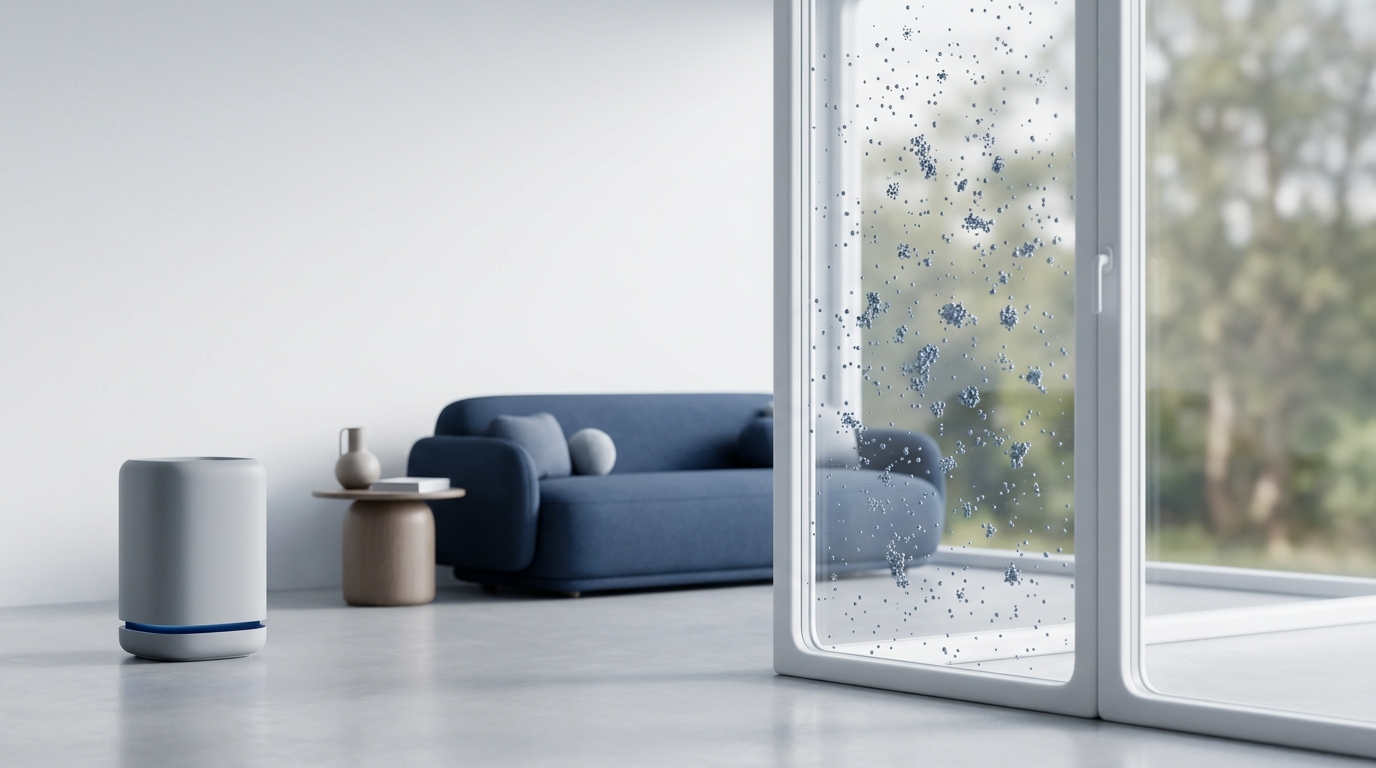
If you’ve ever wondered “windows open or closed during allergy season?”, you’re not alone. Fresh air sounds like the obvious answer—until sneezing, congestion, and itchy eyes show up. The tricky part is that outdoor air can feel clean while still carrying pollen and other tiny particles that quickly become pollen in the house, especially during peak seasons.
Think of it like glitter: once it gets inside, it doesn’t politely leave when you close the window. It spreads, settles, and shows up later when you least want it—like at bedtime.
Below is patient-friendly guidance on what tends to help most people with seasonal allergies, why timing matters, and how to improve indoor air quality without relying on open windows.
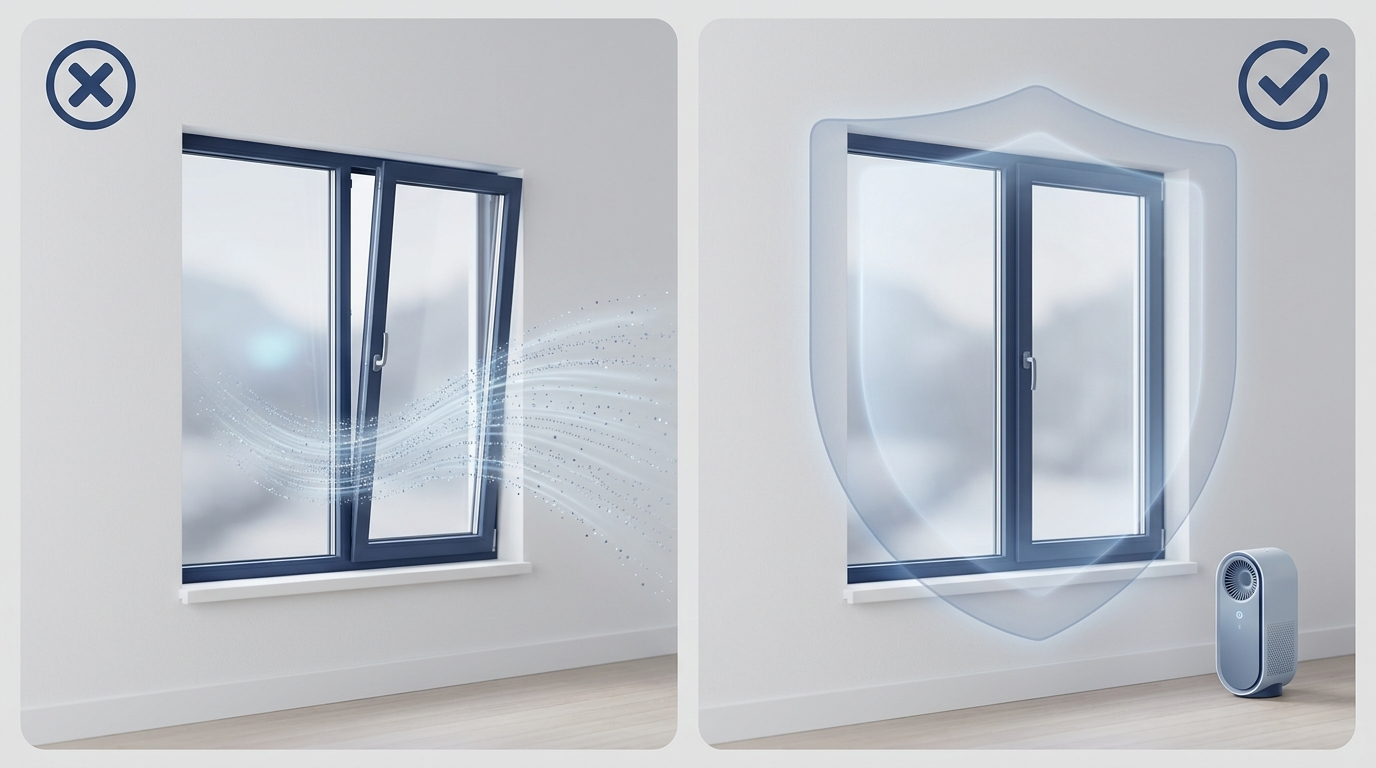
Quick Answer (For Most People With Allergies)
For most people with seasonal allergies, the simplest approach is to keep windows and doors closed during allergy season—especially on high-pollen or poor-air-quality days—to limit pollen getting indoors and building up on surfaces. If you want fresh air, it may help to ventilate strategically during lower pollen and better air quality and use filtration to reduce what comes in. (ACAAI, 2024; ACAAI, n.d.)
- Bottom line: keeping outside allergens out usually leads to fewer symptoms than airing out the home during peak season.
Why Opening Windows Can Make Allergy Symptoms Worse
Pollen doesn’t just “blow through”—it settles indoors. When windows or doors are open, pollen can drift inside and then stick around. Instead of disappearing when you close the window, it can land on carpets and rugs, upholstered furniture, bedding and pillows, and curtains and fabric shades. Once pollen settles, it can get stirred back into the air by daily life—walking through rooms, running fans, sitting on the couch, vacuuming, or pets moving around. Over time, these surfaces can act like an allergen reservoir, which can prolong symptoms even after the windows are shut.
A practical example: if you open windows for a few hours on a high-pollen afternoon, you might feel fine at first—but later that night you’re rubbing your eyes in bed because pollen has settled into fabrics and gets re-released with movement.
Indoor exposure can be constant—even when you’re trying to rest. Seasonal allergy symptoms often feel worse at night or first thing in the morning, in part because if pollen makes its way into the bedroom, you may be exposed while you sleep. Many allergists emphasize that protecting the bedroom—where you spend the most continuous hours—can make a noticeable difference in comfort.
- In short: once pollen is indoors, it lingers on soft surfaces and can keep symptoms going—especially in bedrooms.
Common Allergy Symptoms That May Flare When Windows Are Open
Seasonal allergies can look different from person to person, but common flare-ups include:
Nasal and sinus symptoms
- Sneezing, runny nose, itchy nose
- Nasal congestion/stuffy nose
- Sinus pressure or facial fullness
- Postnasal drip
Eye symptoms
- Itchy, watery, red eyes
Throat/chest symptoms (especially if asthma)
- Scratchy throat, cough
- Wheezing or shortness of breath (seek prompt care if severe)
If symptoms persist or significantly affect sleep and daily life, it may be worth learning more about allergic rhinitis and related sinus conditions. (ACAAI, 2024)
- If seasonal symptoms are disrupting your days or sleep, consider checking in with a healthcare professional.
What Brings Outdoor Allergy Triggers Indoors?
Outdoor allergens that come inside: Even if you spend most of your time indoors, outdoor allergens can enter through open windows/doors and also hitch a ride on clothing, hair, and pets. Common culprits include tree pollen (often spring), grass pollen (late spring/summer in many areas), weed pollen (often late summer/fall), and mold spores (varies with humidity and season). In other words, “indoors” and “outdoors” aren’t totally separate during allergy season—especially if you’re coming and going, exercising outside, walking the dog, or doing yardwork. (ACAAI, n.d.)
Air quality factors beyond pollen (AQI): Pollen isn’t the only concern. When air quality index (AQI) is high, opening windows can increase exposure to other irritants like fine particles (PM2.5), smoke, smog, and pollution. EPA categorizes AQI over 100 as “Unhealthy for Sensitive Groups,” which can include people with allergies or asthma. On those days, the “fresh air” you bring inside may increase indoor particle exposure—another reason keeping windows closed can help. (EPA AirNow, n.d.)
For more on this connection, see our educational guide on AQI and sinus health: https://sleepandsinuscenters.com/blog/air-quality-sinus-health
- On high-pollen or high-AQI days, closing up and filtering the air is usually kinder to your nose and lungs.
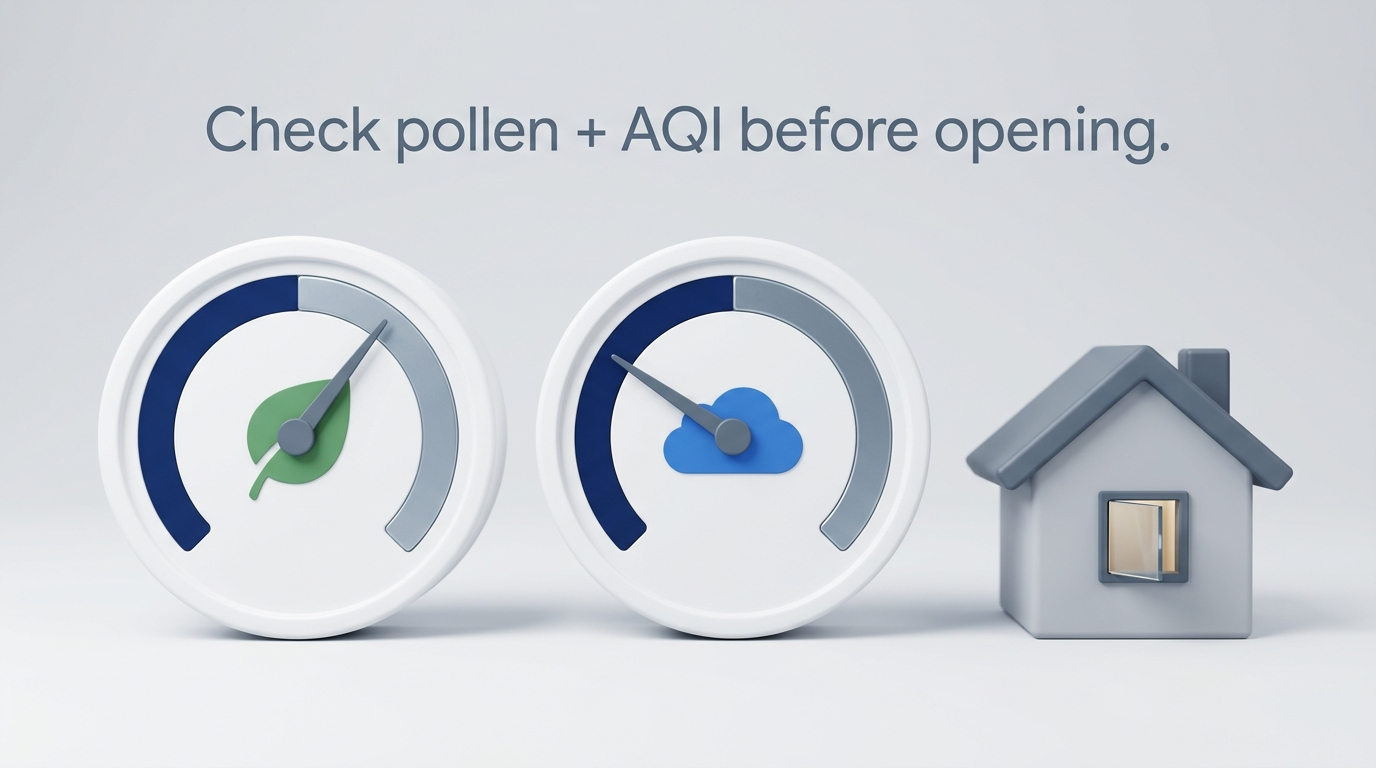
Best Times to Keep Windows Closed (Pollen + AQI Timing)
If you’re debating windows open or closed during allergy season, timing matters as much as the decision itself.
Pollen peak times: Pollen levels often rise in the morning and can climb again later in the day depending on local plants and weather; counts also spike on dry, warm, and windy days. Keeping windows shut during these peak windows may reduce how much pollen becomes pollen in the house. (ACAAI, n.d.)
A simple day plan many people tolerate better:
- Morning: keep windows closed after you’re up and moving (morning levels often rise)
- Afternoon: stay filtered (especially if windy)
- Evening: consider staying closed if local counts are elevated
Check a local tracker before making ventilation decisions. If you’re in Georgia, you can check today’s Georgia pollen levels here: https://sleepandsinuscenters.com/georgia-pollen-tracker
Extra caution on windy days and after yardwork: Wind can lift and spread pollen, and yardwork can dramatically increase exposure. Pollen can also cling to shirts, jackets, hats, and hair—then travel indoors and settle into furniture and bedding. If you’ve been outside for a while, changing clothes soon after coming in—and before sitting on upholstered furniture or lying on the bed—can help.
When AQI is elevated: If outdoor air quality is poor, it’s generally smarter to keep indoor air protected. On high-AQI days (especially >100), consider staying closed up and relying on filtration instead of outside air exchange. (EPA AirNow, n.d.)
- Plan ventilation around local pollen and AQI: when they’re up, keep windows shut; when they’re down, you may have a short window to air out.
When Is It “OK” to Open Windows During Allergy Season?
Even if you typically keep windows closed during allergy season, there are times when opening them briefly may be reasonable.
Consider opening windows only if ALL of the following are true:
- Local pollen is low
- AQI is good (ideally under 50)
- Symptoms are calm and you’re not highly sensitive that day
If you’re unsure, use your local pollen and AQI tools to decide.
Safer ways to ventilate if you do open them:
- Open for a brief period (such as 10–20 minutes) as a general guideline rather than all day
- Avoid opening bedroom windows, especially at night
- Close windows before typical peak pollen times and run filtration afterward
One more practical tip: if you’re going to “air out” the house, do it when you can also clean up afterward—like running the HVAC/air purifier and doing a quick damp-dust of surfaces.
- If you air out the home, keep it brief, skip the bedroom, and filter/clean right after.
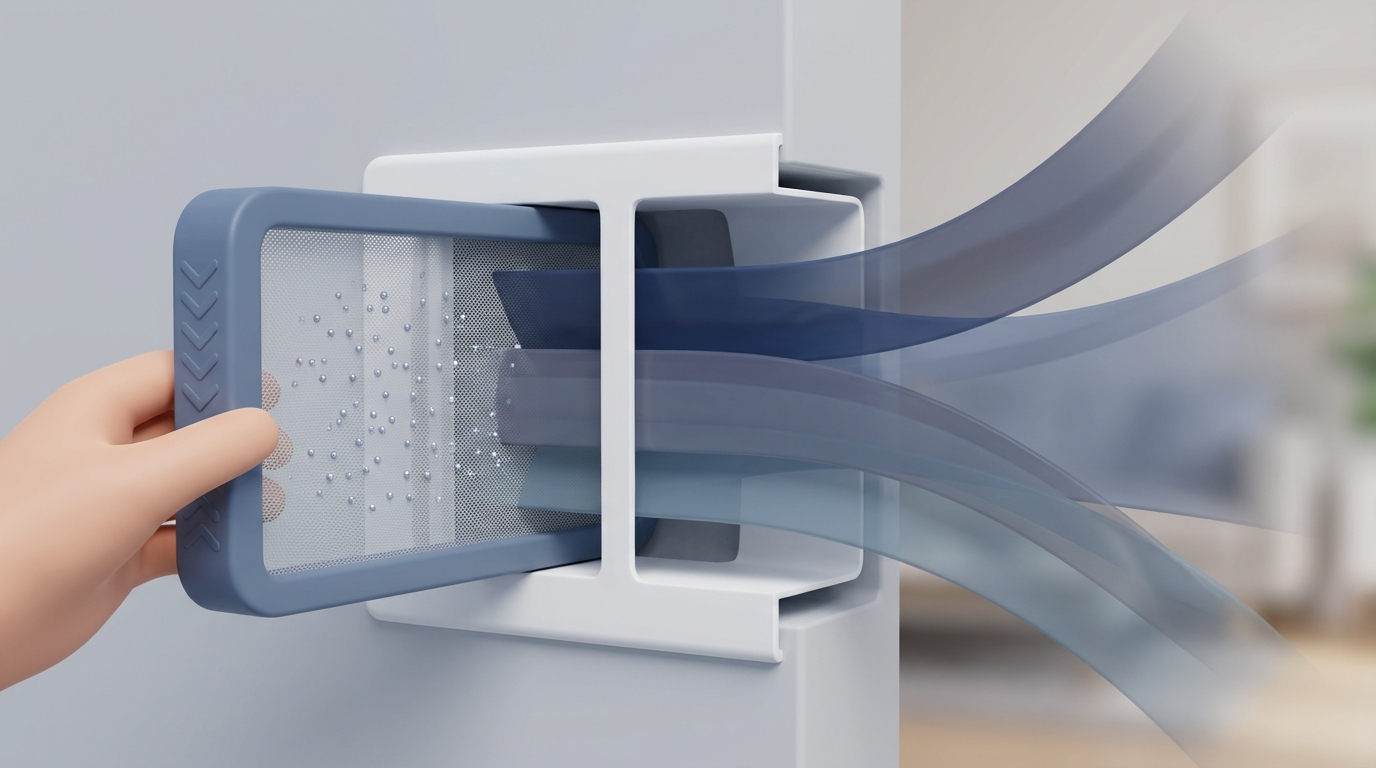
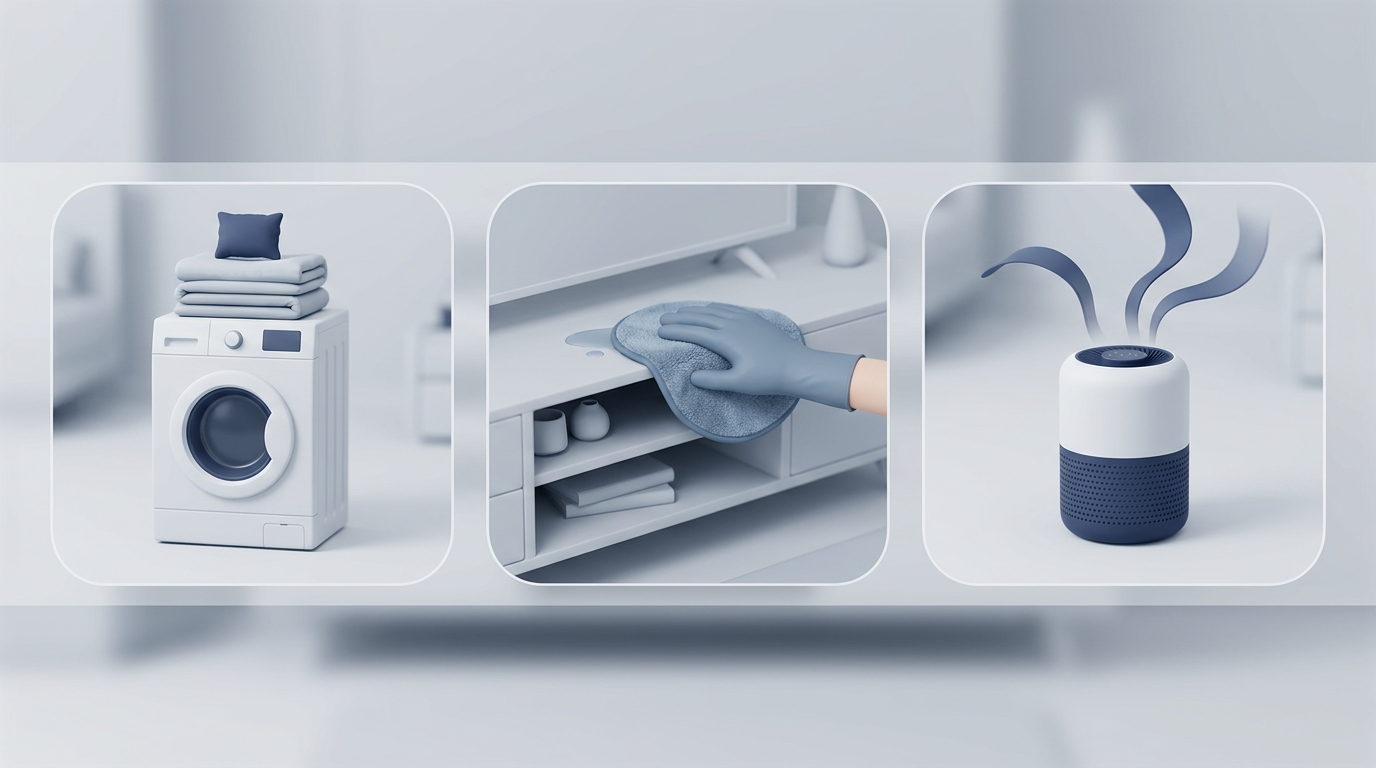
Treatments & Tools That Help You Breathe Better Without Opening Windows
If your home feels stuffy, the goal is “better airflow,” not necessarily “open windows.” These options can help you improve comfort while limiting pollen entry.
Use air conditioning the “right” way: Air conditioning can help circulate and dehumidify air while keeping outdoor allergens out. Replacing HVAC filters on schedule helps, and many systems can accommodate higher-efficiency filters (discussed using MERV ratings). Choose a filter your system can handle so airflow doesn’t drop too much. (ACAAI, 2024; EPA, n.d.)
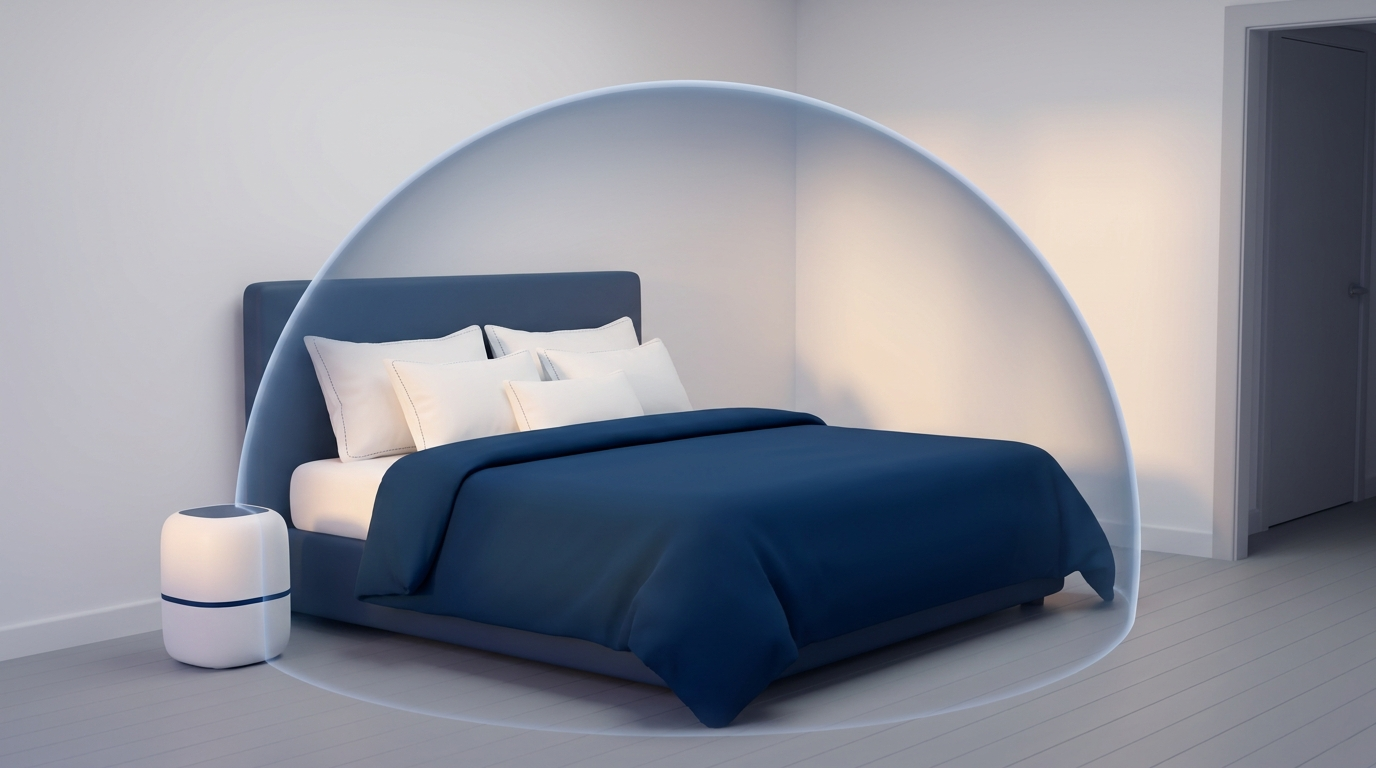
Add an air purifier (especially for bedrooms): A HEPA air purifier can reduce airborne particles that aggravate symptoms and is a popular choice for pollen—especially in the bedroom where you spend hours at a time.
Placement tips:
- Put one in the bedroom and consider one in the main living area
- Keep doors closed in the room you’re filtering for best effect
See our overview of best air purifiers for sinus sufferers: https://sleepandsinuscenters.com/blog/best-air-purifiers-for-sinus-sufferers
Reduce pollen that already got inside:
- Wash bedding weekly (hot water if fabric allows)
- Shower or rinse hair before bed to remove pollen
- Vacuum using a HEPA vacuum when possible
- Damp-dust hard surfaces (dry dusting can re-launch particles)
If you only pick one “reset” habit, many specialists suggest focusing on the bed as a low-allergen zone (bedding, pillows, hair, and pajamas). (ACAAI, n.d.; EPA, n.d.)
- AC, good filters, room HEPA, and simple cleaning habits can make closed-window days feel fresh.
Lifestyle Tips to Keep Indoor Allergens Low (Room-by-Room)
Bedroom “low-pollen” checklist:
- Keep windows closed
- Change clothes after outdoor time
- Consider allergen covers for pillows/mattress
- Keep pets out of the bed if dander is also a trigger
Living room & entryway habits:
- Use doormats and consider removing shoes at the door
- Wipe down pets after walks
- Reduce clutter (fewer surfaces for dust and pollen to settle)
If you live with someone who wants fresh air, a practical compromise can be:
- Ventilate briefly only during low pollen + low AQI
- Use kitchen and bath exhaust fans to move air without opening windows widely
- “Zone” the home: keep the bedroom strictly closed/filtered, while allowing limited ventilation in a common area only when conditions are favorable
- Small, steady habits—especially around the bedroom and entryways—go a long way in cutting indoor pollen.
When to Consider Allergy Testing or ENT/Allergy Care
Signs symptoms may need more than DIY strategies:
- Symptoms lasting for several weeks despite home measures
- Frequent sinus infections or persistent congestion/pressure
- Sleep disruption or increased snoring during allergy season
- Asthma symptoms triggered by seasonal exposure
What testing can do: Allergy testing can help identify whether you’re reacting to tree vs grass vs weeds vs mold vs dust mites, and it can guide more targeted avoidance and treatment options (including immunotherapy when appropriate). Testing and treatment plans should be personalized by a qualified provider. (ACAAI, 2024)
If you’d like help identifying your triggers and building a personalized plan, you can book an appointment with Sleep and Sinus Centers of Georgia: https://www.sleepandsinuscenters.com/
- If seasonal symptoms keep returning or affect sleep, a personalized plan from an allergy/ENT specialist can help.
FAQs
Is it better to sleep with windows open if you have allergies? Usually no during pollen season. Open windows can let pollen into the bedroom where it settles into bedding and carpets, prolonging exposure. (ACAAI, 2024; ACAAI, n.d.)
What if my house feels “stuffy” with windows closed? Consider AC, exhaust fans, and/or a HEPA purifier to improve airflow and filtration without bringing in outdoor pollen. (ACAAI, 2024; EPA, n.d.)
Does rain lower pollen enough to open windows? Sometimes pollen drops temporarily with rain, but it varies by local conditions and timing. Checking a pollen tracker and AQI first is the most reliable approach. For Georgia, see: https://sleepandsinuscenters.com/georgia-pollen-tracker (ACAAI, n.d.; EPA AirNow, n.d.)
Should I open windows if the AQI is high? Generally no. Higher AQI can mean more fine particles and pollutants that can worsen symptoms; closing windows and filtering indoor air is often preferred. (EPA AirNow, n.d.)
If I opened windows, how do I “reset” the indoor air? Close windows, run HVAC/HEPA filtration for a while, damp-dust surfaces, and wash fabrics (especially bedding) that trap pollen.
Key Takeaways
- During allergy season, keeping windows closed is usually the more comfortable option because it limits pollen entry and reduces indoor buildup. (ACAAI, 2024)
- Keep windows shut during typical higher-pollen periods and on dry, windy days, and check local tools to guide timing; in many regions, morning levels rise and may climb again later in the day. (ACAAI, n.d.)
- When the AQI is high (especially >100), closing windows and filtering indoor air can help reduce particle exposure. (EPA AirNow, n.d.)
- For day-to-day comfort, focus on a simple system: AC + appropriate filters + HEPA purifier + routine cleaning.
- In most cases, “closed and filtered” beats “open and breezy” when pollen and pollution are up.
Medical disclaimer
This article is for educational purposes only and is not medical advice. Please consult a qualified healthcare provider for diagnosis and treatment.
This article is for general education and is not a substitute for personalized medical advice, diagnosis, or treatment. If you have severe symptoms, breathing trouble, or asthma flare-ups, seek prompt medical care.
This article is provided by Sleep and Sinus Centers of Georgia for educational purposes.
References
- American College of Allergy, Asthma & Immunology (ACAAI). (2024). Stay ahead of allergies with these 7 expert tips. https://acaai.org/news/stay-ahead-of-allergies-with-these-7-expert-tips/
- American College of Allergy, Asthma & Immunology (ACAAI). (n.d.). Pollen allergy. https://acaai.org/allergies/allergic-conditions/pollen-allergy/
- U.S. Environmental Protection Agency (EPA) AirNow. (n.d.). Air Quality Index (AQI) basics. https://www.airnow.gov/aqi/aqi-basics/
- U.S. Environmental Protection Agency (EPA). (n.d.). Air cleaners and air filters in the home. https://www.epa.gov/indoor-air-quality-iaq/air-cleaners-and-air-filters-home
- MedlinePlus. (n.d.). Allergic rhinitis. https://medlineplus.gov/allergicrhinitis.html
Don’t let allergies slow you down. Schedule a comprehensive ENT and allergy evaluation at Sleep and Sinus Centers of Georgia. We’re here to find your triggers and guide you toward lasting relief.