Septoplasty Surgery Length: How Long Does the Procedure Take?
If you’re planning septoplasty, it’s normal to wonder how long you’ll be “in surgery”—and how much of the day you’ll need to set aside. The reassuring part: septoplasty is a common procedure and typically isn’t an all-day operation.
One important detail, though: procedure time is not the same as total time at the surgery center. Below, we’ll break down the typical septoplasty surgery length, what can extend it, and how to plan realistically for surgery day and recovery.
Educational sources used for general background include MedlinePlus and an NHS Trust patient information page (links in the Sources section at the end).
Quick answer—how long is septoplasty surgery?
Typical septoplasty operative time (in the operating room)
For many patients, septoplasty operative time is about 30 to 90 minutes in the operating room.
- A more straightforward deviation may take ~30–45 minutes
- More complex anatomy can take up to ~1.5 hours
Many uncomplicated septoplasties take under an hour, though total operative time can range from 30 to 90 minutes.
Why there’s a range (and why your time may be different)
Your estimated time can vary based on factors like:
- Severity and shape of the deviation (mild vs. significant C- or S-shaped bend)
- Cartilage vs. bone involvement
- Narrow nasal anatomy or bony spurs
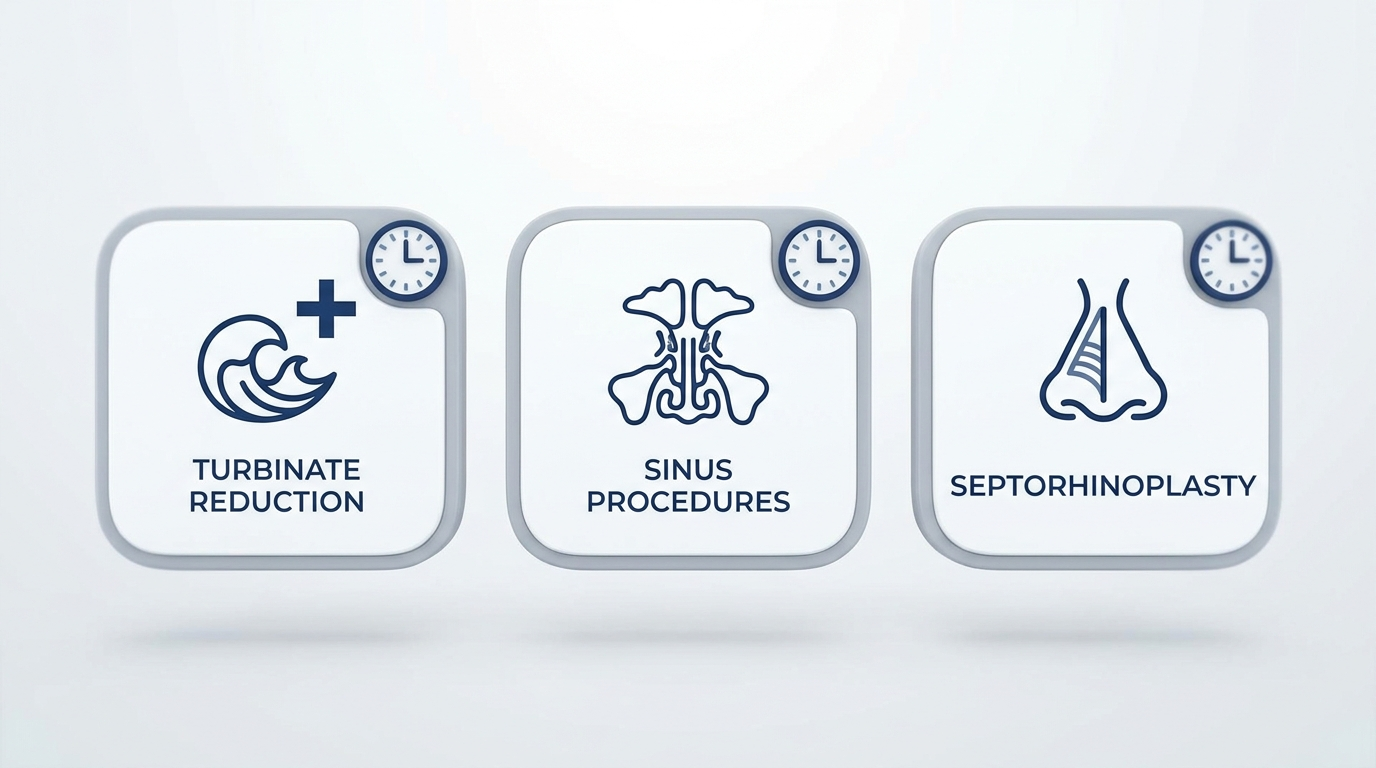
- Whether other procedures are added (for example, turbinate reduction, sinus procedures, or septorhinoplasty)
Think of it this way: straightening the septum is less like “filing down one bump” and more like carefully reshaping a support wall inside a tight space. Small differences in anatomy can change how much precise trimming and repositioning is needed.
- In short, the septoplasty itself often takes under two hours, and variation mostly reflects anatomy and any combined procedures. -

“Surgery time” vs “total time”—what to expect on procedure day
Even when the surgical portion is relatively short, your day often includes multiple steps. If you’ve never had surgery before, this can be the surprising part: the “in the operating room” time is only one slice of the day. The rest is about keeping you safe, comfortable, and appropriately monitored.

A patient-friendly timeline (typical flow)
1. Check-in (paperwork, confirmation of plans, changing)
2. Pre-op preparation (vitals, medical review)
3. Meet with the surgeon and anesthesia team
4. Anesthesia start and positioning
5. Septoplasty procedure (often 30–90 minutes)
6. Recovery room monitoring
7. Discharge instructions and coordinating your ride home
How long will I be at the facility overall?
Most people should plan for several hours total at the facility. The exact total time depends on:
- Facility workflow and scheduling
- Type of anesthesia used
- How long you’re monitored afterward
- Whether additional procedures were performed
In other words, septoplasty operative time may be under two hours, but the full visit commonly takes longer due to preparation and recovery.
- Plan for a half day door-to-door, even if your time in the OR is well under two hours. -
What happens during septoplasty (and how that affects duration)
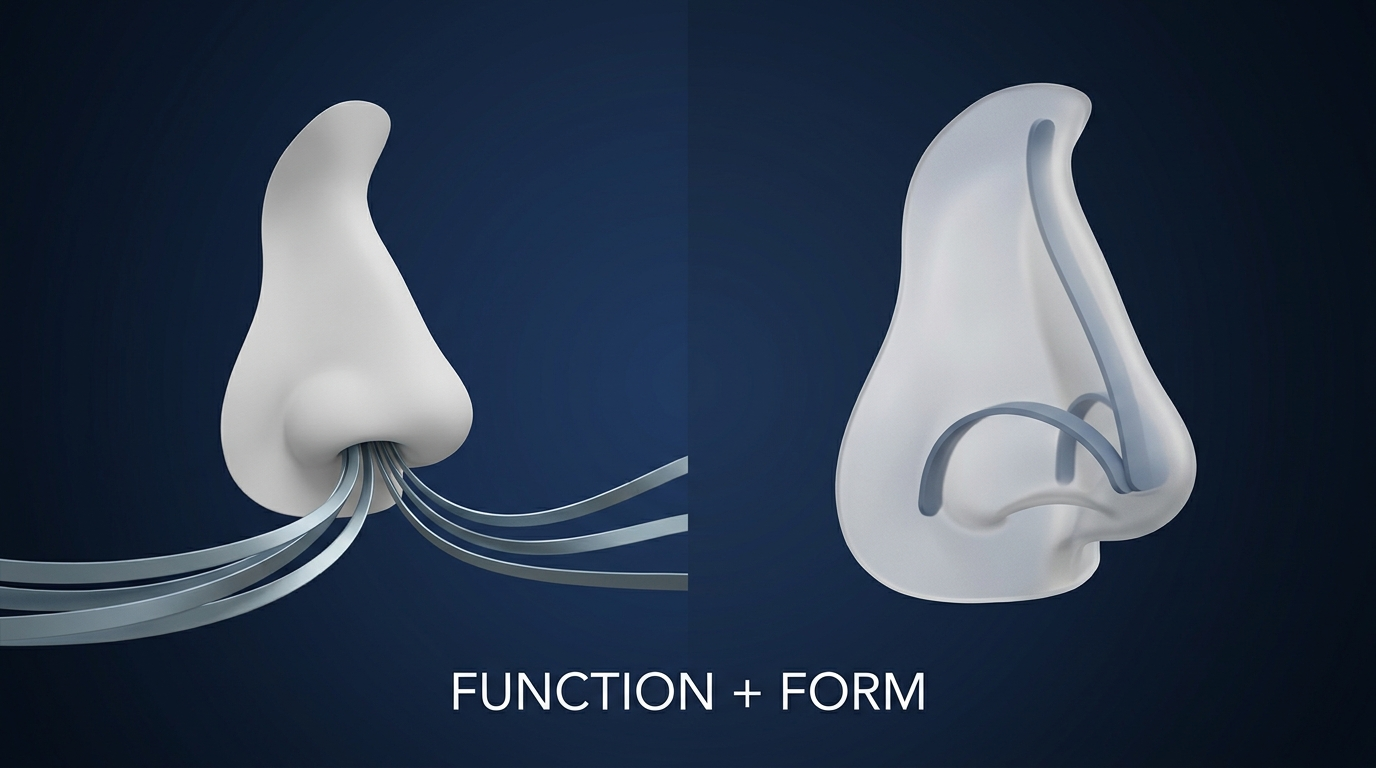
Septoplasty is designed to straighten the nasal septum (the wall between the two sides of the nose). While techniques vary, the procedure is often described in steps like these:
- An incision inside the nose (no external cut in many cases)
- Lifting the lining tissue to access the septum
- Trimming, repositioning, and/or reshaping cartilage and bone to improve airflow
- Repositioning the lining and stabilizing healing (sometimes with splints; packing depends on surgeon preference and the case)
One reason timing varies is that the surgeon may need to do a bit of “precision carpentry.” For example, a small bony spur can be straightforward, while a more complex bend—especially if both cartilage and bone are involved—can require more step-by-step reshaping and careful stabilization.
If your anatomy is more complex or access is more challenging, the operative portion may take longer—one of the main reasons septoplasty operative time varies.
Common add-ons that can extend operative time
It’s common for septoplasty to be paired with other nasal procedures, which can add time in the operating room, such as:
- Turbinate reduction (often done to address enlarged turbinates that contribute to blockage). Learn more about septoplasty with turbinate reduction: https://sleepandsinuscenters.com/blog/septoplasty-with-turbinate-reduction-combined-nasa-20260125021033
- Sinus procedures (in patients who also have chronic sinus concerns)
- Septorhinoplasty (functional correction plus structural/cosmetic changes)
A concrete example: someone who mainly has a single-sided septal bend might fall closer to the 30–45 minute end. Someone with a more pronounced S-shaped deviation plus turbinate reduction may be closer to the upper end of the typical range.
- The more that’s addressed in one setting—either anatomy complexity or additional procedures—the longer the operative time. -
Symptoms that may suggest a deviated septum (and lead to septoplasty)
Many people first explore septoplasty because day-to-day breathing feels harder than it should. Common symptoms include:
- Ongoing nasal congestion (often worse on one side)
- Trouble breathing through the nose, especially at night
- Snoring or sleep disruption
- Some people with a deviated septum also report sinus pressure or recurrent sinus symptoms
- Nosebleeds (sometimes)
- Reduced sense of smell (varies)
A practical clue many patients mention: they can breathe “okay” on one side, but the other side consistently feels limited—especially during exercise, at bedtime, or when allergies flare.
If you want a deeper overview of deviated septum symptoms and options, see deviated septum relief: https://sleepandsinuscenters.com/deviated-septum-relief
- If blockage persists on one side—especially at night or with exercise—an evaluation for a deviated septum may be worthwhile. -
Causes of a deviated septum (why the septum isn’t straight)
Common causes
A deviated septum can happen for several reasons:
- Genetics/development (some people are born with it or develop it as they grow)
- Injury/trauma (sports injuries, falls, accidents, or a prior nasal fracture)
- Changes over time (structures can shift subtly over years)
Why symptoms vary by person
Two people can have similar-looking deviations but very different symptoms. That’s because nasal breathing is also affected by:
- Swelling from allergies or irritants
- Turbinate size and congestion patterns
- Overall nasal anatomy and airflow dynamics
That’s also why the decision for surgery is usually based on symptoms plus exam findings, not just whether the septum looks “perfectly straight.”
- Structure, tissue swelling, and airflow dynamics together shape how a deviation actually feels day to day. -
Treatments before surgery (and when septoplasty becomes the best option)
Non-surgical options that may help some patients
Septoplasty is not always the first step. Depending on what’s driving symptoms, non-surgical measures may help, including:
- Saline rinses or sprays
- Allergy management (when allergies are part of the picture)
- Nasal steroid sprays (when appropriate)
- Avoiding triggers/irritants when possible
For more on non-surgical approaches, read fixing a deviated septum without surgery: https://sleepandsinuscenters.com/blog/fixing-a-deviated-septum-without-surgery-non-surgi-20260123191010
When septoplasty is commonly considered
Septoplasty is often discussed when:
- Nasal obstruction persists despite medical therapy
- Symptoms affect sleep, exercise, or daily comfort
- A structural blockage is confirmed on exam and, when needed, endoscopy or imaging
In short: medical therapy can help swelling; septoplasty addresses structure.
- Try medical therapy first when appropriate; consider septoplasty when structure—not just swelling—is the main barrier. -

Factors that most influence septoplasty surgery length
Anatomy and complexity factors
Several anatomy-related details can affect septoplasty operative time, including:
- Severe C-shaped or S-shaped deviations
- Bony spurs or thickened bone
- Prior nasal surgery (revision cases can be more complex)
- Fragile lining tissue or more bleeding than average (which can slow careful work)
Even in experienced hands, careful technique matters here. The goal is not speed—it’s safe, precise correction that supports stable healing.
Procedure-planning factors
Time can also vary based on planning and logistics, such as:
- Combined procedures (like turbinate reduction or sinus work)
- Stabilization method (splints vs. other approaches)
- Facility workflow and anesthesia considerations
If you’re comparing estimates, it’s reasonable to ask your surgeon: “Am I a straightforward septoplasty case, or is there anything about my anatomy that could make this more involved?”
- Operative time reflects the complexity of your anatomy and plan; precision and safety come first. -

Recovery timing (because “how long it takes” includes healing)
When patients ask about septoplasty surgery length, they often mean: “How long until I’m back to normal?” The procedure itself is one part; healing is the other.
Immediate recovery (first 24–72 hours)
Many patients experience:
- Congestion (often expected)
- Mild bleeding/oozing
- Fatigue and a “worn out” feeling
People often plan on extra rest, hydration, and head elevation during this early window, following the instructions provided by their surgical team.
Short-term recovery (first 1–2 weeks)
In many cases, patients return to non-strenuous activities within about a week, but timelines vary. Breathing often improves gradually as swelling decreases and the nasal passages recover.
If you have splints, you may feel “blocked” until they’re removed—so early breathing is not always a reliable preview of your final result.
Longer-term healing (weeks to months)
Internal swelling can take longer to fully settle. Follow-up visits are important—especially if splints are used or if the surgeon needs to clear crusting to support comfortable healing.
For a deeper walkthrough, see septoplasty recovery week by week: https://sleepandsinuscenters.com/blog/septoplasty-recovery-week-by-week-complete-timelin-20260123051106. You may also find it helpful to read how long nasal surgery recovery takes: https://sleepandsinuscenters.com/blog/how-long-does-nasal-surgery-recovery-take
- Expect steady, gradual breathing improvement as swelling resolves over weeks to months. -
Lifestyle and planning tips to make procedure day smoother
Before surgery (practical checklist)
Planning ahead can reduce stress on surgery day:
- Arrange a ride home and support for the first night
- Ask your surgeon about:
- Which medications or supplements to pause (if any)
- Fasting rules
- What to bring and what to avoid wearing/bringing
One simple planning tip: treat it like a “half-day appointment,” even if the operation itself is under an hour. Having your calendar clear helps you rest and follow instructions without rushing.
After surgery (reduce setbacks)
General post-op instructions vary, but many plans include avoiding things that increase pressure or bleeding risk early on, such as heavy straining. It’s also common to be asked to delay nose blowing until cleared and to use saline care only as directed. Keeping follow-up appointments helps your team track healing and address concerns early.
- A little advance planning—and sticking to post-op instructions—can make recovery smoother and safer. -
Septoplasty Surgery Length FAQs
How long does septoplasty take from start to finish?
The procedure itself often takes 30–90 minutes, but total time at the facility is often several hours once check-in, anesthesia, and recovery monitoring are included.
Can septoplasty take 2 hours or longer?
It can—especially in complex anatomy or when combined with other procedures. Sometimes what makes the day feel “long” is not the surgical portion, but the added steps around anesthesia, preparation, and recovery.
Does turbinate reduction add time?
Often yes. Turbinate reduction is a common add-on and may extend operative time. Related: septoplasty with turbinate reduction: https://sleepandsinuscenters.com/blog/septoplasty-with-turbinate-reduction-combined-nasa-20260125021033
Is septoplasty outpatient?
Septoplasty is commonly performed as an outpatient procedure, meaning many patients go home the same day. Your plan depends on your health history and your surgical team’s protocols.
How soon will I breathe better?
Some people notice improvement as early swelling starts to resolve, but breathing changes are typically progressive. Full healing can take longer.
Will I have packing or splints—and does that affect recovery time?
This varies by surgeon and by case. If you’re comparing options, it’s reasonable to ask what your surgeon typically uses and why, and how that impacts follow-up and comfort.
- For most patients, the septoplasty itself is under two hours; the full visit is longer because of safe anesthesia and recovery steps. -
When to contact your surgeon after septoplasty (safety section)
Follow the specific instructions you’re given, and contact your surgical team urgently if you notice:
- Heavy bleeding that won’t slow
- Fever or worsening pain
- Foul-smelling drainage
- Vision changes, severe headache, or increasing facial swelling
- Trouble breathing
For a more detailed overview, see septoplasty risks and complications: https://sleepandsinuscenters.com/blog/septoplasty-complications-risks-symptoms-and-how-t-20260328011157
- If something feels off—especially heavy bleeding, fever, or vision changes—call your surgeon promptly. -
Conclusion: What to remember about septoplasty surgery length
For most patients, septoplasty operative time is about 30–90 minutes, with longer times typically linked to anatomy complexity or combined procedures. The bigger planning takeaway: set aside several hours for the facility visit, and give yourself time to recover afterward.
If you’d like a personalized estimate and a clear plan based on your anatomy and symptoms, you can request an evaluation with Sleep and Sinus Centers of Georgia (you can book an appointment online here): https://sleepandsinuscenters.com/appointments
- The operation is usually under two hours; plan your day for prep, anesthesia, and recovery too. -
Considering alternatives?
In some cases, patients also ask about less invasive options. Our practice offers a branded option, ClearPath Balloon Septoplasty, which is different from traditional septoplasty and distinct from balloon sinuplasty for the sinuses. Read more here: https://sleepandsinuscenters.com/blog/balloon-septoplasty-with-clearpath-a-less-invasive-fix-for-a-deviated-septum
- Ask whether a less invasive, office-based approach is appropriate for your anatomy and goals. -
Sources (general educational references)
- MedlinePlus (Septoplasty patient info): http://medlineplus.gov/ency/patientinstructions/000246.htm
- NHS Trust patient information page (Septoplasty overview): https://www.uhsussex.nhs.uk/resources/septoplasty-and-septorhinoplasty/
Medical disclaimer
This article is for general education and is not a substitute for medical advice, diagnosis, or treatment. Always follow the guidance of your surgeon and care team.
This article is for educational purposes only and is not medical advice. Please consult a qualified healthcare provider for diagnosis and treatment.
Don’t let allergies slow you down. Schedule a comprehensive ENT and allergy evaluation at Sleep and Sinus Centers of Georgia. We’re here to find your triggers and guide you toward lasting relief.