Septoplasty and Turbinoplasty: Benefits, Procedure, Recovery, and Risks
Feeling like you can’t get a full breath through your nose—despite sprays, allergy meds, or rinses—can sometimes be due to structural factors as well as inflammation. Two common procedures used to address long-term nasal blockage are septoplasty and turbinoplasty. When appropriate, they may improve nasal airflow, day-to-day comfort and sleep-related breathing.
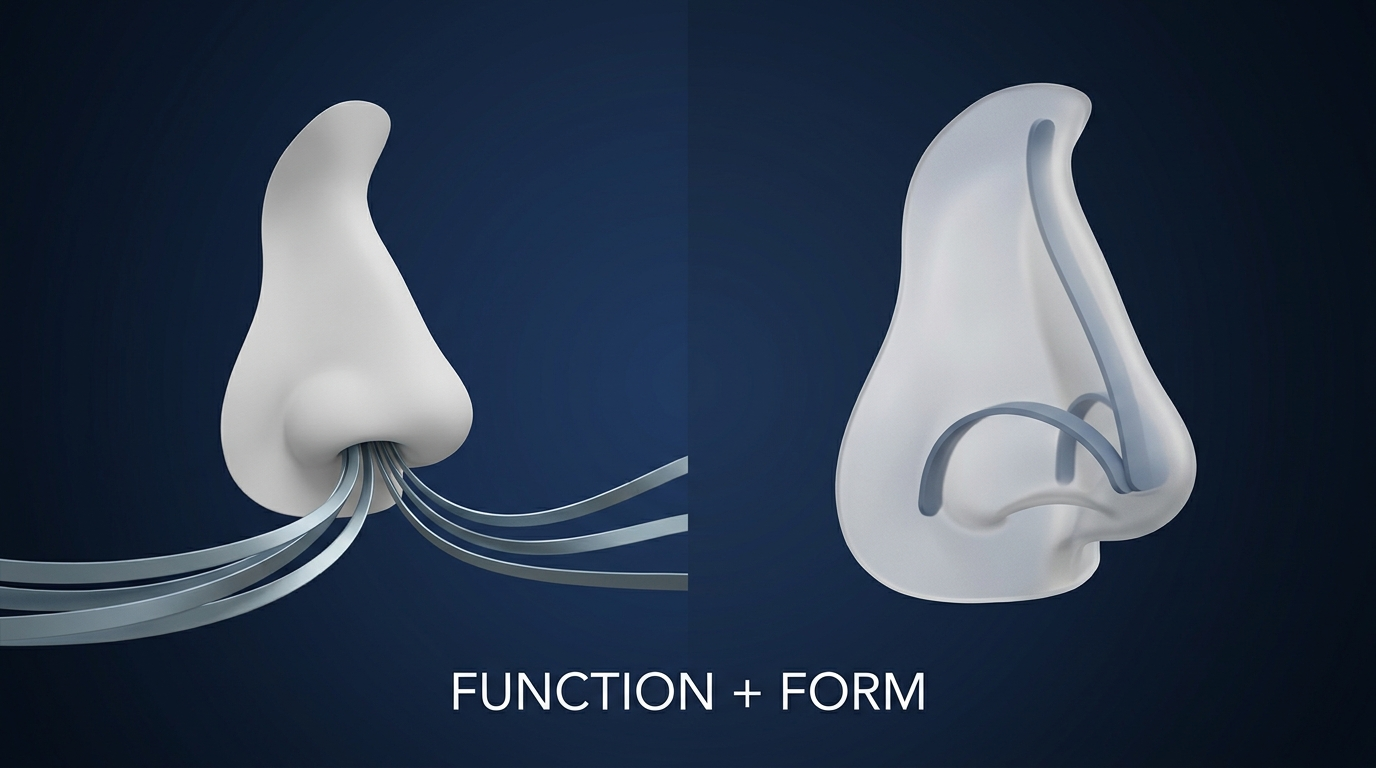
A helpful way to picture it: if the nose is a hallway, a crooked “wall” (the septum) and bulky “furniture” (the turbinates) can narrow the passage. Medications may shrink swelling, but they can’t straighten a wall.
Below is an educational overview of what these surgeries do, who may benefit, what recovery is usually like, and which risks to understand before considering nasal obstruction surgery.
What Are Septoplasty and Turbinoplasty?
Septoplasty (what it treats and what it changes)

A septoplasty is a type of deviated septum surgery that straightens or repositions the nasal septum—the cartilage and bone “wall” between the nostrils. If the septum is off-center, it can narrow one (or both) sides of the nose and contribute to chronic stuffiness.
- Goal: improve airflow and reduce blockage
- What changes: internal alignment of cartilage/bone
- What usually does not change: the outside appearance of the nose (unless combined with rhinoplasty)
Many patients describe a pattern like: “One side always feels blocked,” or “I can only breathe well when I sleep on a certain side.” Those clues can point to an anatomic bottleneck.
If you’re exploring symptoms and next steps, see our overview on deviated septum relief: https://sleepandsinuscenters.com/deviated-septum-relief
In short: septoplasty aims to straighten the “wall” inside your nose to help air move more freely.
Turbinoplasty / Turbinate Reduction (what it treats and what it changes)
Turbinates are soft, curved structures inside the nose that help warm, filter, and humidify air. They can become enlarged (turbinate hypertrophy) from allergies, chronic irritation, or compensation for a narrowed nasal passage.
Turbinoplasty is one type of turbinate reduction procedure. It reduces excess turbinate tissue while aiming to preserve normal function—so air can pass through more freely without making the nose feel overly dry. The goal isn’t “remove turbinates,” but rather “right-size them.”
For options and terminology, read: https://sleepandsinuscenters.com/blog/everything-you-need-to-know-about-turbinate-reduction
Bottom line: turbinate reduction focuses on “right-sizing” the nose’s internal “furniture” while keeping its natural function.
Why these procedures are often done together
A deviated septum and enlarged turbinates frequently coexist. Addressing only one “bottleneck” can leave the other still limiting airflow. In appropriately selected patients with both septal deviation and turbinate enlargement, combined surgery may provide greater symptom relief than septoplasty alone. [2,3]
Put simply: if both the “wall” and the “furniture” are crowding the hallway, treating both may help the most—when the anatomy supports it.
Signs You Might Need Septoplasty and/or Turbinoplasty (Symptoms)
Common nasal obstruction symptoms
People who consider these procedures often describe:
- One-sided or alternating nasal stuffiness that doesn’t respond well to medication
- Difficulty breathing through the nose during exercise (for example, feeling like you “run out of air” faster than expected)
- Mouth breathing and waking with a dry mouth
- Reduced sense of smell (in some cases)
A common day-to-day example: you can breathe a bit better after a hot shower or saline rinse, but the relief is incomplete—and the blockage returns quickly.
If congestion consistently returns despite reasonable medical therapy, a structural component may be part of the picture.
Sleep-related symptoms (why ENT evaluation matters)

Nasal blockage can affect sleep quality—even if the underlying issue isn’t only the nose.
- Snoring that worsens with congestion
- Frequent waking due to a “blocked nose” sensation
- Difficulty tolerating CPAP due to nasal resistance (an ENT evaluation can help sort out causes and options)
If CPAP feels like it’s “pushing against a closed door,” it may be worth checking whether nasal resistance is part of the problem.
Better nasal airflow can support sleep comfort, but a full sleep and airway evaluation determines the best path forward.
When symptoms suggest something else
Not all congestion is structural. Persistent symptoms may also involve:
- Nasal polyps
- Chronic sinusitis
- Nasal valve collapse
- Allergies or chronic (non-allergic) rhinitis
An in-person evaluation is important because treatment depends on what’s actually causing the obstruction—and it’s common for more than one factor to be present at the same time.
An exam clarifies whether inflammation, anatomy, or both are driving your symptoms.
What Causes a Deviated Septum and Enlarged Turbinates?
Deviated septum causes
A deviated septum can result from:
- Natural growth and development
- Injury (sports, falls, accidents)
- Congenital (present at birth) differences in anatomy
Some people don’t notice a deviation until later, when allergies, aging-related tissue changes, or a new irritant exposure makes a narrow passage feel “too narrow.”
Turbinate hypertrophy causes
Turbinates may enlarge due to:
- Allergic rhinitis and environmental triggers
- Chronic non-allergic rhinitis/irritation
- Compensatory enlargement (one side enlarges because the other side is narrowed)
A typical scenario: the septum leans to one side, and the opposite turbinate grows larger over time—like the nose is trying to “balance” airflow, but ends up reducing it.
Why “sprays aren’t working anymore” can happen
If the main problem is structural, sprays may reduce swelling but not fully open the airway. Also, frequent use of topical decongestant sprays can cause rebound congestion in some people—another reason persistent blockage is worth evaluating rather than self-treating long term.
Causes often overlap; targeted treatment starts with understanding which factors apply to you.
Before Surgery: Diagnosis, Testing, and Non-Surgical Treatments to Try First
How ENTs diagnose the problem
Evaluation commonly includes:
- Symptom history (timing, triggers, one-sided vs two-sided blockage)
- Physical exam
- Nasal endoscopy (a small camera used to view deeper structures). Many patients describe it as pressure rather than pain; it helps pinpoint where airflow is blocked.
- Sometimes a CT scan if sinus disease is suspected
A simple but useful question you may be asked is what you’ve already tried—and what actually helped, even temporarily. That often clarifies whether inflammation, anatomy, or both are driving symptoms.
First-line (non-surgical) treatments
Before considering nasal obstruction surgery, many people try:
- Saline rinses
- Steroid nasal sprays
- Allergy management (environmental control, medications as appropriate)
- Identifying irritant triggers (smoke, strong odors, workplace exposures)
These treatments are still valuable even if surgery is eventually recommended, because calmer tissue tends to heal better—and ongoing rhinitis control can protect long-term results.
When surgery may become the best option
Surgery may be considered when symptoms persist despite appropriate medical therapy and the obstruction is clearly linked to anatomy—especially when it impacts sleep, exercise, or daily quality of life.
Start with accurate diagnosis and medical therapy; consider surgery when anatomy remains the clear limiting factor.
Benefits of Septoplasty and Turbinoplasty (What Patients May Expect to Improve)
Improved nasal airflow and breathing comfort
Many patients experience:
- Less day-to-day “blocked nose” sensation
- Easier breathing during activity
- Fewer cycles of congestion from side to side
For many, the improvement shows up in small moments: being able to keep your mouth closed while walking, feeling less “stuffy” on video calls, or not needing to plan your day around congestion.
Better patient-reported symptom scores (what research shows)
In appropriate patients, septoplasty has been associated with improved patient-reported outcomes such as SNOT-22 at around 6 months compared with continued medical management. [1] Other studies and reviews suggest that, in appropriately selected patients with both issues, septoplasty with turbinate reduction may provide greater symptom relief than septoplasty alone. [2,3]
Sleep and quality-of-life benefits (realistic framing)
Some people report less snoring and better sleep comfort after nasal breathing improves. However, nasal surgery is not a guaranteed cure for obstructive sleep apnea; it may be one part of a broader airway and sleep plan.
Benefits vary by patient; for many, everyday breathing feels easier and more natural after healing.
Septoplasty + Turbinoplasty Procedure (Step-by-Step Overview)

Anesthesia and setting
These procedures are commonly performed as outpatient surgery. Depending on the plan and patient factors, anesthesia may involve local anesthesia with sedation or general anesthesia.
Septoplasty: what happens during surgery
Typical steps include:
- An incision inside the nose (no external cut in standard septoplasty)
- Lifting the thin lining over the septum
- Reshaping, repositioning, or removing small portions of cartilage/bone to open the airway
- Sometimes placing soft splints; packing is used in some cases but not all (technique varies)
Think of it less like “taking everything out” and more like “making small internal adjustments” so the passage isn’t pinched.
Turbinoplasty techniques (patient-friendly comparison)
There are multiple ways to perform turbinate reduction, and the best choice depends on anatomy and surgeon preference.
- Radiofrequency turbinate reduction: uses controlled energy to shrink tissue; widely used and generally well tolerated, with low complication rates reported in the literature. [4]
- Microdebrider-assisted turbinoplasty: removes tissue precisely while preserving surface lining (mucosa), which helps keep normal turbinate function. [3]
- Laser-based reduction: used in some settings; technique varies and is selected case-by-case. [3]
How long surgery takes + immediate post-op expectations
Total time varies by complexity, but many combined cases are completed within a typical outpatient timeframe. Afterward, most patients go home the same day with detailed instructions for rinses, activity limits, and follow-up.
The goal is to open the airway while preserving normal nasal function, using techniques tailored to your anatomy.
Recovery Timeline (What Healing Usually Feels Like)

First 24–72 hours
Common experiences include:
- Congestion/pressure (often more than pain)
- Mild oozing or blood-tinged drainage
- Fatigue; many people rest with head elevation
It’s common to breathe worse at first because swelling and dried blood temporarily narrow the space—this is usually part of normal healing.
Week 1
This is often the “most congested” phase due to swelling and crusting.
- If splints are placed, they’re commonly removed at an early follow-up (timing varies)
- Discomfort is usually manageable with the post-op plan provided by your surgeon
Many patients say the main annoyance is feeling “stuffy and full,” rather than sharp pain.
Weeks 2–4
Many people notice gradual improvement:
- Breathing starts to open as swelling decreases
- Crusting improves with consistent saline care
- Return to normal routines is common, though exercise restrictions vary
1–3 months and beyond
Healing continues over time, and final breathing results can take weeks to months as tissues remodel.
For more detail, see septoplasty recovery week-by-week: https://sleepandsinuscenters.com/blog/septoplasty-recovery-week-by-week-complete-timeline-20260123051106
Expect swelling early, steady improvement by weeks 2–4, and continued gains over several months.
Post-Op Care Tips (Lifestyle + Home Care)
Do’s
- Use saline rinses as directed
- Consider a humidifier if your home air is dry
- Sleep with head elevated early on
- Attend follow-ups (cleaning/debridement may be recommended for comfort and healing)
Don’ts
- Follow your surgeon’s specific instructions about when to resume nose blowing
- Avoid heavy lifting/straining early in recovery
- Avoid smoking/vaping, which can irritate tissue and slow healing
Comfort questions patients commonly have
- Ice packs may help swelling if approved in your instructions
- Hydration and gentle walking can support energy and comfort
- Constipation prevention can matter if pain medication is used (diet, fluids, and a plan discussed with your care team)
Your surgeon’s instructions should guide your recovery—consistent saline care and follow-up make a real difference.
Risks and Complications (Clear, Non-Alarming, Honest)

Common/expected side effects
- Temporary congestion, crusting, and mild bleeding
- Temporary changes in smell
Less common but important risks
- Infection or significant bleeding
- Septal perforation (a hole in the septum)
- Adhesions/synechiae (scar bands inside the nose)
- Persistent obstruction or need for revision surgery
- Over-resection concerns with turbinates (reason why preserving turbinate function is important)
When to call your surgeon urgently
Seek urgent guidance for:
- Heavy bleeding that won’t stop
- Fever, worsening pain, foul drainage
- Vision changes, severe headache, or neck stiffness (rare, but urgent)
Serious complications are uncommon, but knowing when to call helps keep recovery on track.
Septoplasty Alone vs Septoplasty + Turbinoplasty: Which May Be Better?
Why septoplasty alone may not fully solve obstruction
If turbinate hypertrophy is a major contributor, straightening the septum may help—but airflow may still be limited.
What evidence suggests
Studies indicate combined surgery may provide greater symptom improvement than septoplasty alone for many appropriately selected patients with both issues. [2,3]
How an ENT decides what you need
Decision-making typically considers:
- Endoscopy findings and where airflow is tightest
- Symptom pattern and severity
- Response to medical therapy
- Allergy/rhinitis status
The plan is individualized: the best results come from treating the specific pinch points affecting your airflow.
Frequently Asked Questions (FAQs)
Does septoplasty hurt?
Many people describe more pressure and congestion than severe pain. Experience varies, and your surgeon will outline a comfort plan.
How long will I be congested after septoplasty/turbinoplasty?
Congestion is common in the first week and often improves over weeks 2–4, with continued improvement over the next couple of months.
Will my nose look different after surgery?
Standard septoplasty and turbinate reduction are usually internal and typically do not change the outer appearance of the nose.
Can turbinates grow back after turbinate reduction?
Some turbinate tissue can re-enlarge over time, especially if underlying allergies or rhinitis remain active. Long-term control of inflammation can matter.
When can I return to work, exercise, and flying?
This depends on your healing, your job demands, and your surgeon’s plan. Many return to desk work relatively soon; strenuous exercise may require more time.
Will surgery fix snoring or sleep apnea?
Improved nasal breathing can help sleep comfort and reduce nasal resistance, but it isn’t a guaranteed cure for sleep apnea.
Is septoplasty covered by insurance?
Septoplasty is often covered when done for functional breathing obstruction (rather than cosmetic goals). Coverage and documentation requirements vary by plan.
When to See an ENT for Nasal Obstruction
Quick self-check signs you shouldn’t ignore
- Nasal blockage most days for months
- Dependence on decongestant sprays
- Sleep disruption or CPAP intolerance linked to congestion
- Recurrent sinus infections/pressure symptoms
If nasal blockage is affecting your sleep, exercise, or daily comfort, an evaluation can clarify whether medications, allergy management, or septoplasty and turbinoplasty (or other options) are most appropriate. To book an appointment: https://sleepandsinuscenters.com/appointments
If persistent nasal blockage limits your daily life, a focused exam can help identify the right next step.
References
1. BMJ (2023). Septoplasty vs continued medical management; improved patient-reported outcomes (including SNOT-22) at ~6 months. https://www.bmj.com/content/383/bmj-2023-075445
2. PubMed (2023/2024). Evidence supporting septoplasty with turbinate reduction improving symptoms vs septoplasty alone. https://pubmed.ncbi.nlm.nih.gov/37991145
3. NCBI/PMC Review. Turbinate reduction techniques and combined approach discussion. https://pmc.ncbi.nlm.nih.gov/articles/PMC10123449/
4. NCBI/PMC. Radiofrequency turbinate reduction outcomes/complications. https://pmc.ncbi.nlm.nih.gov/articles/PMC5083642
5. Mayo Clinic. Septoplasty overview, expectations, and risks. https://www.mayoclinic.org/tests-procedures/septoplasty/about/pac-20384670
“This article is for educational purposes only and is not medical advice. Please consult a qualified healthcare provider for diagnosis and treatment.”
Don’t let allergies slow you down. Schedule a comprehensive ENT and allergy evaluation at Sleep and Sinus Centers of Georgia. We’re here to find your triggers and guide you toward lasting relief.