Quercetin for Allergies: Does It Really Work for Allergy Relief?
Seasonal allergies can turn everyday life into a loop of sneezing, congestion, watery eyes, and fatigue. It’s no surprise many people look for “natural” options alongside standard treatments—and quercetin is one of the most talked-about supplements. But does it actually help?
Below is an evidence-based, patient-friendly breakdown of what quercetin is, how it may work, what research says so far, and how it fits (realistically) into an allergy relief plan.
Quick Answer (TL;DR)
What quercetin might do: Quercetin may help mild seasonal allergy symptoms by acting as a mast cell stabilizer—meaning it may reduce histamine release and dampen inflammatory signaling involved in allergy symptoms. Evidence includes animal/lab research and a small number of human studies, so support is promising but limited. [1][4]
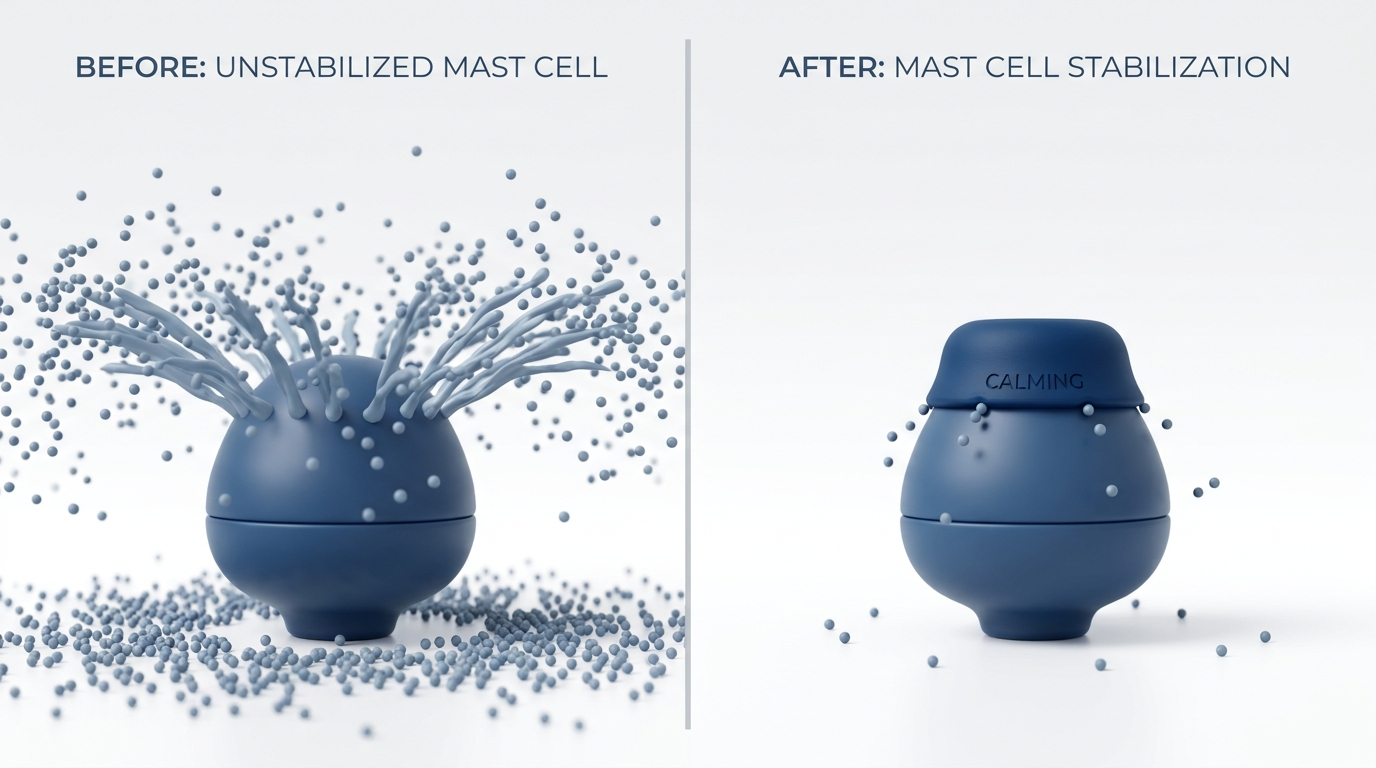
A simple way to picture it: if mast cells are “alarm buttons” that set off histamine, quercetin may make those buttons a little less hair-trigger—at least in some people.
What major health authorities say: The National Center for Complementary and Integrative Health (NCCIH) notes there’s insufficient evidence to recommend quercetin as a proven treatment for allergic rhinitis (hay fever). It’s best viewed as complementary, not a replacement for well-studied therapies. [2]
Who should not rely on it: If symptoms are moderate to severe, if you have asthma flares, or if there’s any history of anaphylaxis, supplements should never be your main plan. Evidence-based care and clinician guidance matter most.
In short: quercetin may help some people with mild symptoms, but it’s not a substitute for proven allergy treatments.
Allergies 101—What’s Happening in Your Body?
Common allergy symptoms (especially allergic rhinitis)
- Sneezing, runny nose, nasal congestion, post-nasal drip
- Itchy/watery eyes, itchy nose or throat
- Sinus pressure, fatigue, poor sleep
For a deeper overview, start with Sleep and Sinus Centers of Georgia’s explanation of allergies and how they work: https://sleepandsinuscenters.com/what-are-allergies
You may also hear these symptoms called allergic rhinitis (hay fever): https://sleepandsinuscenters.com/blog/what-is-allergic-rhinitis-hay-fever
Why symptoms happen: histamine + inflammation
When you’re exposed to triggers (like pollen, dust mites, pet dander, or mold), your immune system can treat them like a threat. That kicks off a cascade of chemical signals that drive classic allergy symptoms.
In everyday life, this might look like: you feel fine indoors, then you mow the lawn (or walk the dog on a high-pollen day), and suddenly your nose is running and your eyes won’t stop watering.
The role of mast cells
A key player is the mast cell, an immune cell that can release histamine and other inflammatory molecules. Histamine contributes to itching, sneezing, runny nose, and watery eyes. Quercetin is often discussed in allergy circles because research suggests it may help reduce mast cell “degranulation” (the process of releasing histamine and other mediators). [1][4]
In short: allergies are driven by overactive immune signaling—especially histamine from mast cells—which is why stabilizing those pathways can matter.

What Is Quercetin?
Quercetin as a flavonoid
Quercetin is a plant compound (flavonoid) found naturally in many foods. It’s studied for antioxidant and anti-inflammatory effects, including a potential role in allergy pathways. [1]
Food sources vs supplements
- Apples (especially the skin)
- Onions
- Berries
- Leafy greens
- Capers
Supplements are typically capsules or tablets. Some products combine quercetin with vitamin C or bromelain—these are common formulations, but combinations make it harder to know what ingredient is driving any benefit (or side effects). [5][6]
A practical takeaway: eating quercetin-rich foods is straightforward, while supplements add variables like dose, formulation, and interactions.
In short: quercetin is a food-derived flavonoid; supplements are optional and introduce more moving parts.
How Quercetin Might Help Allergies (Mechanism)
Mast cell stabilization
One of the most-cited reasons people try quercetin for allergies is its potential role as a mast cell stabilizer—meaning it may reduce the release of histamine and other allergy mediators. [1]
Think of mast cells like a sprinkler system meant for fires. In allergies, it “sprays” too easily. Quercetin may help calm that over-response—based mostly on preclinical evidence.
Anti-inflammatory effects
Allergies aren’t just about histamine. Inflammatory signaling (including cytokines) can prolong or intensify symptoms. Quercetin appears to influence multiple inflammatory pathways in preclinical research. [1][3]
What this means for symptoms
Mechanistically, quercetin could be relevant for sneezing, itching, and runny nose—especially when symptoms are mild. It’s less likely (based on current evidence) to be a standalone answer for significant congestion or severe, persistent symptoms.
In short: the biology makes sense, but real-world impact tends to be modest and is best for mild symptom patterns.
What the Research Actually Says (Evidence Overview)
Animal and lab studies: promising but not definitive
Preclinical research helps explain why quercetin is sometimes called a “natural antihistamine” (though it’s not the same as an antihistamine drug). Studies suggest quercetin can influence allergic inflammation and mast cell activity—but animal data doesn’t guarantee the same results in humans. [4]
Human studies: some signal for seasonal allergies (pollinosis)
A few human studies—often using quercetin-containing supplements—suggest improvements in seasonal allergy symptom scores. This is where you’ll see claims about quercetin for pollinosis and “quercetin allergy relief.” The catch: studies may be small, may use combination products, and may vary widely in dose and duration. [3]
Why evidence is called “mixed”
Overall results are difficult to interpret because studies differ in:
- Formulation (pure quercetin vs blends)
- Dose and timing
- Study length
- Measured outcomes (symptom scores, quality of life, medication use, etc.)
NCCIH verdict: insufficient evidence for allergic rhinitis
Even with plausible mechanisms, the NCCIH position remains important: there is insufficient evidence to support quercetin as a proven treatment for allergic rhinitis. That’s why quercetin is best framed as optional and complementary, not primary therapy. [2]
In short: early human data is encouraging but inconsistent—so quercetin remains a “maybe,” not a mainstay.
Symptoms Quercetin Might Help vs Symptoms It Probably Won’t
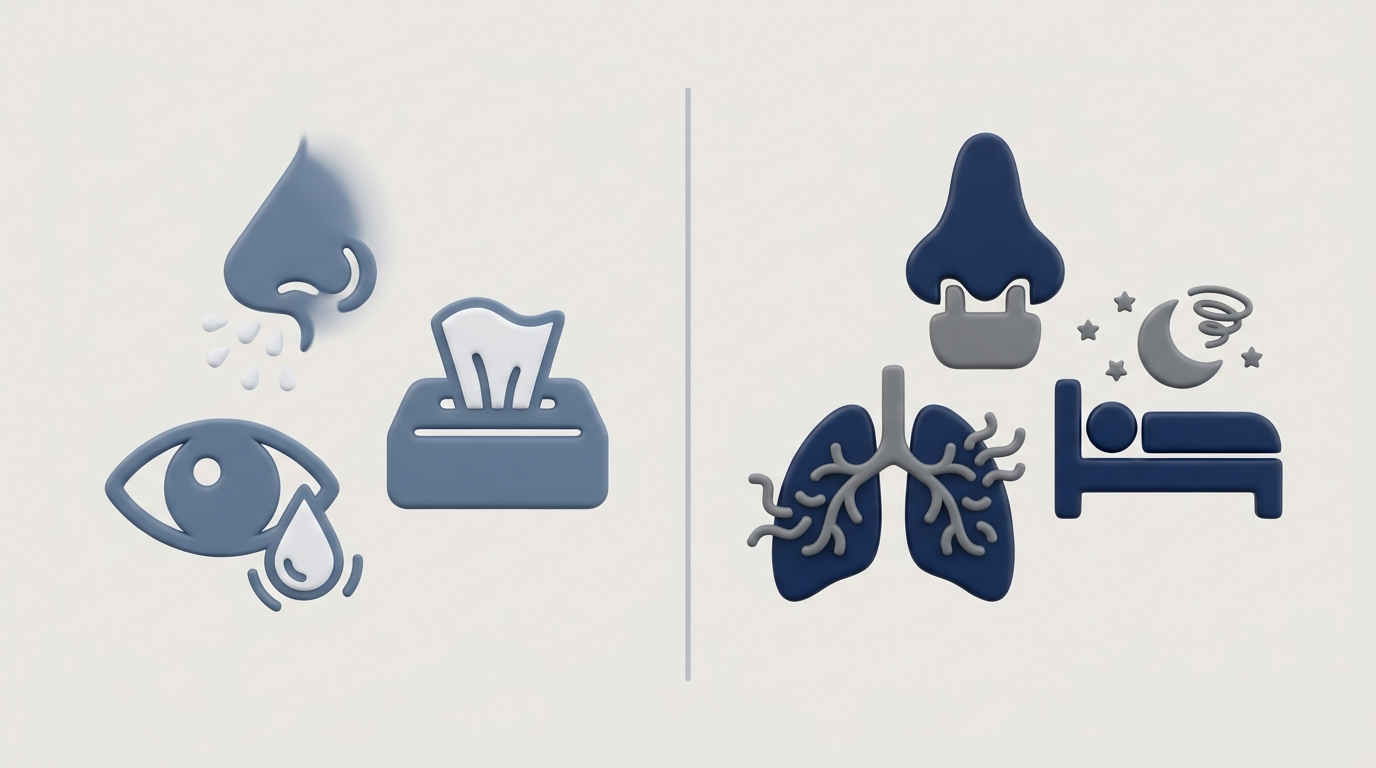
Possibly helpful for
- Mild sneezing
- Itchy/watery eyes
- Runny nose during seasonal exposure [3]
Not a reliable solo option for
- Significant nasal blockage and mouth-breathing
- Severe sinus pressure or sleep disruption from congestion
- Wheezing or asthma symptoms triggered by allergies
- Rapid-onset, severe allergic reactions (anaphylaxis risk)
A practical “trial” mindset
If you choose to try quercetin, treat it as a time-limited trial while still focusing on triggers and proven options—not as an emergency medication or a substitute for standard care.
One simple approach: track symptoms (sneezing/itching/eye watering) for 1–2 weeks, start one change at a time, and reassess after a few weeks for a meaningful difference—not just a “maybe.”
In short: use quercetin for mild, histamine-type symptoms and keep proven tools front and center for anything more serious.
Causes & Triggers—Address the Root of Allergy Symptoms
Seasonal triggers
- Tree, grass, and weed pollens
Year-round triggers
- Dust mites
- Pet dander
- Indoor mold
Why trigger control matters even if you take supplements
Less exposure can mean less histamine release—often translating to fewer symptoms and less need for medications.
For local tracking, check the Georgia pollen resource: https://sleepandsinuscenters.com/georgia-pollen-tracker
In short: reducing exposure reduces the allergic cascade—no matter what supplements you take.
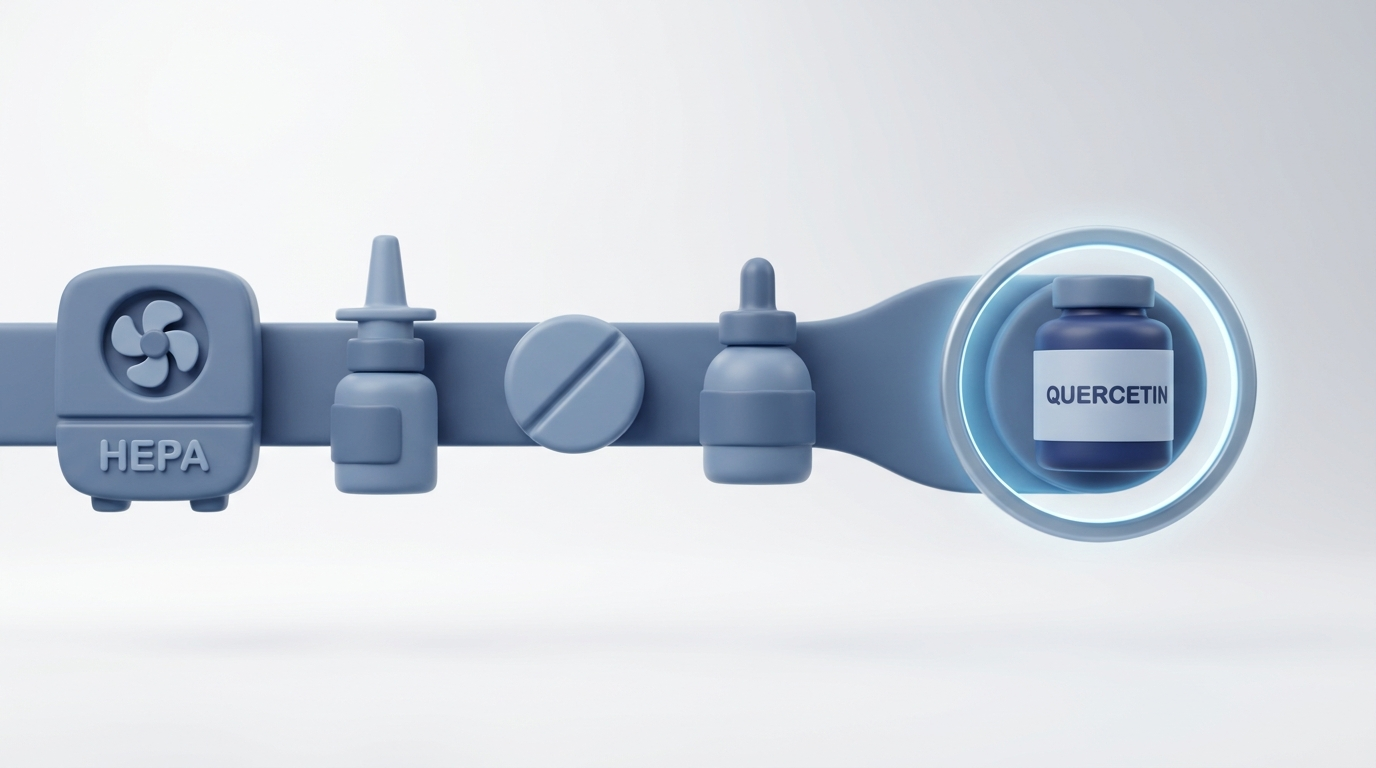
Treatments That Work (and Where Quercetin Fits)
First-line medical options for allergic rhinitis
- Non-sedating oral antihistamines
- Intranasal steroid sprays (often especially helpful for congestion)
- Saline rinses and trigger avoidance
If you’re deciding between common medication types, this comparison can help: https://sleepandsinuscenters.com/blog/decongestant-vs-antihistamine-when-to-use-each-for-allergy-relief
You can also review daily allergy medicine options and considerations: https://sleepandsinuscenters.com/blog/daily-allergy-medicine-benefits-side-effects-and-best-options
When decongestants are appropriate (and when not)
Some decongestants can be useful short-term, but certain nasal decongestant sprays can cause rebound congestion if used too long. This is one reason clinicians often emphasize anti-inflammatory nasal sprays and trigger control for ongoing symptoms.
Immunotherapy options for longer-term control
When symptoms are frequent, severe, or hard to control, allergen immunotherapy (like allergy shots) may be part of a longer-term strategy for appropriate patients. Learn more about identifying triggers here: https://sleepandsinuscenters.com/allergy-testing
Where quercetin may fit
Quercetin may fit as an add-on for mild symptoms or for people who want complementary approaches (with clinician/pharmacist input). Because evidence remains limited, it’s not a replacement for proven therapies—especially when symptoms significantly affect sleep, work, or daily function. [2][5]
In short: anchor your plan in guideline-backed treatments; consider quercetin as a cautious add-on if your clinician agrees.

How to Use Quercetin Safely (Patient-Friendly Safety Section)
Typical supplement approaches (general ranges, not personal medical advice)
Quercetin studies and product labels vary widely. Rather than aiming for a “perfect” dose from the internet, it’s more helpful to:
- Read labels carefully
- Avoid stacking multiple combination products unintentionally
- Check with a clinician/pharmacist if you take other medications or have chronic conditions [5][6]
Timing—should you start before allergy season?
Many people take quercetin ahead of peak pollen exposure with the idea of calming mast-cell activity before symptoms surge. Evidence for exact timing is limited, but compare that approach with practical guidance on when to start allergy meds before your local season: https://sleepandsinuscenters.com/blog/when-should-you-start-allergy-meds-for-atlanta-aos-seasons
Side effects to watch for
- Digestive upset
- Headache
- General intolerance (varies person to person) [6]
Interactions and special populations
Supplements can interact with medications, and safety data is often limited in pregnancy/breastfeeding. Extra caution is reasonable if you:
- Are pregnant or breastfeeding
- Take multiple prescriptions
- Have kidney/liver conditions or complex medical history [6]
Quality tips
- Prefer brands with third-party testing
- Be cautious with “mega-dose” marketing
- Keep a simple list of everything you’re taking (meds + supplements) for safer review [5][6]
Medical disclaimer: This article is for general education and is not medical advice. Supplements can have side effects and interactions. Always check with a qualified clinician or pharmacist before starting quercetin—especially if you’re pregnant/breastfeeding, managing chronic conditions, or taking prescription medications.
In short: prioritize safety—review medications, start low, and stop if you notice side effects.
Lifestyle Tips That Can Boost Allergy Relief (With or Without Quercetin)
Reduce pollen exposure
- Shower and change clothes after time outdoors
- Keep windows closed during high pollen counts
- Dry laundry indoors during peak pollen days if possible
Improve indoor air quality
- Use HEPA filtration when feasible
- Change HVAC filters on schedule
- Keep humidity controlled to reduce mold and dust mite load
Nasal hygiene
Saline rinses can reduce irritants and mucus. If you use them, follow safe water practices and consider this guide on how often to use nasal rinses: https://sleepandsinuscenters.com/blog/nasal-rinses-how-often-should-you-use-them
In short: small daily habits add up—pair them with your medical plan for better control.
When to See a Doctor (Red Flags)
Seek care if you have
- Symptoms lasting weeks with poor control
- Recurrent sinus infections, significant facial pain, reduced smell
- Sleep disruption, fatigue, or missed work/school due to symptoms
Urgent/emergency symptoms
Trouble breathing, facial/lip/tongue swelling, chest tightness, or signs of anaphylaxis require urgent evaluation—call emergency services.
In short: don’t wait on severe, persistent, or escalating symptoms—get evaluated.
FAQs
Is quercetin a natural antihistamine?
Quercetin may influence allergy symptoms by helping reduce histamine release from mast cells, but it’s not the same as standard antihistamine medications that block histamine receptors. [1][2]
Does quercetin help allergic rhinitis?
Evidence is mixed. The NCCIH notes there’s insufficient evidence to recommend quercetin as a proven treatment for allergic rhinitis. [2]
How long does quercetin take to work for allergies?
It varies. If you’re trialing quercetin, consistency matters—many people track symptoms over a few weeks to judge whether it’s making a noticeable difference.
Can I take quercetin with allergy medicine?
People often use quercetin alongside standard treatments, but supplements can interact with medications. A clinician or pharmacist can help review compatibility. [5][6]
What’s better for congestion—quercetin or a nasal steroid spray?
Nasal steroid sprays have stronger evidence for reducing nasal inflammation and congestion. Quercetin may be more of a complementary option than a primary congestion solution.
Should I get allergy testing instead of trying supplements?
Testing can identify your specific triggers and help guide targeted avoidance strategies and longer-term treatment options. Learn more here: https://sleepandsinuscenters.com/allergy-testing
In short: use FAQs as a guide, but personalize next steps with a clinician who knows your history.
Conclusion—So, Does Quercetin Really Work for Allergy Relief?
Quercetin has a mechanistically plausible role in allergy relief because it may help stabilize mast cells and reduce histamine-related signaling. [1] The strongest support comes from preclinical research and a smaller set of human studies that suggest possible benefit for seasonal allergy symptoms. [3][4] Still, the overall clinical evidence is not definitive, and the NCCIH notes there’s insufficient evidence to recommend quercetin for allergic rhinitis as a proven therapy. [2]
In practice, quercetin is best viewed as a complementary option for mild symptoms—while proven strategies (trigger control, medications, and clinician-guided plans) do the heavy lifting when symptoms are significant.
In short: think “nice-to-have” for mild cases, not “need-to-have” for ongoing or severe allergies.
Call to Action
If allergies are frequent, disruptive, or hard to control, consider getting clarity on your triggers and options. Sleep and Sinus Centers of Georgia offers resources and testing to help build a personalized plan:
- Allergy testing: https://sleepandsinuscenters.com/allergy-testing
- Optional self-check: https://sleepandsinuscenters.com/test-your-allergy-symptoms
- Ready to talk through symptoms, testing, and treatment options? Book an appointment: https://www.sleepandsinuscenters.com/
References
[1] PMC (review on quercetin, mast cells, inflammatory pathways): https://pmc.ncbi.nlm.nih.gov/articles/PMC6273625/
[2] NCCIH (quercetin/allergic rhinitis—insufficient evidence): https://www.nccih.nih.gov/
[3] PubMed (quercetin-containing supplements and pollinosis outcomes): https://pubmed.ncbi.nlm.nih.gov/35776034/
[4] PMC (preclinical/meta-analysis style evidence summaries): https://pmc.ncbi.nlm.nih.gov/articles/PMC12073759/ ; https://pmc.ncbi.nlm.nih.gov/articles/PMC12676024/
[5] Northwell Health (patient-facing quercetin overview): https://thewell.northwell.edu/chronic-diseases-conditions/quercetin-allergy-treatment
[6] Medical News Today (quercetin benefits/risks context): https://www.medicalnewstoday.com/articles/323276
Don’t let allergies slow you down. Schedule a comprehensive ENT and allergy evaluation at Sleep and Sinus Centers of Georgia. We’re here to find your triggers and guide you toward lasting relief.