Postnasal Drip at Night: Why It Gets Worse and How to Stop It
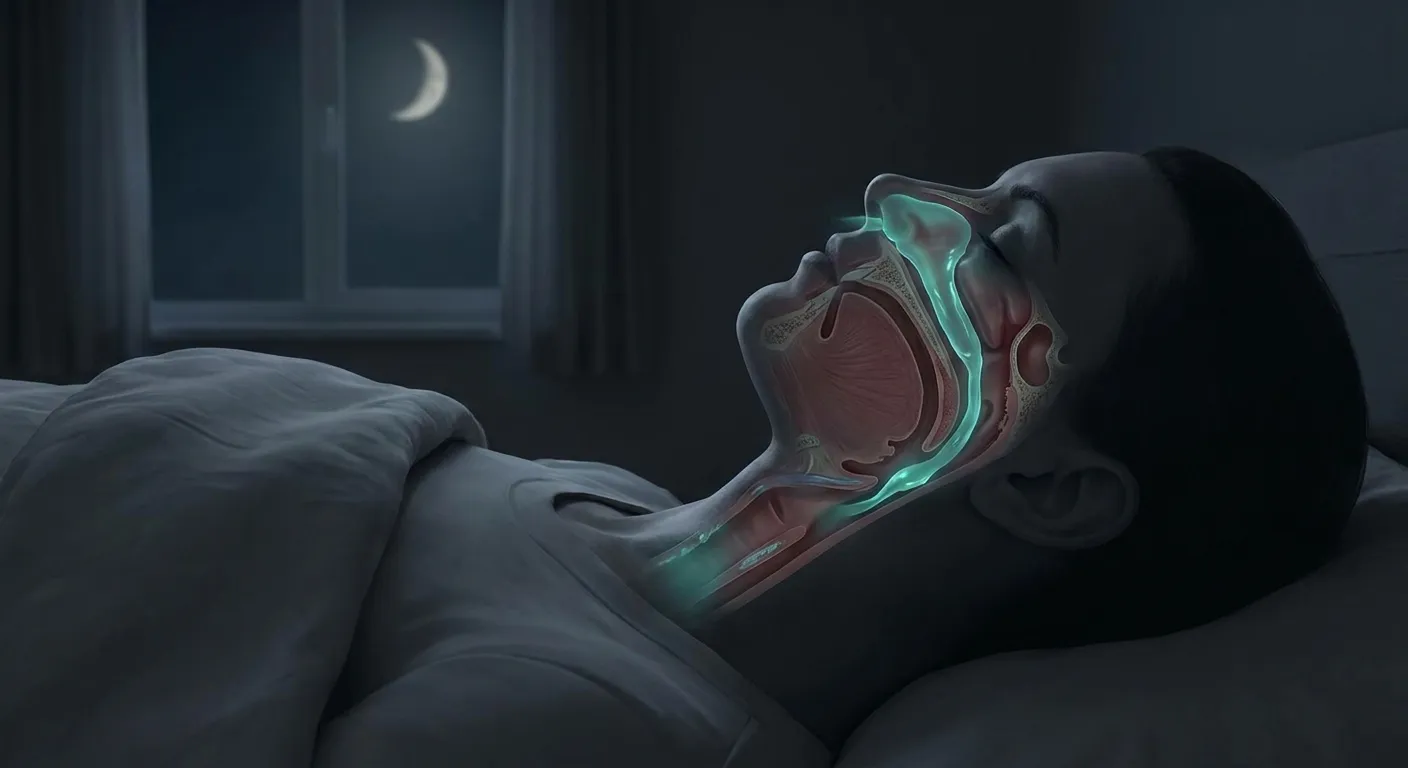
If you’ve ever fallen asleep feeling “fine,” only to wake up coughing, clearing your throat, or noticing the feeling of mucus in your throat at night, you’re not alone. Postnasal drip at night is especially common because several normal nighttime changes—like lying flat and breathing drier air—can make drainage feel more intense and irritating.
A helpful way to think about it: your nose and sinuses make mucus all day as part of normal “housekeeping.” When conditions change (inflammation, allergies, irritants), that mucus can become thicker or more plentiful—and once you’re horizontal, it’s easier for it to collect where you’ll notice it most: the back of the throat.
Below is an educational, patient-friendly guide to what’s happening, what commonly causes it, and practical steps that may help you get more comfortable overnight.
Quick answer (fast relief overview)
Why it gets worse: When you lie down, mucus may drain less efficiently and feel more noticeable in the throat. Dry bedroom air and reflux can add irritation and inflammation. (Northwell Health, 2024; WebMD; AFC Urgent Care)
What may help sooner: Elevating your head and shoulders, adding moisture with a humidifier, doing a saline rinse earlier in the evening, and addressing the underlying contributor (allergies, sinus inflammation, or reflux). (Northwell Health, 2024; Dallas ENT; GoodRx)
For a broader overview of symptoms and treatment categories, see our guide on postnasal drip causes, symptoms, and effective treatments: https://sleepandsinuscenters.com/blog/post-nasal-drip-causes-symptoms-and-effective-treatments
What postnasal drip feels like at night (common symptoms)
Nighttime symptoms can feel more dramatic than daytime symptoms—not necessarily because you’re producing “more,” but because you’re more aware of it when you’re trying to sleep, and because mucus can collect differently when you’re lying down.
Many patients describe the pattern as: “I’m okay during the day, then as soon as I lie down, I start swallowing a lot or coughing.” That timing clue often points to positioning, dryness, or reflux as amplifiers—even when the main contributor is allergies or sinus inflammation.
Throat and chest symptoms
- A dripping or “something stuck” sensation in the back of the throat
- Frequent throat clearing
- Nighttime cough associated with postnasal drip, often worse after you lie down (WebMD; Mucinex)
Nose/sinus symptoms that often come along with it
- Stuffy nose, runny nose, or alternating congestion
- Facial pressure or headache during flare-ups
- Reduced smell or taste when congestion is significant (WebMD)
Sleep-related signs
- Waking up to cough, gag, swallow repeatedly, or clear your throat
- Dry mouth or sore throat in the morning
- Poor sleep quality and next-day fatigue (Northwell Health, 2024)
Summary: Paying attention to timing and triggers can help identify what’s making nighttime symptoms flare.
Why postnasal drip is worse at night
Many people notice postnasal drip is worse at night for a few predictable reasons. The key theme is that your airway tissues are more easily irritated overnight—and irritation makes you cough and clear your throat, which draws even more attention to the sensation.
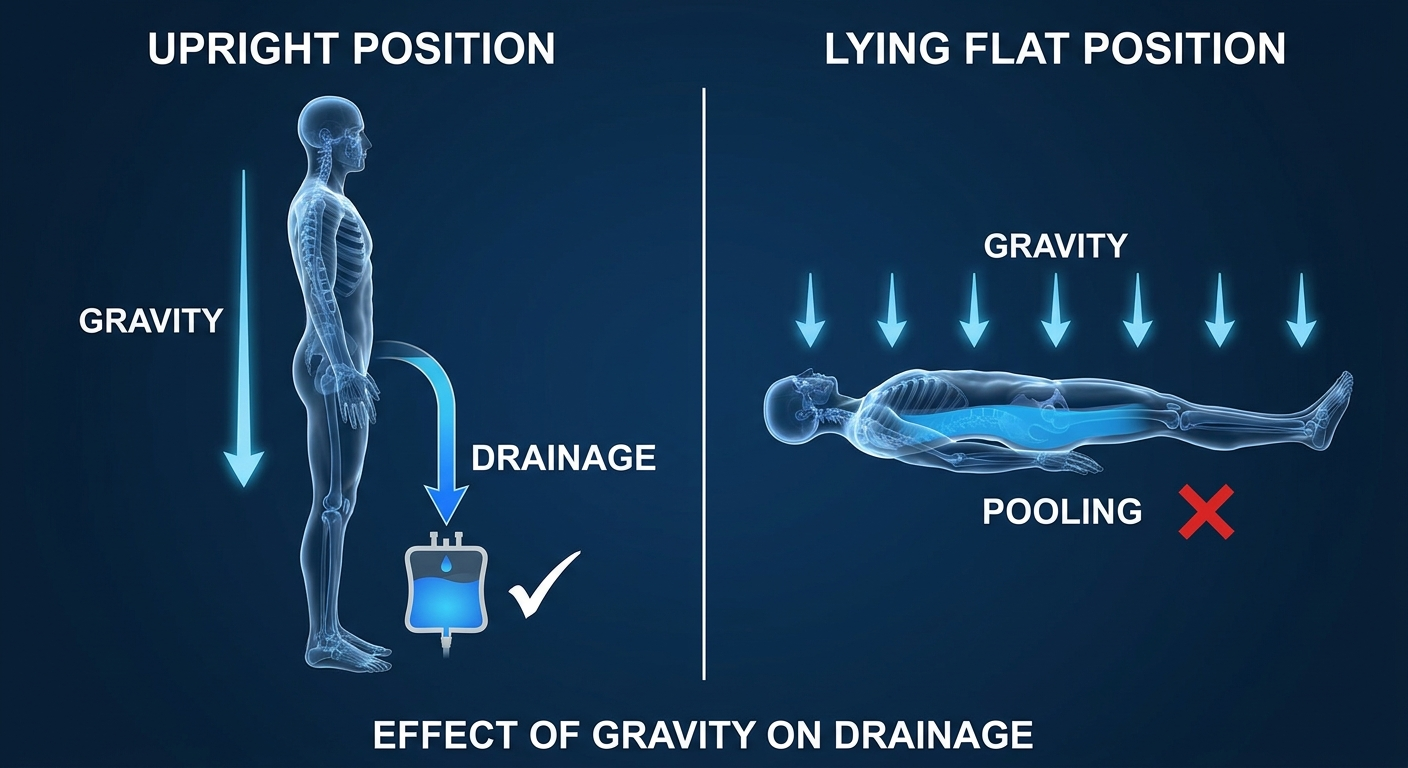
Gravity changes when you lie flat
When you’re upright, mucus can drain forward and out more easily. When you’re lying down, mucus may collect in the throat, making the drip sensation stronger and increasing the chance of coughing. (Northwell Health, 2024; AFC Urgent Care)
A simple analogy: during the day, gravity helps “tip” drainage toward the front of the nose. At night, it’s more like tipping that same fluid toward the back of the throat—so even normal amounts of mucus can feel louder and more bothersome.
Dry bedroom air can make mucus feel thicker and tissues more irritated
Indoor heating and air conditioning can dry out nasal passages. Dry air can irritate nasal tissues and may make mucus feel thicker—especially over several hours of sleep. (Northwell Health, 2024)
If your nose gets congested, you may also breathe through your mouth more while sleeping, which can leave you waking up with a dry, scratchy throat.
Acid reflux can mimic or worsen “drip” symptoms
Acid reflux can mimic or worsen throat symptoms that people may describe as postnasal drip. Reflux—including laryngopharyngeal reflux (sometimes called silent reflux), which may occur without classic heartburn—can irritate the throat and trigger chronic throat clearing or cough, often worse when lying down. (WebMD; Northwell Health, 2024)
This overlap is why people sometimes treat “drip” with allergy meds and still feel stuck—because the main driver may be reflux irritation rather than (or in addition to) nasal drainage.
Summary: Lying flat, dry air, and reflux-related throat irritation can make even normal mucus feel much more noticeable at night.
Common contributors to consider (what’s driving the mucus)
Postnasal drip is a symptom, not a single diagnosis. Understanding what’s behind it often helps reduce nighttime symptoms more effectively. Think of overnight drip as the “alarm”—and these contributors as the wiring behind it.
Allergies (seasonal or year-round)
Allergies commonly increase mucus production and nasal swelling. For some people, nighttime is when they’re most exposed—hours in the same room, on the same bedding, breathing the same air.
- Indoor triggers: dust mites, pet dander, mold
- Outdoor triggers: pollen (WebMD; Atlanta Allergy Doctor, 2025)
Viral colds and lingering inflammation
After a cold, the nose and sinuses can stay inflamed for a while, continuing mucus production and that “dripping” sensation even after other symptoms improve. (WebMD)
In practice, this is when people say, “My cold is gone, but the cough at night won’t quit.” Postnasal drip is a common explanation for that lingering nighttime cough.
Sinus infection or chronic sinusitis
Ongoing sinus inflammation can increase congestion and drainage—sometimes with facial pressure, reduced smell, or thick secretions. (Dallas ENT; WebMD)
If you’re repeatedly getting “sinus” symptoms that last or keep returning, it’s worth talking with a clinician to clarify whether it’s recurrent inflammation, chronic sinusitis, or another driver.
Non-allergic rhinitis/irritants
Not all runny noses are allergies. Irritants can trigger excess drainage and congestion, including:
- Smoke, strong fragrances, air pollution
- Temperature swings or dry air (WebMD)
A common clue here is inconsistency: symptoms flare with certain environments (perfume aisles, smoky patios, big weather changes), but allergy testing may be negative.
Medication-related contributors (brief note)
Some people develop rebound congestion from overuse of topical nasal decongestant sprays, which can worsen nighttime stuffiness and drainage over time. Medication labels and a pharmacist or clinician can help clarify safer options for your situation.
Summary: Targeting the primary contributor—often allergies, sinus inflammation, irritants, or reflux—usually brings the best nighttime relief.
How to stop postnasal drip at night (step-by-step relief plan)
If you’re searching for how to stop postnasal drip at night, it often helps to take a layered approach—starting with positioning and your bedroom environment, then addressing likely triggers.
Step 1 — Change your sleep position to improve drainage
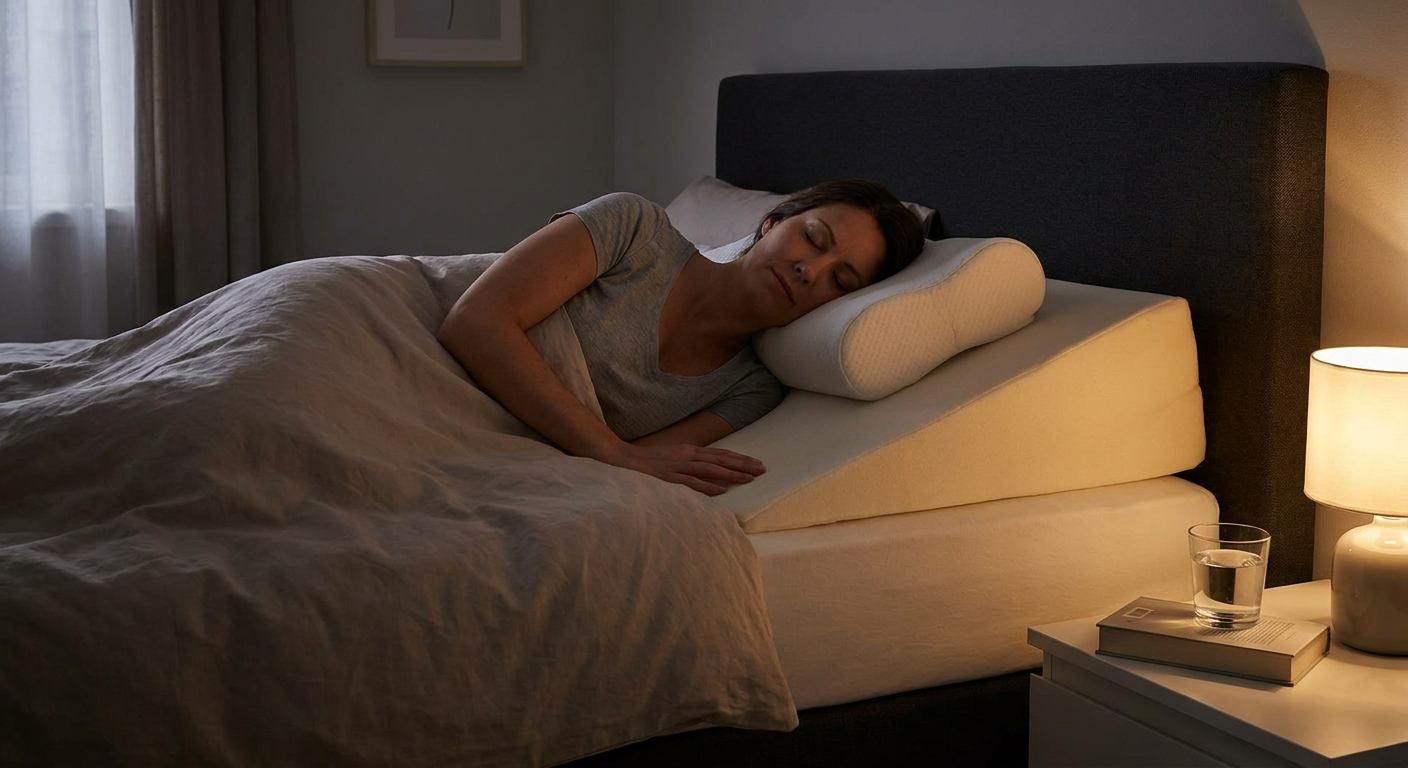
A helpful first step is adjusting how you sleep:
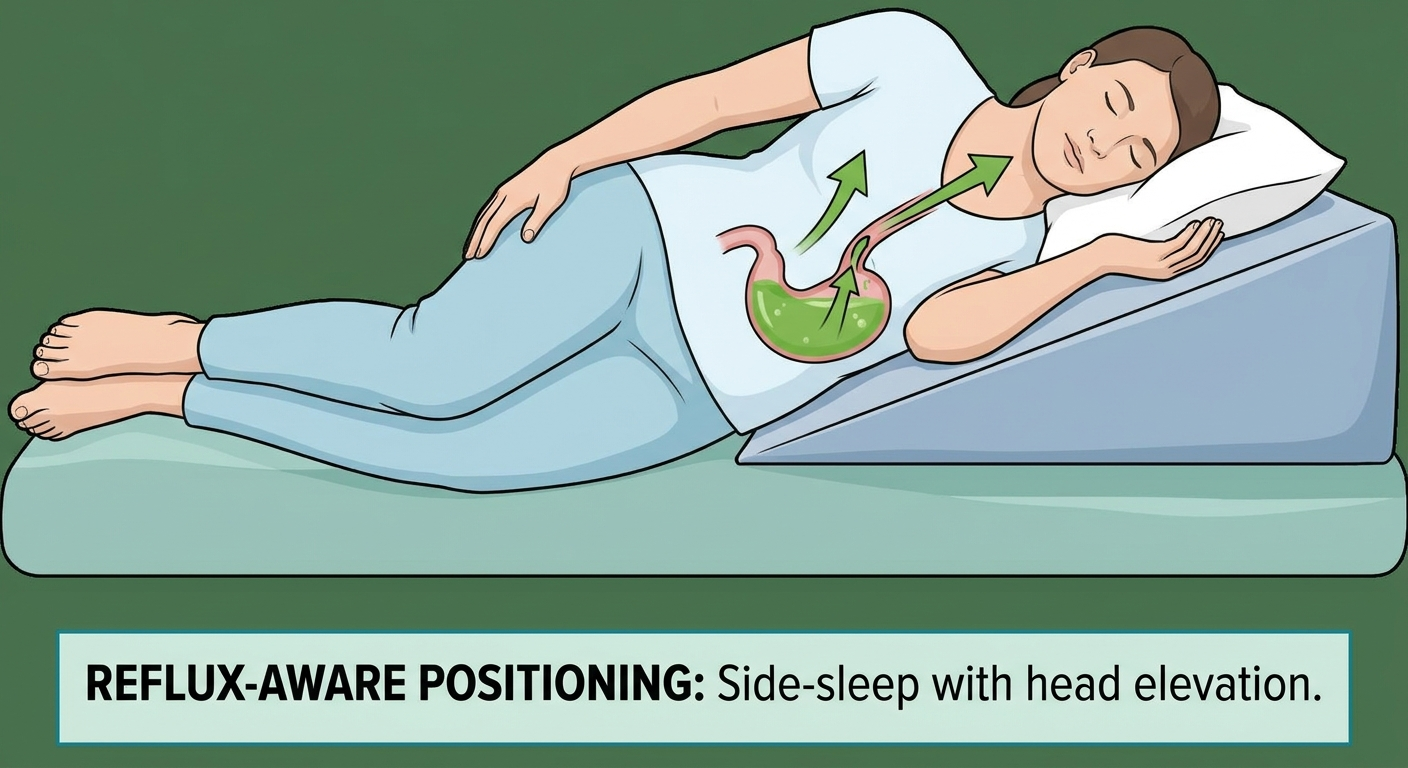
- Elevate your head and shoulders using a wedge pillow or stable pillow setup. This may reduce mucus pooling in the throat and ease coughing. (Northwell Health, 2024; GoodRx)
- If reflux may be part of the picture, side-sleeping and gentle elevation can be especially relevant.
For more detailed positioning ideas, see how to sleep with postnasal drip: https://sleepandsinuscenters.com/blog/how-to-sleep-with-post-nasal-drip-tips-for-better-nighttime-relief. This also relates closely to finding the best sleep position for sinus drainage.
Step 2 — Add moisture (but keep it clean)
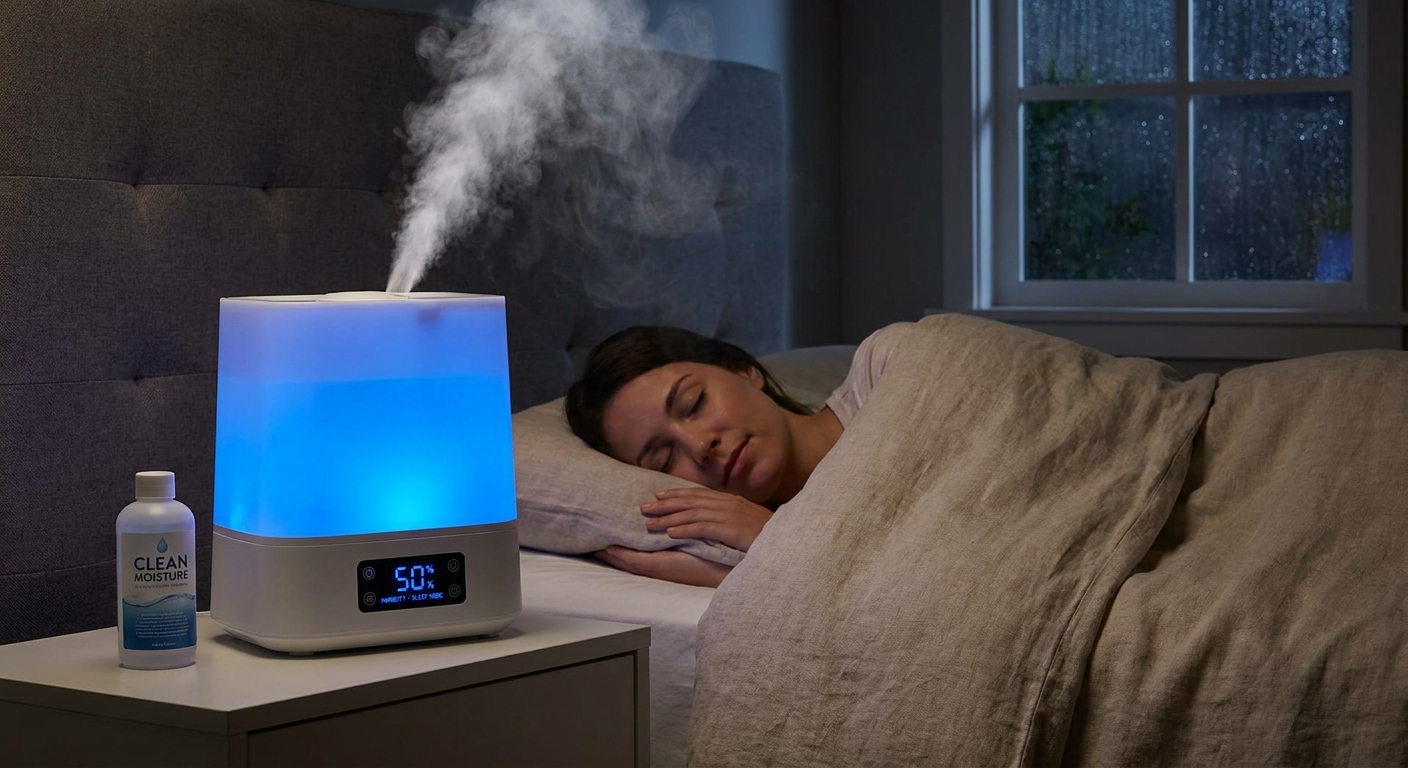
A humidifier for postnasal drip can help by reducing overnight dryness that makes mucus feel thicker and irritates nasal tissues. (Northwell Health, 2024)
To keep humidification helpful (not harmful), it’s generally recommended to:
- Keep humidity at a comfortable level (too much humidity can encourage mold in some homes)
- Clean the unit regularly and change water as directed, to reduce microbial buildup
If you’re unsure whether dryness is part of your picture, a quick “trial” (several nights of consistent humidifier use) can be an easy, low-effort experiment.
Step 3 — Rinse mucus and irritants out before bed
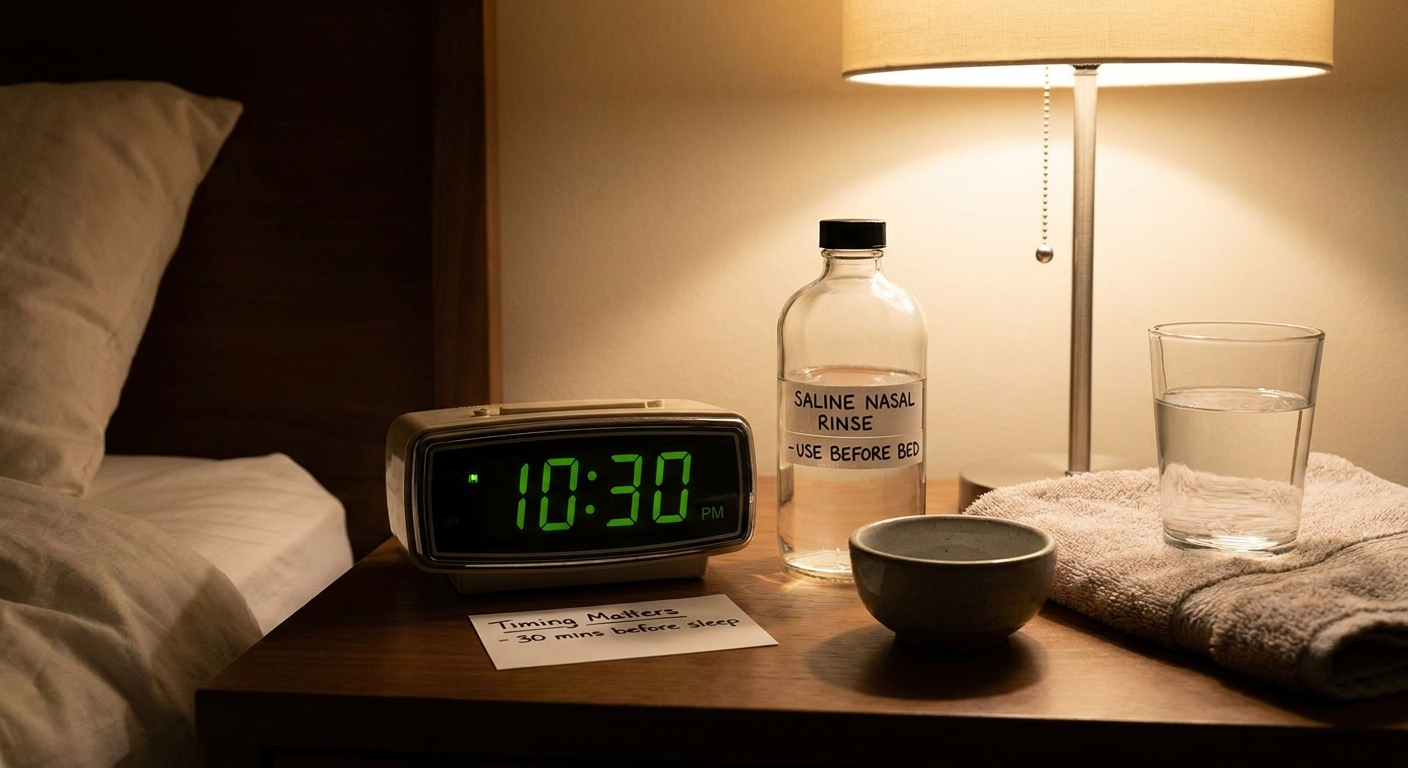
A saline nasal rinse can thin and flush mucus and irritants, which may reduce the amount that collects when you lie down. (Dallas ENT; WebMD)
Timing matters: many people prefer rinsing 1–2 hours before bed so they’re not lying down immediately afterward. If you rinse and then recline right away, you may feel fluid shifting, which can be uncomfortable.
Step 4 — Target the underlying contributor with the right medication (when appropriate)
Medication choices depend on what’s causing the drip (allergies, inflammation, congestion, etc.). Since safety varies by age, medical conditions, and other medications, it’s best to read labels carefully and consider input from a clinician or pharmacist—especially for children, pregnancy, high blood pressure, glaucoma, or prostate issues.
Common categories include:
- Intranasal steroid sprays: often used for allergic rhinitis and nasal inflammation; they tend to work gradually rather than instantly. (WebMD; Dallas ENT)
- Antihistamines: may help when allergies are a driver; some can dry nasal secretions, which may make mucus feel thicker or harder to clear. (WebMD; GoodRx)
- Decongestants: can provide short-term relief during flare-ups; topical sprays in particular are generally not intended for prolonged use due to rebound congestion risk. (GoodRx; WebMD)
If you’re not sure what you’re treating (allergy vs. irritant rhinitis vs. reflux), that uncertainty alone is a good reason to ask a clinician for a more targeted plan.
Step 5 — Reduce triggers in the bedroom (high-impact lifestyle tips)
Because symptoms often peak overnight, small bedroom changes can make a noticeable difference:
- Vacuum with a HEPA-filter vacuum and focus on dust control if allergies are suspected. (Atlanta Allergy Doctor, 2025)
- Wash bedding regularly; consider allergen-proof covers if dust mites are an issue
- Keep pets out of the bedroom if pet dander worsens symptoms
- Avoid strong scents (candles, sprays, heavy fragrances) close to bedtime (WebMD)
If you want a simple starting point: pick one change you can stick with for 2 weeks (for example, pets out of the bedroom) and see whether your nighttime cough/throat clearing improves.
Step 6 — If reflux is suspected, add nighttime reflux strategies
If symptoms include throat irritation, hoarseness, sour taste, or cough that’s worse when lying down, reflux may be contributing.
- Many people find it helpful to avoid late meals and common trigger foods/drinks near bedtime
- Elevating the head of the bed can overlap with the positioning strategies above (GoodRx; WebMD)
For positioning ideas tailored to reflux, see best sleep positions for acid reflux relief: https://sleepandsinuscenters.com/blog/best-sleep-positions-for-acid-reflux-relief-tips-to-stop-heartburn
Summary: Layer simple positioning and moisture steps with targeted treatment for the main contributor to your symptoms.
When to see a doctor (and which type)
Make an appointment if symptoms are persistent or recurrent
Consider a visit if symptoms last more than a few weeks, keep coming back, cause frequent sleep disruption, or you have an ongoing nighttime cough. (WebMD; Dallas ENT)
A clinician can help confirm whether this is primarily allergy-driven, sinus-related, reflux-related, or a mix—because combination contributors are common.
Seek urgent or emergency care if red flags appear
Get prompt, in-person care for symptoms such as trouble breathing, wheezing, high fever, chest pain, coughing up blood, severe facial swelling, or signs of dehydration from poor sleep and persistent coughing. Call emergency services or seek emergency care for severe trouble breathing, chest pain, or coughing up blood.
What an ENT/allergist may evaluate
A specialist may look for:
- Allergies (and whether testing could help)
- Chronic sinusitis, nasal blockage, or structural issues that affect drainage (Dallas ENT)
Summary: If symptoms linger or red flags appear, getting checked is the safest next step.
Frequently Asked Questions (FAQ)
How do I know if it’s postnasal drip or acid reflux?
They can look similar. Postnasal drip is often linked with nasal congestion, allergies, and a drainage sensation. Reflux is more associated with sour taste, burning, hoarseness, or throat symptoms that flare when lying down—though overlap is common. (WebMD)
What’s the fastest way to stop coughing from postnasal drip at night?
Many people start with elevation, humidification, and a saline rinse earlier in the evening, then focus on identifying whether allergies, sinus inflammation, or reflux is driving symptoms. (Northwell Health, 2024; Dallas ENT)
Should I sleep on my back if I have postnasal drip?
Back-sleeping can increase pooling for some people. Elevation or side-sleeping is often more comfortable when postnasal drip at night is the main issue. (Northwell Health, 2024; GoodRx)
Can antihistamines make postnasal drip feel worse?
Some antihistamines can dry nasal secretions, which may make mucus feel thicker or harder to clear. Matching the medication to the cause and staying hydrated can help; ask a clinician or pharmacist for guidance. (WebMD; GoodRx)
Do I need antibiotics for postnasal drip?
Not necessarily. Many cases are viral or allergy-related. Antibiotics are generally reserved when a bacterial infection is suspected or confirmed. (WebMD)
Summary: When in doubt, a clinician can help distinguish drip from reflux and tailor treatment.
Nighttime routine checklist (recap)
If your goal is to reduce postnasal drip at night, a simple routine can help you stay consistent:
- Saline rinse (earlier in the evening)
- Shower to remove allergens (optional)
- Run a clean humidifier overnight
- Elevate head/shoulders (wedge pillow)
- Avoid late meals and likely reflux triggers
- Use allergy/sinus medications correctly, if recommended or prescribed (WebMD; Northwell Health, 2024)
Summary: Consistency for a couple of weeks is key to seeing what truly helps you.
Conclusion: Better nights start with the right “why”
Postnasal drip at night is common—and often manageable—once you address the reasons it spikes after dark: positioning, dryness, and underlying contributors like allergies, sinus inflammation, or reflux. If symptoms are persistent, disruptive, or keep returning, an evaluation can help clarify the cause and create a targeted plan.
To learn more, explore our guide to postnasal drip causes, symptoms, and effective treatments: https://sleepandsinuscenters.com/blog/post-nasal-drip-causes-symptoms-and-effective-treatments. If your sleep is being affected, Sleep and Sinus Centers of Georgia can help you take the next step with an evaluation focused on nighttime relief—you can book an appointment at https://www.sleepandsinuscenters.com/.
References
- Northwell Health. (2024). How to prevent post-nasal drip at night. https://www.northwell.edu/news/insights/how-to-prevent-post-nasal-drip-at-night
- WebMD. Postnasal Drip. https://www.webmd.com/allergies/postnasal-drip
- GoodRx. Sleep position for sinus drainage. https://www.goodrx.com/conditions/sinus-infection/sleep-position-for-sinus-drainage
- Dallas ENT. Post-nasal drip. https://www.dallasent.com/ent-services/post-nasal-drip
- Atlanta Allergy Doctor. (2025). Postnasal drip keeping me awake. https://atlantaallergydoctor.com/blog/postnasal-drip-keeping-me-awake/
- AFC Urgent Care. Why does post-nasal drip get worse at night? https://www.afcurgentcare.com/north-waltham/blog/why-does-post-nasal-drip-get-worse-at-night/
- Mucinex. Why do I keep coughing up mucus at night? https://www.mucinex.com/excess-mucus-symptoms/why-do-i-keep-coughing-up-mucus-at-night
This article is for educational purposes only and is not medical advice. Please consult a qualified healthcare provider for diagnosis and treatment.
Don’t let allergies slow you down. Schedule a comprehensive ENT and allergy evaluation at Sleep and Sinus Centers of Georgia. We’re here to find your triggers and guide you toward lasting relief.