Nose Tender to Touch but No Injury: Causes, Symptoms, and When to See a Doctor
A nose that is tender to the touch without a clear injury can be confusing—especially when the skin looks normal and you don’t recall bumping it. The good news is that this kind of tenderness often comes from inflammation or infection inside the nostril or sinuses, or sometimes nerve-related pain, rather than a visible cut or bruise.
A helpful way to think about it: the outside of your nose can act like a “pressure sensor.” If tissue inside the nostril is swollen or irritated, even a light press on the tip or bridge can feel bruised—similar to how a sore tooth can make your jaw feel tender even though the skin looks fine.
Many mild cases improve with gentle care and time. But if tenderness persists, worsens, or comes with concerning symptoms, a clinician (and sometimes an ENT) can help identify the cause and the safest next steps. If tenderness lingers or escalates, a timely evaluation is the safest path forward.
Featured snippet (quick scan)
- Common causes include: nasal vestibulitis, nasal furunculosis (a boil in a nasal hair follicle), and ethmoid sinusitis
- Watch for: crusting, pimples, drainage, fever, facial swelling, severe headache
- Seek urgent care if: spreading redness, swelling near eyes, vision changes, high fever
Quick answer: Why your nose can hurt to touch without an injury
When people describe a sore nose when touched, the source is often beneath the surface—for example: irritated or infected tissue just inside the nostril, sinus inflammation referring pain outward, or sensitive facial nerves that overreact to light pressure.
So even if the outside looks normal, the underlying tissue can still be inflamed enough to make your nose feel bruised or sore. Pressure on inflamed tissue often feels like tenderness even without a visible wound.
What “tender to touch” nose pain can feel like (and where you feel it matters)
Pain at the nostril opening or tip
Pain at the nostril rim or a tender nose tip often points to irritation or infection in the nasal vestibule (the front part of the nostril). Common triggers include frequent blowing, picking, rubbing, dryness, and irritation from colds or allergies.
A common example: after a week of runny nose and constant tissues, the skin just inside the nostril can become raw. Pressing the nose tip may hurt even though the outside looks basically normal.
Pain at the bridge of the nose
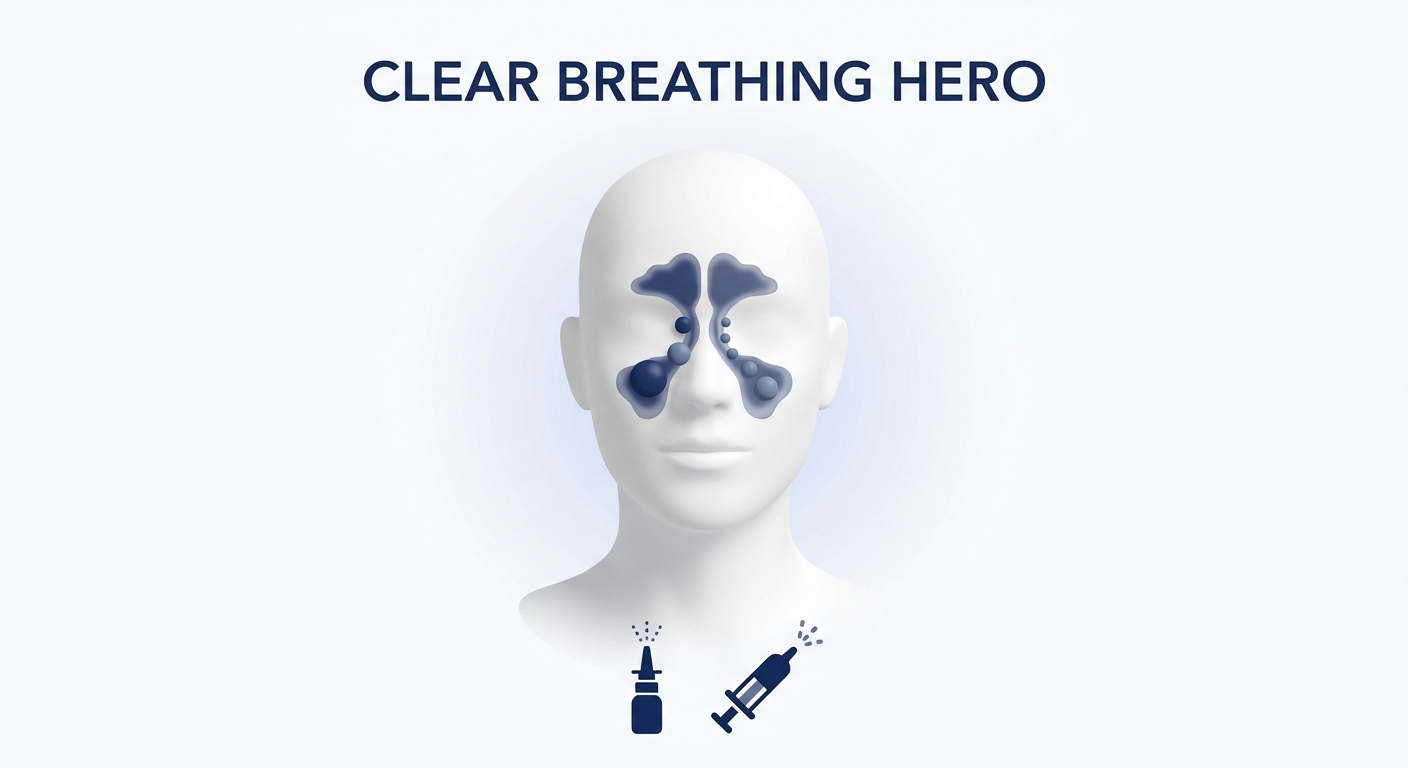
Bridge-of-the-nose pain can be associated with sinus inflammation, including ethmoid sinusitis. It can feel external even when the problem is internal.
People often describe this as a pressure point between the eyes that gets worse when leaning forward, wearing glasses, or pressing the bridge lightly.
One-sided vs. both sides
- One-sided tenderness may suggest a localized issue like an irritated spot, a follicle infection, or a structural contact point.
- Both sides may be more consistent with viral illness, allergies, generalized irritation, or broader sinus inflammation.
If it’s one-sided and persistent—especially with new bleeding, blockage, or shape changes—getting evaluated is important. Location and pattern of pain offer useful clues, but an exam is the best way to confirm the cause.
Symptoms to watch for (with and without infection)
Common accompanying symptoms
With a nose that is tender to the touch without an injury, people commonly notice: inside-nose soreness, burning, or stinging; crusting or scabbing at the nostril opening; extra sensitivity when rubbing or itching; congestion or pressure; headache or facial pressure.
These symptoms can overlap, which is why the pattern (location, timing, and associated drainage or fever) matters as much as any single symptom.
Symptoms that suggest an internal bacterial infection
These features raise suspicion for a bacterial process inside the nostril: a pimple-like bump inside the nostril; yellow/green drainage or foul odor; increasing redness or swelling at the nostril rim; fever or feeling generally unwell.
If you notice the tenderness is becoming more focal—like there’s a single painful spot—pay extra attention. That’s often how a vestibule infection or follicle infection announces itself.

Red flags (get same-day care or urgent evaluation)
Seek urgent evaluation if any of the following occur: rapidly worsening swelling or redness spreading onto the face; severe headache, neck stiffness; swelling around the eye, double vision, or vision changes; high fever, confusion; immunocompromised state (for example, chemotherapy or uncontrolled diabetes).
If you’re unsure whether something counts as urgent, it’s reasonable to call for guidance—especially when symptoms involve the eye area or quickly spreading facial swelling. When in doubt—especially with eye symptoms or spreading redness—get urgent care.
Most likely causes of nose tenderness without visible injury

Nasal vestibulitis (infection just inside the nostrils)
Nasal vestibulitis is a common reason for a nose that is tender to the touch without an injury. It’s a bacterial infection at the front of the nose (often involving Staph), frequently related to irritation from nose blowing or picking.
Typical clues include: tenderness near the nostril opening; crusting, scabs, or raw-feeling skin just inside; mild swelling or redness; sometimes small pimples or sores.
Because the tissue in this area is thin and sensitive, inflammation inside the nostril can feel like the outer nose is sore. Some people describe it like having a paper cut just inside the nostril that stings when air moves through it.
For a deeper breakdown of symptoms, triggers, and typical treatment approaches, see our nasal vestibulitis guide: https://sleepandsinuscenters.com/blog/nasal-vestibulitis-causes-care-complete-guide-for-treatment

Nasal furunculosis (a boil in a nasal hair follicle)
Nasal furunculosis is a deeper infection of a nasal hair follicle that can form a painful lump (a boil) inside the nostril.
Typical clues include: a focal hot spot of pain; a firm, very tender bump inside the nostril; worsening soreness when the nose is pressed or moved.
Clinicians take this seriously because infections in the central face (danger triangle) have a higher risk of complications if infection spreads. This is also why popping or digging at a nostril boil is strongly discouraged.

Ethmoid sinusitis (sinus inflammation causing bridge/nasal tenderness)
Ethmoid sinusitis (inflammation or infection in the ethmoid sinuses) can refer discomfort to the bridge of the nose, sometimes making the area feel tender to the touch.
Typical clues include: pressure between the eyes; congestion or blocked nasal breathing; headache or facial pressure, often worse when bending forward.
If you’re trying to sort out whether your symptoms fit a sinus pattern, you can review common symptoms of sinus problems: https://sleepandsinuscenters.com/symptoms-of-sinus-problems
Irritation/dryness from environment or habits (non-infectious)
Sometimes the explanation is simple irritation rather than infection, such as: dry indoor air (heaters, winter air); smoke or fragrance exposure; frequent wiping/blowing during a cold; overuse of topical decongestant sprays (which can cause rebound congestion and irritation).
In these cases, tenderness may be more raw than infected, and it may fluctuate with environment and habits. For example, symptoms may feel worse first thing in the morning after sleeping in dry air, then improve later in the day.
Neuropathic nasal pain (nerve-related)
In some people, nose tenderness without injury may be related to nerve irritation rather than a skin problem. This may be described as neuropathic nasal pain or nerve sensitization.
Typical clues include: sharp, stabbing, burning, or electric pain; touch triggering pain that feels disproportionate to what you can see; symptoms that persist even after obvious irritation has resolved.
Because nerve-related pain can mimic inflammatory problems, evaluation usually focuses on ruling out infection or sinus disease first.
Less common medical causes (important not to miss)
Less commonly, nasal tenderness can be linked with: systemic inflammatory conditions that can involve nasal tissues (rare); structural contact points inside the nose that trigger pain; uncommon growths—persistent one-sided blockage, bleeding, or new changes in shape should be assessed.
Broader differentials for a sore nose are discussed in general medical overviews. Most tenderness is due to local irritation, infection, or sinus inflammation; persistent one-sided symptoms deserve evaluation.

At-home care and lifestyle tips (safe first steps for mild cases)
What you can do today
For mild tenderness without red flags, gentle measures may help comfort and reduce irritation: warm compresses over the nose for 10–15 minutes, 2–4 times/day; saline spray to reduce dryness and soften crusting; gentle saline rinses (use sterile/distilled or previously boiled–cooled water); humidifier at night if indoor air is dry; hands off—avoid picking, squeezing, or repeatedly checking sore spots.
Think calm and protect. Repeatedly pressing to see if it still hurts can keep the area irritated—like constantly touching a tender bruise.
If you suspect vestibulitis (mild)
If symptoms fit vestibulitis (crusting and tenderness at the nostril opening), focusing on moisture and avoiding irritation can be helpful. Some cases require prescription treatment, especially if symptoms are worsening or recurring.
What to avoid
- Squeezing or popping a painful nostril bump
- Sharing towels, cosmetics, or nose/face products
- Prolonged, frequent use of topical decongestant sprays unless directed
- Inserting tools/swabs deep into the nostril or attempting home lancing
Should I use petroleum jelly? Some people use it for dryness, but repeated or prolonged use inside the nose may carry a small risk if tiny amounts are inhaled over time. Saline-based moisture strategies are often preferred—ask your clinician what’s best for you. Gentle moisture, warmth, and hands-off care often help calm mild tenderness within a few days.
Treatments a doctor/ENT may recommend (based on the cause)
For nasal vestibulitis
After examining the nostrils, a clinician may recommend: topical antibiotic ointment (often first-line); oral antibiotics if infection appears more severe, spreading, or recurrent; strategies to reduce recurrence (gentle nose care, managing dryness and irritation).
If crusting keeps returning in the same spot, your clinician may also ask about habits (rubbing, picking, frequent tissues) and environmental dryness.
For furunculosis
Management may include oral antibiotics and close follow-up. If drainage is needed, it’s typically done in a medical setting to reduce risk.
For ethmoid sinusitis or inflammatory sinus disease
Treatment depends on whether symptoms suggest viral illness, bacterial infection, or chronic inflammation and may include: saline irrigation, intranasal steroid sprays, and allergy management; antibiotics only when clinical criteria suggest bacterial infection; if frequent or persistent—nasal endoscopy and/or imaging in some cases.
For nerve-related nasal pain
A common approach is to first rule out inflammation/infection. If nerve pain remains likely, evaluation may involve neuropathic pain strategies and sometimes neurology collaboration.
If a systemic condition is suspected (rare)
An ENT may coordinate further evaluation (for example, endoscopy, labs, or biopsy) depending on the full symptom picture. Treatment targets the cause—irritation, infection, sinus inflammation, or nerve pain—and often combines home measures with targeted therapies.
When to see a doctor (and when to see an ENT)
See a clinician within 24–72 hours if
- Pain lasts more than 3–5 days without improvement
- Recurrent tenderness/crusting keeps returning
- You notice a growing bump, pus, or worsening swelling
- Sinus symptoms persist, escalate, or significantly affect daily life
If you’re getting stuck in a cycle—brief improvement, then flare-ups—an exam can help confirm whether you’re dealing with vestibulitis, a follicle infection, sinus inflammation, or something else entirely.
See an ENT if
- Symptoms are recurrent, one-sided, or not improving with initial care
- You suspect structural issues or chronic sinusitis
- You have unexplained facial pain or possible nerve pain
For a more detailed checklist, see: https://sleepandsinuscenters.com/blog/when-should-i-see-an-ent
Go to urgent care/ER now if
- Rapidly spreading redness/swelling
- Fever plus severe facial pain
- Eye swelling or any vision symptoms
- Severe headache or neurologic symptoms
Timely care helps prevent complications and shortens recovery, especially when symptoms are one-sided, worsening, or affect the eyes.
Prevention (how to reduce recurrence)
Gentle nose-care habits
- Use saline spray during dry seasons
- Manage allergies to reduce rubbing and frequent blowing
- Keep nails short and practice good hand hygiene
Reduce infection risk
- Avoid picking and squeezing bumps
- Don’t share personal items that touch the face
- Keep frequently used equipment (like masks or CPAP components) clean per instructions
Small habit changes can reduce irritation and lower the risk of future flares.
FAQs
Why does my nose hurt when I press on it but it looks normal?
A normal-looking nose can still feel sore if inflammation is inside the nostril or deeper in the sinuses. Bridge tenderness can also be referred from sinus inflammation.
Can a sinus infection make the outside of my nose tender?
Yes. Ethmoid sinusitis in particular can cause pressure and tenderness around the bridge of the nose.
Is nasal vestibulitis serious?
It’s often very treatable, but it should be monitored. Worsening swelling, spreading redness, fever, or symptoms near the eyes warrant prompt evaluation.
What does a furunculosis boil in the nose feel like?
Often like a very tender, focal boil or pimple inside the nostril—sometimes with throbbing pain that worsens quickly.
Could it be nerve pain?
It’s possible. If pain is sharp/burning and touch triggers symptoms without visible inflammation, nerve-related nasal pain can be considered during evaluation.
Should I put petroleum jelly in my nose?
Some people use it for dryness, but repeated or prolonged use inside the nose may carry a small risk if tiny amounts are inhaled over time. Saline-based moisturizers and humidification are often safer long-term options—ask your clinician what’s right for you.
Conclusion: Don’t ignore persistent or worsening nasal tenderness
If your nose is tender to the touch without an injury, common causes include nasal vestibulitis, nasal furunculosis, and ethmoid sinusitis, with nerve-related pain being a less common possibility. While many mild cases settle with gentle care and reduced irritation, persistent or worsening symptoms—especially red flags—deserve timely medical evaluation.
If your symptoms aren’t improving or keep returning, consider scheduling a visit so the inside of the nose and sinuses can be examined. You can book an appointment at https://www.sleepandsinuscenters.com/. Persistent, one-sided, or worsening tenderness is a signal to get checked.
Sources
1. Kaplan Sinus Relief. Why the bridge of your nose hurts (2023). https://www.kaplansinusrelief.com/blog/why-the-bridge-of-your-nose-hurts/
2. Cleveland Clinic. Nasal Vestibulitis (2023). https://my.clevelandclinic.org/health/diseases/24928-nasal-vestibulitis
3. PubMed (2017). External nasal neuralgia / idiopathic or post-traumatic nasal pain. https://pubmed.ncbi.nlm.nih.gov/28900824/
4. Medical News Today. Sore nose: Causes and treatment (2019). https://www.medicalnewstoday.com/articles/325224
This article is for educational purposes only and is not medical advice. Please consult a qualified healthcare provider for diagnosis and treatment.
Don’t let allergies slow you down. Schedule a comprehensive ENT and allergy evaluation at Sleep and Sinus Centers of Georgia. We’re here to find your triggers and guide you toward lasting relief.