Neck Lump in a Child: ENT Evaluation and What to Look For First
Finding a neck lump in a child can feel alarming, but most turn out to be common, temporary swellings. The majority are reactive lymph nodes that enlarge after a cold, ear infection, or other everyday illness and then shrink on their own. An ear, nose, and throat (ENT) specialist helps sort these everyday findings from less common issues such as congenital cysts, vascular malformations, or, rarely, tumors. The evaluation starts with a careful history and physical exam that focuses on location, size, firmness, mobility, how long the lump has been present, and whether it is growing or accompanied by other symptoms. This approach, drawn from otolaryngology reviews and pediatric guidelines, lets families know what to watch first and when specialist input is useful. Ultrasound is typically the first imaging step because it involves no radiation. Only selected cases need further tests or biopsy.
Think of lymph nodes as the body’s neighborhood watch: they swell when there is nearby activity, then settle once the “alert” passes. That simple pattern explains why most lumps come and go without drama.
Most childhood neck lumps are temporary and resolve with common infections.

What Causes a Neck Lump in a Child?
Neck lumps in children fall into a few broad groups. Understanding the usual categories can make the situation less mysterious.
Reactive or inflammatory lymph nodes (most common): These nodes enlarge in response to viral upper-respiratory infections, ear problems, or other nearby inflammation. They typically feel small, smooth, and movable, become a bit tender, and then recede as the illness resolves. A classic example is a pea-sized bump that appears after a week of sniffles and fades two weeks later. Similar swelling can appear in adults, and the same principles of observation apply across ages.
Congenital lesions: Some lumps are present from birth or become noticeable later even though they formed during development. Thyroglossal duct cysts, branchial cleft cysts, and certain vascular malformations belong in this group. They may sit in characteristic spots along the midline or sides of the neck and can enlarge if they become infected. A thyroglossal cyst often sits in the middle of the neck and may move slightly when the child swallows or sticks out the tongue.
Less common causes: Bacterial infections, dental issues, or problems in the ear or scalp can also produce a neck lump in a child. History clues such as animal contact, tick bites, or possible tuberculosis exposure help point toward these possibilities. Tumors are uncommon but are considered when a mass does not follow the usual pattern of a reactive node. Cat-scratch disease after playing with a kitten is one real-world illustration of an infection-related lump that still needs evaluation.
Understanding these categories helps parents feel less mysterious about everyday findings.
Symptoms of a Neck Lump in Kids and Red Flags to Watch
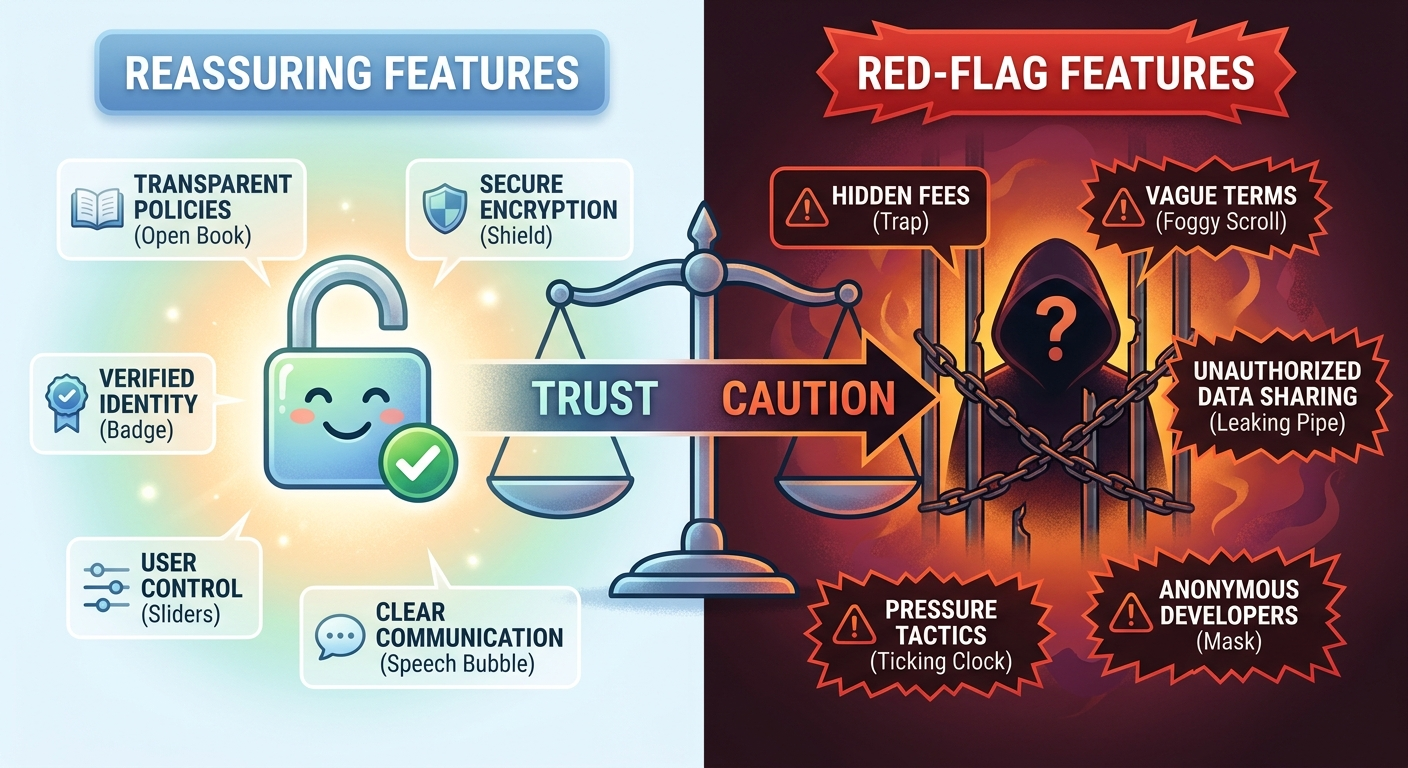
Parents usually notice a bump first by touch or while bathing or dressing their child. Certain features are reassuring; others prompt a closer look.
Typical (reassuring) signs: A small, smooth, mobile, and slightly tender node that appears during or right after a cold and then fades is usually not concerning. The child otherwise feels well, has no fever, and continues to eat, play, and sleep normally.
Concerning symptoms: Features that raise more questions include rapid growth, a hard, rubbery, or fixed mass that does not move easily, persistence beyond several weeks, a location just above the collarbone (supraclavicular), or signs of systemic illness such as unexplained fever or weight loss. Airway or swallowing problems—stridor, drooling, voice change, or difficulty eating—also stand out. A lump the size of a grape that feels stuck in place after six weeks is more likely to need extra attention than a mobile pea that shrinks.
Distinguishing typical signs from red flags helps families know when extra attention is needed.
When to See an ENT for Your Child’s Neck Lump
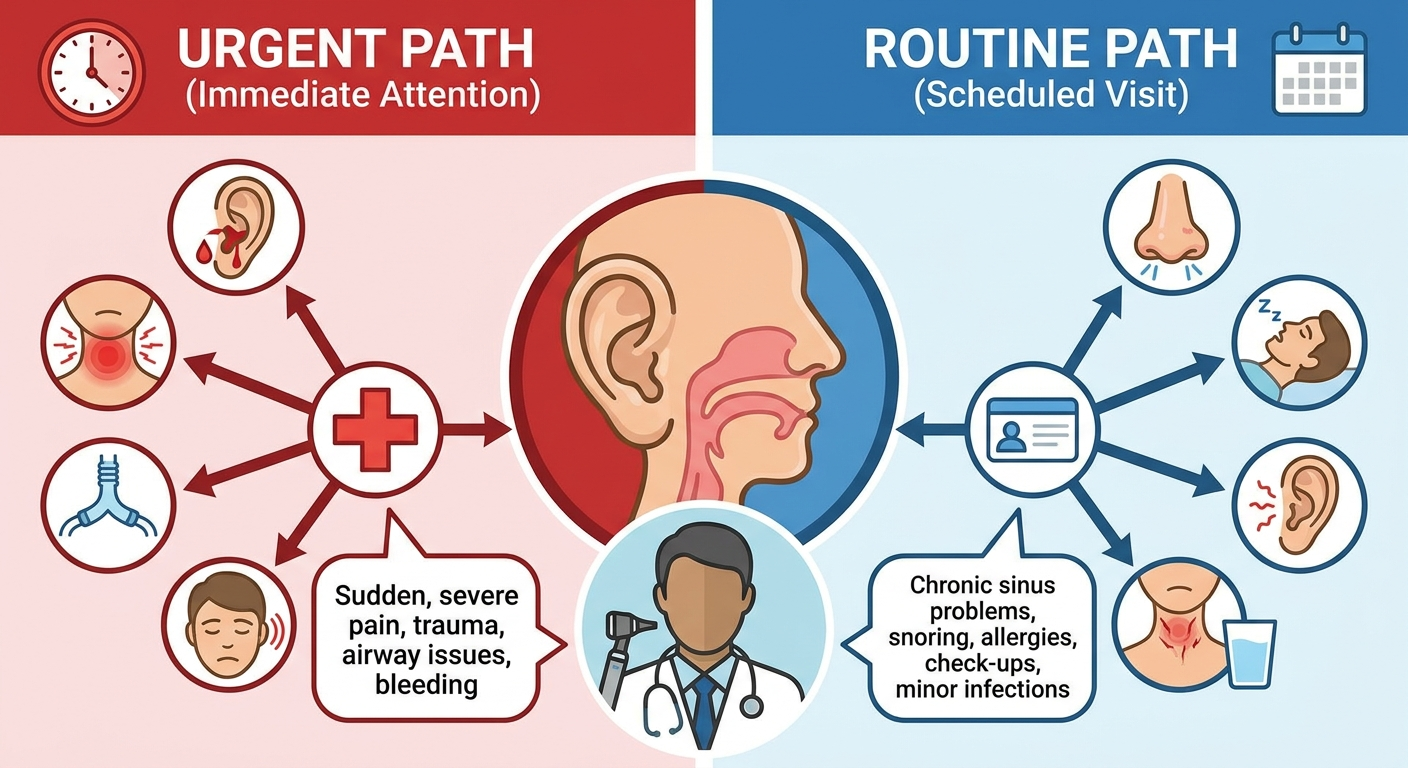
Most families begin with their pediatrician. An ENT referral is the next step when the picture is unclear or the lump does not follow the expected course.
Urgent or emergency signs: Difficulty breathing, inability to swallow, a child who looks very ill (toxic), a suspected abscess, or sudden rapid enlargement of the mass calls for same-day or emergency evaluation.
Routine but prompt referral: A node that remains larger than about 2 cm after roughly six weeks, or any lump with suspicious features, typically warrants specialist review. Persistence plus size is a practical rule of thumb many clinicians use.
Starting with the pediatrician and moving to ENT when needed keeps care timely and appropriate.
What Happens During an ENT Evaluation for a Pediatric Neck Mass?
The visit is designed to be thorough yet child-friendly.
Detailed history: The specialist asks when the lump first appeared, how quickly it has changed, whether it fluctuates in size, and whether the child has had recent illness, fever, pain, dental or ear problems, animal or tick exposure, or any trouble breathing or swallowing.
Physical exam focus: The exam notes the exact location, size, number of lumps, tenderness, consistency, mobility, and any skin changes. A complete head-and-neck check looks for related findings in the ears, nose, throat, and scalp.
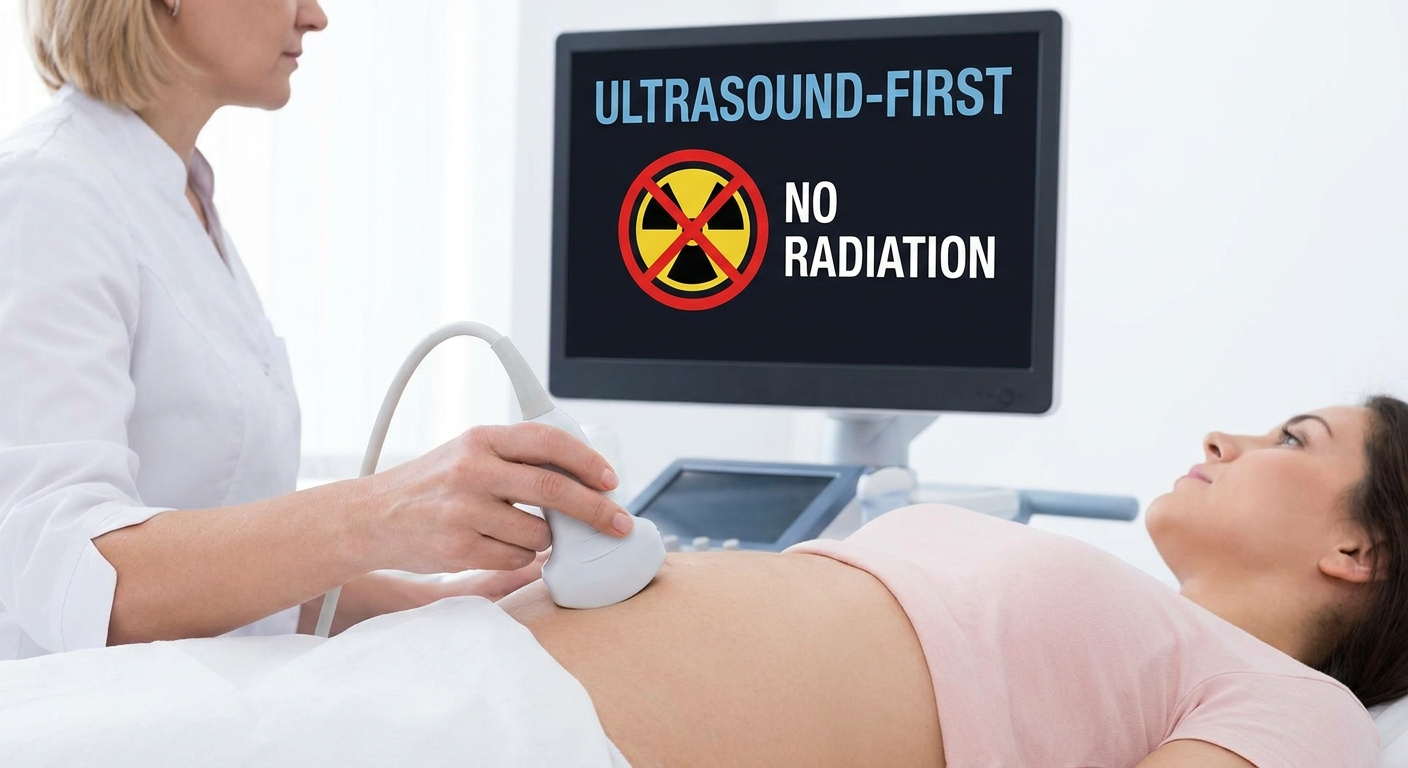
First imaging and tests: Ultrasound is almost always the initial study; it is noninvasive and uses no ionizing radiation. CT or MRI may follow if the mass is deep, appears vascular, or needs more anatomic detail before a possible procedure. Blood tests are ordered only when infection or systemic disease is suspected. Biopsy is reserved for persistent or clearly suspicious lesions.
A focused history, gentle exam, and ultrasound-first approach keep the visit thorough yet child-friendly.
Treatment Options for Neck Lumps in Children
Watchful waiting and supportive care: Typical reactive nodes are simply observed while the underlying illness resolves. Most disappear within a few weeks once the infection clears.
Medications: If a bacterial infection is identified, a targeted course of antibiotics or other medicine may be used.
Procedures or surgery: An abscess may need drainage. Congenital cysts or masses that remain concerning after imaging are often removed electively. The large majority of pediatric neck lumps never require an operation.
Observation is the most common path, with procedures reserved for selected cases.

Home Care and Lifestyle Tips While Monitoring a Neck Lump
While watching a lump, keep the child well hydrated, encourage rest, and treat any lingering cold or allergy symptoms that might keep lymph nodes stimulated. Take occasional photos in the same lighting so size changes are easier to track. Avoid unnecessary antibiotics. Call the pediatrician or ENT office if the lump grows quickly, new red-flag symptoms appear, or the child does not seem well. A weekly photo next to a coin can help everyone see whether the bump is truly changing.
Simple home tracking and supportive care make watchful waiting easier for families.
Frequently Asked Questions About Neck Lumps in Children
Is a neck lump in a child always serious? No. Most are reactive lymph nodes linked to common infections and resolve without treatment.
How long should I wait before seeing a specialist? A persistent node after several weeks, especially if larger than 2 cm or accompanied by concerning features, is a reasonable time to request an ENT opinion. Your pediatrician can help decide the timing.
What does a concerning lump feel like? A hard, rubbery, or fixed mass that grows rapidly or sits above the collarbone is more worrisome than a small, mobile, tender node.
Can allergies or sinus issues cause swollen neck nodes? Yes. Ongoing nasal or sinus inflammation can keep nearby lymph nodes enlarged.
Will my child need a biopsy or CT scan? Ultrasound is usually enough at first. Additional imaging or biopsy is chosen only when findings suggest something other than a simple reactive node.
Conclusion
A neck lump in a child is most often a harmless reactive lymph node that comes and goes with everyday infections. ENT evaluation begins with history and a focused exam that emphasizes location, size, consistency, mobility, duration, and associated symptoms. Ultrasound follows when more information is needed, and further tests or procedures are reserved for red flags such as rapid growth, a fixed or supraclavicular mass, persistence, or breathing or swallowing difficulties. Families who remain concerned can take the next step by scheduling a visit. Learn more about comprehensive otolaryngology care or book an appointment at Sleep and Sinus Centers of Georgia to discuss your child’s situation. Visit https://www.sleepandsinuscenters.com/ today.
This article is for informational and educational purposes only and is not a substitute for professional medical advice. Always consult your child’s pediatrician or an ENT specialist for personalized care.
References
Evaluation and Management of Pediatric Neck Masses: An Otolaryngology Perspective (2018).
Diagnosing Head & Neck Masses in Children, NYU Langone Health.
Neck lumps – RHCG Emergency Department and Neck lumps-Paediatric – RefHelp, NHS.
Evaluation and Management of Neck Masses in Children, American Family Physician (2014).
Don’t let allergies slow you down. Schedule a comprehensive ENT and allergy evaluation at Sleep and Sinus Centers of Georgia. We’re here to find your triggers and guide you toward lasting relief.