How Long Does Septoplasty Take? Surgery and Recovery Time Explained
If you’re considering septoplasty, one of the first questions is usually the most practical one: How long does septoplasty take? The most accurate answer is: it depends. Your anatomy, the severity of the deviation, and whether you’re combining procedures can all change the timeline.
Below is a clear, patient-friendly breakdown of septoplasty operative time, what your full surgery day may look like (beyond just “time in the operating room”), and what to expect during septoplasty recovery—so you can plan ahead with fewer surprises.
Quick answer: Septoplasty time at a glance
- Operative time (many routine cases): 30–90 minutes. [1][2]
- Operative time (more complex cases): Up to 2–3 hours when the deviation is severe, a revision is needed, or other procedures are performed at the same time.
- Total time at the facility (typical outpatient day): Often several hours when you include check-in, anesthesia prep, time in the recovery area, and discharge instructions.
Even if the duration of septoplasty is under 90 minutes, it’s wise to plan as if the visit will take most of the day—especially if you’re arranging time off work, childcare, or a ride home. Bottom line: Plan for several hours at the facility even if the operative time is relatively short.
What is septoplasty—and why is it done?
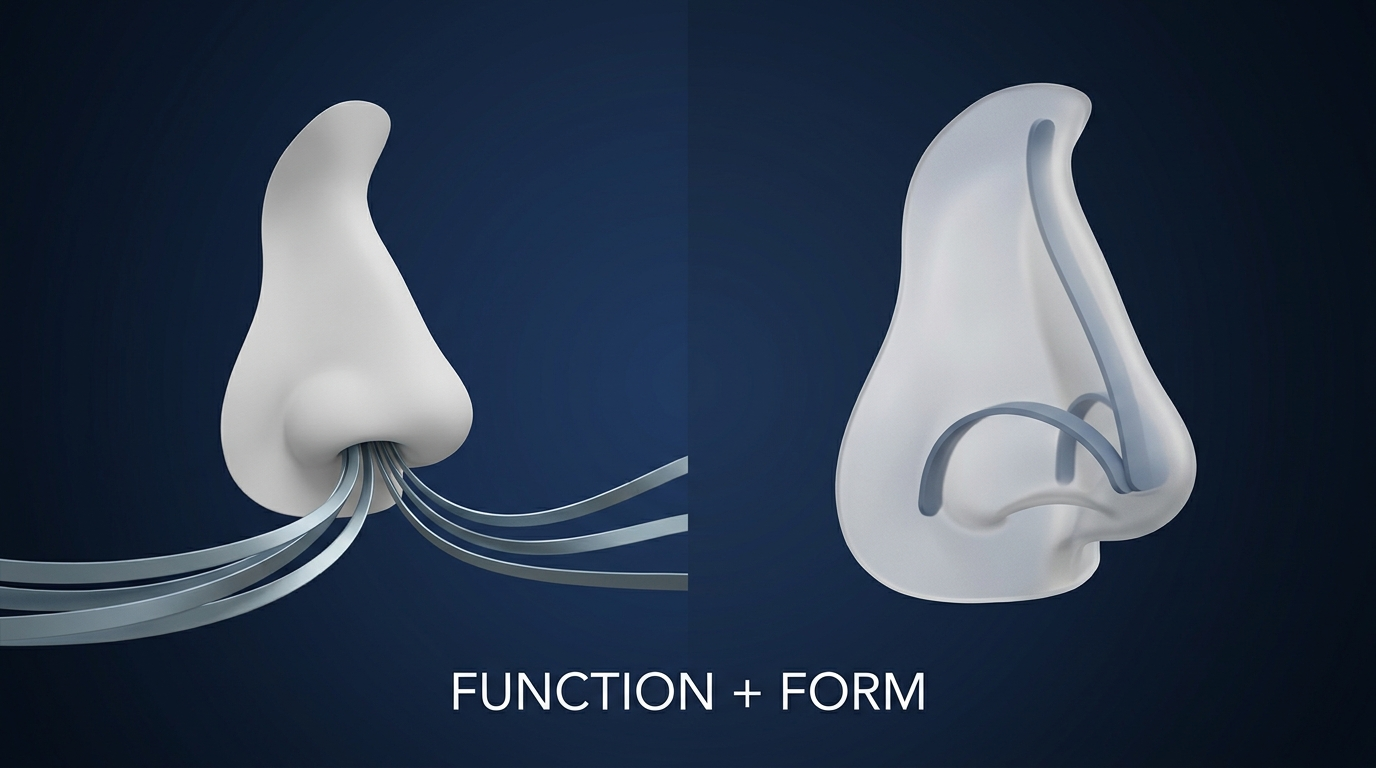
Septoplasty is a procedure that straightens or repositions the nasal septum—the wall of cartilage and bone that divides your nose into left and right sides. The goal is usually to improve airflow and relieve obstruction when the septum is significantly off-center.
A simple way to picture it: if your septum is like the “divider” in a two-lane tunnel, a deviation can narrow one lane and create a bottleneck. Septoplasty aims to reopen that space so air can move more freely.

What the nasal septum does
- Separates the nostrils
- Supports nasal structure
- Guides airflow efficiently through both sides of the nose
When the septum is deviated (crooked), airflow can be reduced on one side (or both), which may contribute to persistent nasal blockage.
Common symptoms that may point to a deviated septum
- Ongoing nasal congestion (often worse on one side)
- Trouble breathing through the nose, especially during exercise or sleep
- Frequent nosebleeds, dryness, or crusting
- Snoring or poor sleep related to nasal blockage
- Recurrent sinus pressure or, in some cases, sinus infections—though these can have other causes as well
If these symptoms sound familiar, learn more on our deviated septum relief page: https://sleepandsinuscenters.com/deviated-septum-relief
Key idea: Septoplasty targets structure to improve airflow when obstruction is driven by a crooked septum.
Common causes of a deviated septum
- Natural growth/development (asymmetry may be present at birth or develop as you grow)
- Nasal trauma/injury (sports injuries, falls, or accidents can shift the septum)
How long does septoplasty take? (What affects operative time)
When people ask how long septoplasty takes, they’re usually asking about the procedure itself. In reality, your total experience has multiple time components—but the surgical portion does follow some typical patterns.
Two people can have the same “procedure name,” but very different “project scopes.” A small correction may be straightforward, while a more severe deviation (or a repeat surgery) may take longer to correct safely and achieve a stable result.
Typical septoplasty operative time (routine cases)
Many straightforward septoplasty procedures take 30–90 minutes. [1][2] In a large number of cases, septoplasty is performed as an outpatient procedure, meaning you go home the same day.
In practical terms, “routine” often means the surgeon can access the septum easily, reshape or reposition what’s needed, and achieve improved airflow without requiring significant additional structural work.

When septoplasty may take longer (up to 2–3 hours)
- Severe deviation or complex anatomy
- Revision septoplasty (previous nasal surgery can increase complexity)
- Combined procedures performed during the same session, such as:
- Turbinate reduction
- Endoscopic sinus surgery
- Nasal valve support/repair (in selected cases)
In these situations, duration can extend significantly. Surgeons emphasize careful work in a small, delicate space rather than rushing. In short: complexity, revisions, and added procedures are the main reasons operative time runs longer.
Open vs closed surgical approach (simple explanation for patients)
- Closed approach: Incisions are made inside the nose; commonly used for many routine functional cases.
- Open approach: A small incision at the base of the nose allows greater visibility and access; may add time for complex deviations or structural issues.
Takeaway: The approach is tailored to your anatomy and goals; neither method is universally “better.”
The full day timeline: what to expect (not just OR time)
Even when operative time is relatively short, your day includes several steps. For a mid-morning surgery, you might arrive 1–2 hours early for prep, spend under 90 minutes in the procedure itself (in many routine cases), and then have additional monitored recovery time before going home. Exact timing varies by facility and anesthesia plan.

Before surgery (check-in + prep)
- Check-in and paperwork
- Vitals and a brief health review
- Review of medications, allergies, and past medical history
- IV placement and preparation for anesthesia
- A final discussion of the plan and what to expect afterward
This front-end time helps make the procedure safer and smoother.
Anesthesia time
- Getting you safely asleep (if general anesthesia is used)
- Positioning and preparation in the operating room
- Waking up and transitioning to the recovery area
Anesthesia is a real part of the clock and a big reason total facility time exceeds surgical time alone.
The procedure itself
During septoplasty, the surgeon repositions, reshapes, or removes small areas of cartilage and/or bone to improve airflow, preserving healthy support where possible.
Recovery room + discharge
- Monitoring for bleeding, nausea, and comfort
- Confirming readiness to go home safely
- Receiving home-care instructions and follow-up plans
Practical point: The day of surgery usually spans several hours when you include prep, anesthesia, and recovery monitoring.
Septoplasty recovery time (healing timeline)
Recovery is a process. Early recovery focuses on comfort and protection; later recovery is about steadily improving airflow as swelling subsides. For a deeper, day-by-day view: https://sleepandsinuscenters.com/blog/septoplasty-recovery-week-by-week-complete-timeline-20260123051106

First 24–48 hours
- Nasal congestion or blockage
- Mild bleeding or oozing
- Pressure, fatigue, and a “stuffy” feeling
Most people focus on rest, hydration, and head elevation. Feeling more blocked at first is common; swelling must calm before breathing feels clearer.
Days 3–7 (the “stuffy nose” week)
Swelling and crusting often peak; breathing can feel worse before better. If splints or packing are used, removal timing varies. Many patients keep obligations light this week.
Week 2
Many notice meaningful airflow improvement, though not fully “finished.” Saline and humidification often help.
Weeks 3–6
Breathing tends to keep improving as swelling decreases. Many return to most normal routines, depending on work and healing.
2–3 months and beyond (final results)
Subtle healing can continue for months. Expect steady progress with final refinement over a few months.
Treatments and recovery tips (what you can do to support healing)
These general, educational ideas are commonly discussed after septoplasty. Your specific instructions may differ—always follow your surgeon’s guidance.

Nasal care that often helps (follow your surgeon’s instructions)
- Saline sprays or rinses as directed
- Use a humidifier (especially in dry indoor air)
- Gentle hygiene around the nose (avoid trauma to healing tissues)
Activity and lifestyle tips
- Sleep with head elevation for several nights
- Avoid heavy lifting/straining early on to reduce bleeding risk
- Avoid smoking/vaping, which can irritate tissues and slow healing
- Prioritize hydration and nutrient-dense meals
Medication safety reminders
- Use pain medications only as instructed
- Ask before taking products that may increase bleeding risk (including some over-the-counter meds and supplements)
Essentials: Protect the nose, keep tissues moist and clean, and follow your care team’s specific instructions.
Risks, complications, and when to call your surgeon
Septoplasty is commonly performed, but it’s still surgery. It helps to know what’s expected versus what needs urgent attention.
Normal vs concerning symptoms
Often normal early on:
- Mild bleeding
- Congestion and swelling
- Low-to-moderate discomfort or pressure
Contact your surgeon urgently if you have:
- Heavy bleeding that won’t stop
- Fever or worsening symptoms that could suggest infection
- Severe or escalating pain not controlled as expected
- Vision changes
- Severe headache, neck stiffness, or trouble breathing
Stay alert to red flags and don’t hesitate to contact your care team if something feels off.
Alternatives and related treatments (if you’re not ready for surgery)
Not everyone needs surgery right away. Some people explore non-surgical strategies first, especially if symptoms are partly driven by inflammation.
Non-surgical options for symptom relief (may help but won’t straighten the septum)
- Allergy management strategies
- Nasal steroid sprays (when appropriate)
- Saline rinses
- Nasal strips or internal dilators for temporary support in some cases
About “balloon” procedures
You may see terms like balloon sinuplasty (for sinus openings) or balloon-assisted techniques used alongside septal work. “Balloon septoplasty” is not a standard standalone term in all settings; some practices use balloon assistance selectively. More on our approach: https://sleepandsinuscenters.com/blog/balloon-septoplasty-with-clearpath-a-less-invasive-fix-for-a-deviated-septum
When surgery is more likely to be recommended
- Nasal blockage persists despite appropriate medical therapy
- Symptoms significantly affect sleep, exercise, or quality of life
- Recurring issues possibly related to obstruction
For coverage considerations, see: https://sleepandsinuscenters.com/blog/is-septoplasty-covered-by-insurance-coverage-costs-20260406011213
FAQs
Q: How long does septoplasty take from start to finish?
A: The procedure itself often takes 30–90 minutes in routine cases. [1][2] Total facility time is usually several hours due to check-in, anesthesia, recovery monitoring, and discharge planning.
Q: Why would my septoplasty take 2–3 hours?
A: Severe deviation, revision surgery, an open approach for access, or combined procedures (like turbinate reduction or sinus surgery) can lengthen time.
Q: Is septoplasty painful?
A: Many describe more pressure and congestion than sharp pain. Your care team will outline typical comfort options for your plan.
Q: How long is septoplasty recovery?
A: Many feel functional within 1–2 weeks, though healing varies and may be longer with added procedures. Internal healing continues for weeks to months.
Q: When can I go back to work or school?
A: Desk-based work often resumes sooner than physically demanding jobs. Timing should be individualized with your surgeon.
Q: When can I exercise again?
A: Light activity usually resumes earlier than strenuous workouts; early exercise can increase bleeding risk, so get personalized guidance.
Q: Will septoplasty change the shape of my nose?
A: Septoplasty targets function and airflow and usually does not change appearance unless combined with other procedures.
Q: Is septoplasty covered by insurance?
A: Often covered when medically necessary, but specifics depend on your plan and documentation. Details: https://sleepandsinuscenters.com/blog/is-septoplasty-covered-by-insurance-coverage-costs-20260406011213
Conclusion / Next step
In many routine cases, septoplasty operative time is about 30–90 minutes. More complex anatomy, prior nasal surgery, or combined procedures can extend the duration—and your total outpatient visit is usually several hours once you include prep, anesthesia, and recovery monitoring.
For a personalized estimate of your likely septoplasty timeline (and whether additional procedures may help), book an appointment with Sleep and Sinus Centers of Georgia: https://www.sleepandsinuscenters.com/
References
[1] Cleveland Clinic – Septoplasty: https://my.clevelandclinic.org/health/treatments/22604-septoplasty
[2] Mayo Clinic – Septoplasty: https://www.mayoclinic.org/tests-procedures/septoplasty/about/pac-20384670
Medical disclaimer
This article is for general education and is not medical advice. Your exact surgical time, recovery, and risk profile should be discussed with your surgeon or qualified clinician. Please consult a healthcare provider for diagnosis and treatment.
Don’t let allergies slow you down. Schedule a comprehensive ENT and allergy evaluation at Sleep and Sinus Centers of Georgia. We’re here to find your triggers and guide you toward lasting relief.