Healthcare Workers and Frequent Sinus Symptoms: Causes, Risk Factors, and Prevention
Introduction — Why sinus symptoms are common in healthcare settings
If you work in healthcare, it can feel like your nose and sinuses never get a break: night shifts, dry indoor air, constant contact with respiratory viruses, and frequent exposure to cleaning products. For many people, that cycle turns into what they describe as frequent “sinus infections”—congestion, pressure, drainage, and fatigue that keep returning.
It also makes sense that symptoms feel worse at work. A typical day can include walking into a just-cleaned room, catching a whiff of disinfectant, talking to patients with respiratory symptoms, and then spending hours in climate-controlled air that dries out the nose. By the time you’re home, you may feel “sinusy” even if you never developed a true bacterial infection.
But “frequent sinus infections” isn’t always the same thing as repeated bacterial infections. Symptoms can be driven by:
- repeated viral colds
- uncontrolled allergies
- work-related rhinitis (also called occupational rhinitis) or work-related rhinosinusitis
- evolving chronic rhinosinusitis (CRS)
In many cases, recurring “sinus infections” are actually recurring inflammation or irritation rather than repeated bacterial infection. In occupational health literature, CRS and work-related rhinitis can significantly affect sleep, quality of life, and day-to-day productivity—impacts that matter in any job, and especially in patient-facing healthcare roles. (1)(2)
If your symptoms keep returning, consider whether triggers and inflammation are at play—not just infection.
Quick refresher — What counts as “frequent” sinus problems?
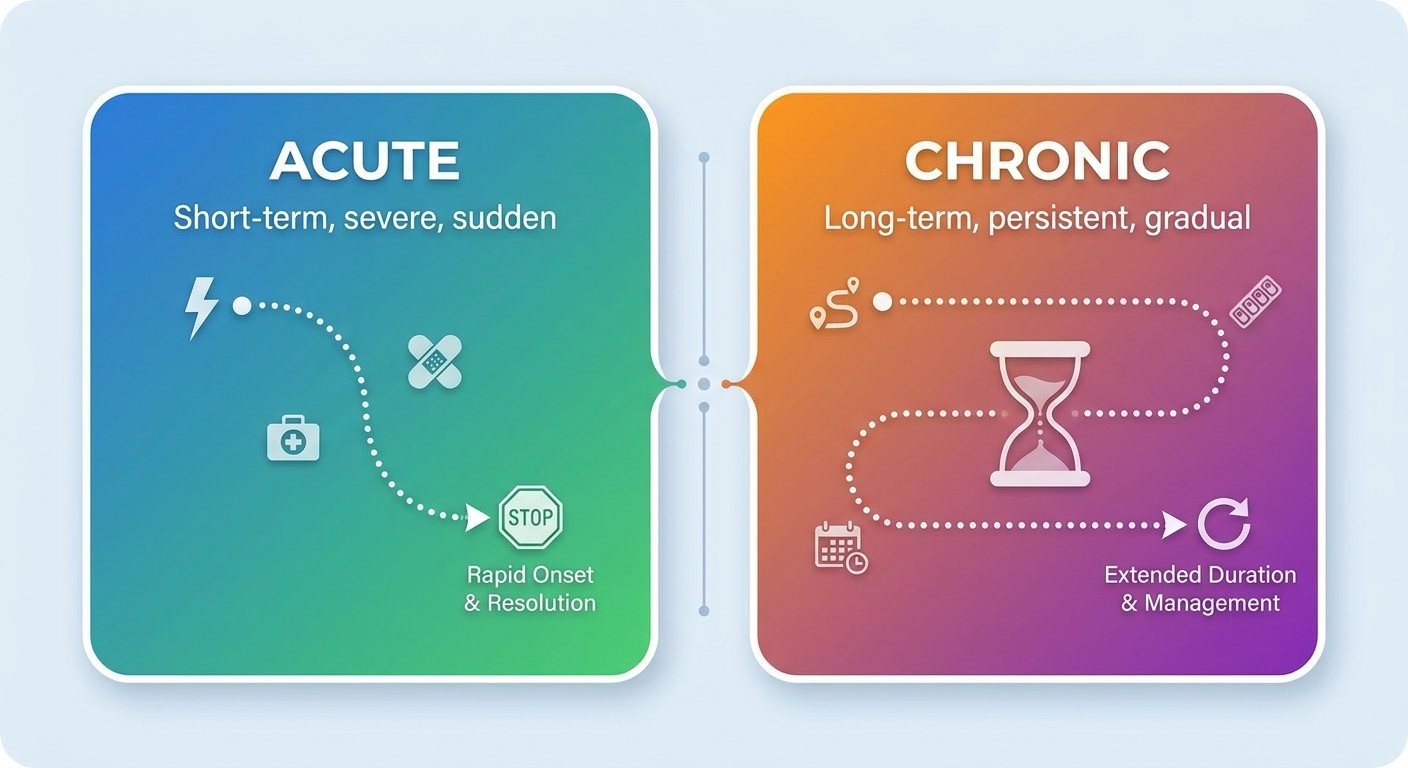
Acute vs. chronic sinusitis (simple definitions)
- Acute rhinosinusitis: symptoms lasting less than 4 weeks (often viral).
- Chronic rhinosinusitis (CRS): symptoms lasting 12 weeks or longer, along with evidence of inflammation found by a clinician (for example, on nasal exam/endoscopy or imaging). (2)(3)
A key point: many sinusitis-like symptoms are driven by inflammation rather than bacterial infection. (3) Think of the nasal lining like sensitive skin: if it’s repeatedly irritated and swollen, it can feel “infected” even when the main issue is inflammation and drainage blockage. (3) For a deeper breakdown, see Acute vs. Chronic Sinusitis: Key Differences and Treatment Options (https://sleepandsinuscenters.com/blog/acute-vs-chronic-sinusitis-key-differences-and-treatment-options).
Recurrent acute sinusitis (when it keeps coming back)
Some people have multiple distinct episodes per year, with clearer symptom-free stretches in between. If that pattern happens repeatedly, it may be described as recurrent acute sinusitis.
For healthcare workers, it can be especially confusing because a “new episode” might be:
- a new viral exposure from the workplace, or
- the same underlying inflammation flaring again after chemical fumes, dryness, or poor sleep.
If you’re seeing a repeating pattern, it’s worth stepping back and asking: “Is this truly infection after infection—or is something keeping my nose chronically inflamed?” (2)(3)
Understanding acute vs. chronic patterns helps you and your clinician match care to the cause.
Symptoms healthcare workers should watch for
Common sinus and nasal symptoms
Common symptoms that people often label as “sinus infections” include: (3)
- nasal congestion/blocked breathing
- thick drainage or postnasal drip
- facial pressure/fullness
- reduced sense of smell
- cough (often from postnasal drip)
- fatigue and sleep disruption from mouth breathing or congestion
A practical tip: if you’re frequently clearing your throat on shift, waking up with a dry mouth, or noticing pressure that spikes after a long day indoors, those clues can still fit sinus inflammation—even without a fever or “classic infection” signs.
Clues it may be work-related (work-related rhinitis/rhinosinusitis)
Work-related symptoms often follow a recognizable pattern:
- symptoms worsen during shifts
- symptoms flare after using certain disinfectants/cleaning agents
- symptoms are worse in certain areas (for example, equipment reprocessing, procedure rooms, operating areas, or high-EVS-traffic zones)
- symptoms improve on days off or vacations
Some people also notice eye/throat irritation or a burning sensation in the nose after exposure to fumes or vapors—features that fit work-related rhinosinusitis and work-related rhinitis in published occupational medicine discussions. (1)(2)
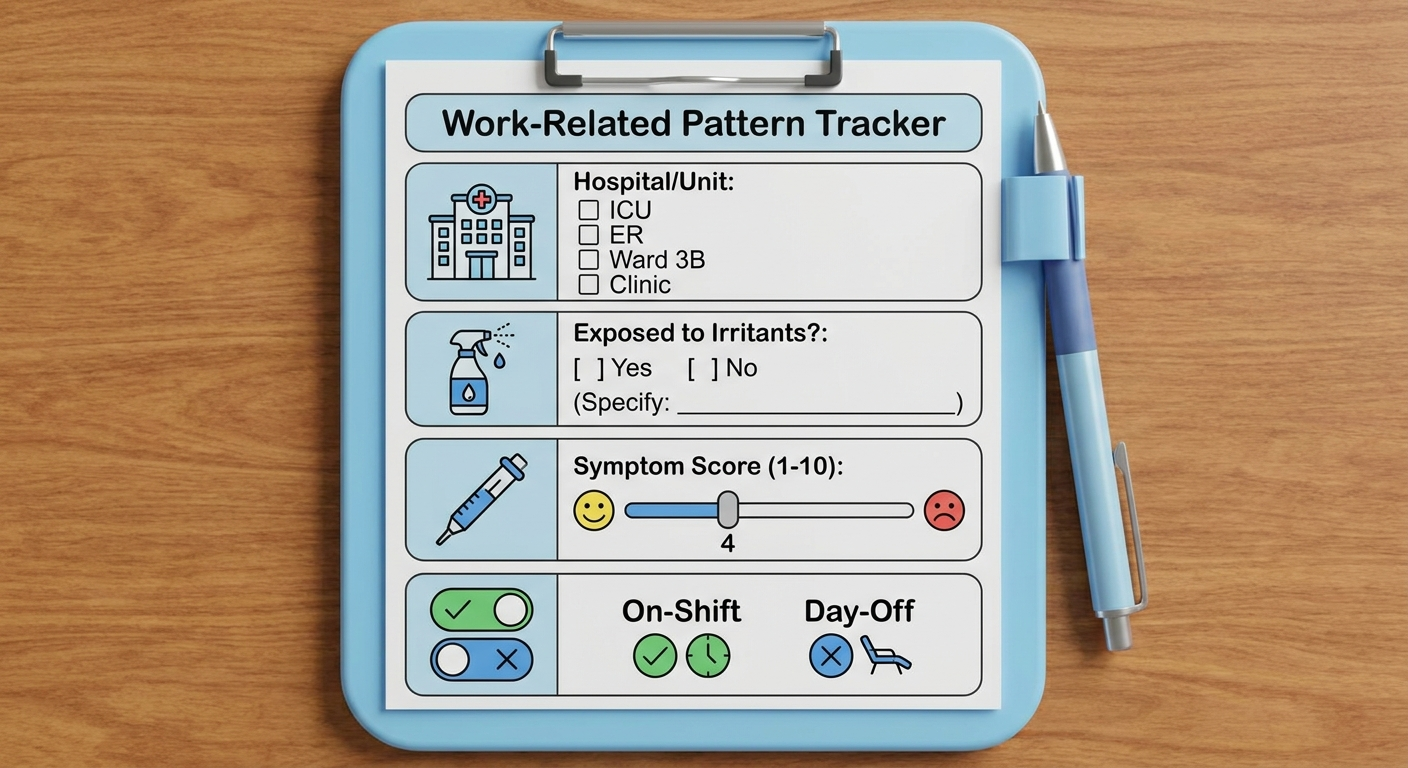
A simple “pattern tracker” that helps in clinic
If symptoms might be work-related, a short symptom diary can be surprisingly useful. For 1–2 weeks, jot down:
- shift location (unit/area)
- major cleaning exposures (sprays vs wipes, strong odors)
- symptom score (0–10) and timing (during shift vs after)
- whether symptoms improve on days off
That kind of concrete pattern often helps clinicians think beyond “another infection” and toward prevention and long-term control. (2)
Red flags—when to seek urgent care
Sinus symptoms are usually not dangerous, but urgent evaluation is important if symptoms include: (3)
- high fever with significant facial swelling
- vision changes or eyelid swelling
- severe headache, neck stiffness, or confusion
- shortness of breath or wheezing (especially if exposures also trigger asthma symptoms)
Patterns that worsen on shift and ease on days off point toward work-related rhinitis or rhinosinusitis.
Causes — Why healthcare workers may get frequent sinus symptoms
1) Work-related rhinitis from inhaled irritants
A patient-friendly way to think about it: irritants can inflame the nasal lining. When the lining swells, sinus drainage can narrow or block, mucus can stagnate, and symptoms can build—sometimes with a higher chance of secondary infection.
Occupational exposure to gases, fumes, and vapors is a documented risk factor for chronic sinus symptoms and work-related rhinitis/CRS. (1)(2) In healthcare, potential triggers may include:
- disinfectant sprays/aerosols (a common disinfectant exposure issue)
- bleach- or ammonia-based products (and the added hazard of mixing incompatible chemicals)
- unit-specific sterilants/high-level disinfectants
- fragrances/air fresheners in shared spaces
- construction or renovation dust
Concrete examples healthcare workers often mention include stepping into a room right after EVS cleaning, cleaning shared equipment between patients, or working near reprocessing/sterilization areas where odors linger. For practical ideas, see Avoiding Irritants That Trigger Sinus Flare-Ups (https://sleepandsinuscenters.com/blog/avoiding-irritants-that-trigger-sinus-flare-ups).
2) Frequent viral exposure (the “constant cold” reality)
Healthcare workers are exposed to respiratory viruses more often than many other professions. Viral upper respiratory infections can mimic sinus infections early on and may trigger inflammation that lingers—even after the worst of the cold passes. (3)
This is one reason frequent sinus symptoms in healthcare workers can sometimes be “frequent viral illnesses plus ongoing inflammation,” rather than repeated bacterial sinusitis.
3) Dry indoor air + ventilation conditions
Dry air can dehydrate the protective mucus layer in the nose, reducing clearance and increasing irritation and congestion. Hospitals and clinics often have variable HVAC conditions, and some roles require long hours in the same air environment with few breaks.
Some healthcare workers notice dryness or irritation with prolonged mask use, though masks themselves do not cause sinus infections. Supportive moisture strategies can make a meaningful difference in comfort.
4) Underlying allergies or asthma (major risk amplifier)
Allergies and asthma can make nasal tissues more reactive and swollen, which can amplify the effect of workplace irritants. (3) This “baseline sensitivity” is one reason allergies, asthma, and sinusitis often show up together, and why chemical fumes in healthcare settings can feel especially triggering for some people. (2)(3)
If symptoms are seasonal, persistent, or clearly triggered by indoor exposures, learning what you’re allergic to may be helpful. Sleep and Sinus Centers of Georgia offers allergy testing as part of a broader plan to understand nasal inflammation drivers (https://sleepandsinuscenters.com/allergy-testing).
5) Work-related rhinitis that can worsen over time
Work-related rhinitis isn’t just annoying. Occupational medicine literature notes that ongoing exposure can lead to symptom progression in some individuals and, in certain situations, may be associated with broader airway disease (including asthma). (2)
Reducing triggers and supporting nasal lining function can shrink the cycle of flares.
Risk factors — Who is more likely to struggle?
Personal/medical risk factors
Some factors that can increase susceptibility include: (3)
- seasonal or perennial allergies
- asthma
- nasal polyps or a deviated septum (structural issues can impair drainage)
- smoking/vaping exposure (including secondhand exposure)
- immune system considerations (for example, an unusual pattern of repeated infections—worth discussing with a clinician)
Workplace risk factors (healthcare-specific)
Healthcare-specific risks often involve repeated exposure combined with limited recovery time:
- frequent use of disinfectants, especially sprays/aerosols, and limited ventilation near cleaning activities (1)(2)
- higher-chemical-exposure areas (such as equipment reprocessing)
- long shifts with prolonged PPE use, which can contribute to nasal dryness and irritation (supportive care can matter here)
Your baseline biology plus your work environment determines how hard sinus symptoms hit.
Prevention — Practical strategies for healthcare workers (at work + at home)
Reduce irritant exposure at work (realistic, stepwise)
Prevention doesn’t have to be all-or-nothing. Small changes may reduce exposure load:
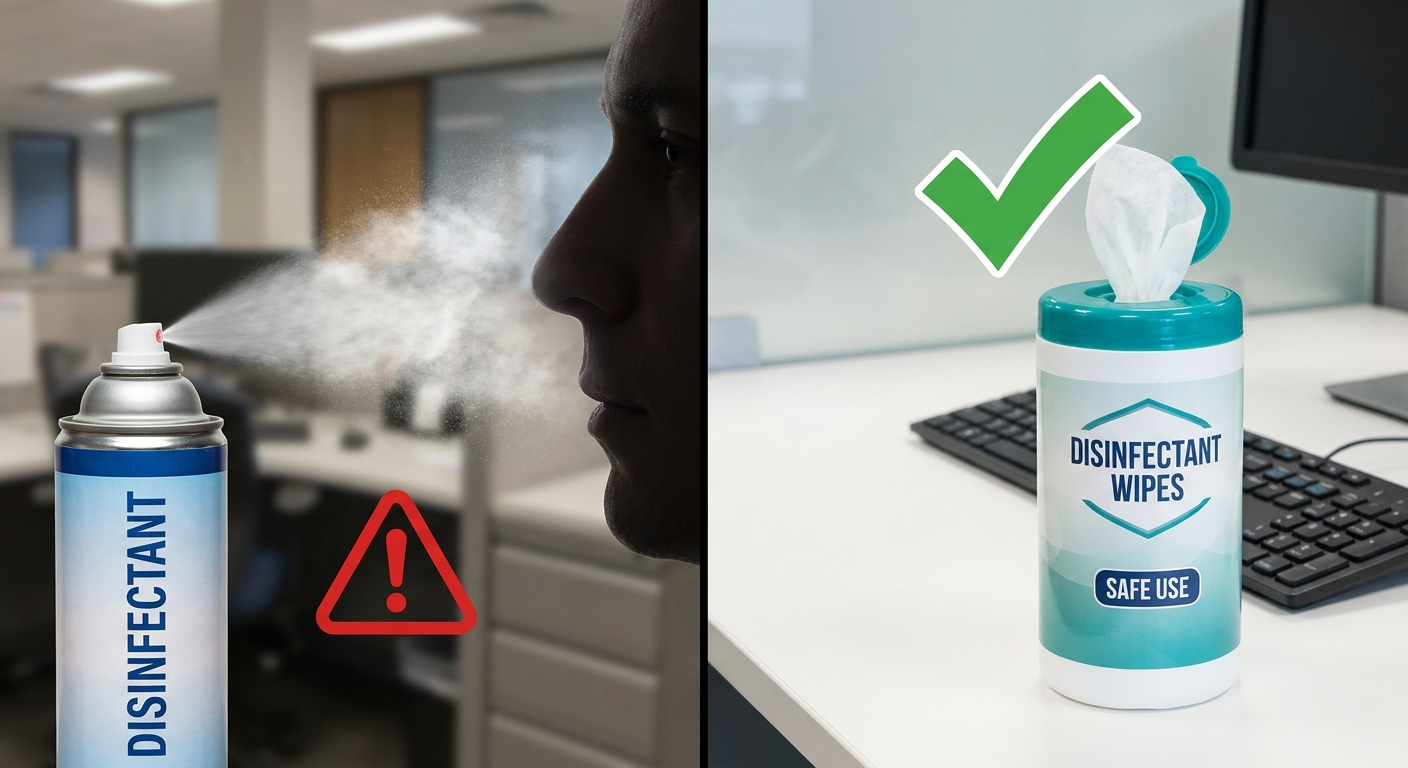
- Substitution/behavioral adjustments: When appropriate for your role and facility protocols, wipes may reduce aerosolization compared with sprays. Avoid standing directly in the spray plume, and allow adequate drying time before re-entering a tightly closed space.
- Ventilation/engineering: When possible, use well-ventilated spaces for stronger chemicals. If a persistent odor or fume issue exists, consider reporting it to employee health/safety or facilities—this can be framed as an air-quality concern.
- PPE and comfort strategies: Following workplace guidance is essential; if nasal dryness is a major issue, supportive measures (like saline) may help you tolerate required PPE better.
These steps matter because occupational exposure to fumes/vapors is associated with higher risk of work-related rhinitis and CRS. (1)(2)
Daily nasal care that supports the mucosa
Many people with recurring symptoms benefit from a “mucosa-support” routine:
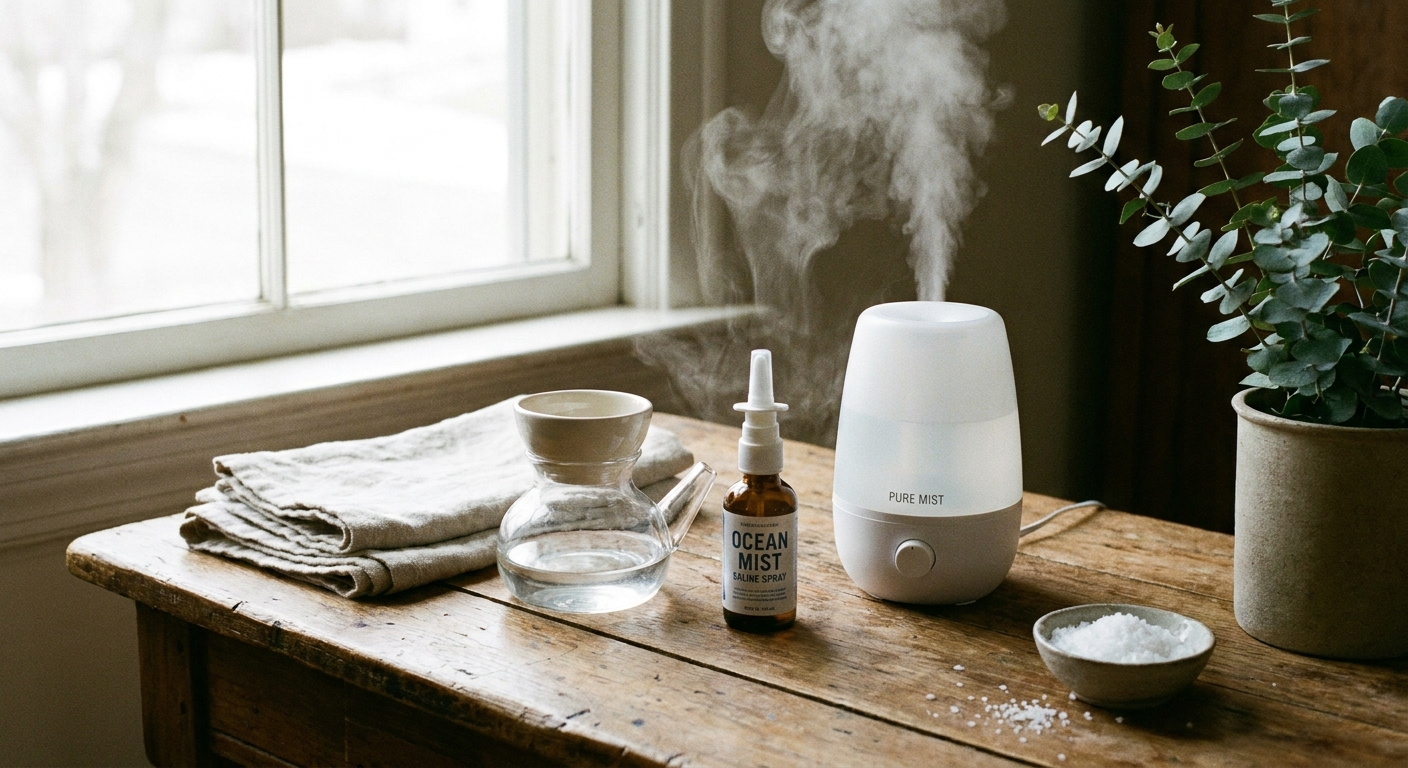
- saline spray for moisture during or after shifts
- saline rinse after high-exposure days (if tolerated and done safely with appropriate water sources)
- home humidification when air is very dry (with careful cleaning to reduce mold risk)
If you use rinses, follow product directions and use distilled/sterile water (or water that has been boiled and cooled) to reduce infection risk.
Allergy/asthma control as prevention
When allergies or asthma are contributing, improving baseline control may reduce flare frequency and severity. (3) For people dealing with frequent sinus symptoms in healthcare settings, this step can be as important as infection prevention—because less swelling often means better drainage and fewer “sinus episodes.” If you’re unsure about triggers, learn more about in-office allergy evaluation and testing (https://sleepandsinuscenters.com/allergy-testing).
Infection-prevention basics (that protect you, too)
Even when symptoms aren’t bacterial, reducing viral exposures can still reduce flare-ups:
- consistent hand hygiene
- minimizing face-touching
- cleaning shared equipment
- hydration and sleep strategies that fit shift work (even small improvements can support recovery)
For more environmental tips, see Air Quality & Sinus Health (https://sleepandsinuscenters.com/blog/air-quality-sinus-health).
Small, consistent steps at work and home often add up to fewer flare days.
Treatment options — What to do when symptoms flare (educational overview)
At-home relief (when symptoms are mild/moderate)
Common supportive options include:
- saline rinses or sprays
- warm compresses for facial discomfort
- steam/humidification with burn-safety in mind
- over-the-counter pain relief as appropriate
It’s also worth knowing that frequent use of topical decongestant sprays can cause rebound congestion in some people, so reading labels and discussing safer longer-term options with a clinician can be helpful.
When to consider prescription treatment
Depending on the pattern and suspected cause, clinicians may consider:
- intranasal corticosteroids, especially when inflammation, allergies, or CRS are suspected (3)
- structured allergy management (including non-sedating antihistamines or other therapies)
- antibiotics only when bacterial sinusitis is suspected—they are not helpful for viral or inflammation-driven symptoms (3)
A useful mindset is “match the treatment to the cause.” If the main problem is swelling and irritation, anti-inflammatory and trigger-reduction strategies may matter more than repeated antibiotic courses. (3)
When to see an ENT (or allergy specialist)
Consider evaluation if:
- symptoms last 12+ weeks (possible CRS) (2)(3)
- there are recurrent episodes that affect attendance, sleep, or performance
- symptoms strongly track with workplace exposure (possible work-related rhinitis/work-related rhinosinusitis)
- smell loss, persistent facial pressure, or limited response to standard care develops (2)
This guide on When Should I See an ENT? can help you recognize common “time to escalate” scenarios (https://sleepandsinuscenters.com/blog/when-should-i-see-an-ent). To learn more about CRS care, visit Chronic Sinusitis (https://sleepandsinuscenters.com/chronic-sinusitis). Ready to move forward? Book an appointment (https://sleepandsinuscenters.com/appointments).
Treat the inflammation, limit triggers, and reserve antibiotics for suspected bacterial cases.
Lifestyle tips for shift workers (supporting long-term sinus health)
Hydration and mucus health (simple routines)
Keeping mucus adequately hydrated supports clearance. Simple routines include keeping water accessible during shifts and pairing caffeine with extra fluids when possible.
If you tend to “forget to drink” until the end of a shift, try anchoring hydration to existing habits—like drinking water before rounds, after each break, or whenever you sanitize your hands at certain milestones.
Sleep and recovery strategies that don’t require perfection
Shift schedules aren’t always flexible, but consistency helps where you can get it (for example: a wind-down routine, protecting a sleep window, and managing bedroom light).
Even modest improvements—like keeping a stable pre-sleep routine on workdays—may help your immune system and inflammation settle, which can translate into fewer flare days over time.
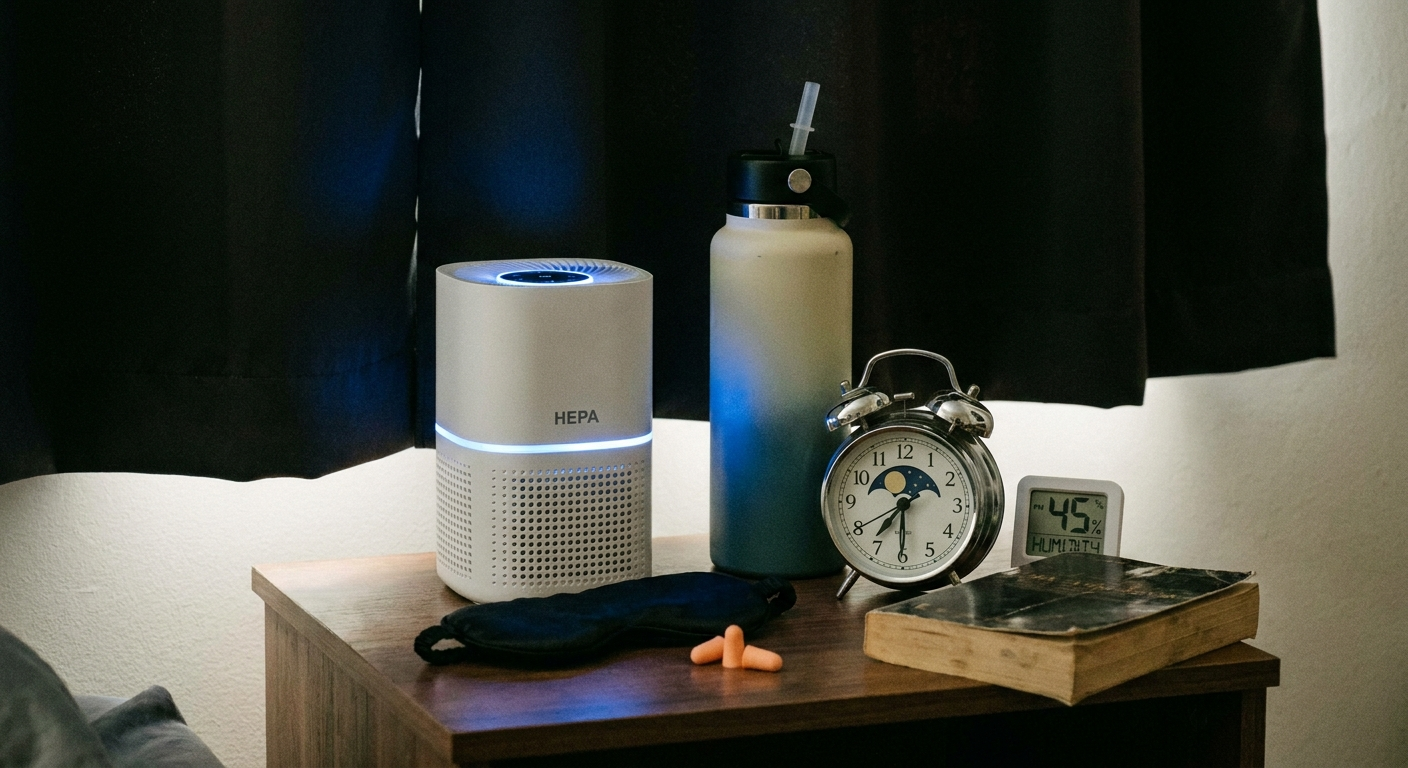
Home air quality basics
- A HEPA air purifier may reduce indoor particulates and allergens for some households.
- A common indoor target is around 30–50% humidity, depending on the environment. Too dry can irritate; too humid can raise mold risk.
For more on the environment-sinus connection, see Air Quality & Sinus Health (https://sleepandsinuscenters.com/blog/air-quality-sinus-health).
Better recovery and air quality can make your nose less reactive over time.
FAQs
Why do I only feel “sinus infections” when I’m working?
That “better on days off” pattern is a classic clue for work-related rhinitis or work-related rhinosinusitis. (2) Tracking symptoms by shift, unit, and cleaning tasks can make the pattern clearer for you and your clinician.
Are disinfectants causing my sinus infections?
Disinfectants don’t typically “cause infections,” but disinfectant exposure can irritate the nasal lining in some people and increase inflammation—creating symptoms that feel like sinusitis and potentially increasing vulnerability over time. Occupational studies link exposure to fumes/vapors with higher rhinitis/CRS risk. (1)(2)
How do I know if it’s allergies or a sinus infection?
Symptoms overlap, but these patterns can help: (3)
More suggestive of allergies
- Itching, sneezing
- Clear, watery drainage
- Seasonal or exposure-linked
More suggestive of sinusitis or an inflammation flare
- Facial pressure/fullness
- Thick drainage/postnasal drip
- Often follows a cold; can linger
Because overlap is common, persistent patterns are often best clarified with a clinician.
Can work-related rhinitis be associated with asthma?
Occupational medicine literature notes that ongoing exposure to causal agents can worsen upper-airway symptoms and may be associated with broader airway disease in some individuals. (2) If chest symptoms occur with the same triggers, that’s an important detail to share during evaluation.
When do I need antibiotics?
Antibiotics may be considered when a clinician suspects bacterial sinusitis. They are not helpful for viral or inflammation-driven symptoms. (3) If you’re experiencing frequent sinus symptoms in healthcare settings, it can be useful to discuss whether the pattern fits bacterial infection or chronic inflammation.
If you’re unsure which pattern fits, track symptoms and check in with a clinician.
Conclusion — A clear plan for healthcare workers
If you’re dealing with recurring congestion, pressure, and drainage, it may not be “just infections.” In healthcare settings, symptoms may reflect a mix of viral exposure, dry air, allergies/asthma, and work-related rhinitis from irritants.
A practical plan often includes:
- noticing patterns (worse at work vs. better off work)
- reducing irritant exposure when possible
- optimizing allergy/asthma control
- seeking ENT evaluation if symptoms persist (12+ weeks) or keep returning
To explore next steps with a specialist team, learn more about chronic sinus care (https://sleepandsinuscenters.com/chronic-sinusitis). Ready to get answers and a plan? Book an appointment (https://sleepandsinuscenters.com/appointments).
A clear plan beats another frustrating flare.
References
1. PubMed Central (2022). Occupational and environmental exposures, the association with chronic sinusitis. https://pmc.ncbi.nlm.nih.gov/articles/PMC9127924/
2. CMAJ (2025). Chronic rhinosinusitis: an under-recognized occupational disease. https://www.cmaj.ca/content/chronic-rhinosinusitis-under-recognized-occupational-disease
3. Mayo Clinic (2023). Chronic sinusitis—Symptoms and causes. https://www.mayoclinic.org/diseases-conditions/chronic-sinusitis/symptoms-causes/syc-20351661
This article is for educational purposes only and is not medical advice. Please consult a qualified healthcare provider for diagnosis and treatment.
Don’t let allergies slow you down. Schedule a comprehensive ENT and allergy evaluation at Sleep and Sinus Centers of Georgia. We’re here to find your triggers and guide you toward lasting relief.