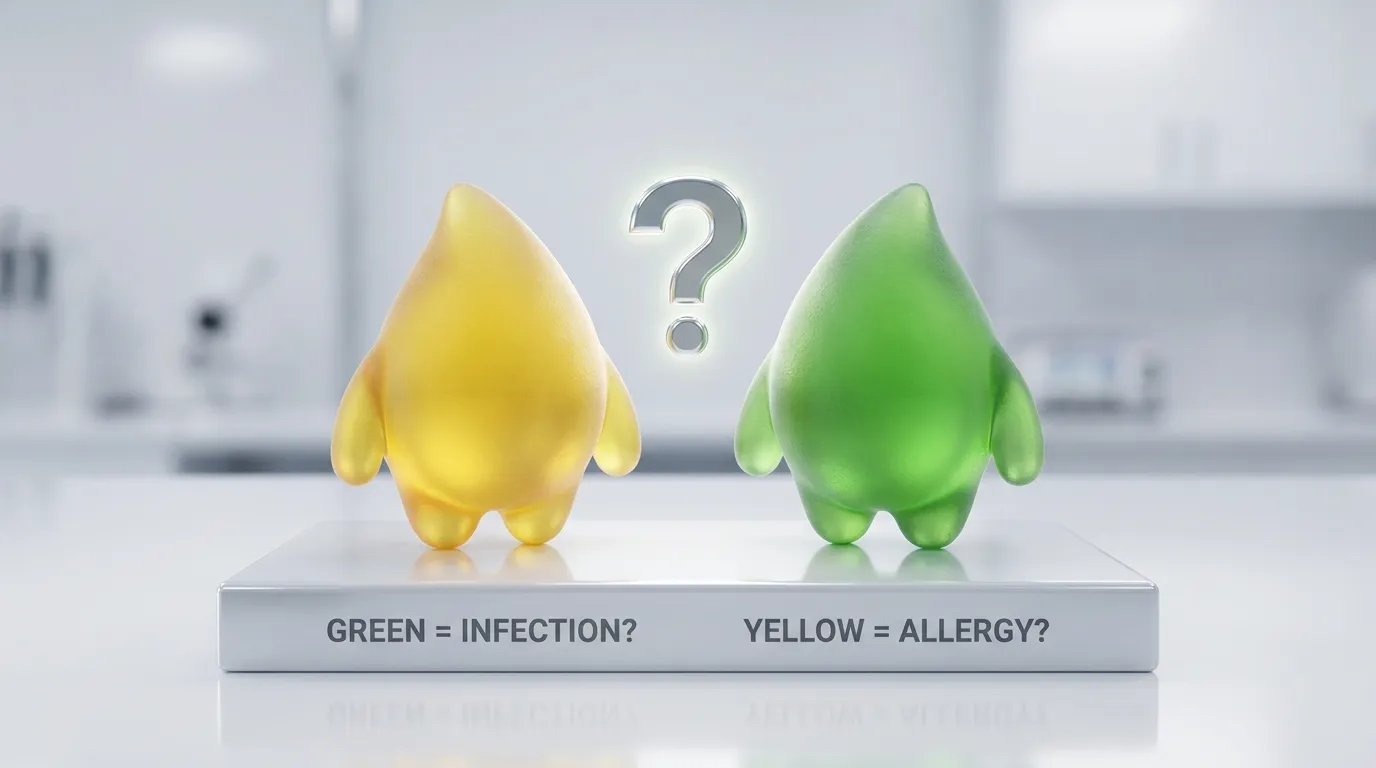
Green vs. Yellow Mucus: What Snot Color Means for Your Health and Infection
Noticing your nasal mucus change from clear to yellow or green can be unsettling. It’s common to assume “green means bacterial” or that darker mucus means you need antibiotics. The good news: color alone rarely tells the full story. In many cases, discolored mucus simply means your immune system and nasal tissues are responding to irritation or infection.
Think of it like a busy construction site: more “cleanup crews” (immune cells) and more “traffic” (thicker mucus) can change what you see, even when the underlying cause is still viral or allergy-related. Treat color as a context clue—then zoom out and look at the full symptom pattern: how long it’s lasted, how severe it feels, and whether you’re improving.
Quick Answer: Green vs. Yellow Mucus Usually Means

- Yellow mucus: often reflects immune system activity and thicker mucus as your body responds to irritation or infection (viral or bacterial). (Mayo Clinic, 2018; Harvard Health Publishing, 2024)
- Green mucus: often reflects more concentrated immune cells (especially neutrophils) and enzymes. It can sometimes occur with viral infections, allergies, or other inflammation—so it’s not enough by itself to diagnose a bacterial infection. (Harvard Health Publishing, 2024; Healthline)
- Key takeaway: Mucus color alone can’t determine whether antibiotics are needed. (Harvard Health Publishing, 2024; Mayo Clinic, 2018)
Don’t judge your mucus by color alone. (Harvard Health Publishing, 2024)
For a deeper breakdown of why color isn’t enough to identify bacteria, see our guide on viral vs. bacterial sinus infections: https://sleepandsinuscenters.com/blog/viral-vs-bacterial-sinus-infections-key-differences.
What Nasal Mucus Does (and Why Your Body Makes It)
The job of mucus
- Trap particles like dust, pollen, and germs
- Moisturize nasal tissues (especially in dry environments)
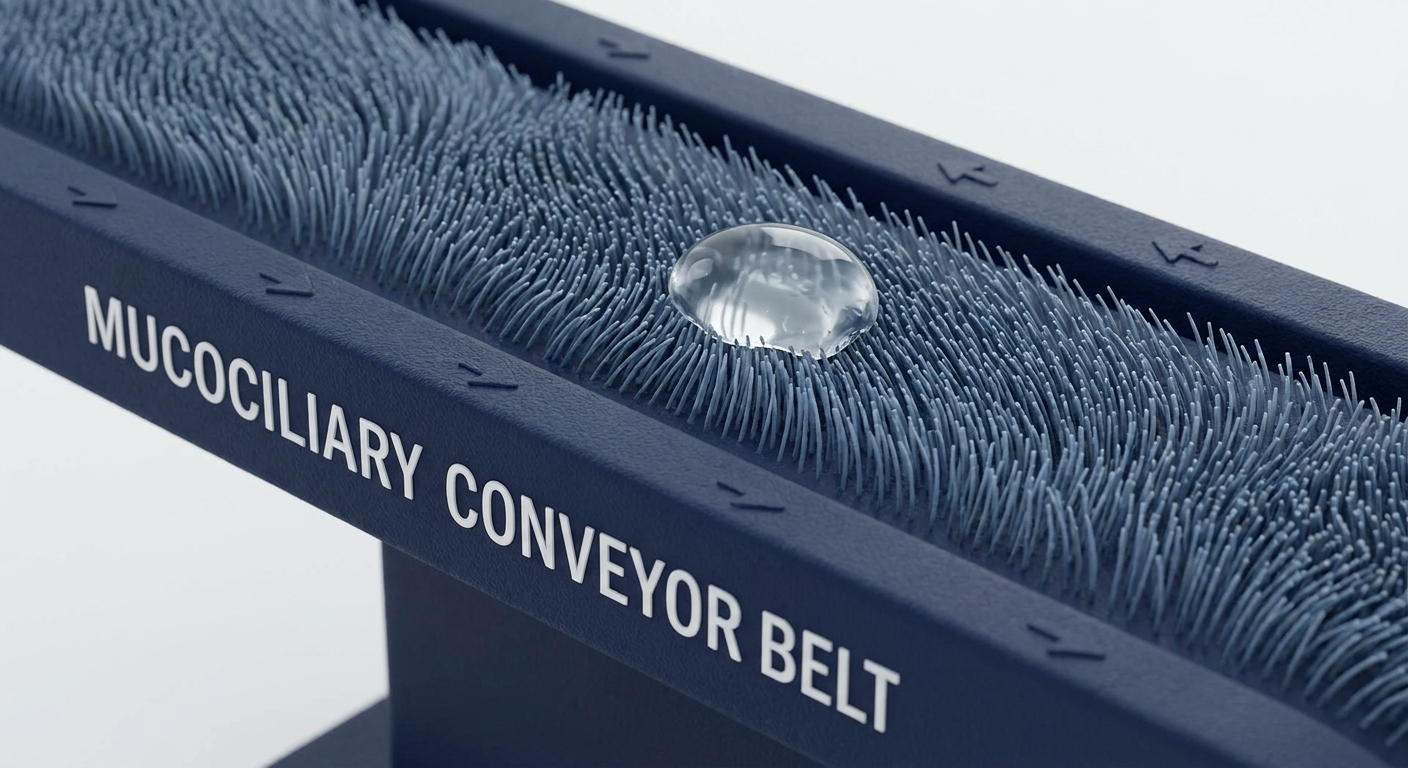
- Support the mucociliary escalator—a transport system that moves mucus (and what it traps) toward the throat so it can be cleared (PubMed/NCBI, 2017)
Think of the mucociliary escalator like a slow-moving conveyor belt lined with tiny brushes (cilia). When it runs smoothly, mucus stays thin and moves out. When inflammation slows it down, mucus sits longer—so it can thicken, concentrate, and change color.
Normal mucus changes
- Clear and thin is common at baseline.
- During colds or allergies, you may produce more mucus, and it may become thicker, even if the cause isn’t serious. (Mayo Clinic, 2018; Healthline)
Real-life example: after a day around heavy pollen or a dusty room, you might wake up congested with thicker mucus. That doesn’t automatically mean an infection—it can simply reflect irritated nasal tissue and slower mucus clearance.
In short: healthy noses make mucus all the time, and changes in thickness and color often reflect how well it’s moving—not just what’s causing it.
Why Mucus Turns Yellow or Green (The Science in Plain Language)
The immune response is the main reason
As your immune system responds to a virus, allergen, or irritant, white blood cells—especially neutrophils—can accumulate in nasal secretions. (PubMed/NCBI, 2017) When they show up in larger numbers, mucus often becomes thicker and more opaque, which can shift it from clear to cloudy, yellow, or green.
Why green happens (myeloperoxidase)
Neutrophils carry an iron-rich enzyme called myeloperoxidase. When many neutrophils are present, this enzyme can contribute to a greenish tint. (Scienceline, 2010; PubMed/NCBI, 2017) In simple terms: green mucus can reflect a high-activity immune response—not a guaranteed bacterial infection. Green by itself is not enough to diagnose bacteria.
Why thicker mucus often looks darker
- Dry indoor air or dehydration
- Inflammation that narrows nasal passages
- Mucus that sits longer in the nose (Mayo Clinic, 2018; Harvard Health Publishing, 2024)
In short: darker colors often reflect thicker, slower-moving mucus, regardless of the cause.
Green Mucus: Common Causes (Not Just Infection)
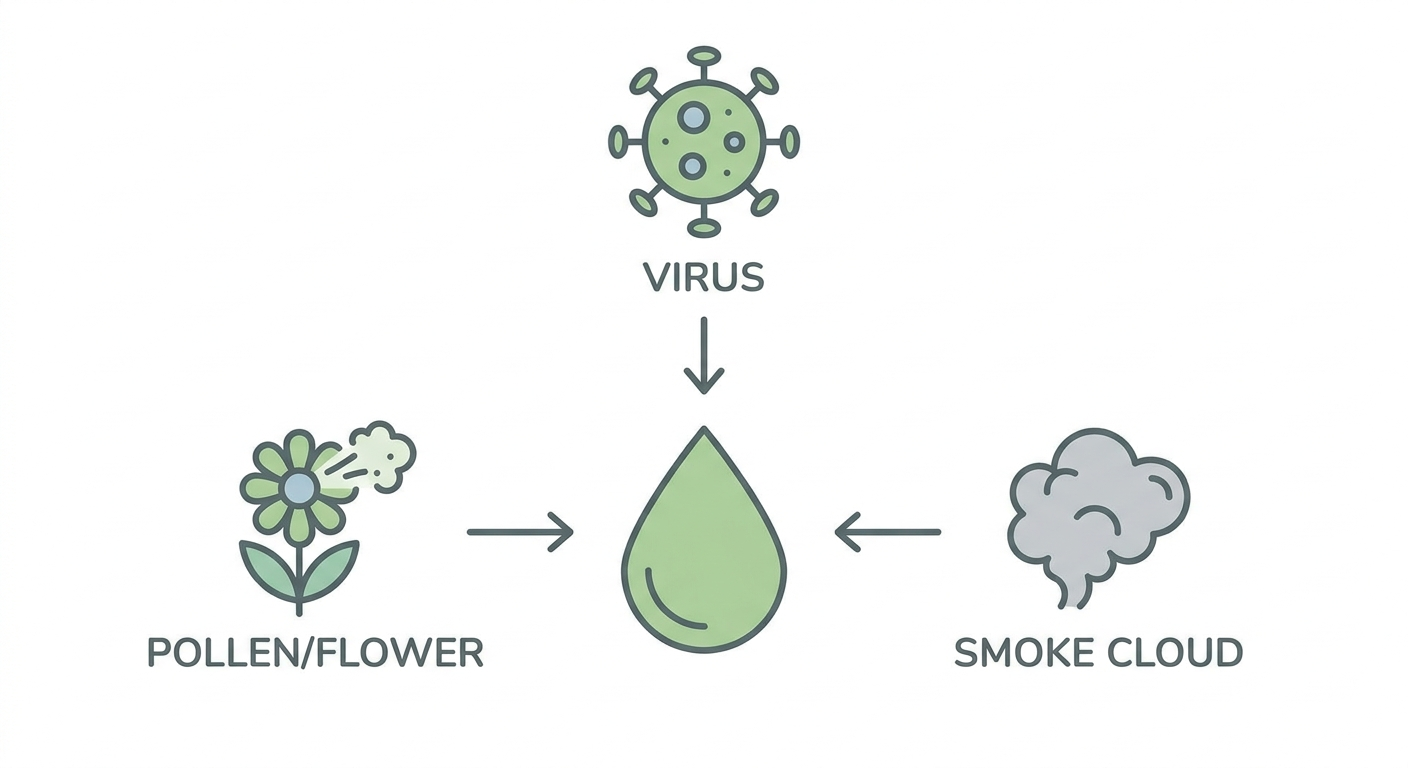
People often search “green snot meaning” because they assume green equals bacterial. In reality, green mucus can appear in several situations—especially when congestion slows normal drainage.
Viral upper respiratory infection (common cold)
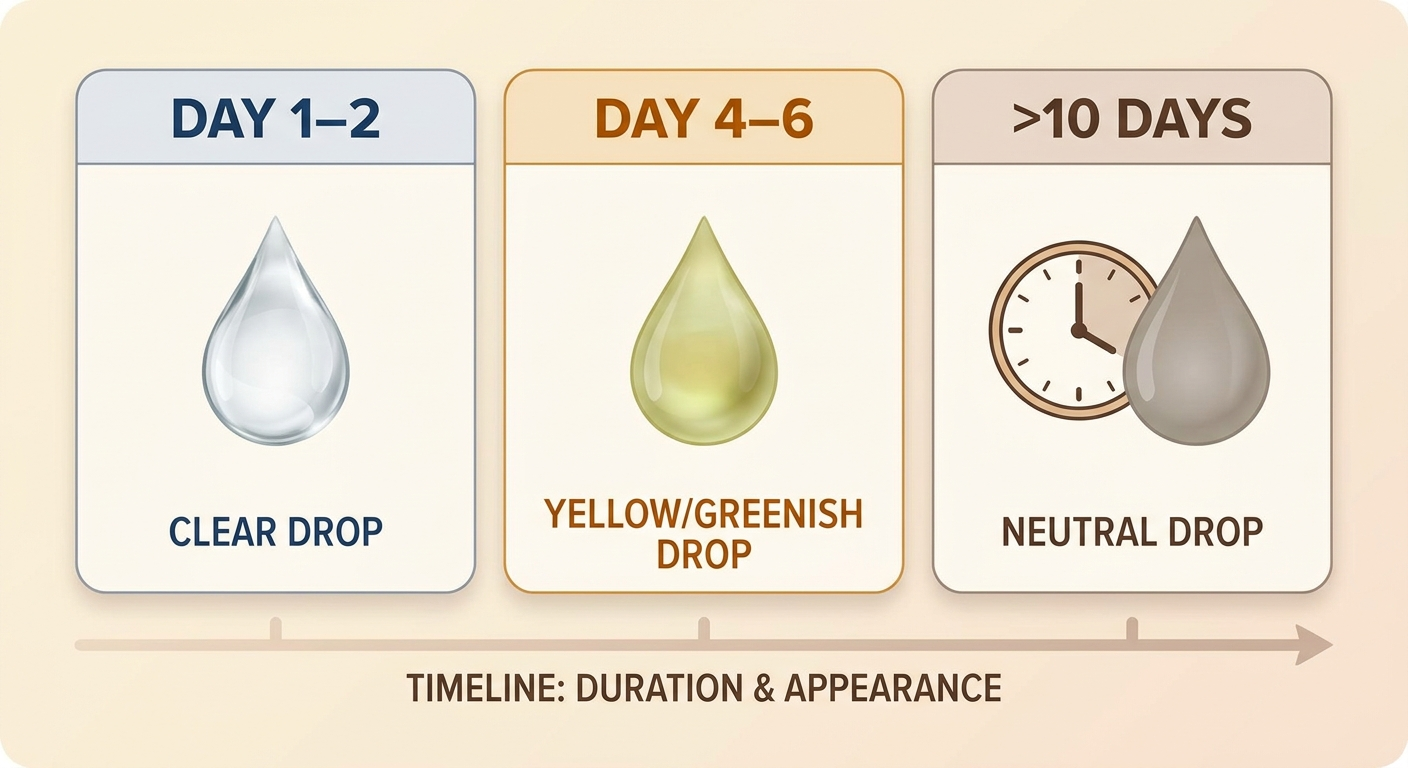
With many colds, mucus may start clear, then become yellow or green as the illness progresses and inflammation builds. (Mayo Clinic, 2018; Harvard Health Publishing, 2024) Typical pattern: scratchy throat and runny nose on day 1–2 (clear mucus), then thicker greenish mucus around day 4–6—still consistent with a viral illness.
Sinus inflammation (sinusitis—viral or bacterial)
Sinus infection mucus color varies widely. Viral sinus inflammation can produce green mucus, and bacterial sinusitis can also produce green mucus—so color doesn’t reliably separate the two. (Harvard Health Publishing, 2024) More useful than color: the overall timeline (for example, symptoms that linger without improvement) and how you feel (severity, facial pressure, fever). For more, see: https://sleepandsinuscenters.com/blog/viral-vs-bacterial-sinus-infections-key-differences.
Seasonal allergies (can contribute to green)
Allergies increase inflammation and can thicken mucus and slow clearance—sometimes leading to yellow or green discharge even without bacteria, especially when mucus is thick and drainage is reduced. (OSF Healthcare, 2025; Healthline) If symptoms are recurring or seasonal, learning more about triggers and options like allergy testing may help: https://sleepandsinuscenters.com/allergy-testing.
Environmental irritants
Smoke, pollution, cleaning chemicals, and strong fragrances can inflame nasal tissues, leading to thicker, discolored mucus even when there’s no infection.
Bottom line: green mucus can accompany viral infections, allergies, or irritant exposure, and by itself does not prove a bacterial infection.
Yellow Mucus: Common Causes
If you’re wondering about yellow mucus meaning, it commonly points to an active inflammatory response—not a guaranteed bacterial issue.
Early immune response
Yellow mucus often appears when your body responds to a cold or irritation and immune cells are present in nasal secretions. (Mayo Clinic, 2018) Many people notice yellow mucus most in the morning, when mucus has pooled and concentrated overnight.
Dehydration or dry air
When mucus is thicker and stickier, it can look more yellow because it’s more concentrated. This is especially common during winter heating season or in very air-conditioned environments.
Allergy flare or non-infectious inflammation
If symptoms track with pollen counts, pet exposure, dust, or other triggers, yellow mucus may reflect inflammation rather than infection. (OSF Healthcare, 2025)
In short: yellow mucus usually reflects immune activity and thicker secretions, not a diagnosis by itself.
Symptoms That Matter More Than Color (How to Tell If It’s Getting Serious)
Because “is green mucus bacterial?” is such a common question, it helps to focus on patterns that are more suggestive of bacterial sinusitis than color alone.
Signs more consistent with a possible bacterial sinus infection
- Symptoms lasting more than 10 days without improvement can suggest bacterial sinusitis, but timeline alone does not confirm it
- Severe symptoms early on, such as significant facial pain/pressure or fever
- “Double worsening” (you start to improve, then suddenly get worse) (Harvard Health Publishing, 2024; Mayo Clinic, 2018)
Red flags—symptoms that typically warrant urgent evaluation
- Swelling around the eyes or vision changes
- Severe headache, stiff neck, confusion
- Fever that isn’t improving
- Shortness of breath or chest pain
If you’re unsure how to interpret symptom timing and severity, this overview can help: https://sleepandsinuscenters.com/blog/when-should-i-see-an-ent.
In short: duration, severity, and worsening patterns are more helpful than color alone when deciding to seek care.
A Patient-Friendly Snot Color Chart (What Other Colors Can Mean)
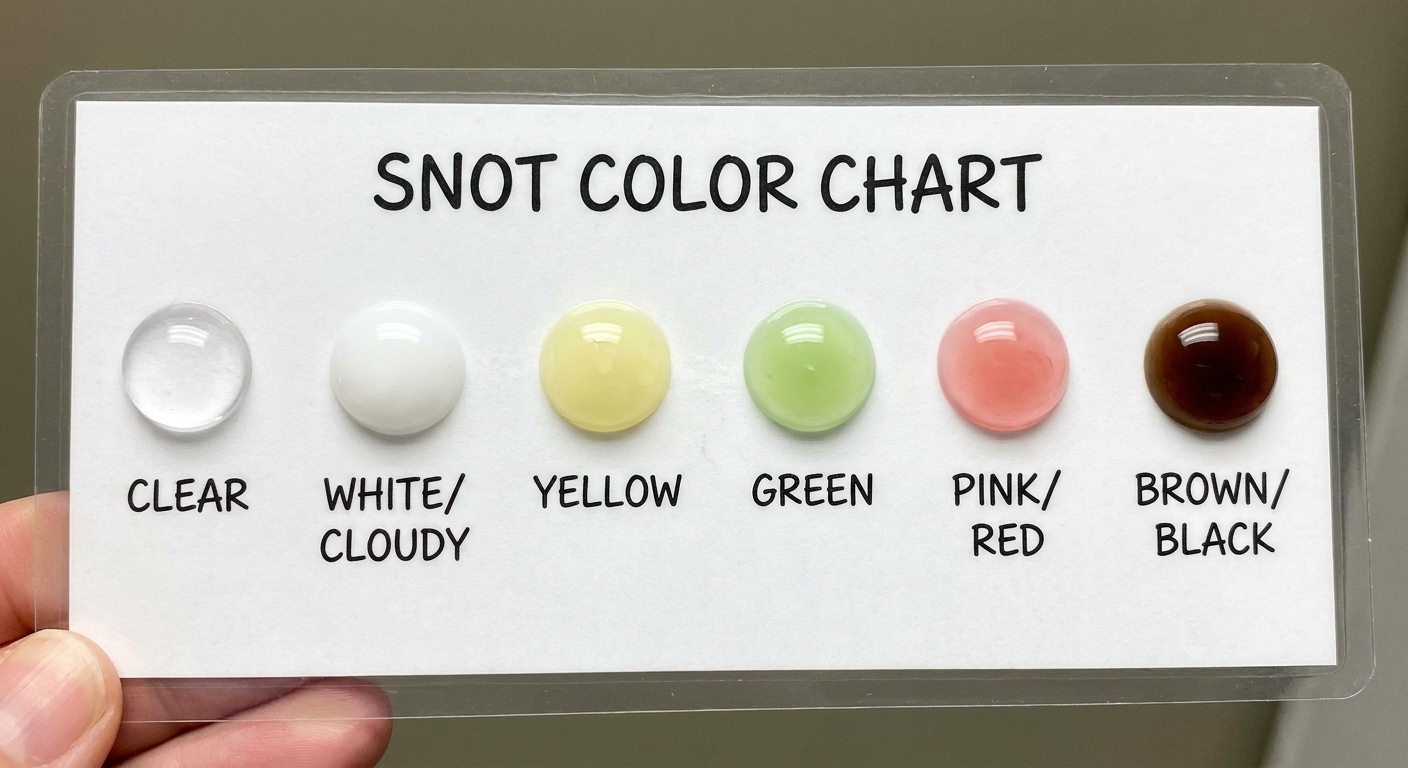
A quick snot color chart can be useful—just remember that color is one clue, not a diagnosis. (Healthline)
Clear
- Common baseline; can also occur with allergies or early viral illness. (Mayo Clinic, 2018)
White/cloudy
- Often reflects congestion and swelling; mucus flow slows.
Yellow
- Often reflects immune activity and thickened secretions. (Mayo Clinic, 2018)
Green
- Often reflects neutrophils and myeloperoxidase; can occur with viral illness, allergies, or bacterial infection. Color alone cannot diagnose bacteria. (Harvard Health Publishing, 2024; PubMed/NCBI, 2017)
Pink/red
- A small amount of blood can occur with dryness or irritation; persistent bleeding is worth medical discussion.
Brown
- Can reflect old blood or exposure to smoke/dirt.
Black
- Uncommon; may reflect smoke, dust, or old blood, and more rarely certain fungal infections. It should be discussed with a healthcare provider, especially if it persists.
In short: treat color as a clue; your overall symptoms tell the real story.
Treatments and Home Care (What to Do for Green or Yellow Mucus)
Many cases of discolored mucus are viral or irritation-related, so care often focuses on comfort and supporting normal mucus clearance.
Hydration and humidity (to thin mucus)
Staying well hydrated and using humidity (for example, a humidifier in dry conditions) may help mucus stay thinner and easier to clear. (Mayo Clinic, 2018)
Saline spray or saline rinse
Saline helps rinse irritants and loosen thick secretions. Use sterile or properly prepared water for rinses, and follow product instructions.
Warm showers/steam (comfort measure)
Steam may temporarily ease congestion for some people. It’s best viewed as short-term symptom relief rather than a cure.
OTC options (choose based on symptoms)
- Pain/fever reducers (as labeled and if safe for you)
- Decongestants for short-term relief (some nasal sprays can cause rebound congestion with overuse)
- Antihistamines when allergies are a major driver
If you have chronic conditions, are pregnant, or take other medications, ask a pharmacist or clinician which OTC options are safest for you.
When antibiotics might help (and when they won’t)
Antibiotics treat bacterial infections—not viral infections or allergies. Many sinus infections start viral and improve without antibiotics. (Harvard Health Publishing, 2024; Mayo Clinic, 2018) For details, see: https://sleepandsinuscenters.com/blog/do-i-always-need-antibiotics-for-a-sinus-infection.
In short: focus on thinning and clearing mucus and treating the cause; antibiotics are only for confirmed or strongly suspected bacterial infections.
Lifestyle Tips to Prevent Thick, Discolored Mucus
Manage allergies proactively
Reducing exposure to known triggers and understanding whether allergies play a role can reduce inflammation and recurring symptoms. If this is a frequent pattern, allergy testing may help clarify next steps: https://sleepandsinuscenters.com/allergy-testing.
Improve indoor air
- Aim for indoor humidity around 30–50%
- Reduce smoke exposure and strong fragrances
- Change HVAC filters regularly when possible
Nasal hygiene habits
Gentle blowing and avoiding repetitive irritation may reduce bleeding and inflammation.
Sleep and immune support basics
Rest, hydration, and balanced nutrition support recovery during respiratory illnesses.
In short: a few daily habits can keep mucus moving and reduce irritation.
When to See an ENT or Sinus Specialist
You should schedule a visit if
Common reasons people connect with Sleep and Sinus Centers of Georgia include:
- Symptoms that persist beyond 10–14 days
- Recurrent sinus infections or lingering congestion
- Significant facial pain/pressure, persistent fever, or symptoms that disrupt sleep and quality of life
What your clinician may evaluate
An ENT evaluation may look for:
- Ongoing nasal inflammation
- Nasal polyps
- Structural blockage (like a deviated septum)
- Allergic contribution or chronic sinusitis patterns
If you’re ready to get answers—especially if symptoms keep coming back—you can book an appointment: https://www.sleepandsinuscenters.com/.
In short: if symptoms are persistent, recurrent, or affecting daily life, an ENT can help identify the cause and tailored options.
FAQs
Does green mucus mean I have a bacterial infection?
No. Green mucus often reflects immune response (neutrophils and myeloperoxidase) and can occur with viral infections, allergies, or other inflammation. By itself, it’s not enough to diagnose bacteria. (Harvard Health Publishing, 2024; PubMed/NCBI, 2017)
Is yellow mucus always an infection?
Not always. Yellow mucus can reflect inflammation, thicker mucus, dry air effects, or allergies. (Mayo Clinic, 2018; OSF Healthcare, 2025)
How long is it normal to have green mucus with a cold?
Green mucus can appear during a typical viral illness. Pay closer attention to symptoms that last over 10 days without improvement or that worsen after improving. (Mayo Clinic, 2018; Harvard Health Publishing, 2024)
Can allergies cause green mucus?
Sometimes. Allergies can increase inflammation and slow drainage, which may contribute to yellow/green discharge even without bacteria. (OSF Healthcare, 2025; Healthline)
What if my mucus is green and I have facial pain?
Facial pressure/pain can occur with sinus inflammation from multiple causes. Severity, duration, and worsening pattern help determine whether evaluation is needed. (Harvard Health Publishing, 2024)
What mucus color means antibiotics are needed?
No color reliably indicates that antibiotics are necessary. Decisions are typically based on symptoms and timeline—not color alone. (Harvard Health Publishing, 2024; Mayo Clinic, 2018)
Conclusion: The Bottom Line on Green vs. Yellow Mucus
When it comes to green vs. yellow mucus, the most important point is this: yellow and green colors often reflect inflammation and immune activity, not a guaranteed bacterial infection. Instead of focusing only on color, pay attention to duration, severity, and whether symptoms are improving or worsening.
If symptoms are persistent, recurrent, or affecting daily life, Sleep and Sinus Centers of Georgia can help evaluate what’s driving the pattern and what options may improve long-term relief. To schedule a visit, book an appointment at https://www.sleepandsinuscenters.com/.
Medical disclaimer: This article is for general educational purposes and isn’t a substitute for individualized medical advice, diagnosis, or treatment. If you have severe symptoms, red flags, or concerns about your health, contact a qualified clinician promptly.
References
- Mayo Clinic. (2018). Nasal mucus color: What does it mean? https://newsnetwork.mayoclinic.org/discussion/mayo-clinic-q-and-a-nasal-mucus-color-what-does-it-mean/
- Harvard Health Publishing. (2024). Don’t judge your mucus by its color. https://www.health.harvard.edu/blog/dont-judge-your-mucus-by-its-color-201602081001
- Healthline. Snot color chart. https://www.healthline.com/health/snot-color
- PubMed/NCBI. (2017). Mucus/neutrophils and infection/inflammation background. https://pmc.ncbi.nlm.nih.gov/articles/PMC5640107/
- OSF Healthcare. (2025). What the color of your snot means. https://www.osfhealthcare.org/blog/what-the-color-of-your-snot-means
- Scienceline. (2010). What makes snot turn green? https://scienceline.org/2010/02/what-makes-snot-turn-green/
This article is for educational purposes only and is not medical advice. Please consult a qualified healthcare provider for diagnosis and treatment.
Don’t let allergies slow you down. Schedule a comprehensive ENT and allergy evaluation at Sleep and Sinus Centers of Georgia. We’re here to find your triggers and guide you toward lasting relief.