Gardening Allergies in Georgia: Allergy-Triggering Plants to Watch
If you love working outdoors but dread the sneezing, itchy eyes, or congestion that follows, you’re not alone. Gardening allergies in Georgia can be especially frustrating because the long growing season creates more opportunities for pollen exposure—during planting, pruning, mowing, mulching, and weeding. Below is a practical, Georgia-specific guide to common allergy-triggering plants, the timing of Georgia pollen season, and simple landscaping and lifestyle strategies to reduce outdoor triggers without giving up your garden.
Why gardening can be tough for allergy sufferers in Georgia
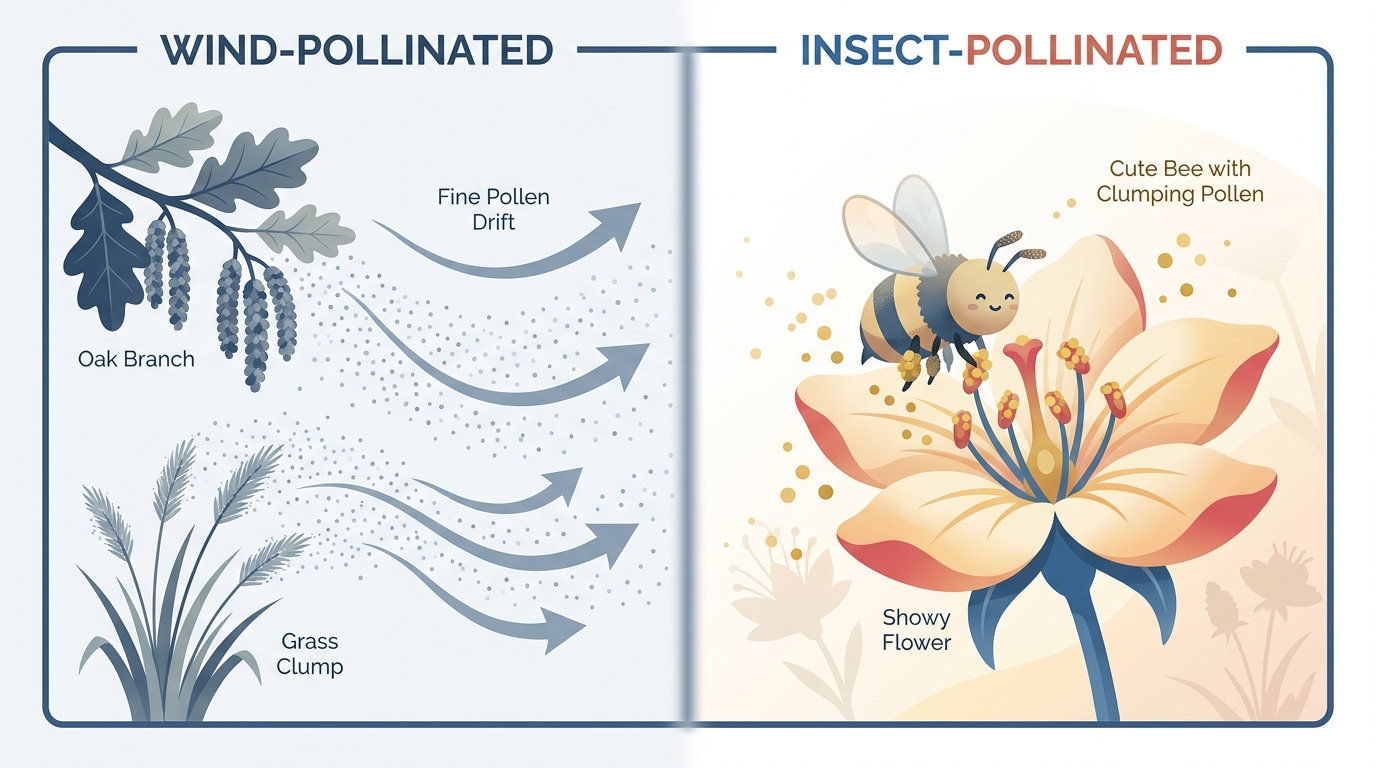
Georgia’s mild winters and warm, humid springs and summers mean plants have a long runway to grow—and to release pollen. Yard work acts like a pollen amplifier: you’re closer to sources, moving leaves and grass, and breathing harder. One helpful concept is wind- vs. insect-pollinated plants. Wind-pollinated plants release lightweight pollen that travels easily; insect-pollinated plants tend to have heavier pollen that drifts less. Missouri Botanical Garden: https://www.missouribotanicalgarden.org/gardens-gardening/your-garden/help-for-the-home-gardener/advice-tips-resources/visual-guides/plants-pollen-and-allergies
Summary: Gardening in Georgia often means longer, closer contact with wind-borne pollen—especially during active yard work.
Common allergy symptoms gardeners notice (and when they’re a red flag)
Typical outdoor allergy symptoms during or after yard work include sneezing; runny or stuffy nose; itchy or watery eyes; post-nasal drip with throat clearing or cough; and fatigue or sleep disruption during peak pollen windows. A common pattern is “I was fine until I mowed or pulled weeds,” followed by symptoms that linger into the evening because pollen clings to hair, skin, and clothing.
When to talk to a clinician: wheezing, chest tightness, or shortness of breath; sinus pressure with persistent congestion, thick drainage, or facial pain; symptoms that return each season despite consistent OTC steps; or repeated sleep disruption during the same season each year.
Summary: If symptoms are persistent, severe, or seasonally repeatable, it’s reasonable to check in with a clinician.

What causes gardening allergies? (Simple explanation)
Pollen exposure (the big one): In Georgia, pollen often follows a rhythm—trees in spring, grasses in late spring and summer, and weeds in late summer and fall. Track local trends with a tool like IQAir’s Atlanta reporting: https://www.iqair.com/pollen/usa/georgia/atlanta. Deeper explainer: https://sleepandsinuscenters.com/blog/tree-vs-grass-vs-weed-pollen-key-differences-and-allergy-triggers-explained
Mold spores and damp plant debris: Turning soil, spreading mulch or compost, and raking wet leaf litter can boost mold exposure—especially after rain and on muggy days.
Irritants that can mimic allergies: Strong odors and airborne irritants—fertilizer smells, pesticide sprays, dust, smoke, air pollution—can cause burning or instant stuffiness without true allergy.
Summary: Seasonal pollen leads the list, but molds and irritants can add to your symptom load—especially after rain or during yard work.

Allergy-triggering trees common in Georgia (high-pollen offenders)
Many high-pollen trees in Georgia are wind-pollinated, which is why they’re frequent triggers in spring. Tree choices and placement matter because trees are long-term pollen sources.
Oak: A major spring offender that can produce heavy seasonal loads. ENT of Georgia: https://www.entofga.com/blog/local-spring-allergens-unique-to-georgia-and-their-effects/ and IQAir: https://www.iqair.com/pollen/usa/georgia/atlanta. Oak-specific tips: https://sleepandsinuscenters.com/blog/oak-pollen-in-atlanta-essential-tips-to-manage-allergies
Garden tip: Plant oaks farther from patios, entryways, and bedroom windows; rinse outdoor furniture and porches during peak weeks to reduce buildup.
Pine (and the “yellow pollen” misconception): Pine’s visible yellow dust is famous; not everyone reacts strongly, but some do—especially when counts are high. Visibility isn’t a perfect guide; unseen pollen can still trigger symptoms. ENT of Georgia: https://www.entofga.com/blog/local-spring-allergens-unique-to-georgia-and-their-effects/; Missouri Botanical Garden: https://www.missouribotanicalgarden.org/gardens-gardening/your-garden/help-for-the-home-gardener/advice-tips-resources/visual-guides/plants-pollen-and-allergies
Cedar, birch, maple: These also contribute due to wind pollination and landscape prevalence, and multiple tree pollens can overlap across spring. Missouri Botanical Garden: https://www.missouribotanicalgarden.org/gardens-gardening/your-garden/help-for-the-home-gardener/advice-tips-resources/visual-guides/plants-pollen-and-allergies
Summary: Prioritize distance from doors and gathering areas when planting wind-pollinated trees, and expect overlapping spring pollens in Georgia.
Grasses that trigger allergies in Georgia lawns
Grasses are a big factor because lawn care increases close-up exposure. Even if you’re not allergic to every grass, repeated exposure during cutting can intensify symptoms.
Bermuda grass: Widely used in Georgia; mowing can aerosolize pollen and tiny plant particles, creating concentrated exposure. Missouri Botanical Garden: https://www.missouribotanicalgarden.org/gardens-gardening/your-garden/help-for-the-home-gardener/advice-tips-resources/visual-guides/plants-pollen-and-allergies
Fescue, Timothy, Kentucky bluegrass: If allowed to flower, seed heads boost pollen. A regularly cut lawn may bother you less than one left long enough to form seed heads.
Summary: In Georgia, mowing timing and grass flowering can make the difference between mild and intense lawn-related symptoms.
Weeds to watch—especially in late summer and fall
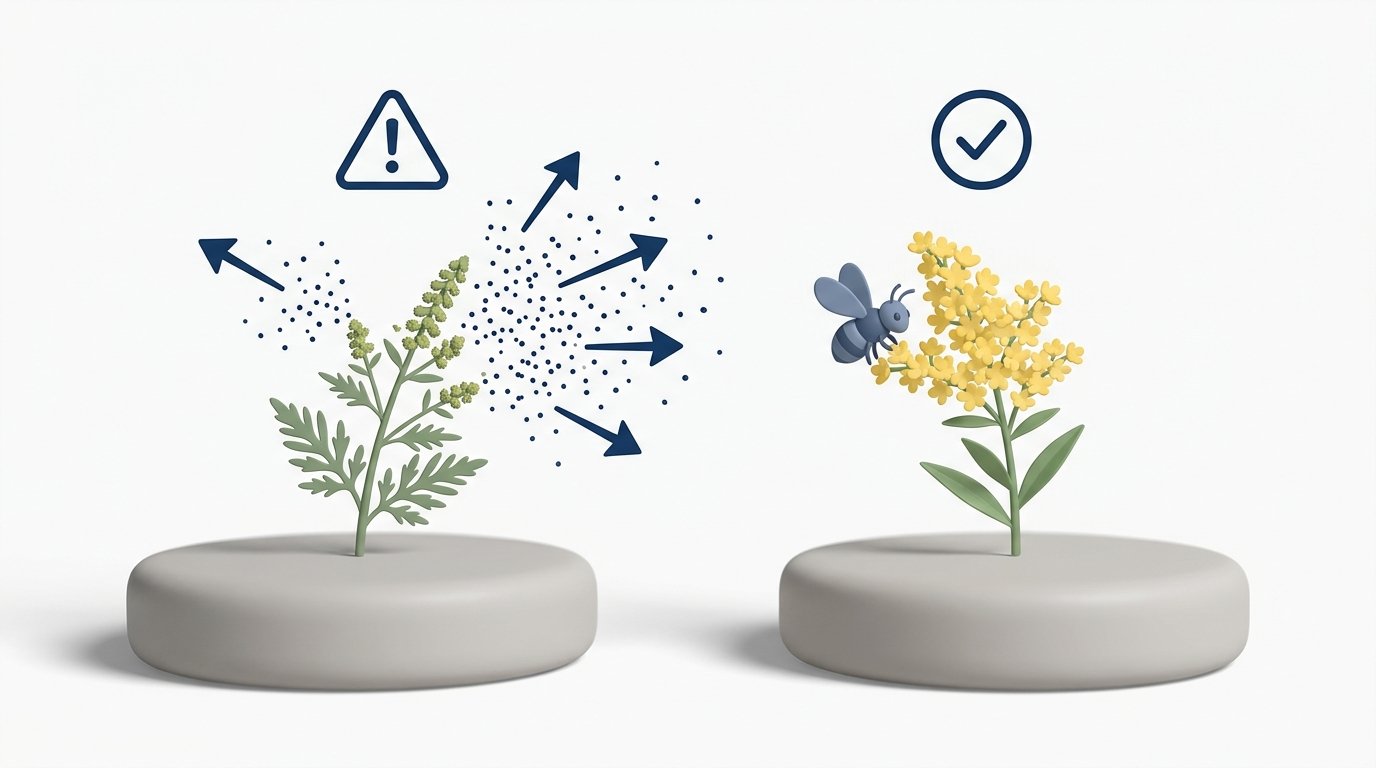
Ragweed: A major source of fall symptoms; produces highly allergenic, wind-blown pollen and thrives in disturbed soils along garden edges and fence lines. ENT of Georgia: https://www.entofga.com/blog/local-spring-allergens-unique-to-georgia-and-their-effects/; National Wildlife Federation: https://www.nwf.org/Magazines/National-Wildlife/2007/Allergy-Friendly-Gardening. Georgia fall guide: https://sleepandsinuscenters.com/blog/fall-allergies-in-georgia-ragweed-mold-management-guide
Goldenrod myth: Goldenrod blooms when ragweed does and is showy, but it’s typically insect-pollinated; ragweed is the usual airborne culprit. NWF: https://www.nwf.org/Magazines/National-Wildlife/2007/Allergy-Friendly-Gardening. ID help: https://sleepandsinuscenters.com/blog/ragweed-vs-goldenrod-how-to-identify-differences-easily
Summary: In Georgia’s late summer and fall, ragweed is the usual airborne culprit—goldenrod is mostly a bystander.
Sneaky ornamental plants that can still trigger reactions
Nice-looking landscape plants can still bother sensitive people—especially when planted in quantity near walkways, porches, mailboxes, or pool decks.
Privet hedges (Ligustrum): Common privacy hedge; some notice symptoms during bloom/pollen periods. Missouri Botanical Garden: https://www.missouribotanicalgarden.org/gardens-gardening/your-garden/help-for-the-home-gardener/advice-tips-resources/visual-guides/plants-pollen-and-allergies
Some hydrangeas (paniculata and quercifolia): Generally lower airborne risk, but a few individuals report sensitivity around bloom. Note repeatable patterns to guide plant choices.
Summary: Placement and personal patterns matter—track repeat triggers near doors, walkways, and seating areas.
Allergy-friendly plant swaps for Georgia gardens (what to plant instead)
Goal: Reduce wind-borne pollen exposure while keeping color and texture—especially around doors, patios, and seating areas.
Insect-pollinated flowers (typically lower airborne pollen): Petunias, snapdragons, pansies; orchids (great for indoor/outdoor containers); bird of paradise where suitable. NWF: https://www.nwf.org/Magazines/National-Wildlife/2007/Allergy-Friendly-Gardening; Missouri Botanical Garden: https://www.missouribotanicalgarden.org/gardens-gardening/your-garden/help-for-the-home-gardener/advice-tips-resources/visual-guides/plants-pollen-and-allergies
Landscape strategy: Diversify trees and shrubs; place higher-risk plants farther from doors, patios, and bedroom windows; consider hardscaping, groundcovers, or mulched beds to reduce lawn size and mowing exposure.
Summary: Favor insect-pollinated plants and smart placement to shrink high-exposure zones around the home.

Lifestyle tips for gardening with allergies in Georgia (practical, patient-friendly)
Check pollen counts before you garden: Plan yard work for lower-count days and avoid windy mornings in peak seasons. IQAir: https://www.iqair.com/pollen/usa/georgia/atlanta. Georgia Pollen Tracker: https://sleepandsinuscenters.com/georgia-pollen-tracker. How counts work: https://sleepandsinuscenters.com/blog/atlanta-pollen-counts-explained-what-you-need-to-know
Use exposure-reduction habits that help: Wear wraparound sunglasses and a well-fitting mask for mowing or weed pulling; change clothes and shower after yard work, including rinsing hair. AAFA tips: https://community.aafa.org/blog/smart-gardening-tips-for-a-allergy-friendly-gardening. Simple rule: keep outdoor allergens from hitchhiking indoors, especially onto bedding and upholstery.
Modify yard tasks that spike symptoms: If grass is a trigger, have someone else mow during peak season; lightly water before weeding to keep dust down; during peak weeks, bagging clippings may reduce exposure versus mulching.
Reduce mold exposure in the garden: Turn compost on easier days and consider a mask; remove wet leaf piles promptly; avoid storing damp mulch by entrances. AAFA: https://community.aafa.org/blog/smart-gardening-tips-for-a-allergy-friendly-gardening
Summary: Plan around pollen, protect during tasks, and prevent outdoor allergens from becoming indoor allergens.
Treatment options (from simple OTC steps to longer-term relief)
This section is general education; individual needs vary.
Over-the-counter options many consider: Non-drowsy antihistamines; nasal steroid sprays (ask a healthcare provider about appropriate use); saline rinses to help clear pollen and debris. Ask your provider whether consistent or as-needed use fits your situation.
When to consider allergy testing: Seasonal, repeatable symptoms may benefit from testing to clarify whether trees, grasses, weeds, molds—or multiple categories—are main triggers. Testing decisions are best made with a licensed allergist or ENT. Info: https://sleepandsinuscenters.com/allergy-testing
Immunotherapy (shots or drops): For predictable seasonal symptoms when avoidance and OTC options aren’t enough; improvements are gradual. Discuss timelines and suitability with an allergy specialist.
Summary: Align OTC care, testing, and (if appropriate) immunotherapy with your specific triggers and goals.
FAQs
What are the worst plants for allergies in Georgia? Common culprits include wind-pollinated trees (oak, pine, cedar, birch, maple), common grasses (Bermuda, fescue, Timothy, Kentucky bluegrass), and ragweed. Missouri Botanical Garden: https://www.missouribotanicalgarden.org/gardens-gardening/your-garden/help-for-the-home-gardener/advice-tips-resources/visual-guides/plants-pollen-and-allergies; IQAir: https://www.iqair.com/pollen/usa/georgia/atlanta
Is goldenrod what causes fall allergies? Usually not. Goldenrod is showy and blooms with ragweed, but ragweed’s airborne pollen is typically the trigger. NWF: https://www.nwf.org/Magazines/National-Wildlife/2007/Allergy-Friendly-Gardening
Why do my allergies get worse when I mow the lawn? Mowing aerosolizes grass pollen, plant particles, and dust—creating concentrated exposure right where you’re breathing.
Are flowering plants always bad for allergies? No. Many showy flowers are insect-pollinated and less likely to cause widespread airborne pollen issues. Missouri Botanical Garden: https://www.missouribotanicalgarden.org/gardens-gardening/your-garden/help-for-the-home-gardener/advice-tips-resources/visual-guides/plants-pollen-and-allergies
When should I see an ENT or allergy specialist for outdoor allergies? If symptoms persist, disrupt sleep, trigger breathing symptoms, or keep returning each season despite consistent OTC approaches, discuss next steps with a clinician.
Conclusion: A Georgia garden that’s beautiful—and easier to breathe in
Managing gardening allergies in Georgia often comes down to three wins: recognize likely triggers (trees, grasses, weeds), choose lower-airborne-pollen options when you can, and use exposure-reduction habits during peak weeks. Day-to-day planning: Georgia Pollen Tracker: https://sleepandsinuscenters.com/georgia-pollen-tracker. Seasonal differences explainer: https://sleepandsinuscenters.com/blog/tree-vs-grass-vs-weed-pollen-key-differences-and-allergy-triggers-explained. Allergy testing for targeted prevention: https://sleepandsinuscenters.com/allergy-testing. Appointments: https://www.sleepandsinuscenters.com/
This article is for educational purposes only and is not medical advice. Please consult a qualified healthcare provider for diagnosis and treatment.
Don’t let allergies slow you down. Schedule a comprehensive ENT and allergy evaluation at Sleep and Sinus Centers of Georgia. We’re here to find your triggers and guide you toward lasting relief.