Firefighter Respiratory Health: ENT Risks From Smoke Exposure
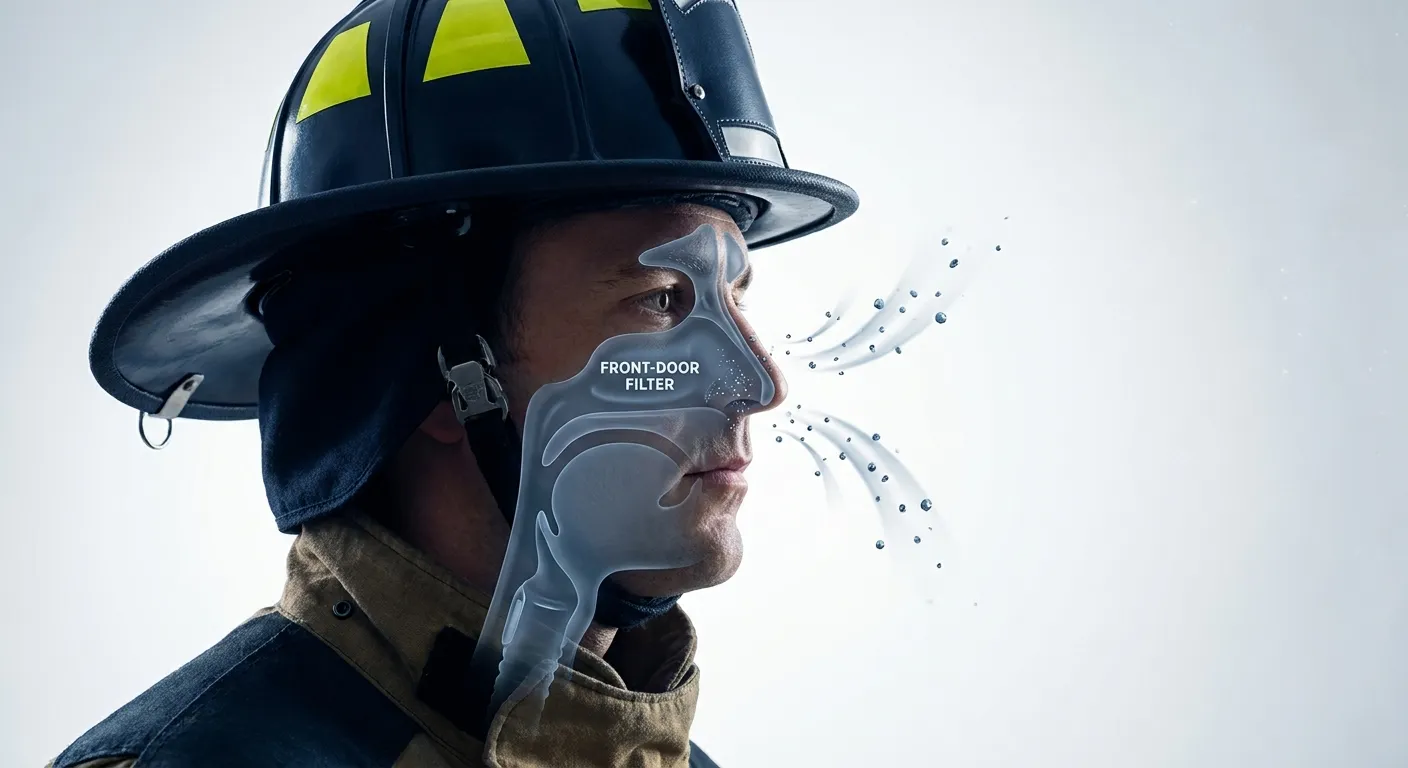
Firefighters are trained to protect the lungs with proper respiratory equipment—but firefighter respiratory health isn’t only about the lungs. The upper airway (ears, nose, throat, voice box) is often the first point of contact for hot, dry air, fine particles, and toxic gases. Over time, repeated exposures may contribute to sinus disease, smell changes, and persistent voice issues in some people—making it important to recognize smoke exposure ENT risks early and to know when an evaluation is worth considering.
Think of the upper airway as the body’s “front-door filter.” It warms, humidifies, and screens what you breathe before it ever reaches the chest. When that filter is repeatedly challenged by smoke, the irritation can show up as “just congestion” or “just hoarseness”—until it doesn’t go away.
Below is a practical, ENT-focused guide for firefighters, families, and department leaders.

Why ENT health matters for firefighters
Smoke exposure is more than “lung” exposure. When smoke is inhaled, it passes through the nose, sinuses, throat (pharynx), and larynx (voice box) before reaching the lower airways. These tissues are designed to trap particles and sense irritants—so they can take a direct hit from heat, particulate matter, and irritant gases.
Research in wildland firefighters shows acute upper-airway symptoms and measurable inflammatory changes after smoke exposure, supporting what many firefighters describe after heavy smoke days: “My chest is okay, but my throat feels raw.” (Gianniou 2018; Navarro 2020)
Two big patterns: short-term irritation vs. long-term disease. ENT effects in firefighter respiratory health often fall into two patterns:
- Acute (short-term): throat irritation, cough, hoarseness or voice fatigue, a raw or burning sensation in the nose/throat, and short-lived changes in respiratory measurements after intense exposure. (Gianniou 2018; Navarro 2020)
- Chronic (long-term): ongoing nasal/sinus inflammation (including chronic rhinosinusitis), lingering smell changes, and reported occupational associations with certain head-and-neck cancers in some studies. (Weakley 2016; Langevin 2020)
A helpful rule of thumb: acute irritation typically improves with time and recovery. Chronic disease is what you suspect when symptoms become a pattern—recurring after runs, lingering between incidents, or slowly becoming “normal.”
Summary: The upper airway often takes the first hit from smoke, and patterns over time tell you the most.

What’s in smoke that can harm the nose and throat?
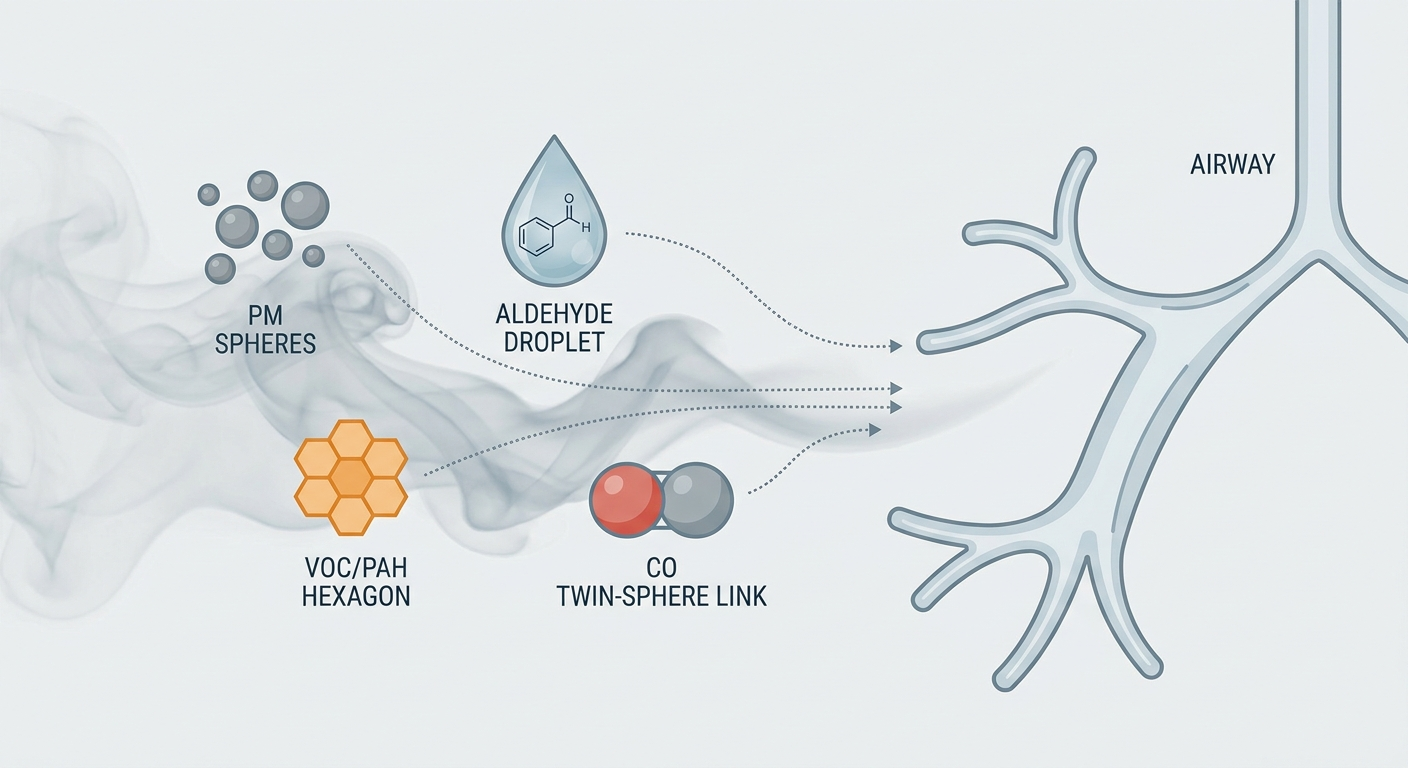
Particles + gases + irritant chemicals. Smoke is a complex mixture. Depending on what’s burning (and the conditions), exposures may include:
- Fine particulate matter (tiny particles that deposit along airway lining)
- Aldehydes such as acrolein (strong irritants)
- Volatile organic compounds and PAHs (combustion byproducts; some are carcinogenic)
- Toxic gases such as carbon monoxide (systemic toxicant rather than a direct upper-airway irritant)
These exposures can trigger mucosal injury and inflammation in the upper airway—one reason some people develop lingering firefighter sinus problems or throat irritation after repeated incidents. (Navarro 2020; Cleveland Clinic—Smoke Inhalation)
A concrete example firefighters recognize: “mask-off moments” during overhaul or cleanup. Even brief, repeated unprotected exposures may mean repeated contact between irritants and sensitive nose/throat lining.
If you’d like broader context on environmental irritation, see Sleep and Sinus Centers of Georgia’s article on air quality and sinus health: https://sleepandsinuscenters.com/blog/air-quality-sinus-health
Heat and dryness: the “inhalation injury” problem. Heat and very dry air can disrupt the protective lining of the nose and throat. When the mucosa is irritated or dried out, symptoms like crusting, nosebleeds, and a higher tendency toward infection-like symptoms can follow—especially when exposures repeat before tissues fully recover. (Cleveland Clinic—Smoke Inhalation)
You can picture it like wind-chapped skin. A single day might sting and then settle. But repeated “chapping” without recovery may lead to persistent irritation.
Summary: The mix of irritants plus heat and dryness can overwhelm the upper airway’s built-in defenses.
Symptoms firefighters should not ignore (ENT-focused)
Nose and sinus symptoms. Consider tracking these symptoms, especially if they persist beyond the immediate post-incident window:
- Persistent nasal congestion or obstruction
- Thick nasal drainage or post-nasal drip
- Facial pressure, headaches
- Reduced sense of smell (smell loss after smoke exposure)
- Frequent “sinus infections,” or symptoms that drag on after exposure
These patterns can overlap with allergies or viral illness—but in firefighters they may also reflect exposure-related inflammation and chronic rhinosinusitis that can develop over time.
Practical tip: a simple symptom log can help. Note the date of exposure, whether symptoms began the same day vs. next day, and what lingers (congestion, facial pressure, smell change). Patterns are often more informative than any single bad shift.
Throat and voice box (laryngeal) symptoms. Upper airway irritation often shows up as:
- Sore or burning throat, frequent throat clearing
- Hoarseness, voice fatigue, or voice cracking (voice changes after smoke exposure)
- Cough that flares after a fire
- A tight, “lump in throat” sensation
Clinically, ENTs commonly hear versions of: “My voice is fine most days, but after a busy fire week I lose it.” That pattern can point toward laryngeal irritation—sometimes worsened by dryness, coughing, or reflux/LPR flares during stressful, sleep-disrupted periods.
Smell and taste changes. Smell loss (hyposmia/anosmia) can occur for many reasons. After smoke exposure, it’s biologically plausible due to inflammation and irritant injury in the nasal cavity. Because smell drives much of taste perception, taste changes sometimes come along with it. (Santos 2004)
For more background, see how ENT doctors treat loss of smell: https://sleepandsinuscenters.com/blog/how-ent-doctors-treat-loss-of-smell
Red-flag symptoms (warrant urgent evaluation). Some symptoms can signal significant airway injury or other serious conditions. Educationally, these are commonly treated as “don’t wait” issues:
- Trouble breathing, wheezing, chest tightness after exposure
- Severe throat swelling or noisy breathing (stridor)
- Coughing up blood, persistent one-sided throat pain, unexplained weight loss
- A new neck lump or persistent hoarseness lasting more than 3 weeks
For related reading: hoarse voice for more than 3 weeks—when to see an ENT: https://sleepandsinuscenters.com/blog/hoarse-voice-for-more-than-3-weeks-when-to-see-an-20260707121140
Summary: Track symptoms, watch for persistence, and don’t delay care for red-flag warning signs.
Acute ENT effects after a fire (what studies show)
Upper-airway irritation and inflammation. Studies involving wildland firefighters report that smoke exposure can be followed by:
- Acute upper-airway symptoms (cough, throat irritation)
- Measurable airway/systemic inflammation
- Short-lived changes in respiratory measurements after intense exposure
This supports the real-world experience that even when the lower chest feels “okay,” the nose, throat, and voice box may still take a hit. (Gianniou 2018; Navarro 2020)
Why symptoms can linger for days. Irritated mucosa may remain inflamed after the scene due to deposited particles, dehydration, and ongoing tissue sensitivity. In some people, reflux/LPR can also flare in high-stress periods and contribute to throat symptoms—another reason “smoke-only” irritation can feel stubborn.
If you’re improving but not “back to baseline,” that’s still useful information. It suggests the tissue is recovering—but more slowly than expected—often a sign you may benefit from better exposure control, more recovery time, or an ENT check-in.
“Smoke exposure with no symptoms” may still matter. Not every exposure causes immediate discomfort. Repeated exposures may add up over time, even when symptoms are not immediate—which is why firefighter respiratory health programs often emphasize both exposure reduction and symptom tracking.
Summary: Short-term irritation is common; consistent protection and recovery time help prevent lingering symptoms.
Long-term ENT risks from repeated smoke exposure
Chronic rhinosinusitis (CRS) and high-intensity exposures. Chronic rhinosinusitis (CRS) means inflammation of the nose and sinus lining lasting 12 weeks or longer. It may involve congestion, drainage, facial pressure, and smell reduction.
In FDNY cohorts exposed to the World Trade Center disaster, researchers reported persistent increases in CRS diagnoses compared with colleagues who were not similarly exposed. (Weakley 2016 and related FDNY/WTC analyses) This high-intensity exposure scenario is not representative of all firefighting exposures, but it shows what severe exposure can do over time.
Learn more about symptoms and treatment pathways here: https://sleepandsinuscenters.com/chronic-sinusitis
Olfactory dysfunction and quality of life impact. Smell impairment can affect:
- Safety awareness (detecting smoke, gas, spoiled food)
- Appetite and enjoyment of food
- Mood and overall quality of life
Olfactory impairment is a recognized ENT condition with multiple causes, and irritant exposure is a plausible contributor in some cases. (Santos 2004)
Laryngeal/hypopharyngeal cancer risk (what occupational studies report). Some occupational studies have reported associations between firefighting and increased risk of certain head-and-neck cancers, including hypopharyngeal and laryngeal squamous cell carcinoma, often discussed in relation to inhaled carcinogens encountered in structural firefighting. (Langevin 2020) These are associations and do not prove causation, but they support prevention efforts and attention to persistent red-flag symptoms.
Summary: Severe or repeated exposure may drive long-term problems in some people—another reason prevention and early evaluation matter.
Causes and risk factors (who is most likely to develop problems)
Exposure intensity and frequency. Risk tends to rise with:
- Structure fires (especially overhaul)
- Wildland deployments with multi-day smoke
- Major high-dust/high-smoke events
- Longer durations and repeated seasons of exposure (Navarro 2020; Weakley 2016)
Incomplete respiratory protection or “mask-off moments.” Upper-airway exposure may occur during overhaul, in rehab areas, during cleanup, or from station/gear contamination and off-gassing. Even when symptoms are mild, the ENT lining can still be exposed to irritants.
Individual factors that can worsen ENT outcomes. Not about blame—just awareness. Factors that may contribute include allergies, asthma, reflux/LPR, a deviated septum, pre-existing sinus disease, and smoking/vaping.
When these factors stack with smoke exposure, symptoms may last longer or recur more easily—making a targeted evaluation more helpful than repeated “wait it out” cycles.
Summary: Higher and repeated exposures—plus certain personal factors—can amplify ENT symptoms and risks.

Prevention and lifestyle tips (practical steps for firefighters)
On-scene exposure control (ENT-protective habits). Departments often emphasize consistent use of appropriate respiratory protection (including during overhaul when feasible and per protocol) and minimizing unprotected face/airway exposure during cleanup.
When protection is inconsistent, the upper airway is often the first tissue to “complain.” If you notice predictable congestion or hoarseness after particular tasks, treat that as feedback—and adjust controls where possible.
Decontamination to reduce ongoing exposure. Gross decon, showering soon after exposure, and laundering hoods/turnouts according to policy can reduce ongoing contact with residues—helping limit repeated irritation from contaminants that cling to gear.
Post-exposure “upper airway care” (safe, simple measures). Many firefighters find these general measures supportive after heavy smoke days:
- Hydration and humidified air (to reduce dryness)
- Saline nasal rinses to clear particulates (using sterile/distilled or previously boiled water)
- Voice care: avoiding extremes (repeated yelling/whispering) and allowing recovery time when possible
If symptoms don’t settle or keep recurring, that pattern can be useful to discuss with a clinician. (Cleveland Clinic—Smoke Inhalation; Navarro 2020)
Summary: Consistent protection, quick decon, and simple airway care can reduce irritation and speed recovery.

When to see an ENT (and what an ENT visit may include)
A simple timeframe guide (educational):
- Same day/urgent: breathing trouble, severe throat swelling, or other alarming symptoms
- Within 1–2 weeks: persistent hoarseness, ongoing throat pain, recurrent nosebleeds/crusting after exposure
- If sinus symptoms last ≥12 weeks: evaluation for possible CRS
If you’re unsure where your symptoms fit, it’s reasonable to call and describe the timeline and exposures. Many clinics can help you triage whether you need urgent care, a routine visit, or monitoring.
Common ENT evaluations for smoke-exposed firefighters may include:
- Nasal exam ± nasal endoscopy (inflammation, polyps, mucosal irritation)
- Laryngoscopy (voice box evaluation for hoarseness/voice changes)
- Smell/taste history and discussion of testing options
- Imaging only when indicated (often CT for suspected chronic sinus disease)
A straightforward goal of the visit is to separate “irritation that should heal” from treatable conditions (like CRS, allergy-driven inflammation, or laryngeal irritation patterns) where targeted therapy can shorten the course.
Treatment options an ENT may recommend (patient-friendly):
- Saline and topical nasal steroid sprays/rinses (when appropriate)
- Managing contributors like allergies or reflux/LPR
- Antibiotics only when bacterial infection is likely (to avoid repeated unnecessary courses)
- Escalation options for CRS when medical therapy fails (including procedures)
- Voice therapy referral when strain or irritation is part of the picture
Summary: Timely evaluation helps distinguish normal healing from treatable problems—and guides the right next step.
Firefighter-focused ENT screening and surveillance (department/occupational health angle)
Why targeted surveillance is biologically and clinically justified. Repeated exposures may drive inflammation and tissue injury. Evidence of acute inflammatory effects (Gianniou 2018; Navarro 2020), increased CRS diagnoses after high-intensity exposures (Weakley 2016), and occupational cancer associations (Langevin 2020) support thoughtful, department-led discussions around ENT screening for firefighters and symptom surveillance as part of broader firefighter respiratory health planning.
Surveillance doesn’t have to be complicated. Even a consistent, department-approved way to document recurring sinus symptoms, persistent hoarseness, or smell changes can help individuals get timely care—and help leadership see trends.
Suggested items to track over a career (non-prescriptive):
- CRS diagnoses and symptom frequency
- Episodes of persistent hoarseness
- Smell changes
- High-intensity events and exposure duration
Coordination with occupational medicine and department policy helps ensure consistency and appropriate follow-up.
Summary: Simple, consistent tracking supports earlier care for individuals and better planning for departments.
FAQs
Can wildfire smoke cause sinus infections or chronic sinusitis?
Wildfire smoke can cause acute irritation and inflammation that mimics infection symptoms, and repeated exposure may contribute to longer-term inflammation patterns in some people. Wildland firefighter studies document respiratory and inflammatory impacts after smoke exposure, and high-intensity cohorts (like WTC-exposed firefighters) show increased CRS diagnoses over time. (Navarro 2020; Gianniou 2018; Weakley 2016)
Why does my voice get hoarse after a fire even if my lungs feel “fine”?
The larynx is sensitive tissue. Irritants and dryness can inflame the vocal folds, leading to hoarseness and voice fatigue even when chest symptoms seem minimal. (Cleveland Clinic—Smoke Inhalation)
Is loss of smell after smoke exposure permanent?
Many cases improve, but persistent loss of smell is worth evaluating because it can have multiple contributing factors and meaningful quality-of-life and safety impacts. (Santos 2004)
Are firefighters at higher risk for throat or voice box cancer?
Some occupational analyses have reported associations between firefighting and increased risk of hypopharyngeal and laryngeal squamous cell carcinoma. Risk varies and is influenced by multiple factors, which is why exposure reduction and prompt evaluation of red-flag symptoms are emphasized. (Langevin 2020)
What can I do right after exposure to help my nose and throat recover?
Common supportive measures include hydration, humidified air, saline rinses using safe water, voice rest, and symptom tracking—while seeking timely evaluation for severe or persistent symptoms. (Cleveland Clinic—Smoke Inhalation)
Summary: Short, steady actions after exposure can help the upper airway heal and flag when more care is needed.
Key takeaways
- Smoke exposure may cause acute upper-airway symptoms and measurable inflammation. (Gianniou 2018; Navarro 2020)
- Repeated or high-intensity exposures have been associated with higher chronic rhinosinusitis rates in certain firefighter cohorts. (Weakley 2016)
- Occupational evidence reports associations with laryngeal/hypopharyngeal squamous cell carcinoma, supporting prevention and surveillance. (Langevin 2020)
- Early ENT evaluation for persistent sinus, smell, or voice symptoms may improve outcomes and clarify next steps in firefighter respiratory health.
Ready for a clearer plan? If you’re dealing with recurring sinus symptoms, smell changes, or persistent hoarseness after smoke exposure, consider scheduling an evaluation with an ENT. You can book an appointment with Sleep and Sinus Centers of Georgia here: https://www.sleepandsinuscenters.com/
Summary: Protect your airway, track your symptoms, and get evaluated early when problems persist.
Sources
- Gianniou N, et al. (2018). Acute effects of smoke exposure on airway and systemic inflammation… https://pmc.ncbi.nlm.nih.gov/articles/PMC5922237/
- Navarro K. (2020). Working in Smoke: Wildfire Impacts on the Health of Firefighters… https://pmc.ncbi.nlm.nih.gov/articles/PMC9008597/
- Weakley J, et al. (2016). WTC exposure and latency/respiratory outcomes (FDNY cohort analyses)… https://oem.bmj.com/content/73/4/280
- Langevin SM, et al. (2020). Firefighter occupation associated with increased risk of hypopharyngeal and laryngeal SCC… https://pmc.ncbi.nlm.nih.gov/articles/PMC8704482/
- Santos DV, et al. (2004). Review on olfactory impairment. https://jamanetwork.com/journals/jamaotolaryngology/fullarticle/647264
- Cleveland Clinic. Smoke Inhalation. https://my.clevelandclinic.org/health/diseases/smoke-inhalation
- Brown et al. (2013). Firefighters (occupational health overview PDF). https://cdn.prod.website-files.com/64b9346df4252df1681cba3e/64cd6900c30edfce799ac104_Brown13_Firefighters.pdf
This article is for educational purposes only and is not medical advice. Please consult a qualified healthcare provider for diagnosis and treatment.
If you have urgent symptoms (trouble breathing, severe swelling, coughing blood), seek emergency care right away.
Don’t let allergies slow you down. Schedule a comprehensive ENT and allergy evaluation at Sleep and Sinus Centers of Georgia. We’re here to find your triggers and guide you toward lasting relief.