Fall Allergy Season in Georgia: Month-by-Month Guide to Symptoms, Pollen Levels, and Relief
Introduction — Why Fall Allergies Hit Georgia So Hard
If you dread the shift from summer into sweater weather, you’re not alone. Fall allergy season in Georgia is notorious because it’s not driven by just one trigger. For many people, weed pollen (especially ragweed) surges as temperatures start to ease, and mold spores often add another layer—particularly after rainy stretches and during leaf/yard-debris season.
In many areas, fall allergies mainly run September–November, but ragweed can start earlier (July/August) and linger into November depending on the year and local conditions (source: https://www.atlantaallergy.com/articles/view/404-when-does-fall-allergy-season-start-in-georgia-earlier-than-you-would-think; https://sleepandsinuscenters.com/blog/georgia-pollen-calendar-2026-monthly-allergy-forecast-tips).
This guide breaks down what to expect month by month, plus a practical symptom checklist and realistic, patient-friendly relief strategies—so you can spend more time enjoying fall and less time managing tissues.
If you want a broader seasonal view beyond fall, you can also bookmark our month-by-month Georgia allergy forecast here: Georgia pollen calendar: https://sleepandsinuscenters.com/blog/georgia-pollen-calendar-2026-monthly-allergy-forecast-tips
Bottom line: Georgia’s fall allergies are a double hit from ragweed and mold, and they can start earlier—and last longer—than many people expect.
Quick Snapshot — Georgia Fall Allergies at a Glance (Sep–Nov)
The main fall triggers
- Ragweed (the dominant fall allergen)
- Other weed pollens (often including cocklebur, pigweed, and lamb’s quarters)
- Outdoor mold, which can spike after rain and around damp leaves/yard debris (sources: https://www.atlantaallergy.com/articles/view/404-when-does-fall-allergy-season-start-in-georgia-earlier-than-you-would-think; https://www.allermi.com/blogs/allergy-101/allergy-season-in-georgia)
Think of ragweed as the “headline act,” with other weeds and mold as the opening acts that can still make you feel miserable—especially if you’re sensitive to more than one trigger.
The seasonal “handoff” that confuses people
A lot of Georgians expect allergies to fade after spring—but fall has its own “handoff.” Late summer and early fall tend to shift from tree/grass issues to weed pollen + mold, which can feel like allergies “came out of nowhere” (source: https://www.allermi.com/blogs/allergy-101/allergy-season-in-georgia).
Think of it this way: your environment changed—even if your routine didn’t. The air simply starts carrying different particles.
In short: fall brings a change in what’s airborne, not necessarily how much time you spend outside.
Month-by-Month Guide to Symptoms, Pollen Levels, and What to Do
Late Summer (July–August) — The “Early Start” Many People Miss

What’s happening outdoors
One reason Georgia ragweed season feels so long is that ragweed may start pollinating in July or August, long before many people label it “fall allergies” (source: https://www.atlantaallergy.com/articles/view/404-when-does-fall-allergy-season-start-in-georgia-earlier-than-you-would-think).
A helpful analogy: ragweed pollen is wind-borne, so it behaves less like “local dust” and more like a fine haze that can travel and spread—meaning you can feel symptoms even if you don’t see anything obvious blooming.
Common symptoms you may notice first
Early symptoms can be subtle and easy to dismiss as a “lingering summer cold,” including:
- Sneezing
- Itchy/watery eyes
- Post-nasal drip
- Scratchy throat
- Mild cough
If symptoms come and go with outdoor time—like flaring after a walk, mowing the lawn, or sitting at a weekend sports event—seasonal allergies move higher on the list of likely causes.
Best prevention moves to start now
Late summer is a great time to start a simple “plan,” especially if you have a history of September allergies in Georgia:
- Track daily pollen so spikes don’t catch you off guard.
- Keep windows closed on high pollen days (home and car).
- If you typically use allergy medications seasonally, consider discussing timing and options with your clinician before symptoms peak.
Even small changes can pay off later. For example, catching the early ramp-up may help you avoid that “I woke up congested for two weeks straight” feeling when September hits.
Early awareness and a few small habits in late summer can make September much easier.
September — Peak Ragweed Season (Highest Misery Month for Many)
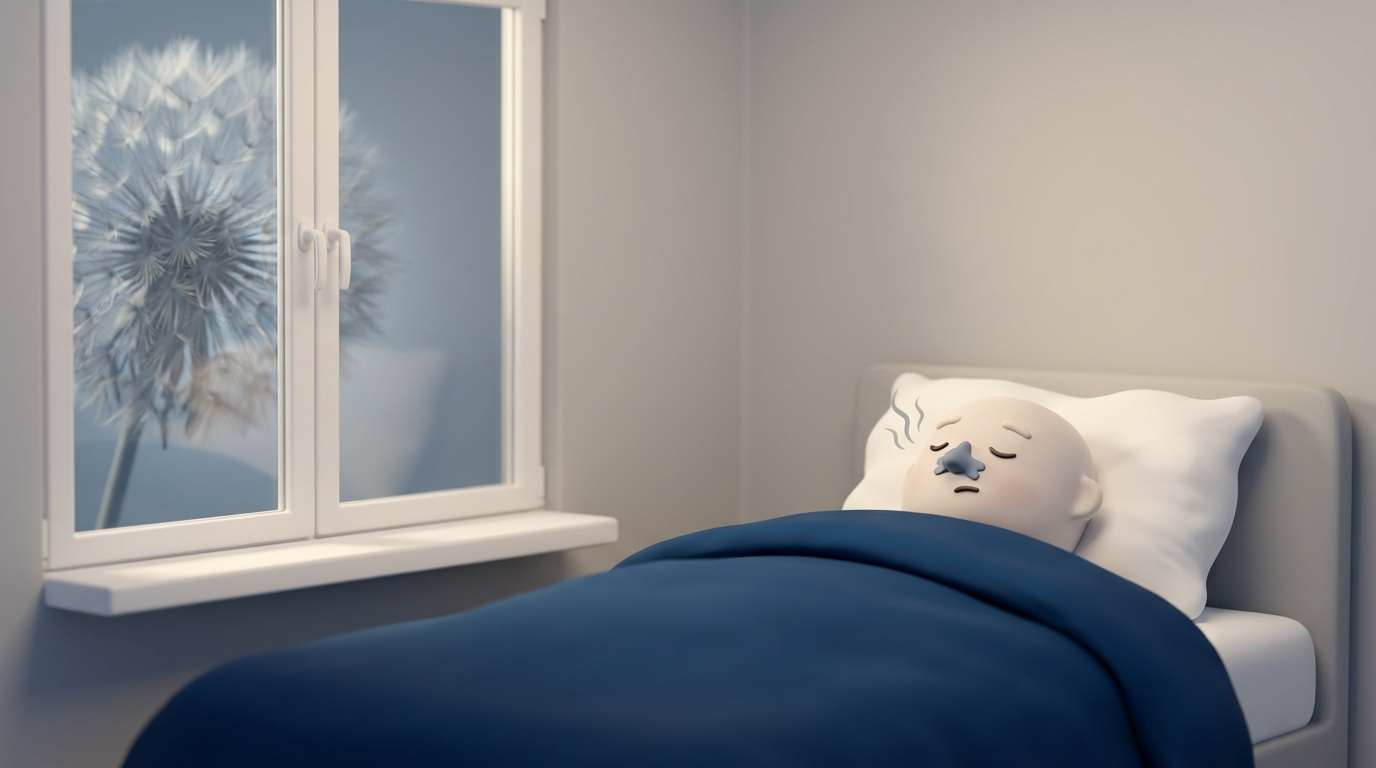
Pollen trend: why September is the big spike
For many Georgians, September is the toughest month because ragweed tends to peak in September and remain significant well into fall (sources: https://www.atlantaallergy.com/articles/view/404-when-does-fall-allergy-season-start-in-georgia-earlier-than-you-would-think; https://sleepandsinuscenters.com/blog/georgia-pollen-calendar-2026-monthly-allergy-forecast-tips). This is often the heart of weed pollen Georgia problems.
It also tends to be a “busy” time for exposure—people are outside more because the weather finally feels good. Unfortunately, that can mean more contact with the exact allergens that are peaking.
Symptoms that flare most in September
Common September patterns include:
- Congestion and/or runny nose
- Sneezing fits
- Itchy, red, watery eyes
- Fatigue or poor sleep from nasal blockage and mouth breathing
Sleep disruption is a big deal here. When your nose is blocked, you may snore more, wake up more often, and feel foggy during the day—even if you technically spent enough hours in bed.
Relief checklist (simple + realistic)
Educational strategies that many people find helpful during fall allergy season in Georgia:
- Exposure reduction
- Shower and change clothes after outdoor time (pollen sticks to hair, skin, and fabric).
- Rinse your face, especially around eyelids/eyelashes where pollen can cling.
If you want a concrete mental image: pollen can stick to you a bit like fine glitter—easy to pick up outside, easy to transfer to pillows and couches, and surprisingly persistent.
- Nasal care
- Saline rinses can help physically remove pollen and reduce the “allergen load” in the nose.
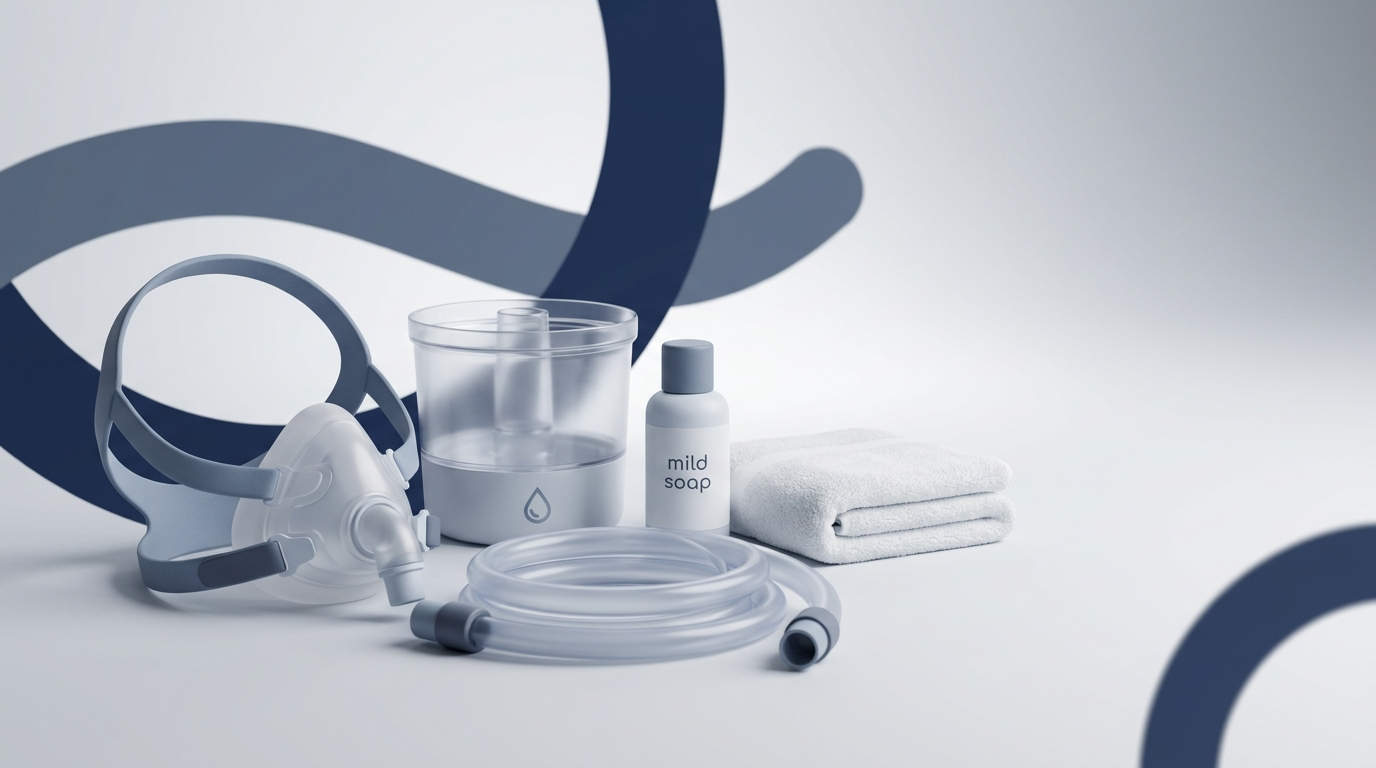
- Safety reminders: use distilled, sterile, or previously boiled and cooled water; keep devices clean; follow product instructions.
- Medication categories to discuss with a clinician
- Antihistamines (often best for itching/sneezing)
- Steroid nasal sprays (often best for congestion/inflammation)
- Allergy eye drops (for itchy eyes)
- For a deeper dive on the big two fall triggers, see our ragweed and mold management tips: https://sleepandsinuscenters.com/blog/fall-allergies-in-georgia-ragweed-mold-management-guide
Think “reduce what gets on you, rinse what gets in you, and match meds to your top symptoms.”
October — Ragweed Continues + Mold Often Becomes the “Second Punch”

What changes in October
Many people expect relief in October, but ragweed often remains active, and other weed pollens may still circulate (source: https://sleepandsinuscenters.com/blog/georgia-pollen-calendar-2026-monthly-allergy-forecast-tips). Meanwhile, mold allergies in Georgia can become more noticeable with wet weather, leaf piles, and yard work (source: https://www.allermi.com/blogs/allergy-101/allergy-season-in-georgia).
That’s why October can feel like you’re doing “everything right” and still struggling: pollen may still be present, and mold can climb when conditions are damp.
Symptoms that suggest mold is contributing (not just pollen)
Mold-related symptoms can overlap with pollen allergy symptoms, but some people notice:
- More persistent congestion
- Sinus pressure or “fullness”
- Cough/throat clearing (especially after being outdoors or doing yard work)
- Symptoms that worsen after rain or around damp leaves
A common real-life example: you feel okay indoors, then rake leaves for 30 minutes and spend the rest of the evening congested and clearing your throat.
October lifestyle tips (especially for Georgia homes)
- Yard-work precautions: Consider a mask and eye protection when raking, mowing, or blowing leaves. Wash up promptly afterward.
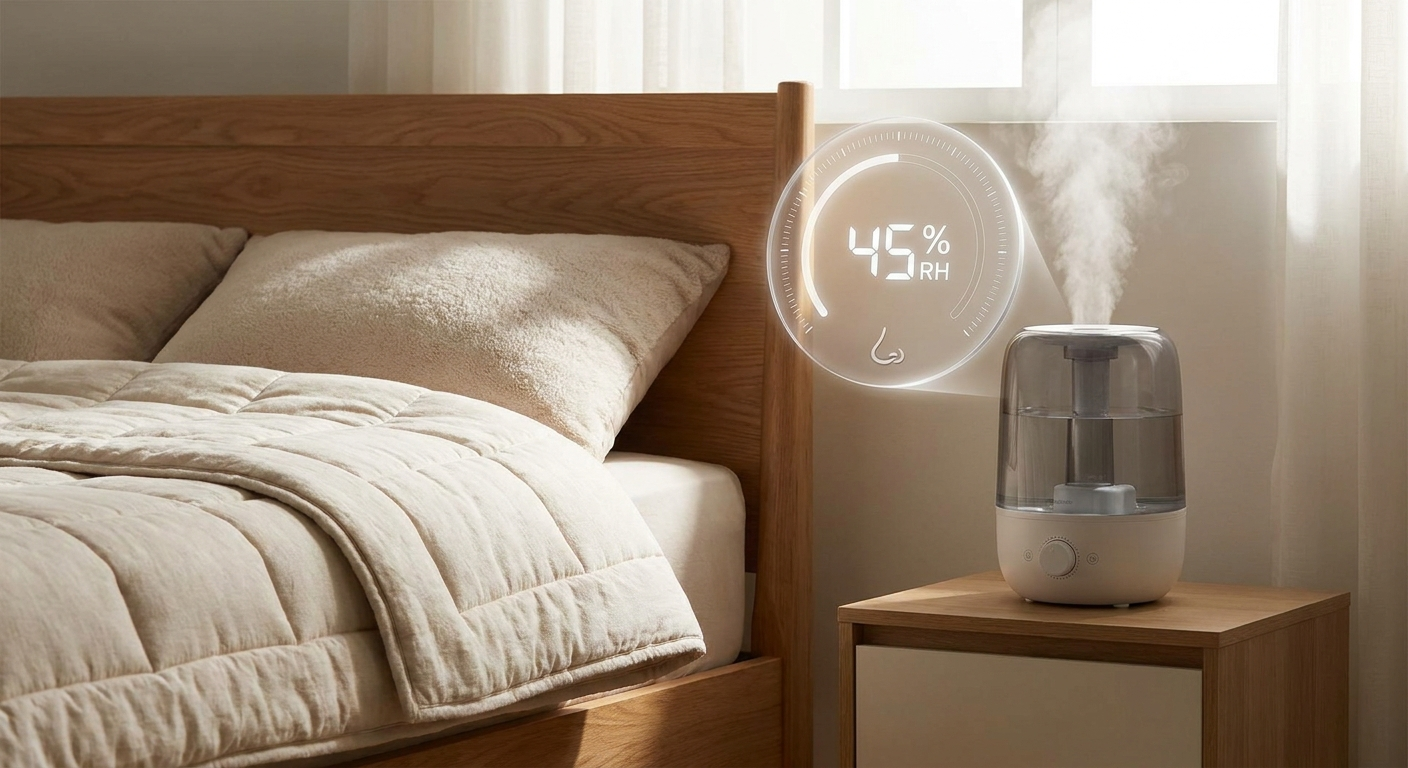
- Humidity awareness: Keeping indoor humidity in a reasonable range may help limit mold growth. If you notice damp areas, addressing moisture (leaks, wet basements/crawl spaces, poor ventilation) can make a difference.
October relief often means managing both pollen and mold—especially around leaf cleanup and damp weather.
November — The Slow Fade (But Not Always Relief Yet)
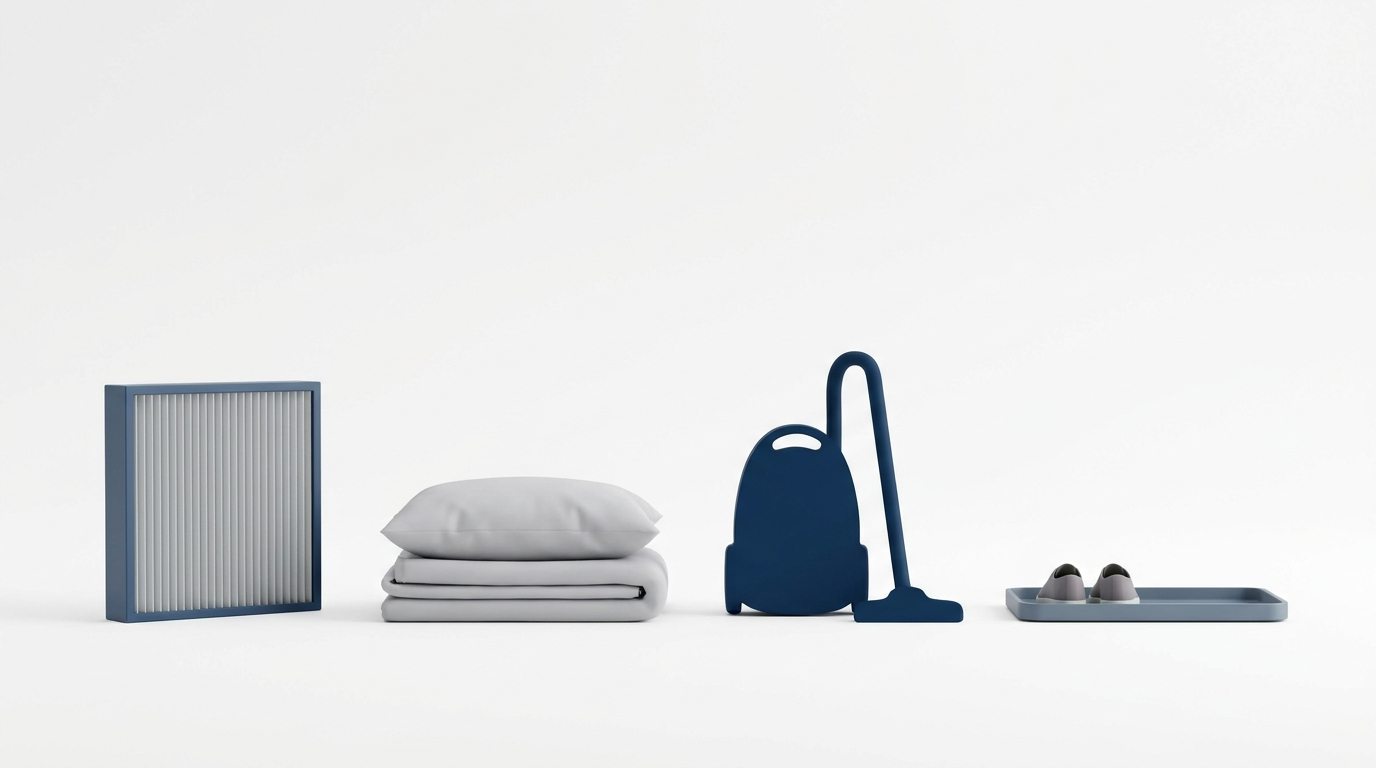
What’s typically happening in November
Depending on temperatures and weather patterns, ragweed can persist through November in some parts of Georgia (source: https://www.atlantaallergy.com/articles/view/404-when-does-fall-allergy-season-start-in-georgia-earlier-than-you-would-think). Mold can also remain an issue after rainy stretches and as leaves decay.
Why symptoms may linger even when you “think pollen is gone”
If you’re dealing with November allergies in Georgia, lingering symptoms can come from:
- Surprise warm spells that keep weed pollen circulating
- More time indoors (which can make indoor triggers like dust and pet dander more noticeable)
So even if outdoor counts start calming down, your “overall trigger mix” may not—especially if indoor air is drier, windows stay closed, and you’re spending more hours inside.
End-of-season reset tips
A simple “reset” can help you start winter with a cleaner baseline:
- Replace HVAC filters
- Wash bedding
- Clean the entryway “pollen drop zone” (shoes, coats, backpacks)
- Vacuum regularly (a HEPA vacuum can be helpful if available)
As fall winds down, a quick home reset can reduce lingering triggers and set you up for winter.
Georgia Fall Allergy Symptoms Checklist (Patient-Friendly)
Common symptoms
- Sneezing, congestion, runny nose
- Itchy nose/throat, post-nasal drip
- Itchy/watery eyes
- Cough, hoarseness, sore throat from drainage
- Head pressure and fatigue (often from poor sleep)
When it might not be allergies
Consider getting evaluated if you develop symptoms that are less typical for allergies, such as:
- Fever or body aches
- Thick, discolored drainage along with significant facial pain
- Rapidly worsening symptoms, or symptoms that feel distinctly different from your usual seasonal pattern
If symptoms look or feel “off” from your usual allergies, it’s reasonable to get checked.
What Causes Fall Allergies in Georgia? (Triggers Explained Simply)
Ragweed (the top fall culprit)
Ragweed pollen spreads easily because it’s wind-borne. In many places, it ramps up through late summer and peaks in September, extending the prime Georgia ragweed season window (source: https://www.atlantaallergy.com/articles/view/404-when-does-fall-allergy-season-start-in-georgia-earlier-than-you-would-think).
Other weed pollens (cocklebur, pigweed, lamb’s quarters, etc.)
Fall isn’t always “one pollen at a time.” Multiple weeds can overlap and stretch symptoms across September, October, and November (source: https://www.allermi.com/blogs/allergy-101/allergy-season-in-georgia).
Mold (outdoor + indoor)
Mold spores can increase with rain, humidity, leaf piles, damp soil, and decaying vegetation, and indoor damp areas can also contribute (source: https://www.allermi.com/blogs/allergy-101/allergy-season-in-georgia). That’s why many people experience a one-two punch of weed pollen plus mold in October.
Different triggers peak at different times—ragweed leads, but weeds and mold often overlap.
How to Check Pollen Levels in Georgia (and Use Them to Plan Your Day)
Where to look
Because pollen varies by neighborhood and weather, it’s worth checking local dashboards—especially if you follow the Atlanta pollen count closely. You can view city-level tracking here (source: https://www.iqair.com/pollen/usa/georgia/atlanta), and you can also use our Georgia pollen tracker for day-to-day planning: https://sleepandsinuscenters.com/georgia-pollen-tracker
Practical “high pollen day” rules
On high-count days during fall allergy season in Georgia, these habits often help:
- Consider outdoor exercise later in the day if mornings are rough for you.
- Keep windows closed; use car recirculation.
- Shower/rinse and change clothes after being outside.
Check the forecast, tweak your timing, and rinse off the day’s pollen when you get home.
Treatment Options — Relief That Matches Your Symptoms

This section is educational (not personal medical advice), but it can help you match strategies to the symptoms you’re actually having.
Step 1 — Reduce exposure (the foundation)
- Change clothes after outdoor time
- Shower before bed to reduce pollen on pillows
- Saline rinses to clear nasal passages
- Keep pets cleaner (wiping down fur after outdoor time can reduce what comes indoors)
Step 2 — OTC options (what they help most)
- Antihistamines: often help itching, sneezing, runny nose
- Steroid nasal sprays: often help congestion and inflammation (may take consistent use)
- Eye drops: often help itchy, watery eyes
- Decongestants:
- Oral decongestants (e.g., pseudoephedrine) may relieve stuffiness but aren’t right for everyone, especially if you have high blood pressure, heart disease, glaucoma, or prostate issues—ask a clinician or pharmacist.
- Topical nasal decongestant sprays (e.g., oxymetazoline) can help briefly but may cause rebound congestion if used for more than a few days in a row; follow label directions and ask a clinician if unsure.
Step 3 — When to consider prescription care or specialist evaluation
It may be time to get help if you have:
- Persistent symptoms despite a consistent OTC routine
- Suspected asthma involvement (wheezing, chest tightness, shortness of breath)
- Recurrent sinus infections or severe facial pressure
- Major sleep disruption
Step 4 — Longer-term solutions (for repeat yearly misery)
If you deal with October allergies in Georgia (or September) year after year, longer-term options may include identifying your triggers more precisely and building a targeted plan.
Start with exposure control and OTC basics; escalate to medical care if symptoms outpace home strategies.
Lifestyle & Home Tips for Fall Allergy Season in Georgia
Bedroom = “clean air sanctuary”
- Wash bedding weekly (hot water when fabric allows)
- Keep pets out of the bedroom if possible
- Consider HEPA filtration if allergies significantly affect sleep
HVAC + indoor air basics
- Change filters regularly
- Keep indoor humidity at a reasonable level to discourage mold
Yard work survival guide
- Wear a mask/eye protection when raking or blowing leaves
- Try to avoid tracking debris indoors (shoes off at the door helps)
- Shower and launder clothes soon after
A few targeted home habits can shrink your daily “allergen load” and improve sleep.
When to See a Doctor (or an ENT/Allergy Specialist)
Consider an evaluation if:
- Symptoms last for weeks without improvement
- You have frequent sinus infections or escalating facial pain/pressure
- You develop wheezing, shortness of breath, or a cough that won’t settle
- Congestion causes significant sleep disruption, snoring, or daytime fatigue
If symptoms linger or disrupt sleep and daily life, it’s reasonable to get professional help.
FAQs — Fall Allergies in Georgia
What months are fall allergies worst in Georgia?
Typically September through November, with ragweed often peaking in September (source: https://www.atlantaallergy.com/articles/view/404-when-does-fall-allergy-season-start-in-georgia-earlier-than-you-would-think).
Can ragweed season start in August in Georgia?
Yes. Ragweed pollination can begin in July/August in Georgia (source: https://www.atlantaallergy.com/articles/view/404-when-does-fall-allergy-season-start-in-georgia-earlier-than-you-would-think).
Why are my allergies worse after it rains?
Rain and damp conditions can increase mold spore exposure, and wet leaves/yard debris can make it worse (source: https://www.allermi.com/blogs/allergy-101/allergy-season-in-georgia).
How do I know if it’s allergies or a cold?
In general:
- Allergies: itching/sneezing, no fever, symptoms fluctuate with exposure and pollen days
- Colds: may include fever/body aches and typically run a more predictable course
These are general patterns—see a healthcare provider if you’re unsure.
Use patterns as clues, but when in doubt, get personalized guidance.
Conclusion — Your Fall Allergy Action Plan (Simple 3-Step Recap)
If fall allergy season in Georgia tends to knock you off your routine, keep it simple:
1) Track pollen and plan your day (start with the Georgia pollen tracker): https://sleepandsinuscenters.com/georgia-pollen-tracker
2) Reduce exposure (rinse/shower after outdoor time, protect your bedroom environment)
3) Treat smart (match OTC options to symptoms, and seek care if symptoms aren’t controlled)
If your symptoms persist, disrupt sleep, or keep returning every year, Sleep and Sinus Centers of Georgia can help you sort out likely triggers and discuss next-step options. To get started, you can book an appointment here: https://www.sleepandsinuscenters.com/
This article is for educational purposes only and is not medical advice. Please consult a qualified healthcare provider for diagnosis and treatment.
Don’t let allergies slow you down. Schedule a comprehensive ENT and allergy evaluation at Sleep and Sinus Centers of Georgia. We’re here to find your triggers and guide you toward lasting relief.