Exercising Outdoors During Allergy Season: Tips to Manage Pollen Allergies and Breathe Easier
Introduction — Yes, You Can Work Out Outside During Allergy Season
Fresh air and sunshine can be great motivation—until your run turns into nonstop sneezing, itchy eyes, and congestion. If you’ve been wondering whether exercising outdoors during allergy season is worth it, the good news is that many people can keep training outside with a few practical adjustments.
Allergy and immunology organizations emphasize a simple approach that often makes a noticeable difference: timing + environment + post-workout cleanup. In other words, choose smarter workout windows, reduce exposure where you can, and decontaminate afterward so pollen doesn’t tag along for the rest of your day. (Sources: AAAAI: https://www.aaaai.org; Banner Health: https://www.bannerhealth.com/healthcareblog/advise-me/what-to-know-about-exercising-outside-with-allergies)
Think of it like training in heat: you don’t have to quit—you just plan better. On high-pollen days, that might mean swapping a sunrise run for a lunchtime walk, choosing a sheltered route, and making shower + change clothes part of your cooldown.
Bottom line: With a few tweaks, most people can keep moving outdoors—even when pollen is high.
Why Exercise Can Make Pollen Allergies Feel Worse
You breathe more (and faster), so you inhale more allergens. During cardio, your breathing rate and airflow increase—meaning more pollen can enter your nose and airways. For people with pollen allergies, that extra exposure can amplify symptoms during a workout. (Source: AAAAI: https://www.aaaai.org)
Pollen sticks to you. Pollen clings to hair, eyebrows, eyelashes, skin, and clothing, which is one reason symptoms may linger even after you’re back indoors. (Source: Banner Health)
Weather changes can spike exposure. Windy days can scatter pollen farther and faster, and warm fronts may increase pollen circulation. If your symptoms seem unpredictable, the weather may be a big part of the puzzle. (Source: United Allergy Services: https://unitedallergyservices.com/blog/patients/6-tips-for-exercising-through-allergy-season/)
Note: A few environment tweaks can reduce how much pollen you breathe in—and how much you bring home.
Symptoms to Watch For (and When to Pause Your Workout)
Common pollen allergy symptoms during outdoor exercise often feel like a flare-up of typical seasonal symptoms, such as:
- Sneezing, runny nose, nasal congestion
- Itchy or watery eyes, itchy throat or ears
- Post-nasal drip and cough
- Fatigue or a heavy head, reduced workout comfort
Signs your breathing symptoms may be more than allergies (get medical advice):
- Wheezing
- Chest tightness
- Shortness of breath that’s unusual for you
- Symptoms that repeatedly worsen during workouts
Seek urgent care if you ever experience severe breathing difficulty, swelling of the lips or face, or signs of anaphylaxis.
If symptoms don’t settle with rest the way you’d expect from a typical allergy flare, get personalized guidance.
Causes & Triggers — What’s Actually Setting You Off Outdoors?
Tree, grass, and weed pollen follow seasonal patterns that vary by region:
- Tree pollen is common in early spring
- Grass pollen often peaks later in spring or early summer
- Weed pollen (like ragweed) tends to be more common in late summer or fall
Mold and outdoor spores can rise after wet weather. Rain can knock pollen down temporarily, but damp conditions can increase outdoor mold.
Irritants that stack on top of pollen can worsen symptoms even when pollen is the main trigger:
- Air pollution or ozone
- Smoke
- Strong fragrances
- Dust on trails or construction routes
Your triggers can stack, so a moderate pollen day may feel worse when wind, dust, or smoke are added in.

The Best Time of Day to Exercise Outside (and the Worst)
Avoid peak pollen hours: roughly 5 a.m. to 10 a.m. Many experts recommend avoiding early mornings when pollen levels are often highest. Shifting to midday or late afternoon may reduce exposure for some people. (Sources: AAAAI; Banner Health)
If you’re a consistent early-morning exerciser, consider experimenting—move just 2–3 workouts per week outside the 5–10 a.m. window and track symptoms.
Plan workouts around rainfall—often a pollen reset. Light rain can temporarily reduce airborne pollen, creating a possible window to get outside. Consider safety, too—wet pavement and trails can be slippery. (Sources: AAAAI; Banner Health)
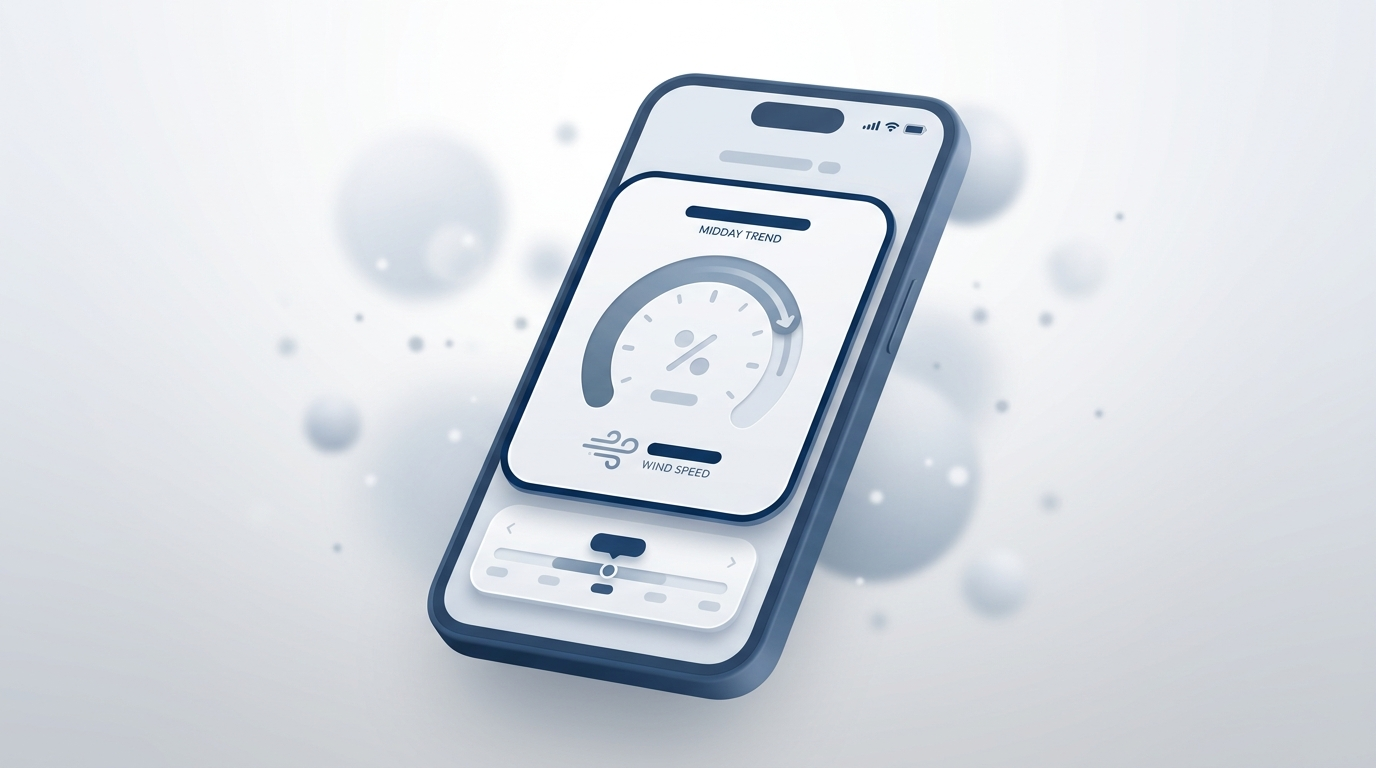
Use pollen counts like a training tool. Treat pollen data the way you’d treat heat, humidity, or air quality. Before heading out, check the high pollen count forecast, wind speed and direction, and any local alerts for air quality or smoke.
For day-to-day planning in Georgia, use the Georgia Pollen Tracker to check today’s pollen count and adjust your workout time or location: https://sleepandsinuscenters.com/georgia-pollen-tracker. This tracker is an informational planning tool, not a diagnostic instrument.
Smarter timing can turn a high-sneeze day into a manageable one.

Smart Activity Choices for High-Pollen Days
Lower-exposure outdoor options can help when pollen is elevated:
- Walking or an easy jog instead of intervals
- Cycling on routes away from open fields or meadows (especially during grass season)
- Shorter sessions with more breaks
(Source: United Allergy Services)
When it’s better to go indoors: consider an indoor swap when pollen is high, it’s windy, and you’re already symptomatic.
- Treadmill or indoor track
- Strength training
- Yoga or mobility work
- Swimming (often lower-pollen, though chlorinated pools may trigger symptoms in some people with asthma)
(Sources: AAAAI; United Allergy Services)
Consistency comes from adjusting the plan—not forcing the same plan no matter the conditions.
What to Do Before You Head Outside (Pre-Workout Allergy Game Plan)
Time medications strategically (talk to your clinician). Many people do best using allergy medications consistently during the season, and timing can matter—especially around workouts. If you’re curious about timing, see: https://sleepandsinuscenters.com/blog/best-times-to-take-allergy-medicine-morning-vs-night. Always follow label directions and your clinician’s guidance.
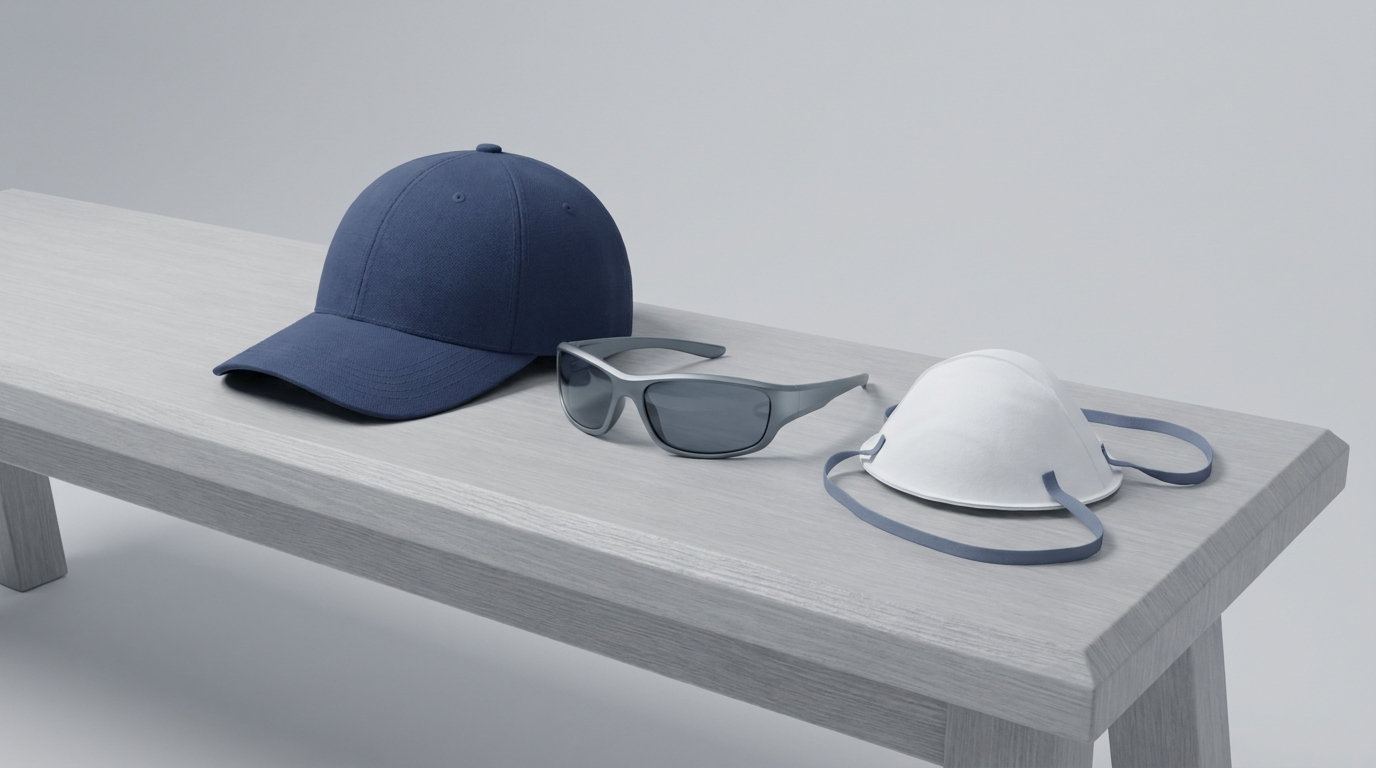
Gear that can reduce exposure:
- Wraparound sunglasses to reduce eye irritation
- A hat to limit pollen collecting in hair
- An N95 or similarly rated mask on very high pollen days, especially for lower-intensity sessions where it feels comfortable
Choose your route carefully:
- Avoid freshly mowed grass and open meadows
- Skip windy ridgelines or exposed paths
- Choose paved or more sheltered areas with less dense vegetation
Prep well, and your workout will often feel better before it even begins.
What to Do During Your Workout (Reduce Symptoms in Real Time)
Breathe through your nose when you can. Nasal breathing can help filter and condition incoming air and may reduce throat dryness and irritation at lower intensities.
Adjust intensity based on symptoms. A simple talk test helps:
- If you can speak in short sentences comfortably, you’re likely in a manageable zone.
- If symptoms escalate quickly—especially chest tightness or wheezing—consider stopping and moving indoors.
Don’t rub your eyes. Keep tissues or wipes and water available so you can dab gently instead.
Listening to your body mid-session helps you stay active without overdoing exposure.
The Most Important Step: Immediate Post-Exercise Hygiene
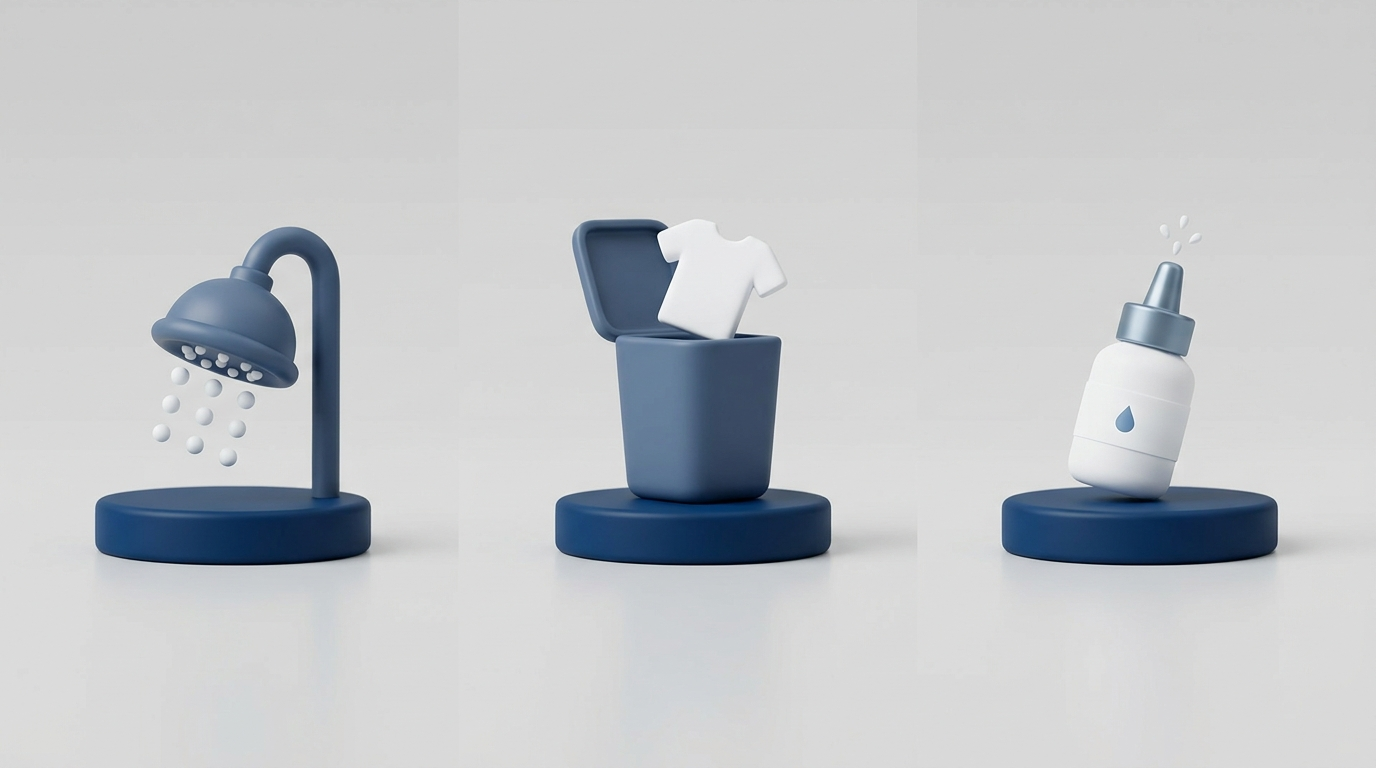
Reduce the pollen you carry inside—this is a key strategy for outdoor exercise allergies.
Shower ASAP (and wash your hair). Pollen clings to skin and hair. A quick shower—especially washing your hair—can reduce lingering exposure and may help you feel better sooner. (Sources: AAAAI; Banner Health)
Change clothes (and keep workout gear out of the bedroom). Put clothes straight into the wash or a closed hamper. Keeping pollen-covered gear out of sleeping areas may reduce nighttime symptoms.
Nasal decontamination: saline spray or rinse. A nasal saline rinse (or saline spray) can help wash out pollen and mucus after you’ve been outside. If you’re unsure how often to do it, see: https://sleepandsinuscenters.com/blog/nasal-rinses-how-often-should-you-use-them. (Source: AAAAI)
A fast cleanup after outdoor activity can make the rest of your day—and your sleep—more comfortable.
Treatment Options If Symptoms Still Disrupt Your Training
Over-the-counter basics many people start with:
- Non-drowsy antihistamines for sneezing and itching
- Nasal steroid sprays for congestion and inflammation
- Saline sprays or rinses for supportive care
Because individual health histories vary, ask a clinician or pharmacist what’s appropriate for you—especially if you have other conditions or take other medications.
If you’re guessing your triggers, testing can help. If symptoms keep interfering with training, identifying whether you’re reacting to tree vs. grass vs. weed pollen (or something else) can make your plan more targeted. Sleep and Sinus Centers of Georgia offers allergy testing: https://sleepandsinuscenters.com/allergy-testing.
Longer-term relief options. For some people, strategies such as allergy immunotherapy may be considered based on symptom severity, test results, and how much allergies affect daily life.
If you’re still struggling, testing and a tailored plan can help you train more comfortably all season.
Quick Pollen-Smart Workout Checklist (Printable-Style)
The night before:
- Check pollen forecast and wind
- Plan an indoor backup
Right before you go:
- Pick a low-pollen time (avoid 5–10 a.m. when possible)
- Sunglasses and hat; take medications as directed
- Choose a sheltered route
Right after:
- Shower and wash hair
- Change clothes; keep gear out of the bedroom
- Use saline spray or a nasal saline rinse
FAQs
What is the best time of day to exercise during allergy season? Often midday or late afternoon is better than early morning. Many guidelines suggest avoiding the peak window of 5 a.m. to 10 a.m., when pollen is frequently highest. (Source: AAAAI)
Is it better to work out after it rains? Often yes—rain can temporarily lower airborne pollen. Safety still matters (slick surfaces), and some people may notice mold sensitivity after wet weather. (Source: Banner Health)
Should I shower after walking or running outside? Yes. Showering (including hair) and changing clothes helps remove pollen that clings to you and can keep triggering symptoms indoors. (Sources: AAAAI; Banner Health)
Do saline rinses actually help with pollen allergies? They can help flush allergens and mucus from the nasal passages and are commonly recommended as supportive care after outdoor exposure. (Source: AAAAI)
When should I see an ENT or allergy specialist? Consider an evaluation if symptoms persist despite basic steps, you’re missing workouts, you’re unsure of triggers, or you frequently have breathing symptoms with exercise. You can also explore allergy testing: https://sleepandsinuscenters.com/allergy-testing.
Conclusion — Stay Active Without Suffering
You don’t have to choose between fitness and breathing comfortably. For many people, exercising outdoors during allergy season becomes much easier with three moves: avoid peak pollen hours, monitor local conditions, and clean up right after you get home (shower + change clothes + saline).
Start by checking the Georgia Pollen Tracker, plan around your highest-symptom days, and consider a personalized evaluation if seasonal symptoms keep limiting your routine: https://sleepandsinuscenters.com/georgia-pollen-tracker. If you’d like help pinpointing triggers or building a practical plan for the season, you can book an appointment with Sleep and Sinus Centers of Georgia: https://www.sleepandsinuscenters.com/.
Small, consistent habits make outdoor workouts far more comfortable during allergy season.
Medical disclaimer: This article is for general education only and is not medical advice. Always follow medication labels and consult a qualified clinician for diagnosis and treatment—especially for wheezing, chest tightness, or significant shortness of breath.
Sources
- American Academy of Allergy, Asthma & Immunology (AAAAI): https://www.aaaai.org
- Banner Health. What to know about exercising outside with allergies: https://www.bannerhealth.com/healthcareblog/advise-me/what-to-know-about-exercising-outside-with-allergies
- United Allergy Services. 6 tips for exercising through allergy season: https://unitedallergyservices.com/blog/patients/6-tips-for-exercising-through-allergy-season/
- ENT of Georgia. Allergies and exercise: how to stay active without suffering: https://www.entofga.com/blog/allergies-and-exercise-how-to-stay-active-without-suffering/
Don’t let allergies slow you down. Schedule a comprehensive ENT and allergy evaluation at Sleep and Sinus Centers of Georgia. We’re here to find your triggers and guide you toward lasting relief.