Dangers of Rhinoplasty: Common Risks, Complications, and Safety Tips
Rhinoplasty (nose surgery) can improve appearance, breathing, or both—but it can’t guarantee an “ideal result,” and it isn’t risk-free. Talking openly about the dangers of rhinoplasty is a normal part of informed consent and good planning, not a way to scare you away from surgery.
Many rhinoplasty complications are manageable or treatable, especially when recognized early (for example, infection, bleeding, or temporary blockage), but they can still be disruptive—especially when you’re expecting a smooth recovery. Rare complications can be severe, including serious infection, blood clots, or (very rarely) toxic shock syndrome (Rettinger, 2008; Medscape, 2022). Your exact risk depends on your anatomy, overall health, surgeon technique, and whether rhinoplasty is combined with other procedures.
A helpful mindset is to think of rhinoplasty like a “structural + cosmetic” project: small changes in cartilage support can have outsized effects on airflow and long-term shape. That’s why safety is more than avoiding emergencies—it’s also about protecting function while pursuing aesthetics.

What Counts as a “Risk” vs a “Complication” vs a “Bad Outcome”?
Normal side effects after rhinoplasty (expected and temporary)
Many people experience temporary, expected changes such as:
- Swelling and bruising
- Nasal congestion or “stuffy” breathing
- Mild bleeding or oozing
- Temporary numbness or altered sensation
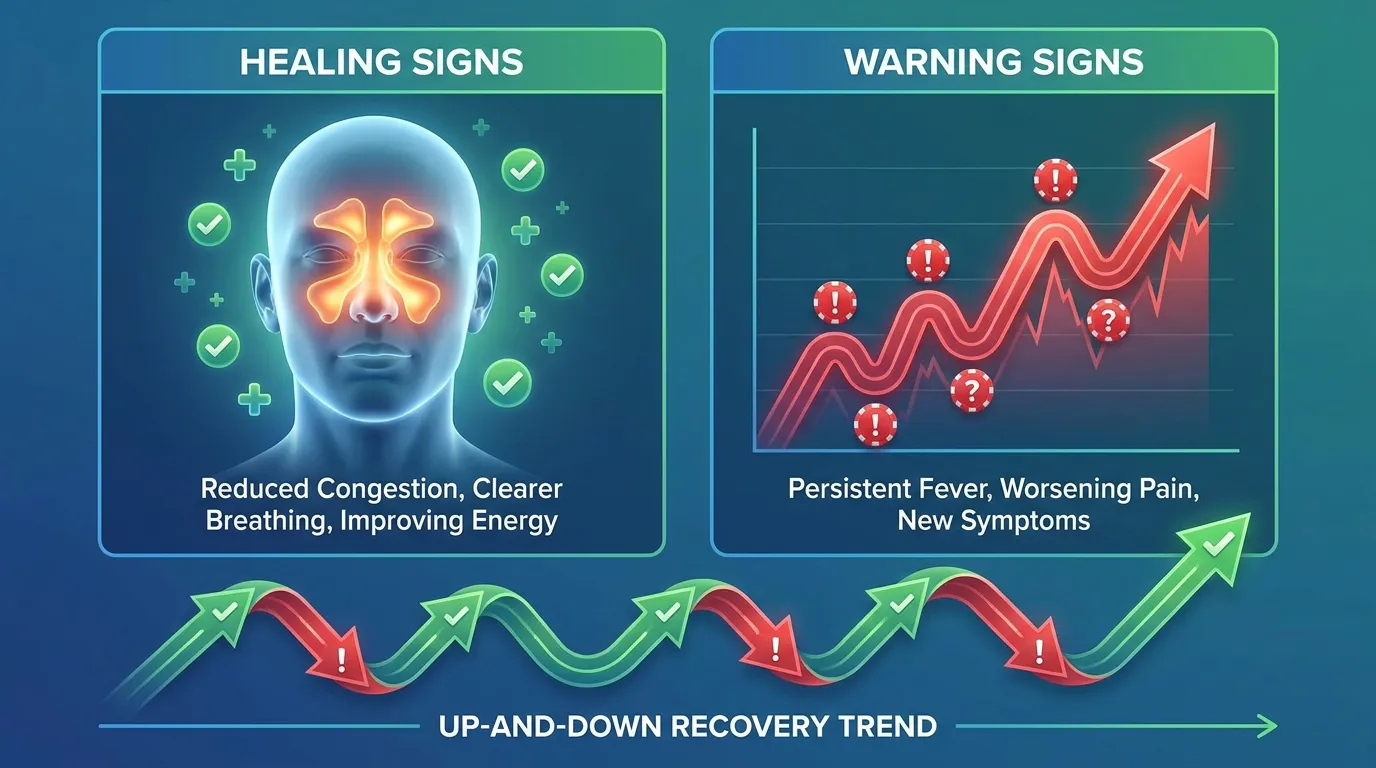
Congestion often feels worse before it feels better because internal swelling can narrow the nasal passages during early healing. Patients sometimes describe it as “having a constant cold,” even though nothing is “wrong”—it’s the normal swelling phase.
A clinician-style way to put it: Early swelling is not a verdict on your final result. In other words, early symptoms can be real and uncomfortable while still being expected.
Complications (medical problems that need treatment)
Rhinoplasty complications are medical issues that may require medication, an in-office procedure, or (less commonly) a return to the operating room. Examples include infection, hematoma (a blood collection), scarring problems, or graft/implant concerns (Medscape, 2022).
One practical way to think about this: side effects are expected “weather,” while complications are a “mechanical problem” that needs intervention. Both matter, but they’re handled differently.
Adverse outcomes (functional/aesthetic results you didn’t want)
A “bad outcome” isn’t always a medical emergency, but it can still be a major problem for a patient—such as persistent asymmetry, dissatisfaction with shape, or breathing problems after rhinoplasty that don’t resolve as swelling improves. These concerns sometimes lead to revision surgery (Rettinger, 2008; Medscape, 2022).
This is where expectations and communication are huge. Even if there’s no infection or bleeding, a result that doesn’t meet your goals can still feel like a serious outcome—especially when breathing is affected.
In short: It’s normal to have short-term side effects; complications need treatment; and adverse outcomes can be medical, functional, or aesthetic.
How Common Are Rhinoplasty Complications? (What the Research Shows)
Overall complication rates vary by study
Published overall rates vary—often reported around 4–18.8%—but reported rates vary by study, definition, and patient population (Medscape, 2022; Rettinger, 2008). Some papers count minor issues (like prolonged swelling); others only count problems requiring treatment.
Revision rhinoplasty rates (why second surgeries happen)
The revision rhinoplasty rate is commonly reported in the single digits to low teens (often cited around 5–15%), with some series reporting approximately 3.6% (Rettinger, 2008; Medscape, 2022). Revisions may be requested for appearance, function, or both.
A useful framing: revision doesn’t automatically mean “botched.” Sometimes it reflects how complex healing can be—or that very small asymmetries become more noticeable after surgery.
Major/severe systemic complications are uncommon—but not zero
Major complications are typically uncommon (often under 1% to low single-digit percentages) in large series, though reported ranges can vary depending on definitions and patient factors (Rettinger, 2008; Medscape, 2022). The bottom line remains: severe systemic events are rare, and planning is aimed at keeping them rare.
Important context: Individual risk depends on anatomy (including nasal valve strength), history of prior surgery or trauma, medical conditions, smoking/vaping, and whether procedures are combined.
Bottom line: Reported rates vary by study and patient mix; your personal risk is best estimated in consultation with an experienced surgeon.
The Most Common (Usually Non–Life-Threatening) Dangers of Rhinoplasty
Functional breathing problems and aesthetic dissatisfaction are the most common issues and are often manageable when identified early.

Breathing problems / nasal obstruction (the #1 functional complaint)
Functional concerns are among the most important dangers of rhinoplasty because even a small structural change can affect airflow. Some reports describe residual or new obstruction in approximately 10% after primary rhinoplasty, depending on the series and definitions used, and in some revision series, breathing problems are a common reason patients seek revision (Rettinger, 2008; Medscape, 2022).
Why obstruction can happen (patient-friendly overview):
- Normal swelling (temporary narrowing)
- A septal deviation that wasn’t addressed or returns over time
- Nasal valve weakness/collapse (insufficient support)
- Scar tissue or internal adhesions
- Over-resection of cartilage (too much removed)
A simple analogy: airflow is like water through a narrow pipe—small changes in diameter can change flow a lot. In the nose, swelling and support structures both affect that “diameter.”
If you’re trying to balance cosmetic goals with breathing support, it helps to understand the difference between procedures aimed at appearance vs airflow. See our guide on functional rhinoplasty vs. septoplasty: https://sleepandsinuscenters.com/blog/functional-rhinoplasty-vs-septoplasty-key-differen-20260318181625

Need for revision surgery (aesthetic or functional)
Revision surgery can be needed for:
- Persistent hump or crookedness
- Tip asymmetry, droop, or over-rotation/under-rotation
- Ongoing obstruction or collapse
Revisions are often more complex than primary surgery because of scar tissue, altered anatomy, and limited remaining cartilage for support (Medscape, 2022). Patients sometimes say, “I thought I was being picky—until I realized I couldn’t breathe well.” Both the appearance and function sides deserve to be taken seriously.
If you’re wondering whether your concern is a healing phase vs a true problem, this article explains signs you may need revision rhinoplasty: https://sleepandsinuscenters.com/blog/bad-nose-jobs-causes-signs-and-how-to-fix-a-botche-20260328041213
Infection (uncommon but important)
Infection is generally uncommon (often quoted under 1–2%), but early recognition and treatment matter (Medscape, 2022). Potential contributors include:
- Bacteria introduced at surgery
- Poor wound care or disrupted incisions
- Smoking/vaping (which can impair healing)
- Having an active sinus/nasal infection around the time of surgery
- Certain implants/materials (in some cases) (Rettinger, 2008; Medscape, 2022)
Commonly discussed warning patterns include worsening redness/warmth, foul-smelling drainage, fever, or pain that increases after initially improving (educational overview—individual situations vary).
Bleeding/hematoma and prolonged swelling
Bleeding and hematoma can occur after nasal surgery. Persistent or heavy bleeding is one reason postoperative monitoring and clear instructions matter. Even when bleeding isn’t dangerous, it can be stressful—and it may increase swelling or delay recovery.
It’s important to disclose anything that can increase bleeding risk before surgery, including:
- Prescription blood thinners (when applicable)
- Certain over-the-counter pain relievers
- Supplements that can affect clotting (your surgical team may ask for a full list)
Graft and implant-related problems
Some rhinoplasties use cartilage grafts (from septum/ear/rib) or implants. Possible issues include warping, shifting, visibility, infection, or extrusion. Donor sites can have their own healing considerations (Rettinger, 2008; Medscape, 2022).
Key takeaway: The most common issues affect breathing or aesthetics and are often manageable when addressed early and appropriately.
Rare but Serious Rhinoplasty Complications (When Things Become Dangerous)
Toxic shock syndrome (very rare, high stakes)
Toxic shock syndrome after nasal surgery is reported as extremely rare (around 0.016% in older/historical series), but it can progress rapidly and may be life-threatening (Rettinger, 2008). Older reports described substantial mortality (around 11%), which is why postoperative warning signs are treated seriously even though the event itself is rare. Contemporary risk may differ, but vigilance remains important.
Severe infection, sepsis, and intracranial complications
Infections can (rarely) spread beyond the nose/sinuses and become severe. While this is uncommon, it’s one reason prompt evaluation of concerning symptoms is emphasized in postoperative care (Medscape, 2022; Rettinger, 2008).
Venous thromboembolism (VTE; blood clots), fat embolism, and anesthesia-related risks
Rhinoplasty is often shorter than many cosmetic operations, but clot risk can rise with longer operative time, multiple combined procedures, and certain patient factors (older age, higher BMI, limited mobility) (CDC, 2024). The key point is risk “stacking”: the procedure, the anesthesia time, and patient factors can add up—especially when multiple surgeries are performed in a single session.
Death (exceptional, but discussed in safety literature)
Death after rhinoplasty in well-regulated surgical settings is considered exceptionally rare, but safety literature notes that risk can change based on the setting, patient selection, and whether multiple procedures are performed together (CDC, 2024).
Perspective: These events are uncommon; awareness, careful planning, and fast response to red-flag symptoms help keep them rare.
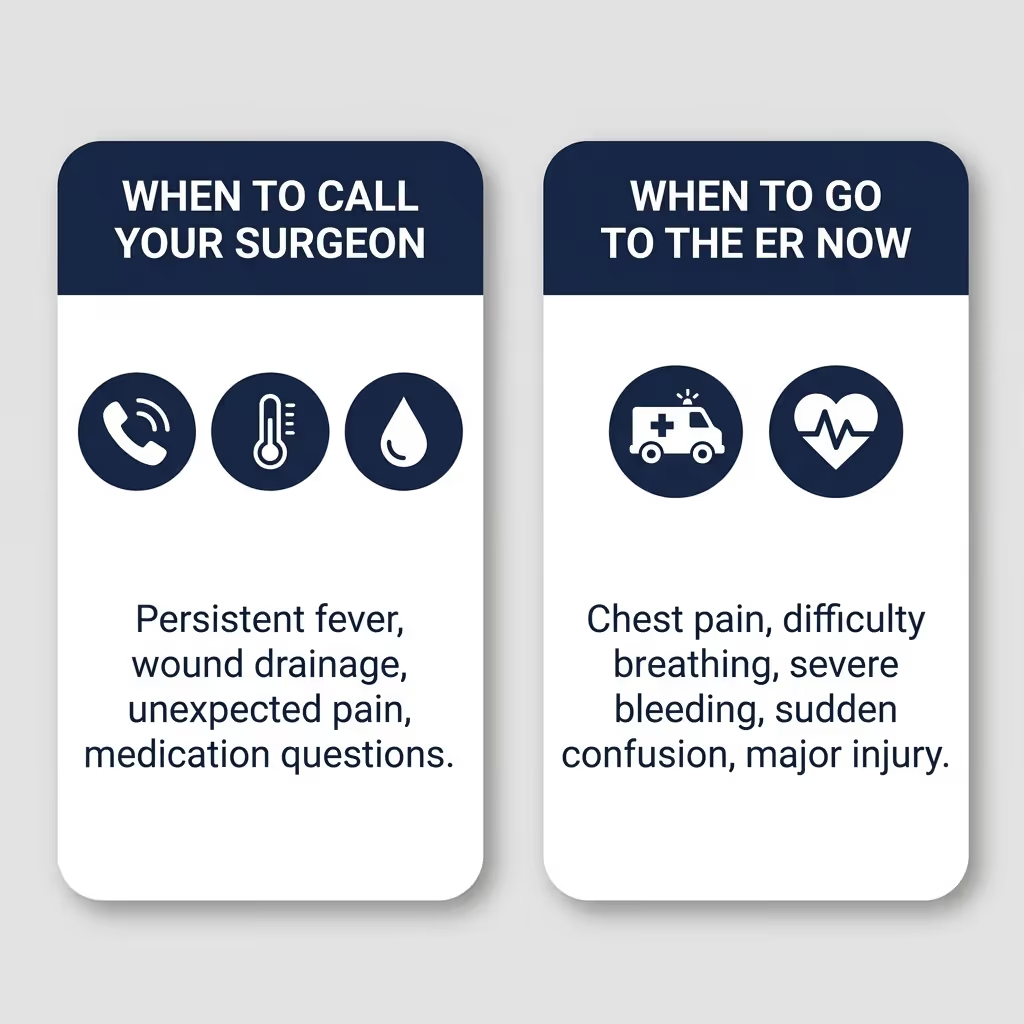
Symptoms to Watch For After Rhinoplasty (When to Call Your Surgeon vs Seek Emergency Care)
Healing includes swelling and congestion, but some symptoms may signal a problem. For a week-by-week view of what many patients experience (and when swelling typically improves), see our rhinoplasty recovery timeline: https://sleepandsinuscenters.com/blog/rhinoplasty-recovery-timeline-week-by-week-healing-20260325181131
Call your surgeon urgently (same day)
- Fever or increasing redness/warmth
- Worsening pain after initial improvement
- Foul-smelling drainage
- Expanding swelling or new one-sided swelling
- Persistent heavy bleeding
- Worsening blockage that doesn’t trend better over time
If you’re unsure, it’s reasonable to call. Surgeons would typically rather reassure you early than treat a delayed complication later.
Go to the ER / call emergency services now
- Trouble breathing, chest pain, fainting, sudden shortness of breath
- Confusion, severe weakness, bluish lips
- High fever with rash, vomiting/diarrhea, and rapid deterioration (possible toxic shock) (Rettinger, 2008; Medscape, 2022)
This is educational information, not a diagnosis tool—when in doubt, it’s appropriate to seek immediate evaluation.
Quick rule: When symptoms are escalating, especially with fever, chest symptoms, or rapid decline, seek urgent care.

Who Is at Higher Risk? (Patient + Procedure Risk Factors)
Patient-related factors
Risk may be higher with:
- Prior nasal surgery or trauma
- Smoking/vaping
- Uncontrolled diabetes or immune suppression
- Sleep apnea/airway considerations (important to discuss during planning)
- In broader cosmetic surgery literature, older age and higher BMI may be associated with increased perioperative risk.
Procedure-related factors
Risk can increase with:
- Revision surgery vs primary surgery
- Extensive structural work or longer operative time
- Use of certain implants/materials (Medscape, 2022; Rettinger, 2008)
“Stacking” multiple cosmetic surgeries in one operation
Safety data suggests risk increases when patients undergo two or more procedures, particularly with BMI ≥25 and age ≥40 (CDC, 2024). In plain terms: more procedures can mean longer anesthesia, more immobility, and more stress on the body.
Practical point: Personal risk comes from both you and the plan—optimize health, and be cautious about combining procedures.
Medical Tourism and Unregulated Settings: Why Safety Can Change Dramatically
What the CDC found (why patients should pay attention)
The CDC review cited here examined cosmetic surgery broadly (not rhinoplasty-only) among U.S. citizens in the Dominican Republic (2009–2022). Many deaths were linked to embolic events (fat embolism or venous thromboembolism) and were associated with factors like higher BMI, older age, and multiple procedures in one operation (CDC, 2024).
This doesn’t mean all surgery abroad is unsafe—but it highlights why facility standards, anesthesia staffing, and emergency readiness matter.
Practical safety checklist if you’re considering surgery away from home
- Is the facility accredited, and what emergency protocols exist?
- Who provides anesthesia, and what are their credentials?
- What follow-up is included, and who manages complications once you return home?
- Does the proposed travel timeline leave enough time for early postoperative monitoring?
Core idea: Safety depends on the team, standards, and follow-up plan—not geography alone.
Treatments If a Complication Happens (What Patients Should Know)
Breathing obstruction management
Management depends on whether swelling is the main driver or whether there is a structural issue (like valve weakness or persistent deviation). Evaluation may include an exam and sometimes nasal endoscopy, followed by medical therapy and/or longer-term planning if structural correction is needed (Medscape, 2022).
Infection treatment
Treatment may include antibiotics, drainage if a collection is present, and careful assessment of any grafts/implants (Medscape, 2022).
Managing dissatisfaction vs true surgical complications
Aesthetic concerns can be especially challenging early on because swelling changes shape for months. Second opinions can be helpful, and records that may matter include operative notes, implant details, and pre/post-op photos. If you’re sorting through possibilities, this overview of what causes a “bad nose job” can help frame the discussion: https://sleepandsinuscenters.com/blog/bad-nose-jobs-causes-signs-and-how-to-fix-a-botche-20260328041213
Guiding principle: Early evaluation helps choose the least invasive fix and protects function over the long term.
Rhinoplasty Safety Tips (Before, During, and After Surgery)
Before surgery: reduce avoidable risk
- Choose an experienced, appropriately trained surgeon (ENT/facial plastics or a surgeon with a strong rhinoplasty focus).
- Ask how breathing is evaluated (structure, septum, nasal valves), not just appearance.
- Share your full medication/supplement list and any smoking/vaping history.
- Discuss whether combining procedures is truly appropriate for your health profile (CDC, 2024).
Day-of and facility safety questions
- Facility accreditation and monitoring standards
- Who will manage anesthesia and postoperative observation
- Emergency transfer plans if a higher level of care is needed
After surgery: lower infection and bleeding risk
Following written postoperative instructions matters for reducing rhinoplasty risks like infection and bleeding. Keeping follow-ups also helps catch issues early—especially if new symptoms appear during recovery.
Simple truth: Good planning, the right team, and careful follow-up reduce avoidable risk.
FAQs About the Dangers of Rhinoplasty
Is rhinoplasty safe?
In qualified hands and appropriate settings, rhinoplasty is generally considered safe—but the dangers of rhinoplasty are not zero, and informed planning is important (Medscape, 2022).
What is the most common complication?
Common patient-impacting issues include breathing obstruction and dissatisfaction that can lead to revision evaluation (Rettinger, 2008; Medscape, 2022).
How often do people need revision rhinoplasty?
The revision rhinoplasty rate is often reported in the single digits to low teens, depending on the study and patient factors (Rettinger, 2008; Medscape, 2022).
What are signs something is wrong after surgery?
Concerning patterns may include worsening pain after improvement, fever, foul-smelling drainage, heavy bleeding, chest symptoms, or rapid deterioration. (Educational guidance varies by individual.)
Does combining rhinoplasty with other cosmetic procedures increase risk?
Risk can increase with multiple procedures and certain patient factors such as age and BMI, so individualized planning is important (CDC, 2024).
When can I judge my final result?
Swelling can change the look and feel of the nose for months; many discussions about revision timing happen after substantial healing has occurred (Medscape, 2022). For a week-by-week overview, see our rhinoplasty recovery timeline: https://sleepandsinuscenters.com/blog/rhinoplasty-recovery-timeline-week-by-week-healing-20260325181131
Conclusion: Balanced Takeaway + Next Step
Many dangers of rhinoplasty involve manageable issues like swelling-related blockage, infection, bleeding, or the need for revision. Rare complications—such as severe infection, toxic shock syndrome, or clot-related events—are uncommon but underscore why surgeon selection, careful pre-op evaluation, and a safe surgical setting matter.
If you’re considering rhinoplasty (or you’re dealing with persistent obstruction or concerns after prior surgery), Sleep & Sinus Centers of Georgia can help you review both functional and cosmetic goals and discuss risk-reduction strategies. If you’re ready for next steps, it’s worth booking an appointment so your anatomy and goals can be evaluated in person.
CTA: Schedule a consultation with an ENT/facial plastic specialist: /appointments
Citations / Sources
- Rettinger G. Risks and complications in rhinoplasty. (2008). https://pmc.ncbi.nlm.nih.gov/articles/PMC3199839/
- Medscape. Complications of Rhinoplasty. (2022). https://emedicine.medscape.com/article/843439-overview
- CDC MMWR. Deaths of U.S. Citizens Undergoing Cosmetic Surgery — Dominican Republic, 2009–2022. (2024). https://www.cdc.gov/mmwr/volumes/73/wr/mm7303a3.htm
This article is for educational purposes only and is not medical advice. Please consult a qualified healthcare provider for diagnosis and treatment.
Don’t let allergies slow you down. Schedule a comprehensive ENT and allergy evaluation at Sleep and Sinus Centers of Georgia. We’re here to find your triggers and guide you toward lasting relief.