Complete Guide to Allergy-Proofing Your Child’s Room: Best Tips for an Allergy-Free Bedroom
This article is provided by Sleep and Sinus Centers of Georgia as part of our patient education resources.
Kids spend a huge chunk of each day in their bedrooms—especially asleep, with their face close to pillows, blankets, and soft toys that can trap allergens. That’s why allergy-proofing your child’s room can make a noticeable difference in nighttime sniffles, coughing, and restless sleep.
Realistically, “allergy-proof” doesn’t mean “allergens never enter.” It means reducing allergen reservoirs (places allergens build up) and controlling the environment (humidity, airflow, filtration) so exposure is lower and symptoms are easier to manage. Think of it like turning down the “allergen volume” rather than trying to hit mute. It’s about smarter symptom management in the sleep space—not a cure for allergies.
The biggest wins for most families: dust mite–proof bedding, keeping humidity in a healthier range (about 40–50%), choosing easy-to-clean flooring, using HEPA cleaning methods, and decluttering. (Mayo Clinic; AAFA)
Common Bedroom Allergens (and why they trigger symptoms)
Dust mites (the most common indoor trigger in bedding and fabrics): Dust mites are tiny organisms that thrive in warm, humid environments and feed on shed skin cells. In a child’s room, they tend to build up in mattresses, pillows, blankets, stuffed animals, and carpets—anything soft and hard to wash often. (Mayo Clinic; AAFA)
A helpful way to picture it: the bed can act like a “sponge” for allergens—it absorbs and holds on to mite debris over time unless you add barriers (encasements) and wash fabrics consistently.
Pet dander (even if pets don’t enter the room): Pet allergens can hitch a ride on clothing and hair, spread through the home, and circulate through HVAC airflow. So even a “pet-free bedroom” may still contain dander unless steps are taken to reduce transfer and improve cleaning/filtration. (AAFA; AAAAI)
For example, if a child cuddles the dog on the couch after school and then lies on their bed in the same sweatshirt, allergens can be transferred directly to bedding—right where their nose and mouth are for hours.
Mold spores (moisture-driven): Mold thrives where moisture lingers: around windows, in closets with poor airflow, near vents, or in damp carpet/padding. Managing moisture and keeping indoor humidity steady is often the difference between an okay room and a symptom-triggering one. (Mayo Clinic; AAAAI)
If you’ve ever noticed a “musty” smell when opening a closet or seen condensation collecting on a window frame, those are clues that moisture control may need attention.
Pollen (outdoor allergen brought indoors): Pollen can come in on hair, skin, backpacks, and clothing—then settle into bedding, curtains, and plush items. During high-pollen seasons, simple habit changes can reduce how much pollen ends up where your child sleeps. (AAFA; Mayo Clinic)
A common pattern is “fine during the day, worse at night”—especially when pollen is being unintentionally deposited into the sleep zone. It’s often the combination of multiple small exposures (bed, fabrics, and air) that adds up to noticeable nighttime symptoms.
Allergy Symptoms to Watch for in Kids (especially at night)
Typical allergy symptoms that worsen in the bedroom: If symptoms seem worse at bedtime or overnight, indoor triggers may be playing a role. Common signs include sneezing, runny or stuffy nose, itchy/watery eyes, post-nasal drip, and coughing as your child lies down. Some kids also develop dark circles, mouth-breathing, restless sleep, or snoring. (Mayo Clinic)
Many parents describe it as: “They’re okay at dinner, then the coughing starts once they’re tucked in.” That timing often points back to bedroom exposure.
When symptoms may suggest asthma or a more serious issue: Wheezing, chest tightness, shortness of breath, or frequent nighttime coughing can point to lower-airway involvement and should be discussed with a clinician—especially if it’s affecting sleep, school, or activity. (AAFA; AAAAI) Early clinical input helps separate simple nasal allergy symptoms from signs that might need a different plan.
Root Causes in the Room: Where Allergens Hide (Allergen “Reservoirs”)
Bedding and mattress materials: Layers of fabric + warmth + regular moisture from breathing create an ideal environment for dust mites. Even if the room looks clean, the bed itself can be the biggest source. (Mayo Clinic)
A common misconception is that changing sheets occasionally is enough. In reality, the mattress and pillow interior can remain a long-term reservoir unless you add sealed encasements.
Flooring and rugs: High-pile carpet holds more dust, dander, and mite debris than smooth flooring. If carpet can’t be removed, low-pile options tend to be easier to clean thoroughly. (Mayo Clinic; AAFA)
Rugs can be tricky because they’re often where kids sit to play. If you keep a rug, choosing one that’s easier to vacuum thoroughly (and keeping it low-pile) can make maintenance more realistic.
Clutter and open storage: Clutter creates “dust shelves.” Open bins, piles of books, and fabric-heavy decor collect allergens and slow down cleaning. Closed storage helps reduce child bedroom allergens by limiting exposed surfaces. (AAFA)
If you’ve ever tried to dust around stacked toys and décor, you’ve seen the problem: the harder it is to clean, the less consistently it happens.
Airflow and humidity problems: Humidity swings, dirty filters, and limited ventilation can worsen dust mites and mold concerns—and make the room feel stuffy even when it’s clean. (AAFA; AAAAI) Reduce fabric reservoirs and keep air moving and balanced—both matter for comfort and symptom control.
Step-by-Step: How to Allergy-Proof Your Child’s Bedroom (Checklist)
Use this as a practical plan for allergy-proofing your child’s room—start with the bed, then work outward.
Step 1 — Start with the bed (highest-impact changes)
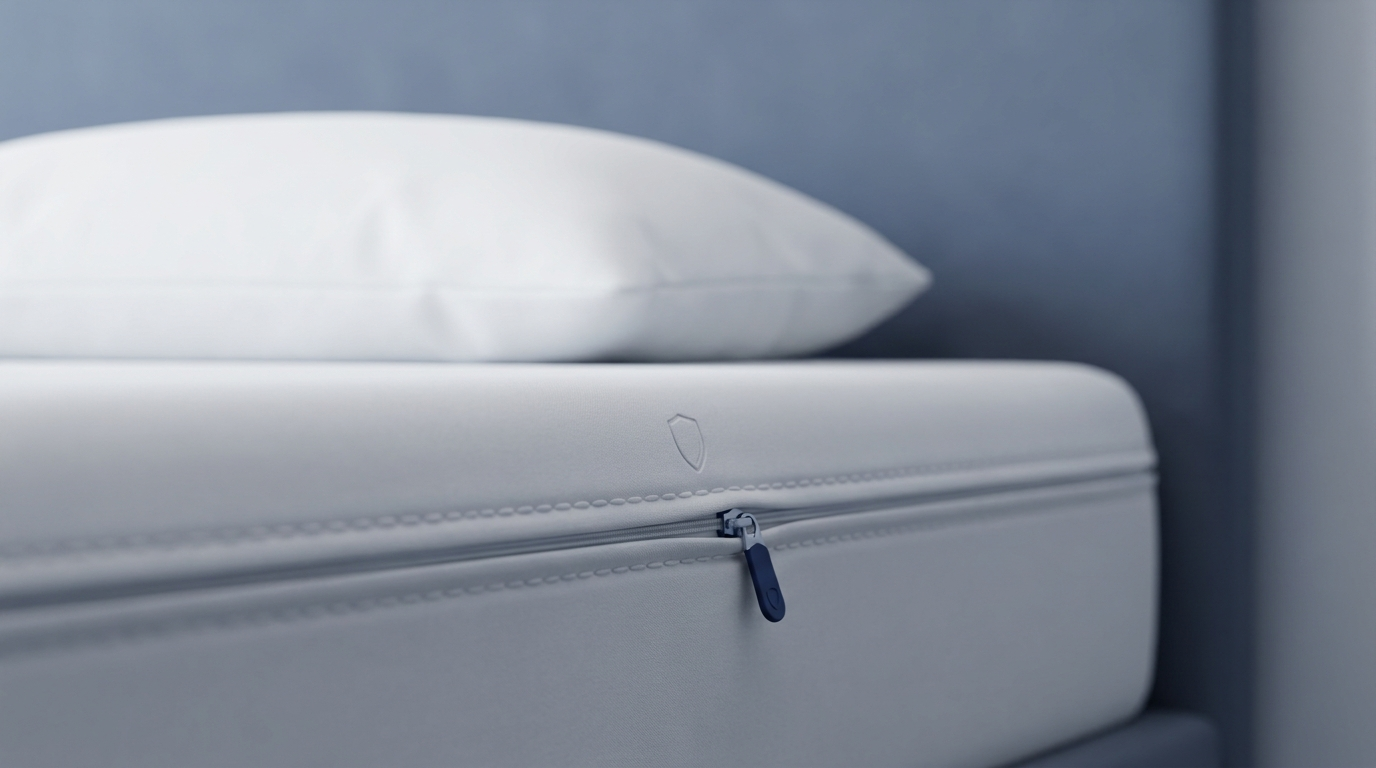
- Add dust‑mite‑proof encasements to the mattress and pillows.
Learn how they work here: https://sleepandsinuscenters.com/blog/dust-mite-covers-explained-ultimate-guide-to-allergy-protection
- Wash sheets and blankets weekly. Hot water is often recommended when the fabric allows. Always follow the care label. Note: some guidance references around 130°F for dust mite control. Water this hot can scald skin—only adults should handle laundry at this temperature, and always check appliance and fabric care instructions. (Mayo Clinic)
- Consider synthetic pillows and comforters instead of feather/down if your child is sensitive to allergens. (Mayo Clinic)
Practical example: If weekly washing feels like a lot, pick a consistent “reset day” (like Saturday morning). Families often find it’s easier to keep up when it’s attached to an existing routine. Small, consistent steps around the bed typically deliver the biggest sleep improvements.
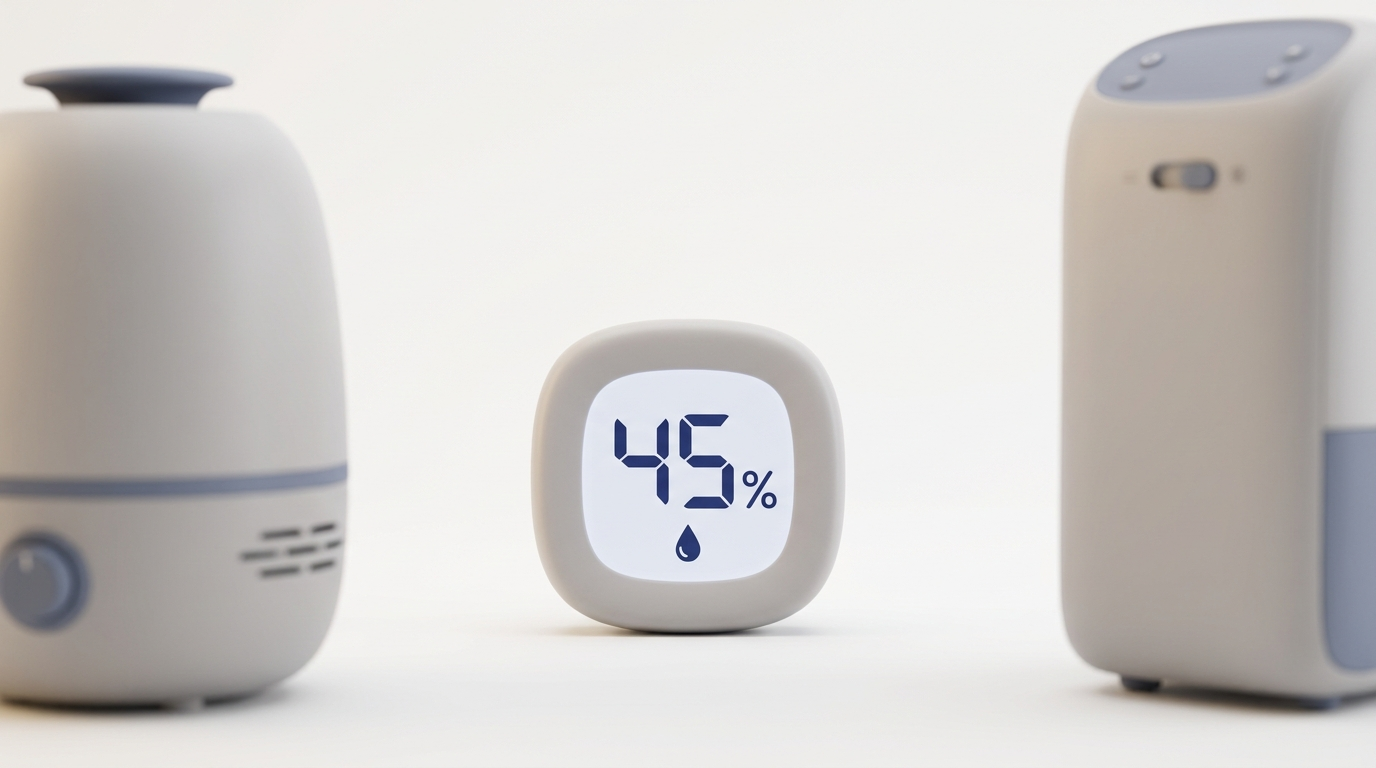
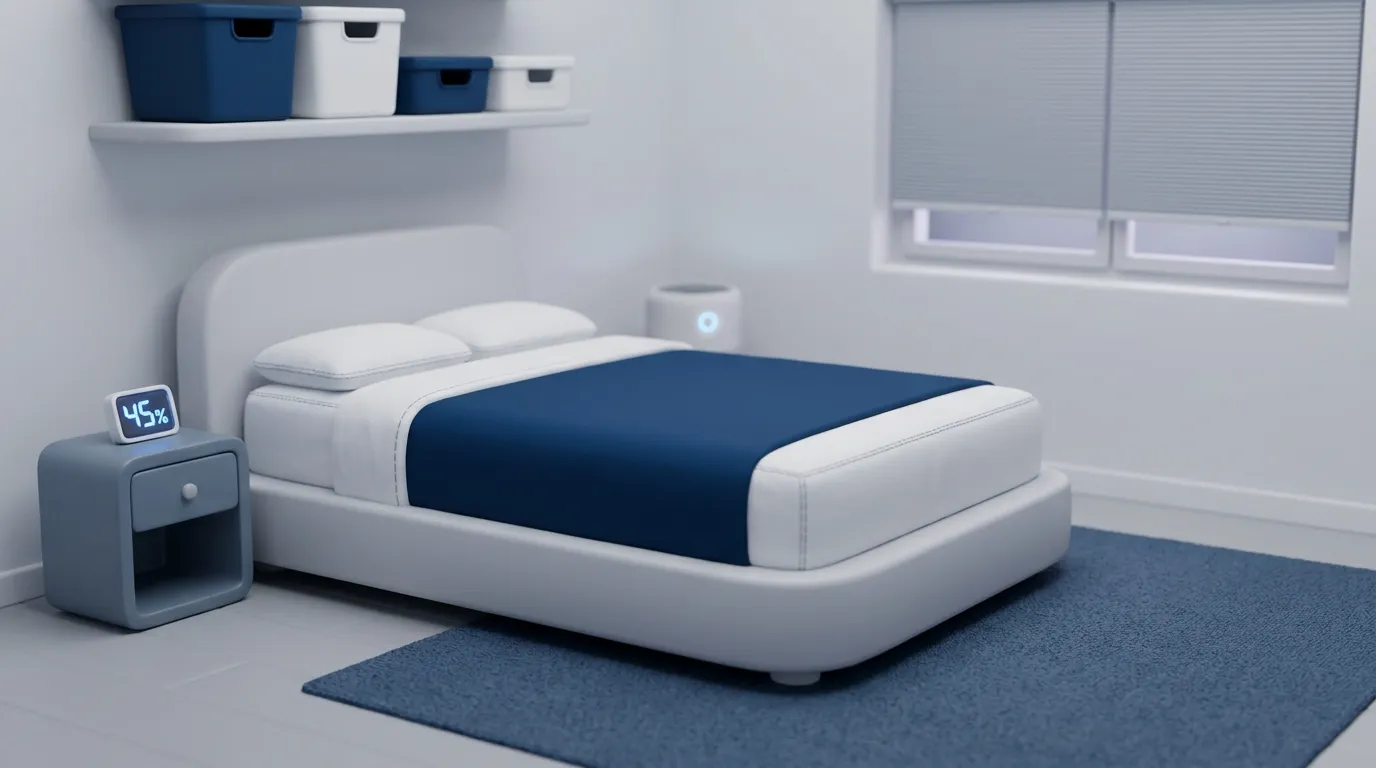
Step 2 — Control humidity (aim for 40–50%)
Keeping humidity in check is a major lever for reducing dust mites and mold.
- Target a bedroom humidity of about 40–50%. (AAAAI; Mayo Clinic)
- Use an inexpensive hygrometer to track it.
- If humidity is high: consider a dehumidifier and look for moisture sources (window condensation, leaks, damp closet corners).
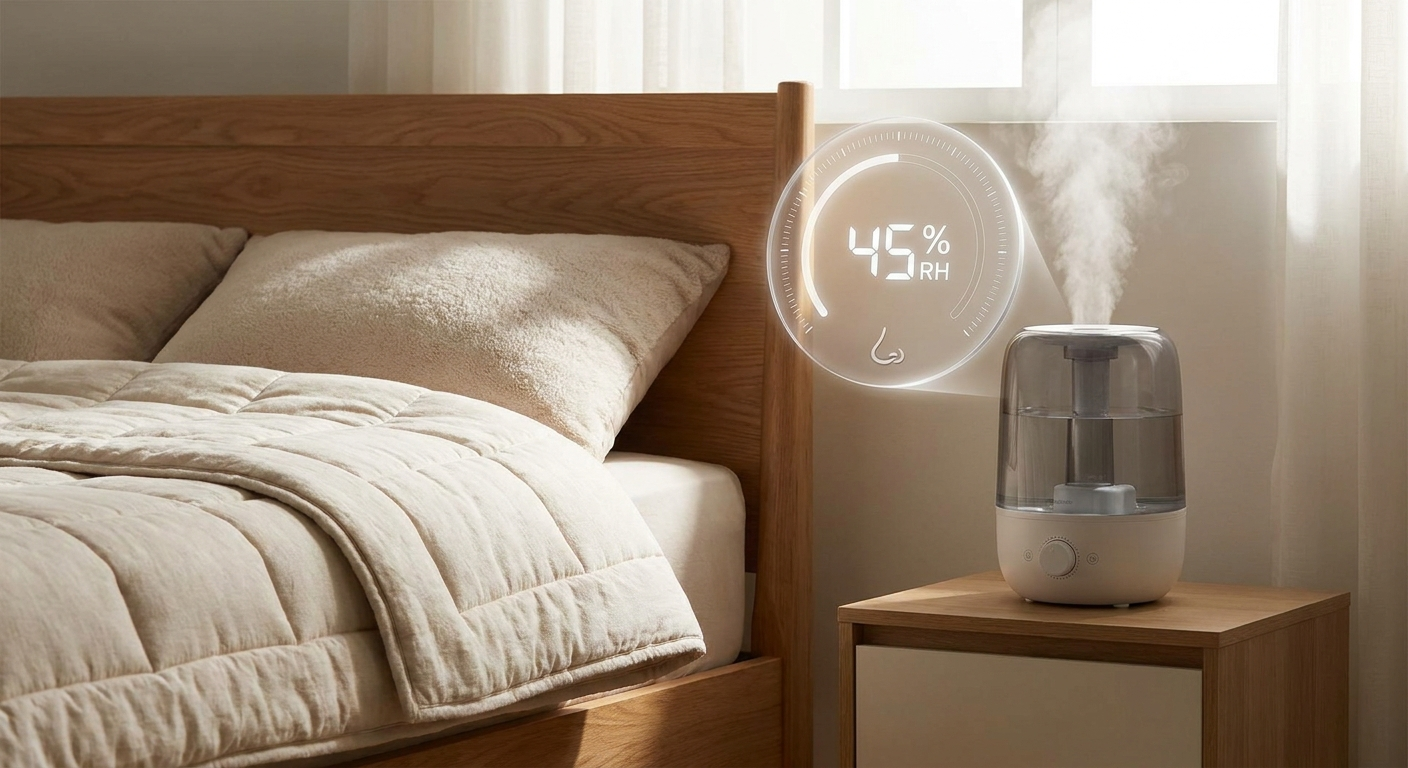
- If the air is too dry: a humidifier may help comfort, but it needs consistent cleaning to avoid worsening indoor allergens.
Helpful comparison: https://sleepandsinuscenters.com/blog/humidifier-vs-dehumidifier-for-allergies-which-is-better
Quick check: If you’re seeing condensation on windows most mornings, that’s often a sign the room is running too humid. Steady, middle‑range humidity helps make the room less friendly to both mites and mold.
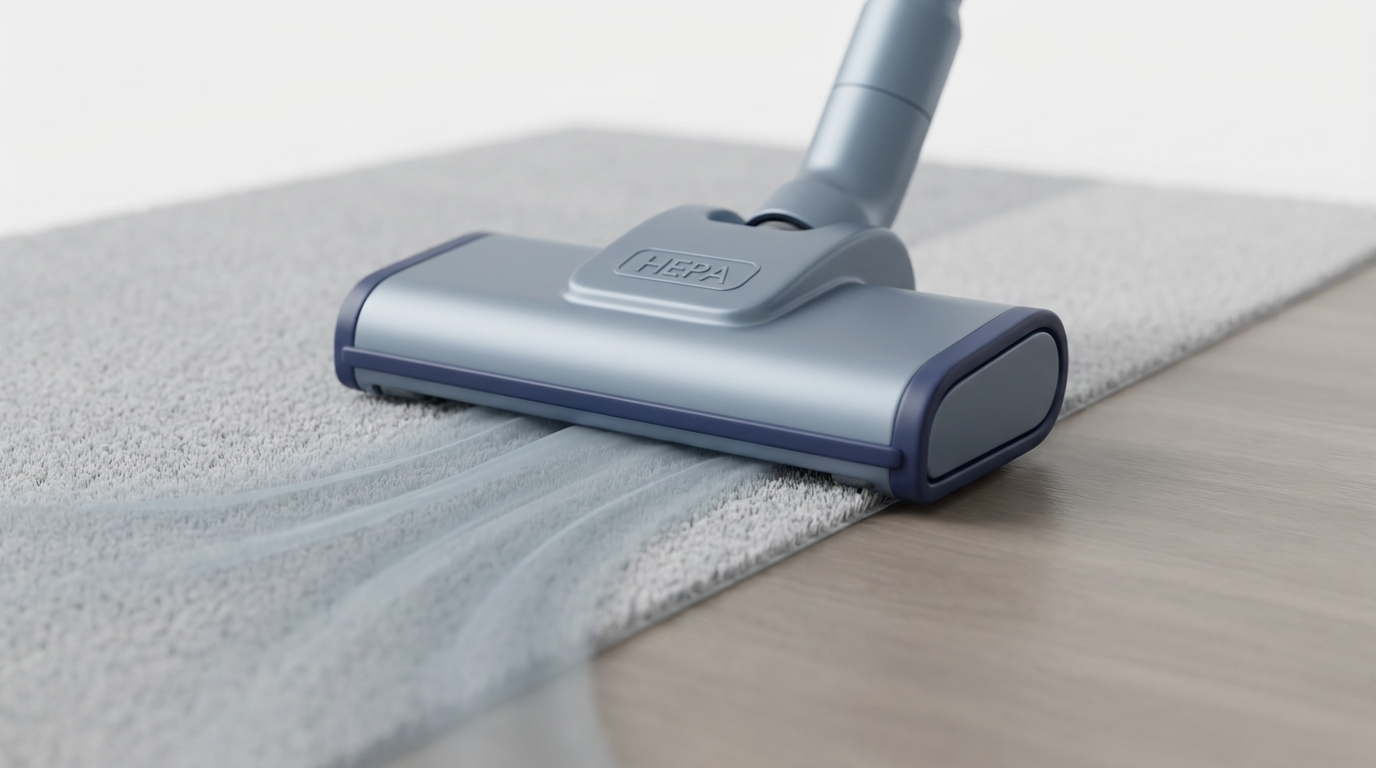
Step 3 — Choose allergy-smart flooring
- Best options for an allergy-free bedroom: sealed hardwood, vinyl, laminate, or tile (easy to wipe and vacuum). (Mayo Clinic)
- If carpet must stay: choose low‑pile if replacing, and vacuum slowly and thoroughly using a sealed HEPA vacuum to help reduce dust accumulation. (AAFA)
A useful mindset is “fewer fibers, fewer hiding places.” Smooth floors don’t eliminate allergens—but they make removal much more achievable. If you can’t change flooring, upgrading your vacuuming method often closes the gap.
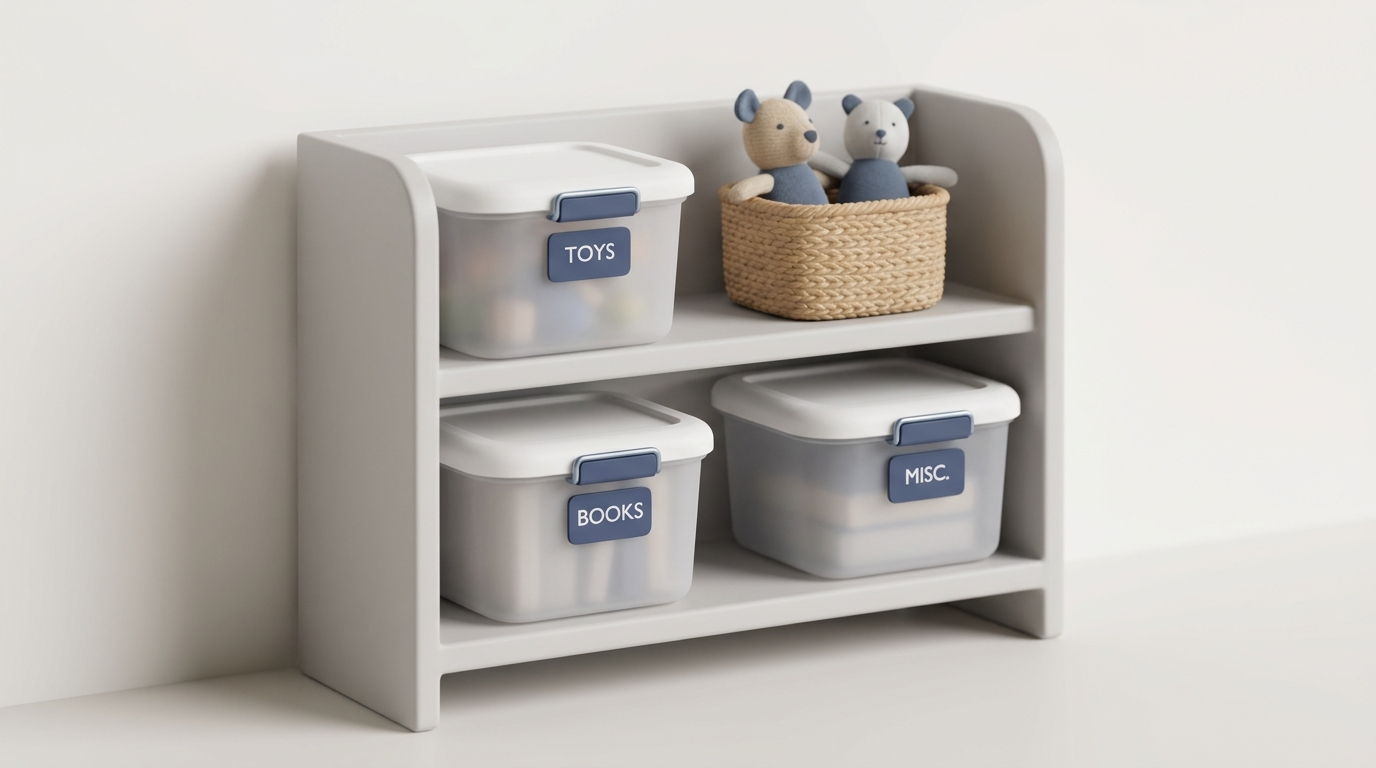
Step 4 — Reduce clutter with closed storage
- Store toys, books, and games in plastic bins with lids.
- Limit common “dust collectors”: extra throw pillows, fabric canopies, heavy curtains, and large piles of stuffed animals.
- Keep floors and surfaces clear so cleaning is faster and more consistent. (AAFA; AAAAI)
Kid-friendly compromise: Create a small “display” basket for a few favorite stuffed animals and keep the rest in closed bins. This keeps comfort items available without turning the whole bed into an allergen magnet. Clear surfaces make it easier to clean well in less time—week after week.
Step 5 — Clean smarter (not just more)
The goal is to remove allergens without kicking them into the air.
- Vacuum with a HEPA vacuum (floors and, when appropriate, the mattress surface). (AAFA)
- Dust with a damp microfiber cloth instead of dry dusting.
- If your child is sensitive, consider cleaning while they’re out of the room and ventilate afterward. (AAAAI)
One clinician-style tip you’ll often hear: “We want to capture particles, not redistribute them.” Damp-dusting and HEPA filtration help do exactly that. Capture is kinder to sensitive airways than scatter.
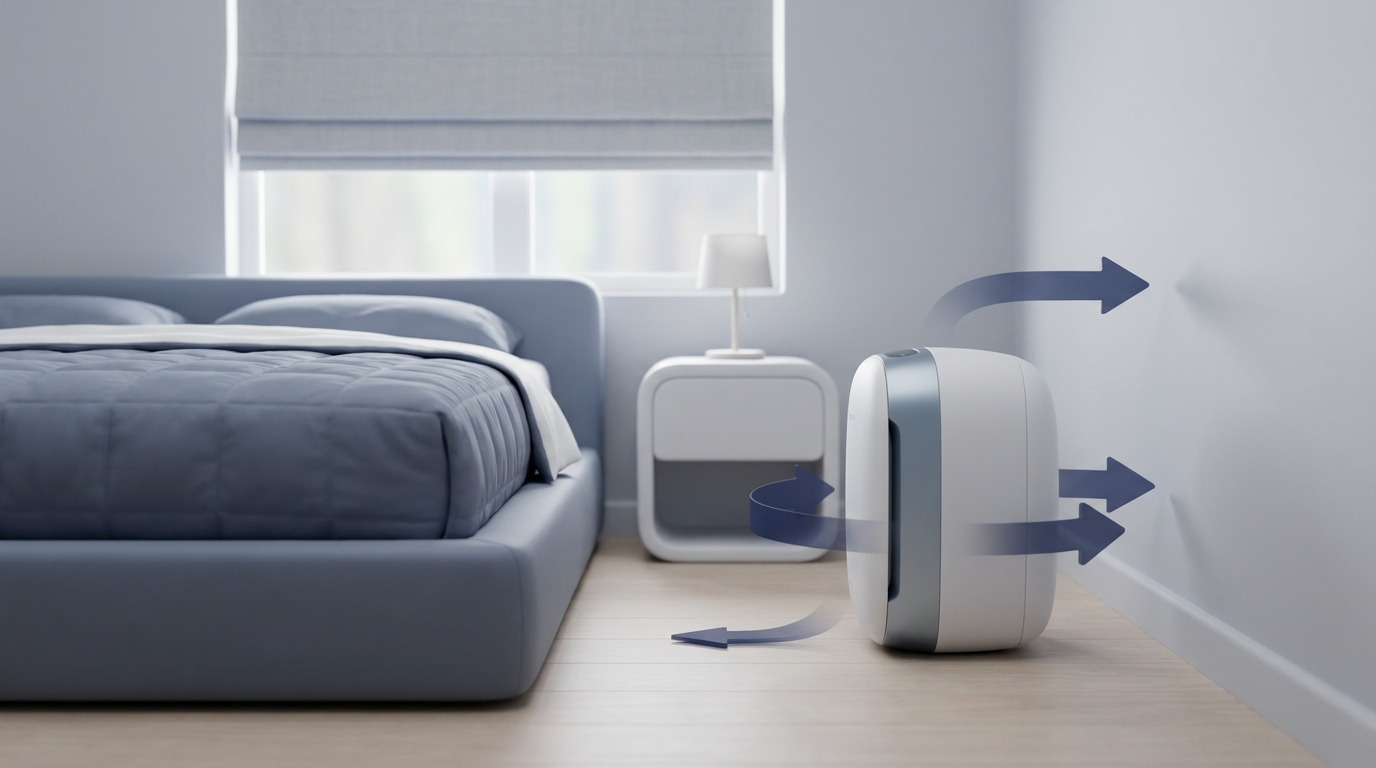
Step 6 — Improve the air with HEPA filtration
A HEPA air purifier for bedroom use can reduce airborne particles (like pollen and dander), which may complement your cleaning routine.
- Pick a unit sized for the room and run it consistently.
- Place it with a few inches of clearance on all sides for airflow (often near—but not blocked by—the bed).
Shopping help: https://sleepandsinuscenters.com/blog/best-air-purifiers-for-sinus-sufferers (AAFA; Mayo Clinic)
If you’re deciding where to start, many families find that encasements + weekly washing + HEPA vacuuming form a strong baseline, and then a purifier adds extra support—especially during pollen season. Think of the purifier as a helper for the air, not a substitute for fabric-focused steps.
Treatments That Complement an Allergy-Friendly Room (Medical + practical)
Environmental changes are foundational, but some families also discuss symptom relief options with their child’s clinician.
Over-the-counter options parents commonly discuss with clinicians: Common categories include non-drowsy antihistamines, nasal steroid sprays, and saline rinses—used in age-appropriate ways and guided by pediatric recommendations. (Mayo Clinic) This is general information only—dosing, safety, and appropriateness vary by age and health history. Do not start any new medication for your child without checking with their pediatrician or allergist first.
When to consider allergy testing: Consider asking about testing if symptoms are persistent despite consistent home changes, or if patterns suggest year‑round triggers (often consistent with dust exposure) versus seasonal flares (often pollen-related). Testing can help identify specific triggers, which may help you and your child’s clinician prioritize which changes are most relevant. (AAAAI; Mayo Clinic)
If you’re exploring next steps locally, Sleep and Sinus Centers of Georgia offers allergy testing as part of a broader evaluation: https://sleepandsinuscenters.com/allergy-testing
Immunotherapy (a longer-term approach for some kids): For some children with confirmed triggers and ongoing symptoms, clinicians may discuss immunotherapy options (such as allergy shots or sublingual therapies). The purpose is to reduce sensitivity over time under medical supervision. (AAAAI) Medical therapies can complement environmental controls, especially when symptoms persist.
Easy Weekly Maintenance Routine (Print-friendly)
A consistent routine is often what makes allergy-proofing your child’s room actually stick. The goal isn’t perfection—it’s keeping reservoirs from building back up.
Daily (5 minutes)
- Quick tidy: return plush toys/extra blankets to closed bins.
- Keep pets out of the bedroom (if that’s part of your plan).
- On high‑pollen days, keep windows closed and change clothes after outdoor play. (AAFA)
Weekly (30–60 minutes)
- Wash bedding (weekly; hot water when fabric allows, handled by an adult). (Mayo Clinic)
- HEPA vacuum floors (and low-pile rugs if present).
- Damp-dust surfaces (dresser tops, shelves, baseboards).
- Empty or wipe the air purifier prefilter if your model has one.
Monthly / Seasonally
- Replace HVAC filters on schedule (and use appropriate filtration for your system). (AAFA)
- Inspect for moisture/mold signs around windows, vents, and closets.
- Wash curtains if used—or switch to washable/roller shades for easier upkeep. (AAAAI)
For broader strategies beyond the bedroom, see whole-home allergen control: https://sleepandsinuscenters.com/blog/home-proofing-against-allergens-a-guide-for-atlanta-homes A light, repeatable routine keeps allergen build-up from creeping back.
Common Mistakes to Avoid (That Can Backfire)
Over-humidifying the room: High humidity can encourage dust mites and mold. Aim for that 40–50% range and monitor it. (AAAAI)
Scented cleaners, air fresheners, and plug-ins: Even when they’re not true allergens, strong fragrances can irritate sensitive airways and make symptoms feel worse.
“Dry dusting” and sweeping: These often push particles back into the air. Damp-dusting and HEPA vacuuming are usually more effective for managing child bedroom allergens. (AAAAI) When in doubt, choose methods that trap particles—not spread them.
FAQs
What humidity is best for a child with allergies?
Many allergy resources recommend keeping indoor humidity around 40–50% and using a hygrometer to track it. (AAAAI; Mayo Clinic)
How often should I wash my child’s sheets for dust mite allergy?
Weekly washing is a common recommendation; hot water is often suggested when the material allows. Always follow fabric care instructions, and adults should handle hot-water cycles. (Mayo Clinic)
Do air purifiers help with dust mites?
They can help with airborne particles, but dust mites primarily live in fabrics. Pair a purifier with encasements, weekly washing, and cleaning to reduce dust mite reservoirs. (AAFA; Mayo Clinic)
Is carpet always a bad idea for allergies?
Not always—but high‑pile carpet is harder to keep low-allergen. Low‑pile carpet plus consistent HEPA vacuuming can be a practical compromise. (AAFA; Mayo Clinic)
How can I manage stuffed animals if my child won’t give them up?
Try a small “favorites rotation,” store the rest in sealed bins, and wash the favorites regularly per the care label. (AAFA) Focus on the fabric items closest to your child’s face during sleep for the biggest impact.
When to Get Professional Help
Signs home changes aren’t enough: Consider a clinical evaluation if your child has persistent nighttime cough, frequent sinus/ear issues, poor sleep, missed school, or symptoms that continue despite consistent bedroom changes.
What an allergy/ENT visit may include: Visits often include a symptom review, an exam, and discussion of possible triggers and next steps—sometimes including allergy testing to guide a focused plan. (AAAAI; Mayo Clinic)
Next step: If you’ve worked through this checklist and symptoms are still interfering with sleep, it may be time to schedule an evaluation. Learn more about allergy testing through Sleep and Sinus Centers of Georgia: https://sleepandsinuscenters.com/allergy-testing
To book an appointment, visit https://www.sleepandsinuscenters.com/ and choose a convenient location. Getting the sleep space right is a meaningful first step toward better nights and easier mornings.
Sources
- Mayo Clinic. Indoor allergy control and cleaning guidance. http://mayoclinic.org/diseases-conditions/allergies/in-depth/allergy/art-20049365
- Asthma and Allergy Foundation of America (AAFA). Control indoor allergens. https://aafa.org/allergies/prevent-allergies/control-indoor-allergens
- American Academy of Allergy, Asthma & Immunology (AAAAI). Cleaning tips for allergy and asthma sufferers. https://www.aaaai.org/tools-for-the-public/conditions-library/allergies/cleaning-tips-for-allergy-and-asthma-sufferers
- AAAAI. Humidifiers and indoor allergies. https://www.aaaai.org/tools-for-the-public/conditions-library/allergies/humidifiers-and-indoor-allergies
This article is for educational purposes only and is not medical advice. Please consult a qualified healthcare provider for diagnosis and treatment.
Don’t let allergies slow you down. Schedule a comprehensive ENT and allergy evaluation at Sleep and Sinus Centers of Georgia. We’re here to find your triggers and guide you toward lasting relief.