Cedar Fever in Georgia: Symptoms, Causes, and Is It Real?
If you’re congested, coughing, and miserable in winter or early spring, it’s fair to wonder: can Georgia get cedar fever too? The term is famous in Texas, but the underlying issue—an allergic reaction to pollen from trees in the cedar/juniper family—can affect people well beyond one state.
Here’s the patient-friendly explanation: “Cedar fever” is not a virus. Medically, it’s a seasonal allergy flare (allergic rhinitis) triggered by juniper/mountain cedar pollen. And yes, cedar fever in Georgia can be very real when these pollens are present and your immune system is sensitized to them. (Cleveland Clinic, 2023)
Georgia’s most common native juniper is Eastern redcedar (Juniperus virginiana), which differs from the Texas “mountain cedar” or Ashe juniper (Juniperus ashei). Both belong to the cypress family (Cupressaceae), and their pollens can trigger similar allergic symptoms—and may cross-react for some people. (Texas A&M Forest Service, 2020) In short: the species may differ, but the allergy experience can feel very similar.
What Is Cedar Fever?
Allergy, not infection: Despite the word fever, cedar fever usually refers to allergy symptoms caused by breathing in pollen—most often from juniper species like mountain cedar. Allergies are like a false alarm: your immune system treats harmless pollen as a threat, releasing chemicals (like histamine) that cause swelling, mucus, and itching—especially in the nose and eyes. People can feel feverish because of poor sleep, fatigue from ongoing inflammation, and head pressure. But a true fever (for example, 100.4°F or higher) is more suggestive of an infection or another issue rather than cedar fever alone. Basics: https://sleepandsinuscenters.com/what-are-allergies Bottom line: cedar fever is an allergy response to pollen—not a contagious illness.
What trees cause it? “Mountain cedar” is a juniper. In Georgia, the dominant juniper is Eastern redcedar, and its pollen may appear on reports as “tree pollen,” “cedar,” or “juniper.” Think “juniper-family pollen” rather than one specific tree name on a report. (Texas A&M Forest Service, 2020; Cleveland Clinic, 2023)
Cedar Fever in Georgia—Is It Real?
Why the term is famous in Texas (but not exclusive to Texas): Texas is well known for intense Ashe juniper seasons, which is why “cedar fever” became a household phrase there. But the mechanism—breathing in juniper/cedar-family pollen and reacting to it—can happen anywhere those trees exist and pollen counts rise.
Why Georgians can get “cedar fever” symptoms: You’re more likely to see broad categories like “tree pollen” or “juniper” on Georgia pollen reports. Still, if you’re sensitive to these pollens, the experience can feel exactly like what others describe as cedar fever: congestion, sneezing, watery eyes, and a persistent drip that fuels coughing. Local clinicians also note region-specific triggers that affect residents—especially during peak tree pollen periods. (ENT of Georgia, n.d.) Yes—the nickname may be less common here, but cedar pollen allergy in Georgia is real for many residents.

Cedar Fever Symptoms (What Patients Usually Notice)
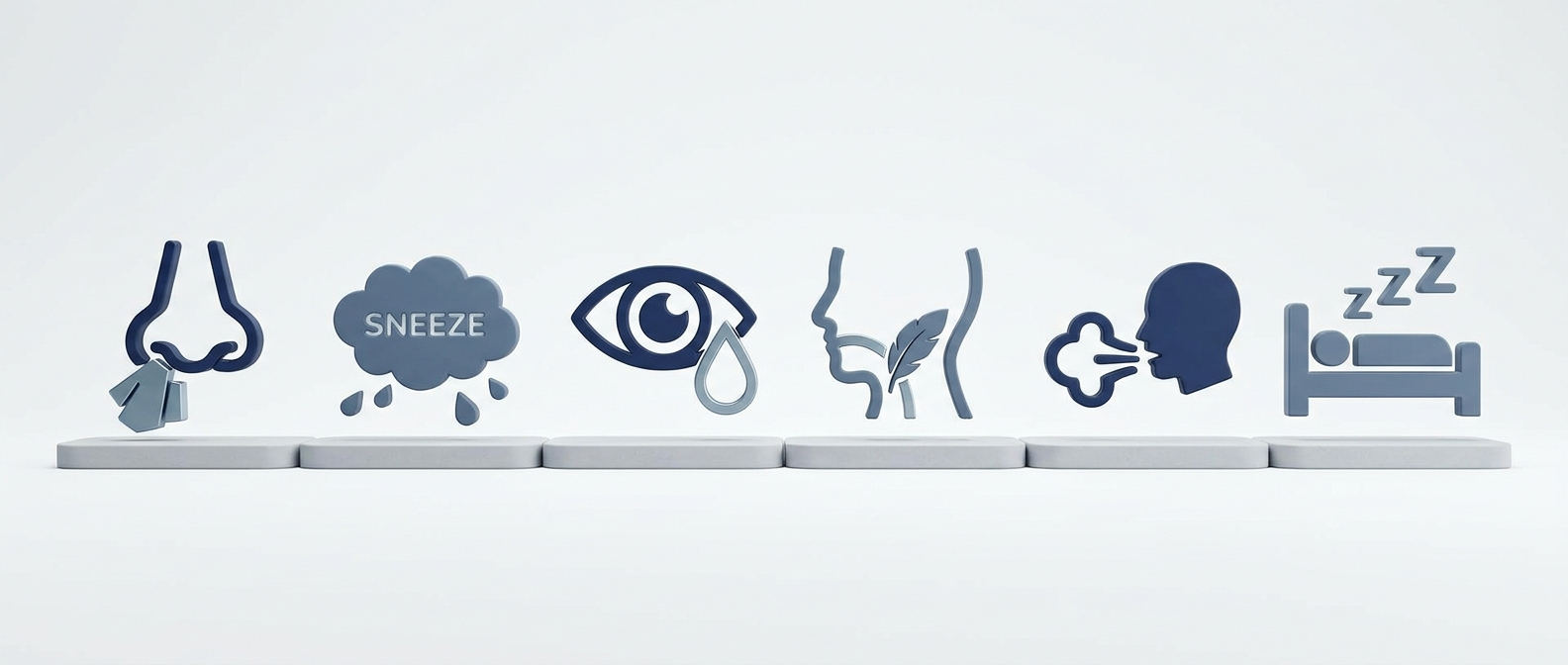
Common symptoms: • Stuffy or congested nose • Runny nose/post-nasal drip • Sneezing • Itchy, watery eyes • Itchy throat or ears • Coughing (often from post-nasal drip) • Fatigue/poor sleep (Cleveland Clinic, 2023; Texas A&M Forest Service, 2020)
Example: you wake up with a dry mouth from mouth-breathing overnight, clear your throat all day, and notice symptoms spike after errands or time outside—even without a true fever.
Less common (but possible): • Sinus pressure or headache • Worsening asthma symptoms or chest tightness (in those with asthma or reactive airways). If breathing symptoms flare, seek medical guidance—especially if you have asthma.
When it’s probably not cedar fever: • True fever and chills • Thick, discolored nasal drainage with significant facial pain • Symptoms that persist or worsen without any seasonal pattern. This information is educational, not diagnostic—if symptoms are severe, unusual, or lingering, check in with a clinician. If symptoms don’t follow a seasonal pattern or include true fever, consider other causes beyond allergies.
Causes & Triggers in Georgia
The main trigger—juniper/cedar pollen: Symptoms start when pollen becomes airborne and is inhaled. Dry, windy days spread pollen more; rain can temporarily reduce airborne pollen (though symptoms don’t always vanish immediately). (Texas A&M Forest Service, 2020; Cleveland Clinic, 2023)
Why symptoms can feel suddenly severe: • A high pollen day plus more time outdoors • Pollen clinging to hair, clothing, and pets—and then getting into your home • Sleeping with windows open • Overlapping triggers (Georgia seasons can include multiple tree pollens, plus grasses and molds later on). Think of pollen exposure like smoke: the more time around it—and the more it follows you indoors—the more irritated your eyes and nose may feel.
Who is most likely to react? • Seasonal allergies (allergic rhinitis) • Asthma • Family history of allergies • Prior sensitization to tree pollens. Your overall pollen “load” and personal sensitivity drive how strong symptoms feel.

When Is Cedar Season in Georgia?
Typical timing (general guidance): Exact timing changes year to year and across Georgia. Follow daily conditions rather than a single calendar date. Check today’s Georgia pollen levels: https://sleepandsinuscenters.com/georgia-pollen-tracker
Why Georgia timing can differ from Texas: • Climate and temperature swings • Which species are most common locally • How early or late plants pollinate in a given year (Texas A&M Forest Service, 2020). Watch local pollen trends—your nose often confirms what the map shows.
How Cedar Fever Is Diagnosed
Symptom pattern + pollen timing: • Symptoms recur around the same season • Worsen during high pollen periods • Improve with indoor time or after weather changes. Because many allergies overlap, symptoms alone can’t always pinpoint the exact trigger.
Allergy testing (how you confirm the trigger): If symptoms recur yearly—or if you’re not sure whether the culprit is juniper, oak, pine, grasses, or something else—testing can help identify specific sensitivities (skin testing or blood testing). (Cleveland Clinic, 2023) What to expect: https://sleepandsinuscenters.com/allergy-testing Testing clarifies your triggers so you can target prevention and treatment.
Cedar Fever Treatments (Relief Options That Actually Help)
Start here: a practical relief framework: 1) Reduce exposure (limit how much pollen gets in your nose/eyes) 2) Use symptom relievers consistently during the season 3) Confirm triggers when symptoms repeat or are hard to control. Many clinicians recommend using allergy medications consistently during peak seasons—rather than waiting until you’re very uncomfortable.
First-line OTC options (typical starting point): • Non-drowsy antihistamines • Intranasal steroid sprays (often most effective when used consistently) • Saline rinses/sprays to help wash pollen out of the nasal passages • Lubricating eye drops for itchy/watery eyes (Cleveland Clinic, 2023). Packaging directions and individual health considerations vary—ask a pharmacist or clinician if you have other conditions, take medications, are pregnant, or are choosing products for a child.
Lifestyle & home strategies (reduce exposure): • Shower and change clothes after outdoor time • Keep windows closed on high-pollen days • Consider HEPA filtration (especially in the bedroom) • Wash bedding regularly • Keep pets off the bed if symptoms are severe • Consider a mask and sunglasses outdoors during peak counts. Day-to-day planning: https://sleepandsinuscenters.com/georgia-pollen-tracker
When to see an ENT or allergy specialist: • Symptoms disrupt sleep, work, or school • No improvement with typical OTC approaches • Frequent sinus infections • Worsening asthma or breathing.
Prescription & long-term options: • Prescription nasal sprays or combination therapy • Optimize asthma control (when allergies affect breathing) • Immunotherapy (allergy shots or drops) for confirmed triggers. Compare long-term options: https://sleepandsinuscenters.com/allergy-drops-vs-allergy-shots Individual recommendations vary based on your health history and testing results.

Cedar Fever vs. Sinus Infection vs. Cold (Quick Comparison)
Timing: Cedar fever—often seasonal, repeats yearly. Cold—any time, often after exposure. Sinus infection—often after a cold or prolonged congestion.
Nasal drainage: Cedar fever—usually clear, watery. Cold—can start clear then change. Sinus infection—often thicker; may be discolored.
Sneezing/itching: Cedar fever—common. Cold—sometimes. Sinus infection—less common.
Fever: Cedar fever—absent or rare (not typically caused by allergies). Cold—possible. Sinus infection—more suggestive (not always present).
Facial pain/pressure: Cedar fever—sometimes. Cold—sometimes mild. Sinus infection—more common, often more intense. If true fever is present, think infection or another cause—not allergies alone.
FAQs
Q: Can cedar fever cause a real fever? A: Usually no. Cedar fever is an allergic reaction, and true fever tends to point more toward infection or another cause. (Cleveland Clinic, 2023)
Q: Why do my eyes itch so much with “cedar fever”? A: Pollen exposure can trigger histamine release in the tissues of the eyes and nose, which is why itching and watering are so common during seasonal allergy flares.
Q: Can you get cedar fever even if you’ve lived in Georgia for years? A: Yes. People can become sensitized over time, so symptoms can appear or worsen even after years in the same area.
Q: Is it only “cedar,” or could it be another Georgia tree pollen? A: It could be another tree—or multiple triggers at once. Testing can help clarify what’s driving your symptoms so you’re not stuck guessing.
Q: What’s the fastest way to feel better? A: Combine exposure reduction (keeping pollen out of the home and nasal passages) with consistent symptom management during peak days; seek evaluation if symptoms are intense or persistent. (Cleveland Clinic, 2023)
Key Takeaways
• Cedar fever is an allergic response to juniper/mountain cedar pollen—not an infection. (Cleveland Clinic, 2023)
• Cedar fever in Georgia can be real when juniper/cedar-family pollen is circulating. Eastern redcedar differs from Texas’s Ashe juniper, but both can provoke similar symptoms.
• Best results often come from a mix of exposure reduction, effective symptom relief, and confirmation of triggers when symptoms recur.
Call to Action
• Track symptoms alongside today’s Georgia pollen levels: https://sleepandsinuscenters.com/georgia-pollen-tracker
• Consider allergy testing to identify your triggers: https://sleepandsinuscenters.com/allergy-testing
Book an appointment for symptoms, testing options, and a personalized plan: https://www.sleepandsinuscenters.com/
Sources
Cleveland Clinic. (2023). Cedar Fever. https://my.clevelandclinic.org/health/diseases/25120-cedar-fever
Texas A&M Forest Service. (2020). Cedar Fever Explained. https://tfsweb.tamu.edu/cedar-fever-explained/
ENT of Georgia. (n.d.). Local Spring Allergens Unique to Georgia and Their Effects. https://www.entofga.com/blog/local-spring-allergens-unique-to-georgia-and-their-effects/
This article is for educational purposes only and is not medical advice. Please consult a qualified healthcare provider for diagnosis and treatment.
Don’t let allergies slow you down. Schedule a comprehensive ENT and allergy evaluation at Sleep and Sinus Centers of Georgia. We’re here to find your triggers and guide you toward lasting relief.